
Soup
Pho
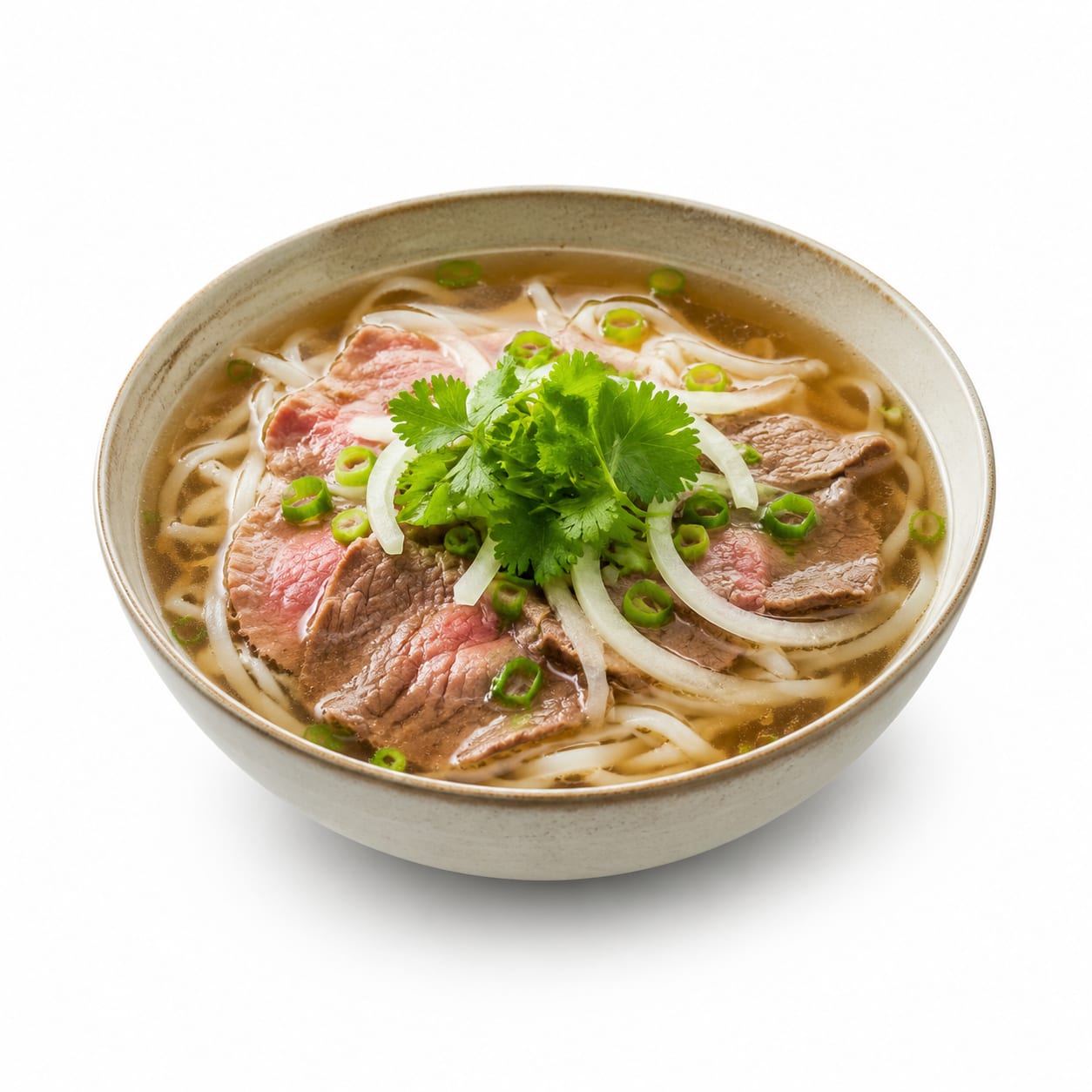
A traditional Vietnamese bone broth soup with rice noodles, herbs, and meat.
Traditional Vietnamese soup made with bone broth, rice noodles, herbs, and typically beef or chicken.
high-volume savory broth-based noodle dish
Typical serving · 540g
Common varieties · pho bo (beef), pho ga (chicken), vegetarian pho, pho tai (rare beef), pho well-done brisket
Overall context score across nutrition, safety, and diet fit
At a glance
Quick facts
Simple indicators based on nutrition, processing, and diet fit.
The story
What makes it unique
A high-volume, water-dominant food providing moderate carbohydrates from rice noodles and protein from meat. The bone broth contributes collagen and amino acids but also high sodium. Digestion is moderately paced due to the liquid matrix and protein content, though rice noodles can cause a rapid glycemic response if consumed without sufficient protein and fat.
Varieties: pho bo (beef) · pho ga (chicken) · vegetarian pho · pho tai (rare beef) · pho well-done brisket
Per 100g
Nutrition breakdown
Macro balance and key metrics at a glance.
Energy
Density 0.39 kcal/g
Protein
Carbs
Fat
Fiber
Sugar
0.5 g
Sodium
290 mg
Potassium
45 mg
Glycemic index
55
Glycemic load
2.5
Water content
88%
Standout compounds
Nutrient highlights
Sodium
highSupports fluid balance and nerve function
Collagen
moderateMay support joint and gut lining health
Iron
moderateEssential for oxygen transport in blood
Glycine
moderateAmino acid that supports sleep and anti-inflammatory processes
Wellness map
Health scores & processing
NOVA processing scale
moderate · Whole food
Traditional pho uses whole ingredients like bones, meat, and rice noodles, but restaurant versions often include added MSG, refined sugar, and commercial broth bases.
Diet compatibility
- Weight loss
- Muscle gain
- Diabetes
- Gut health
- Low carb
- High protein
- Heart health
Relative standing
Food rankings
Qualitative ranks compared to similar whole foods.
- Satietygood
- Blood sugarmoderate
- Nutrient densitymoderate
- Fitness fuelgood
- Processing qualitygood
Eat with confidence
Food safety profile
The cooked soup itself is safe due to boiling temperatures, but raw garnishes like bean sprouts and basil carry a moderate risk of bacterial contamination.
Evidence confidence 85%
- Pesticideslow
- Antibioticsmoderate
- Heavy metalslow
- Contaminationmoderate
Watch for
- Salmonella
- E. coli
- Listeria
Safer choices
Organic or locally sourced beef, pasteurized sprouts, and thoroughly washed herbs.
Prep tips
Wash all fresh herbs and bean sprouts thoroughly under running water before adding to the hot broth.
Raw bean sprouts and fresh herbs served on the side are common sources of foodborne illness if not properly washed.
Deep dive
Health analysis
How this food may fit different goals and preparation choices.
Weight loss
The high water content and broth volume promote satiety with relatively low calories, making it a filling option for calorie restriction.
Blood sugar
Rice noodles are refined carbohydrates that can spike blood sugar, but the protein and fat in the broth and meat help moderate the glycemic response.
Fitness & energy
Provides easily digestible carbohydrates and sodium for post-workout rehydration and glycogen replenishment, though protein content may be insufficient for heavy muscle repair.
Gut health
Bone broth contains collagen and amino acids like glycine, which may support gut lining integrity, but the low fiber content limits microbiome benefits.
Processing quality
Homemade pho is minimally processed, but restaurant and packaged versions often contain MSG, refined sugars, and artificial flavor enhancers.
Food safety
The boiling broth kills pathogens in the meat and noodles, but raw garnishes like bean sprouts are historically linked to foodborne illness outbreaks.
Common mistakes
Adding excessive hoisin sauce and sriracha significantly increases sugar and sodium content, diminishing the health profile.
Best preparation
Making broth at home using bones, whole spices, and minimal salt, then loading up on fresh herbs and vegetables for added fiber.
Practical guide
Best use cases
When and how this food fits real eating patterns.
Post-workout rehydration
The combination of sodium-rich broth and easily digestible carbs helps replenish electrolytes and glycogen after exercise.
High-volume low-calorie dieting
The large portion size and water content fill the stomach for extended periods without excessive calorie intake.
Cold and flu recovery
Hot broth provides hydration and warmth, while spices like ginger offer mild anti-inflammatory benefits.
Balance sheet
Pros & cons
Upsides
- High water volume promotes fullness
- Bone broth provides collagen and amino acids
- Contains iron and B vitamins from beef
- Warm broth aids digestion and hydration
- Customizable with fresh herbs and vegetables
Trade-offs
- Very high in sodium from broth and fish sauce
- Rice noodles are refined carbs with a moderate glycemic index
- Low in dietary fiber unless extra vegetables are added
- Restaurant versions often contain MSG and added sugars
- Raw bean sprouts carry a risk of bacterial contamination
Fit check
Who is it for?
Great match
- post-workout rehydration
- high-volume low-calorie eating
- cold weather comfort food
- gluten-free diets (rice noodles)
Consider alternatives
- strict low-carb or ketogenic diets
- low-sodium or heart-healthy diets
- diabetes management without portion control
- high-protein muscle-building diets
Side by side
How it compares
Open the full head-to-head analysis for nutrition, safety, and practical tradeoffs.
This food
Pho
VS85% alike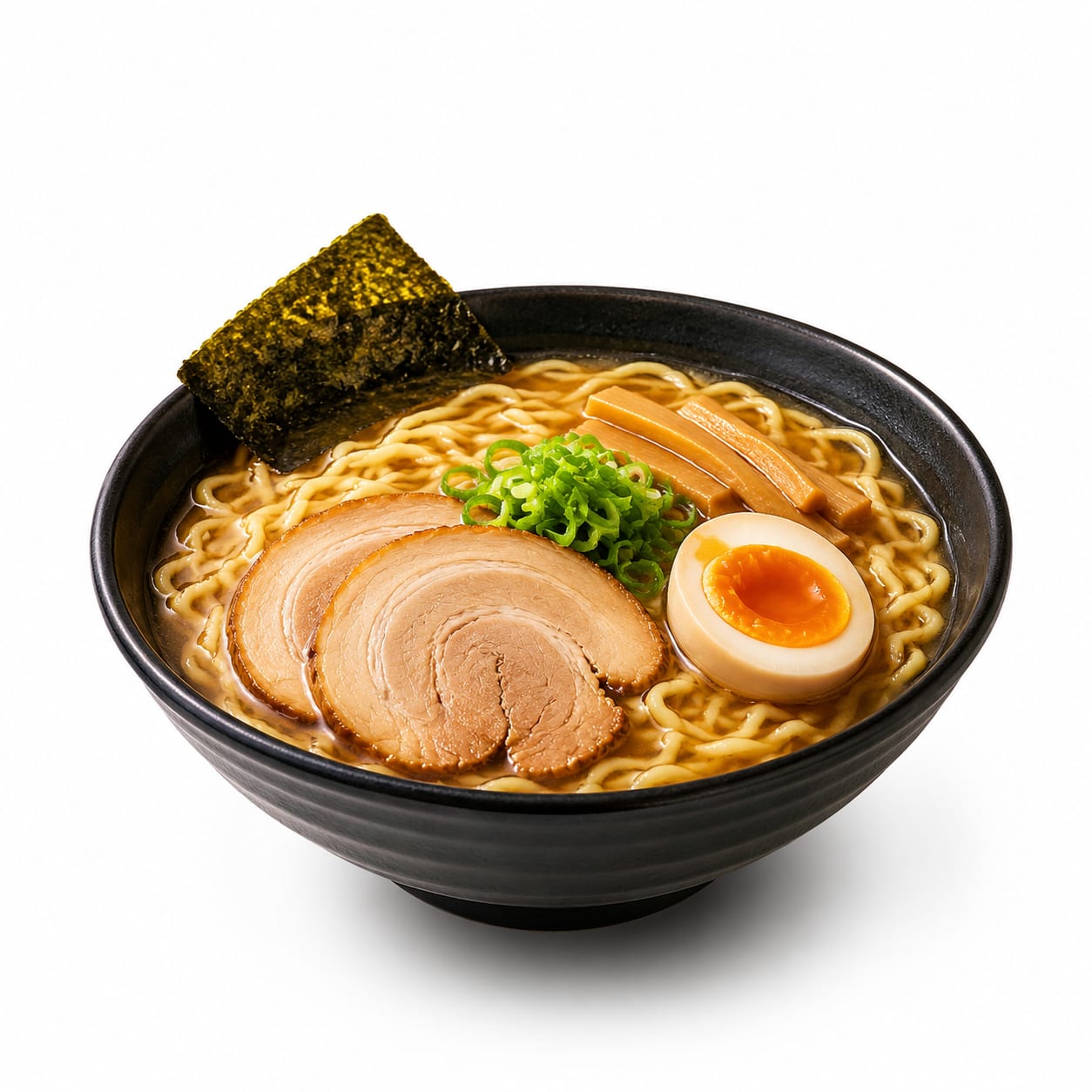
Compare with
Ramen
Pho is generally lower in calories and fat than tonkotsu ramen, which uses a rich pork bone broth.
Pho is lighter and lower in calories than rich pork-based ramen, making it better for weight loss, while ramen provides more satiety from fat.
This food
Pho
VS90% alike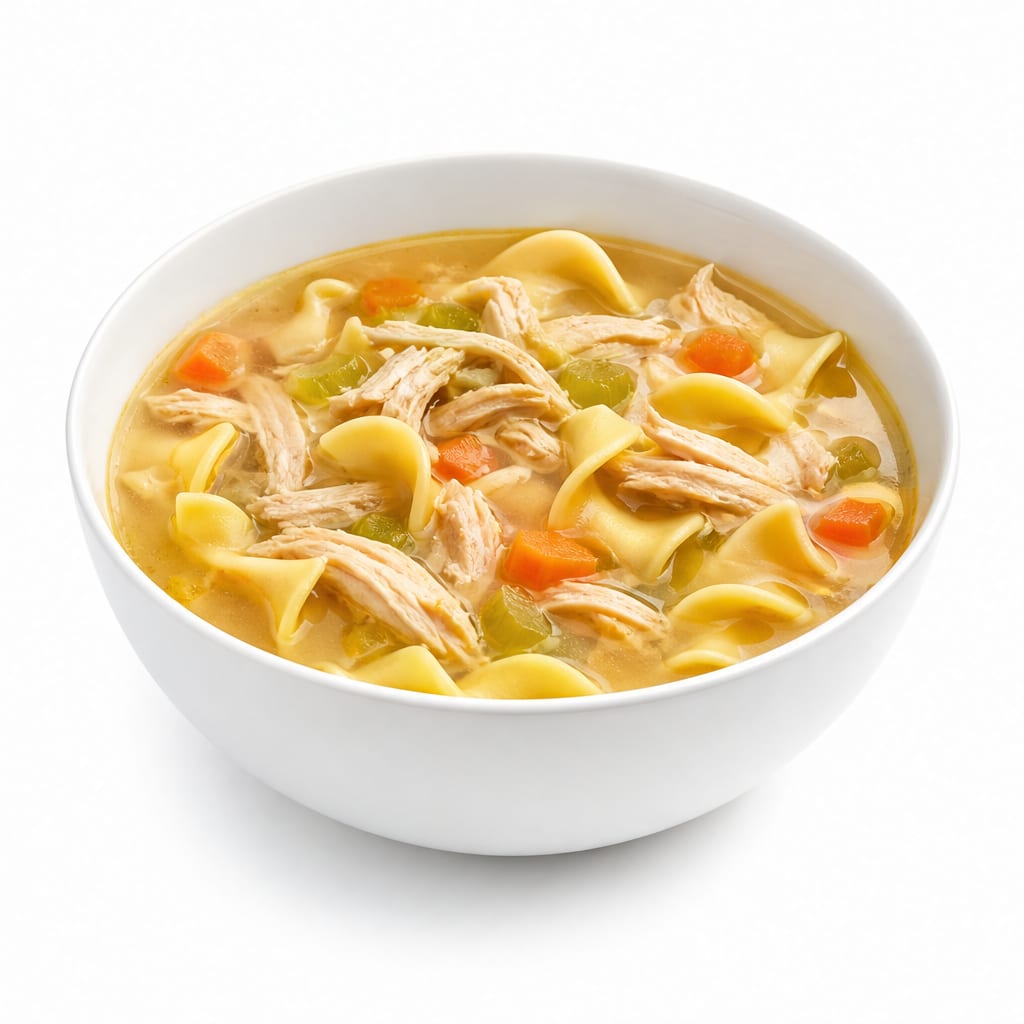
Compare with
Chicken Noodle Soup
Pho uses rice noodles and distinct spices, while chicken noodle uses egg noodles; pho is typically lower in calories but higher in sodium.
Pho is lower in calories than chicken noodle soup due to rice noodles, but chicken noodle soup is usually lower in sodium.
This food
Pho
VS60% alike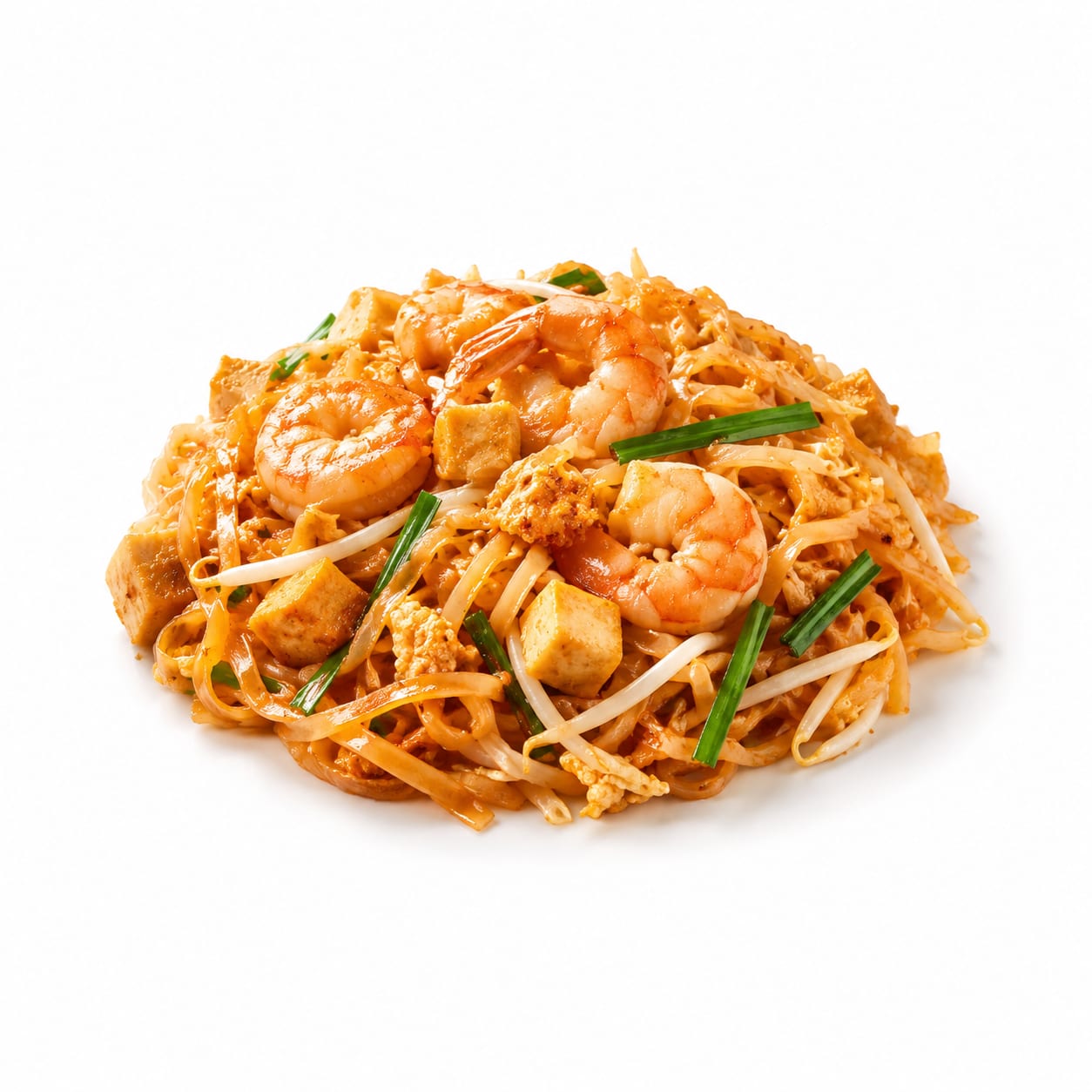
Compare with
Pad Thai
Pho is a soup and much lower in calories and fat compared to stir-fried Pad Thai, which uses oil and sugar heavily.
Pho is significantly lower in calories and fat than Pad Thai, which is stir-fried with oil and sugar.
This food
Pho
VS70% alike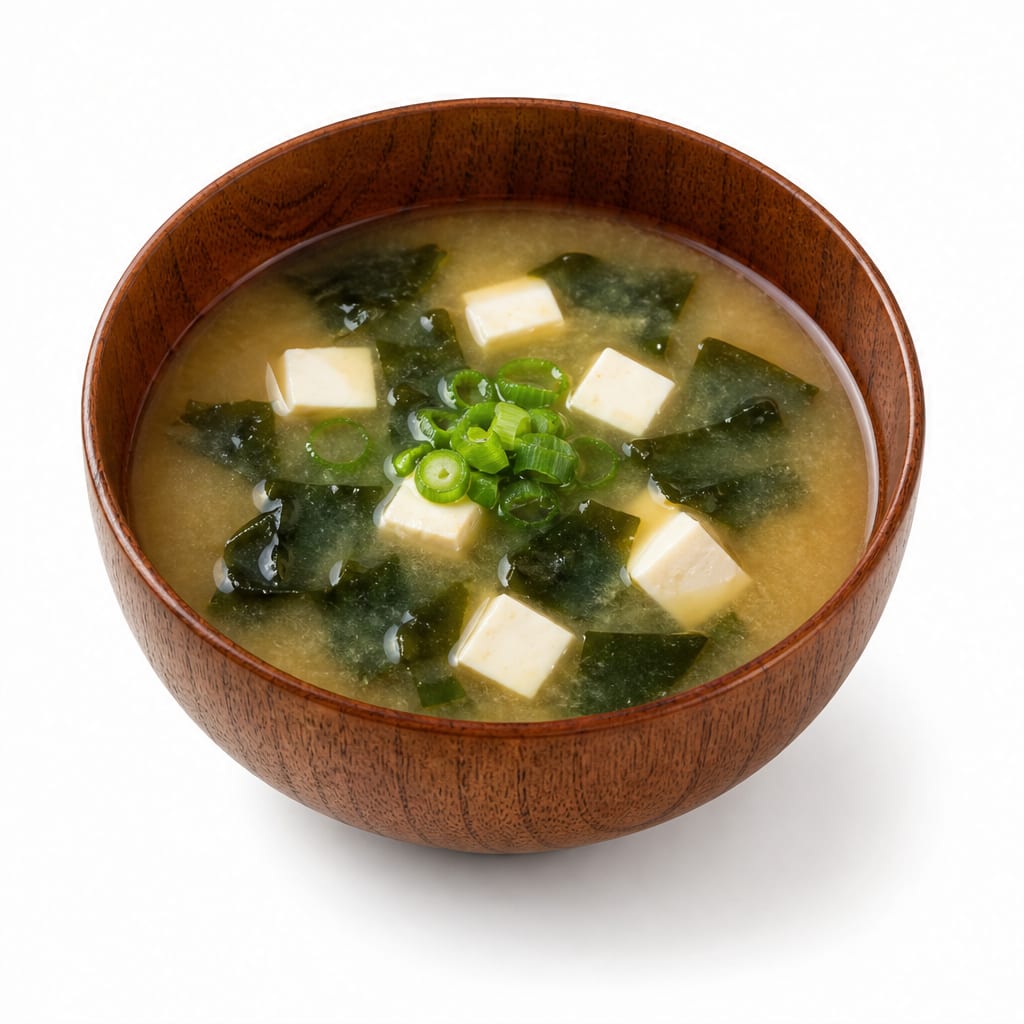
Compare with
Miso Soup
Miso soup is much lower in calories and carbohydrates than pho, as it typically contains no noodles, but pho offers more protein.
Miso soup is a lighter, lower-carb starter, while pho is a complete meal with more protein and carbs for energy.
This food
Pho
VS75% alike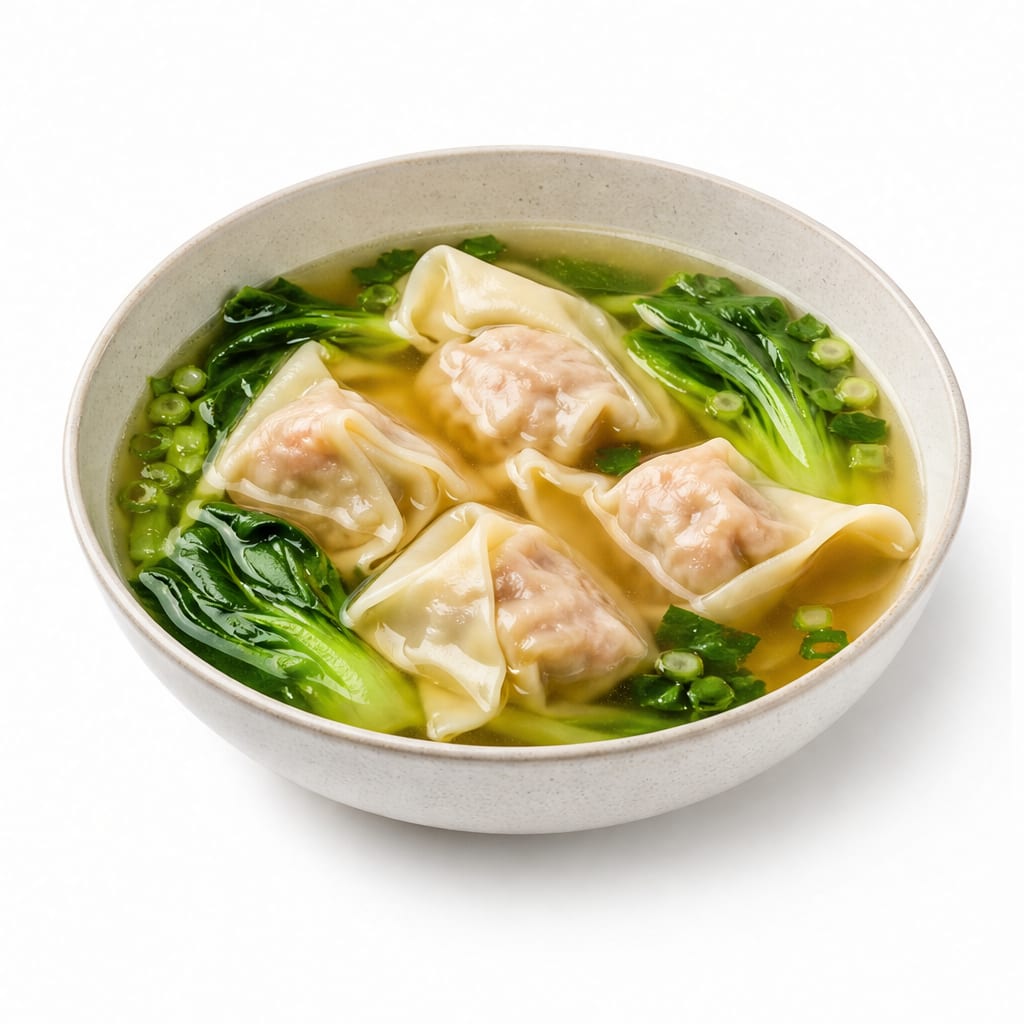
Compare with
Wonton Soup
Pho relies on noodles and sliced meat, while wonton soup features dough-wrapped meat pockets; pho is generally lower in calories.
Pho offers a larger portion size and more protein from sliced meat, while wonton soup is lighter but higher in carbs from the dough wrappers.
This food
Pho
VS85% alike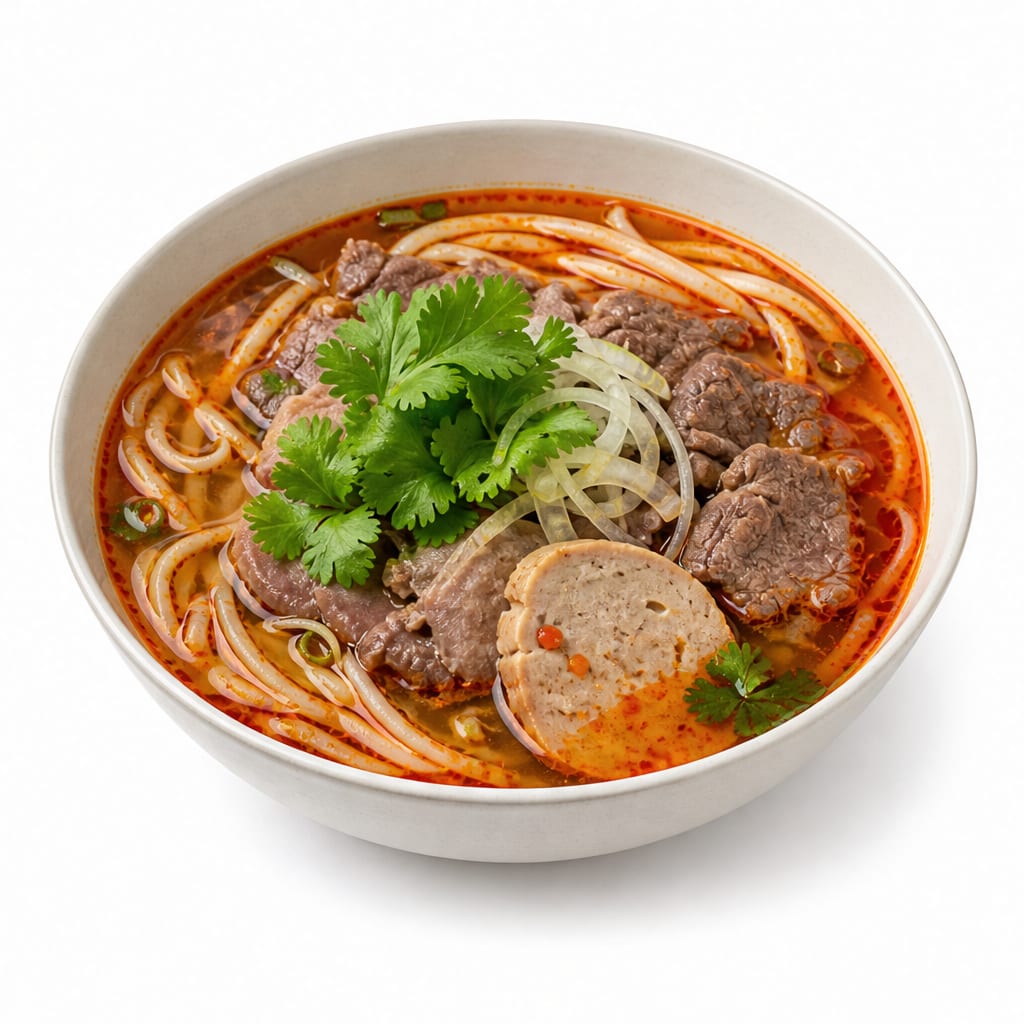
Compare with
Bun Bo Hue
Bun Bo Hue is a spicy beef noodle soup with a richer, oilier broth, making pho the lower-calorie option.
Pho is a clearer, lower-calorie broth compared to the spicy and richer Bun Bo Hue, making pho better for weight loss.
This food
Pho
VS95% alike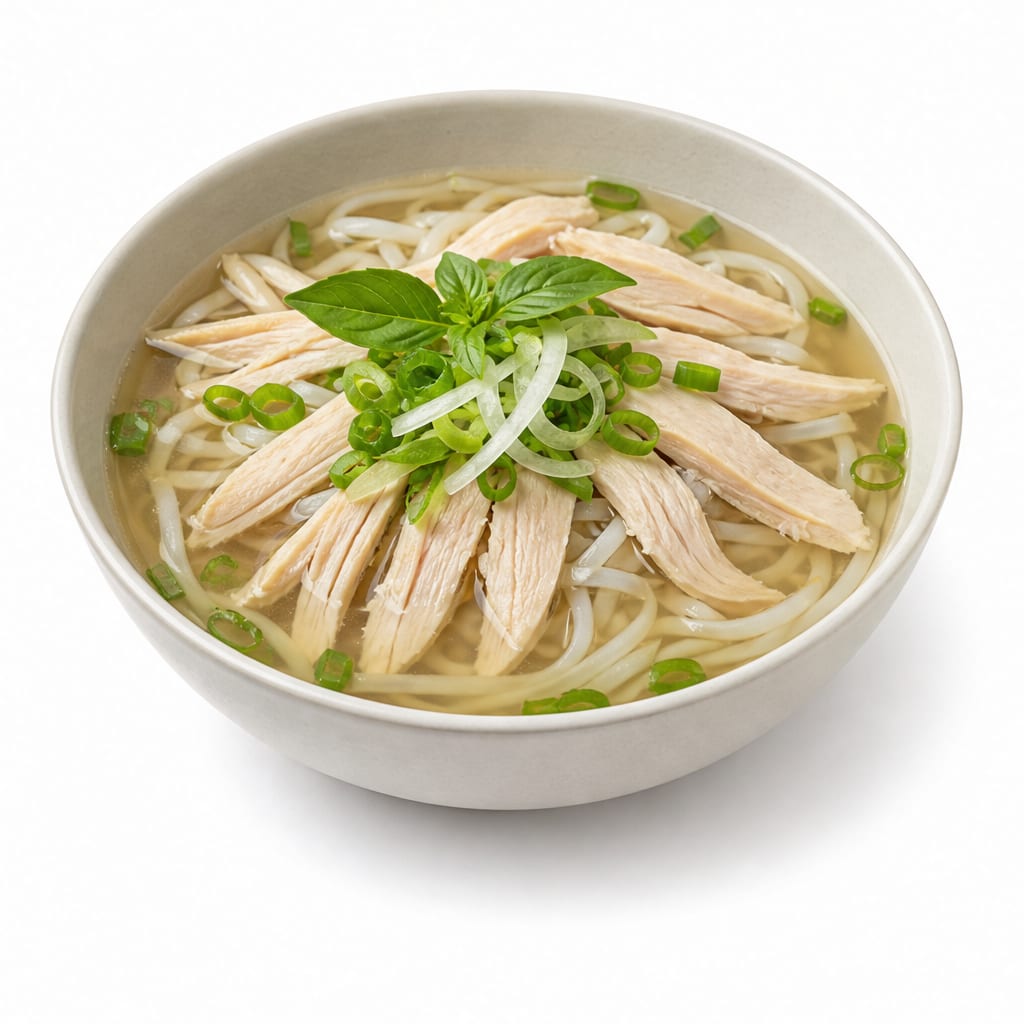
Compare with
Pho Ga
Pho ga uses chicken instead of beef, resulting in slightly fewer calories and less saturated fat, though both are similar in macronutrients.
Pho ga is slightly lower in calories and saturated fat than beef pho, but both offer similar high-volume satiety.
This food
Pho
VS75% alike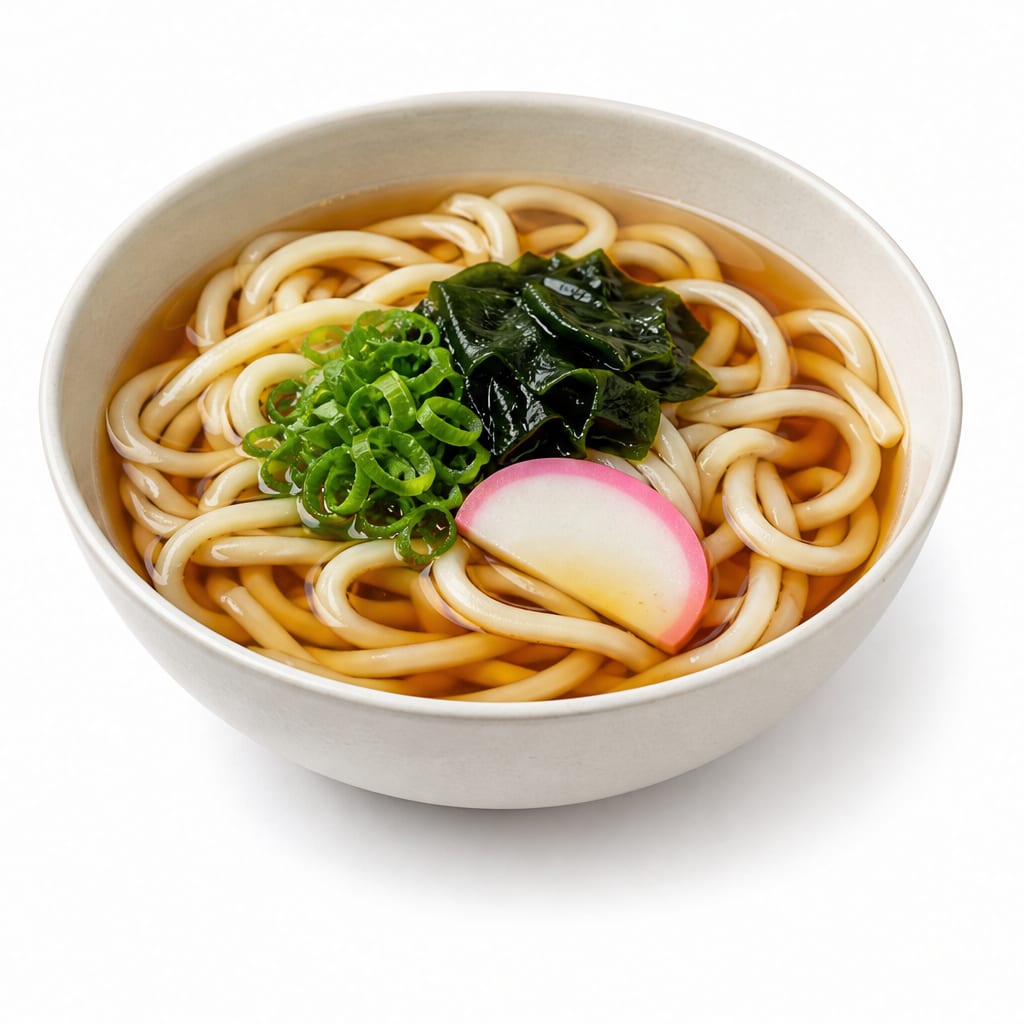
Compare with
Udon Soup
Udon uses thick wheat noodles, making it higher in calories and refined carbs than pho's rice noodles.
Pho is lower in calories and refined carbohydrates than udon soup, which uses thick wheat noodles.
This food
Pho
VS65% alike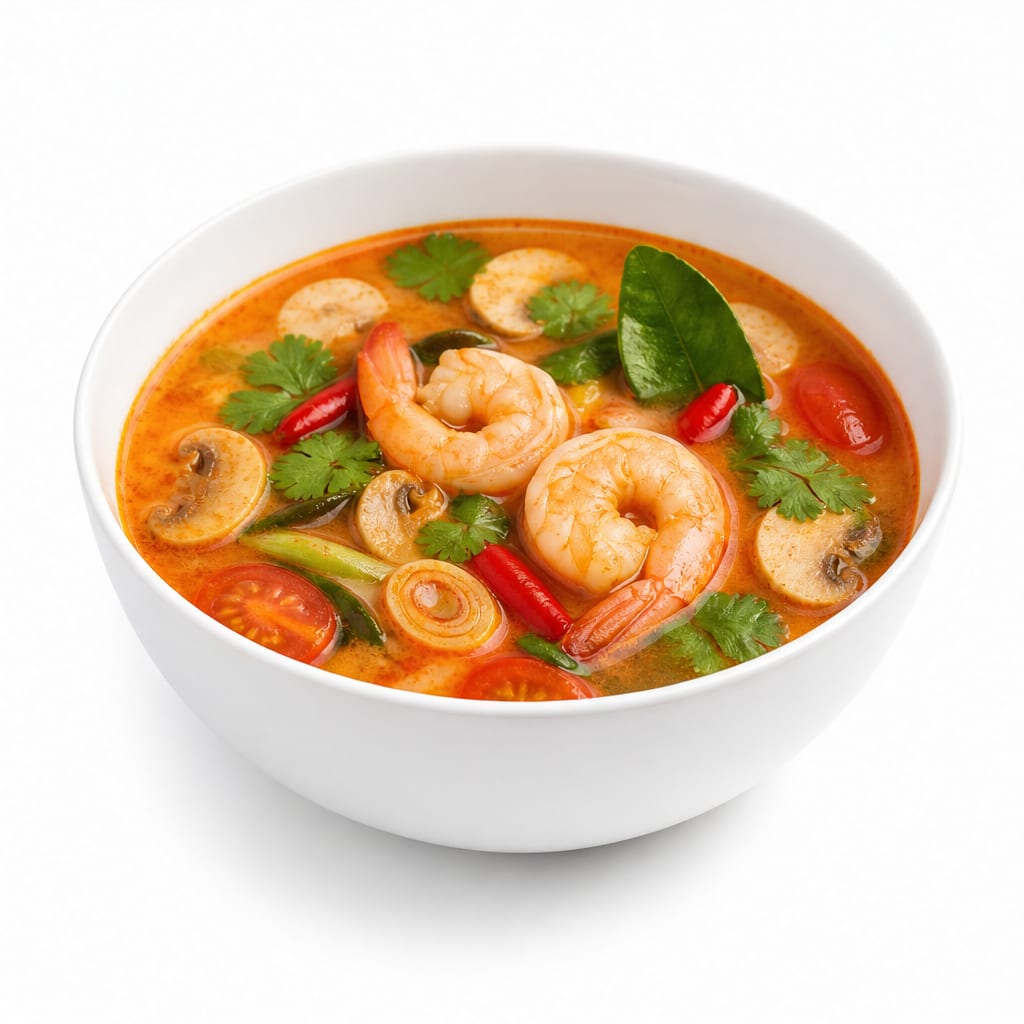
Compare with
Tom Yum Soup
Tom yum is a spicy and sour clear soup that is much lower in calories and carbs than pho, as it usually lacks noodles.
Tom yum is a very low-calorie clear soup, while pho provides more satiety and energy from its rice noodles and beef.
This food
Pho
VS55% alike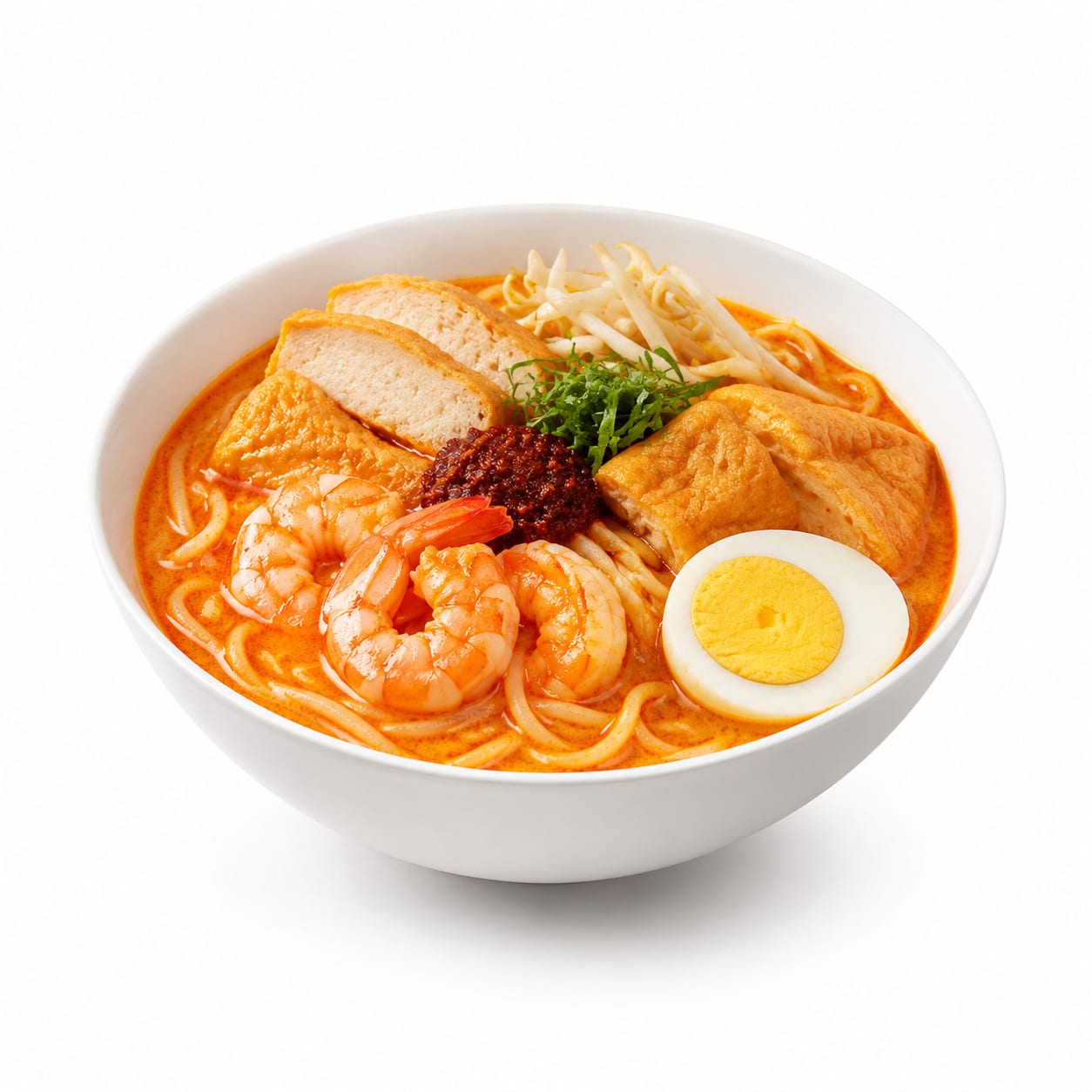
Compare with
Laksa
Laksa has a rich coconut milk curry broth, making it significantly higher in calories and fat than the clear-broth pho.
Pho is a much lighter choice than laksa, which contains high-calorie coconut milk and oil.
Common questions
FAQ
Answers aligned with how people search for this food.
Is pho good for weight loss?
Yes, pho can be good for weight loss because the high water content in the broth creates satiety with relatively low calories, but watch out for high sodium which can cause water retention.
How many calories are in a bowl of pho?
A standard medium bowl of beef pho contains roughly 350 to 450 calories, depending on the amount of noodles and meat.
Is pho high in sodium?
Yes, restaurant pho is typically very high in sodium, often containing 1,500mg or more per bowl due to the fish sauce and broth bases.
Can diabetics eat pho?
Diabetics should eat pho in moderation because the rice noodles are refined carbohydrates that can spike blood sugar, though the protein helps slow digestion.
Is pho keto-friendly?
No, traditional pho is not keto-friendly because the rice noodles are high in carbohydrates, typically containing 40-50 grams of net carbs per bowl.
What is the healthiest pho to order?
The healthiest option is pho ga (chicken) with extra vegetables, less noodles, and low-sodium broth if available, while limiting hoisin and sriracha sauces.
Is pho good for a cold?
Yes, the hot broth, spices like star anise and ginger, and steam can help clear nasal congestion and provide hydration when sick.
Does pho have a lot of carbs?
Yes, the rice noodles in pho are a significant source of carbohydrates, making up the majority of the calories in the dish.
Transparency
Data confidence
Estimated confidence for nutrition data, interpretation, safety notes, and comparisons.
Nutrition data
Health analysis
Food safety
Comparisons