
Nutrition comparison
Pho vs Bun Bo Hue: Nutrition, Health & Flavor Comparison
Comparing Pho and Bun Bo Hue? Discover which Vietnamese soup is lower in sodium, better for weight loss, and which packs more flavor and protein.
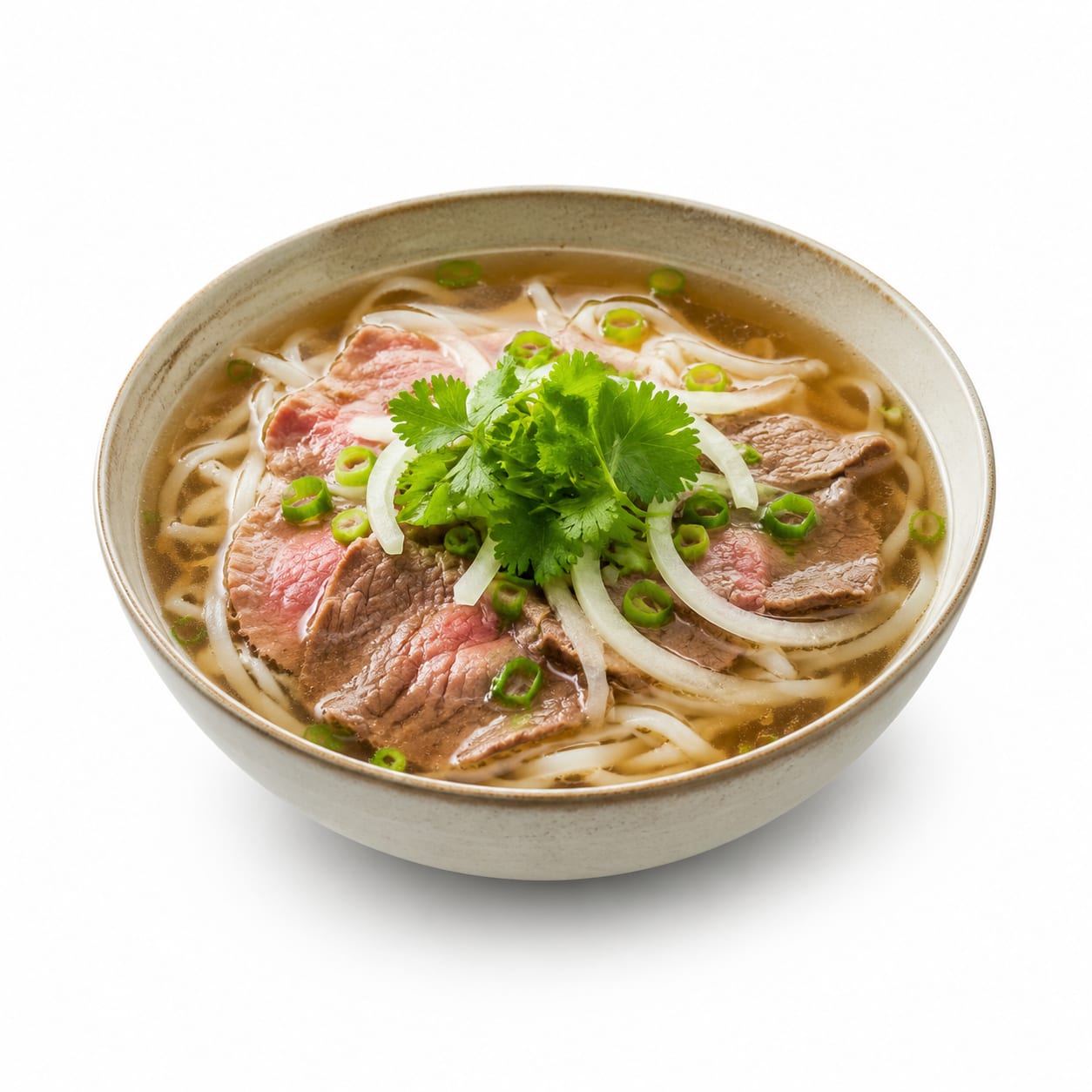
Pho
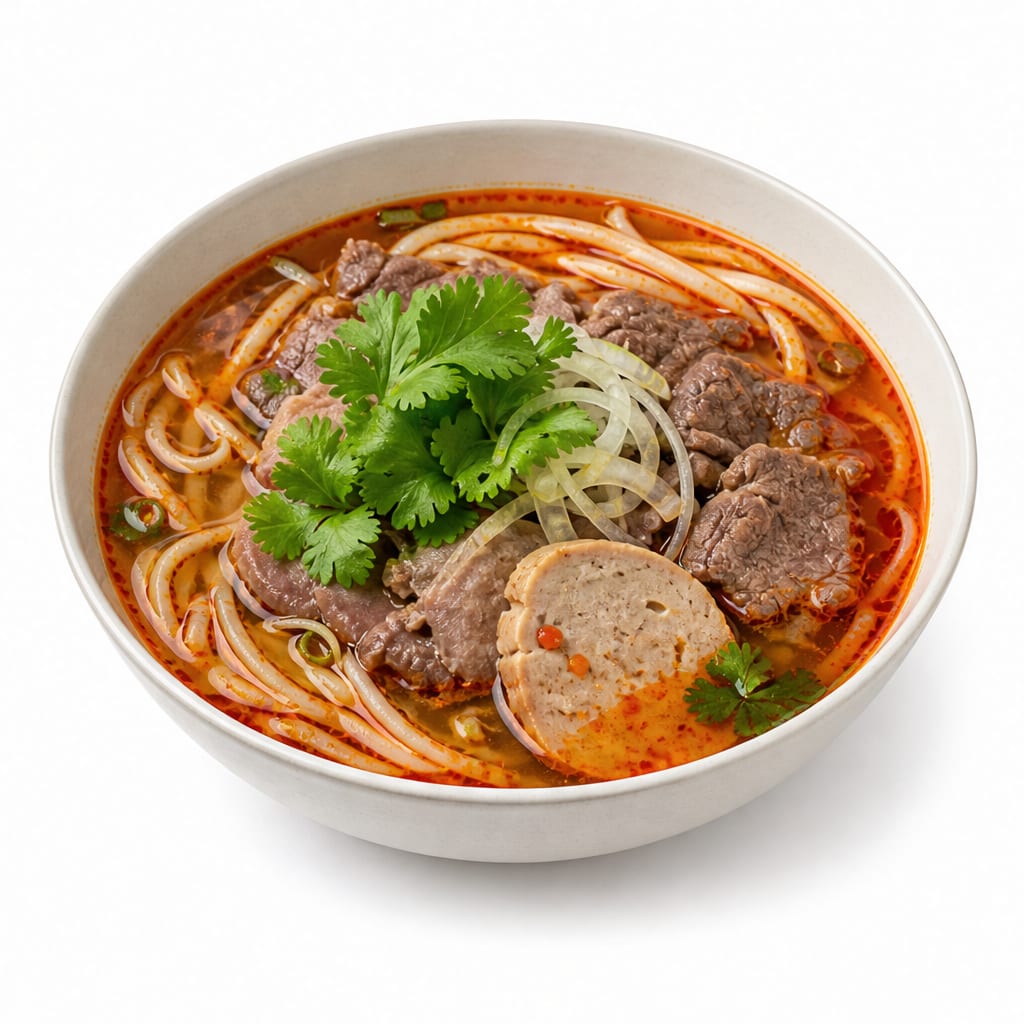
Bun Bo Hue
Pho is the lighter, lower-sodium everyday choice, while Bun Bo Hue is a richer, spicier, more indulgent bowl.
Pho scores higher due to its lighter profile, lower sodium, and broader daily suitability. Bun Bo Hue's higher fat and sodium content limits everyday use, though it wins on flavor intensity and sheer satisfaction.
Mild comfort and lower sodium versus bold spice and higher calorie density
At a glance
Executive summary
Overall
It depends
Healthier
Pho
More practical
Pho
Daily use
Pho
Key comparison lenses
Sodium and heart health impact
Bun Bo Hue is famously high in sodium from shrimp paste and fish sauce, while Pho is significantly lighter in salt
Digestive tolerance and spice level
Pho is gentle and comforting, whereas Bun Bo Hue's chili oil and lemongrass can trigger acid reflux or indigestion
Calorie density and fat content
Bun Bo Hue uses fatty pork cuts and chili oil, making it much heavier than the lean beef and clear broth of Pho
Flavor intensity and meal satisfaction
Diners often choose between Pho's subtle, aromatic comfort and Bun Bo Hue's bold, fiery punch
Best choice for
Pho
- Sensitive stomachs and acid reflux
- Low-sodium diets
- Light lunch that won't cause a food coma
- Everyday comforting meals
Bun Bo Hue
- Cold and rainy days needing a fiery warm-up
- Intense spice cravings
- Post-heavy workout calorie and protein refueling
Least suitable for
Pho
- People wanting high-calorie weight gain meals
- Those seeking bold, spicy flavor experiences
Bun Bo Hue
- High blood pressure or sodium-restricted diets
- Acid reflux or sensitive digestion
- Low-fat or strict calorie-counting diets
Deep comparison
Dimension by dimension
Each lens scores both foods and breaks down who each option suits.
- Dimension 1 · Priority 95Pho
Sodium & Heart Health
Pho · 80Bun Bo Hue · 35Pho has significantly less sodium. Bun Bo Hue's broth is heavy with salt, shrimp paste, and fermented fish sauce.
Tradeoff
You trade heart-friendly sodium levels for a deeply savory, spicy kick.
Why it matters
High sodium raises blood pressure and increases cardiovascular risk over time.
Real-world impact
Eating Bun Bo Hue frequently can leave you bloated and thirsty for hours, while Pho feels lighter and more hydrating.
Pho
- Managing blood pressure
- Reducing water retention
Better for
- Those needing extreme electrolyte replenishment
Worse for
Bun Bo Hue
- Replenishing sodium after heavy sweating
Better for
- Daily consumption
- Heart health
Worse for
- Dimension 2 · Priority 85Pho
Calorie Density & Fat Content
Pho · 82Bun Bo Hue · 50Pho is a leaner bowl with clear broth and lean beef. Bun Bo Hue uses fatty pork knuckle, ham hock, and chili oil.
Tradeoff
Lighter, leaner meal versus rich, fatty, and highly satisfying comfort food.
Why it matters
High-fat meals add up quickly and can cause sluggishness if eaten regularly.
Real-world impact
Pho fits easily into a calorie-conscious lunch; Bun Bo Hue is a heavy dinner that might put you right to sleep.
Pho
- Weight management
- Lighter daytime meals
Better for
- Those needing high-calorie bulking meals
Worse for
Bun Bo Hue
- Heavy calorie intake for active individuals
- Keto-adapted eaters needing high fat
Better for
- Fat-restricted diets
- Avoiding afternoon energy crashes
Worse for
- Dimension 3 · Priority 90Pho
Digestive Tolerance
Pho · 92Bun Bo Hue · 50Pho's mild broth is soothing and easy on the gut. Bun Bo Hue's chili oil and lemongrass can irritate sensitive stomachs.
Tradeoff
Gentle, comforting digestion versus a fiery, potentially aggravating experience.
Why it matters
Spice and high fat are common triggers for acid reflux and indigestion.
Real-world impact
Pho is a safe bet before a busy afternoon; Bun Bo Hue might cause heartburn if you are prone to it.
Pho
- Acid reflux sufferers
- Sensitive stomachs
- Gentle hangover recovery
Better for
- No real downside for digestion
Worse for
Bun Bo Hue
- Clearing sinuses from the intense spice
Better for
- GERD and IBS triggers
- Upset stomach days
Worse for
- Dimension 4 · Priority 80Bun Bo Hue
Flavor Intensity & Satisfaction
Pho · 70Bun Bo Hue · 95Bun Bo Hue delivers a punch of spice, umami, and richness that Pho's delicate profile doesn't attempt.
Tradeoff
Subtle, aromatic comfort versus bold, fiery indulgence.
Why it matters
Sometimes only a deeply flavorful, spicy meal hits the spot and cures cravings.
Real-world impact
Bun Bo Hue is the ultimate cure for a bland food rut, while Pho is more of a comforting hug in a bowl.
Pho
- When you want a mild, easy-drinking broth
- Comfort food without overwhelming the palate
Better for
- Spice enthusiasts finding it too bland
Worse for
Bun Bo Hue
- Craving bold and spicy flavors
- Breaking out of a monotonous diet routine
Better for
- Palate fatigue from intense flavors
Worse for
- Dimension 5 · Priority 75Bun Bo Hue
Protein & Collagen Content
Pho · 68Bun Bo Hue · 85Bun Bo Hue packs more total protein from pork knuckle and beef shank, plus collagen-rich broth from pork bones.
Tradeoff
Leaner, simpler protein versus higher total protein with added saturated fat.
Why it matters
More protein aids muscle recovery, but the attached fat adds calories.
Real-world impact
Bun Bo Hue keeps you full for hours, while Pho might leave you hungry again sooner.
Pho
- Lean protein goals
- Lower calorie intake
Better for
- Heavy lifters needing massive protein
Worse for
Bun Bo Hue
- Higher protein needs for muscle gain
- Long-lasting satiety
Better for
- Those watching saturated fat intake
Worse for
Timeline
Health impact over time
Short-term
Hours to days
Pho
- Light, steady energy without a food coma
- Easy digestion and gentle hydration
- Unlikely to cause bloating or heartburn
Bun Bo Hue
- Heavy fullness that can lead to sluggishness
- Potential bloating from high fat and sodium
- Intense thirst from salt and spice
Long-term
Months to years
Pho
- Better blood pressure maintenance
- Easier weight management due to lower calorie density
- Gentle on the gastrointestinal tract
Bun Bo Hue
- Risk of elevated blood pressure if consumed frequently
- Higher saturated fat intake impacting cholesterol
- Possible aggravation of chronic acid reflux
Risk profile
Safety & processing
Both are traditionally made from scratch with whole bones, meats, and aromatics. The main concern for both is restaurant-added MSG, but the dishes themselves are whole-food based.
Pho
Undercooked beef
lowRare beef is added raw and cooked by the hot broth; safe if broth is boiling, but a slight risk if it cools too quickly.
Bun Bo Hue
Undercooked pork
mediumPork knuckle and ham hock must be thoroughly cooked. Traditional preparation boils them for hours, making them safe, but improper kitchen handling is a higher risk than with beef.
High sodium dehydration
lowThe extreme salt content can cause acute dehydration if consumed without enough water.
Who wins for whom
Audience fit
Same foods, different winners depending on your goal.
children
PhoPho's mild flavor and soft, easy-to-eat ingredients are far more kid-friendly than the intense spice and chewy pork of Bun Bo Hue.
daily consumption
PhoThe lighter sodium and fat load of Pho makes it sustainable as a daily meal without cardiovascular consequences.
diabetes
PhoBoth have similar rice noodles, but Pho's lower fat content makes blood sugar management slightly easier and reduces insulin resistance risk.
elderly
PhoLower sodium and easier digestion make Pho a safer choice for aging hearts and sensitive stomachs.
muscle gain
Bun Bo HueBun Bo Hue provides more total protein and calories necessary for building muscle and recovering from heavy training.
weight loss
PhoPho is lower in calories and fat, making it much easier to fit into a calorie deficit.
Your move
Decision guide
Choose Pho
- You want a light lunch that won't slow you down
- You are watching your blood pressure or sodium intake
- You have a sensitive stomach or are prone to heartburn
- You prefer mild, comforting flavors over intense heat
Choose Bun Bo Hue
- You are craving bold, spicy, and deeply savory flavors
- You need a heavy, calorie-dense meal after intense physical labor
- You want a soup that will clear your sinuses and warm you up fast
Either works if
- You are simply craving authentic Vietnamese comfort food
- You are dining out occasionally and neither sodium nor fat is a daily concern
Avoid both if
- You are on a strict low-carb or keto diet, as both are loaded with rice noodles
- You have a severe gluten sensitivity, as some soy sauces or broths may contain wheat
Final recommendation
Make Pho your go-to weekday bowl for its lighter profile and lower sodium, and save Bun Bo Hue for when you want a bold, indulgent weekend treat.
Practical
Consumer tips
- 1
Ask for less noodles and more bean sprouts in either bowl to lower the carb load and add fiber.
- 2
For Pho, choose lean eye round instead of fatty brisket to save on calories without sacrificing protein.
- 3
For Bun Bo Hue, ask for less chili oil on top to reduce the fat content and spice level.
- 4
Drink plenty of water after eating Bun Bo Hue to flush out the excess sodium and prevent bloating.
- 5
If watching sodium closely, sip the broth sparingly in both soups, as most of the salt lives in the liquid.