
Nutrition comparison
Pho vs Pho Ga: Which Vietnamese Soup Is Healthier for You?
Compare beef Pho and chicken Pho Ga on calories, fat, iron, and digestion. Find out which bowl fits your health goals, from weight loss to heart health to daily eating.
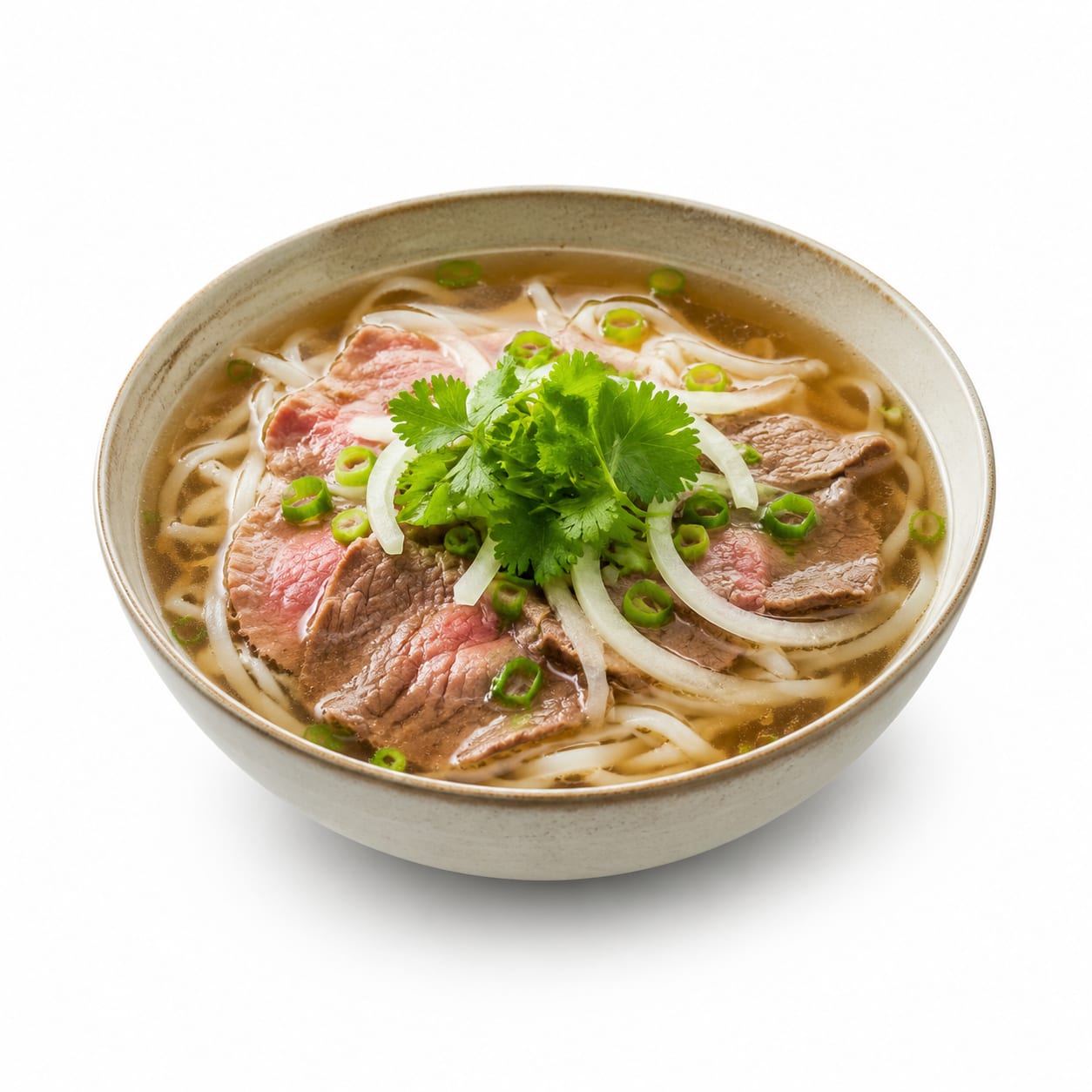
Pho
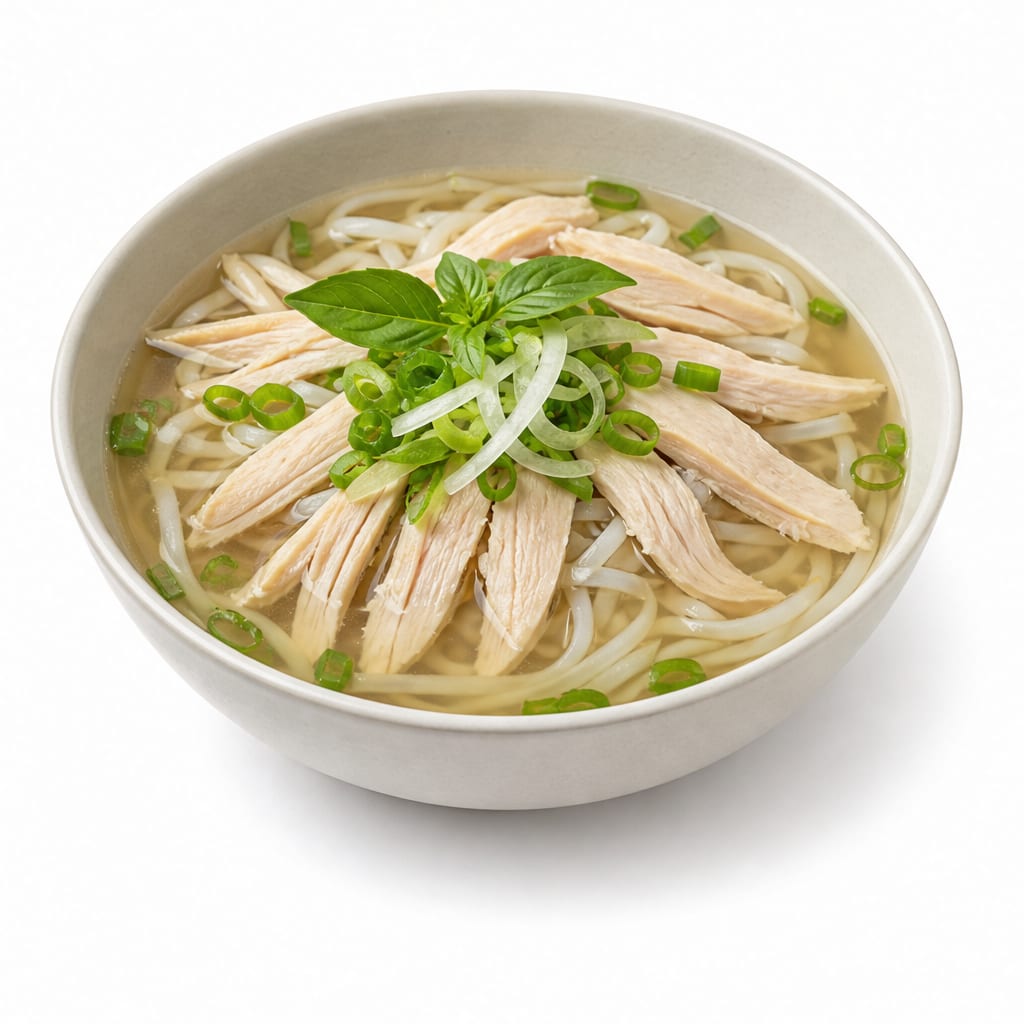
Pho Ga
Pho Ga is lighter and leaner, while beef Pho delivers more iron and staying power. Your pick depends on what your body needs today.
Pho Ga scores slightly higher due to its leaner profile and better suitability for frequent consumption. Beef Pho wins on micronutrient density and satiety but carries more saturated fat, making it better as an occasional choice rather than a daily default.
Richness and micronutrient density versus leanness and digestibility
At a glance
Executive summary
Overall
It depends
Healthier
Pho Ga
More practical
It depends
Daily use
Pho Ga
Key comparison lenses
Protein quality and satiety comparison between beef and chicken versions
The core difference is animal protein source, which drives most nutritional tradeoffs
Fat profile and heart health implications
Beef brings more saturated fat while chicken offers a leaner profile with different fatty acid composition
Digestive comfort and lightness
Many people choose between these based on how heavy or light they want to feel afterward
Iron and micronutrient density
Beef significantly outperforms chicken in heme iron, B12, and zinc
Sodium load from broth
Both versions share similar broth concerns, but preparation differences can matter
Best choice for
Pho
- People needing iron boost, especially women with heavy periods
- Those wanting a meal that keeps them full for hours
- Athletes recovering from intense training
- Anyone feeling depleted or run-down
Pho Ga
- People watching saturated fat or cholesterol
- Those with sensitive digestion or recovering from illness
- Anyone wanting a lighter meal that won't cause afternoon sluggishness
- People eating pho multiple times per week
Least suitable for
Pho
- People with high cholesterol managing heart disease
- Those who feel sluggish after heavy meals
- Anyone eating pho daily as a regular lunch option
Pho Ga
- People with iron deficiency anemia needing maximum heme iron
- Those wanting maximum post-workout muscle recovery
- Anyone who finds chicken broth less satisfying and ends up snacking later
Deep comparison
Dimension by dimension
Each lens scores both foods and breaks down who each option suits.
- Dimension 1 · Priority 90Pho
Satiety and Fullness
Pho · 82Pho Ga · 68Beef Pho keeps you fuller longer thanks to higher fat content and denser protein.
Tradeoff
That fullness comes with a heavier feeling that can slow you down if you need to be active after eating.
Why it matters
If you're eating pho as your main meal and need it to carry you 5-6 hours, beef Pho does a better job.
Real-world impact
After beef Pho, you're less likely to reach for a 3pm snack. After Pho Ga, you might feel hungry again within 3-4 hours.
Pho
- Long work shifts without break time
- Hiking or active days where you need sustained energy
- Replacing a heavy dinner
Better for
- Pre-workout meal timing
- Days when you need to feel light and quick
Worse for
Pho Ga
- Lunch before an afternoon of meetings
- Light dinner before an early bedtime
- Hot days when heavy food sounds unappealing
Better for
- Situations where you can't snack for 6+ hours
- Recovery from intense exercise
Worse for
- Dimension 2 · Priority 88Pho Ga
Fat Profile and Heart Health
Pho · 55Pho Ga · 78Pho Ga has significantly less saturated fat, making it gentler on cardiovascular health over time.
Tradeoff
You sacrifice some fat-soluble vitamin absorption and the rich mouthfeel that makes beef broth so satisfying.
Why it matters
If you eat pho weekly or more, the saturated fat difference accumulates meaningfully for heart health.
Real-world impact
Someone eating beef Pho three times a week is getting substantially more saturated fat than someone choosing Pho Ga at the same frequency.
Pho
- People with no heart health concerns who want maximum flavor
- Those eating pho occasionally as a treat
Better for
- Daily or near-daily consumption
- People already eating other red meat regularly
Worse for
Pho Ga
- Anyone with family history of heart disease
- People managing high cholesterol
- Those eating pho as a regular meal
Better for
- Situations where the leaner broth feels unsatisfying and leads to overeating later
Worse for
- Dimension 3 · Priority 85Pho
Iron and Micronutrient Density
Pho · 88Pho Ga · 52Beef Pho is a clear winner for heme iron, B12, and zinc, delivering nutrients many people are deficient in.
Tradeoff
Those same nutrients come packaged with more saturated fat and cholesterol.
Why it matters
Iron deficiency is extremely common, especially in women, and heme iron from beef is far more absorbable than plant sources.
Real-world impact
A bowl of beef Pho can provide roughly 25-35% of daily iron needs versus 8-12% from Pho Ga.
Pho
- Women with heavy menstrual cycles
- Vegetarians who occasionally eat meat for nutrient replenishment
- Anyone diagnosed with low iron or B12
Better for
- People who need to limit iron intake for medical reasons
Worse for
Pho Ga
- People with hemochromatosis or iron overload concerns
- Those already meeting iron needs through supplements or other foods
Better for
- Growing teenagers with high iron needs
- Pregnant women needing maximum heme iron
Worse for
- Dimension 4 · Priority 82Pho Ga
Digestive Comfort
Pho · 60Pho Ga · 85Pho Ga is noticeably easier on the stomach, with lighter broth and more digestible protein.
Tradeoff
The lighter profile means less staying power and a less rich eating experience.
Why it matters
If you have any digestive sensitivity, the difference between these two bowls is immediately noticeable.
Real-world impact
Pho Ga is the Vietnamese equivalent of chicken soup for a reason — it's what people crave when their stomach is off.
Pho
- People with strong digestion who want a substantial meal
- Cold weather comfort eating
Better for
- Post-illness recovery
- Eating right before physical activity
Worse for
Pho Ga
- Recovering from stomach illness
- Eating when stressed, when digestion is already compromised
- People with IBS or sensitive stomachs
- Sick-day comfort food
Better for
- Moments when only the richest, most indulgent version will satisfy
Worse for
- Dimension 5 · Priority 75It depends
Sodium Load
Pho · 45Pho Ga · 48Both versions are sodium-heavy from the broth, with Pho Ga sometimes slightly higher due to added fish sauce in some preparations.
Tradeoff
Neither is a low-sodium choice, so this dimension is mostly a tie with minor variation by restaurant.
Why it matters
A single bowl can easily contain 1500-2500mg sodium, which is most of your daily limit in one meal.
Real-world impact
If blood pressure is a concern, both versions require the same strategy: ask for less broth or choose smaller portions.
Pho
- Slightly less added sauce in traditional preparations
Better for
- Restaurants that add MSG and heavy seasoning to beef broth
Worse for
Pho Ga
- Some restaurants use lighter seasoning for chicken broth
Better for
- Preparations that rely heavily on fish sauce for chicken broth flavor
Worse for
- Dimension 6 · Priority 72Pho Ga
Calorie Density
Pho · 58Pho Ga · 74Pho Ga typically runs 100-200 fewer calories per bowl, mainly from lower fat content in the meat and broth.
Tradeoff
Fewer calories means less energy sustained over time, which can backfire if you end up snacking later.
Why it matters
For weight management, the calorie difference is meaningful if pho is a regular meal.
Real-world impact
A typical beef Pho bowl runs 500-650 calories versus 350-500 for Pho Ga, depending on portion and restaurant.
Pho
- People trying to gain weight or maintain during heavy training
- Those who skip breakfast and need lunch to be substantial
Better for
- Consistent weight management efforts
- Sedentary days with low calorie needs
Worse for
Pho Ga
- Calorie-conscious eaters
- People who prefer eating larger volumes of lighter food
- Those pairing pho with appetizers or drinks
Better for
- Active people who need calorie density
- Those who feel unsatisfied with lighter meals
Worse for
Timeline
Health impact over time
Short-term
Hours to days
Pho
- Strong satiety that can last 5-6 hours
- Possible heaviness or food coma if portion is large
- Warming and deeply satisfying in cold weather
- Higher sodium may cause temporary water retention
Pho Ga
- Lighter post-meal feeling with less sluggishness
- Hunger may return within 3-4 hours
- Comforting without feeling heavy
- Sodium impact similar to beef version
Long-term
Months to years
Pho
- Regular consumption adds significant saturated fat to diet
- Excellent heme iron intake supports energy and prevents anemia
- B12 and zinc intake supports immune and nervous system
- Higher red meat frequency may increase cardiovascular risk if eaten 3+ times weekly
Pho Ga
- Leaner protein profile supports heart health with frequent consumption
- Lower iron intake may be insufficient for those with high needs
- Easier to maintain as a regular meal without health tradeoffs
- Poultry-based diet pattern generally associated with lower chronic disease risk
Risk profile
Safety & processing
Both are traditionally whole-food dishes, but restaurant versions often contain MSG and commercial broth bases. The main concern is sodium and potential MSG rather than artificial preservatives. Homemade versions of either are about as clean as soup gets.
Pho
Undercooked beef in rare slices
mediumTraditional beef Pho is sometimes served with rare beef slices that cook in the hot broth. If broth isn't hot enough, there's a small risk of foodborne illness.
Bone broth contamination
lowLong-simmered bone broth can concentrate heavy metals from bones, though this is typically minimal and not a practical concern for occasional consumption.
Pho Ga
Antibiotic residue in conventional chicken
mediumConventionally raised chicken may carry antibiotic residues. This is more a cumulative exposure concern than an acute risk.
Undercooked chicken
highChicken must be fully cooked. Reputable restaurants handle this well, but it's worth verifying that chicken is cooked through, unlike beef which is often served rare.
Who wins for whom
Audience fit
Same foods, different winners depending on your goal.
children
Pho GaChicken is generally easier for kids to digest, and the milder flavor of Pho Ga is more appealing to young palates. Lower saturated fat is also preferable for growing bodies.
daily consumption
Pho GaThe leaner profile of Pho Ga makes it sustainable as a regular meal without the cumulative saturated fat load that beef Pho would bring.
diabetes
Pho GaLower fat content means better insulin sensitivity, and the lighter protein load creates less digestive stress. Both have similar carb profiles from rice noodles, so the fat difference matters more.
elderly
Pho GaEasier digestion, lower saturated fat for heart health, and softer chicken texture make Pho Ga more appropriate for older adults. The iron advantage of beef is less critical for most elderly people.
muscle gain
PhoBeef Pho provides more total protein, more iron for oxygen delivery to muscles, and more B12 for energy metabolism — all critical for muscle recovery and growth.
weight loss
Pho GaPho Ga delivers satisfying volume with fewer calories and less fat, making it easier to maintain a calorie deficit without feeling deprived.
Your move
Decision guide
Choose Pho
- You're iron-deficient or have heavy menstrual cycles
- You need a meal that carries you through a long afternoon
- You're recovering from intense physical training
- You're eating pho as an occasional treat, not a daily habit
- It's cold and you want the richest, most warming bowl possible
Choose Pho Ga
- You eat pho more than once a week
- You're watching your cholesterol or heart health
- You want something comforting but won't make you sluggish
- You have a sensitive stomach or are recovering from illness
- You prefer lighter meals that don't sit heavy
Either works if
- You just want a satisfying, warming bowl of soup
- Sodium is your primary concern — both are similar
- You're eating pho as part of a varied diet with plenty of vegetables
- You're adding lots of herbs and vegetables to customize your bowl
Avoid both if
- You're on a strict low-sodium diet for blood pressure management
- You have celiac disease and can't verify gluten-free soy sauce or broth bases
- You're avoiding rice noodles for blood sugar control
Final recommendation
Make Pho Ga your default and treat beef Pho as your special occasion choice. You get the leaner daily profile with all the comfort, plus the iron-rich indulgence when your body actually needs it. If you're a woman of reproductive age or training hard, one or two beef Pho bowls per week is a smart strategy. Otherwise, Pho Ga gives you more room in your diet for other foods without the saturated fat accumulating.
Practical
Consumer tips
- 1
Ask for broth on the side to control sodium — dip your noodles instead of drinking the full bowl
- 2
Load up on bean sprouts, Thai basil, and lime to add fiber and micronutrients to either version
- 3
Choose smaller portions if sodium is a concern — a large bowl can have double the sodium of a small
- 4
If ordering beef Pho, ask for lean cuts like eye round instead of fatty brisket to reduce saturated fat
- 5
Homemade pho broth lets you control sodium and skip MSG entirely — and it freezes well
- 6
Add chili and herbs generously — they add flavor and antioxidants without calories or sodium
- 7
Skip the hoisin and sriracha dipping sauces if watching sugar and sodium — they add up quickly