
Nutrition comparison
Pho vs Chicken Noodle Soup: Nutrition, Health & Comfort Compared
Compare Pho vs Chicken Noodle Soup for nutrition, sodium, protein, and comfort. Find out which soup is better for colds, weight loss, and daily meals.
Overall winner · Pho
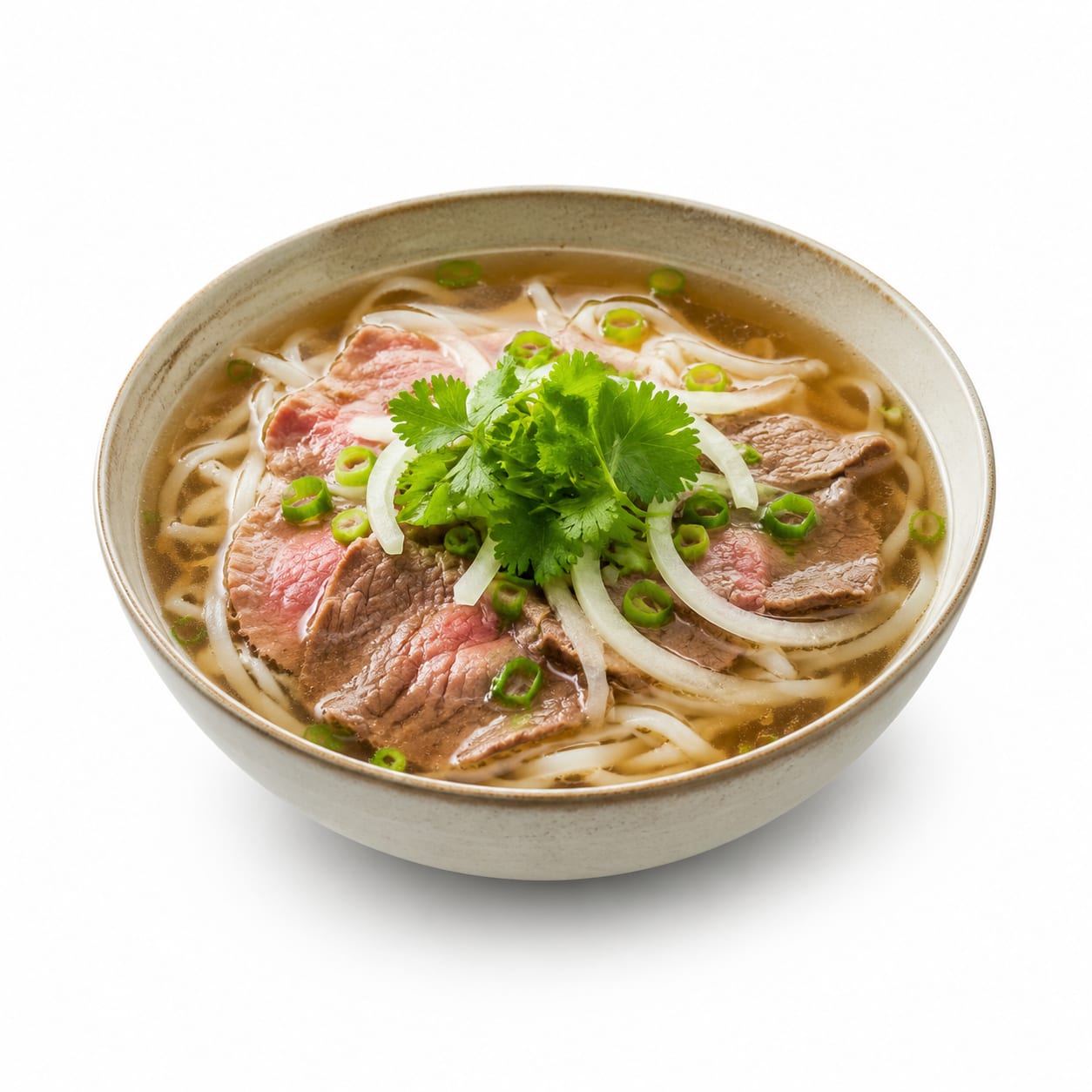
Pho
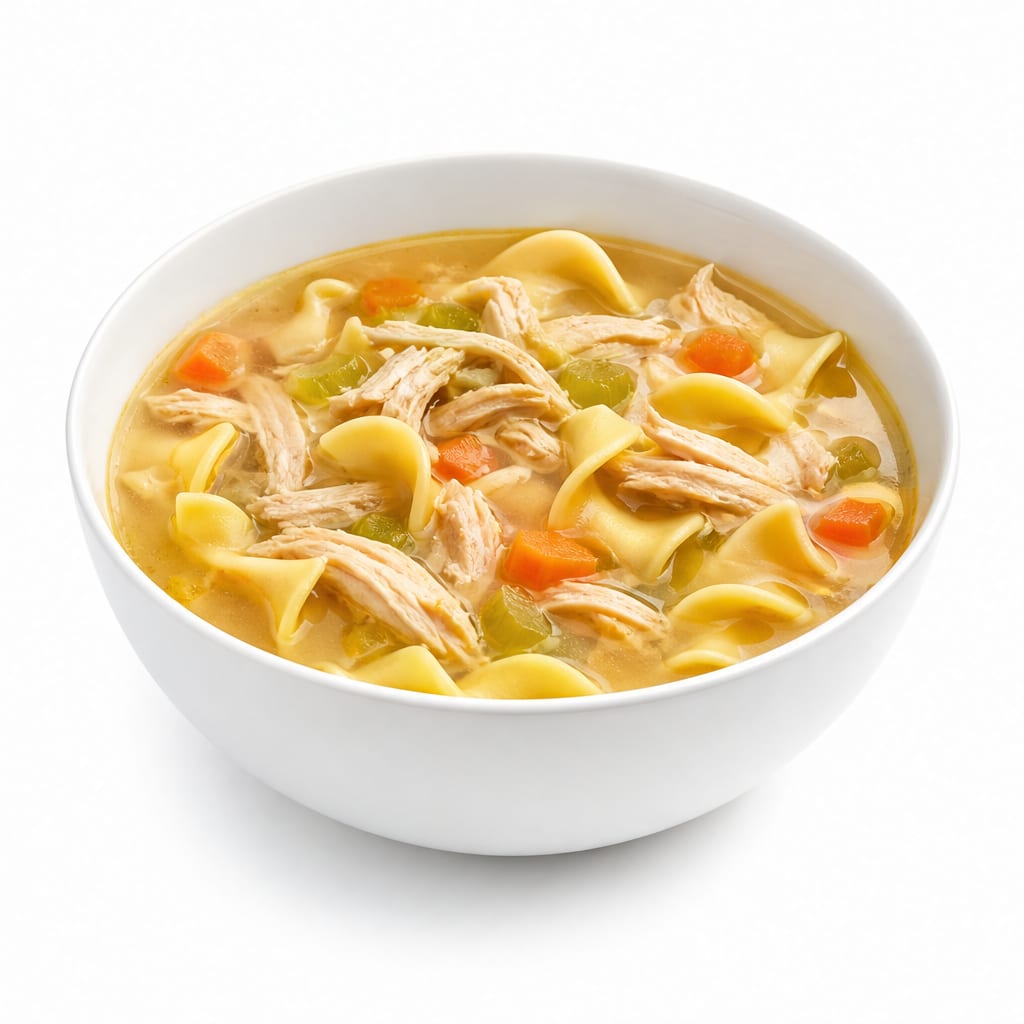
Chicken Noodle Soup
Pho offers more protein and gluten-free noodles, making it more filling and digestively friendly, while Chicken Noodle Soup is a lighter, lower-calorie classic but often lacks substance.
Pho scores higher due to superior protein content and gluten-free rice noodles, but loses points for higher calorie density and potential MSG. Chicken Noodle Soup scores lower due to lower protein and wheat noodles, but remains a lighter, lower-calorie comfort option.
Pho is a more nutritionally complete meal that keeps you full, whereas Chicken Noodle Soup is lighter and gentler but may leave you hungry an hour later.
At a glance
Executive summary
Overall
Pho
Healthier
Pho
More practical
Chicken Noodle Soup
Daily use
It depends
Key comparison lenses
Comfort and illness recovery
Both are iconic sick-day and cold-weather comfort foods, so users want to know which actually helps them feel better.
Sodium load and heart health
Broth-based soups are notorious for high sodium, making heart health a primary concern for regular consumption.
Macronutrient balance and satiety
Pho is often eaten as a full meal while Chicken Noodle Soup is usually a light lunch or starter, creating a clear tradeoff in fullness.
Digestive tolerance and allergens
Rice noodles versus wheat noodles creates a major dividing line for gluten sensitivity and digestive comfort.
Best choice for
Pho
- Athletes needing protein and carbs for recovery
- People avoiding gluten or wheat
- Anyone wanting a soup that functions as a complete meal
Chicken Noodle Soup
- People looking for a light, low-calorie lunch
- Those feeling under the weather who need something bland
- Budget-conscious shoppers needing a quick meal
Least suitable for
Pho
- People strictly limiting calories
- Those sensitive to MSG or histamines
- Anyone needing a very low-sodium diet
Chicken Noodle Soup
- People needing high protein for muscle maintenance
- Those with celiac disease or gluten intolerance
- Anyone looking for long-lasting satiety
Deep comparison
Dimension by dimension
Each lens scores both foods and breaks down who each option suits.
- Dimension 1 · Priority 90Pho
Satiety & Protein Content
Pho · 85Chicken Noodle Soup · 55Pho delivers significantly more protein from beef and a larger portion of noodles, keeping you full much longer than the mostly broth and small chicken pieces in Chicken Noodle Soup.
Tradeoff
You get more calories with Pho in exchange for lasting fullness, whereas Chicken Noodle Soup is lighter but may leave you hungry again quickly.
Why it matters
A meal that actually fills you up prevents overeating later in the day.
Real-world impact
Pho easily replaces a dinner, while Chicken Noodle Soup often needs a sandwich or crackers to feel like a full meal.
Pho
- Post-workout recovery
- Long work shifts without break time
Better for
- Right before bed if you want something light
- Strict calorie cutting phases
Worse for
Chicken Noodle Soup
- Light snacking before a heavy dinner
- Days with low appetite
Better for
- Recovering from heavy exercise
- Busy days where you skip meals
Worse for
- Dimension 2 · Priority 88It depends
Sodium & Heart Health
Pho · 60Chicken Noodle Soup · 55Both soups can be sodium bombs, but canned Chicken Noodle Soup often contains extreme sodium levels, while Pho's sodium varies by restaurant and can be partially controlled.
Tradeoff
Pho offers more potassium from fresh herbs which helps balance sodium, but restaurant portions are huge, whereas a controlled portion of Chicken Noodle Soup might actually have less total sodium.
Why it matters
Frequent high-sodium meals raise blood pressure and increase heart disease risk over time.
Real-world impact
Eating canned Chicken Noodle Soup daily can easily push you over the recommended sodium limit, while Pho leaves you bloated from salt and water retention.
Pho
- Situations where you can control the fish sauce added
- Meals where you eat the potassium-rich herbs
Better for
- Eating out frequently at restaurants that use heavy MSG and salt
- Those with hypertension eating large bowls
Worse for
Chicken Noodle Soup
- Homemade versions where you strictly control the salt
- Small portions as a starter rather than a main
Better for
- Reliance on canned varieties with preservatives
- Eating the entire can as a single serving
Worse for
- Dimension 3 · Priority 82Pho
Digestive Friendliness & Allergens
Pho · 85Chicken Noodle Soup · 60Pho uses rice noodles which are naturally gluten-free and easier to digest for many, while Chicken Noodle Soup relies on wheat egg noodles that can cause bloating in sensitive individuals.
Tradeoff
Pho is safer for gluten-sensitive eaters, but the rich bone broth and spices might upset a very delicate stomach, whereas Chicken Noodle Soup is famously bland and gentle.
Why it matters
Digestive discomfort ruins the comfort aspect of a comfort food entirely.
Real-world impact
Choosing Chicken Noodle Soup with wheat noodles can trigger bloating or brain fog for gluten-sensitive people, while Pho sits much lighter in the stomach.
Pho
- Gluten-free diets
- Those with wheat allergies
Better for
- Sensitive to strong spices like star anise or clove
- Those with histamine intolerance from long-simmered bone broth
Worse for
Chicken Noodle Soup
- Recovering from a stomach bug needing extreme blandness
- Children with picky palates
Better for
- Celiac disease or non-celiac gluten sensitivity
- Low-FODMAP diets due to wheat content
Worse for
- Dimension 4 · Priority 95It depends
Comfort & Illness Recovery
Pho · 80Chicken Noodle Soup · 85Chicken Noodle Soup is the classic mild cold remedy with easy-to-tolerate warmth, while Pho offers a punch of aromatic spices that can clear sinuses more aggressively.
Tradeoff
Chicken Noodle Soup is better when you need something bland and gentle, while Pho is better when you need strong aromatics to open up congestion.
Why it matters
When you are sick, you want immediate relief and something easy to get down.
Real-world impact
If you have a raw throat and no appetite, Chicken Noodle Soup goes down easily. If you are stuffed up and sweating out a cold, Pho acts like a tasty decongestant.
Pho
- Severe nasal congestion needing aromatics
- Colds where you still have a strong appetite
Better for
- Nausea or upset stomach sensitive to spices
- Vomiting illnesses where rich broth is too heavy
Worse for
Chicken Noodle Soup
- Stomach bugs requiring maximum gentleness
- Sore throats needing warm, non-spicy liquid
Better for
- Congestion that needs clearing out
- When you need substantial calories to recover
Worse for
Timeline
Health impact over time
Short-term
Hours to days
Pho
- Quick hydration from broth
- Rapid energy from rice noodles
- Potential sinus clearing from hot spices and steam
Chicken Noodle Soup
- Gentle hydration from broth
- Light energy from small noodle portions
- Comforting warmth without digestive strain
Long-term
Months to years
Pho
- Better muscle maintenance from higher protein intake
- Potential blood pressure issues if restaurant sodium is too high
- Improved joint health from collagen in bone broth
Chicken Noodle Soup
- Risk of high blood pressure if relying on canned versions
- Possible weight loss due to low calorie density
- Potential nutrient deficiency if used as a primary meal replacement
Risk profile
Safety & processing
Restaurant or homemade Pho relies on natural bone broth and fresh herbs, though MSG is common. Canned Chicken Noodle Soup typically contains highly processed noodles, factory-made broth, and preservatives.
Pho
MSG sensitivity
mediumMany restaurants use MSG to enhance the umami flavor, which can cause headaches or flushing in sensitive individuals.
Undercooked beef
lowPho is often served with raw beef that cooks in the hot broth; if the broth is not hot enough, it may not reach safe temperatures.
Chicken Noodle Soup
BPA exposure from cans
mediumCanned Chicken Noodle Soup often has BPA in the lining, which is an endocrine disruptor, especially concerning with hot acidic liquids.
High sodium preservatives
highCanned versions use massive amounts of sodium as a preservative, posing a significant risk for blood pressure management.
Who wins for whom
Audience fit
Same foods, different winners depending on your goal.
children
Chicken Noodle SoupChicken Noodle Soup has a milder flavor, smaller pieces, and familiar ingredients that picky eaters prefer over the complex spices and herbs in Pho.
daily consumption
It dependsHomemade versions of both can be healthy daily options, but typical restaurant Pho is too large and salty, while canned Chicken Noodle Soup is too processed and sodium-heavy for daily use.
diabetes
PhoThe higher protein content in Pho slows down the digestion of rice noodles, leading to steadier blood sugar compared to the low-protein, refined wheat noodles in Chicken Noodle Soup.
elderly
PhoPho provides more protein to prevent age-related muscle loss and contains collagen from bone broth, which supports joint health.
muscle gain
PhoPho provides a substantial amount of protein from the beef and a larger carbohydrate load from rice noodles, supporting muscle recovery and growth.
weight loss
Chicken Noodle SoupChicken Noodle Soup is much lower in calories and fat, making it easier to fit into a calorie deficit, though it may not keep you full as long.
Your move
Decision guide
Choose Pho
- You need a filling, satisfying meal that doubles as comfort food
- You are avoiding gluten or wheat
- You are congested and want spices that clear your sinuses
- You need post-workout protein and carbs
Choose Chicken Noodle Soup
- You have an upset stomach and need something extremely bland
- You want a light lunch that will not make you sleepy
- You are eating on a tight budget or need pantry convenience
- You are feeding a child who dislikes complex flavors
Either works if
- You just want a warm, hydrating bowl of soup on a cold day
- You are willing to make homemade versions to control the sodium
Avoid both if
- You are on a strict low-sodium diet for heart failure or kidney disease
- You are following a low-carb or ketogenic diet
Final recommendation
Choose Pho when you need a real meal with protein and gluten-free carbs, or when you want bold flavors to cut through congestion. Opt for Chicken Noodle Soup when you feel physically unwell and need gentle, low-calorie comfort, but stick to homemade or low-sodium versions to avoid the canned salt bomb.
Practical
Consumer tips
- 1
Ask for Pho broth on the side to control how much salty liquid you consume, or request no MSG when ordering.
- 2
Choose low-sodium Chicken Noodle Soup and add your own fresh herbs and shredded chicken to boost nutrition without the salt.
- 3
Load up Pho with extra bean sprouts and herbs to increase fiber and fullness without many extra calories.
- 4
Skip the hoisin and sriracha sauces at the Pho table, as they add hidden sugar and sodium; use fresh jalapeños and lime instead.