
Nutrition comparison
Pho vs Wonton Soup: Which Is Healthier for You?
Compare Pho and Wonton Soup on calories, protein, sodium, gluten, and satiety. Find out which Asian soup fits your health goals and dietary needs better.
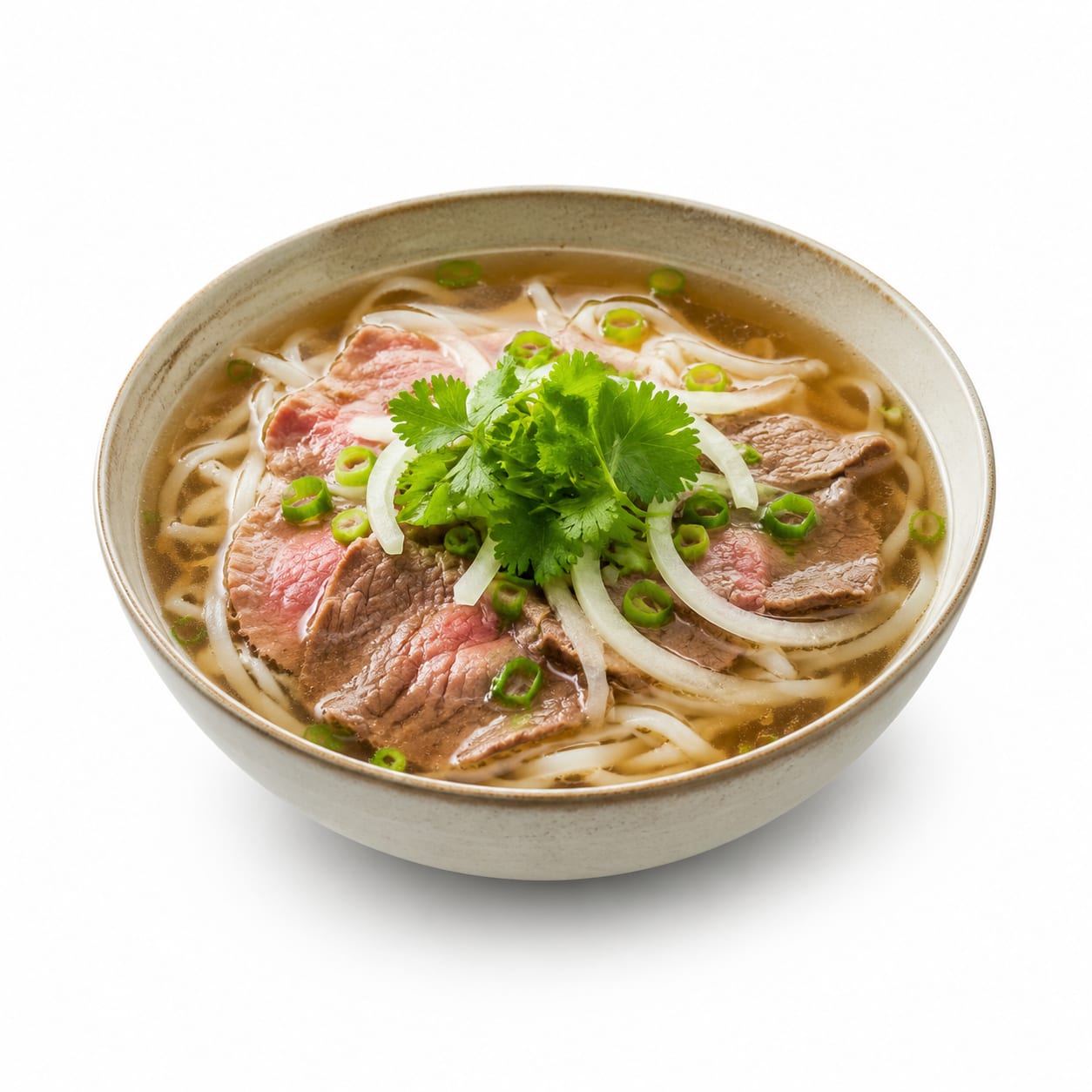
Pho
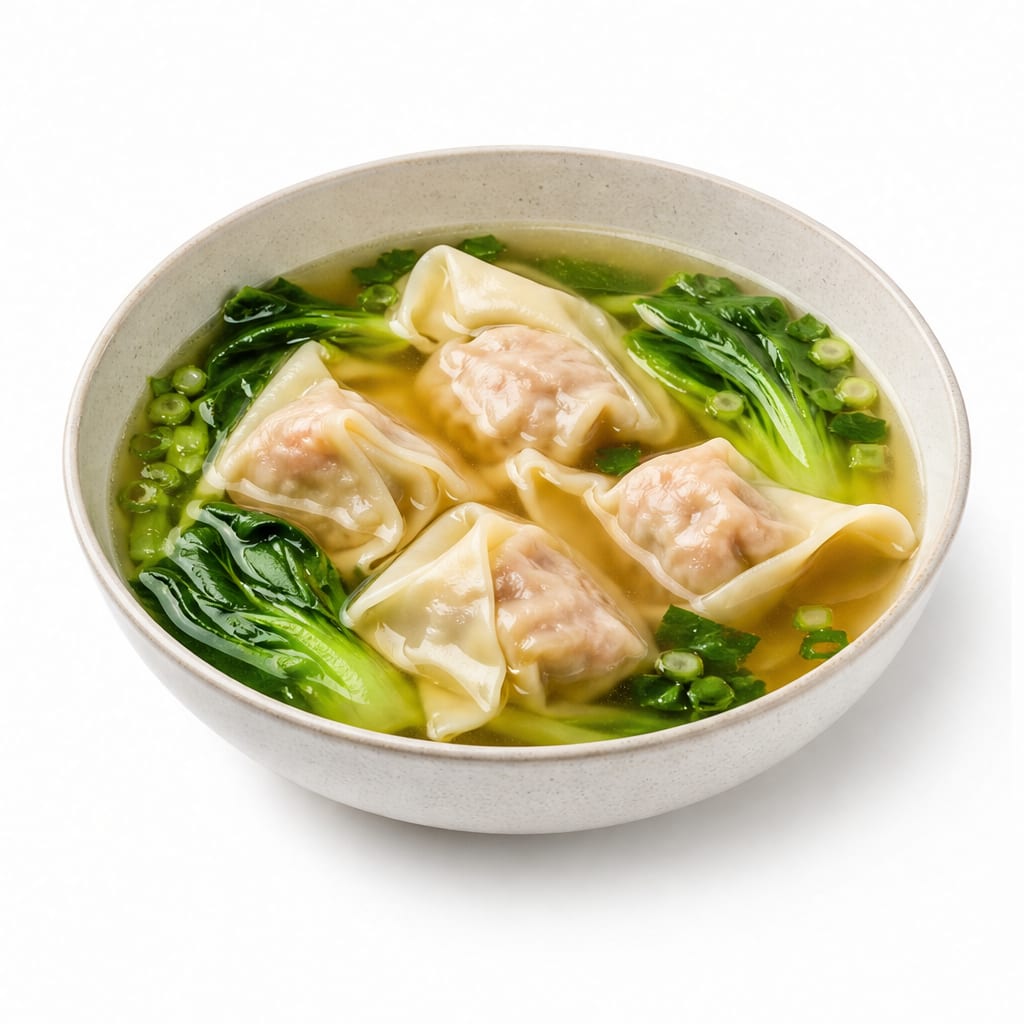
Wonton Soup
Pho is lighter and more herb-forward with gluten-free noodles, while Wonton Soup delivers more protein and compact satisfaction in a smaller bowl.
Pho scores higher due to lower calorie density, more vegetable content, gluten-free noodles, and better suitability for regular consumption. Wonton Soup loses ground on sodium, gluten, and lower nutrient diversity, but remains competitive through higher protein and greater satiety per serving.
Pho offers more volume and freshness for fewer calories, but Wonton Soup packs more protein and filling power per bite.
At a glance
Executive summary
Overall
It depends
Healthier
Pho
More practical
Wonton Soup
Daily use
Pho
Key comparison lenses
comfort food nutrition comparison
Both are beloved Asian soups often chosen for comfort, warmth, and illness recovery, making nutritional tradeoffs highly relevant
sodium and hydration management
Both are broth-based soups with significant sodium content, a major health concern for daily consumption
weight management and satiety
Users often choose soups for lighter meals, so calorie density and fullness matter greatly
gluten and dietary restriction compatibility
Pho uses rice noodles while Wonton Soup uses wheat wrappers, a critical distinction for gluten-sensitive individuals
protein quality and muscle maintenance
Protein sources differ significantly between these soups, affecting satiety and muscle support
Best choice for
Pho
- People avoiding gluten or wheat
- Those wanting a larger, lower-calorie meal
- Anyone seeking more vegetables and fresh herbs
- People watching their weight who need volume
- Those recovering from illness needing gentle hydration
Wonton Soup
- Athletes needing more protein per meal
- People wanting a compact, filling lunch
- Those who prefer smaller portions with more substance
- Anyone prioritizing satiety over volume
Least suitable for
Pho
- People needing high protein intake per meal
- Those sensitive to MSG commonly used in restaurant pho
- People wanting a compact, quick meal
Wonton Soup
- People with gluten intolerance or celiac disease
- Those on low-sodium diets
- People wanting a light, low-calorie meal
Deep comparison
Dimension by dimension
Each lens scores both foods and breaks down who each option suits.
- Dimension 1 · Priority 92Wonton Soup
Satiety & Fullness
Pho · 65Wonton Soup · 80Wonton Soup fills you up faster with less volume, thanks to concentrated protein in the dumplings.
Tradeoff
Pho gives you more to eat but less staying power, while Wonton Soup delivers compact satisfaction that lasts longer.
Why it matters
If you need to stay full until your next meal, Wonton Soup does the job more efficiently despite being a smaller bowl.
Real-world impact
After Pho, you may feel hungry again within 2-3 hours. Wonton Soup typically keeps you satisfied for 3-4 hours.
Pho
- Large appetites who want volume without excessive calories
Better for
- People who need sustained energy between meals
Worse for
Wonton Soup
- Busy professionals who need one meal to last
- Anyone trying to avoid afternoon snacking
Better for
- Those who prefer eating larger portions
Worse for
- Dimension 2 · Priority 90Pho
Sodium Load
Pho · 55Wonton Soup · 35Both soups are sodium-heavy, but Wonton Soup typically packs more salt per bowl from seasoned pork filling and concentrated broth.
Tradeoff
Pho is slightly easier on blood pressure, but neither soup is genuinely low-sodium without special preparation.
Why it matters
Regular high-sodium meals raise blood pressure over time and increase cardiovascular risk, especially if eaten frequently.
Real-world impact
A single bowl of either soup can contain 1500-3000mg sodium. Wonton Soup often hits the higher end, nearly exceeding your daily limit in one meal.
Pho
- People with hypertension who still want soup
- Those trying to moderate sodium intake
Better for
- Anyone on a strict low-sodium diet
Worse for
Wonton Soup
- Athletes who lose significant sodium through sweat
Better for
- People with high blood pressure
- Those at risk for cardiovascular disease
Worse for
- Dimension 3 · Priority 85Wonton Soup
Protein Quality & Quantity
Pho · 50Wonton Soup · 78Wonton Soup delivers substantially more protein per bowl from its pork and shrimp-filled dumplings.
Tradeoff
Pho provides leaner protein from sliced beef or chicken, but in smaller total amounts spread across a larger bowl.
Why it matters
Adequate protein per meal supports muscle maintenance, metabolic health, and sustained energy without crashes.
Real-world impact
Wonton Soup typically provides 20-30g protein per bowl. Pho averages 15-20g, and much of the bowl volume is broth and noodles.
Pho
- Those preferring leaner, simpler protein sources
Better for
- People who need efficient protein delivery per meal
Worse for
Wonton Soup
- Older adults needing more protein per meal
- Active individuals supporting muscle recovery
- Anyone struggling to hit daily protein targets
Better for
- Those avoiding pork for religious or dietary reasons
Worse for
- Dimension 4 · Priority 88Pho
Calorie Density & Weight Management
Pho · 78Wonton Soup · 55Pho offers more food volume for fewer calories, making it more weight-loss friendly.
Tradeoff
You eat more with Pho but consume less energy, while Wonton Soup is calorically denser per bite despite smaller portions.
Why it matters
Volume eating helps with adherence to weight loss plans because you feel like you ate a full meal.
Real-world impact
A large bowl of Pho runs 350-500 calories. Wonton Soup can reach 400-600 calories in a much smaller serving.
Pho
- Anyone actively losing weight
- Volume eaters who need large portions to feel satisfied
Better for
- People needing calorie-dense meals for weight gain
Worse for
Wonton Soup
- People trying to gain weight healthily
- Those who prefer smaller, energy-dense meals
Better for
- Anyone counting calories closely
Worse for
- Dimension 5 · Priority 80Pho
Nutrient Diversity & Micronutrients
Pho · 75Wonton Soup · 50Pho delivers more vitamins and minerals through fresh herbs, bean sprouts, and vegetable garnishes.
Tradeoff
Wonton Soup is more nutritionally one-dimensional, relying primarily on pork, wheat, and broth for its profile.
Why it matters
Micronutrient diversity supports immune function, energy production, and long-term health beyond basic macros.
Real-world impact
Pho's garnish plate adds vitamin C, vitamin K, and antioxidants you simply do not get from wonton dumplings.
Pho
- Those eating few vegetables elsewhere in their diet
- Anyone wanting more micronutrient bang per calorie
Better for
- People who skip the herb garnishes
Worse for
Wonton Soup
- Situations where simplicity and predictability matter more
Better for
- Those relying on soup as a significant nutrient source
Worse for
- Dimension 6 · Priority 82Pho
Gluten & Allergen Compatibility
Pho · 85Wonton Soup · 30Pho uses rice noodles, making it naturally gluten-free. Wonton wrappers are made from wheat flour.
Tradeoff
Pho is accessible to far more dietary restrictions, while Wonton Soup excludes anyone avoiding gluten or wheat.
Why it matters
For the growing number of people with gluten sensitivity or celiac disease, this distinction is meal-breaking.
Real-world impact
Pho is one of the few Asian soups you can order confidently without asking about gluten. Wonton Soup is never gluten-free unless specially made.
Pho
- Anyone with celiac disease or gluten intolerance
- People following gluten-free diets for inflammation
Better for
- No significant downside here
Worse for
Wonton Soup
- Those without gluten concerns who prioritize other factors
Better for
- Anyone with wheat allergies or gluten sensitivity
- People reducing gluten for gut health reasons
Worse for
- Dimension 7 · Priority 78Pho
Digestive Comfort
Pho · 80Wonton Soup · 60Pho is gentler on digestion with its lighter broth, rice noodles, and warming herbs that soothe the gut.
Tradeoff
Wonton Soup's wheat wrappers and denser pork filling can feel heavier and more taxing on sensitive stomachs.
Why it matters
When you are eating soup for comfort or recovery, easy digestion matters more than nutrient density.
Real-world impact
Pho is a go-to for cold and flu recovery across cultures because it sits lightly. Wonton Soup can feel like a full meal that takes more effort to digest.
Pho
- People recovering from illness
- Those with sensitive digestion
- Anyone eating before physical activity
Better for
- People wanting substantial post-meal satisfaction
Worse for
Wonton Soup
- Situations where digestive heaviness feels comforting
Better for
- Anyone with IBS or wheat sensitivity
- People eating before exercise
Worse for
Timeline
Health impact over time
Short-term
Hours to days
Pho
- Quick hydration from large broth volume
- Light energy boost from rice noodles without heavy sluggishness
- Possible bloating if MSG-sensitive and eating restaurant versions
- Warming and comforting effect that eases congestion
Wonton Soup
- Rapid satiety from protein-dense wontons
- Possible thirst afterward from higher sodium content
- Heavier post-meal feeling due to wheat and pork density
- Quick energy from combined carbs and protein
Long-term
Months to years
Pho
- Better weight maintenance if eaten regularly due to lower calorie density
- Potential blood pressure concerns if sodium is not managed
- Improved micronutrient intake from regular herb consumption
- Lower inflammatory burden from rice-based carbs versus wheat
Wonton Soup
- Higher sodium intake contributing to hypertension risk with frequent consumption
- Better muscle maintenance from consistent protein intake
- Possible wheat-related inflammation for sensitive individuals
- Greater risk of weight gain if portion sizes are not controlled
Risk profile
Safety & processing
Both soups fall into similar processing territory. Restaurant versions of both often contain MSG and commercial broth concentrates. Homemade Pho edges slightly ahead because its garnishes are raw and fresh, while Wonton Soup relies on pre-made wheat wrappers that may contain preservatives.
Pho
MSG sensitivity reactions
lowMany restaurants add MSG to pho broth. While generally recognized as safe, some individuals experience headaches or flushing.
Undercooked beef in rare-sliced versions
mediumPho with rare beef relies on broth temperature to finish cooking. Insufficiently hot broth may leave beef undercooked.
Herb contamination
lowRaw herb garnishes can carry bacteria if not washed properly, a risk with any raw produce.
Wonton Soup
Pork contamination in filling
mediumPork-based wonton filling must reach safe internal temperature. Improperly cooked pork carries parasite and bacterial risks.
High sodium from seasoned filling
highWonton pork filling is heavily seasoned with soy sauce and salt, compounding the sodium already present in the broth.
Wheat wrapper preservatives
lowCommercial wonton wrappers may contain preservatives like propionates. Fresh wrappers avoid this but are less common in restaurants.
Who wins for whom
Audience fit
Same foods, different winners depending on your goal.
children
Wonton SoupKids tend to prefer the familiar, bite-sized wontons over the complex herb flavors in Pho. The smaller portion size also suits smaller appetites better.
daily consumption
PhoPho's lower sodium, lighter calorie load, gluten-free noodles, and higher vegetable content make it more sustainable as a regular meal choice.
diabetes
PhoPho's rice noodles have a moderate glycemic impact, and the larger broth volume slows eating speed. Wonton Soup's wheat wrappers and denser carbs can spike blood sugar more sharply in a smaller package.
elderly
PhoPho is easier to chew and digest, with softer textures and lighter protein. The warming broth and gentle herbs support hydration and comfort.
muscle gain
Wonton SoupWonton Soup delivers more protein per serving from its pork and shrimp filling, supporting muscle repair and growth more effectively.
weight loss
PhoPho provides more volume and fewer calories per bowl, making it easier to maintain a calorie deficit without feeling deprived.
Your move
Decision guide
Choose Pho
- You want a larger, more filling bowl without excessive calories
- You are avoiding gluten or wheat products
- You value fresh herbs and vegetables in your meal
- You need something gentle on the stomach after illness
- You are watching your weight and want volume for fewer calories
Choose Wonton Soup
- You need more protein per meal for muscle or satiety
- You prefer compact, dense meals over large bowls
- You are not concerned about gluten or sodium
- You want something that keeps you full for hours
- You find smaller portions more convenient for your schedule
Either works if
- You simply want a warming, comforting soup
- You are eating out and both are available at similar quality
- Hydration and broth-based nourishment are your main goals
Avoid both if
- You are on a strict low-sodium diet prescribed by a doctor
- You have severe MSG sensitivity and cannot confirm its absence
- You need a low-calorie meal and cannot control portion sizes
Final recommendation
For regular meals, Pho is the smarter default thanks to its lighter profile, gluten-free noodles, and better nutrient diversity. Choose Wonton Soup when protein and lasting fullness matter more than calorie control, such as after intense exercise or on days when you need one meal to carry you through a long afternoon. Both deserve a place in your rotation, but Pho is easier on your body if eaten multiple times per week.
Practical
Consumer tips
- 1
Ask for low-sodium broth at restaurants when available — this single change makes either soup significantly healthier
- 2
Load up on Pho's herb garnishes — they add antioxidants and flavor without calories
- 3
Request extra vegetables in either soup to boost fiber and satiety
- 4
Drink water before and after either soup to help your body manage the sodium load
- 5
If ordering Wonton Soup, ask for the broth on the side to control how much sodium you consume
- 6
Choose chicken Pho over beef Pho for slightly lower saturated fat
- 7
Make either soup at home to control sodium, oil, and ingredient quality — the difference is dramatic
- 8
Skip the hoisin and sriracha with Pho if watching sugar and sodium — they add hidden calories and salt