
Nutrition comparison
Pho vs Tom Yum Soup: Which Is Healthier for Weight Loss and Daily Eating?
Compare Pho and Tom Yum Soup on calories, carbs, sodium, and health benefits. Find out which soup is better for weight loss, diabetes, and everyday nutrition.
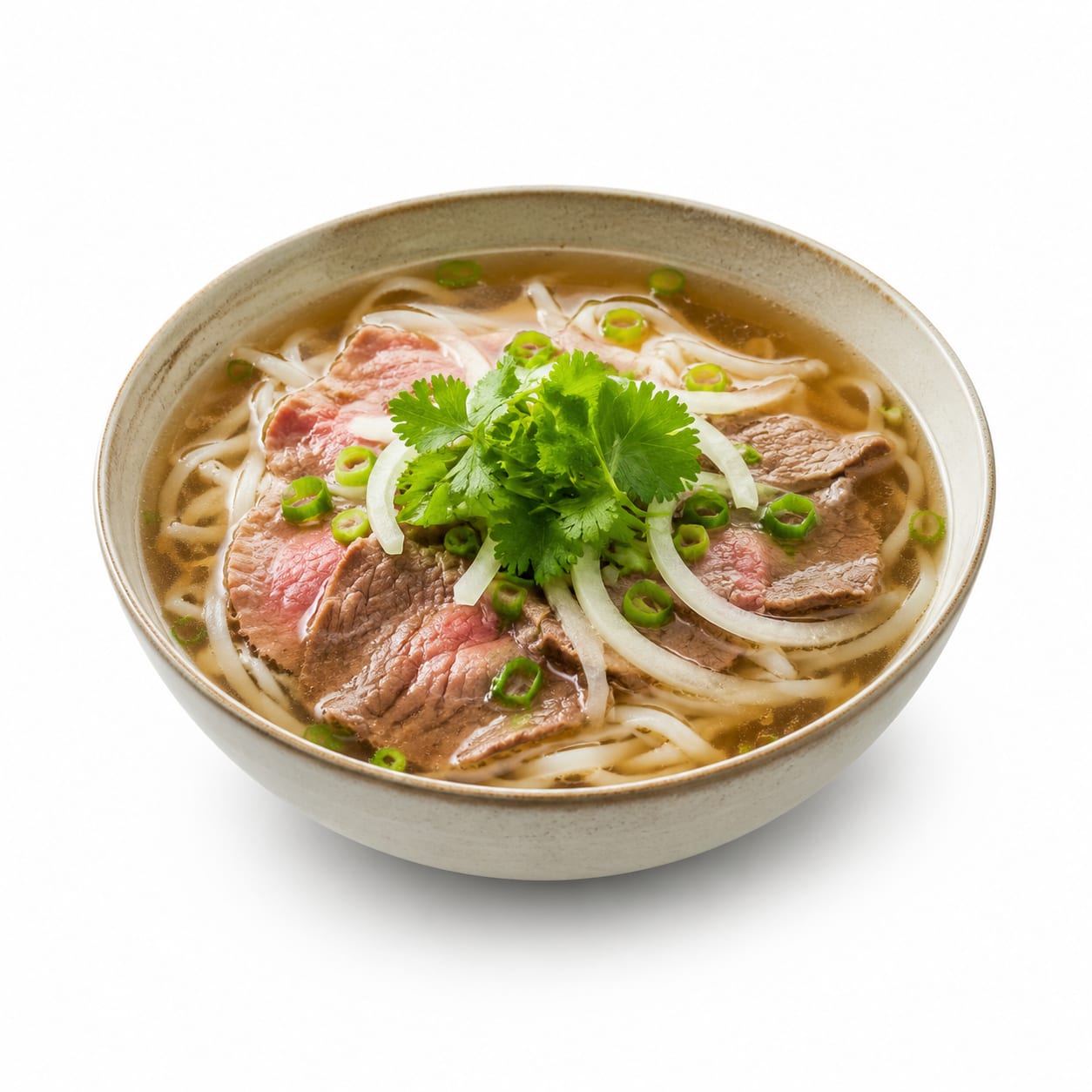
Pho
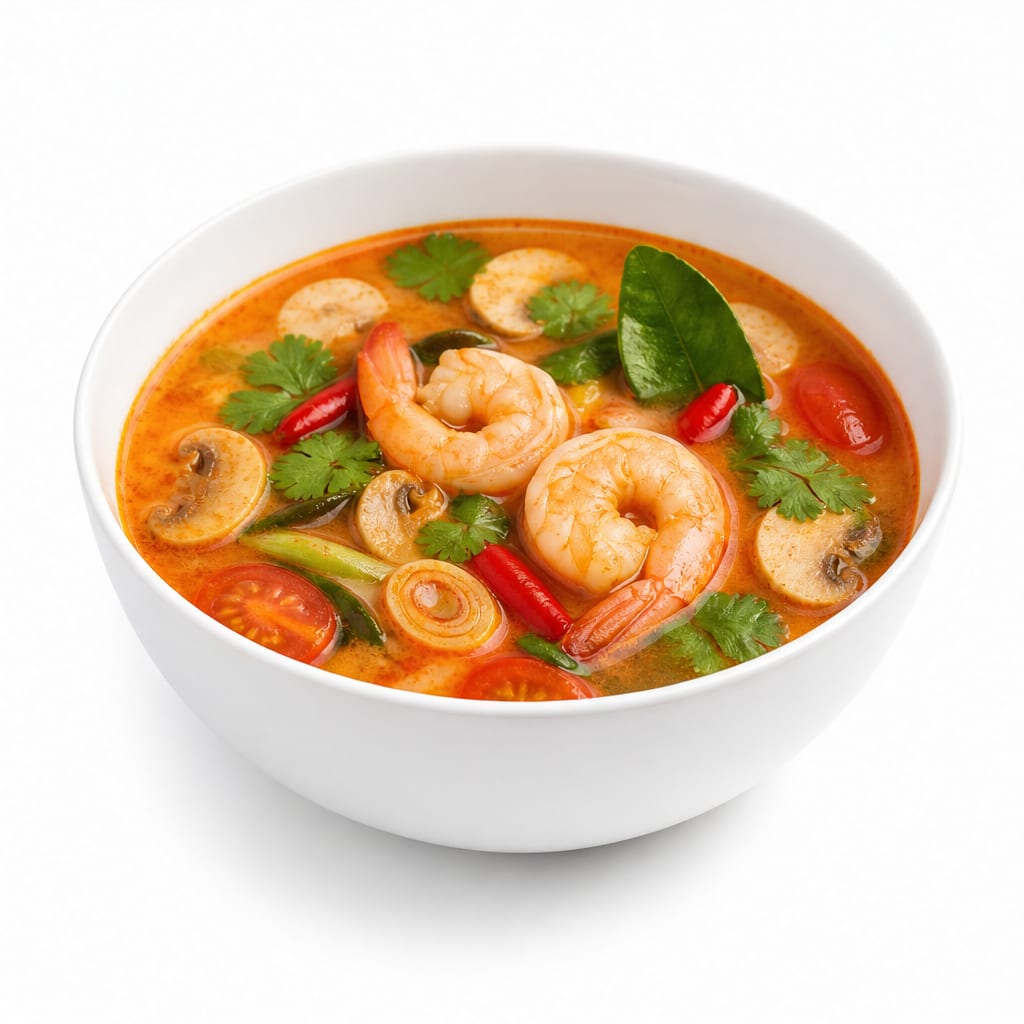
Tom Yum Soup
Pho fills you up like a meal while Tom Yum Soup energizes like a tonic. Your choice depends on whether you need sustenance or lightness.
Tom Yum Soup scores higher primarily due to lower calorie density, stronger anti-inflammatory spices, and minimal carb load. Pho remains competitive because it offers genuine meal-level satiety and broader nutrient coverage, but its high carb and sodium content pulls it down for everyday health optimization.
Pho offers satisfying fullness and comfort at the cost of high carbs and calories, while Tom Yum Soup delivers bold flavor and metabolic lightness but may leave you hungry again soon.
At a glance
Executive summary
Overall
It depends
Healthier
Tom Yum Soup
More practical
Pho
Daily use
Tom Yum Soup
Key comparison lenses
weight management and calorie control
Pho is noodle-heavy and calorie-dense while Tom Yum Soup is broth-forward with minimal carbs, making this the starkest difference between them
comfort eating vs light eating
Pho is deeply comforting and filling while Tom Yum Soup is invigorating and light, representing opposite eating experiences
sodium and heart health concerns
Both soups rely heavily on salty seasonings but from different sources, impacting blood pressure differently
anti-inflammatory and immune benefits
Tom Yum Soup's galangal, lemongrass, and chili deliver potent anti-inflammatory compounds while Pho's herbs are milder
blood sugar and carb load
Pho's rice noodles create a significant glycemic load that Tom Yum Soup largely avoids
Best choice for
Pho
- post-workout recovery when you need carbs and protein
- cold weather comfort eating
- days when one bowl needs to replace a full meal
- recovering from illness when you need gentle calories
Tom Yum Soup
- weight loss phases requiring low-calorie volume
- hot humid days when heavy food feels wrong
- sinus congestion or inflammation flare-ups
- evening meals when you want flavor without feeling stuffed
Least suitable for
Pho
- low-carb or keto diets
- strict sodium restriction for hypertension
- evening meals close to bedtime due to carb load
- people managing insulin resistance
Tom Yum Soup
- anyone needing a complete meal in one bowl
- people with acid reflux or GERD triggered by spice
- those sensitive to shellfish when shrimp-based
- very cold climates where light soup feels insufficient
Deep comparison
Dimension by dimension
Each lens scores both foods and breaks down who each option suits.
- Dimension 1 · Priority 92Tom Yum Soup
calorie density and weight management
Pho · 45Tom Yum Soup · 88A standard bowl of Pho runs 350-500 calories while Tom Yum Soup typically lands between 100-200 calories per serving.
Tradeoff
Pho replaces a full meal but costs you 2-3x the calories. Tom Yum Soup is light enough for daily eating but rarely satisfies alone.
Why it matters
If you eat soup regularly, the calorie gap compounds fast. Three weekly bowls of Pho versus Tom Yum Soup could mean 600-900 extra calories per week.
Real-world impact
Choosing Tom Yum Soup over Pho three times a week could save you roughly 40,000-55,000 calories per year — equivalent to 11-15 pounds of body weight.
Pho
- active individuals burning 500+ calories in training
- anyone underweight and struggling to eat enough
- hikers and athletes needing carb replenishment
Better for
- sedentary office workers eating soup at their desk
- anyone trying to drop 10+ pounds
- evening meals followed by sitting on the couch
Worse for
Tom Yum Soup
- steady weight loss without counting calories
- people who eat soup as a starter not a main
- anyone tracking daily intake closely
Better for
- athletes in calorie surplus phases
- teenagers who need energy density
- anyone who feels lightheaded after light meals
Worse for
- Dimension 2 · Priority 88Pho
satiety and meal completeness
Pho · 85Tom Yum Soup · 40Pho delivers noodles, protein, and broth in one bowl. Tom Yum Soup is mostly broth with sparse protein and almost no carbs.
Tradeoff
Pho keeps you full for 3-4 hours but at a caloric cost. Tom Yum Soup leaves you hunting for snacks within 90 minutes.
Why it matters
A soup that does not satisfy leads to compensatory eating. That light Tom Yum Soup lunch often ends with a heavy afternoon snack.
Real-world impact
If you eat Pho for lunch, you likely skip the 3pm snack. If you eat Tom Yum Soup, you probably need rice or a side dish to make it through the afternoon.
Pho
- one-bowl meal days with no time for snacks
- construction workers and manual laborers
- anyone doing intermittent fasting breaking a fast
Better for
- people who prefer grazing throughout the day
- anyone trying to reduce portion sizes gradually
Worse for
Tom Yum Soup
- multi-course meals where soup is the opener
- anyone intentionally eating smaller portions
- hot weather appetites where heavy food causes sluggishness
Better for
- busy professionals with no snack access between meals
- anyone prone to blood sugar dips from insufficient food
Worse for
- Dimension 3 · Priority 80Tom Yum Soup
anti-inflammatory and immune support
Pho · 55Tom Yum Soup · 90Tom Yum Soup packs galangal, lemongrass, kaffir lime, and chili — all with documented anti-inflammatory and antimicrobial properties. Pho relies on milder star anise, cinnamon, and fresh herbs.
Tradeoff
Tom Yum Soup's spice arsenal actively fights inflammation but can irritate sensitive stomachs. Pho's gentler spice profile is safer for digestion but less therapeutically potent.
Why it matters
Chronic inflammation drives most lifestyle diseases. Regular intake of potent anti-inflammatory foods creates cumulative benefits that supplements cannot replicate.
Real-world impact
Eating Tom Yum Soup during cold season can genuinely help clear sinuses and reduce congestion. Pho feels comforting but does not deliver the same therapeutic punch.
Pho
- people with GERD or acid reflux who cannot tolerate spice
- anyone with IBS triggered by chili and acid
- post-surgical recovery when gentle food is required
Better for
- anyone specifically seeking therapeutic spice benefits
- people wanting food as medicine for inflammation
Worse for
Tom Yum Soup
- cold and flu season for immune support
- chronic inflammation conditions like arthritis
- sinus infections and respiratory congestion
Better for
- active ulcer sufferers
- people on blood thinners who must limit spicy food
- anyone with hemorrhoids or GI inflammation
Worse for
- Dimension 4 · Priority 78Tom Yum Soup
blood sugar impact and carb load
Pho · 35Tom Yum Soup · 85Pho's rice noodles deliver 50-70g of refined carbs per bowl. Tom Yum Soup has virtually zero carbs unless you add rice on the side.
Tradeoff
Pho gives you immediate energy but triggers a blood sugar spike and crash cycle. Tom Yum Soup keeps blood sugar flat but provides no energy substrate for active people.
Why it matters
The rice noodles in Pho are essentially white rice in soup form — fast-digesting carbs with minimal fiber to slow absorption.
Real-world impact
After Pho, you may feel sleepy within an hour. After Tom Yum Soup, your energy stays level but you may feel physically empty.
Pho
- endurance athletes carb-loading before events
- manual laborers who burn through glycogen fast
- anyone hypoglycemic needing quick glucose
Better for
- insulin-resistant individuals
- anyone monitoring HbA1c levels
- sedentary people eating late at night
Worse for
Tom Yum Soup
- prediabetics and type 2 diabetics managing blood sugar
- low-carb and keto diet followers
- anyone trying to eliminate afternoon energy crashes
Better for
- athletes in the middle of endurance training
- anyone doing physically demanding work within 2 hours
Worse for
- Dimension 5 · Priority 85It depends
sodium and heart health
Pho · 35Tom Yum Soup · 40Both soups are sodium bombs. Pho broth can hit 1500-2500mg sodium per bowl. Tom Yum Soup's fish sauce pushes similar levels at 1200-2000mg.
Tradeoff
Neither soup wins here. Pho's long-simmered bone broth concentrates sodium while Tom Yum Soup's fish sauce delivers it directly. Both easily consume half your daily sodium budget.
Why it matters
Regular high-sodium soup consumption is one of the most overlooked drivers of hypertension in Asian diets. One bowl of either soup can exceed the AHA ideal of 1500mg daily sodium.
Real-world impact
If you eat either soup 3-4 times per week, you are likely consuming 2000-3000mg excess sodium weekly from soup alone. That is enough to raise blood pressure measurably over months.
Pho
- slightly lower sodium when made with reduced-sodium broth at home
Better for
- anyone with hypertension eating restaurant pho
- heart failure patients on strict sodium limits
Worse for
Tom Yum Soup
- marginally easier to control sodium by reducing fish sauce quantity
Better for
- same population — neither soup is safe for sodium-sensitive individuals
- people already exceeding sodium limits from other meals
Worse for
- Dimension 6 · Priority 72Pho
digestive tolerance and gut comfort
Pho · 80Tom Yum Soup · 50Pho is gentle on the stomach — warm broth, soft noodles, mild spices. Tom Yum Soup combines acid, heat, and spice that can irritate sensitive digestive systems.
Tradeoff
Pho is the soup you eat when your stomach is upset. Tom Yum Soup is the soup you avoid when your stomach is already unhappy.
Why it matters
Many people reach for soup specifically when they feel unwell. Choosing the wrong one can make digestive distress worse instead of better.
Real-world impact
After a night of drinking or a stomach bug, Pho feels healing. Tom Yum Soup at the same moment could trigger nausea or heartburn.
Pho
- hangover recovery
- post-stomach-bug refeeding
- anyone with sensitive digestion or GERD
- elderly people needing gentle nutrition
Better for
- people who find plain food unappealing when well
Worse for
Tom Yum Soup
- sluggish digestion needing stimulation
- constipation relief from spicy food stimulation
Better for
- anyone with active heartburn
- IBS-D sufferers triggered by spice
- people taking NSAIDs that already irritate the stomach lining
Worse for
Timeline
Health impact over time
Short-term
Hours to days
Pho
- Comforting warmth and fullness within 20 minutes
- Possible post-meal drowsiness from carb load
- Temporary blood sugar spike followed by a dip within 90 minutes
- Immediate hydration from broth volume
Tom Yum Soup
- Sinus clearing and thermogenic warmth from chili
- Light energetic feeling without heaviness
- Possible heartburn or stomach warmth within 30 minutes for sensitive people
- Appetite stimulation rather than satiation
Long-term
Months to years
Pho
- Regular consumption may contribute to weight gain if not offset by activity
- High sodium intake could gradually raise blood pressure
- Refined carb exposure may worsen insulin sensitivity over time
- Bone broth collagen may support joint health if traditionally prepared
Tom Yum Soup
- Anti-inflammatory spice compounds may reduce chronic inflammation markers
- Low calorie density supports sustainable weight management
- Consistent sodium exposure from fish sauce still poses cardiovascular risk
- Chili capsaicin may modestly boost metabolic rate with regular intake
Risk profile
Safety & processing
Tom Yum Soup is closer to whole-food cooking — broth, aromatics, and protein with minimal intervention. Pho often uses commercially produced rice noodles and restaurant broth may contain MSG and sugar. Home-cooked versions of both are cleaner, but Tom Yum Soup starts with a more natural ingredient list by default.
Pho
MSG sensitivity
lowRestaurant Pho broth commonly contains MSG which triggers headaches or flushing in sensitive individuals. Ask for no MSG when ordering.
undercooked beef in rare pho
mediumPho tai uses raw beef sliced thin and cooked by hot broth. If broth temperature is insufficient, bacterial survival is possible.
high sodium from commercial broth bases
highRestaurant Pho broth often uses concentrated bases with extreme sodium levels. A single bowl can exceed 2000mg sodium.
Tom Yum Soup
shellfish allergy from shrimp versions
highTom Yum Goong is shrimp-based and cross-contamination is common in Thai kitchens. Shellfish allergies can be life-threatening.
parasite risk from raw or undercooked seafood additions
mediumSome Tom Yum variations include partially cooked seafood. Ensure thorough cooking in establishments with questionable hygiene.
fish sauce histamine content
lowFermented fish sauce is high in histamine and can trigger reactions in histamine-intolerant individuals including headaches and flushing.
Who wins for whom
Audience fit
Same foods, different winners depending on your goal.
children
PhoPho's mild flavor and soft noodles are kid-friendly. Tom Yum Soup's intense sourness and heat are overwhelming for most children's palates.
daily consumption
Tom Yum SoupLower calorie density and stronger anti-inflammatory benefits make Tom Yum Soup more sustainable as a daily habit. Pho's carb and sodium load becomes problematic with daily repetition.
diabetes
Tom Yum SoupNear-zero carbs in Tom Yum Soup mean minimal blood sugar impact. Pho's rice noodles create a significant glycemic load that complicates glucose management.
elderly
PhoPho is gentle, easy to chew, and comforting for aging digestive systems. Tom Yum Soup's spice and acid can aggravate common elderly GI issues.
muscle gain
PhoPho provides actual protein from beef or chicken plus carbs for glycogen replenishment. Tom Yum Soup lacks the protein quantity and carb substrate needed for recovery.
weight loss
Tom Yum SoupTom Yum Soup delivers massive flavor at a fraction of the calories. You can eat it regularly without calorie counting, while Pho's noodle density requires portion vigilance.
Your move
Decision guide
Choose Pho
- you need one bowl to serve as a complete meal
- you are recovering from illness and need gentle, comforting calories
- you just finished a hard workout and need carbs plus protein
- it is cold outside and you want soup that feels like a warm hug
- you have a sensitive stomach and cannot tolerate spice
Choose Tom Yum Soup
- you want bold flavor without the calorie commitment
- you are trying to lose weight or maintain a lean physique
- you feel congested or inflamed and want therapeutic spice benefits
- it is hot and humid and heavy food sounds unappealing
- you are eating multiple courses and want a light starter
Either works if
- you just want a warming soup and have no specific health agenda
- you are dining out at a Southeast Asian restaurant and both are available
- you are comfortable managing sodium intake through other meals that day
Avoid both if
- you are on a strict low-sodium diet for hypertension or heart failure
- you have severe kidney disease requiring both sodium and potassium restriction
- you are eating late at night and want something that will not disrupt sleep
Final recommendation
Make Tom Yum Soup your regular soup choice for its metabolic lightness and anti-inflammatory punch. Save Pho for when you genuinely need a full meal in a bowl or want comfort over optimization. If sodium is a concern for you, neither soup should be a daily habit without modifications — ask for low-sodium broth or reduced fish sauce when possible.
Practical
Consumer tips
- 1
Ask for Pho with less noodles and extra vegetables to cut carbs while keeping the comfort factor
- 2
Order Tom Yum Soup with chicken instead of shrimp if you have shellfish concerns
- 3
Request reduced fish sauce in Tom Yum Soup to cut sodium by 30-40% without losing the core flavor
- 4
Ask for Pho broth on the side and add it slowly to control how much sodium-rich liquid you consume
- 5
Add extra bean sprouts and herbs to Pho to increase fiber and slow carb absorption
- 6
Pair Tom Yum Soup with a small side of brown rice instead of white rice for better blood sugar control
- 7
Make both soups at home where you control sodium — restaurant versions are consistently higher in salt
- 8
Drink extra water after either soup to help your kidneys process the sodium load
- 9
Avoid adding hoisin sauce to Pho — it adds 10-15g of sugar per serving on top of the noodle carbs