
Nutrition comparison
Pad Thai vs Pho: Which Noodle Dish is Healthier?
Compare Pad Thai vs Pho to see which is better for weight loss, digestion, and daily eating. Learn the calorie, sodium, and health tradeoffs between these popular dishes.
Overall winner · Pho
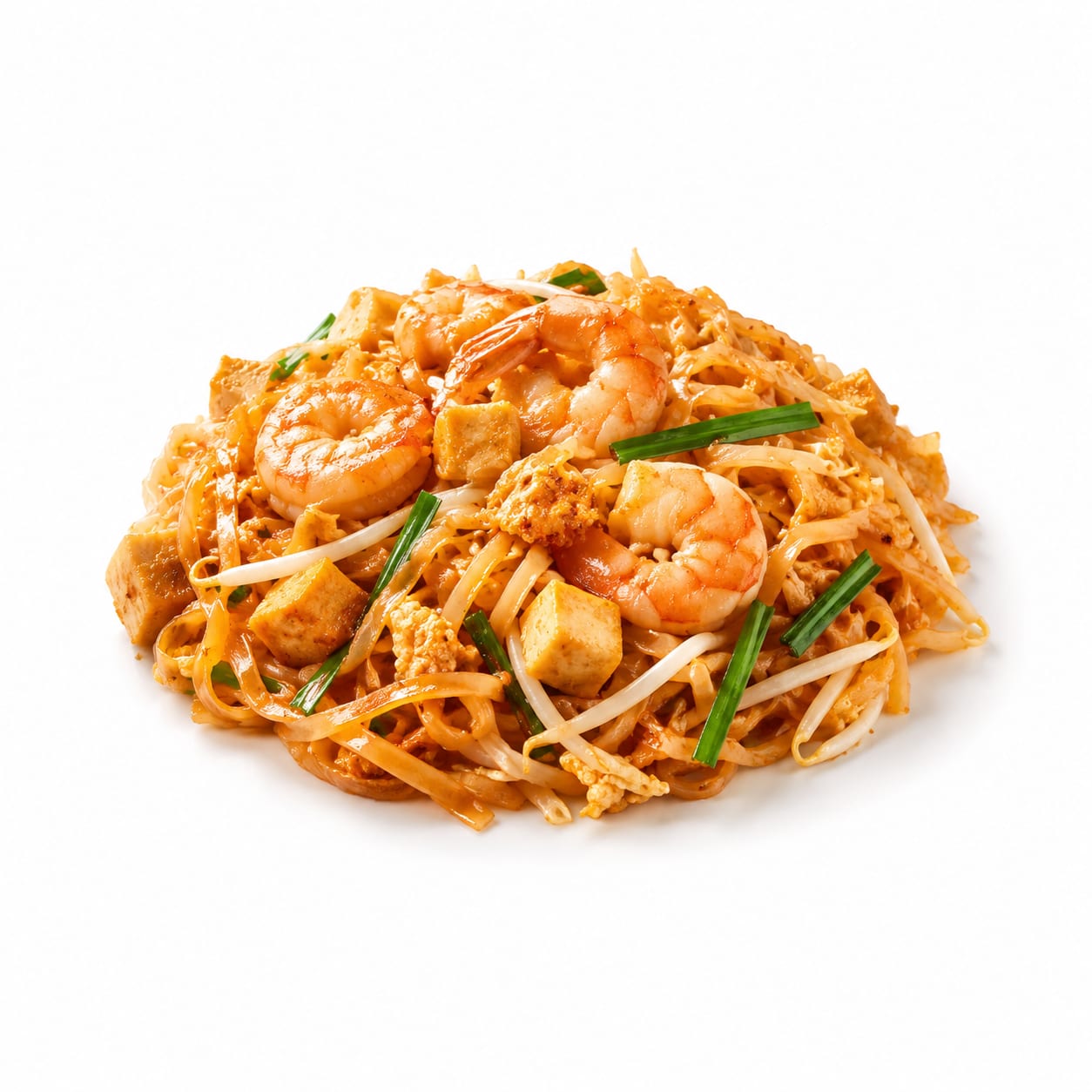
Pad Thai
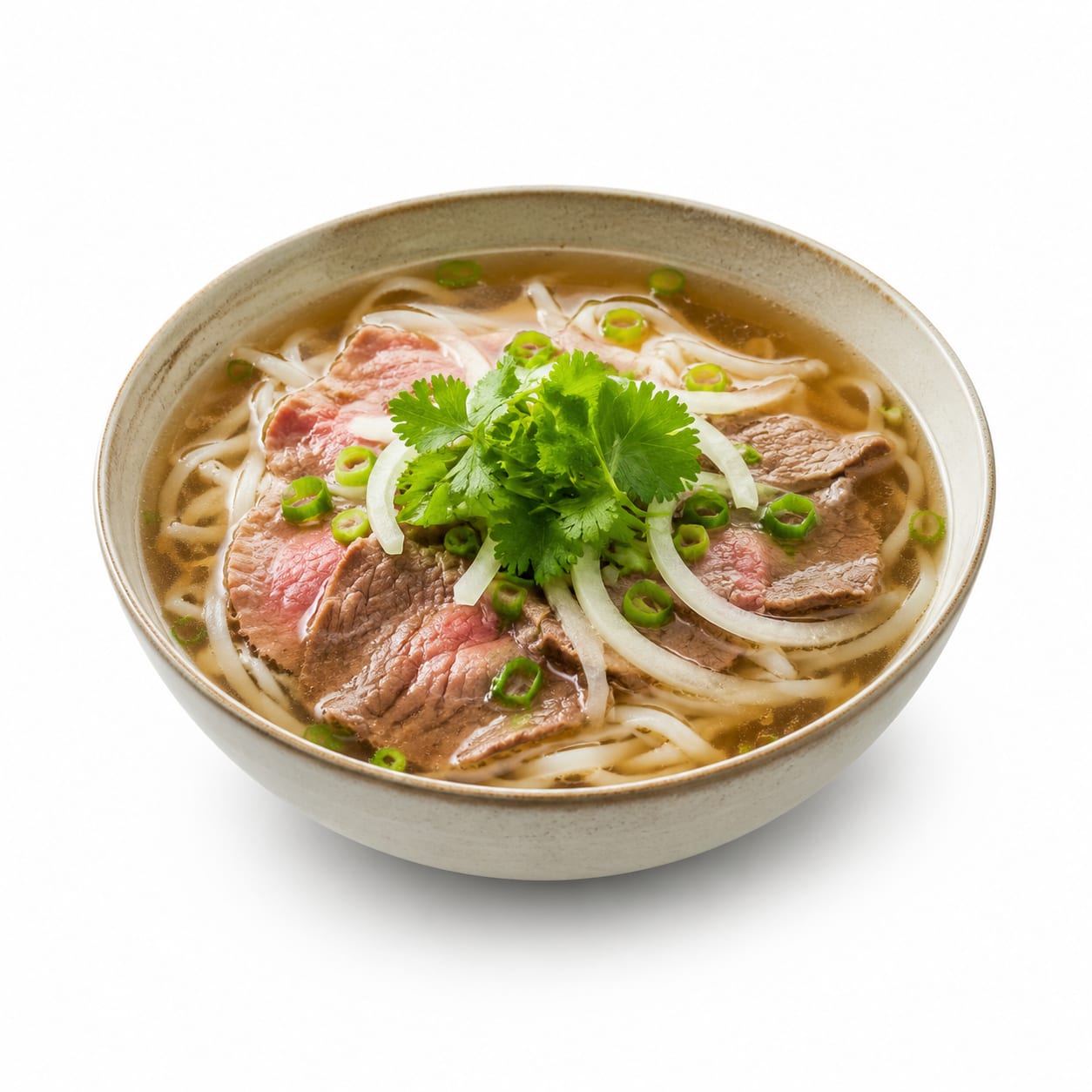
Pho
Pho is lighter and lower in calories, making it a better everyday choice, while Pad Thai is richer and more filling but heavier on the waistline.
Pho scores higher overall due to its lower calorie density and lighter digestive profile, though Pad Thai wins on sheer satiety and lasting energy.
You trade the lower calorie count and digestive ease of Pho for the higher satiety and richer flavor of Pad Thai.
At a glance
Executive summary
Overall
Pho
Healthier
Pho
More practical
It depends
Daily use
Pho
Key comparison lenses
Calorie density and weight management
Pad Thai is stir-fried with oil and peanuts making it very calorie-dense, whereas Pho is a broth-based soup with far fewer calories per bowl.
Digestive comfort and lightness
Pho is a warm, hydrating broth that is gentle on the stomach, while Pad Thai is heavier and oilier, which can cause sluggishness.
Sodium load and hydration
Pho broth is notoriously high in sodium which can cause bloating, while Pad Thai has a slightly drier profile but still carries hidden sodium in the sauce.
Satiety and lasting fullness
Pad Thai provides longer-lasting satiety due to its fat and protein content, whereas Pho fills you up temporarily on water weight.
Best choice for
Pad Thai
- People needing a calorie-dense, filling meal after heavy physical activity
- Those wanting a rich, nutty, and indulgent flavor profile
Pho
- People watching their calorie intake for weight management
- Those wanting a warming, easily digestible meal when feeling unwell
Least suitable for
Pad Thai
- People on strict low-calorie or low-fat diets
- Those prone to sluggishness after heavy midday meals
Pho
- People needing a high-calorie meal to sustain heavy energy output
- Those on a strict low-sodium diet for blood pressure management
Deep comparison
Dimension by dimension
Each lens scores both foods and breaks down who each option suits.
- Dimension 1 · Priority 95Pho
Calorie Density & Weight Management
Pad Thai · 40Pho · 80Pad Thai is significantly more calorie-dense due to stir-frying oil and peanuts, while Pho is a broth-based soup with far fewer calories per bowl.
Tradeoff
Pho keeps calories low but might leave you hungry sooner, whereas Pad Thai packs a heavy caloric punch that satisfies but can hinder weight loss.
Why it matters
If you eat out often, choosing the broth-based soup over the stir-fried noodles makes a massive difference in your weekly calorie intake.
Real-world impact
A regular restaurant portion of Pad Thai can easily hit 800-1000 calories, while a bowl of Pho sits comfortably around 400-500 calories.
Pad Thai
- Bulking up on a budget
- Refueling after long hikes where you need dense energy
Better for
- Daily office lunches
- Cutting weight for a sport
Worse for
Pho
- Weight loss journeys
- Lighter lunches that will not cause an afternoon energy crash
Better for
- Recovering from intense endurance exercise where you need quick replenishment
Worse for
- Dimension 2 · Priority 90Pho
Digestive Comfort & Lightness
Pad Thai · 45Pho · 90Pho is a comforting, hydrating broth that is easy on the stomach, while Pad Thai is heavier and oilier, taking more effort to digest.
Tradeoff
You get a richer, more indulgent mouthfeel with Pad Thai, but Pho leaves you feeling light and comfortable afterward.
Why it matters
Heavy, oily meals can cause bloating and lethargy, especially when eaten midday or late at night.
Real-world impact
Pho is the classic choice when you are feeling under the weather or need a gentle meal; Pad Thai can feel like a brick in your stomach if you are not used to it.
Pad Thai
- When you want a decadent, indulgent treat
Better for
- Sensitive digestion days
- Acid reflux prone individuals
Worse for
Pho
- Upset stomach days
- Hot days when you need hydration
- Pre-workout light fuel
Better for
- When you need a heavy meal to feel grounded and satisfied
Worse for
- Dimension 3 · Priority 85Pad Thai
Sodium Load & Hydration
Pad Thai · 55Pho · 35Pho broth is extremely high in sodium, which can cause bloating and raise blood pressure, whereas Pad Thai's sodium is slightly more controlled but still present in the sauce.
Tradeoff
Pho hydrates you with fluid but floods your system with salt, while Pad Thai is drier but can still be sneaky with sodium.
Why it matters
High sodium intake leads to water retention and thirst, impacting blood pressure over time.
Real-world impact
After a large bowl of Pho, you might feel puffy and need to drink several glasses of water to quench your thirst.
Pad Thai
- Those needing to limit extreme fluid retention from broths
Better for
- Strict low-sodium diets
Worse for
Pho
- Post-workout rehydration where sodium replenishment is actually beneficial
Better for
- Hypertension management
- People prone to water retention and bloating
Worse for
- Dimension 4 · Priority 80Pad Thai
Satiety & Fullness
Pad Thai · 85Pho · 60Thanks to the peanuts, oil, and denser noodles, Pad Thai keeps you full for hours, while Pho's watery volume can pass quickly.
Tradeoff
Pad Thai provides lasting energy and fullness but at a high caloric cost, whereas Pho fills you up temporarily on volume alone.
Why it matters
Staying full prevents snacking later, but it should not come at the expense of a massive calorie surplus.
Real-world impact
You are much less likely to crave a snack at 3 PM after a Pad Thai lunch compared to a Pho lunch.
Pad Thai
- Long workdays with no time for snacks
- Active individuals needing sustained energy
Better for
- When you just need a light bite
Worse for
Pho
- Light dinners before bed
- Appetite management through volume eating
Better for
- High-activity days where you burn through the meal quickly
Worse for
Timeline
Health impact over time
Short-term
Hours to days
Pad Thai
- Feeling very full and potentially sluggish
- Satiety lasting several hours
Pho
- Immediate hydration
- Potential thirst and bloating from high sodium
Long-term
Months to years
Pad Thai
- Weight gain if eaten frequently due to high calorie density
- Higher fat intake impacting cardiovascular health if oils are low quality
Pho
- Blood pressure concerns if sodium intake is not managed
- Easier weight maintenance due to lower calorie density
Risk profile
Safety & processing
Both restaurant versions rely on added sugars and sodium for flavor, though Pho's ingredients are generally simpler and less fried. Pad Thai often includes added sugars in the tamarind sauce and more processed cooking oils.
Pad Thai
Peanut allergens
highPad Thai relies heavily on peanuts and peanut oil, making it a high-risk dish for those with severe allergies due to cross-contamination.
Oxidized cooking oils
lowStir-frying at high heats with reused oil can create oxidized compounds, which is common in restaurant settings.
Pho
Pathogen survival in rare beef
mediumPho is often served with raw or rare beef added to the hot broth, which may not cook fully if the broth is not piping hot.
High sodium for blood pressure
mediumThe massive sodium load in Pho broth can be risky for those with hypertension or heart conditions.
Who wins for whom
Audience fit
Same foods, different winners depending on your goal.
children
Pad ThaiKids often prefer the sweeter, nuttier, and more familiar flavor of Pad Thai over the savory, herbaceous broth of Pho.
daily consumption
PhoPho is lighter and less calorie-dense, making it a more sustainable daily option than the heavy, oily Pad Thai.
diabetes
It dependsBoth are carb-heavy from rice noodles, but Pad Thai has added sugar and more fat, while Pho has a high glycemic load from the broth and noodles; portion control is essential for both.
elderly
PhoPho is much easier to chew and digest, providing a warm, hydrating meal that is gentle on the aging digestive system.
muscle gain
Pad ThaiPad Thai offers more calories and often more protein from eggs and tofu or meat, supporting the caloric surplus needed for muscle gain.
weight loss
PhoPho has significantly fewer calories per bowl, making it much easier to fit into a calorie deficit.
Your move
Decision guide
Choose Pad Thai
- You need a calorie-dense meal to fuel a long, active day
- You want lasting fullness without needing a snack later
- You are craving something rich, nutty, and indulgent
Choose Pho
- You want a comforting, warming meal without the heavy calories
- You need something gentle on the stomach or are feeling slightly under the weather
- You are focusing on weight management or lighter eating
Either works if
- You want a comforting Southeast Asian noodle dish
- You need a moderate carbohydrate hit for energy
Avoid both if
- You are on a strict low-carb or keto diet
- You have a severe rice allergy or gluten sensitivity with high cross-contamination risk
Final recommendation
Choose Pho for a lighter, everyday meal that will not weigh you down, and save Pad Thai for when you need serious fuel or a richer treat.
Practical
Consumer tips
- 1
Ask for Pho broth on the side to control how much sodium you consume with each bite.
- 2
Request less oil and extra vegetables in Pad Thai to cut calories significantly without losing volume.
- 3
Choose lean meats or tofu in both dishes to keep the protein high without adding excess saturated fat.
- 4
Drink plenty of water after eating Pho to flush out the excess sodium and reduce next-day bloating.
- 5
Consider sharing a Pad Thai portion, as restaurant servings are often large enough for two people.