
Nutrition comparison
Pho vs Miso Soup: Which Is Healthier for Daily Eating?
Compare Pho and Miso Soup on calories, sodium, gut health, protein, and satiety. Learn which Asian soup fits your health goals and when to choose each.
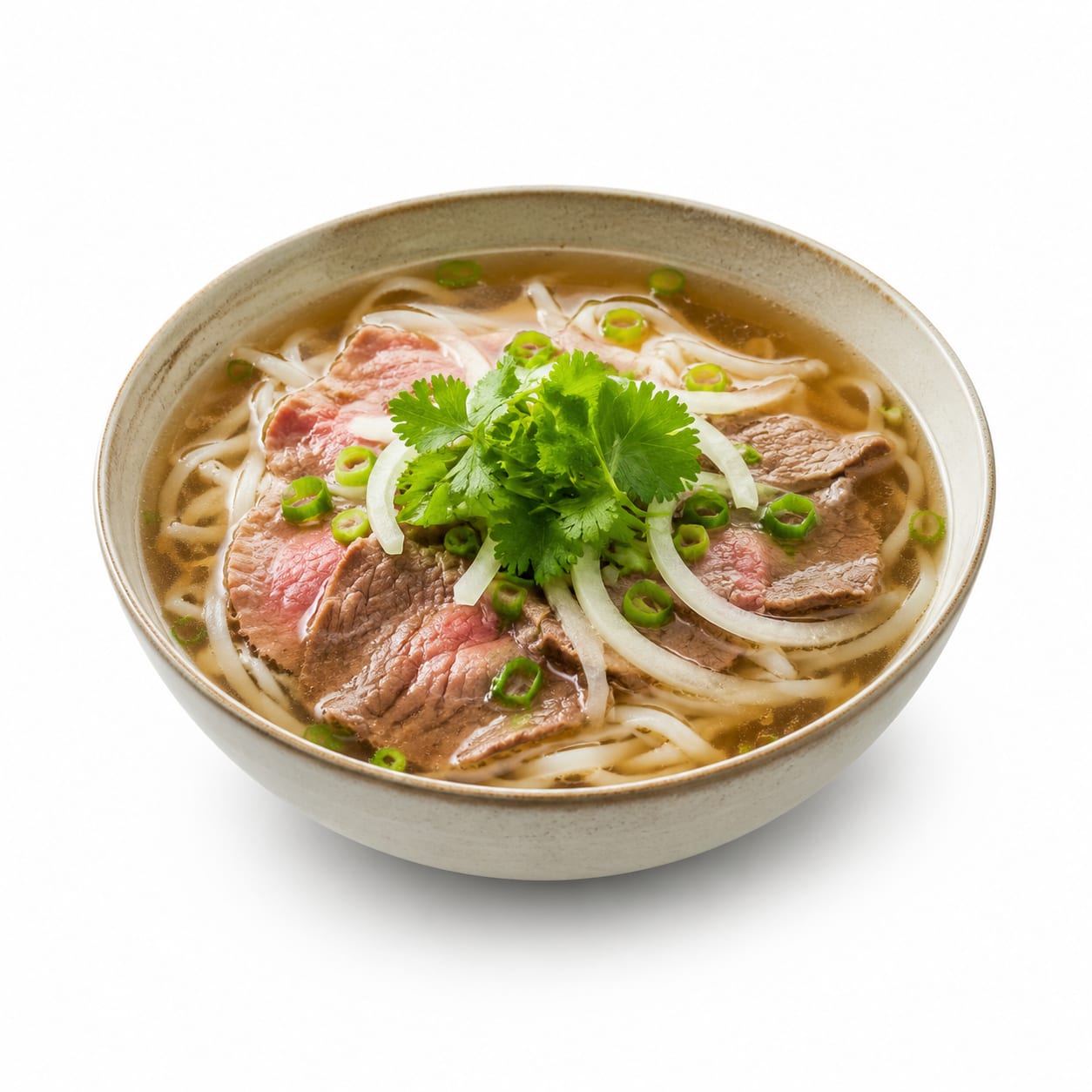
Pho
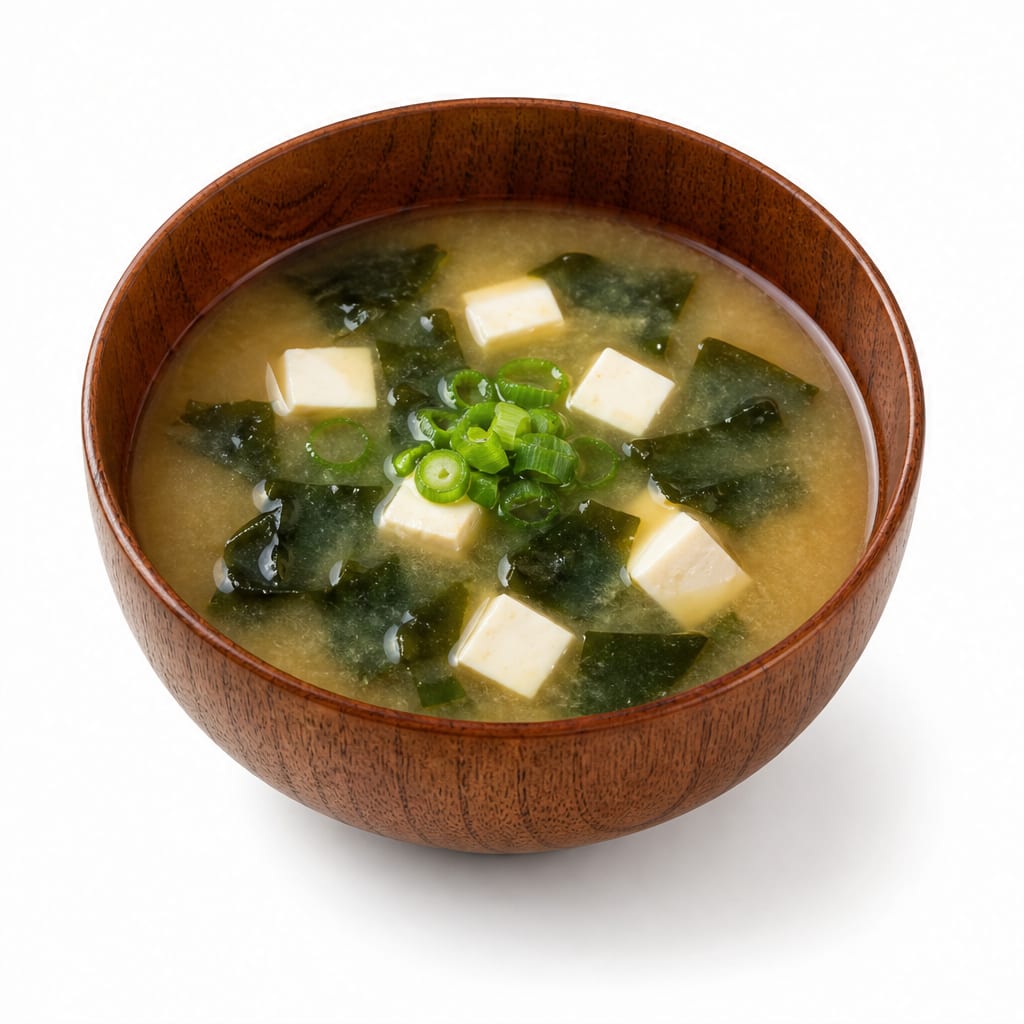
Miso Soup
Pho fills you up as a complete meal; Miso Soup nourishes your gut with fewer calories but won't satisfy hunger alone.
Miso Soup scores slightly higher for daily health benefits and lower caloric burden, but Pho earns strong marks for satiety and meal completeness. The close scores reflect that each serves a fundamentally different eating purpose.
Substantial satisfaction and protein from Pho versus light gut-friendly fermentation benefits and lower calories from Miso Soup.
At a glance
Executive summary
Overall
It depends
Healthier
It depends
More practical
Miso Soup
Daily use
Miso Soup
Key comparison lenses
meal vs side dish role
Pho is a complete meal while Miso Soup is typically a side or starter, making direct comparison require context about how each fits into an eating pattern
sodium and hydration
Both are broth-based with significant sodium, a major health concern for regular consumption
gut health and fermentation
Miso Soup offers probiotics from fermented soy, while Pho lacks fermentation benefits
weight management and satiety
Users often choose between these when watching calories or wanting to feel full
carbohydrate and blood sugar impact
Pho's rice noodles create a significantly different glycemic response than Miso Soup's low-carb profile
Best choice for
Pho
- Post-workout recovery needing protein and carbs
- Cold weather comfort and fullness
- Replacing a full meal without cooking multiple dishes
- Active individuals needing caloric intake
Miso Soup
- Daily gut health maintenance
- Low-calorie warming starter before meals
- Sodium-sensitive individuals wanting portion control
- People managing blood sugar or carb intake
Least suitable for
Pho
- Low-carb or keto dieters
- People strictly limiting sodium
- Those wanting a light snack
- Anyone eating multiple daily soups
Miso Soup
- Anyone needing a complete meal
- People recovering from illness needing substantial nutrition
- Athletes refueling after intense training
- Those who feel unsatisfied without solid food
Deep comparison
Dimension by dimension
Each lens scores both foods and breaks down who each option suits.
- Dimension 1 · Priority 95Pho
Satiety and Fullness
Pho · 88Miso Soup · 35Pho is a filling meal with noodles, protein, and broth; Miso Soup is a light starter that rarely satisfies hunger alone.
Tradeoff
You get lasting fullness from Pho but take on significantly more calories and carbs to achieve it.
Why it matters
Choosing a soup that leaves you hungry leads to snacking later, while overeating a heavy soup adds unintended calories.
Real-world impact
A bowl of Pho can replace lunch comfortably. Miso Soup alone will have you reaching for food within an hour.
Pho
- Replacing a full meal
- Recovering after physical exertion
- Staying full through a long afternoon
Better for
- Light snacking occasions
- Eating close to bedtime
Worse for
Miso Soup
- Warming up before a main course
- Light evening eating
- Controlling portion sizes
Better for
- When you haven't eaten in hours
- Post-workout refueling
Worse for
- Dimension 2 · Priority 90Miso Soup
Gut Health and Fermentation
Pho · 40Miso Soup · 92Miso Soup delivers probiotics and enzymes from fermented soybean paste; Pho offers no fermentation benefits.
Tradeoff
Regular Miso Soup consumption supports gut flora over time, while Pho's herbs add flavor but not meaningful probiotic activity.
Why it matters
Gut microbiome diversity affects digestion, immunity, and even mood. Fermented foods are one of the simplest ways to support it.
Real-world impact
A daily cup of Miso Soup acts like a gentle probiotic supplement. Pho tastes comforting but doesn't build gut health with repeated eating.
Pho
- Occasions where gut health isn't the priority
Better for
- Building long-term gut health
Worse for
Miso Soup
- Daily gut maintenance routine
- Recovering from antibiotics
- Supporting digestion before a heavy meal
Better for
- Situations where fermentation sensitivity exists
Worse for
- Dimension 3 · Priority 88It depends
Sodium Load
Pho · 38Miso Soup · 42Both are high-sodium foods. Pho's sodium varies widely by restaurant; Miso Soup's is more consistent but still substantial.
Tradeoff
Pho gives you more food per gram of sodium, while Miso Soup concentrates salt into a small serving that's easy to overconsume if you have multiple cups.
Why it matters
Regular high sodium intake raises blood pressure and strains cardiovascular health over time, especially for salt-sensitive individuals.
Real-world impact
A single bowl of restaurant Pho can hit 1500-2500mg sodium. A cup of Miso Soup runs 700-1000mg. Both demand awareness if eaten frequently.
Pho
- When you're eating one meal and can budget sodium elsewhere
- Situations where sweating replaces lost sodium
Better for
- Daily consumption alongside other salty foods
- Hypertension management
Worse for
Miso Soup
- Controlling total sodium through smaller portions
- Pairing with low-sodium foods for balance
Better for
- Drinking multiple cups in one sitting
- Eating alongside other high-sodium Japanese dishes
Worse for
- Dimension 4 · Priority 82Miso Soup
Blood Sugar and Carbohydrate Impact
Pho · 35Miso Soup · 85Pho's rice noodles cause a noticeable blood sugar rise; Miso Soup is naturally low in carbohydrates.
Tradeoff
Pho provides quick energy from carbs but risks an energy crash. Miso Soup keeps blood sugar stable but offers no energy replenishment.
Why it matters
Carb spikes lead to afternoon fatigue and increased hunger. Stable blood sugar supports consistent energy and better food decisions.
Real-world impact
After Pho, you may feel sluggish an hour later. After Miso Soup, your energy stays even but you'll still need to eat something substantial.
Pho
- Pre-workout carb loading
- Recovering from intense exercise
- When you need quick energy
Better for
- Sedentary days with minimal activity
- Insulin-sensitive individuals
Worse for
Miso Soup
- Managing diabetes or insulin resistance
- Low-carb eating patterns
- Avoiding afternoon energy crashes
Better for
- Post-endurance workout recovery
Worse for
- Dimension 5 · Priority 78Pho
Protein Quality and Quantity
Pho · 80Miso Soup · 45Pho delivers substantial protein from beef or chicken; Miso Soup provides only small amounts from tofu.
Tradeoff
Pho's animal protein is complete and abundant, while Miso Soup's soy protein is decent but limited by portion size.
Why it matters
Adequate protein supports muscle maintenance, satiety, and metabolic health. Soup-based meals often underdeliver on protein.
Real-world impact
A bowl of Pho with beef gives you 25-35g protein. A cup of Miso Soup with tofu offers roughly 3-6g. That's a meal versus a garnish.
Pho
- Meeting daily protein targets
- Older adults preserving muscle
- Active people needing recovery protein
Better for
- Vegetarians avoiding meat broth
Worse for
Miso Soup
- Light protein intake for plant-based eaters
- Supplementing protein from other dishes
Better for
- Using as a primary protein source
Worse for
- Dimension 6 · Priority 70Miso Soup
Convenience and Preparation
Pho · 40Miso Soup · 88Miso Soup can be prepared in under 5 minutes with paste and hot water; Pho requires long simmering or restaurant visits.
Tradeoff
Instant Miso Soup sacrifices some quality but gains daily practicality. Good Pho demands time, skill, or money.
Why it matters
Foods that are easy to prepare at home get eaten more often, building consistent healthy habits.
Real-world impact
You can make Miso Soup at home on a busy weekday morning. Authentic Pho is a weekend project or a $15-20 restaurant meal.
Pho
- Restaurant dining or takeout
- Weekend cooking projects
Better for
- Time-pressed weeknight dinners
- Frequent home cooking
Worse for
Miso Soup
- Quick home preparation
- Office or travel meals
- Building a daily soup habit
Better for
- Special occasion meals
Worse for
Timeline
Health impact over time
Short-term
Hours to days
Pho
- Strong satiety and reduced hunger for 3-4 hours
- Possible blood sugar spike followed by mild fatigue
- Warming and comforting effect that reduces stress eating
- Bloating possible from large liquid and noodle volume
Miso Soup
- Gentle on the stomach and easy to digest
- Stable energy with no carb crash
- Quick hydration from broth
- Hunger returns within 30-60 minutes if eaten alone
Long-term
Months to years
Pho
- Regular consumption may contribute to high sodium intake and blood pressure concerns
- Adequate protein supports muscle maintenance over time
- Carbohydrate-heavy pattern may challenge insulin sensitivity if eaten very frequently
- Restaurant versions may contain MSG and additive concerns with daily intake
Miso Soup
- Fermented soy supports gut microbiome diversity and immune function
- Consistent low-calorie intake aids weight maintenance
- Daily sodium from miso is manageable but requires monitoring
- Soy isoflavones may offer hormonal balance benefits for some individuals
Risk profile
Safety & processing
Traditional Pho uses natural bones and spices but restaurant versions often include MSG and commercial broth bases. Miso paste is fermented and relatively whole-food based, though instant packets can contain additives. Homemade versions of both are far cleaner than restaurant or packaged alternatives.
Pho
MSG sensitivity
lowMany restaurants add MSG which can cause headaches or flushing in sensitive individuals. Not harmful for most people but worth knowing.
Foodborne illness from undercooked meat
mediumRare beef in Pho carries slightly higher risk than fully cooked options. Pregnant and immunocompromised individuals should request well-done meat.
Sodium-related blood pressure elevation
mediumRegular consumption of high-sodium broth can contribute to hypertension over time, especially with other salty foods in the diet.
Miso Soup
Excessive sodium intake
mediumMiso is inherently high in salt. Multiple daily servings or pairing with other salty foods can easily exceed recommended limits.
Soy allergy or intolerance
lowSoy is a common allergen. Miso Soup is unsafe for those with soy allergies and may cause digestive issues for people with mild sensitivities.
Histamine from fermentation
lowFermented foods contain histamine. People with histamine intolerance may experience headaches or digestive discomfort from regular miso consumption.
Who wins for whom
Audience fit
Same foods, different winners depending on your goal.
children
PhoPho offers balanced nutrition kids need for growth—protein, carbs, and broth—while Miso Soup is too light and the strong fermented flavor often appeals less to children.
daily consumption
Miso SoupA daily cup of Miso Soup is a sustainable gut-health ritual with manageable calories and sodium. Daily Pho would mean excessive calories, carbs, and sodium for most people.
diabetes
Miso SoupMiso Soup's minimal carbohydrate content avoids blood sugar spikes entirely. Pho's rice noodles create a significant glycemic load that requires insulin response.
elderly
Miso SoupMiso Soup is easier to digest, supports gut health which weakens with age, and provides warming hydration without heavy calories. The probiotics are especially valuable for older digestive systems.
muscle gain
PhoPho delivers 25-35g of complete protein from beef or chicken along with recovery carbs. Miso Soup's 3-6g of protein is insufficient for muscle building.
weight loss
Miso SoupMiso Soup provides warm satisfaction at roughly 40-80 calories per cup, making it an easy low-calorie ritual. Pho runs 350-500+ calories per bowl.
Your move
Decision guide
Choose Pho
- You need a complete meal that keeps you full for hours
- You're recovering from intense exercise and need protein plus carbs
- It's cold out and you want deeply comforting, substantial warmth
- You're dining out and want a satisfying single-bowl meal
Choose Miso Soup
- You want a daily gut-health habit that's easy to maintain
- You're watching calories or carbohydrates closely
- You need something light before a main meal
- You want quick preparation at home in under 5 minutes
Either works if
- You're seeking warm, hydrating comfort food
- You want broth-based nourishment during illness recovery
- You're exploring Asian soup traditions for variety
Avoid both if
- You're on a strict low-sodium diet for blood pressure management
- You have severe soy allergies (Miso Soup) or gluten sensitivity (some Pho broths)
- You're trying to minimize all processed restaurant foods
Final recommendation
Think of Miso Soup as a daily supplement and Pho as an occasional meal. A cup of Miso Soup most days gives you probiotic benefits and gentle warmth without caloric burden. Save Pho for when you need real sustenance—post-workout, fighting a cold, or wanting a satisfying dinner. Trying to use Pho daily backfires with sodium and calorie overload; trying to use Miso Soup as a meal leaves you hungry and reaching for snacks.
Practical
Consumer tips
- 1
Ask for Pho broth on the side to control how much you consume, reducing sodium by 30-40%
- 2
Choose Pho with chicken instead of beef to lower saturated fat while keeping protein high
- 3
Make Miso Soup at home using unpasteurized miso paste to maximize probiotic benefits—heat kills the beneficial bacteria
- 4
Add miso paste to water below boiling temperature to preserve live cultures
- 5
Order Pho with extra vegetables and less noodles to improve the nutritional ratio
- 6
Limit Miso Soup to one cup per day to keep sodium reasonable while getting gut benefits
- 7
Prepare Pho broth at home using bones and spices to avoid MSG and control sodium completely
- 8
Pair Miso Soup with a protein-rich main dish to create a balanced meal without the heaviness of Pho