
Nutrition comparison
Pho vs Udon Soup: Which Noodle Soup is Healthier?
Comparing Pho and Udon Soup? Discover the key nutritional differences, sodium levels, and which soup is better for gluten sensitivity, weight loss, and daily comfort.
Overall winner · Pho
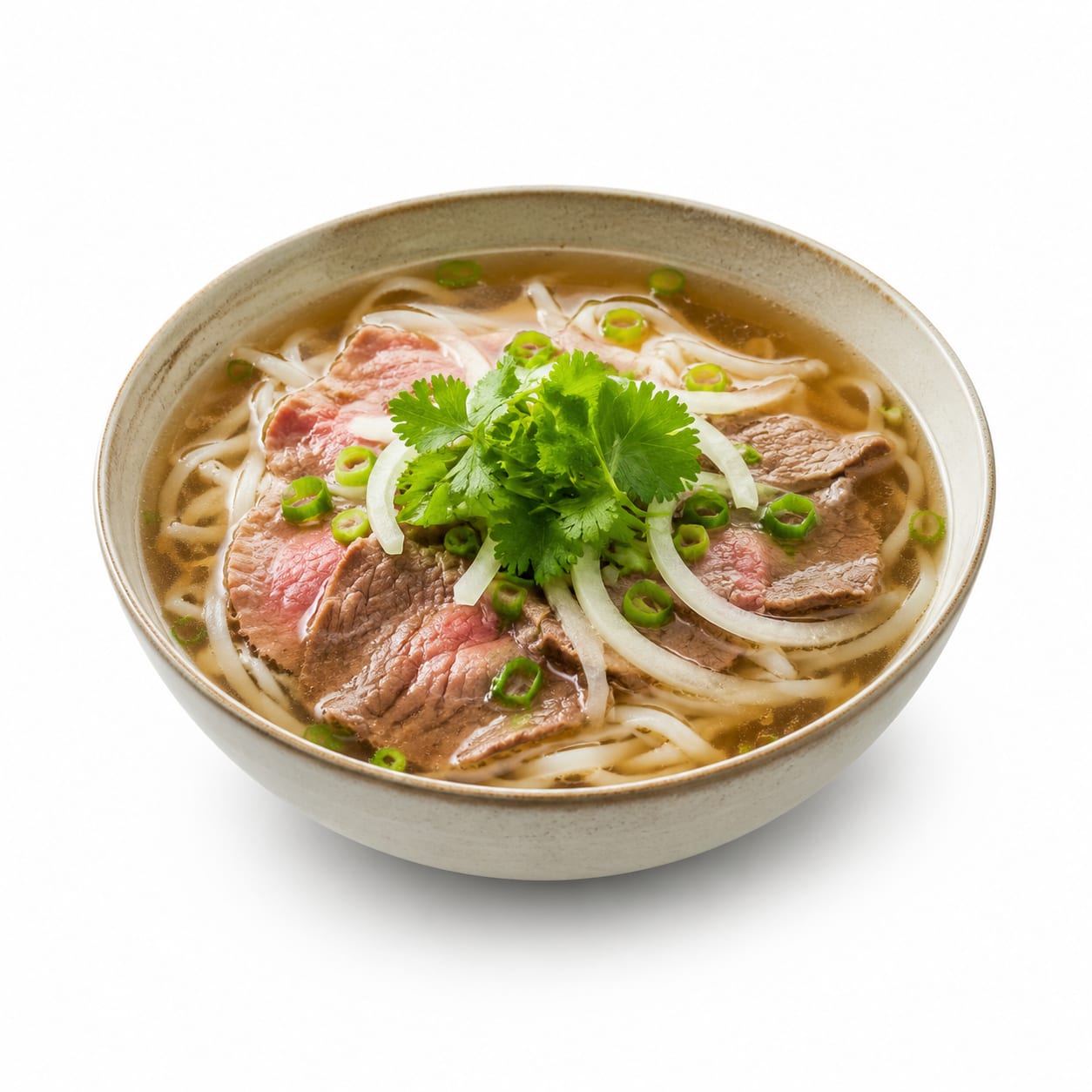
Pho
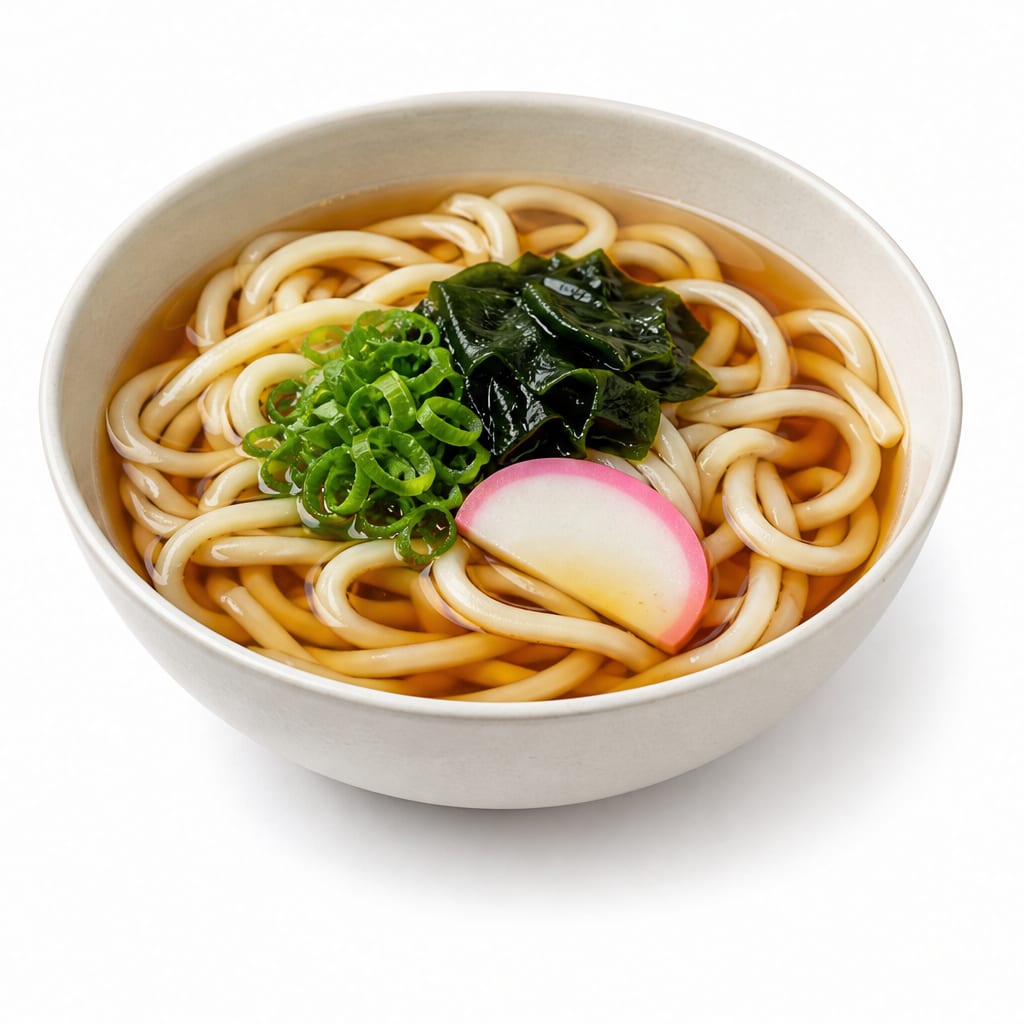
Udon Soup
Pho generally edges out Udon Soup due to its gluten-free rice noodles, higher protein content, and slightly lighter broth profile.
Pho scores higher primarily because of its rice noodles and higher protein content from traditional meat toppings. Udon Soup loses points due to its refined wheat base and heavily salted dashi broth.
Pho offers more protein and a gluten-free base, while Udon Soup delivers a heartier, chewier comfort but packs more refined carbs and sodium.
At a glance
Executive summary
Overall
Pho
Healthier
Pho
More practical
It depends
Daily use
Pho
Key comparison lenses
Sodium and Heart Health
Both are broth-based soups where sodium content is a major health concern for daily consumption.
Gluten and Digestion
Pho uses rice noodles while Udon Soup uses wheat noodles, making gluten tolerance a primary deciding factor.
Protein and Satiety
Pho traditionally includes sliced meats offering higher protein, whereas Udon Soup relies more on carbs and broth.
Blood Sugar Impact
Comparing the glycemic load of refined wheat noodles versus rice noodles is crucial for energy stability.
Best choice for
Pho
- Those avoiding gluten or with wheat sensitivities
- People seeking a higher protein meal from sliced beef or chicken
- Anyone wanting a lighter, herb-fresh soup experience
Udon Soup
- Carb-loaders needing dense energy before physical activity
- Those craving a thick, chewy noodle on a freezing day
- Fans of rich, umami-forward dashi broths
Least suitable for
Pho
- People strictly monitoring sodium who cannot adjust their broth intake
- Those on a low-carb or ketogenic diet
Udon Soup
- Anyone with celiac disease or gluten intolerance
- Individuals with high blood pressure due to extreme sodium levels
Deep comparison
Dimension by dimension
Each lens scores both foods and breaks down who each option suits.
- Dimension 1 · Priority 85Pho
Protein & Satiety
Pho · 78Udon Soup · 55Pho keeps you full longer thanks to its generous portion of sliced beef or chicken, while Udon Soup relies mostly on carbohydrates for fullness.
Tradeoff
You get more muscle-fueling protein in Pho, but Udon Soup provides a denser carbohydrate satisfaction that feels heavier in the stomach.
Why it matters
Meals lacking protein lead to faster hunger returns and afternoon energy crashes.
Real-world impact
Eating Pho for lunch means you are less likely to crave a snack at 3 PM compared to eating Udon Soup.
Pho
- Post-workout recovery
- Staying full through a long workday
Better for
- Moments when you want a purely light, meatless meal
Worse for
Udon Soup
- Carb-loading before endurance events
- Satisfying intense carb cravings
Better for
- Situations where you need sustained energy without a carb crash
Worse for
- Dimension 2 · Priority 90Pho
Sodium & Heart Health
Pho · 58Udon Soup · 42Both soups are sodium bombs, but Udon Soup's dashi and soy sauce base pushes salt levels even higher than Pho's bone broth.
Tradeoff
Pho is slightly easier on blood pressure, but neither is a low-sodium hero without modifications.
Why it matters
Frequent high-sodium meals lead to bloating, thirst, and long-term cardiovascular strain.
Real-world impact
After a bowl of Udon Soup, you might feel noticeably thirstier and more bloated than after a bowl of Pho.
Pho
- Managing mild fluid retention
- Slightly easier blood pressure maintenance
Better for
- Strict low-sodium diets without asking for broth on the side
Worse for
Udon Soup
- Replenishing sodium after heavy sweating or intense exercise
Better for
- Daily consumption if you have hypertension
Worse for
- Dimension 3 · Priority 88Pho
Digestion & Allergens
Pho · 85Udon Soup · 45Pho uses rice noodles which are naturally gluten-free and easier to digest, while Udon Soup is made from wheat and is a gluten trap.
Tradeoff
Pho is a safe bet for sensitive stomachs, whereas Udon Soup can cause bloating and discomfort for anyone with wheat issues.
Why it matters
Gluten sensitivity and wheat allergies are common, and heavy wheat noodles can make you feel sluggish.
Real-world impact
Choosing Pho means avoiding that heavy, overly full feeling that often follows a large wheat-based meal.
Pho
- People with celiac disease or gluten intolerance
- Those prone to bloating from wheat
Better for
- Those who prefer the specific chewy texture of wheat noodles
Worse for
Udon Soup
- Individuals with no wheat sensitivities seeking dense comfort food
Better for
- Anyone with IBS triggered by gluten or heavy carbs
Worse for
- Dimension 4 · Priority 75Pho
Blood Sugar Stability
Pho · 60Udon Soup · 50Rice noodles in Pho have a slightly gentler impact on blood sugar compared to the refined wheat flour in Udon Soup, though both are high-carb.
Tradeoff
Pho offers a bit more stability, but neither soup is ideal for strict blood sugar control without portion adjustments.
Why it matters
Refined wheat can cause a faster blood sugar spike and subsequent crash, leaving you tired.
Real-world impact
You are less likely to experience a food coma after Pho compared to a heavy bowl of Udon Soup.
Pho
- Sustaining energy through the afternoon
- Avoiding severe post-meal crashes
Better for
- Diabetics who still need to strictly limit carb portions
Worse for
Udon Soup
- Quick energy replenishment after depletion
Better for
- Anyone prone to reactive hypoglycemia
Worse for
Timeline
Health impact over time
Short-term
Hours to days
Pho
- Warm, comforting hydration from the broth
- Sustained fullness from the protein and rice noodles
- Possible mild bloating if MSG is used heavily
Udon Soup
- Rapid satisfaction from dense, chewy carbs
- High likelihood of thirst from the salty dashi broth
- Heavy, full feeling that may slow you down
Long-term
Months to years
Pho
- Better joint and gut health if consuming collagen-rich bone broth
- Lower risk of gluten-related inflammation
- Potential blood pressure concerns if consumed too frequently due to sodium
Udon Soup
- Increased risk of sodium-related hypertension with regular consumption
- Potential for weight gain due to high refined carb density
- Possible chronic inflammation from regular wheat intake if sensitive
Risk profile
Safety & processing
Pho relies on slowly simmered bones and fresh herbs, making it closer to whole food cooking. Udon Soup uses industrially refined wheat noodles and dashi, which often contains processed fish extracts and added MSG.
Pho
Undercooked meat
mediumRare beef slices in Pho carry a slight risk of foodborne illness if not handled properly, though the hot broth usually cooks them sufficiently.
MSG sensitivity
lowSome Pho restaurants use heavy MSG, which can cause headaches or flushing in sensitive individuals.
Udon Soup
Excessive sodium intake
highA single bowl of Udon Soup can contain nearly a full day's worth of sodium, posing an immediate risk for those with hypertension.
Gluten cross-contamination
mediumUdon noodles are pure wheat, making them completely unsafe for those with celiac disease or severe gluten allergies.
Who wins for whom
Audience fit
Same foods, different winners depending on your goal.
children
Udon SoupKids often prefer the mild, savory flavor and fun, chewy texture of Udon noodles over the herb-heavy complexity of Pho.
daily consumption
PhoPho is lighter and more balanced with its protein and fresh vegetable additions, making it a more sustainable everyday choice than the heavy salt and carbs of Udon Soup.
diabetes
PhoRice noodles paired with protein cause a slightly slower blood sugar rise compared to the refined wheat in Udon Soup, though both require portion control.
elderly
PhoPho's softer rice noodles are easier to chew and digest, and the collagen in bone broth supports joint health.
muscle gain
PhoThe sliced beef or chicken in Pho provides essential amino acids for muscle repair, which Udon Soup largely lacks.
weight loss
PhoPho offers more protein to keep you full on fewer calories, whereas Udon Soup is carb-dense and easier to overeat.
Your move
Decision guide
Choose Pho
- You are sensitive to gluten or wheat
- You want a meal with substantial protein to keep you full
- You prefer a lighter, more aromatic soup with fresh herbs
Choose Udon Soup
- You need a heavy, comforting meal to warm you up in winter
- You are carb-loading for athletic performance
- You are craving a rich, umami-dense dashi broth
Either works if
- You just want a hot, comforting liquid meal
- You are willing to adjust the sodium by drinking less broth
Avoid both if
- You are on a strict low-sodium or low-carbohydrate diet
- You are trying to avoid liquid calories for weight management
Final recommendation
Choose Pho for a more balanced, higher-protein, and gluten-free meal that supports steady energy. Opt for Udon Soup only when you specifically crave its unique chewy texture and rich umami flavor, treating it more as an occasional comfort food than a daily staple.
Practical
Consumer tips
- 1
Ask for the broth on the side to control your sodium intake with both soups.
- 2
Load up on bean sprouts and herbs in Pho to add fiber and slow down carb absorption.
- 3
If ordering Udon Soup, choose a version with added vegetables and a protein like tofu or tempura to balance the massive carb load.
- 4
Drink plenty of water after eating either soup to flush out the excess sodium and prevent bloating.