
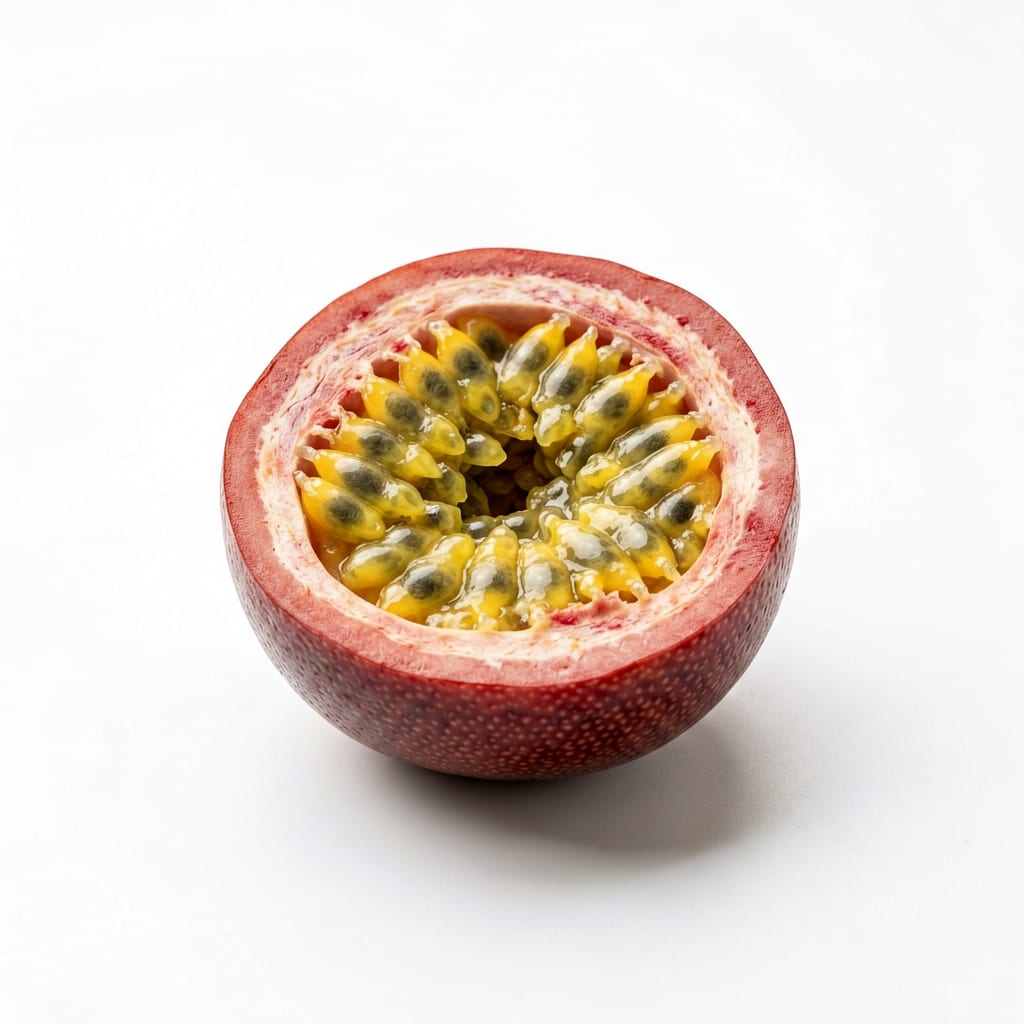
Fruit
Passion Fruit
A nutrient-dense tropical fruit known for its high fiber content and sweet-tart seed-filled pulp.
A tropical fruit with a tough outer rind and aromatic, juicy, seed-filled pulp that offers a sweet-tart flavor profile.
high-fiber low-glycemic tropical fruit
Typical serving · 36g
Common varieties · purple passion fruit, yellow passion fruit, giant granadilla, banana passion fruit, sweet granadilla
Overall context score across nutrition, safety, and diet fit
At a glance
Quick facts
Simple indicators based on nutrition, processing, and diet fit.
The story
What makes it unique
Passion fruit is a low-glycemic, fiber-dense fruit. Its high soluble fiber content slows digestion, promoting sustained satiety and moderating blood sugar response. The macronutrient profile features moderate sugars offset by significant dietary fiber, making it a minimally processed, gut-friendly carbohydrate source.
Varieties: purple passion fruit · yellow passion fruit · giant granadilla · banana passion fruit · sweet granadilla
Per 100g
Nutrition breakdown
Macro balance and key metrics at a glance.
Energy
Density 0.97 kcal/g
Protein
Carbs
Fat
Fiber
Sugar
11.2 g
Sodium
7 mg
Potassium
348 mg
Glycemic index
30
Glycemic load
5
Water content
73%
Standout compounds
Nutrient highlights
Dietary Fiber
highPromotes satiety and feeds gut bacteria
Vitamin C
moderateSupports immune function and collagen synthesis
Vitamin A
moderateImportant for vision and immune health
Potassium
moderateHelps regulate blood pressure and fluid balance
Antioxidants
highProtects cells from oxidative stress
Wellness map
Health scores & processing
NOVA processing scale
minimally processed · Whole food
Whole, fresh passion fruit is an unprocessed raw food with no added ingredients.
Diet compatibility
- Weight loss
- Muscle gain
- Diabetes
- Gut health
- Low carb
- High protein
- Heart health
Relative standing
Food rankings
Qualitative ranks compared to similar whole foods.
- Satietyexcellent
- Blood sugarexcellent
- Nutrient densitygood
- Fitness fuelmoderate
- Processing qualityexcellent
Eat with confidence
Food safety profile
Passion fruit has a thick protective rind that shields the edible pulp from most pesticide residue and microbial contamination. Washing the exterior before cutting is recommended.
Evidence confidence 90%
- Pesticideslow
- Antibioticslow
- Heavy metalslow
- Contaminationlow
Watch for
- soil bacteria on rind
Safer choices
Organic varieties minimize any potential pesticide exposure on the rind.
Prep tips
Rinse the outer rind thoroughly under running water before slicing open to prevent transferring dirt or bacteria to the pulp.
None significant for fresh whole fruit.
Deep dive
Health analysis
How this food may fit different goals and preparation choices.
Weight loss
High fiber and water content in the pulp increase satiety, helping control overall calorie intake despite the fruit's natural sugars.
Blood sugar
Low glycemic index and high fiber slow sugar absorption, preventing rapid blood glucose spikes and making it suitable for glycemic control.
Fitness & energy
Provides quick-digesting simple sugars for short-term energy, but the small typical serving size limits its role as a primary fuel source.
Gut health
Extremely rich in soluble fiber, which acts as a prebiotic to feed beneficial gut bacteria and support healthy bowel movements.
Processing quality
Fresh passion fruit is entirely unprocessed, retaining all natural enzymes, fiber, and micronutrients without additives.
Food safety
The thick rind protects the inner pulp from agricultural chemicals and spoilage, making it a very safe fruit to consume.
Common mistakes
Discarding the seeds removes the majority of the fiber; the crunchy seeds are meant to be eaten along with the pulp.
Best preparation
Slice in half and scoop out the pulp and seeds directly to eat raw, or blend into smoothies where the seeds add texture and fiber.
Practical guide
Best use cases
When and how this food fits real eating patterns.
Prebiotic boost
Adding to yogurt or oatmeal to increase soluble fiber intake and support gut microbiome diversity.
Flavor enhancer for water
Squeezing pulp into sparkling water for a low-calorie, naturally sweetened beverage.
Dessert topping
Using the sweet-tart pulp to top healthy desserts like chia pudding without adding refined sugar.
Balance sheet
Pros & cons
Upsides
- Extremely high in dietary fiber for a fruit
- Low glycemic index helps stabilize blood sugar
- Rich in antioxidants like vitamin C and beta-carotene
- Seeds provide crunch and additional healthy fats
- Naturally portion-controlled due to small size and thick rind
Trade-offs
- High net carbs if consumed in large quantities
- Not suitable for strict keto diets
- Can be expensive and hard to find fresh in some regions
- Seeds may be bothersome for those with diverticulitis
- Added sugars in processed passion fruit juices negate health benefits
Fit check
Who is it for?
Great match
- improving gut microbiome diversity
- satiety-focused weight management
- diabetic-friendly fruit choices
- flavoring plain foods without refined sugar
Consider alternatives
- strict ketogenic diets
- high-volume calorie loading
- people with severe seed sensitivities or diverticulitis
Side by side
How it compares
Open the full head-to-head analysis for nutrition, safety, and practical tradeoffs.
This food
Passion Fruit
VS80% alike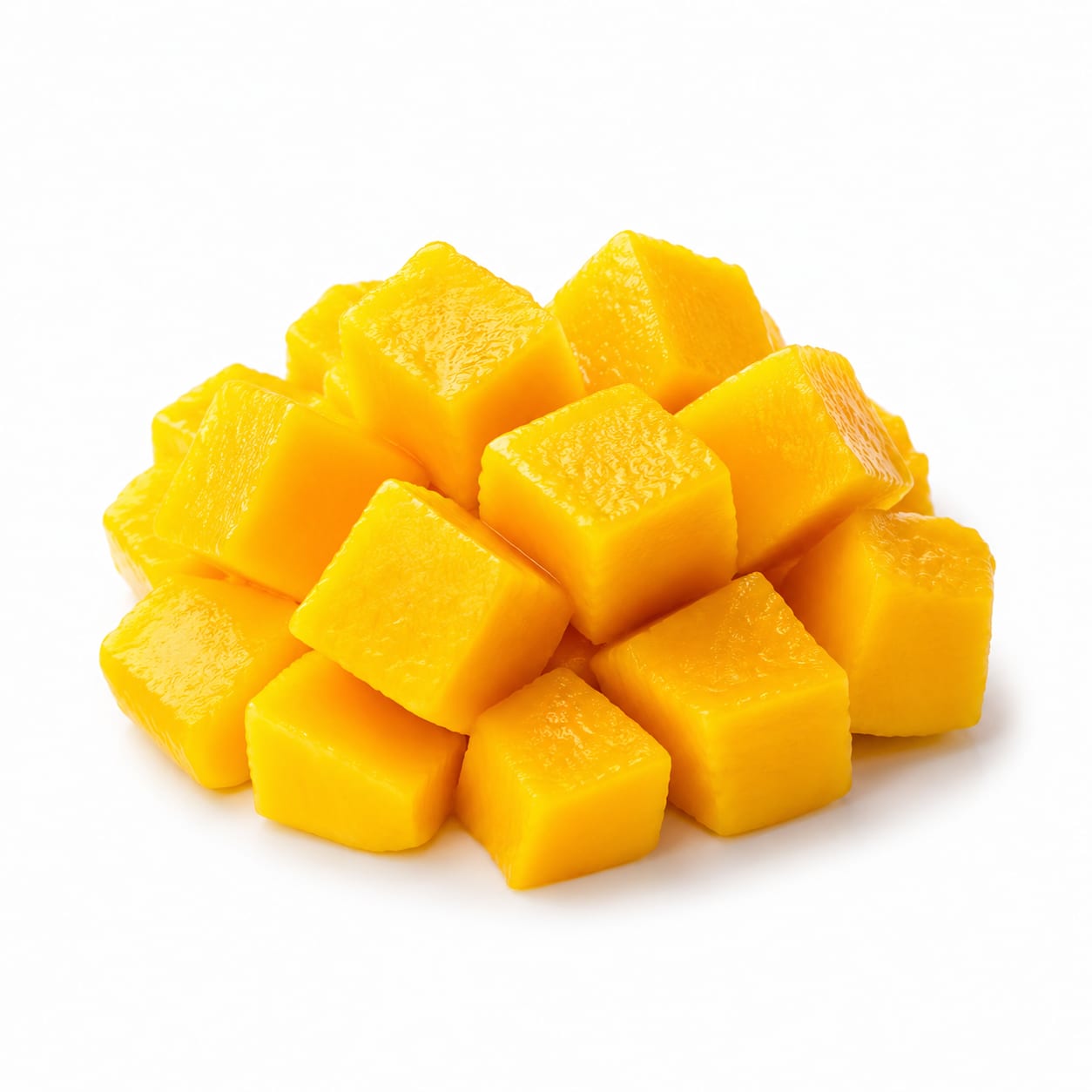
Compare with
Mango
Passion fruit offers significantly more fiber and a lower glycemic impact than mango, making it better for blood sugar control, while mango provides more quick energy for workouts.
Passion fruit provides more fiber and better blood sugar control than mango, while mango offers more quick carbs for workout fuel.
This food
Passion Fruit
VS75% alike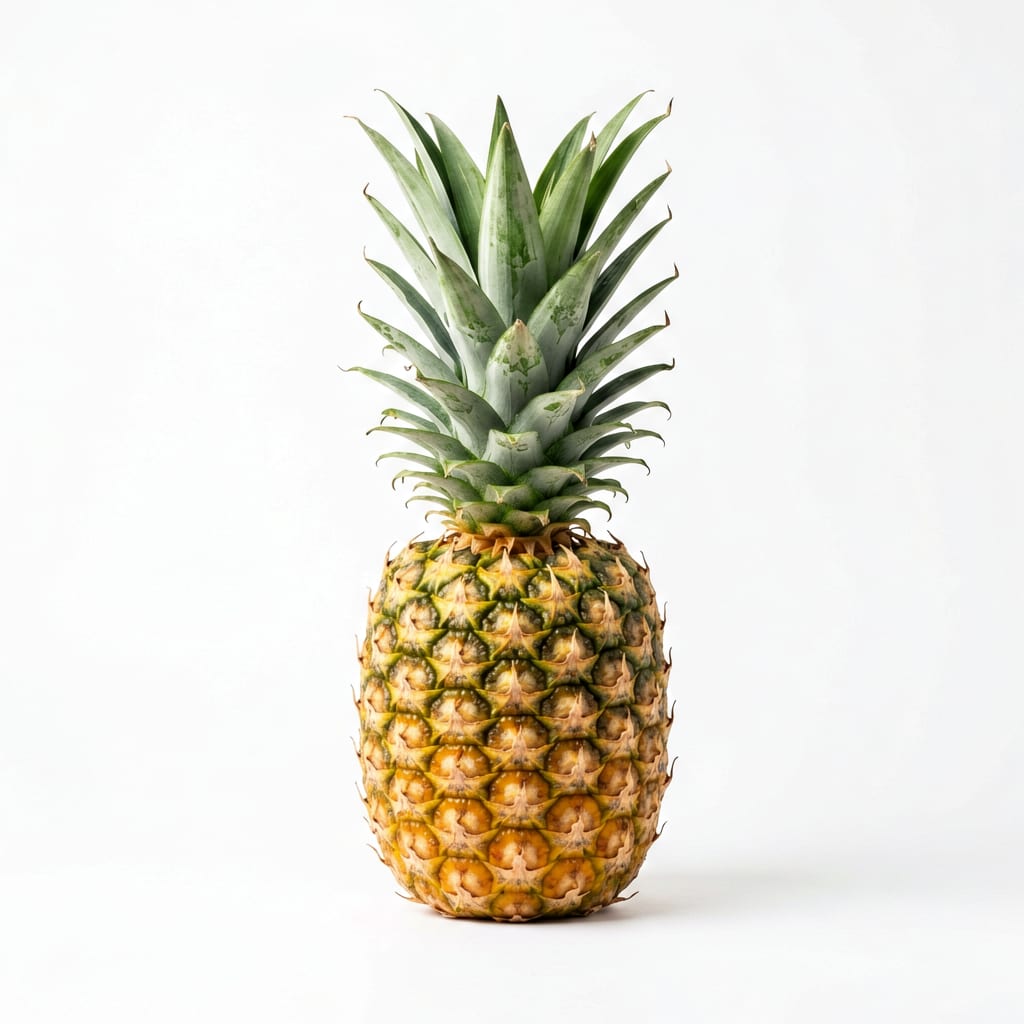
Compare with
Pineapple
Passion fruit is richer in fiber and lower in sugar than pineapple, offering better satiety and blood sugar regulation, whereas pineapple is superior for post-workout glycogen replenishment.
Passion fruit is lower in sugar and higher in fiber than pineapple, making it better for weight loss, while pineapple is better for fitness energy.
This food
Passion Fruit
VS85% alike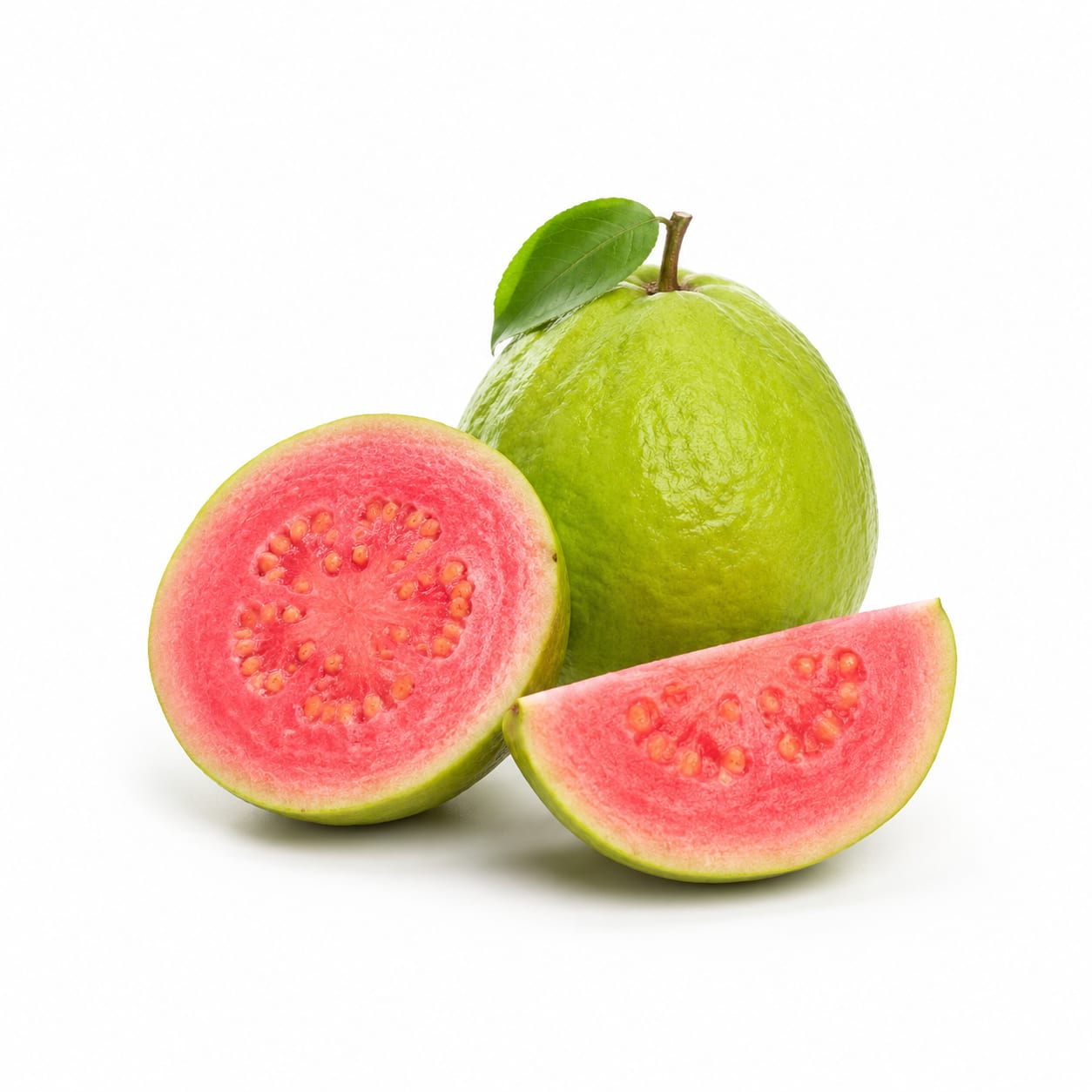
Compare with
Guava
Guava is lower in calories and higher in vitamin C, while passion fruit provides a more intense flavor and comparable fiber, making both excellent high-fiber choices.
Guava is lower in calories and higher in vitamin C, while passion fruit offers intense flavor and comparable fiber for gut health.
This food
Passion Fruit
VS80% alike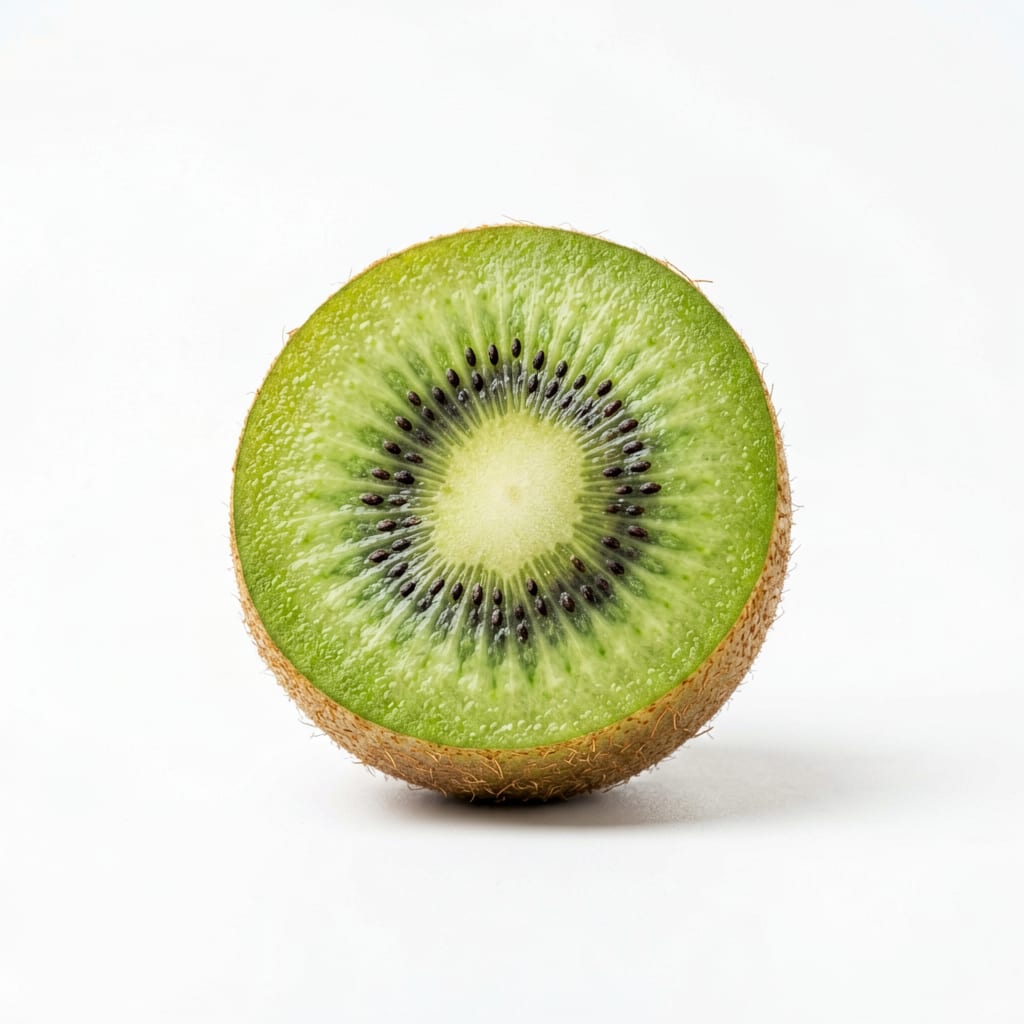
Compare with
Kiwi
Kiwi is lower in calories and higher in vitamin C per gram, but passion fruit delivers more dietary fiber per serving for better gut health and satiety.
Kiwi is lower in calories, but passion fruit packs more fiber per serving, making it better for satiety and blood sugar control.
This food
Passion Fruit
VS70% alike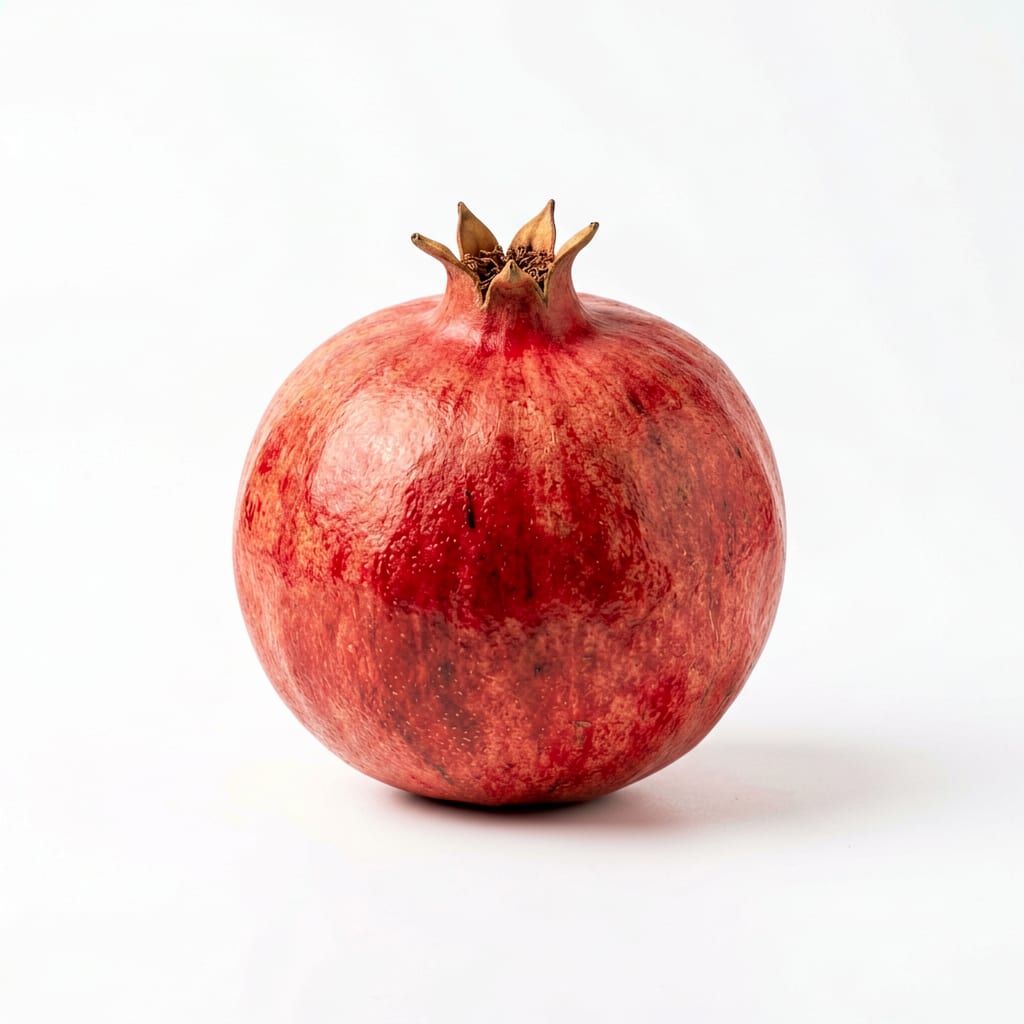
Compare with
Pomegranate
Both are high-fiber, seed-filled fruits, but passion fruit has a lower glycemic load and fewer calories per 100g compared to pomegranate arils.
Passion fruit is lower in calories and sugar than pomegranate, offering better weight loss and blood sugar benefits with similar fiber.
This food
Passion Fruit
VS75% alike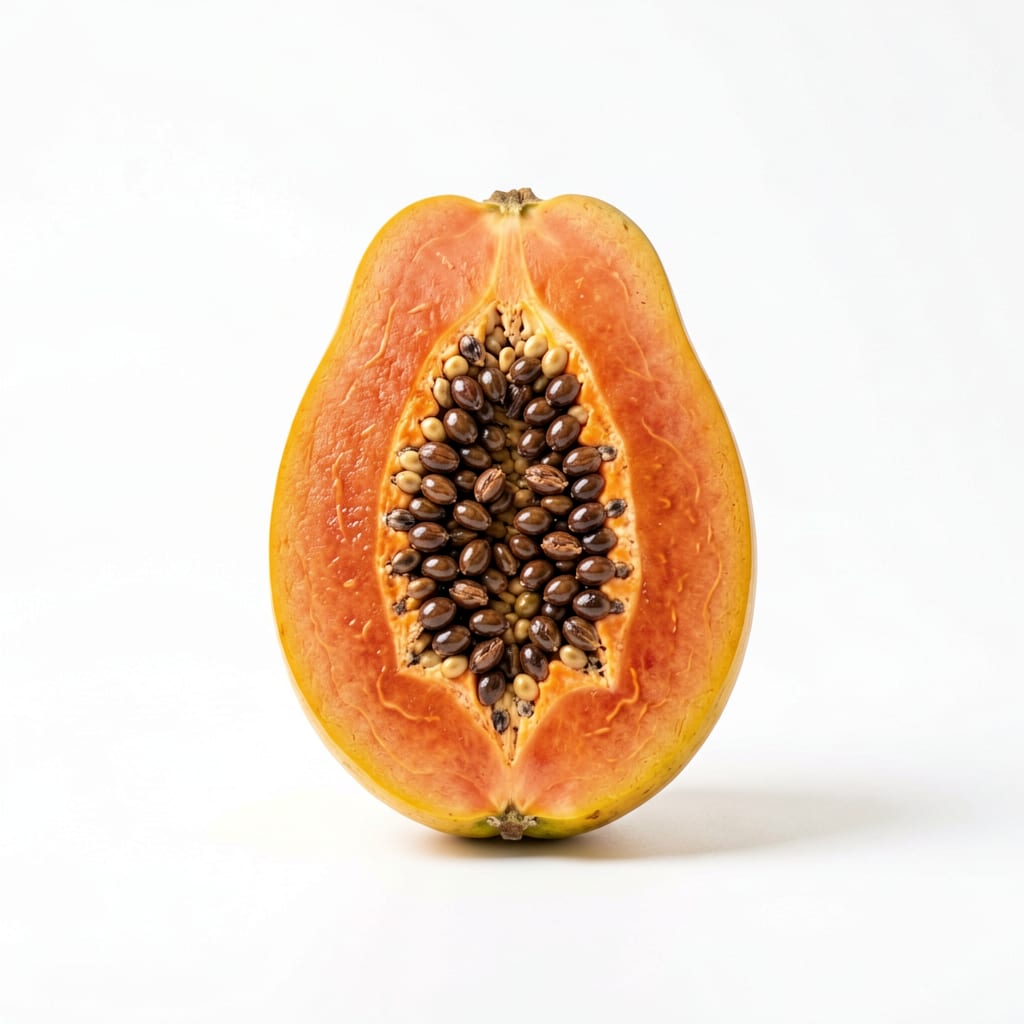
Compare with
Papaya
Papaya is a low-calorie, high-volume fruit, while passion fruit is a low-volume, high-fiber option that provides better blood sugar control and satiety per calorie.
Papaya is lower in calories for high-volume eating, while passion fruit offers more fiber and better blood sugar stabilization.
This food
Passion Fruit
VS70% alike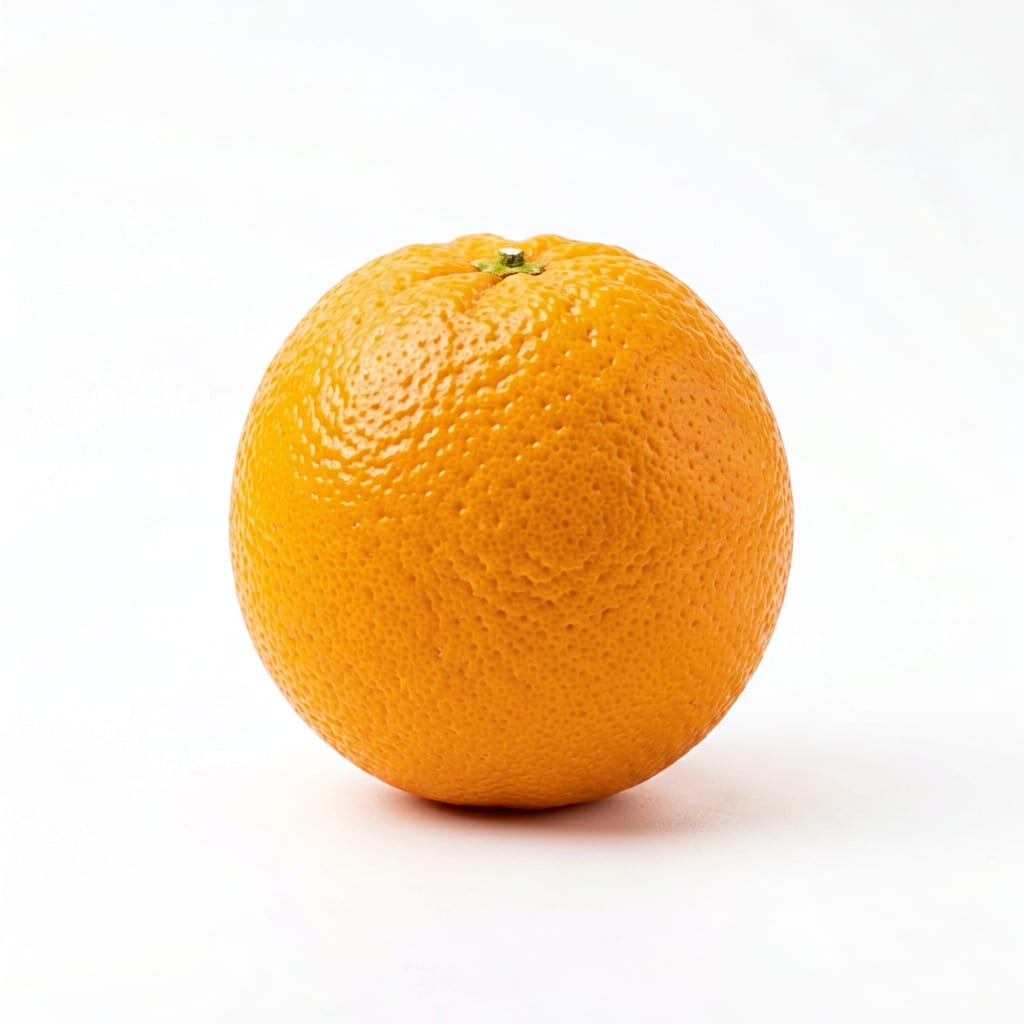
Compare with
Orange
Oranges are lower in calories and higher in vitamin C, but passion fruit provides more than double the fiber, making it superior for gut health and blood sugar management.
Oranges are lower in calories, but passion fruit provides double the fiber, making it better for gut health and blood sugar control.
This food
Passion Fruit
VS65% alike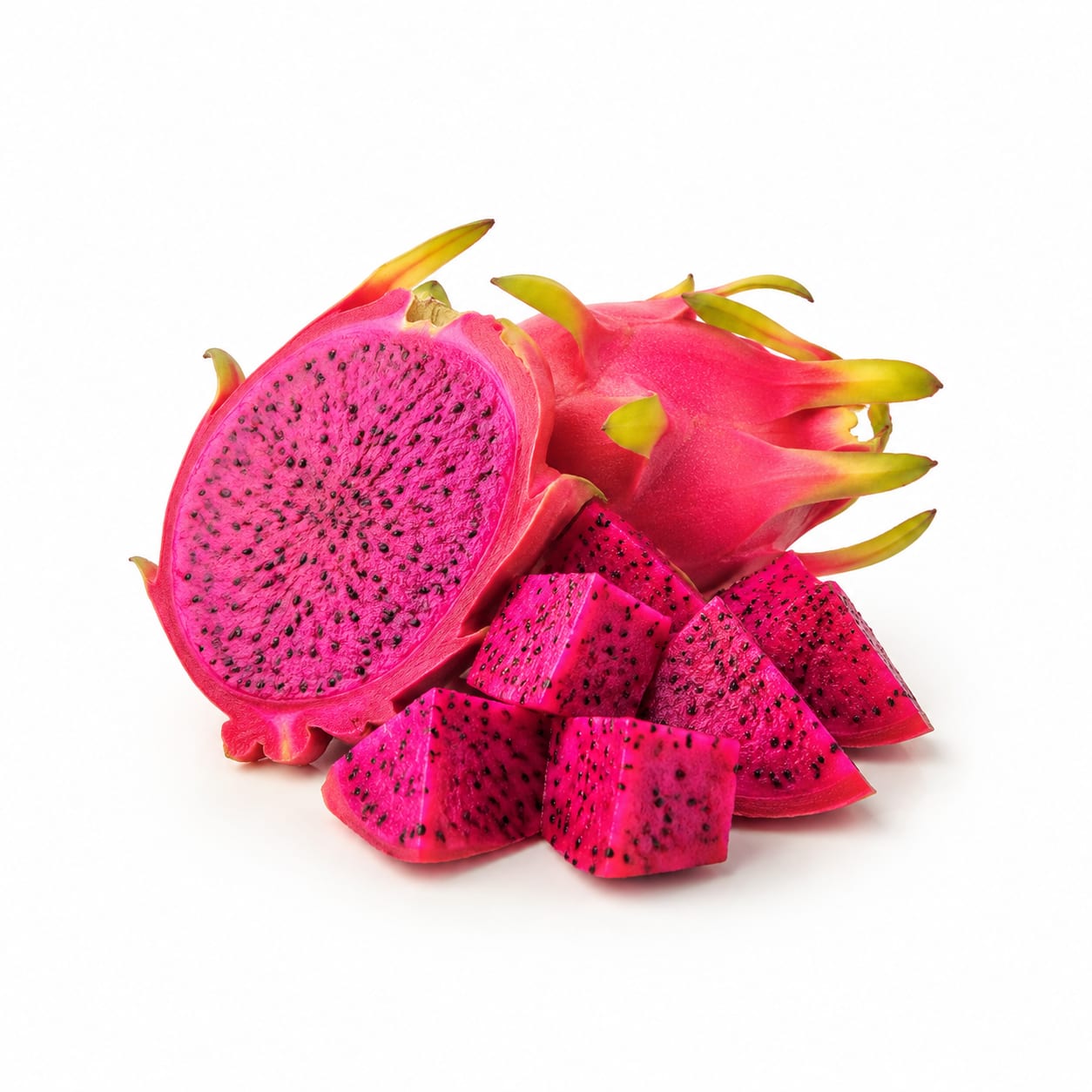
Compare with
Dragon Fruit
Passion fruit is far richer in fiber and flavor than dragon fruit, which is lower in calories but offers less satiety and nutritional density.
Passion fruit is much higher in fiber and flavor than dragon fruit, making it superior for satiety and blood sugar management.
This food
Passion Fruit
VS60% alike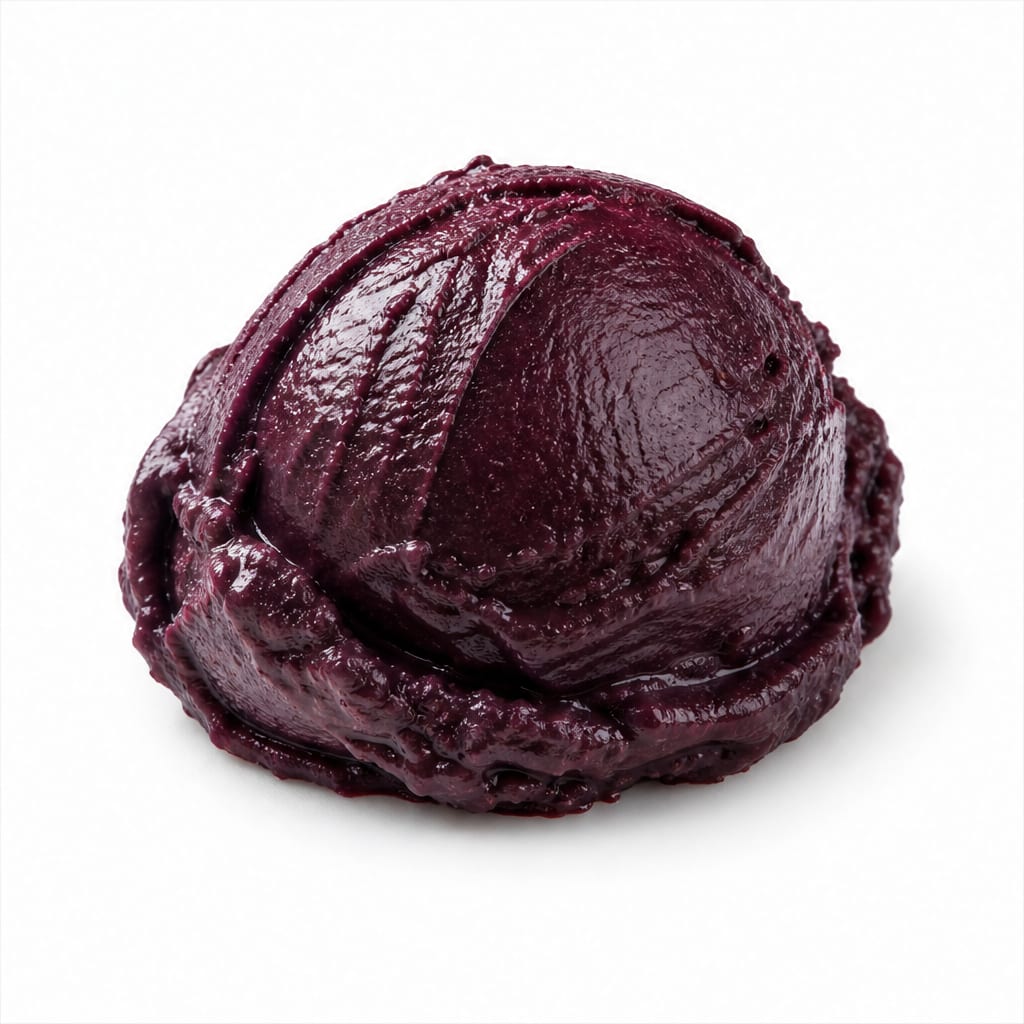
Compare with
Acai
Acai is higher in healthy fats and antioxidants, while passion fruit is lower in calories and higher in fiber, making passion fruit better for low-calorie weight loss diets.
Acai is richer in healthy fats and antioxidants, while passion fruit is lower in calories and higher in fiber for weight loss.
This food
Passion Fruit
VS65% alike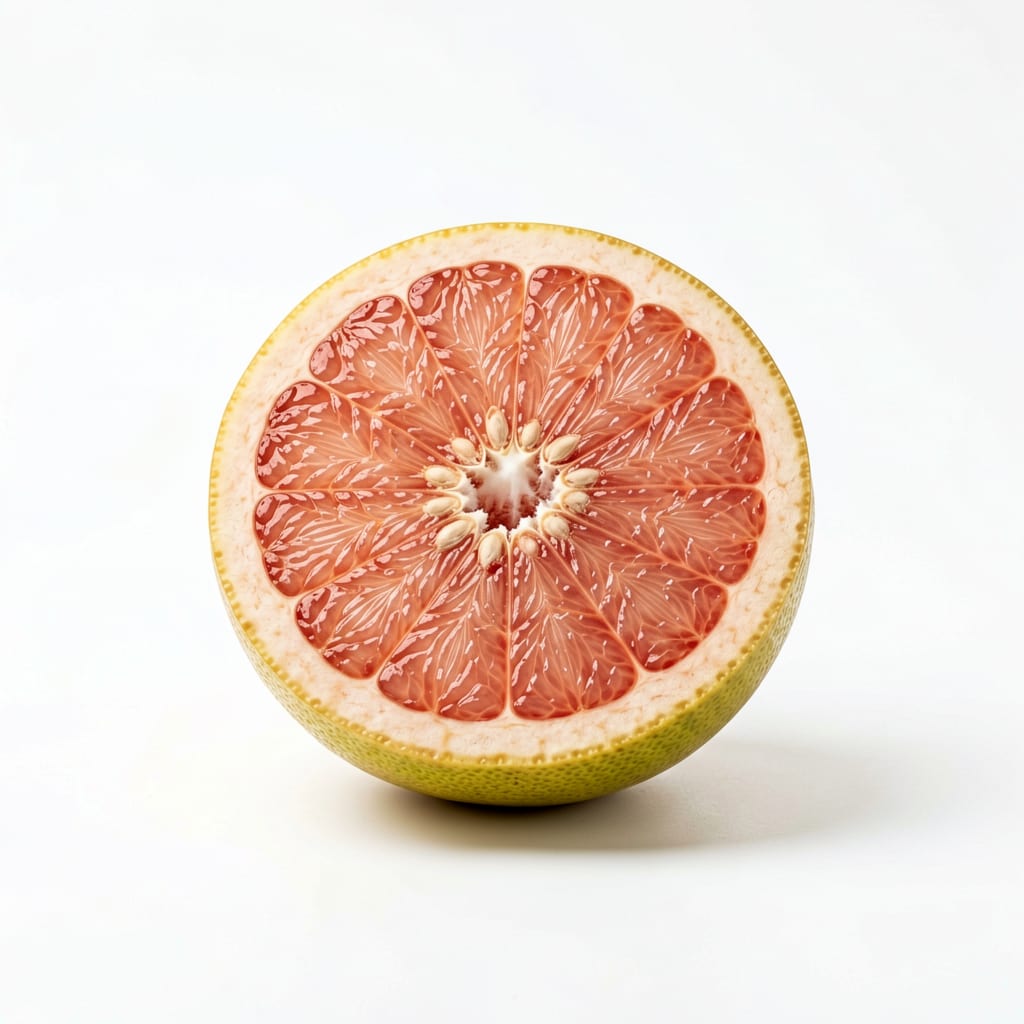
Compare with
Grapefruit
Grapefruit is a low-calorie weight loss staple with high water volume, while passion fruit achieves satiety through dense fiber content rather than water volume.
Grapefruit is lower in calories for volume eating, while passion fruit provides more fiber for deeper satiety and gut health.
Common questions
FAQ
Answers aligned with how people search for this food.
Is passion fruit good for weight loss?
Yes, its high fiber content increases fullness, helping you eat less overall despite containing natural sugars.
Can diabetics eat passion fruit?
Yes, it has a low glycemic index and high fiber, which prevents rapid blood sugar spikes when eaten in typical portions.
Do you eat passion fruit seeds?
Yes, the seeds are entirely edible and provide the majority of the fruit's dietary fiber and healthy fats.
Is passion fruit high in sugar?
It contains about 11 grams of sugar per 100 grams, but its very high fiber content offsets the sugar's impact on blood glucose.
How does passion fruit help gut health?
It is rich in soluble fiber, which acts as a prebiotic to feed beneficial gut bacteria and promote regular digestion.
Is passion fruit keto-friendly?
No, a typical serving contains too many net carbohydrates to fit easily into a strict ketogenic diet.
What vitamins are in passion fruit?
Passion fruit is a good source of vitamin C, vitamin A, and riboflavin, supporting immune function and skin health.
How do you know when a passion fruit is ripe?
A ripe passion fruit will have wrinkled, dimpled skin and feel heavy for its size, indicating juicy pulp inside.
Transparency
Data confidence
Estimated confidence for nutrition data, interpretation, safety notes, and comparisons.
Nutrition data
Health analysis
Food safety
Comparisons