
Nutrition comparison
Passion Fruit vs Pomegranate: Which Superfruit Is Better for You?
Compare passion fruit and pomegranate on antioxidants, fiber, convenience, and health benefits. Learn which fruit fits your goals and when to choose each.
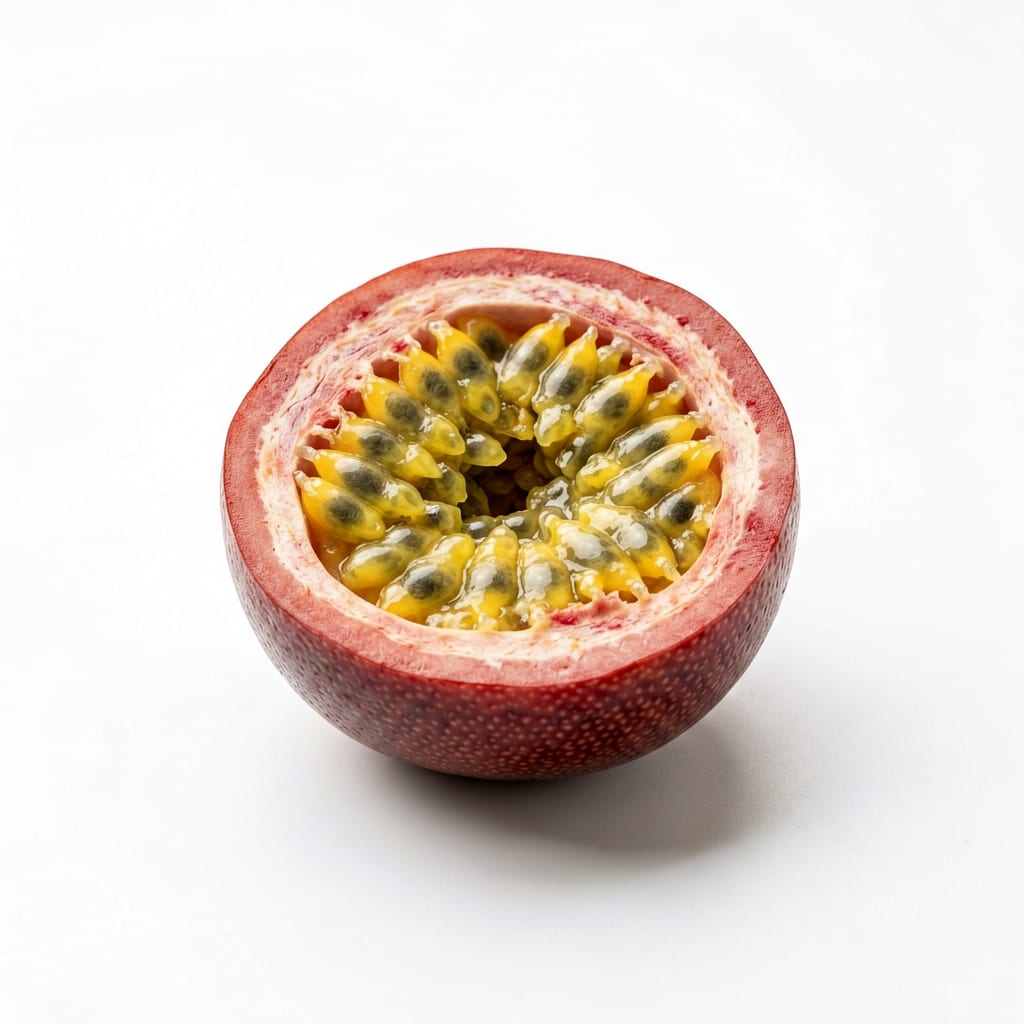
Passion Fruit
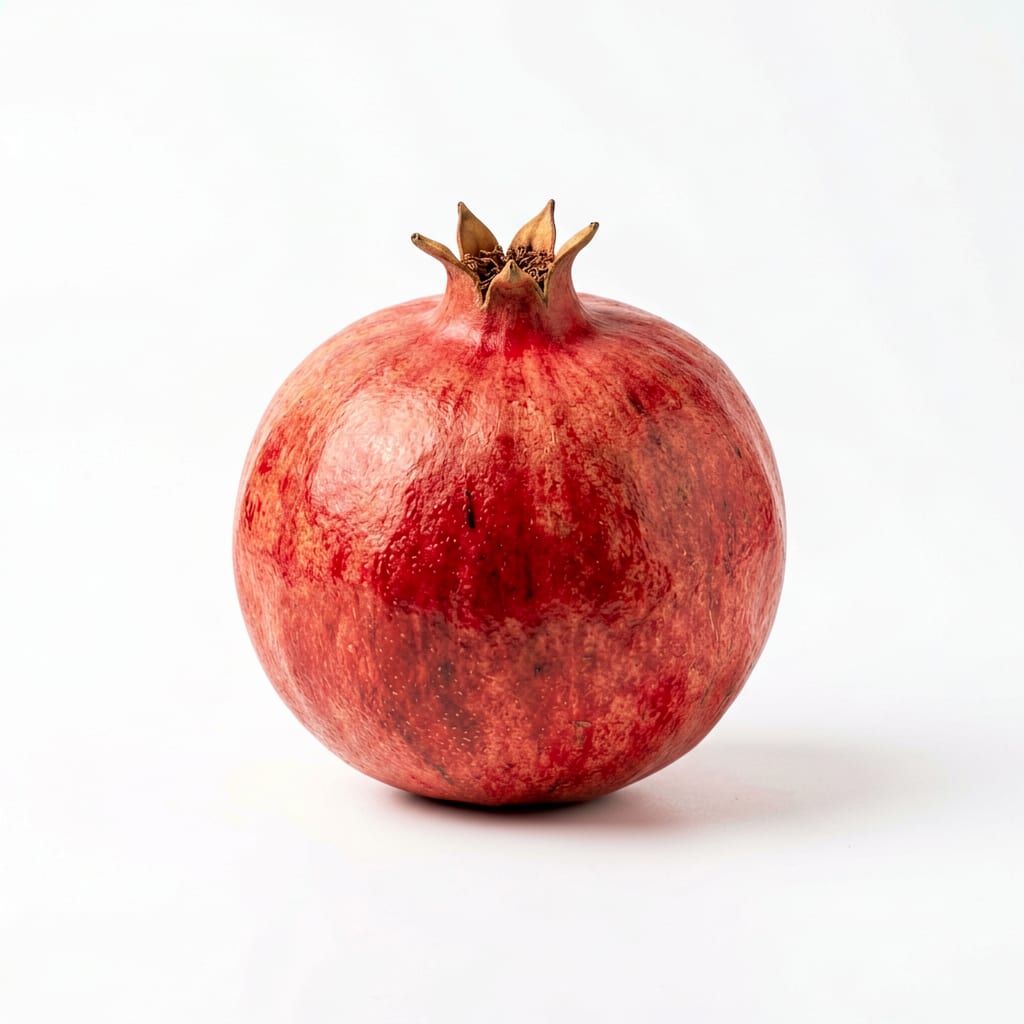
Pomegranate
Pomegranate wins on antioxidant firepower and anti-inflammatory research; passion fruit wins on convenience, vitamin A, and fiber density per gram.
Pomegranate edges ahead on depth of health evidence and anti-inflammatory impact, but passion fruit remains a strong choice with unique advantages in convenience and vitamin A content.
Pomegranate delivers more proven long-term health benefits but demands more prep effort. Passion fruit is grab-and-go with impressive nutrition but less clinical backing.
At a glance
Executive summary
Overall
It depends
Healthier
Pomegranate
More practical
Passion Fruit
Daily use
It depends
Key comparison lenses
antioxidant potency
Both fruits are prized for antioxidant content, but pomegranate's punicalagins are among the most potent fruit antioxidants studied
daily practicality
Passion fruit is quick to scoop and eat; pomegranate requires deseeding, which affects real-world consistency
blood sugar management
Both contain natural sugars but differ in glycemic impact and fiber profiles that affect glucose response
anti inflammatory benefits
Pomegranate has extensive clinical backing for inflammation reduction; passion fruit has emerging but less robust evidence
satiety and snacking
Portion size and eating experience differ significantly between these two fruits
Best choice for
Passion Fruit
- Busy mornings when you need quick nutrition
- Vitamin A support for skin and eye health
- Maximum fiber in the smallest portion
- People who find pomegranate prep annoying enough to skip fruit entirely
Pomegranate
- Anti-inflammatory and heart health priorities
- Post-workout recovery with antioxidant loading
- People who enjoy mindful eating rituals
- Long-term disease prevention strategies
Least suitable for
Passion Fruit
- People watching sugar intake closely — it's sugar-dense per gram
- Those wanting large filling portions without high calories
- Anyone with passion fruit allergies (rare but possible)
Pomegranate
- People who will skip fruit rather than spend 5 minutes deseeding
- Those who find the aril texture unpleasant
- Anyone prone to staining clothes while eating
Deep comparison
Dimension by dimension
Each lens scores both foods and breaks down who each option suits.
- Dimension 1 · Priority 92Pomegranate
antioxidant_power
Passion Fruit · 72Pomegranate · 95Pomegranate is an antioxidant powerhouse with punicalagins that outperform most fruit compounds in ORAC testing.
Tradeoff
Passion fruit has good polyphenols and carotenoids, but the clinical evidence gap is significant.
Why it matters
Stronger antioxidant intake correlates with reduced oxidative stress, better aging, and lower chronic disease risk.
Real-world impact
Regular pomegranate consumption is linked to measurable improvements in arterial health and inflammation markers.
Passion Fruit
- Carotenoid-based antioxidant needs (eye health, skin)
Better for
- Less clinical validation for disease prevention
Worse for
Pomegranate
- Overall oxidative stress reduction
- Cardiovascular protection
- Exercise recovery antioxidant loading
Better for
- Minimal carotenoid content compared to passion fruit
Worse for
- Dimension 2 · Priority 80Passion Fruit
fiber_and_digestive_health
Passion Fruit · 88Pomegranate · 68Passion fruit packs roughly 10g of fiber per 100g versus pomegranate's 4g, making it one of the most fiber-dense fruits available.
Tradeoff
You get more fiber per bite from passion fruit, but pomegranate offers a larger edible volume that can feel more satisfying.
Why it matters
Higher fiber intake supports gut health, blood sugar stability, and sustained fullness.
Real-world impact
Two passion fruits can deliver nearly a third of your daily fiber in a few spoonfuls.
Passion Fruit
- Gut health and regularity
- Maximizing fiber without large portions
- Blood sugar buffering in small servings
Better for
- The concentrated fiber can cause bloating if you eat too many at once
Worse for
Pomegranate
- People who prefer getting fiber from larger, more filling portions
Better for
- Need to eat a larger quantity to match passion fruit's fiber density
Worse for
- Dimension 3 · Priority 75It depends
vitamin_and_mineral_profile
Passion Fruit · 78Pomegranate · 76Passion fruit leads in vitamin C, vitamin A, and iron. Pomegranate leads in vitamin K and folate.
Tradeoff
Passion fruit supports immunity and skin more directly; pomegranate supports blood health and cell division.
Why it matters
Different vitamin profiles serve different health priorities.
Real-world impact
If you need immune support during cold season, passion fruit is more targeted. For blood and bone health, pomegranate has the edge.
Passion Fruit
- Vitamin A for skin, vision, and immune function
- Iron intake for energy and blood health
- Vitamin C for collagen and immunity
Better for
- Minimal vitamin K content
Worse for
Pomegranate
- Vitamin K for bone metabolism and clotting
- Folate for cell repair and pregnancy support
Better for
- Lower vitamin A and iron per serving
Worse for
- Dimension 4 · Priority 85Passion Fruit
convenience_and_eating_experience
Passion Fruit · 90Pomegranate · 55Passion fruit is cut-and-scoop in seconds. Pomegranate requires scoring, cracking, and deseeding — a messy 5-minute process.
Tradeoff
Pomegranate's ritual can be enjoyable but reduces the chance you'll eat it daily.
Why it matters
The best healthy food is the one you actually eat consistently.
Real-world impact
Many people buy pomegranates with good intentions but let them sit on the counter. Passion fruit gets eaten.
Passion Fruit
- Quick breakfasts and on-the-go snacking
- Minimal cleanup and no staining
- Consistent daily consumption
Better for
- Small portion may feel insubstantial as a standalone snack
Worse for
Pomegranate
- Leisurely weekend breakfasts and cooking projects
- Social sharing and garnishing
Better for
- Prep friction leads to inconsistent consumption
- Juice stains are notoriously hard to remove
Worse for
- Dimension 5 · Priority 78Pomegranate
anti_inflammatory_impact
Passion Fruit · 65Pomegranate · 93Pomegranate is one of the most studied anti-inflammatory fruits, with evidence for reducing CRP, joint pain, and arterial inflammation.
Tradeoff
Passion fruit has anti-inflammatory compounds but far less clinical validation.
Why it matters
Chronic inflammation drives heart disease, arthritis, and metabolic syndrome.
Real-world impact
Daily pomegranate intake has been shown to reduce inflammatory markers in as little as two weeks in some studies.
Passion Fruit
- Mild anti-inflammatory support from carotenoids and polyphenols
Better for
- Limited clinical evidence for inflammation-specific outcomes
Worse for
Pomegranate
- Arthritis and joint pain management
- Cardiovascular inflammation reduction
- Post-exercise inflammation recovery
Better for
- None significant — this is pomegranate's strongest dimension
Worse for
- Dimension 6 · Priority 70Pomegranate
satiety_and_portion_satisfaction
Passion Fruit · 58Pomegranate · 78A whole pomegranate provides a large volume of food that takes time to eat. Passion fruit is concentrated and eaten quickly.
Tradeoff
Pomegranate feels like a real snack; passion fruit feels more like a flavor addition.
Why it matters
Satiety affects whether you reach for additional food afterward.
Real-world impact
Eating a pomegranate can keep you full for an hour. Two passion fruits may leave you hunting for more food within 30 minutes.
Passion Fruit
- Adding to yogurt or oatmeal for flavor without bulk
Better for
- Unlikely to satisfy hunger alone
- Easy to overeat due to small size and sweet taste
Worse for
Pomegranate
- Standalone snack that actually fills you up
- Mindful eating experiences that slow consumption
Better for
- Time investment may discourage use as a quick snack
Worse for
Timeline
Health impact over time
Short-term
Hours to days
Passion Fruit
- Quick vitamin C boost for immune support
- Fiber can cause mild bloating if consumed in large quantities
- Natural sugars provide fast but short-lived energy
Pomegranate
- Noticeable antioxidant surge after consumption
- Sustained energy from complex carbohydrate and fiber structure
- Satiety reduces snacking urge for 1-2 hours
Long-term
Months to years
Passion Fruit
- Consistent vitamin A intake supports skin and eye health over time
- High fiber contributes to gut microbiome diversity
- Limited evidence for chronic disease prevention compared to pomegranate
Pomegranate
- Reduced cardiovascular inflammation markers with regular consumption
- Potential protection against prostate and breast cancer progression
- Joint health improvement in arthritis-prone individuals
Risk profile
Safety & processing
Both fruits are typically consumed whole and unprocessed. The main concern is packaged passion fruit pulp or pomegranate juice, which often adds sugar and loses fiber. Always prefer whole fruit.
Passion Fruit
Pesticide residue on skin
mediumPassion fruit skin can retain pesticide residues, but since you eat only the pulp, exposure is minimal. Still, wash before cutting.
Allergic reactions
lowRare but documented latex-fruit allergy cross-reactivity. Symptoms may include mouth itching or swelling.
Pomegranate
Pesticide residue on rind
mediumPomegranate rinds can carry pesticide residues. Since arils are extracted, risk is low, but wash the exterior before opening.
Interaction with medications
lowPomegranate juice can interact with certain medications similar to grapefruit, though the risk is lower. Consult a doctor if on statins or blood pressure medications.
Who wins for whom
Audience fit
Same foods, different winners depending on your goal.
children
Passion FruitPassion fruit is easier for kids to eat — sweet, spoonable, and fun. Pomegranate arils can be a choking concern for very young children and the tartness is less kid-friendly.
daily consumption
It dependsPassion fruit is easier to eat daily due to convenience, but pomegranate delivers more cumulative health benefits if you can maintain the habit. Choose based on which you'll actually stick with.
diabetes
PomegranatePomegranate has a lower glycemic index and its sugars are released more slowly. Passion fruit's concentrated sugar can spike glucose faster in sensitive individuals.
elderly
PomegranatePomegranate's anti-inflammatory and cardiovascular benefits are especially valuable for older adults. The seeds also provide gentle fiber for digestive regularity.
muscle gain
It dependsNeither fruit is a protein source. Passion fruit offers slightly more iron for oxygen transport, but pomegranate's anti-inflammatory properties aid recovery. Both are supplementary, not primary.
weight loss
PomegranatePomegranate's larger volume and higher satiety per calorie make it easier to control overall intake. Passion fruit's sugar density can trigger cravings if eaten alone.
Your move
Decision guide
Choose Passion Fruit
- You value convenience and will eat fruit more often when prep is minimal
- You want maximum fiber and vitamin A in a small portion
- You add fruit to yogurt, smoothies, or oatmeal rather than eating it alone
- You find pomegranate deseeding too annoying to sustain as a habit
Choose Pomegranate
- Heart health and anti-inflammatory benefits are top priorities
- You enjoy the process of preparing food and find it meditative
- You want a filling snack that reduces between-meal hunger
- You have a family history of cardiovascular disease or arthritis
Either works if
- You rotate fruits for nutritional diversity — both are excellent choices
- You use fruit primarily as a flavor accent in meals rather than a standalone snack
Avoid both if
- You have strict sugar restrictions and need low-sugar fruit options like berries
- You have FODMAP sensitivities — both fruits can trigger symptoms in sensitive individuals
Final recommendation
Eat pomegranate when you have time and want maximum health returns. Keep passion fruit on hand for daily consistency. The best choice is the one you'll actually eat regularly — and for most people, that means having both available for different moments.
Practical
Consumer tips
- 1
Buy pre-packaged pomegranate arils if deseeding stops you from eating pomegranate — the convenience premium is worth the health benefit of actually consuming it
- 2
Passion fruit is ripe when the skin is wrinkled and slightly shriveled — smooth skin means it's underripe
- 3
Freeze pomegranate arils for a refreshing summer snack that takes longer to eat and satisfies more
- 4
Add passion fruit pulp to sparkling water for a natural flavor boost without added sugar
- 5
Avoid pomegranate juice as a daily substitute — it strips away fiber and concentrates sugars significantly
- 6
Passion fruit seeds are completely edible and contain most of the fiber — don't strain them out