
Nutrition comparison
Passion Fruit vs Orange: Which Is Healthier for Daily Nutrition?
Compare passion fruit and orange on vitamin C, fiber, sugar, antioxidants, and cost. Find out which tropical fruit fits your health goals and daily routine better.
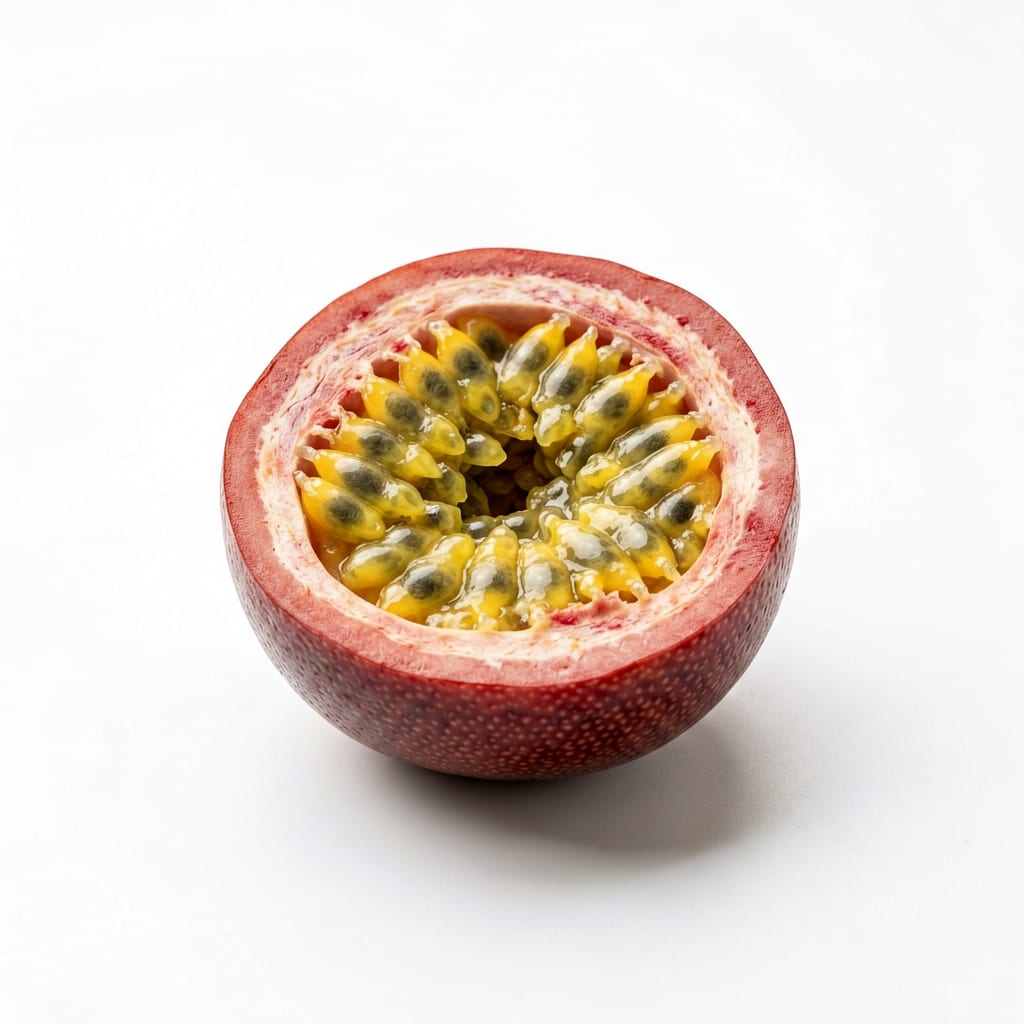
Passion Fruit
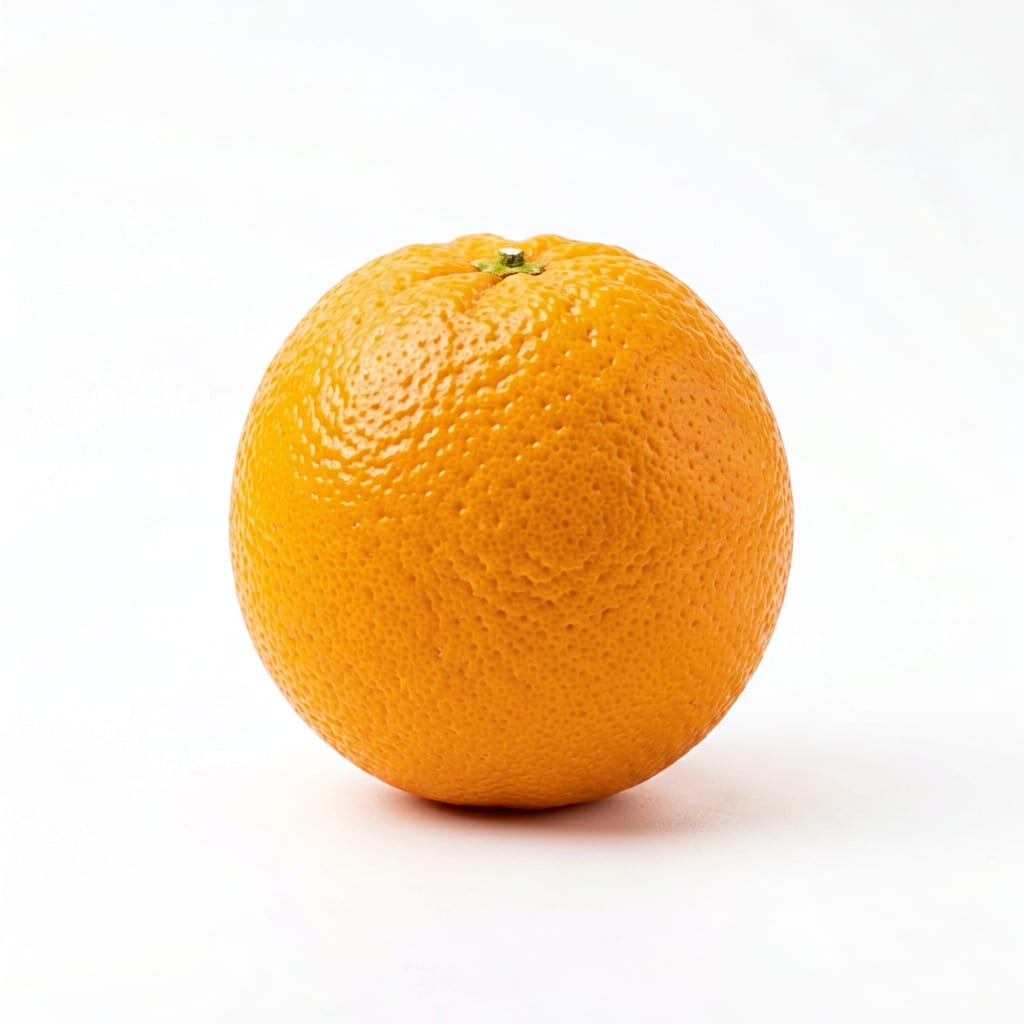
Orange
Oranges win on vitamin C, hydration, and everyday practicality. Passion fruit wins on fiber, antioxidants, and satiety per bite.
Orange scores higher overall due to superior practicality, vitamin C content, and daily usability. Passion fruit is nutritionally impressive per gram but its high cost, small serving size, and limited availability make it harder to rely on daily.
Convenience and vitamin C versus fiber density and antioxidant variety
At a glance
Executive summary
Overall
It depends
Healthier
It depends
More practical
Orange
Daily use
Orange
Key comparison lenses
vitamin C and immunity comparison
Both are tropical fruits known for vitamin C, but oranges are the classic go-to for immune support
fiber and digestive health
Passion fruit is surprisingly fiber-dense compared to oranges, making gut health a key differentiator
sugar content and blood sugar management
Users comparing fruits often care about sugar load and glycemic impact for weight or diabetes concerns
everyday practicality and cost
Oranges are ubiquitous and cheap; passion fruit is specialty and expensive, affecting daily usability
antioxidant diversity
Passion fruit offers unique polyphenols and carotenoids that oranges lack, relevant for long-term health
Best choice for
Passion Fruit
- People prioritizing digestive health and fiber intake
- Those seeking antioxidant diversity beyond vitamin C
- Anyone wanting a small, satisfying snack that curbs hunger
- Flavor enthusiasts who enjoy intense tropical taste
Orange
- People wanting maximum vitamin C for immune support
- Those needing a hydrating, low-calorie snack
- Budget-conscious shoppers feeding a family
- Anyone wanting an easy grab-and-go fruit
Least suitable for
Passion Fruit
- People on a tight grocery budget
- Those who need large volumes of food to feel satisfied
- Anyone with seed sensitivity or dental concerns
- People wanting a simple, mess-free snack for commuting
Orange
- People strictly limiting sugar who want maximum fiber per calorie
- Those seeking novel antioxidants and phytonutrients
- Anyone bored with common fruit flavors
Deep comparison
Dimension by dimension
Each lens scores both foods and breaks down who each option suits.
- Dimension 1 · Priority 90Orange
Vitamin C and Immunity
Passion Fruit · 55Orange · 92Oranges deliver roughly 2-3 times more vitamin C per serving than passion fruit, making them the clear immune-support champion.
Tradeoff
Passion fruit still provides decent vitamin C but cannot compete with the sheer volume oranges offer per easy-to-eat serving.
Why it matters
If you reach for fruit specifically during cold season or after travel, oranges give you more of what you are looking for.
Real-world impact
One medium orange covers most of your daily vitamin C needs. You would need several passion fruits to match that, which gets expensive fast.
Passion Fruit
- Adding variety to an already vitamin-C-rich diet
Better for
- Sole reliance for vitamin C intake
Worse for
Orange
- Fighting off a cold
- Boosting daily immune defense affordably
- Post-workout recovery when antioxidant demand is high
Better for
- Those who already supplement vitamin C and want other phytonutrients instead
Worse for
- Dimension 2 · Priority 85Passion Fruit
Fiber and Digestive Health
Passion Fruit · 88Orange · 58Passion fruit is a fiber powerhouse, delivering roughly 4 times more fiber per 100g than oranges, especially if you eat the seeds.
Tradeoff
You get more fiber per bite with passion fruit, but the small serving size means you may eat less total fiber in one sitting compared to a large orange.
Why it matters
Fiber keeps you full, stabilizes blood sugar, and feeds gut bacteria. Most people fall short on daily fiber intake.
Real-world impact
A single passion fruit with seeds gives you about 2g of fiber in just 17 calories. An orange gives you 3g but costs 62 calories. Per calorie, passion fruit is far more fiber-efficient.
Passion Fruit
- Anyone struggling to hit daily fiber targets
- People managing blood sugar who want fiber with minimal calories
- Gut health optimization with prebiotic fiber
Better for
- People with diverticulitis or seed sensitivities
Worse for
Orange
- Those who prefer getting fiber from larger food volumes
- People with sensitive digestion who find seeds irritating
Better for
- Anyone counting every gram of fiber per calorie consumed
Worse for
- Dimension 3 · Priority 70Passion Fruit
Antioxidant Diversity
Passion Fruit · 85Orange · 65Passion fruit offers a broader spectrum of antioxidants including unique carotenoids and polyphenols that oranges simply do not match.
Tradeoff
Oranges provide more total vitamin C, but passion fruit delivers more variety in protective plant compounds.
Why it matters
Antioxidant diversity matters more than quantity for long-term cellular protection and anti-aging benefits.
Real-world impact
Eating passion fruit occasionally adds antioxidant variety that daily orange consumption cannot replicate. Think of it as cross-training for your cells.
Passion Fruit
- Long-term cellular health and anti-aging
- Adding phytonutrient variety to a repetitive diet
- Eye health due to beta-carotene and lutein content
Better for
- Situations requiring immediate high-dose vitamin C
Worse for
Orange
- Acute immune challenges where vitamin C quantity matters most
Better for
- Those wanting broad-spectrum antioxidant protection beyond vitamin C
Worse for
- Dimension 4 · Priority 75Orange
Hydration and Volume
Passion Fruit · 40Orange · 88Oranges are roughly 87% water and provide satisfying volume. Passion fruit is small and concentrated with less hydrating benefit.
Tradeoff
Oranges fill you up with water-rich volume. Passion fruit delivers concentrated nutrients but leaves you wanting more food.
Why it matters
If you eat fruit partly to feel full and hydrated, especially in hot weather, volume matters as much as nutrition.
Real-world impact
A large orange feels like a substantial snack. A passion fruit feels like a garnish. For appetite control, oranges win easily.
Passion Fruit
- Adding intense flavor to meals without bulk
- Topping yogurt or oatmeal where you want flavor not volume
Better for
- Anyone eating fruit primarily to feel full
Worse for
Orange
- Hot weather hydration
- Curbing hunger between meals
- Replacing higher-calorie snacks with satisfying volume
Better for
- Situations where you want concentrated flavor without eating a large portion
Worse for
- Dimension 5 · Priority 75Orange
Convenience and Cost
Passion Fruit · 35Orange · 90Oranges are cheap, available everywhere, and easy to peel. Passion fruit is expensive, harder to find, and requires scooping.
Tradeoff
Passion fruit feels special and luxurious but costs 3-5 times more per serving than oranges.
Why it matters
The best fruit for daily health is the one you can actually afford and access consistently.
Real-world impact
Oranges can be bought in bags for dollars. Passion fruit often sells for $2-4 each. For a family of four, this difference changes weekly grocery budgets significantly.
Passion Fruit
- Special occasions and dessert presentations
- Gourmet cooking where cost is secondary
Better for
- Anyone feeding a family on a budget
- People who need portable, mess-free snacks
Worse for
Orange
- Daily lunchbox packing
- Budget-friendly meal prep
- Quick snacks at work or on the go
Better for
- Culinary applications demanding intense tropical flavor
Worse for
- Dimension 6 · Priority 80It depends
Blood Sugar Impact
Passion Fruit · 72Orange · 70Both are moderate glycemic fruits. Passion fruit has more fiber to slow sugar absorption, but its sugar is more concentrated per gram.
Tradeoff
Passion fruit's fiber helps, but you are unlikely to eat enough at once for the fiber advantage to fully offset its concentrated sugar. Oranges spread sugar across more volume and water.
Why it matters
For diabetes or metabolic concerns, how sugar enters your bloodstream matters as much as total sugar content.
Real-world impact
A single passion fruit has only about 2g of sugar total, so its glycemic load is tiny. A medium orange has about 12g of sugar but with enough water and fiber to moderate the spike. Both are safe in moderation for most people.
Passion Fruit
- Tiny low-glycemic treats when you want just a bite of sweetness
- Topping meals where small portions add flavor without sugar spikes
Better for
- Eating multiple passion fruits at once could deliver concentrated sugar quickly
Worse for
Orange
- Pre-workout energy when you need moderate sugar with hydration
- Sustained energy from a larger satisfying portion
Better for
- Large orange juice portions which strip away fiber and spike blood sugar
Worse for
Timeline
Health impact over time
Short-term
Hours to days
Passion Fruit
- Quick burst of intense tropical flavor satisfaction
- Moderate fiber intake from seeds supports immediate satiety
- Small serving size may leave you wanting more food shortly after
Orange
- Refreshing hydration, especially after exercise or heat exposure
- Noticeable vitamin C boost supporting immediate immune function
- Larger volume helps bridge gaps between meals without cravings
Long-term
Months to years
Passion Fruit
- Consistent fiber intake supports gut microbiome diversity and regularity
- Unique antioxidants may contribute to reduced oxidative stress over years
- Cost may limit consistency, reducing long-term dietary impact
Orange
- Sustained high vitamin C intake supports collagen production and skin health
- Regular consumption correlates with lower cardiovascular risk in population studies
- Affordability enables daily consistency, which compounds health benefits over time
Risk profile
Safety & processing
Both fruits are whole, unprocessed foods as typically consumed. Neither raises processing concerns when eaten fresh. The main risk is passion fruit pulp products with added sugar, or orange juice which strips fiber.
Passion Fruit
Pesticide residue on skin
mediumPassion fruit is often imported and may carry higher pesticide residues on the thick rind. Since you discard the rind, exposure is minimal but wash hands after handling.
Mold and spoilage
lowWrinkled skin is normal for passion fruit, but visible mold or fermented smell means discard immediately.
Orange
Citrus pesticide residue
mediumOranges frequently appear on EWG's Dirty Dozen list for pesticide residue. Peeling removes most exposure, but zest or marmalade concentrates it.
Citric acid and dental erosion
lowFrequent orange consumption can weaken tooth enamel over time. Rinse with water after eating and avoid brushing immediately.
Who wins for whom
Audience fit
Same foods, different winners depending on your goal.
children
OrangeOranges are sweet, easy to peel, and familiar. Passion fruit seeds can be a choking concern for very young children and the tart flavor often gets rejected.
daily consumption
OrangeAffordability, availability, and ease of eating make oranges realistic for daily habits. Passion fruit is better as an occasional addition for variety.
diabetes
It dependsA single passion fruit has minimal glycemic load due to tiny portion size. Oranges provide more fiber and water to buffer sugar but contain more total carbs. Both are fine in moderation.
elderly
OrangeOranges are easier to chew, more hydrating, and provide accessible vitamin C for aging immune systems. Passion fruit seeds may challenge dental work or sensitive teeth.
muscle gain
OrangeOranges offer more carbohydrate energy and hydration post-workout, plus vitamin C supports collagen repair. Neither is a protein source.
weight loss
OrangeOranges provide more volume and hydration per calorie, making them more filling for fewer calories. Passion fruit is fiber-dense but too small to satisfy hunger alone.
Your move
Decision guide
Choose Passion Fruit
- You want maximum fiber and antioxidants per calorie
- You are topping yogurt, oatmeal, or desserts and want intense flavor
- You eat a varied diet and want to add tropical phytonutrient diversity
- Budget is not a constraint and you enjoy specialty fruits
Choose Orange
- You want a reliable daily vitamin C source
- You need a filling, hydrating snack between meals
- You are feeding a family on a budget
- You want grab-and-go convenience without prep or mess
Either works if
- You simply want a whole-food fruit snack instead of processed options
- You are meeting general daily fruit intake targets
- Both are available and you want flavor variety
Avoid both if
- You have citrus allergies or sensitivities
- You are on a strict very-low-carb ketogenic diet
- You have fructose intolerance or malabsorption issues
Final recommendation
Make oranges your daily fruit staple for vitamin C, hydration, and value. Add passion fruit once or twice a week as a fiber and antioxidant booster. This combination gives you the consistency of oranges with the phytonutrient diversity of passion fruit, without breaking your budget.
Practical
Consumer tips
- 1
Buy passion fruit when the skin is slightly wrinkled — that is when it is sweetest, not past its prime
- 2
Freeze passion fruit pulp in ice cube trays to preserve it and add to smoothies later
- 3
Choose heavier oranges for their size, which indicates more juice and better hydration value
- 4
If pesticide exposure concerns you, buy organic oranges since you may use the zest, but conventional passion fruit is fine since you discard the rind
- 5
Avoid orange juice as a substitute for whole oranges — juicing removes the fiber that makes oranges blood-sugar friendly
- 6
Pair passion fruit with plain Greek yogurt for a high-protein, high-fiber snack that keeps you full for hours