
Nutrition comparison
Passion Fruit vs Mango: Which Tropical Fruit Is Healthier?
Compare Passion Fruit and Mango on sugar, fiber, calories, and health impact. Discover which fruit is better for weight loss, diabetes, and daily nutrition.
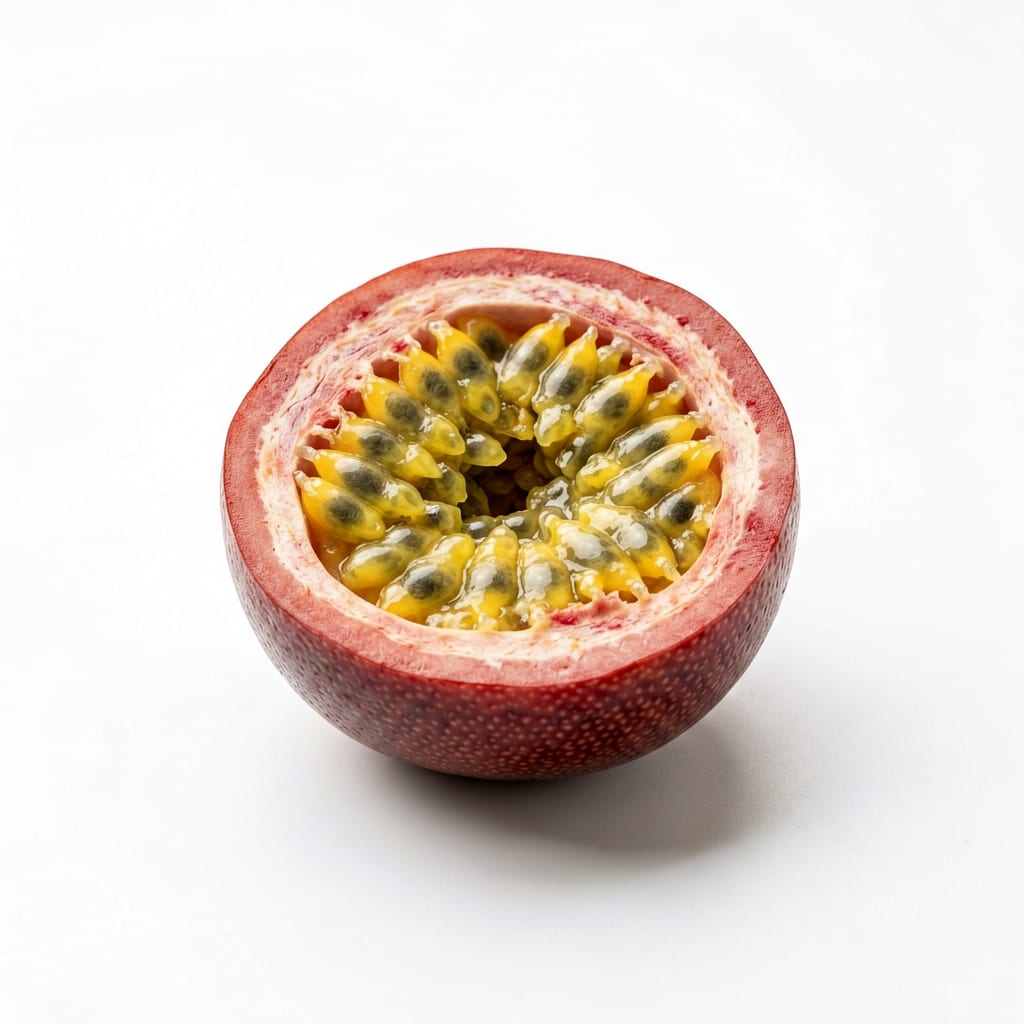
Passion Fruit
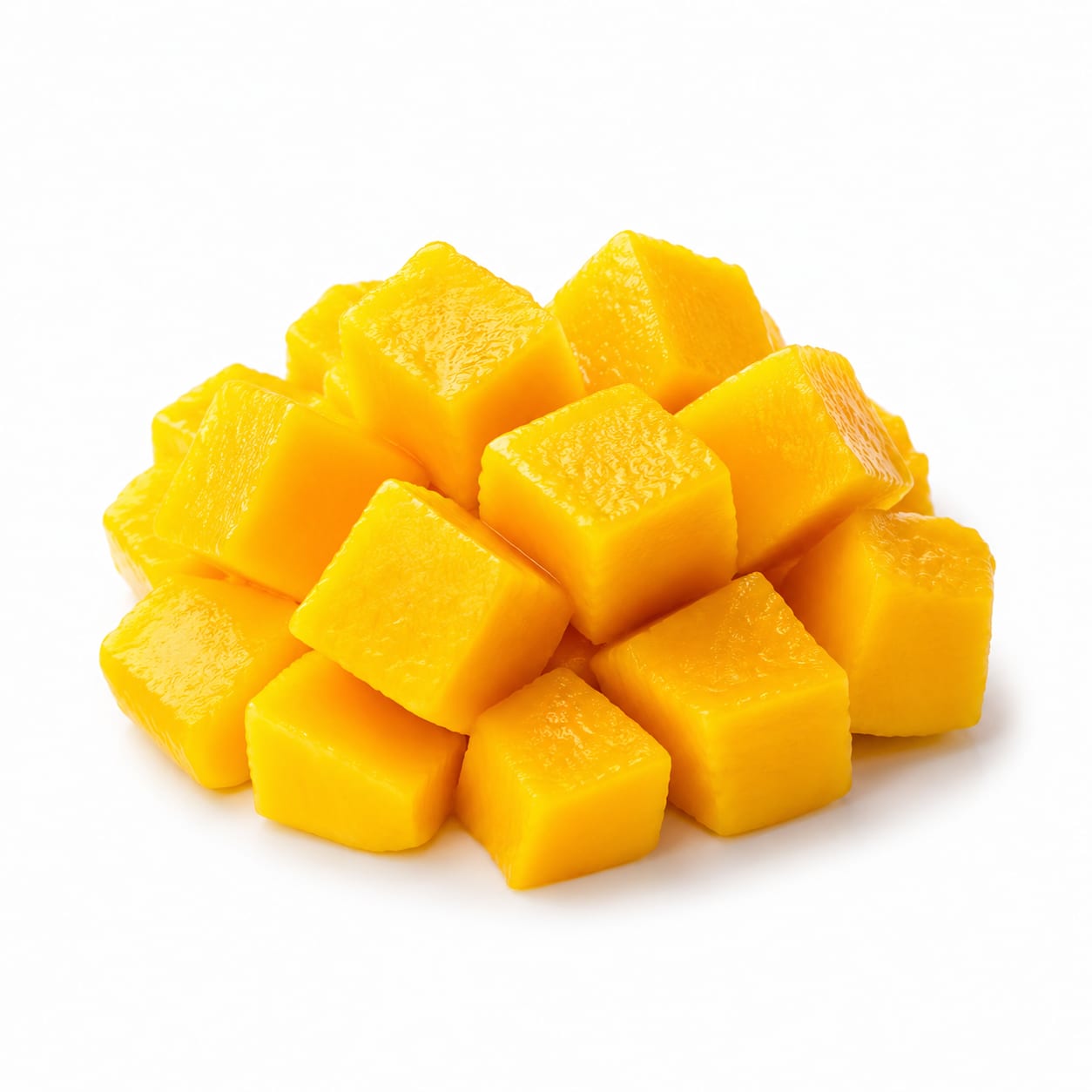
Mango
Passion Fruit wins for fiber, blood sugar control, and calorie efficiency. Mango wins for taste appeal, vitamin A, and versatility.
Passion Fruit scores higher due to superior fiber-to-calorie ratio and lower sugar impact. Mango stays competitive through broader appeal and higher vitamin A, but its sugar load pulls it down for health-focused scoring.
Mango delivers sweet satisfaction and more vitamin A, but Passion Fruit gives you far more fiber and steadier energy with less sugar hit.
At a glance
Executive summary
Overall
It depends
Healthier
Passion Fruit
More practical
Mango
Daily use
Passion Fruit
Key comparison lenses
sugar and blood sugar management
Mango is significantly sweeter and higher in sugar, making blood sugar impact the most critical differentiator
fiber and satiety
Passion Fruit delivers dramatically more fiber per calorie, heavily influencing fullness and digestive health
calorie efficiency
Users comparing tropical fruits often care about getting more nutrition per calorie
everywhere enjoyment and sustainability
Mango's sweetness makes it easier to overeat; Passion Fruit's tartness naturally limits portions
antioxidant diversity
Both offer distinct antioxidant profiles worth comparing for long-term health
Best choice for
Passion Fruit
- People managing blood sugar or diabetes
- Anyone counting calories but wanting flavor
- Those needing more fiber in their diet
- People who prefer tart over sweet flavors
Mango
- Active individuals needing quick energy
- Kids who reject sour flavors
- Smoothie and recipe enthusiasts
- Anyone wanting a satisfying sweet treat without junk food
Least suitable for
Passion Fruit
- People with severe acid reflux or GERD
- Children sensitive to tart flavors
- Anyone wanting large filling portions on a budget
Mango
- People strictly limiting sugar intake
- Those managing insulin resistance
- Anyone prone to overeating sweet foods
Deep comparison
Dimension by dimension
Each lens scores both foods and breaks down who each option suits.
- Dimension 1 · Priority 92Passion Fruit
sugar_and_blood sugar impact
Passion Fruit · 82Mango · 48Passion Fruit has roughly half the sugar per serving with far more fiber to slow absorption.
Tradeoff
Mango tastes sweeter and more rewarding, but that sweetness comes with a bigger blood sugar spike.
Why it matters
Steadier blood sugar means fewer energy crashes and less craving later in the day.
Real-world impact
A mango afternoon snack might leave you hungry again in an hour. Passion Fruit keeps you steadier.
Passion Fruit
- People with prediabetes or diabetes
- Anyone avoiding sugar crashes
- Low-carb dieters wanting fruit
Better for
- Those wanting a sweet dessert alternative
Worse for
Mango
- Athletes needing fast carbs post-workout
- Underweight individuals needing calories
Better for
- Insulin-resistant individuals
- People trying to cut sugar cravings
Worse for
- Dimension 2 · Priority 88Passion Fruit
fiber_and_digestive_health
Passion Fruit · 90Mango · 42Passion Fruit provides about 10g of fiber per 100g versus Mango's 1.6g. That is a massive gap.
Tradeoff
Passion Fruit's seeds give you fiber but also a crunchy texture some people dislike. Mango is smooth but nearly fiber-free.
Why it matters
Fiber controls hunger, supports gut bacteria, and slows sugar absorption. Most people eat too little.
Real-world impact
Two passion fruits can cover nearly a third of your daily fiber needs. You would need to eat an unrealistic amount of mango to match that.
Passion Fruit
- Anyone struggling with constipation
- People trying to feel full on fewer calories
- Gut health enthusiasts
Better for
- Those who dislike seedy textures
Worse for
Mango
- People with IBS who need low-fiber options
- Anyone recovering from digestive surgery
Better for
- Anyone relying on fruit for daily fiber
Worse for
- Dimension 3 · Priority 78It depends
vitamin_and_mineral_density
Passion Fruit · 72Mango · 75Mango delivers more vitamin A and folate per serving. Passion Fruit offers more vitamin C per calorie and notable iron content.
Tradeoff
Mango is better for vision and immune support through vitamin A. Passion Fruit is more nutrient-efficient per calorie eaten.
Why it matters
Vitamin A supports eye health and immunity. Vitamin C aids iron absorption and skin repair.
Real-world impact
If you eat a balanced diet already, neither fruit is your main vitamin source. But Mango's vitamin A edge matters more if you lack orange and green vegetables.
Passion Fruit
- People watching calories but wanting nutrients
- Those needing more iron from plant sources
Better for
- Those specifically seeking vitamin A
Worse for
Mango
- People low on vitamin A
- Pregnant women needing folate
Better for
- Calorie-conscious nutrient seekers
Worse for
- Dimension 4 · Priority 80Passion Fruit
calorie_efficiency
Passion Fruit · 85Mango · 55Passion Fruit delivers more fiber, vitamin C, and iron per calorie than Mango.
Tradeoff
Mango gives you more food volume per serving, which feels more satisfying in the moment.
Why it matters
When calories matter, getting more nutrition per bite helps you stay on track without feeling deprived.
Real-world impact
A single passion fruit costs you about 17 calories and delivers real fiber. A cup of mango costs 99 calories with minimal fiber.
Passion Fruit
- Weight loss dieters
- Anyone tracking calories carefully
Better for
- People wanting large food portions
Worse for
Mango
- Active people who can afford the calories
- Those needing to gain weight healthfully
Better for
- Strict calorie counters
Worse for
- Dimension 5 · Priority 75Mango
taste_appeal_and_eating_sustainability
Passion Fruit · 55Mango · 88Mango is universally loved for its sweet, creamy, tropical flavor. Passion Fruit is polarizing with its intense tartness.
Tradeoff
Mango's sweetness makes it easy to enjoy daily but also easy to overeat. Passion Fruit's tartness naturally limits portions.
Why it matters
The best healthy food is one you actually enjoy eating consistently without overdoing it.
Real-world impact
Most people can eat two mangoes without thinking. Two passion fruits feel like enough. That built-in portion control matters.
Passion Fruit
- People who naturally limit portions with strong flavors
- Sour fruit lovers
Better for
- Pickier eaters
- Kids who reject sour flavors
Worse for
Mango
- Families with kids
- Anyone replacing processed sweets with fruit
- Smoothie makers
Better for
- People who struggle to stop eating sweet foods
Worse for
- Dimension 6 · Priority 70It depends
antioxidant_profile
Passion Fruit · 78Mango · 73Passion Fruit is rich in polyphenols and vitamin C. Mango provides beta-carotene and mangiferin, a unique anti-inflammatory compound.
Tradeoff
Different antioxidants serve different purposes. Variety between both fruits is better than choosing just one.
Why it matters
Polyphenols support heart and brain health. Beta-carotene protects skin and eyes. Mangiferin may reduce inflammation.
Real-world impact
Eating both fruits across the week gives you broader antioxidant coverage than loading up on just one.
Passion Fruit
- People focused on vitamin C intake
- Those wanting polyphenol diversity
Better for
- Those specifically seeking carotenoids
Worse for
Mango
- People seeking anti-inflammatory compounds
- Those wanting skin-protective beta-carotene
Better for
- Those wanting high polyphenol intake
Worse for
Timeline
Health impact over time
Short-term
Hours to days
Passion Fruit
- Quick feeling of fullness from fiber and seeds
- Minimal blood sugar spike due to low glycemic load
- Tart flavor can refresh and reduce further sweet cravings
Mango
- Rapid energy boost from natural sugars
- Noticeable blood sugar rise, especially on an empty stomach
- Satisfying sweet sensation that may trigger wanting more
Long-term
Months to years
Passion Fruit
- Improved digestive regularity from consistent fiber intake
- Better blood sugar management over time
- Easier weight maintenance due to natural portion control
Mango
- Supports eye and skin health through sustained vitamin A intake
- Anti-inflammatory benefits from mangiferin with regular consumption
- Risk of excess calorie intake if portions go unmonitored
Risk profile
Safety & processing
Both fruits are whole foods with minimal processing concerns when fresh. Watch out for added sugars in packaged passion fruit pulp or dried mango, which can change the health profile dramatically.
Passion Fruit
Pesticide residue on skin
mediumPassion Fruit skin can carry pesticide residues, but you typically discard the skin and eat only the pulp and seeds.
Allergic reaction in latex-sensitive individuals
lowPassion Fruit has cross-reactivity potential with latex allergy, though reactions are uncommon.
Mango
Pesticide residue
mediumConventionally grown mangoes often show pesticide residues on the skin. Peeling significantly reduces exposure.
Contact dermatitis from mango skin
lowMango skin contains urushiol, the same compound as poison ivy. Peeling before eating avoids this issue.
Sulfite sensitivity in dried mango
mediumDried mango is often treated with sulfites. Fresh mango avoids this concern entirely.
Who wins for whom
Audience fit
Same foods, different winners depending on your goal.
children
MangoMost children prefer Mango's sweet, smooth taste over Passion Fruit's tart, seedy texture, making it easier to get kids to eat fruit.
daily consumption
Passion FruitPassion Fruit's fiber contribution and lower sugar impact make it more sustainable as a daily habit without metabolic downsides.
diabetes
Passion FruitLower sugar content and high fiber result in a much gentler blood sugar response, making Passion Fruit safer for glucose management.
elderly
MangoMango's soft texture is easier to chew and digest for aging teeth and sensitive digestive systems, plus its vitamin A supports aging eyes.
muscle gain
MangoMango provides more quick-digesting carbs that can fuel workouts and replenish glycogen, plus more calories to support muscle-building phases.
weight loss
Passion FruitFewer calories, dramatically more fiber, and tart flavor that naturally limits overeating make Passion Fruit the stronger choice for weight management.
Your move
Decision guide
Choose Passion Fruit
- You want steady energy without sugar crashes
- Fiber intake is a priority for you
- You are watching your calorie intake closely
- You enjoy tart, intense flavors
- You are managing blood sugar or insulin resistance
Choose Mango
- You need quick pre- or post-workout energy
- You want a sweet treat that is still whole food
- You are making smoothies, salsas, or desserts
- You have kids who refuse sour flavors
- You specifically want more vitamin A in your diet
Either works if
- You want tropical fruit variety in your diet
- You have no blood sugar or weight concerns
- You are rotating fruits for broad antioxidant coverage
Avoid both if
- You have a rare tropical fruit allergy
- You are on a strict very-low-carb or keto diet
- You have fructose intolerance
Final recommendation
Eat both across the week for complementary benefits. Choose Passion Fruit when you want fiber and blood sugar stability. Choose Mango when you want sweetness, energy, or a crowd-pleasing fruit. If you must pick one for daily health, Passion Fruit's fiber advantage gives it the edge.
Practical
Consumer tips
- 1
Buy Passion Fruit when the skin is wrinkled — that means it is ripe and sweet inside
- 2
Peel Mangoes to avoid pesticide residues and urushiol on the skin
- 3
Freeze Mango chunks for smoothies — it blends into a creamy texture naturally
- 4
Passion Fruit seeds are completely edible and where most fiber lives — do not strain them out
- 5
Avoid dried Mango if you are watching sugar — it concentrates the sugar and removes water volume
- 6
Passion Fruit pulp freezes well in ice cube trays for later use in drinks and yogurt
- 7
If Mango spikes your blood sugar, pair it with a handful of nuts to slow absorption