
Nutrition comparison
Passion Fruit vs Acai: Which Superfruit Is Actually Better for You?
Compare passion fruit and acai on antioxidants, sugar, healthy fats, and real-world practicality. Find out which tropical superfruit fits your health goals better.
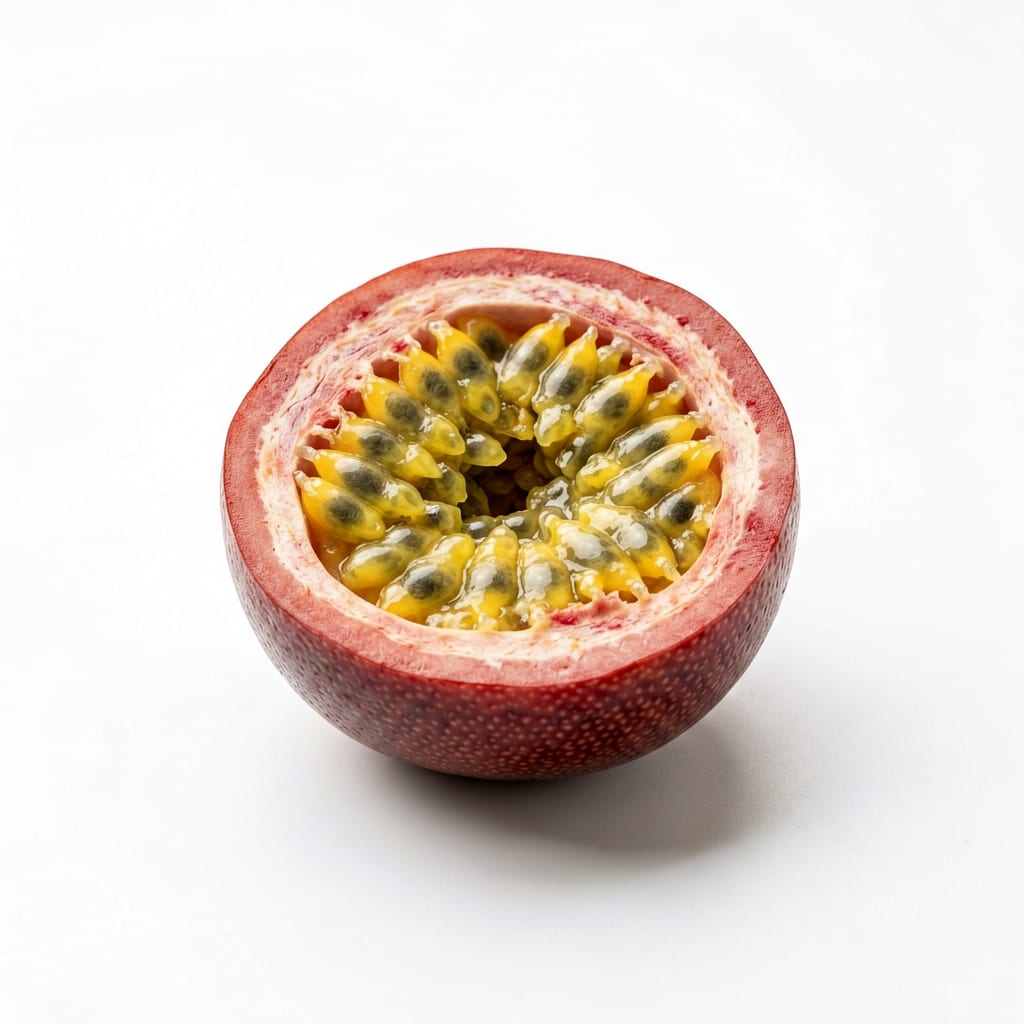
Passion Fruit
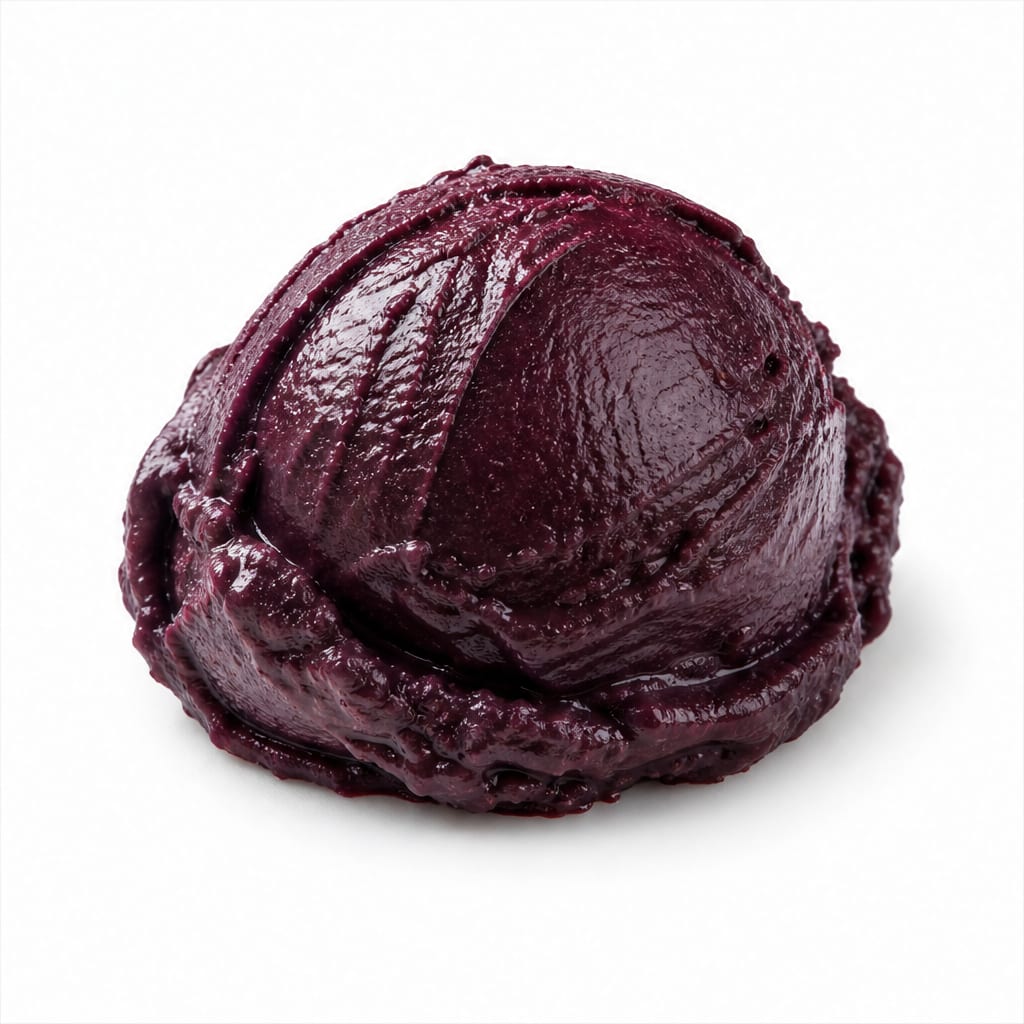
Acai
Acai delivers unmatched antioxidants and healthy fats with minimal sugar, but passion fruit offers fresher whole-food eating with more vitamin C and fiber per bite.
Acai edges ahead on antioxidant density, healthy fat content, and lower sugar — all high-impact nutritional advantages. Passion fruit stays competitive through freshness, fiber, and vitamin C, plus being easier to eat as a truly whole food. The gap is narrow because passion fruit's naturalness and accessibility partially offset acai's nutritional edge.
Antioxidant power and satiating fats from acai versus fresher, more natural eating and stronger vitamin C from passion fruit.
At a glance
Executive summary
Overall
It depends
Healthier
It depends
More practical
Passion Fruit
Daily use
Passion Fruit
Key comparison lenses
antioxidant superiority
Both are prized for antioxidant density, but acai's anthocyanin profile is exceptional and often the primary reason people choose it
processing authenticity
Fresh passion fruit is widely available, but real acai is almost never sold fresh outside Brazil — most consumers get a processed version
sugar and blood impact
Passion fruit carries notably more sugar per serving while acai is unusually low-sugar for a fruit, making this a key differentiator
healthy fat content
Acai is rare among fruits for its omega fat profile, which changes how it satisfies and fuels you compared to passion fruit
daily sustainability
Cost, convenience, and how each fits into routine eating patterns matters for long-term adoption
Best choice for
Passion Fruit
- People who want a whole, fresh fruit experience
- Those prioritizing vitamin C and immune support
- Anyone seeking high fiber with tropical flavor
- Consumers avoiding frozen or processed foods
Acai
- People focused on maximum antioxidant intake
- Those following low-sugar eating patterns
- Anyone wanting healthy fats from fruit sources
- Athletes seeking anti-inflammatory recovery foods
Least suitable for
Passion Fruit
- People strictly limiting sugar intake
- Those who find the tart flavor unappealing
- Anyone needing long shelf-stable storage
Acai
- People avoiding processed or frozen foods
- Those on tight budgets (quality acai is expensive)
- Anyone sensitive to portion creep in acai bowls
Deep comparison
Dimension by dimension
Each lens scores both foods and breaks down who each option suits.
- Dimension 1 · Priority 95Acai
antioxidant_density
Passion Fruit · 68Acai · 96Acai is one of the most antioxidant-rich fruits on the planet, driven by its extraordinary anthocyanin concentration.
Tradeoff
You get far more antioxidant firepower from acai, but only if you're consuming a high-quality product — many commercial acai products are diluted with cheaper ingredients.
Why it matters
Antioxidants protect cells from daily oxidative stress, support recovery after exercise, and contribute to long-term disease prevention.
Real-world impact
Regular acai consumption may noticeably reduce post-workout soreness and support skin health over months. Passion fruit still contributes meaningfully but cannot match acai's depth here.
Passion Fruit
- Casual antioxidant support through whole-food eating
Better for
- Not competitive for therapeutic-level antioxidant dosing
Worse for
Acai
- Maximum antioxidant intake for recovery and longevity
- Anti-inflammatory diets targeting chronic conditions
Better for
- Benefits vanish if the product is heavily diluted or sugar-loaded
Worse for
- Dimension 2 · Priority 88Acai
sugar_and_blood_stability
Passion Fruit · 55Acai · 85Acai is remarkably low in sugar for a fruit, while passion fruit carries moderate sugar that can add up quickly.
Tradeoff
Acai keeps blood sugar steadier, but passion fruit's sugar comes packaged with fiber that blunts the spike — it's not equivalent to candy.
Why it matters
Blood sugar stability affects energy, cravings, mood, and long-term metabolic health. Even natural fruit sugar matters when consumed frequently.
Real-world impact
A passion fruit as an occasional snack is fine. But multiple servings daily could contribute to sugar creep, especially if you're sensitive to carbs. Acai gives you fruit satisfaction without the sugar load.
Passion Fruit
- Active individuals who burn through carbs easily
Better for
- Not ideal as a frequent fruit choice for sugar-sensitive people
Worse for
Acai
- Low-carb and keto-adjacent eaters
- People managing insulin resistance or prediabetes
- Anyone trying to reduce overall sugar intake
Better for
- Some frozen acai products add sugar back in, negating this advantage
Worse for
- Dimension 3 · Priority 80Acai
healthy_fat_profile
Passion Fruit · 25Acai · 88Acai is uniquely fat-rich for a fruit, providing omega-6 and omega-9 fatty acids. Passion fruit is essentially fat-free.
Tradeoff
Acai's fats make it more satisfying and slower-digesting, but they also add calories that some people don't expect from fruit.
Why it matters
Healthy fats improve satiety, support hormone production, and slow carbohydrate absorption for steadier energy.
Real-world impact
An acai bowl can keep you full for hours partly because of its fat content. Passion fruit digests faster, which may leave you hungry sooner but feels lighter in the moment.
Passion Fruit
- People wanting a light, refreshing snack without heaviness
Better for
- Won't provide the satiety that fat-containing foods offer
Worse for
Acai
- Anyone needing sustained energy from a fruit-based meal
- People replacing less healthy fat sources with whole-food alternatives
Better for
- Calorie density is higher than most people expect from fruit
Worse for
- Dimension 4 · Priority 72Passion Fruit
vitamin_and_mineral_diversity
Passion Fruit · 82Acai · 70Passion fruit delivers substantially more vitamin C and vitamin A, while acai provides more iron and calcium.
Tradeoff
Passion fruit is better for immune support and skin health through vitamins C and A. Acai contributes more toward mineral needs like iron and calcium.
Why it matters
Vitamin C enhances iron absorption, supports collagen production, and bolsters immune defense. Iron and calcium are commonly deficient minerals.
Real-world impact
Eating passion fruit regularly can meaningfully contribute to your daily vitamin C target. Acai helps more with mineral intake but shouldn't be your primary iron or calcium source.
Passion Fruit
- Immune support during cold season
- Skin health and collagen maintenance
- Enhancing iron absorption from other foods
Better for
- Minimal iron and calcium contribution
Worse for
Acai
- Supplementing iron intake for borderline deficiency
- Supporting bone health through calcium contribution
Better for
- Vitamin C content is modest compared to passion fruit
Worse for
- Dimension 5 · Priority 75Passion Fruit
fiber_and_digestive_health
Passion Fruit · 86Acai · 72Passion fruit provides more fiber per serving, especially when you eat the seeds and pulp together.
Tradeoff
Passion fruit's fiber is more effective for digestive regularity, but acai still contributes respectable fiber — especially in pure pulp form.
Why it matters
Fiber regulates digestion, feeds gut bacteria, slows sugar absorption, and increases fullness after eating.
Real-world impact
Two passion fruits give you roughly 5 grams of fiber — a meaningful contribution toward daily targets. Acai pulp provides fiber too, but typical bowl portions may not deliver as much as people assume.
Passion Fruit
- Improving digestive regularity
- Maximizing fiber per calorie consumed
Better for
- Seeds can be bothersome for people with diverticulitis
Worse for
Acai
- Gentle fiber intake combined with satiating fats
Better for
- Fiber content often overestimated by consumers
Worse for
- Dimension 6 · Priority 85Passion Fruit
freshness_and_processing
Passion Fruit · 90Acai · 45Fresh passion fruit is widely available and eaten as-is. Authentic fresh acai is virtually impossible to find outside tropical growing regions.
Tradeoff
Passion fruit delivers a truly whole-food experience. Acai almost always arrives frozen, powdered, or blended — each step reducing nutrient integrity.
Why it matters
Processing can degrade antioxidants, add sugar, and introduce preservatives. The gap between real acai and commercial acai products is enormous.
Real-world impact
When you cut open a passion fruit, you get exactly what nature intended. When you buy acai, you're trusting a supply chain that may have diluted, sweetened, or aged the product significantly.
Passion Fruit
- People who prioritize eating whole, unprocessed foods
- Anyone concerned about hidden additives in frozen products
Better for
- Short shelf life once ripe
Worse for
Acai
- People without access to fresh tropical fruit who still want superfruit benefits
Better for
- Most commercial products are far removed from the whole fruit
- Powdered acai loses significant antioxidant potency
- Acai bowls at cafes often contain more sugar than fruit
Worse for
- Dimension 7 · Priority 70Passion Fruit
cost_and_accessibility
Passion Fruit · 72Acai · 48Passion fruit is generally more affordable and easier to find fresh. Quality acai products are expensive and often require specialty shopping.
Tradeoff
Passion fruit gives you more nutritional transparency per dollar. Acai's premium price doesn't always translate to proportionally better health outcomes.
Why it matters
The best food for you is one you can actually afford and access consistently. Superfood pricing can make sustainable consumption difficult.
Real-world impact
A bag of frozen acai packets or a quality powder can cost 3-4 times more per serving than fresh passion fruit. For daily use, this adds up fast.
Passion Fruit
- Budget-conscious consumers wanting tropical fruit benefits
- People who shop at regular grocery stores
Better for
- Fresh passion fruit availability varies by season and region
Worse for
Acai
- Those willing to invest in premium superfood products
- People with access to quality health food stores
Better for
- High cost makes daily consumption unrealistic for many
- Cheaper acai products often cut corners on quality
Worse for
Timeline
Health impact over time
Short-term
Hours to days
Passion Fruit
- Quick vitamin C boost supporting immune function
- Fiber provides immediate digestive benefit
- Natural sugar offers fast but moderate energy lift
- Tart flavor can satisfy sweet cravings without overeating
Acai
- Healthy fats provide sustained energy without sugar crash
- Low sugar content avoids blood sugar spikes
- Anthocyanins may reduce acute inflammation after exercise
- Creamy texture and richness increase meal satisfaction
Long-term
Months to years
Passion Fruit
- Consistent vitamin C intake supports skin aging defense
- Fiber contributes to long-term gut microbiome health
- Moderate sugar intake is manageable but requires portion awareness
- Antioxidant contribution is meaningful but not therapeutic-grade
Acai
- Potent antioxidant intake may reduce chronic disease risk markers
- Healthy fat pattern supports cardiovascular and hormonal health
- Anti-inflammatory effects compound over months of regular consumption
- Risk of overconsumption if eating acai bowls with calorie-dense toppings
Risk profile
Safety & processing
Passion fruit wins decisively on naturalness — you typically eat it fresh, straight from the rind. Acai is almost always processed: frozen pulp, freeze-dried powder, or blended into bowls. Each processing step risks nutrient loss, added sugar, or preservative introduction. Quality matters enormously for acai; a cheap frozen packet bears little resemblance to fresh acai berries.
Passion Fruit
Pesticide residue on rind
lowThe rind is discarded, so pesticide exposure is minimal. Conventionally grown passion fruit is relatively low-risk.
Seed-related digestive discomfort
lowThe crunchy seeds are safe for most people but can irritate those with diverticulitis or sensitive digestion.
Acai
Added sugars in commercial products
mediumMany frozen acai packets and bowl bases contain added sugar or fruit juice concentrates that are not disclosed prominently. Always read labels carefully.
Quality dilution and mislabeling
mediumSome acai products are cut with cheaper fruits like apple or grape. Look for products with acai as the first ingredient and no fillers.
Heavy metal exposure in some powders
lowFreeze-dried acai powders from less reputable sources have occasionally tested for elevated heavy metals. Choose third-party tested brands.
Who wins for whom
Audience fit
Same foods, different winners depending on your goal.
children
Passion FruitKids enjoy passion fruit's sweet-tart flavor and fun texture. Acai bowls often come with sugary toppings that undermine the health benefits for children.
daily consumption
Passion FruitPassion fruit is easier to eat consistently as a whole food, costs less per serving, and avoids the processing concerns that complicate daily acai consumption.
diabetes
AcaiAcai's minimal sugar and fat-mediated slower digestion make it significantly more blood-sugar friendly. Passion fruit's carbs require more careful portioning.
elderly
Passion FruitPassion fruit's higher vitamin C supports immune health and collagen maintenance in aging bodies. The fresh form also avoids processed ingredient concerns common in acai products.
muscle gain
AcaiAcai's anti-inflammatory antioxidants support recovery, and its healthy fats contribute calorie density useful for bulking. Neither is a protein source.
weight loss
AcaiAcai's lower sugar and higher fat content create better satiety per calorie, making it easier to control portions. Passion fruit's sugar can trigger cravings in sensitive individuals.
Your move
Decision guide
Choose Passion Fruit
- You want a fresh, whole fruit you can eat as nature intended
- Vitamin C and immune support are top priorities
- You're budget-conscious but still want tropical superfruit benefits
- You're wary of processed or frozen fruit products
- You enjoy tart, vibrant flavors and crunchy seeds
Choose Acai
- Maximum antioxidant intake is your primary goal
- You're following a low-sugar or keto-adjacent eating pattern
- You want healthy fats from a fruit source for sustained energy
- Anti-inflammatory recovery support matters for your training
- You have access to high-quality, minimally processed acai products
Either works if
- You simply want more tropical fruit variety in your diet
- You're rotating between different antioxidant sources weekly
- Neither food is a staple — you're enjoying them occasionally
Avoid both if
- You have a documented allergy to either fruit
- You're seeking a significant protein source — neither delivers
- You expect either to produce dramatic health changes on its own
Final recommendation
Let your priorities decide. If antioxidant power and low sugar matter most, acai is the stronger choice — but only if you source a high-quality product with minimal additives. If freshness, vitamin C, and whole-food integrity matter more, passion fruit is the more honest and accessible option. For most people, the best approach is rotating both: passion fruit when you want fresh fruit, quality acai when you need recovery support or a satisfying low-sugar base.
Practical
Consumer tips
- 1
For acai, always check that acai is the first ingredient — many products cut it with cheaper fillers
- 2
Avoid acai bowls from cafes unless you can verify sugar content — some contain 40+ grams of added sugar
- 3
Passion fruit is ripe when the rind wrinkles slightly — smooth rinds need more time
- 4
Freeze passion fruit pulp in ice cube trays for smoothies — it preserves well
- 5
If buying acai powder, look for freeze-dried and third-party tested brands
- 6
Two passion fruits per day is a reasonable serving — more and sugar adds up
- 7
Blend acai with unsweetened nut milk and a handful of greens instead of sugary juice bases
- 8
Passion fruit seeds are completely edible and where much of the fiber lives — don't discard them