
Nutrition comparison
Passion Fruit vs Kiwi: Which Tropical Fruit Is Healthier?
Compare passion fruit and kiwi on vitamin C, sugar, fiber, and daily practicality. Find out which tropical fruit better fits your health goals.
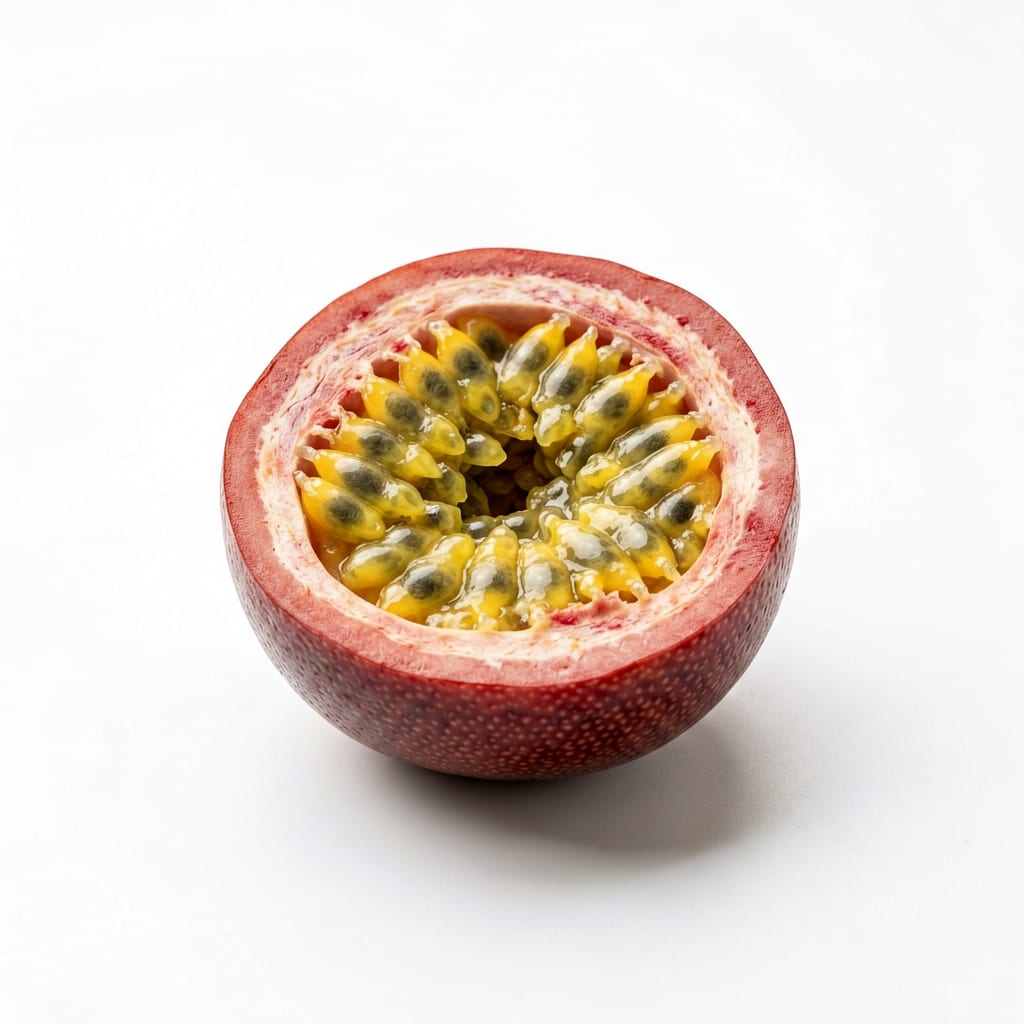
Passion Fruit
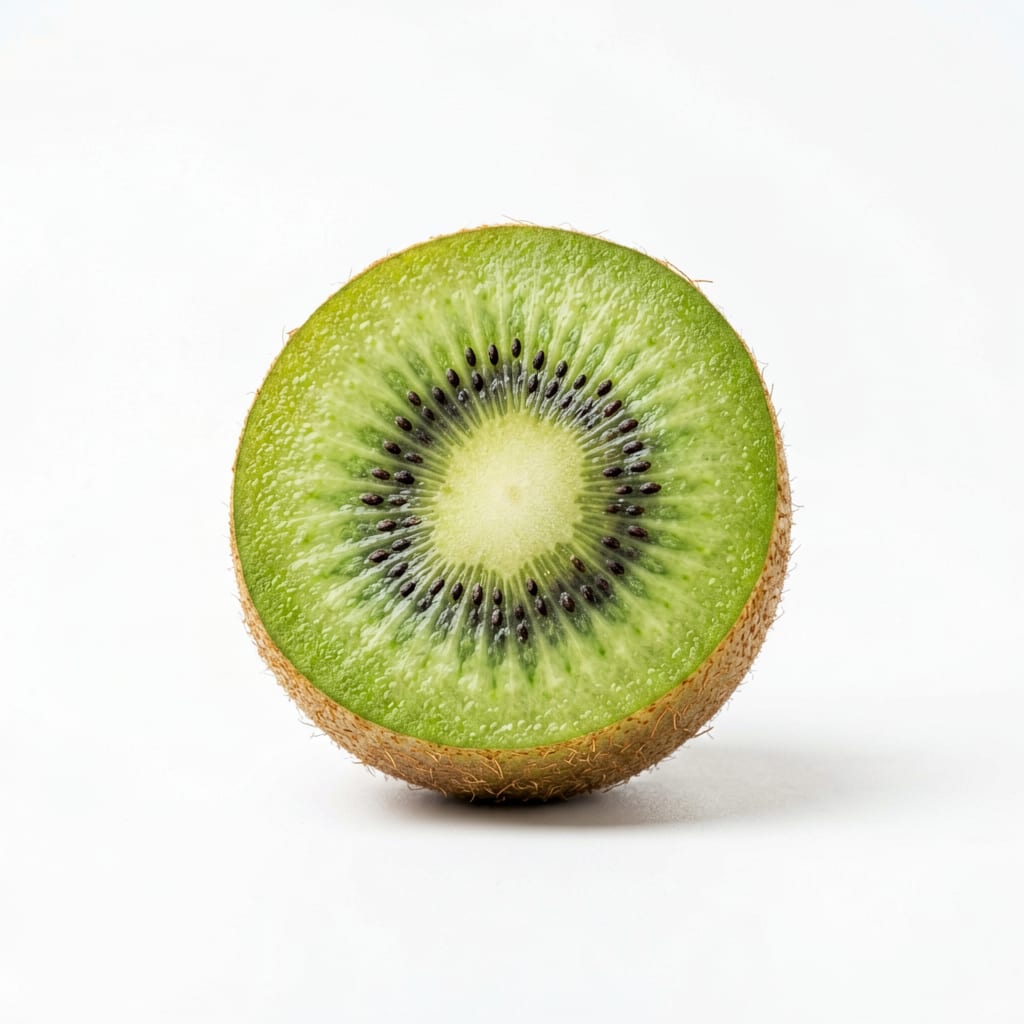
Kiwi
Kiwi wins on vitamin C and lower sugar; passion fruit wins on fiber and vitamin A. Your pick depends on what your body needs most.
Kiwi scores higher overall due to its exceptional vitamin C content, lower sugar, wider availability, and easier daily integration. Passion fruit remains nutritionally valuable but its higher sugar and lower practicality narrow its everyday appeal.
Kiwi delivers more immune-boosting vitamin C with less sugar, while passion fruit offers more filling fiber and vision-supporting vitamin A at the cost of higher sugar per serving.
At a glance
Executive summary
Overall
It depends
Healthier
Kiwi
More practical
Kiwi
Daily use
Kiwi
Key comparison lenses
vitamin C and immunity boost
Kiwi is famously rich in vitamin C while passion fruit offers a different antioxidant profile, making this the most likely reason users compare them
low-sugar fruit options
Both are tropical fruits but have notably different sugar loads, a common concern for health-conscious consumers
digestive health and fiber
Both fruits support digestion but through different mechanisms — kiwi with actinidin enzyme, passion fruit with dense seed fiber
weight management snacking
Calorie and sugar differences make this comparison relevant for anyone tracking intake
tropical flavor variety
Users may simply want to know which exotic fruit adds more nutritional value to their diet
Best choice for
Passion Fruit
- People needing more dietary fiber and gut regularity
- Anyone wanting to boost vitamin A intake naturally
- Those seeking a more satiating tropical snack
- Smoothie enthusiasts who want thick texture and seeds
Kiwi
- People prioritizing immune support and vitamin C
- Anyone watching their sugar intake closely
- Those wanting a low-calorie filling snack
- People with iron deficiency needing vitamin C to boost absorption
Least suitable for
Passion Fruit
- People strictly limiting sugar or carbs
- Anyone who dislikes seedy textures
- Those on a tight grocery budget as passion fruit is often expensive
- People with latex-fruit allergy cross-reactivity
Kiwi
- People with latex-fruit syndrome (kiwi is a common trigger)
- Anyone sensitive to acidic fruits
- Those who dislike tart flavors
- People wanting a calorie-dense pre-workout snack
Deep comparison
Dimension by dimension
Each lens scores both foods and breaks down who each option suits.
- Dimension 1 · Priority 95Kiwi
vitamin C and immune support
Passion Fruit · 55Kiwi · 95Kiwi is a vitamin C powerhouse, delivering roughly 2-3 times more per serving than passion fruit.
Tradeoff
Passion fruit still provides decent vitamin C but cannot compete with kiwi's immune-boosting dominance.
Why it matters
Vitamin C is the most sought-after nutrient in fruit choices, directly affecting immunity, skin health, and iron absorption.
Real-world impact
Eating one kiwi covers most of your daily vitamin C needs. You would need multiple passion fruits to match that, along with significantly more sugar.
Passion Fruit
- Getting a moderate vitamin C boost alongside other nutrients
Better for
- Relying on passion fruit as your primary vitamin C source
Worse for
Kiwi
- Maximizing vitamin C per calorie
- Supporting immune defense during cold season
- Enhancing iron absorption from plant-based meals
Better for
- Those who experience mouth irritation from high-acid vitamin C sources
Worse for
- Dimension 2 · Priority 88Passion Fruit
fiber and digestive health
Passion Fruit · 88Kiwi · 72Passion fruit packs significantly more fiber per serving, mainly from its edible seeds, while kiwi offers a unique digestive enzyme instead.
Tradeoff
Passion fruit gives you more bulk fiber for regularity; kiwi gives you actinidin enzyme that helps break down protein and ease bloating.
Why it matters
Fiber intake is chronically low in most diets, and the type of digestive support matters depending on whether you struggle with constipation or protein digestion.
Real-world impact
Passion fruit's seeds physically sweep through your digestive tract, keeping you regular. Kiwi's enzyme helps if you feel heavy or bloated after protein-rich meals.
Passion Fruit
- Combating constipation with insoluble seed fiber
- Feeling fuller for longer between meals
- Adding texture and bulk to smoothies or yogurt
Better for
- People with diverticulitis who must avoid seeds
- Anyone who finds seedy textures unpleasant
Worse for
Kiwi
- Easing bloating after heavy protein meals
- Gentler digestion for sensitive stomachs
- Supporting gut motility without rough seed texture
Better for
- Situations where you need maximum fiber per serving
Worse for
- Dimension 3 · Priority 85Kiwi
sugar and blood sugar impact
Passion Fruit · 52Kiwi · 78Kiwi has meaningfully less sugar per serving and a lower glycemic impact, making it the safer choice for blood sugar management.
Tradeoff
Passion fruit's richer flavor comes with nearly double the sugar per serving, which tastes amazing but hits your bloodstream harder.
Why it matters
For anyone monitoring blood sugar — whether diabetic, prediabetic, or simply avoiding energy crashes — this difference is daily-life significant.
Real-world impact
A kiwi is a safe afternoon snack that will not spike your blood sugar. Passion fruit is better enjoyed in moderation or paired with protein to blunt the sugar rush.
Passion Fruit
- Post-workout when faster-digesting carbs are acceptable
- Adding natural sweetness to recipes without refined sugar
Better for
- Anyone counting carbs or managing diabetes closely
- Eating multiple servings without realizing sugar adds up fast
Worse for
Kiwi
- Steady energy without afternoon crashes
- Diabetic-friendly fruit snacking
- Late-night snacking with less blood sugar disruption
Better for
- Situations where you want intense natural sweetness
Worse for
- Dimension 4 · Priority 72Passion Fruit
vitamin A and vision nutrients
Passion Fruit · 82Kiwi · 40Passion fruit is notably richer in vitamin A and provitamin A carotenoids, which support eye health and immune function.
Tradeoff
Kiwi provides almost no vitamin A, so if eye health is a priority, passion fruit fills a gap that kiwi cannot.
Why it matters
Vitamin A is essential for night vision, skin integrity, and immune defense — and many people do not get enough from fruit sources.
Real-world impact
Adding passion fruit to your rotation gives you a tropical source of vision-supporting nutrients that most other fruits lack.
Passion Fruit
- Supporting eye health alongside a colorful diet
- Boosting skin health from the inside out
- Adding vitamin A without needing animal sources
Better for
- Relying on it alone for vitamin A — you still need other sources
Worse for
Kiwi
- Not applicable — kiwi is not a meaningful vitamin A source
Better for
- Anyone needing plant-based vitamin A will need to look elsewhere
Worse for
- Dimension 5 · Priority 75Kiwi
calorie density and satiety
Passion Fruit · 62Kiwi · 80Kiwi delivers more food volume and nutrients per calorie, while passion fruit is more calorie-dense due to its sugar and fat content from seeds.
Tradeoff
Passion fruit's seeds make it more filling per piece, but kiwi lets you eat more total volume for fewer calories.
Why it matters
For weight management, the interplay between calorie density and how satisfied you feel determines whether a snack actually works.
Real-world impact
You can eat two kiwis for roughly the same calories as one passion fruit and feel more physically full from the volume.
Passion Fruit
- Situations where a small, rich snack is preferred over volume eating
- Adding caloric density to smoothies without extra ingredients
Better for
- Mindless snacking — it's easy to overconsume calories from multiple passion fruits
Worse for
Kiwi
- Weight loss diets where volume eating helps with compliance
- Having a satisfying snack that doesn't eat into your calorie budget
Better for
- When you need calorie-dense fuel before intense activity
Worse for
- Dimension 6 · Priority 70Kiwi
convenience and availability
Passion Fruit · 45Kiwi · 82Kiwi is available year-round in most grocery stores and is simple to scoop and eat. Passion fruit is harder to find, more expensive, and requires more effort to enjoy.
Tradeoff
Passion fruit offers a more exotic, intense flavor experience but at the cost of everyday practicality.
Why it matters
The healthiest fruit is the one you actually eat consistently. Accessibility often determines long-term adherence.
Real-world impact
You can grab a kiwi at nearly any store for a quick snack. Passion fruit often requires specialty shops and careful selection to avoid overripe or underripe fruit.
Passion Fruit
- Special occasions or recipes where its unique flavor shines
- Living in tropical regions where it grows locally
Better for
- Rural areas with limited produce selection
- Busy people who need low-prep snacks
Worse for
Kiwi
- Reliable weekly meal prep and snacking
- Budget-conscious shoppers wanting tropical nutrition
- Anyone who values grab-and-go convenience
Better for
- Not applicable — kiwi is widely accessible
Worse for
Timeline
Health impact over time
Short-term
Hours to days
Passion Fruit
- Quick energy boost from natural sugars
- Immediate digestive stimulation from fiber and seeds
- Satiety from the combination of fat, fiber, and sugar
Kiwi
- Rapid vitamin C replenishment after just one fruit
- Gentle digestive relief if eaten after a heavy protein meal
- Mild blood sugar stability compared to sweeter fruits
Long-term
Months to years
Passion Fruit
- Improved bowel regularity from consistent seed fiber intake
- Better vision support from ongoing vitamin A consumption
- Potential excess sugar intake if eaten in large quantities regularly
Kiwi
- Stronger immune resilience from sustained high vitamin C intake
- Improved iron status from regular vitamin C pairing with iron-rich foods
- Better long-term blood sugar management compared to sweeter fruit alternatives
Risk profile
Safety & processing
Both fruits are whole, unprocessed foods when purchased fresh. The main concern is that passion fruit is increasingly sold as processed juice or pulp with added sugar — always check labels if not buying whole fruit.
Passion Fruit
pesticide residue on skin
mediumPassion fruit skin can carry pesticide residues, but since you eat only the pulp, this is less concerning than with other fruits.
mold and spoilage
mediumPassion fruit spoils quickly once wrinkled or overripe. Damaged skin can allow mold into the pulp. Inspect carefully before consuming.
Kiwi
latex-fruit syndrome allergic reaction
highKiwi is one of the most common triggers for latex-fruit allergy. Symptoms range from mouth itching to anaphylaxis. Anyone with latex allergy should approach kiwi cautiously.
oxalate content
lowKiwi contains moderate oxalates. Not a concern for most people, but those prone to calcium oxalate kidney stones should moderate intake.
Who wins for whom
Audience fit
Same foods, different winners depending on your goal.
children
KiwiKiwi is easier for kids to eat, widely available, and its mild sweetness is usually more kid-friendly than passion fruit's tart intensity and seedy texture.
daily consumption
KiwiBetter availability, lower cost, lower sugar, and easier integration into daily routines make kiwi the more sustainable everyday choice.
diabetes
KiwiKiwi's lower sugar content and gentler blood sugar impact make it the safer regular choice for glucose management.
elderly
KiwiKiwi's softer texture, digestive enzyme benefits, and vitamin K for bone health make it more suitable for aging bodies. Passion fruit's seeds can be problematic for those with dental issues or diverticulitis.
muscle gain
It dependsNeither fruit is a protein source. Kiwi's vitamin C helps with collagen synthesis for joint health, while passion fruit's slightly higher calorie content can support energy needs.
weight loss
KiwiLower calories, lower sugar, and higher volume per serving make kiwi easier to fit into a calorie-controlled plan.
Your move
Decision guide
Choose Passion Fruit
- You want maximum fiber and gut regularity from a tropical fruit
- You are seeking more vitamin A for eye and skin health
- You enjoy intense, aromatic flavors and seedy textures
- You live where passion fruit is affordable and locally grown
Choose Kiwi
- You want the most vitamin C per bite for immune support
- You are watching your sugar or carb intake
- You need an affordable, accessible daily fruit
- You struggle with bloating after protein-heavy meals
Either works if
- You simply want more tropical fruit variety in your diet
- You are looking for whole-food antioxidant sources
- You want a natural snack without processed ingredients
Avoid both if
- You have latex-fruit allergy syndrome — kiwi is high-risk and passion fruit may cross-react
- You are on a very strict low-sugar or ketogenic diet — both contain meaningful carbs
- You have severe oxalate sensitivity and must limit oxalate-rich foods
Final recommendation
Make kiwi your daily tropical fruit for its vitamin C, lower sugar, and easy availability. Add passion fruit as an occasional treat when you want intense flavor, extra fiber, or vitamin A. Together they complement each other beautifully — but for everyday consistency, kiwi is the more practical and metabolically friendly choice.
Practical
Consumer tips
- 1
Choose passion fruits that feel heavy for their size with slightly wrinkled skin — that indicates ripeness and sweetness
- 2
Ripen firm kiwis at room temperature in a paper bag; refrigerate once soft to extend shelf life by several days
- 3
If you find passion fruit too tart, mix the pulp into yogurt or oatmeal where creaminess balances the tang
- 4
Kiwi skin is edible and triples your fiber intake — wash well and eat whole if you can handle the fuzz
- 5
Avoid passion fruit juice and nectars in stores — they are typically loaded with added sugar and lack the beneficial seed fiber
- 6
Freeze passion fruit pulp in ice cube trays for convenient smoothie additions that preserve the nutrients