
Nutrition comparison
Passion Fruit vs Papaya: Nutrition, Fiber, Sugar, and Health Benefits Compared
Passion fruit delivers dramatically more fiber and antioxidants per calorie while papaya offers better vitamin A, digestive enzymes, and eating volume. Compare their health benefits, blood sugar impact, and best uses.
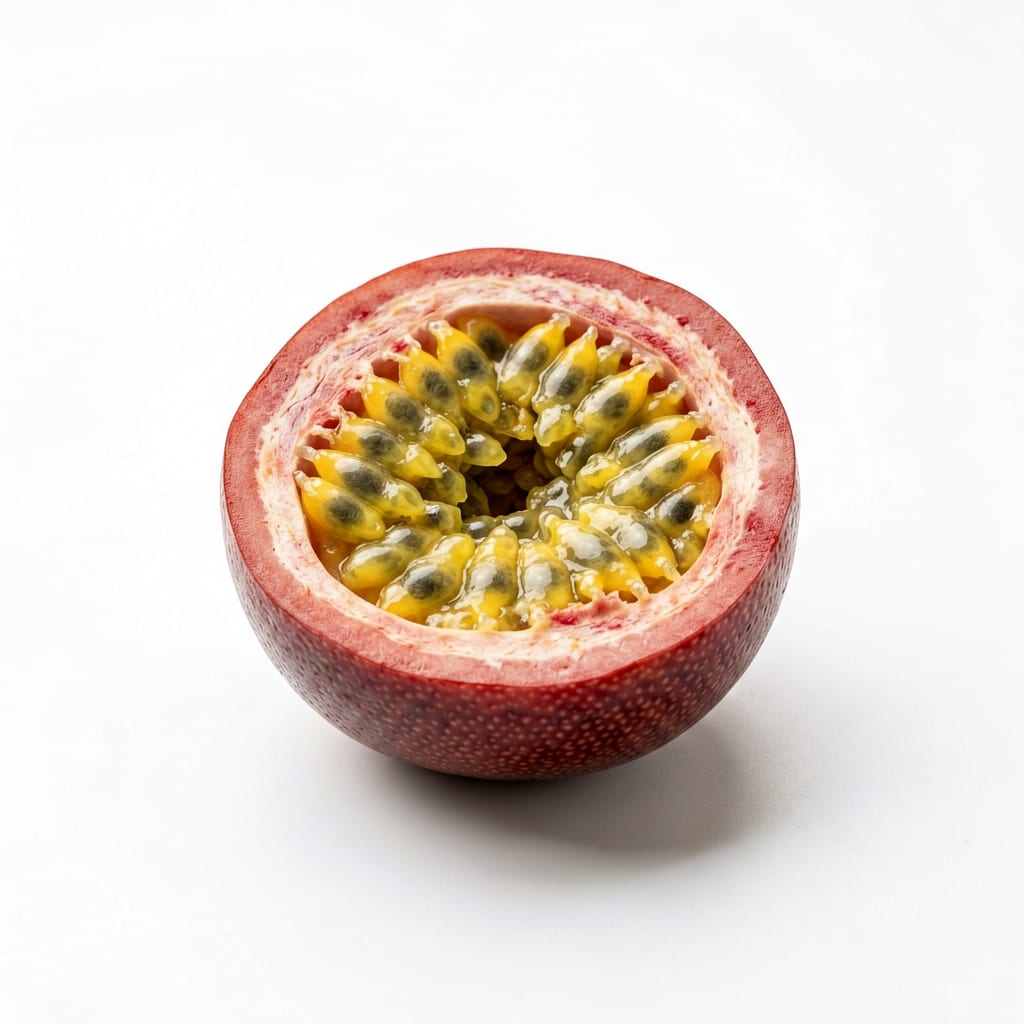
Passion Fruit
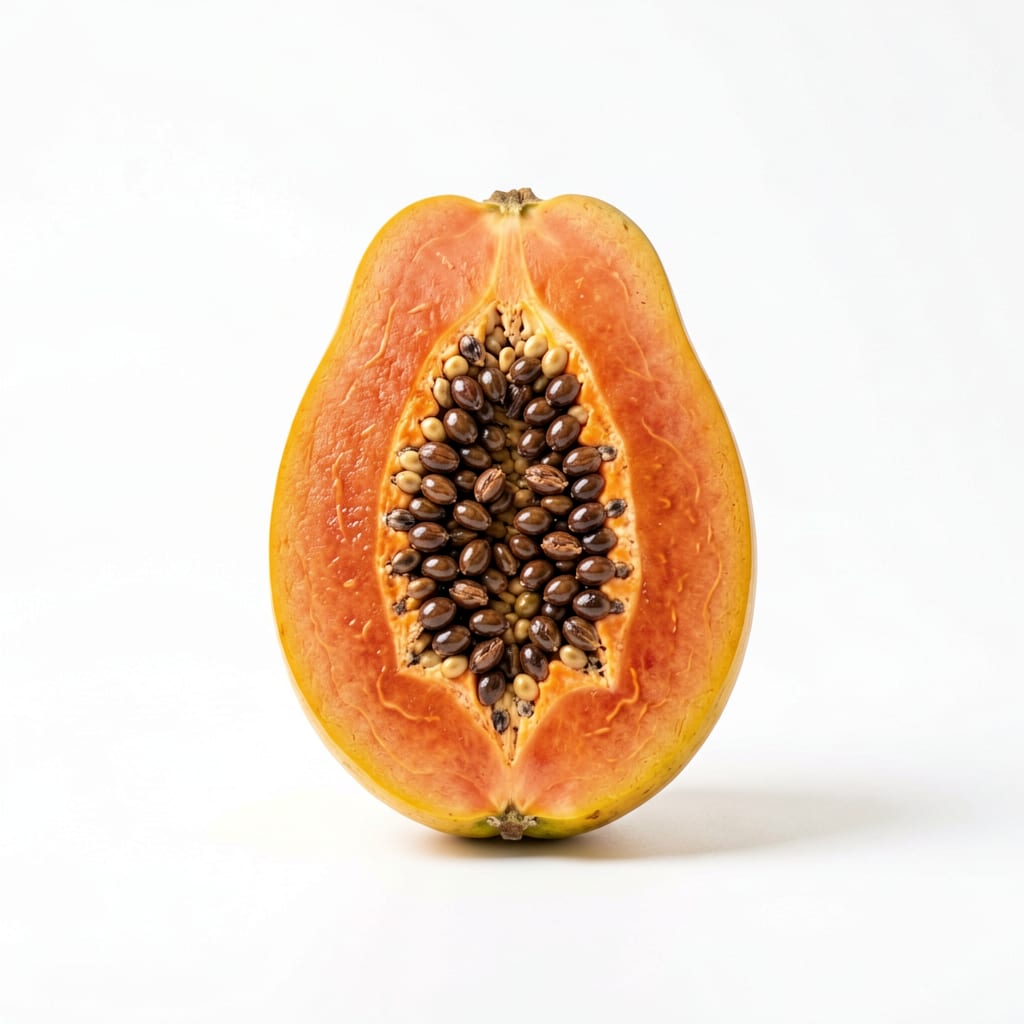
Papaya
Papaya is easier to eat in volume and superior for vitamin A and digestion, while passion fruit delivers dramatically more fiber and antioxidants per calorie with far less sugar impact.
Passion fruit edges ahead on nutrient density and fiber, but papaya's practicality and volume advantage keep scores close. The right choice depends heavily on your eating context and health priorities.
Volume and comfort versus density and blood sugar control — papaya fills you up gently, passion fruit nutrients hit harder in a tiny package.
At a glance
Executive summary
Overall
It depends
Healthier
Passion Fruit
More practical
Papaya
Daily use
Papaya
Key comparison lenses
tropical fruit nutrition for daily eating
Both are popular tropical fruits people choose between for breakfast, snacks, and smoothies
digestive health benefits
Papaya contains papain enzyme while passion fruit offers exceptional fiber, making digestion a key differentiator
sugar and blood sugar management
Passion fruit has far more fiber per calorie, significantly slowing sugar absorption compared to papaya
vitamin A and antioxidant intake
Both are rich in carotenoids but papaya delivers substantially more vitamin A per serving
practicality and ease of consumption
Papaya is easier to eat in quantity while passion fruit requires scooping and is more of a garnish or accent fruit
Best choice for
Passion Fruit
- Blood sugar management and low-glycemic eating
- Maximizing fiber intake for gut health
- Antioxidant density per calorie consumed
- Adding intense flavor to yogurt, oatmeal, or smoothies
Papaya
- Gentle digestive support and enzyme benefits
- Vitamin A and skin health priorities
- A filling, hydrating breakfast fruit
- People who want an easy-to-eat whole fruit
Least suitable for
Passion Fruit
- Anyone wanting a large filling fruit portion
- People sensitive to tart or acidic flavors
- Those who dislike seeds or texture issues
Papaya
- Strict low-sugar or keto-style eating
- People with latex-fruit allergy syndrome
- Those avoiding GMO produce (Hawaiian papaya)
Deep comparison
Dimension by dimension
Each lens scores both foods and breaks down who each option suits.
- Dimension 1 · Priority 95Passion Fruit
Fiber and Gut Health
Passion Fruit · 92Papaya · 45Passion fruit delivers roughly 10g of fiber per 100g versus papaya's 1.7g — a massive gap that reshapes how each fruit affects fullness and digestion.
Tradeoff
You get extraordinary fiber from passion fruit but in a very small serving, while papaya's low fiber means you can eat a large comforting portion without feeling stuffed.
Why it matters
Fiber controls blood sugar, feeds gut bacteria, and keeps you full. Most people are dramatically under-eating fiber, making passion fruit one of the best fruit sources available.
Real-world impact
Two passion fruits with your breakfast will keep you satisfied far longer than a large papaya bowl, which may leave you hungry again within an hour.
Passion Fruit
- Sustained fullness between meals
- Feeding beneficial gut bacteria
- Reducing blood sugar spikes from other foods
Better for
- Eating before intense exercise (seeds can cause discomfort)
- Anyone gradually increasing fiber who needs to go slow
Worse for
Papaya
- Gentle eating after stomach upset
- Low-residue diets requiring minimal fiber
- Comfort food moments when you want volume without heaviness
Better for
- Managing hunger or cravings throughout the day
- Supporting healthy gut microbiome diversity
Worse for
- Dimension 2 · Priority 90Passion Fruit
Blood Sugar Impact
Passion Fruit · 85Papaya · 58Passion fruit's high fiber-to-sugar ratio creates a much gentler blood sugar response, while papaya's sweetness comes with less fiber to buffer absorption.
Tradeoff
Papaya tastes sweeter and more satisfying as a standalone snack, but passion fruit keeps your energy steadier over the hours that follow.
Why it matters
Even natural sugars cause energy crashes when unbuffered by fiber. For prediabetics, metabolic syndrome, or anyone avoiding afternoon slumps, this difference matters daily.
Real-world impact
A papaya breakfast can trigger a mild sugar crash by mid-morning. Passion fruit over yogurt delivers steadier energy through lunch.
Passion Fruit
- Prediabetes or insulin resistance management
- Avoiding afternoon energy crashes
- Pairing with carbs to reduce their glycemic impact
Better for
- Situations where you actually want quick energy delivery
Worse for
Papaya
- Post-workout recovery when quick sugar is actually helpful
- Athletes needing fast carbohydrate replenishment
Better for
- Anyone monitoring fasting glucose or HbA1c
- Late-night snacking when blood sugar should stay flat
Worse for
- Dimension 3 · Priority 82Papaya
Vitamin A and Skin Health
Passion Fruit · 55Papaya · 90Papaya is a vitamin A powerhouse with over 900 IU per 100g, while passion fruit provides meaningful but lower amounts. Papaya also delivers more beta-carotene for skin and immune support.
Tradeoff
If glowing skin and immune resilience are priorities, papaya serves you better. But passion fruit compensates with more vitamin C for collagen synthesis.
Why it matters
Vitamin A supports skin cell turnover, immune defense, and eye health. Many people don't get enough, and papaya is one of the best fruit sources.
Real-world impact
Regular papaya consumption can visibly improve skin clarity over weeks. Passion fruit helps too, but you'd need to eat more calories of it to match papaya's vitamin A.
Passion Fruit
- Collagen synthesis from higher vitamin C per calorie
- Antioxidant protection against UV skin damage
Better for
- Meeting vitamin A needs without supplements
Worse for
Papaya
- Improving skin clarity and reducing dryness
- Supporting night vision and eye health
- Boosting mucosal immune defenses
Better for
- Situations requiring concentrated antioxidant power in small servings
Worse for
- Dimension 4 · Priority 85Papaya
Digestive Comfort and Enzymes
Passion Fruit · 52Papaya · 88Papaya contains papain, a powerful digestive enzyme that breaks down protein and soothes the stomach. Passion fruit's fiber is great long-term but can cause bloating if you're not used to it.
Tradeoff
Papaya actively helps you digest your meal right now. Passion fruit builds better gut health over time but can feel harsh on a sensitive stomach.
Why it matters
If you regularly feel bloated, heavy after meals, or have low stomach acid, papaya is functionally a digestive aid disguised as a fruit.
Real-world impact
Eating papaya after a heavy protein meal genuinely reduces that stuffed feeling. Passion fruit after the same meal might add to the bulk in your stomach.
Passion Fruit
- Long-term gut microbiome improvement
- Preventing constipation through consistent fiber intake
Better for
- Irritable bowel syndrome flares triggered by seeds
- Acid reflux worsened by tartness
Worse for
Papaya
- Immediate relief after heavy meals
- Sensitive stomachs that can't handle seeds or high fiber
- Post-meal digestive comfort
Better for
- Chronic constipation requiring fiber support
Worse for
- Dimension 5 · Priority 78Passion Fruit
Antioxidant Density
Passion Fruit · 86Papaya · 68Passion fruit packs more polyphenols and antioxidant compounds per gram, especially in its seeds and peel. Papaya offers lycopene but less total antioxidant variety.
Tradeoff
Passion fruit gives you more antioxidant firepower per bite, but papaya's lycopene is specifically linked to prostate and heart health benefits.
Why it matters
Antioxidants reduce cellular aging and inflammation. Getting diverse sources matters more than megadosing one, so both fruits complement each other well.
Real-world impact
If you're fighting inflammation or prioritizing longevity, passion fruit is the more concentrated weapon. Papaya is the gentler daily contributor.
Passion Fruit
- Anti-aging and longevity-focused diets
- Reducing systemic inflammation markers
- Maximum antioxidant intake on calorie-restricted plans
Better for
- People who don't consume the seeds (losing most antioxidants)
Worse for
Papaya
- Prostate health in men over 40
- Cardiovascular protection through lycopene
Better for
- Those needing concentrated antioxidant support in limited portions
Worse for
- Dimension 6 · Priority 72Papaya
Practicality and Eating Experience
Passion Fruit · 48Papaya · 82Papaya is easy to scoop, mild in flavor, and satisfying as a standalone breakfast. Passion fruit is tiny, tart, seedy, and works better as an accent than a main event.
Tradeoff
Papaya is the fruit you actually sit down and eat a bowl of. Passion fruit is the one you drizzle over something else for a flavor explosion.
Why it matters
The healthiest food is the one you'll actually eat consistently. Papaya's ease and comfort make it more sustainable as a daily habit for most people.
Real-world impact
You can meal-prep a week of papaya breakfasts. Passion fruit requires daily prep and you may tire of the intensity.
Passion Fruit
- Elevating plain yogurt, oatmeal, or smoothies
- Small flavor-packed additions to meal prep
Better for
- On-the-go snacking
- Eating as a standalone meal
Worse for
Papaya
- Quick no-prep breakfasts
- A satisfying fruit bowl that feels like a real meal
- Feeding a family (one papaya serves multiple people)
Better for
- Adding excitement to bland dishes
- Intense flavor experiences
Worse for
Timeline
Health impact over time
Short-term
Hours to days
Passion Fruit
- Quick feeling of fullness from fiber and seeds
- Mild blood sugar stabilization after carb-containing meals
- Possible tartness-induced acid awareness on empty stomach
Papaya
- Noticeable digestive comfort after protein-heavy meals
- Gentle hydration from high water content
- Mild energy boost from natural sugars with minimal fiber buffering
Long-term
Months to years
Passion Fruit
- Improved gut microbiome diversity from consistent fiber intake
- Better blood sugar regulation and reduced diabetes risk
- Enhanced antioxidant protection against cellular aging
Papaya
- Improved skin health and reduced dryness from vitamin A
- Better digestive enzyme function and reduced bloating
- Prostate and cardiovascular protection from lycopene
Risk profile
Safety & processing
Both fruits are typically consumed whole and unprocessed. The main concern is that Hawaiian papaya is predominantly GMO, which matters to some consumers. Passion fruit is almost always non-GMO. Neither fruit commonly contains artificial additives when purchased fresh.
Passion Fruit
Pesticide residue on peel
lowPassion fruit has a thick rind that's typically discarded, naturally protecting the edible portion from pesticide exposure.
Seed-related digestive discomfort
lowThe crunchy seeds are safe but can cause bloating or irritation in people with diverticulitis or sensitive digestive tracts.
Papaya
Latex-fruit allergy cross-reactivity
mediumPeople with latex allergies may experience oral allergy syndrome or stronger reactions to papaya due to shared proteins. This affects roughly 30-50% of latex-allergic individuals.
GMO concerns with Hawaiian varieties
lowMost Hawaiian papaya is genetically modified (Rainbow and SunUp varieties) to resist ringspot virus. Mexican and Caribbean papayas are typically non-GMO. Health risks are debated but some consumers prefer to avoid GMO produce.
Salmonella on peel surface
lowLike all melon-type fruits, papaya rind can harbor bacteria. Always wash before cutting to avoid transferring contamination to the flesh.
Who wins for whom
Audience fit
Same foods, different winners depending on your goal.
children
PapayaPapaya's sweet mild flavor and soft texture are far more kid-friendly. Most children find passion fruit too tart or object to the seedy texture.
daily consumption
PapayaPapaya's comfort, volume, and ease make it more sustainable as a daily habit. Passion fruit is better as a periodic addition than a daily staple.
diabetes
Passion FruitThe fiber-to-sugar ratio in passion fruit creates a significantly gentler glycemic response, making it safer for blood sugar management.
elderly
PapayaPapaya's soft texture, digestive enzymes, and gentle nature suit aging digestive systems better. Passion fruit seeds can be problematic for dental issues or diverticulitis.
muscle gain
PapayaPapaya's digestive enzymes help break down protein meals more efficiently, and its higher volume of carbs supports training fuel needs.
weight loss
Passion FruitPassion fruit's high fiber and low calorie density per unit of satisfaction make it superior for controlling hunger. You get more fullness per calorie consumed.
Your move
Decision guide
Choose Passion Fruit
- You're managing blood sugar, insulin resistance, or prediabetes
- Fiber intake is a priority for gut health or weight management
- You want maximum nutrient density per calorie
- You use fruit as a topping for yogurt, oatmeal, or smoothies
- You're avoiding GMO produce
Choose Papaya
- You want a filling, satisfying breakfast fruit
- Digestive comfort after meals is a priority
- Skin health and vitamin A intake matter to you
- You're feeding children or elderly family members
- You need gentle, hydrating food after illness or stomach upset
Either works if
- You simply want more tropical fruit variety in your diet
- You're mixing both into a smoothie for complementary benefits
- Neither fruit is a staple and you're choosing based on what's fresh
Avoid both if
- You have a strict very-low-carb or ketogenic diet (both contain natural sugars)
- You have oral allergy syndrome to multiple tropical fruits
- You're on blood-thinning medications and need consistent vitamin K intake (both contain moderate amounts)
Final recommendation
Eat both, but lean into papaya for daily volume and passion fruit as a fiber and antioxidant booster. A papaya breakfast bowl with passion fruit drizzled on top gives you the digestive comfort, vitamin A, and volume of papaya plus the fiber, antioxidants, and blood sugar control of passion fruit. If you must pick one, choose papaya for sustainability and passion fruit for metabolic precision.
Practical
Consumer tips
- 1
Choose papaya with slightly soft skin and a golden-yellow color — green papaya is unripe and much less sweet
- 2
Passion fruit wrinkles are actually a good sign — they indicate peak ripeness and sweetness
- 3
Freeze passion fruit pulp in ice cube trays for easy smoothie additions throughout the week
- 4
If avoiding GMO papaya, buy Mexican or Caribbean varieties and look for organic certification
- 5
Eat passion fruit seeds — they contain most of the fiber and antioxidants, and the crunch is part of the experience
- 6
Papaya seeds are edible and have a peppery taste — they're traditionally used as a digestive aid in some cultures
- 7
Store uncut papaya at room temperature until ripe, then refrigerate. Passion fruit can be stored at room temperature for about a week