
Nutrition comparison
Passion Fruit vs Grapefruit: Nutrition, Safety, and Which to Choose
Compare passion fruit and grapefruit side by side. Learn which is better for weight loss, fiber, blood sugar, and why grapefruit's drug interactions may make passion fruit the safer daily choice.
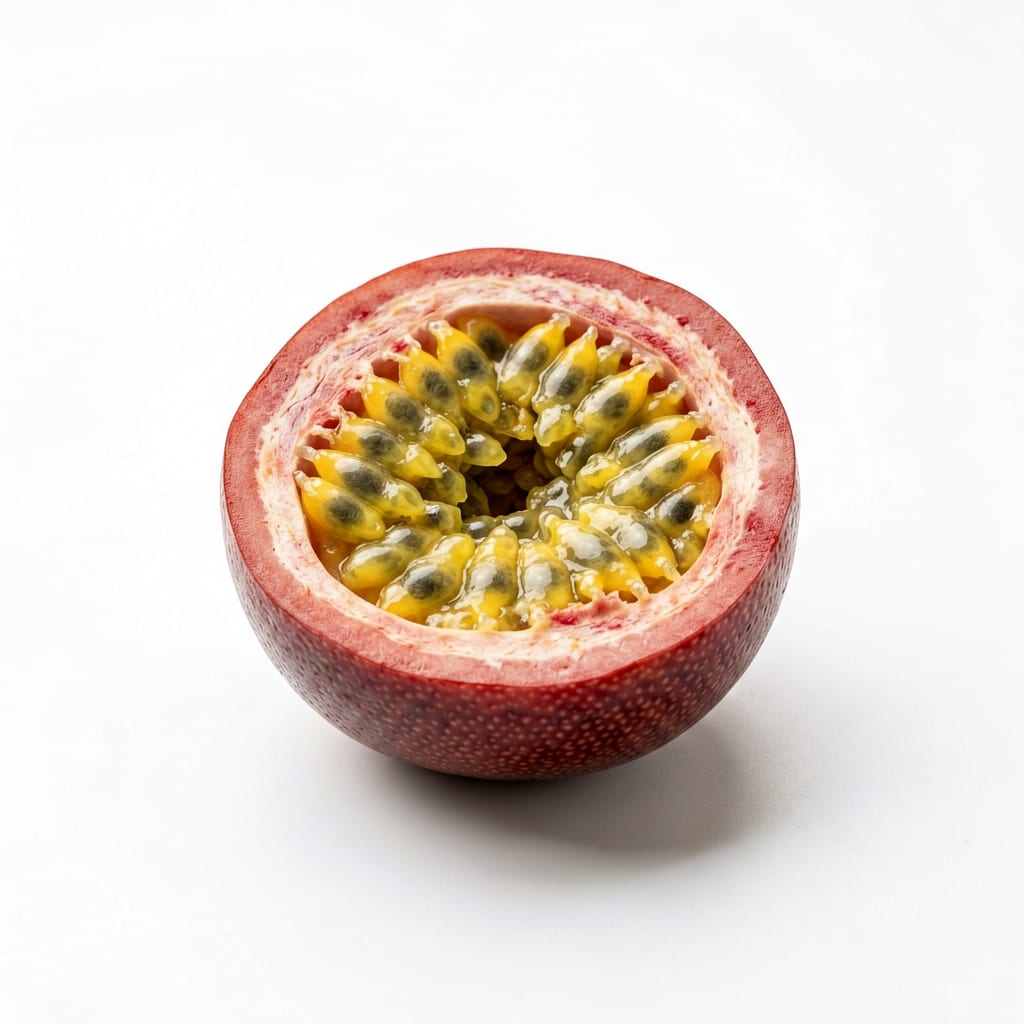
Passion Fruit
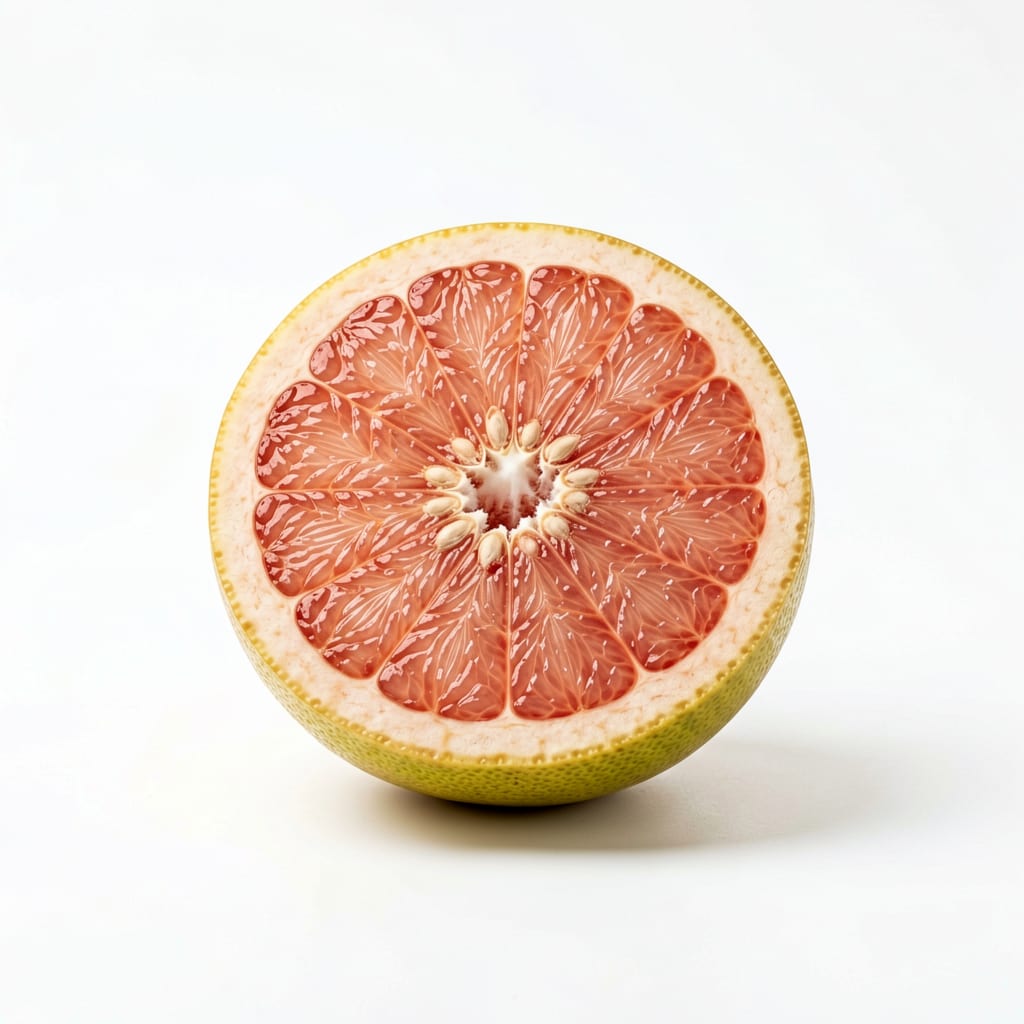
Grapefruit
Grapefruit wins for low-calorie hydration and vitamin C, but passion fruit dominates for fiber and nutrient density. The dealbreaker is grapefruit's drug interaction risk.
Passion fruit scores slightly higher for nutrient density and fiber, but grapefruit's lower calorie content and broader availability keep it competitive. The drug interaction issue significantly narrows grapefruit's safe audience.
Grapefruit gives you more volume and fewer calories, but passion fruit gives you far more fiber and minerals per bite. If you take medications, grapefruit may be off the table entirely.
At a glance
Executive summary
Overall
It depends
Healthier
It depends
More practical
Grapefruit
Daily use
Grapefruit
Key comparison lenses
medication safety and drug interactions
Grapefruit has well-documented dangerous interactions with many common medications
weight loss and calorie control
Grapefruit is famously low-calorie and hydrating, while passion fruit is surprisingly calorie-dense for a fruit
digestive health and fiber intake
Passion fruit delivers exceptional fiber that grapefruit cannot match
blood sugar management
Different sugar profiles and fiber content create meaningful glycemic differences
vitamin C and immune support
Both are strong vitamin C sources but grapefruit provides more per calorie
Best choice for
Passion Fruit
- People wanting to boost fiber intake significantly
- Anyone taking medications that interact with grapefruit
- Those seeking iron and magnesium from fruit sources
- People managing constipation or sluggish digestion
Grapefruit
- People counting calories who want maximum food volume
- Anyone wanting a hydrating, refreshing breakfast fruit
- Those seeking vitamin A alongside vitamin C
- People who enjoy a tart flavor as a natural appetite suppressant
Least suitable for
Passion Fruit
- People strictly limiting sugar or carb intake
- Anyone wanting a large filling portion for few calories
- Those who find the seedy texture unpleasant
Grapefruit
- Anyone taking statins, blood pressure meds, or anxiety medications
- People on multiple prescription drugs without doctor clearance
- Those who find grapefruit too bitter or acidic
Deep comparison
Dimension by dimension
Each lens scores both foods and breaks down who each option suits.
- Dimension 1 · Priority 88Grapefruit
calorie efficiency and satiety
Passion Fruit · 55Grapefruit · 85Grapefruit delivers far more volume per calorie. You can eat half a grapefruit for about 52 calories, while the same calories barely covers two passion fruits.
Tradeoff
Passion fruit is more nutrient-dense per gram but much less filling per calorie. Grapefruit fills your stomach with water-rich bulk.
Why it matters
If you eat fruit partly to feel full without overconsuming calories, grapefruit is dramatically more effective.
Real-world impact
A half grapefruit at breakfast feels like a real portion. Two passion fruits feel like a garnish but cost the same calories.
Passion Fruit
- Nutrient density per bite when volume does not matter
- Adding to smoothies where fiber content matters more than bulk
Better for
- Anyone who eats until physically full will easily overconsume calories
- Not satisfying as a standalone snack for most people
Worse for
Grapefruit
- Breakfast portions where you want to feel satisfied
- Snacking when you want to fill up without calorie overshoot
Better for
- Adding to recipes where concentrated flavor matters
- Smoothies where you want thick fiber content
Worse for
- Dimension 2 · Priority 85Passion Fruit
fiber and digestive health
Passion Fruit · 92Grapefruit · 48Passion fruit is a fiber powerhouse with roughly 10g per 100g. Grapefruit provides only about 1.6g per 100g, making it a relatively poor fiber source.
Tradeoff
You would need to eat an impossible amount of grapefruit to match the fiber in a few passion fruits. But passion fruit's fiber comes with more sugar.
Why it matters
Fiber is the nutrient most people consistently fail to get enough of. Passion fruit is one of the best fruit sources available.
Real-world impact
Three passion fruits give you nearly a third of your daily fiber. You would need to eat three whole grapefruits to get the same amount.
Passion Fruit
- Anyone struggling to hit daily fiber targets
- People managing constipation or irregular digestion
- Gut microbiome support through diverse fiber intake
Better for
- The seedy texture can be irritating for people with diverticulitis
- Not a gentle option during acute digestive flare-ups
Worse for
Grapefruit
- People who get fiber from other sources and want a light hydrating fruit
- Those with sensitive digestion who need low-fiber options temporarily
Better for
- Reliance on grapefruit for fiber will leave you far short of daily needs
Worse for
- Dimension 3 · Priority 95Passion Fruit
medication safety and drug interactions
Passion Fruit · 95Grapefruit · 25Grapefruit contains furanocoumarins that block CYP3A4 enzymes, dangerously increasing blood levels of many common medications. Passion fruit has no known significant drug interactions.
Tradeoff
Grapefruit's health benefits are irrelevant if you cannot safely eat it alongside your medications. Passion fruit has no such restriction.
Why it matters
Over 85 medications interact with grapefruit, including statins, blood pressure drugs, and anti-anxiety medications. Some interactions can be life-threatening.
Real-world impact
If you take simvastatin, eating grapefruit can increase drug levels by 330%. This is not a theoretical risk. It sends people to emergency rooms.
Passion Fruit
- Anyone on statins, beta-blockers, or benzodiazepines
- People taking multiple medications who want fruit without worry
- Older adults who are more likely to be on interacting drugs
Better for
- No significant safety downside for passion fruit in this dimension
Worse for
Grapefruit
- Medication-free individuals who have no interaction risk
- People whose doctors have confirmed safe co-consumption
Better for
- Anyone who has not verified their medication list against grapefruit interactions
- People who assume all fruit is equally safe with prescriptions
Worse for
- Dimension 4 · Priority 78Passion Fruit
vitamin and mineral density
Passion Fruit · 80Grapefruit · 72Passion fruit provides more iron, magnesium, phosphorus, and potassium per serving. Grapefruit delivers more vitamin A and slightly more vitamin C per calorie.
Tradeoff
Passion fruit wins on mineral diversity. Grapefruit wins on vitamin A and vitamin C efficiency. Different strengths for different nutritional priorities.
Why it matters
Iron and magnesium are common deficiencies that passion fruit helps address. Vitamin A is harder to find in most fruits, giving grapefruit a unique advantage.
Real-world impact
Passion fruit contributes meaningfully toward iron intake, which is rare for fruit. Grapefruit's vitamin A supports eye health in a way passion fruit cannot match.
Passion Fruit
- Women needing plant-based iron sources
- Anyone low in magnesium or potassium
- People wanting broad mineral coverage from fruit
Better for
- Not a significant vitamin A source
- Vitamin C content is decent but not exceptional
Worse for
Grapefruit
- People prioritizing vitamin A for eye and skin health
- Anyone wanting maximum vitamin C per calorie consumed
Better for
- Essentially no iron contribution
- Low mineral density compared to most fruits
Worse for
- Dimension 5 · Priority 78Grapefruit
blood sugar impact
Passion Fruit · 60Grapefruit · 75Grapefruit has a lower glycemic index and less sugar per serving. Passion fruit's high fiber moderates its sugar absorption, but the total sugar load is still higher.
Tradeoff
Passion fruit's fiber slows sugar absorption, but you are still consuming more total sugar. Grapefruit simply has less sugar to manage.
Why it matters
For people monitoring blood sugar, total sugar matters more than fiber's moderating effect beyond a certain point.
Real-world impact
A grapefruit portion creates a gentler blood sugar curve. Passion fruit portions can add up quickly in sugar if you eat several.
Passion Fruit
- The fiber helps, making it better than many high-sugar fruits
- Small portions are manageable for most blood sugar plans
Better for
- Multiple passion fruits can deliver a significant sugar dose quickly
- Easy to overconsume because each fruit feels small
Worse for
Grapefruit
- Diabetics wanting a safer citrus option
- Anyone monitoring glycemic load carefully
Better for
- Grapefruit juice without fiber is a different story and spikes blood sugar fast
Worse for
- Dimension 6 · Priority 70It depends
antioxidant profile and inflammation
Passion Fruit · 78Grapefruit · 76Passion fruit is rich in polyphenols and the antioxidant piceatannol. Grapefruit provides naringenin and lycopene in ruby varieties. Different but equally valuable antioxidant families.
Tradeoff
Neither clearly dominates. Passion fruit's piceatannol is linked to skin and metabolic benefits. Grapefruit's naringenin supports vascular health. You get different protective compounds from each.
Why it matters
Diverse antioxidant intake matters more than high doses of one type. Both fruits contribute uniquely to your overall antioxidant portfolio.
Real-world impact
Eating both across different days gives you broader antioxidant coverage than choosing just one.
Passion Fruit
- Skin health and collagen support through piceatannol
- Anti-inflammatory benefits from diverse polyphenols
Better for
- No lycopene content
- Piceatannol research is still emerging compared to naringenin data
Worse for
Grapefruit
- Vascular and circulatory benefits from naringenin
- Ruby red varieties add lycopene for prostate and cellular health
Better for
- White grapefruit varieties lack lycopene entirely
- Naringenin is the same compound responsible for drug interactions
Worse for
Timeline
Health impact over time
Short-term
Hours to days
Passion Fruit
- Improved satiety from high fiber content
- Quick energy from natural sugars, though less sustained than fiber-rich alternatives
- Mild digestive stimulation from fiber and seeds
Grapefruit
- Strong hydration boost from high water content
- Appetite suppression from bitter compounds
- Potential stomach irritation if eaten on an empty sensitive stomach
Long-term
Months to years
Passion Fruit
- Better digestive regularity from consistent high fiber intake
- Improved mineral status especially iron and magnesium
- Potential blood sugar concerns if portions are not managed
Grapefruit
- Improved cardiovascular markers from naringenin and vitamin C
- Drug interaction complications if medications are added without reassessment
- Better weight management from consistent low-calorie fruit substitution
Risk profile
Safety & processing
Both fruits are typically consumed whole and unprocessed. Fresh passion fruit and fresh grapefruit are equally natural choices. Watch for grapefruit in canned or juice form, which strips fiber and concentrates sugar.
Passion Fruit
Pesticide residue on skin
lowPassion fruit skin is not eaten, so residue concerns are minimal. The pulp inside is well-protected.
Allergic reactions in latex-sensitive individuals
mediumPassion fruit contains proteins that cross-react with latex allergies. Symptoms can range from mild oral itching to more serious reactions.
Grapefruit
Dangerous medication interactions
highFuranocoumarins in grapefruit inhibit CYP3A4 enzymes, causing dangerous accumulation of over 85 medications including statins, calcium channel blockers, and immunosuppressants.
Pesticide residue on peel
mediumGrapefruit peel can carry significant pesticide residues. While most people do not eat the peel, it matters for recipes using zest or marmalade.
Dental enamel erosion
mediumGrapefruit's high acidity combined with frequent consumption can erode tooth enamel over time. Rinsing with water after eating helps.
Who wins for whom
Audience fit
Same foods, different winners depending on your goal.
children
Passion FruitPassion fruit's sweet tropical flavor appeals more to kids, and it has no drug interaction risk. Grapefruit's bitterness often gets rejected, and children on medications face the same interaction dangers as adults.
daily consumption
GrapefruitFor medication-free individuals, grapefruit's low calorie density and refreshing quality make it easier to eat daily without calorie accumulation. Passion fruit's sugar adds up with daily consumption.
diabetes
GrapefruitGrapefruit has less sugar and a lower glycemic load per serving. Passion fruit's fiber helps, but the higher total sugar content requires more careful portion management.
elderly
Passion FruitOlder adults are far more likely to take medications that interact dangerously with grapefruit. Passion fruit's fiber also helps with the constipation common in aging populations.
muscle gain
It dependsNeither fruit is relevant for muscle gain. Both provide minimal protein. Choose based on which you enjoy more as a side to protein-rich meals.
weight loss
GrapefruitGrapefruit's high water content and low calorie density let you eat a satisfying portion for minimal calories. Passion fruit's calorie density makes portion control harder.
Your move
Decision guide
Choose Passion Fruit
- You take any medications that interact with grapefruit
- You want to dramatically increase your fiber intake
- You need more iron and magnesium from fruit sources
- You prefer sweet tropical flavors over tart citrus
Choose Grapefruit
- You are medication-free and want a low-calorie filling fruit
- You prioritize vitamin A and vitamin C per calorie
- You want a hydrating breakfast fruit that suppresses appetite
- You enjoy bitter flavors that naturally limit overconsumption
Either works if
- You want antioxidant diversity across different days
- You are generally healthy and eat a varied fruit rotation
- You want citrus and tropical fruit benefits without over-relying on one type
Avoid both if
- You have citrus allergies that cross-react with both fruits
- You are on a strict very-low-carb diet that limits all fruit
- You have severe fructose malabsorption
Final recommendation
If you take any medications, passion fruit is the clear safe choice. If you are medication-free and want weight management support, grapefruit is the better daily option. For most people, alternating between both gives you the broadest nutritional coverage without the risks of over-relying on either.
Practical
Consumer tips
- 1
Always check your medication list against grapefruit interactions before eating it. This includes statins, blood pressure drugs, and many anti-anxiety medications.
- 2
Passion fruit's seeds are completely edible and contain much of the fiber. Do not strain them out unless you have diverticulitis.
- 3
If grapefruit is too bitter, try ruby red varieties which are sweeter and contain beneficial lycopene.
- 4
Passion fruit is ripe when the skin is wrinkled. Smooth skin means it is underripe and will be more tart than sweet.
- 5
Rinse your mouth with water after eating grapefruit to protect tooth enamel from acid erosion.
- 6
Freeze passion fruit pulp in ice cube trays for easy smoothie additions that retain all the fiber.
- 7
Grapefruit juice does not retain the fiber benefits of whole grapefruit and interacts even more strongly with medications.