
Nutrition comparison
Passion Fruit vs Pineapple: Which Tropical Fruit Is Healthier?
Passion Fruit delivers more fiber and less sugar; Pineapple offers more volume and digestive enzymes. Compare nutrition, blood sugar impact, and best uses for each.
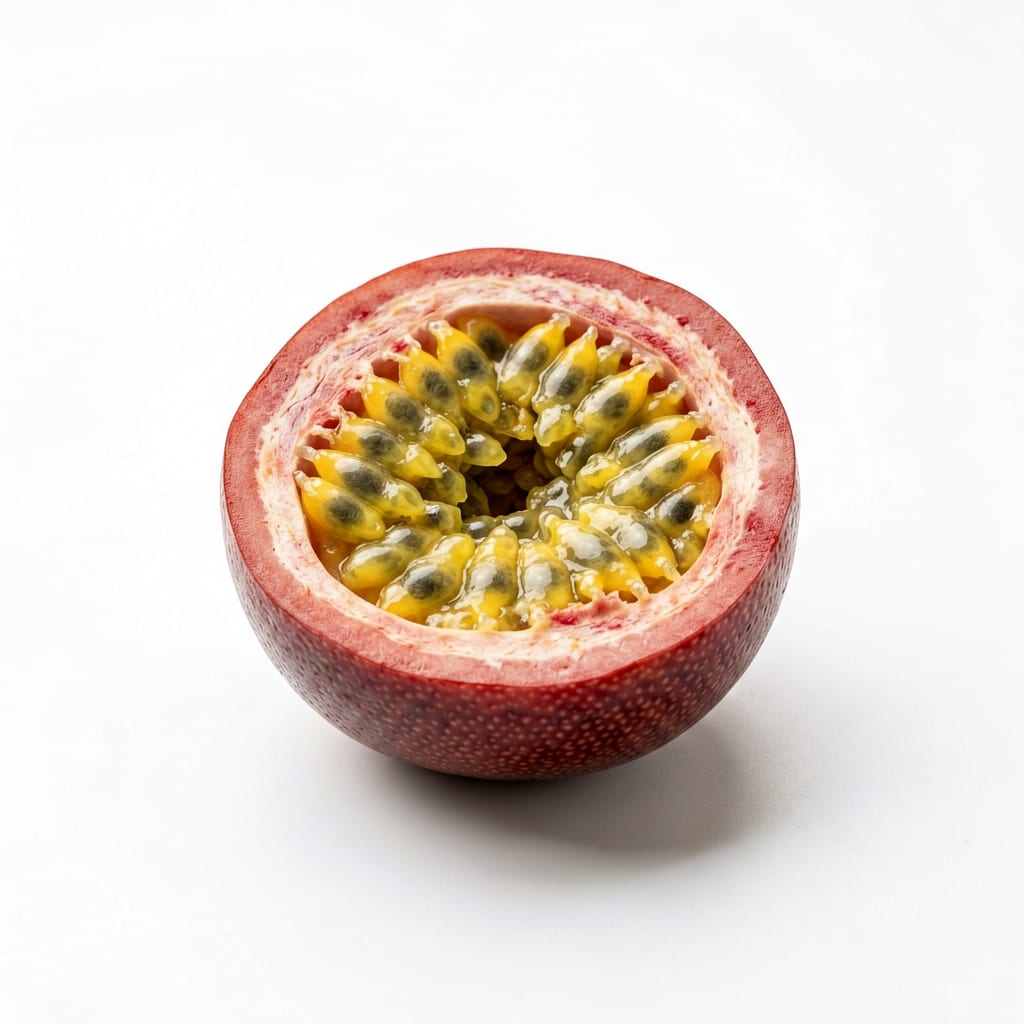
Passion Fruit
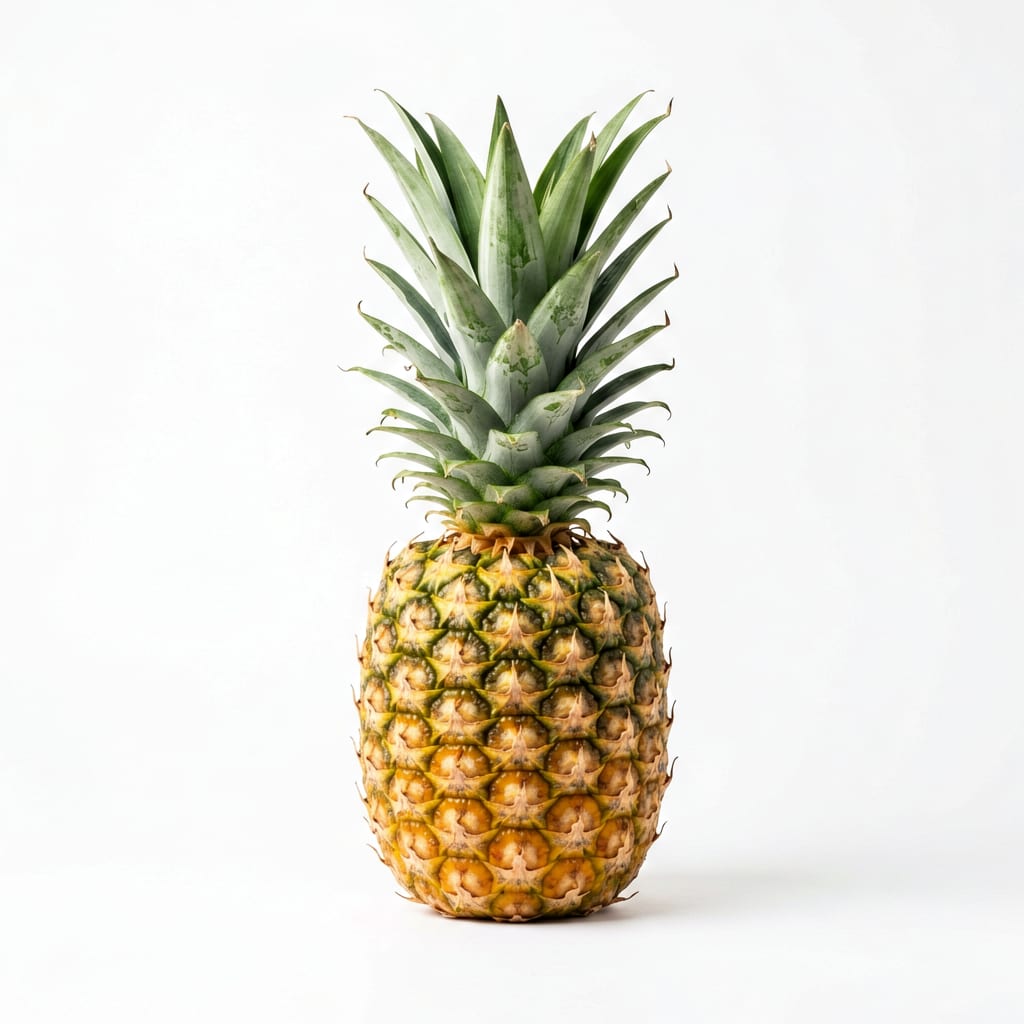
Pineapple
Passion Fruit wins on fiber and blood sugar control; Pineapple wins on volume eating, digestion support, and everyday convenience.
Passion Fruit scores slightly higher due to superior fiber density and lower sugar impact, but Pineapple's practicality and enzyme benefits keep it competitive. The close scores reflect that each serves distinctly different needs.
You choose between Passion Fruit's concentrated fiber and low sugar or Pineapple's satisfying portions and digestive enzymes.
At a glance
Executive summary
Overall
It depends
Healthier
Passion Fruit
More practical
Pineapple
Daily use
Pineapple
Key comparison lenses
sugar and blood sugar management
Pineapple is notably sweeter and higher in sugar, making glycemic impact the most critical differentiator
fiber and satiety
Passion Fruit delivers dramatically more fiber per serving, heavily influencing fullness and digestive benefits
tropical fruit nutrition density
Both are tropical fruits users likely swap, so understanding what they gain or lose nutritionally matters
digestive health
Pineapple offers bromelain enzymes while Passion Fruit offers fiber — different digestive pathways
everyday practicality
Pineapple is easier to eat in quantity; Passion Fruit is more of a garnish or accent ingredient
Best choice for
Passion Fruit
- People managing blood sugar or diabetes
- Anyone needing more fiber in their diet
- Those watching calorie intake but wanting bold flavor
- Vitamin A and iron supplementation through food
Pineapple
- Active individuals needing post-workout carbs
- People seeking digestive enzyme support
- Families wanting an easy-to-share fruit
- Anyone needing larger satisfying fruit portions
Least suitable for
Passion Fruit
- People who dislike tart or sour flavors
- Anyone wanting a large filling snack
- Those with seed sensitivity or diverticulitis concerns
- Budget-conscious shoppers (often expensive per serving)
Pineapple
- People strictly limiting sugar intake
- Those with oral allergy syndrome or mouth irritation from bromelain
- Anyone monitoring glycemic load closely
- People on blood thinners (bromelain interaction)
Deep comparison
Dimension by dimension
Each lens scores both foods and breaks down who each option suits.
- Dimension 1 · Priority 92Passion Fruit
sugar_and_glycemic_impact
Passion Fruit · 85Pineapple · 55Passion Fruit has roughly half the sugar per 100g and significantly more fiber to slow absorption, making it far gentler on blood sugar.
Tradeoff
Pineapple delivers quicker energy from natural sugars but causes sharper blood sugar spikes, especially in larger portions.
Why it matters
If you're managing diabetes, insulin resistance, or afternoon energy crashes, this difference is decisive.
Real-world impact
A bowl of Pineapple can leave you hungry again in 45 minutes; Passion Fruit with its seeds keeps you steadier for longer.
Passion Fruit
- Stable energy without crashes
- Diabetes-friendly fruit option
- Lower insulin demand
Better for
- Not enough carbs for serious athletic recovery
Worse for
Pineapple
- Quick natural energy before exercise
- Better post-workout carb replenishment
Better for
- Blood sugar spikes in sensitive individuals
- Easy to overeat sugar without realizing
Worse for
- Dimension 2 · Priority 88Passion Fruit
fiber_and_digestive_health
Passion Fruit · 92Pineapple · 52Passion Fruit provides about 10g of fiber per 100g versus Pineapple's 1.4g — a massive difference that affects fullness, gut health, and bowel regularity.
Tradeoff
Pineapple compensates with bromelain, a unique enzyme that aids protein digestion, but lacks the bulk fiber that feeds gut bacteria.
Why it matters
Most people are severely fiber-deficient. Passion Fruit is one of the highest-fiber fruits available.
Real-world impact
Two Passion Fruits give you nearly a third of your daily fiber; you'd need to eat an entire Pineapple to get close — and that comes with 80+ grams of sugar.
Passion Fruit
- Gut microbiome support
- Long-lasting fullness
- Better bowel regularity
Better for
- Seeds may irritate diverticulitis
- Takes getting used to texturally
Worse for
Pineapple
- Protein digestion after heavy meals
- Bloating relief from enzyme action
Better for
- Minimal fiber contribution
- Less satiating per calorie
Worse for
- Dimension 3 · Priority 78Passion Fruit
vitamin_and_mineral_density
Passion Fruit · 80Pineapple · 72Passion Fruit delivers more vitamin A, iron, and potassium per calorie. Pineapple excels in manganese and provides ample vitamin C.
Tradeoff
Pineapple's manganese supports bone health and metabolism; Passion Fruit's vitamin A supports vision and immune function.
Why it matters
Both are micronutrient-rich, but Passion Fruit concentrates more nutrients into fewer calories.
Real-world impact
If you're eating fruit partly to fill nutrient gaps, Passion Fruit gives you more per bite — but Pineapple's manganese is harder to find elsewhere.
Passion Fruit
- Eye health and immune support
- Iron intake for plant-based eaters
- More nutrients per calorie consumed
Better for
- Small serving sizes limit total nutrient intake
Worse for
Pineapple
- Bone and connective tissue support
- Metabolic enzyme cofactor intake
Better for
- Lower vitamin A and iron density
Worse for
- Dimension 4 · Priority 75It depends
antioxidant_and_anti_inflammatory_profile
Passion Fruit · 78Pineapple · 76Passion Fruit is rich in polyphenols and carotenoids; Pineapple offers bromelain with well-documented anti-inflammatory effects.
Tradeoff
Different antioxidant families serve different purposes — Passion Fruit protects cells, Pineapple reduces inflammation.
Why it matters
Chronic inflammation and oxidative stress are both key aging drivers, and these fruits address each differently.
Real-world impact
After a joint-straining workout, Pineapple may help more. For daily cellular protection, Passion Fruit edges ahead.
Passion Fruit
- Cell-level oxidative protection
- Skin health from carotenoids
Better for
- Less direct anti-inflammatory action
Worse for
Pineapple
- Joint and muscle inflammation reduction
- Sinus and respiratory anti-inflammatory benefits
Better for
- Fewer carotenoid-class antioxidants
Worse for
- Dimension 5 · Priority 75Pineapple
practicality_and_eating_experience
Passion Fruit · 48Pineapple · 85Pineapple is easy to slice, share, and eat in satisfying quantities. Passion Fruit is small, tart, and typically used as a garnish or flavor accent.
Tradeoff
You get more food and satisfaction from Pineapple, but Passion Fruit delivers more intensity per gram.
Why it matters
The best fruit nutritionally is useless if you barely eat it. Practicality drives consistency.
Real-world impact
Pineapple is a snack you bring to a picnic. Passion Fruit is something you spoon over yogurt or blend into a smoothie.
Passion Fruit
- Intense flavor means a little goes far
- Easy to store and keeps well whole
Better for
- Very small edible portion per fruit
- Often expensive for what you get
- Seeds are off-putting to some
Worse for
Pineapple
- More satisfying portion sizes
- Kid-friendly and crowd-pleasing
- Widely available year-round
Better for
- Heavy and messy to prepare whole
- Shorter fridge life once cut
Worse for
- Dimension 6 · Priority 72Passion Fruit
satiety_and_cravings_control
Passion Fruit · 80Pineapple · 58Passion Fruit's fiber and tartness naturally limit overeating and keep you full. Pineapple's sweetness can trigger wanting more.
Tradeoff
Passion Fruit stops you from overeating almost automatically; Pineapple requires portion discipline.
Why it matters
Sugar combined with low fiber is the recipe for a fruit snack that doesn't actually satisfy.
Real-world impact
It's very easy to eat three cups of Pineapple and still feel hungry. Two Passion Fruits and you're done — comfortably.
Passion Fruit
- Built-in portion control
- Fiber keeps hunger away longer
- Tartness signals satisfaction
Better for
- May not feel like enough food emotionally
Worse for
Pineapple
- Satisfies sweet tooth cravings directly
Better for
- Sweetness drives continued eating
- Low fiber means hunger returns fast
Worse for
Timeline
Health impact over time
Short-term
Hours to days
Passion Fruit
- Quick feeling of fullness from fiber and seeds
- Tart flavor can refresh without triggering a sugar rush
- May cause mild digestive adjustment if you're not used to high fiber
Pineapple
- Rapid energy boost from natural sugars
- Bromelain may cause tingling or soreness in the mouth
- Can trigger cravings for more sweet food within the hour
Long-term
Months to years
Passion Fruit
- Improved bowel regularity and gut microbiome diversity
- Better blood sugar control with consistent consumption
- Supports eye health through sustained vitamin A intake
Pineapple
- Consistent manganese intake supports bone density
- Anti-inflammatory bromelain may benefit joint health long-term
- Excessive regular consumption could contribute to elevated sugar intake
Risk profile
Safety & processing
Both fruits are typically consumed whole and unprocessed. The main concern is canned Pineapple in syrup, which adds refined sugar and should be avoided. Fresh or frozen versions of both are equally clean choices.
Passion Fruit
Pesticide residue on skin
lowThe thick rind is discarded, so edible flesh exposure is minimal. Still, wash before cutting to avoid transfer.
Seed-related digestive irritation
lowThe crunchy seeds are safe for most people but could aggravate diverticulitis or sensitive bowels in rare cases.
Pineapple
Oral irritation from bromelain
mediumBromelain enzymes break down proteins on the tongue and cheeks, causing a burning or raw sensation. This is harmless but uncomfortable.
High pesticide residue conventionally
mediumPineapple is typically low-risk due to thick skin, but imported conventional Pineapple can carry residues near the crown area.
Canned syrup added sugar
highCanned Pineapple in heavy syrup can contain 20+ grams of added sugar per serving. Always choose canned in juice or water.
Who wins for whom
Audience fit
Same foods, different winners depending on your goal.
children
PineappleKids prefer sweet flavors and soft textures. Pineapple is easier to portion into kid-friendly bites without seed choking concerns.
daily consumption
PineapplePineapple is easier to incorporate daily in meaningful portions. Passion Fruit works better as an occasional accent due to cost and serving size.
diabetes
Passion FruitSignificantly less sugar and far more fiber create a gentler, more manageable blood sugar response.
elderly
It dependsPassion Fruit supports regularity and vitamin A; Pineapple supports joint health and is easier to chew without seeds.
muscle gain
PineapplePineapple provides more carbohydrates for glycogen replenishment and bromelain may aid post-workout recovery.
weight loss
Passion FruitHigher fiber and lower sugar per calorie make Passion Fruit more filling and less likely to trigger overeating.
Your move
Decision guide
Choose Passion Fruit
- You're managing blood sugar, insulin resistance, or diabetes
- Fiber intake is a priority for gut health or regularity
- You want bold flavor without the sugar load
- You use fruit as a topping or mix-in rather than a standalone snack
Choose Pineapple
- You need pre- or post-workout carbs for energy
- You want a satisfying fruit snack in larger portions
- Joint inflammation or digestive enzyme support matters to you
- You're feeding a family or group and need crowd appeal
Either works if
- You want tropical fruit flavor and both are fresh and available
- You're rotating fruits for dietary variety
- Neither is a staple — just occasional enjoyment
Avoid both if
- You have a tropical fruit allergy or latex-fruit syndrome
- You're on a strict very-low-carb or ketogenic diet
- You have fructose intolerance or malabsorption issues
Final recommendation
Keep both in rotation. Use Passion Fruit when you need fiber, blood sugar control, or a flavor accent. Reach for Pineapple when you want satisfying volume, quick energy, or digestive enzyme support. If forced to pick one for daily health outcomes, Passion Fruit's fiber advantage gives it a slight edge — but only if you actually enjoy eating it.
Practical
Consumer tips
- 1
Buy Passion Fruit when the skin is slightly wrinkled — that's when it's sweetest inside
- 2
Freeze Pineapple chunks for a naturally sweet, refreshing snack that takes longer to eat
- 3
If canned Pineapple is your only option, choose packed in its own juice, never heavy syrup
- 4
Passion Fruit pairs well with Greek yogurt or oatmeal to turn a small garnish into a filling meal
- 5
Let Pineapple sit at room temperature for 15 minutes before eating — it tastes sweeter when not chilled