
Nutrition comparison
Passion Fruit vs Guava: Nutrition, Vitamin C, Fiber, and Health Comparison
Guava delivers 4x more vitamin C and more fiber per calorie than passion fruit. Compare these tropical fruits on immunity, weight loss, diabetes, and daily nutrition to find your best choice.
Overall winner · Guava
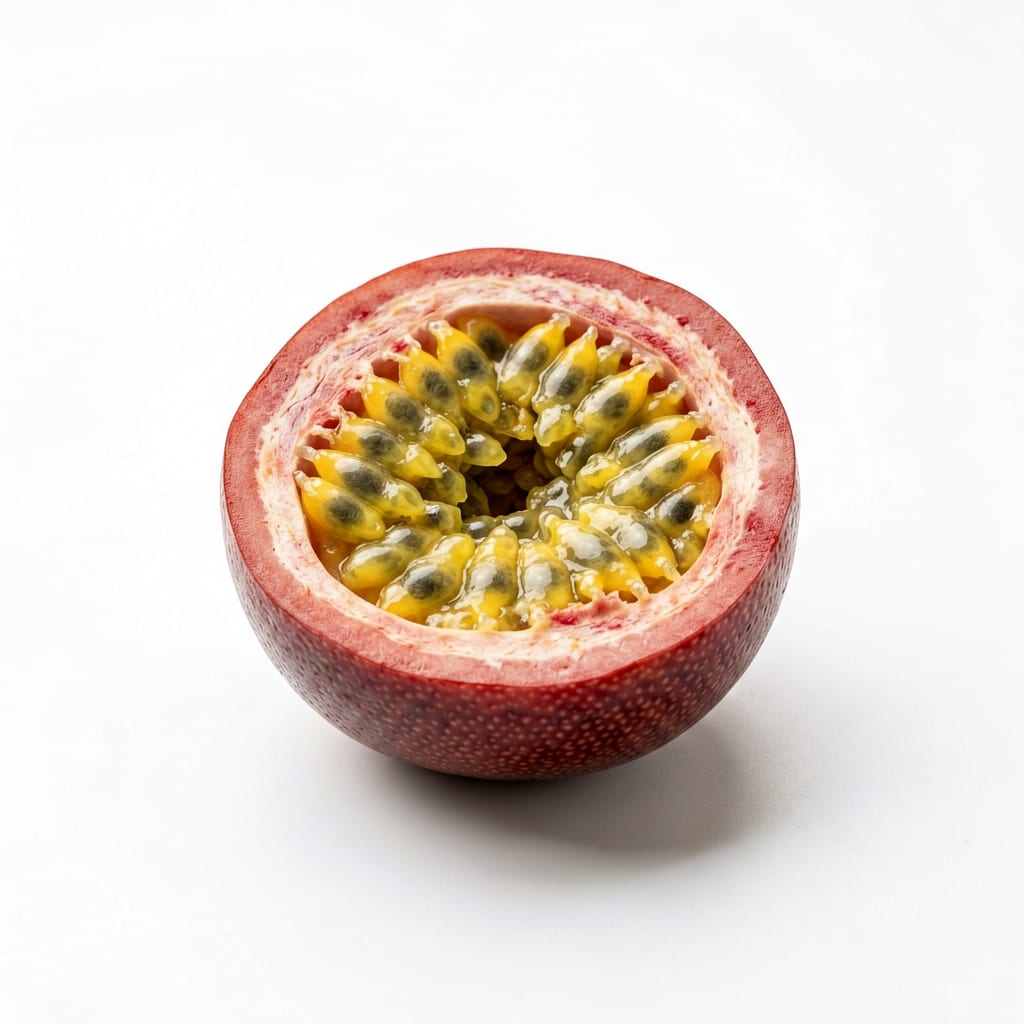
Passion Fruit
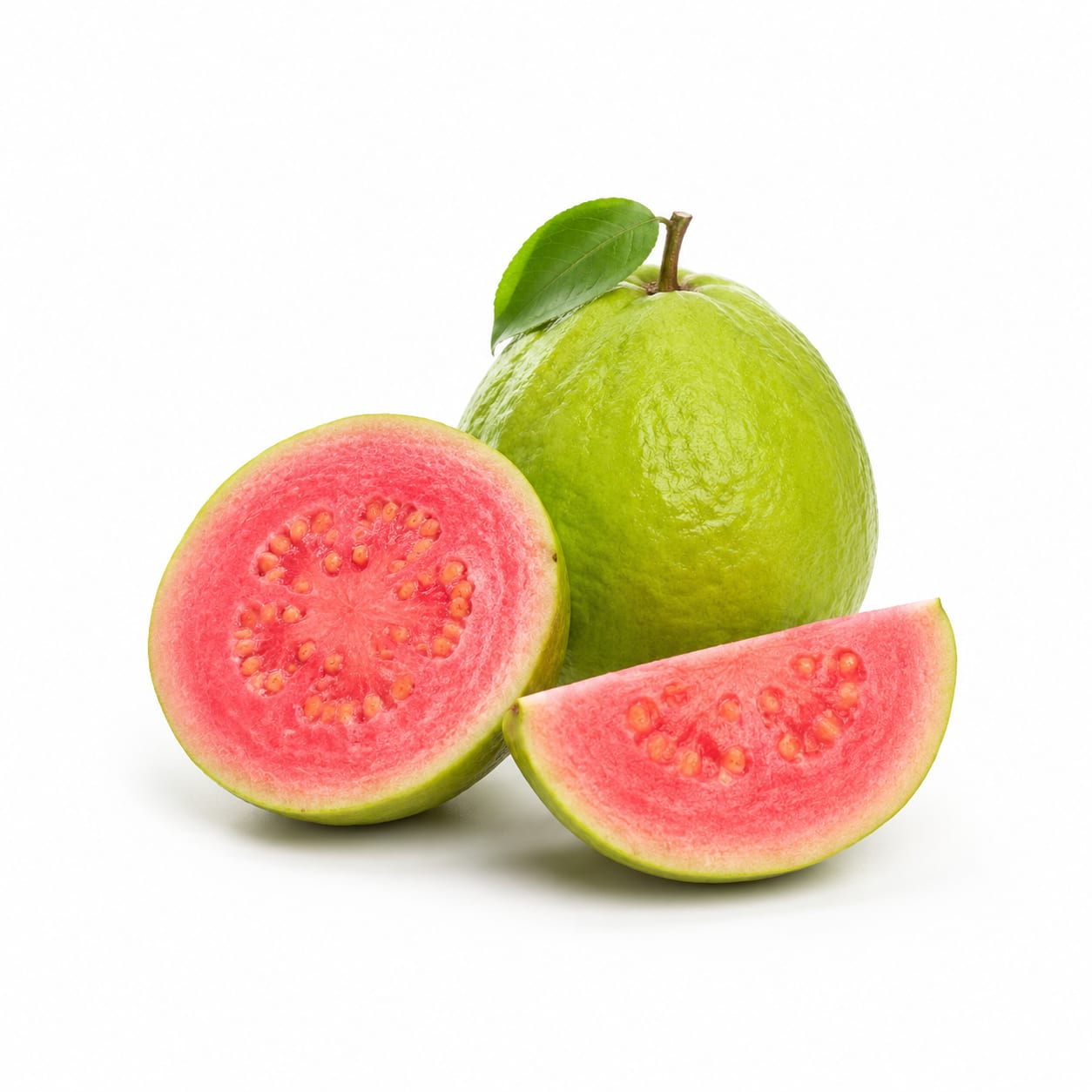
Guava
Guava wins for everyday nutrition with massively more vitamin C, more fiber, and easier eating. Passion fruit shines for its unique antioxidants and vitamin A but delivers less edible food per fruit.
Guava scores notably higher due to its exceptional vitamin C content, superior fiber-to-calorie ratio, and much better practical eating experience. Passion fruit remains valuable for its unique antioxidants and vitamin A but cannot match guava's overall nutritional density per serving.
Guava gives you far more nutritional bang per bite, while passion fruit offers a more exotic antioxidant profile but with more sugar and less practical yield.
At a glance
Executive summary
Overall
Guava
Healthier
Guava
More practical
Guava
Daily use
Guava
Key comparison lenses
vitamin c and immunity
Guava is one of the richest vitamin C sources on the planet, dramatically outperforming passion fruit
fiber and digestive health
Both fruits are fiber powerhouses but guava delivers more usable fiber per serving with less waste
sugar and calorie conscious eating
Passion fruit is sweeter and more calorie-dense per edible portion, relevant for weight management
practical everyday snacking
Guava is easier to eat whole while passion fruit requires scooping and has low edible yield
antioxidant diversity
Passion fruit offers unique antioxidants like piceatannol that guava lacks
Best choice for
Passion Fruit
- People seeking exotic antioxidant diversity
- Those wanting more vitamin A and iron
- Anyone looking for natural sleep support from piceatannol
- Flavor enthusiasts who value intensity over volume
Guava
- Immune support and vitamin C optimization
- Weight-conscious snacking with high satiety
- Daily fruit rotation with consistent nutrition
- Families wanting an easy-to-eat whole fruit
Least suitable for
Passion Fruit
- People who dislike seeds or texture issues
- Those counting every calorie strictly
- Anyone wanting maximum food volume per serving
- Budget-conscious shoppers (passion fruit is often expensive)
Guava
- People with very sensitive digestion to high fiber
- Those who dislike the musky aroma some guava varieties have
- Anyone seeking high vitamin A specifically
Deep comparison
Dimension by dimension
Each lens scores both foods and breaks down who each option suits.
- Dimension 1 · Priority 92Guava
vitamin_c_and_immune_support
Passion Fruit · 30Guava · 98Guava destroys passion fruit in vitamin C, delivering roughly 4 times more per serving. One guava can exceed your entire daily vitamin C needs.
Tradeoff
Passion fruit still provides some vitamin C but is nowhere near competitive. If immunity is your priority, guava is the clear pick.
Why it matters
Vitamin C is your immune system's frontline fuel. Consistent high intake means fewer sick days and faster recovery.
Real-world impact
Eating one guava covers your vitamin C for the day. You would need multiple passion fruits to hit the same mark, which gets expensive and sugary.
Passion Fruit
- Mild immune maintenance when variety is already good
Better for
- Relying on passion fruit alone for vitamin C
Worse for
Guava
- Cold and flu season defense
- Post-illness recovery
- Daily immune insurance
Better for
- People prone to kidney stones from excess vitamin C should moderate intake
Worse for
- Dimension 2 · Priority 85Guava
fiber_and_digestive_health
Passion Fruit · 68Guava · 88Both fruits are strong fiber sources, but guava delivers more fiber per calorie and per bite. Passion fruit's seeds add fiber but much of the fruit is inedible rind.
Tradeoff
Passion fruit seeds provide insoluble fiber that aids bowel regularity, but guava's mix of soluble and insoluble fiber is more balanced for gut health.
Why it matters
Fiber keeps you full, stabilizes blood sugar, and feeds beneficial gut bacteria. Small daily differences compound into major long-term health outcomes.
Real-world impact
A whole guava feels more filling and satisfying as a snack. Passion fruit's small edible portion leaves you wanting more food sooner.
Passion Fruit
- Quick bowel regularity from seed fiber
Better for
- Seeds can be irritating for sensitive digestive systems
Worse for
Guava
- Sustained fullness between meals
- Better gut microbiome feeding
- More comfortable digestion with balanced fiber types
Better for
- Very high fiber may cause bloating if introduced too quickly
Worse for
- Dimension 3 · Priority 78Guava
sugar_and_calorie_efficiency
Passion Fruit · 55Guava · 82Guava is lower in sugar and calories per edible gram. Passion fruit is sweeter and more calorie-dense for the small amount of food you actually eat.
Tradeoff
Passion fruit's intense sweetness makes it feel more like a treat, but you get less food volume for the calories spent.
Why it matters
For weight management and blood sugar stability, getting more nutrition per calorie is the name of the game.
Real-world impact
You can eat two whole guavas for roughly the same calories as a few spoonfuls of passion fruit pulp. Guava feels like a real snack; passion fruit feels like a garnish.
Passion Fruit
- Dessert-like satisfaction in small portions
- Natural sweetener for yogurt or oatmeal
Better for
- Easy to overconsume sugar if eating multiple fruits
- Low satiety per calorie
Worse for
Guava
- Weight loss or maintenance snacking
- Blood sugar friendly fruit choice
- Eating a satisfying volume of food without overconsuming calories
Better for
- Less intense sweetness for those craving a treat
Worse for
- Dimension 4 · Priority 70Passion Fruit
antioxidant_diversity_and_unique_compounds
Passion Fruit · 85Guava · 72Passion fruit contains rare antioxidants like piceatannol and higher beta-carotene. Guava has strong antioxidants too but a less exotic profile.
Tradeoff
Passion fruit offers compounds with emerging research on skin health and anti-aging effects, while guava's antioxidants are better studied for immune and heart benefits.
Why it matters
Diverse antioxidants protect different body systems. Piceatannol may support skin elasticity and metabolic health in ways common antioxidants cannot.
Real-world impact
If you already eat vitamin C-rich foods, passion fruit adds something genuinely new to your antioxidant portfolio. Guava reinforces what you likely already get.
Passion Fruit
- Skin health and anti-aging potential
- Diversifying an already solid antioxidant intake
- Anti-inflammatory benefits from unique polyphenols
Better for
- Research on unique compounds is still emerging
Worse for
Guava
- Proven cardiovascular antioxidant protection
- Well-researched lycopene benefits in red guava varieties
Better for
- Less antioxidant novelty if diet is already vitamin C rich
Worse for
- Dimension 5 · Priority 65Passion Fruit
vitamin_a_and_eye_health
Passion Fruit · 82Guava · 48Passion fruit is notably richer in vitamin A and beta-carotene, supporting vision and skin health more effectively than guava.
Tradeoff
Guava's vitamin A contribution is modest. If eye health is a priority, passion fruit fills a gap that guava leaves open.
Why it matters
Vitamin A deficiency is surprisingly common and affects night vision, skin integrity, and immune function over time.
Real-world impact
Adding passion fruit to your diet helps cover vitamin A needs that most other tropical fruits neglect. Guava cannot fill this role.
Passion Fruit
- Night vision support
- Skin health from within
- Supplementing a low-vitamin-A diet
Better for
- Not sufficient as a sole vitamin A source
Worse for
Guava
- General wellness when vitamin A comes from other sources
Better for
- Contributes little toward daily vitamin A needs
Worse for
- Dimension 6 · Priority 75Guava
practicality_and_eating_experience
Passion Fruit · 40Guava · 85Guava can be bitten into like an apple. Passion fruit requires cutting, scooping, and navigating a rind that is mostly waste.
Tradeoff
Passion fruit's pulp is delicious but the effort-to-reward ratio is low. Guava delivers more food with less fuss.
Why it matters
Convenience determines what you actually eat regularly. The best fruit nutritionally means nothing if you rarely bother preparing it.
Real-world impact
Guava is a grab-and-go snack. Passion fruit is more of a topping or ingredient you plan around, making it harder to eat consistently.
Passion Fruit
- Adding exotic flavor to recipes and drinks
- Garnishing desserts and breakfast bowls
Better for
- Messy to eat at a desk or on the go
- Low yield makes it feel wasteful
Worse for
Guava
- Quick morning snack on busy days
- Packing in lunchboxes
- Eating whole without any prep
Better for
- Bruises easily in bags
- Some find the seeds in strawberry guava annoying
Worse for
Timeline
Health impact over time
Short-term
Hours to days
Passion Fruit
- Quick energy from natural sugars with a tangy flavor boost
- Seed fiber provides immediate bowel-stimulating effect
- Vitamin A supports same-day skin and vision function
Guava
- Rapid vitamin C saturation supporting immune readiness
- Noticeable fullness from fiber that curbs snacking for hours
- Steadier energy with less sugar spike than passion fruit
Long-term
Months to years
Passion Fruit
- Piceatannol may support skin elasticity and insulin sensitivity over time
- Consistent vitamin A intake protects vision as you age
- Iron content supports healthy blood when paired with vitamin C sources
Guava
- Sustained high vitamin C intake reduces chronic disease risk meaningfully
- Fiber consistency supports gut microbiome diversity and colon health
- Lycopene in red guava varieties may lower cardiovascular risk over decades
Risk profile
Safety & processing
Both fruits are typically consumed fresh and whole with minimal processing. Neither carries meaningful additive concerns when bought fresh. Frozen passion fruit pulp and canned guava products exist but may contain added sugars, so always check labels.
Passion Fruit
Pesticide residue on rind
mediumPassion fruit rind can retain pesticide residues. Since you cut through the rind, residue can transfer to pulp. Washing thoroughly or choosing organic reduces this risk.
Mold on damaged fruits
lowPassion fruit with cracked rinds can develop mold quickly. Inspect before purchasing and consume within a week.
Guava
Pesticide residue on skin
mediumGuava is often eaten with the skin, making pesticide exposure more direct than fruits you peel. Washing well or choosing organic is advisable.
Fruit fly larvae in overripe fruit
lowVery ripe guava can attract fruit flies. Inspect before eating and avoid fruit with visible entry holes.
Who wins for whom
Audience fit
Same foods, different winners depending on your goal.
children
GuavaKids can eat guava like an apple, making it an easy snack. Passion fruit's seeds and scooping requirement make it less kid-friendly, though the sweet pulp appeals to young palates.
daily consumption
GuavaGuava's convenience, lower sugar, and nutritional consistency make it a better daily staple. Passion fruit works better as an occasional addition for variety.
diabetes
GuavaGuava has a lower glycemic impact with more fiber to slow sugar absorption. Passion fruit's sweeter pulp can raise blood sugar more quickly in sensitive individuals.
elderly
GuavaGuava's softer flesh when ripe is easier to chew and digest. Passion fruit seeds can be problematic for dental work or sensitive digestion.
muscle gain
GuavaNeither fruit is a protein source, but guava's vitamin C helps with collagen synthesis for connective tissue repair. Its potassium also supports muscle cramp prevention.
weight loss
GuavaGuava provides more food volume and fiber per calorie, keeping you fuller longer with less sugar. Passion fruit's calorie density and low yield make portion control harder.
Your move
Decision guide
Choose Passion Fruit
- You want unique antioxidants that support skin and metabolic health
- Vitamin A intake is a priority for your diet
- You are using fruit as a flavor accent for yogurt, oatmeal, or desserts
- You enjoy intense tropical flavor in small portions
- You are adding variety to an already nutrient-rich diet
Choose Guava
- You want maximum nutrition per calorie and per dollar
- Immune support and vitamin C are top priorities
- You need a convenient whole fruit for daily snacking
- Weight management or blood sugar control matters to you
- You want a filling fruit that actually satisfies hunger between meals
Either works if
- You are building a diverse tropical fruit rotation
- You have no specific health concerns and just want delicious fruit
- You are getting adequate nutrition from other sources already
Avoid both if
- You have a severe tropical fruit allergy
- You are on a very strict low-fiber diet for medical reasons
- You have fructose intolerance that triggers symptoms with both fruits
Final recommendation
Make guava your daily tropical fruit for its unmatched vitamin C, satisfying fiber, and grab-and-go convenience. Add passion fruit once or twice a week as a flavor treat and antioxidant bonus. This combination gives you guava's proven nutritional foundation plus passion fruit's unique compounds, covering more health territory than either fruit alone.
Practical
Consumer tips
- 1
Wash guava thoroughly since you eat the skin, or choose organic when possible
- 2
Look for passion fruit with slightly wrinkled skin, which indicates ripeness and sweetness
- 3
Red guava varieties contain lycopene, adding heart-health benefits white varieties lack
- 4
Freeze passion fruit pulp in ice cube trays for easy smoothie additions later
- 5
If passion fruit seeds bother your digestion, strain the pulp and use the juice
- 6
Guava leaves make a tea that may help lower blood sugar, a bonus if you have access to the whole plant
- 7
Ripe guava should yield slightly to pressure like a peach, avoid rock-hard fruits