
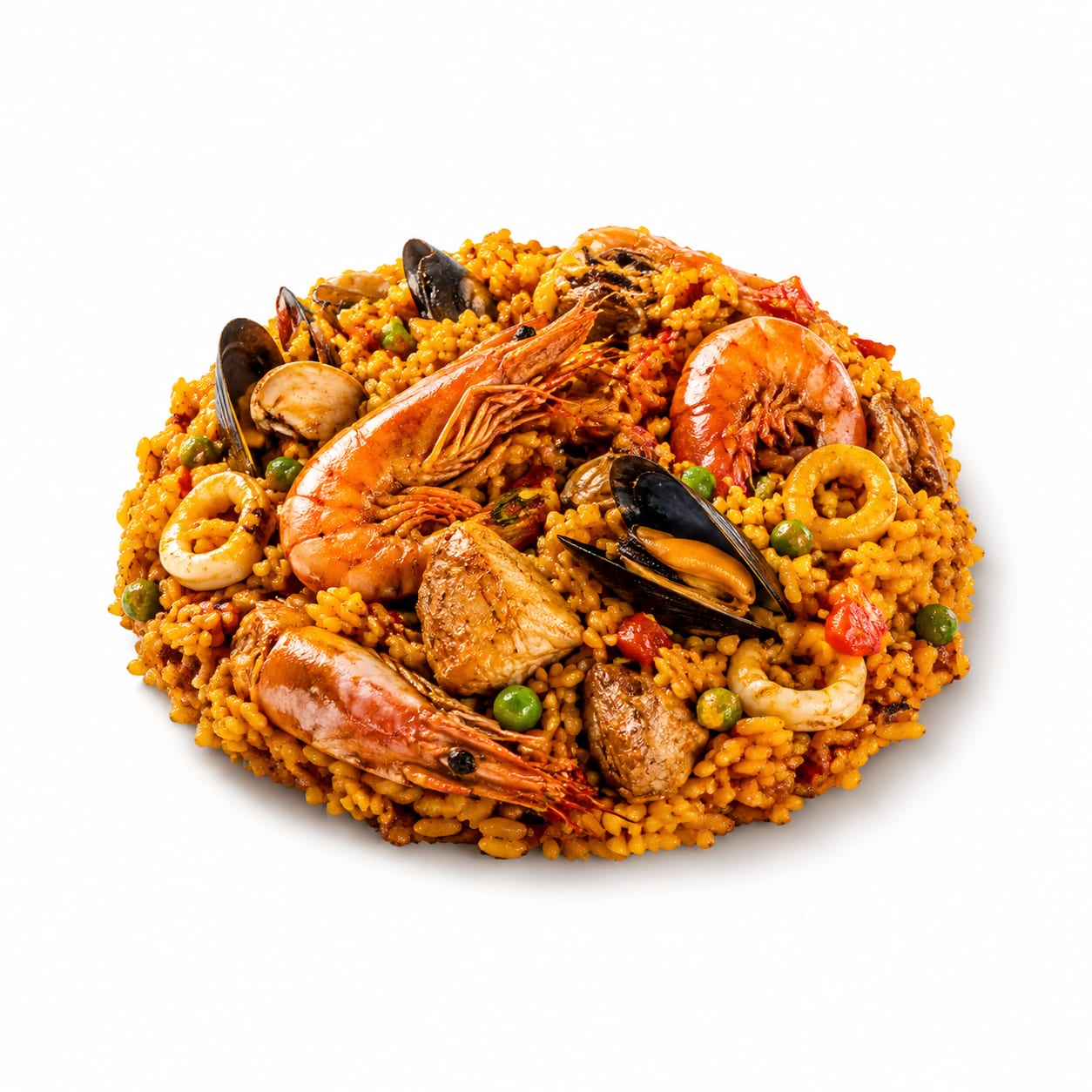
Mixed Rice Dish
Paella
Paella is a traditional Spanish saffron-rice dish cooked with mixed meats and seafood, providing a balanced but carb-heavy meal.
A traditional Spanish rice dish originating from Valencia, made with short-grain rice, saffron, vegetables, and a mix of proteins such as chicken, rabbit, and seafood.
carb-dense mixed protein and rice dish
Typical serving · 250g
Common varieties · Valenciana, Marinera, Mixta, Negra, Vegetariana
Overall context score across nutrition, safety, and diet fit
The story
What makes it unique
Paella combines short-grain white rice with proteins and fats, resulting in a moderate digestion speed. The white rice causes a relatively rapid glycemic response, but the inclusion of seafood, meat, and olive oil slows gastric emptying and improves satiety compared to plain rice. Macronutrient profile is balanced but fiber content is typically low unless heavily vegetable-laden. Processing level depends on preparation, ranging from fresh whole ingredients to pre-packaged mixes with added sodium and preservatives.
Varieties: Valenciana · Marinera · Mixta · Negra · Vegetariana
Per 100g
Nutrition breakdown
Macro balance and key metrics at a glance.
Energy
Density 1.57 kcal/g
Protein
Carbs
Fat
Fiber
Sugar
1.2 g
Sodium
350 mg
Potassium
180 mg
Glycemic index
60
Glycemic load
10
Water content
65%
Standout compounds
Nutrient highlights
Selenium
highSupports antioxidant defense and thyroid function
Omega-3 fatty acids
moderatePromotes heart and brain health
Protein
moderateSupports muscle repair and satiety
Sodium
highElectrolyte balance but easily overconsumed
Carbohydrates
highProvides quick energy for physical activity
Wellness map
Health scores & processing
NOVA processing scale
moderate · Whole food
Homemade paella uses unprocessed ingredients combined with culinary preparations like oils and broths (Nova 3). Pre-packaged or restaurant versions may include flavor enhancers, excess sodium, and preservatives pushing them toward Nova 4.
Diet compatibility
- Weight loss
- Muscle gain
- Diabetes
- Gut health
- Low carb
- High protein
- Heart health
Relative standing
Food rankings
Qualitative ranks compared to similar whole foods.
- Satietymoderate
- Blood sugarpoor
- Nutrient densitymoderate
- Fitness fuelgood
- Processing qualitymoderate
Eat with confidence
Food safety profile
Leftover rice poses a risk of Bacillus cereus if not cooled rapidly. Seafood carries standard risks of viral contamination and heavy metal bioaccumulation. Conventional rice may contain trace arsenic.
Evidence confidence 85%
- Pesticidesmoderate
- Antibioticsmoderate
- Heavy metalsmoderate
- Contaminationmoderate
Watch for
- Bacillus cereus
- mercury
- arsenic
- norovirus
Safer choices
Use sustainably sourced, low-mercury seafood and organic or basmati rice to reduce heavy metal exposure.
Prep tips
Rinse rice thoroughly before cooking. Ensure seafood is cooked to a safe internal temperature. Refrigerate leftovers within one hour.
Seafood sourcing and rice heavy metal content are the primary regulatory focus areas for this dish.
Deep dive
Health analysis
How this food may fit different goals and preparation choices.
Weight loss
Moderate calorie density and high palatability make overeating likely; portion control is essential for weight loss.
Blood sugar
White rice base causes rapid glucose spikes; pairing with fat and protein only partially mitigates the high glycemic impact.
Fitness & energy
Excellent source of quick-digesting carbs for glycogen replenishment paired with protein for muscle repair.
Gut health
Low fiber content offers minimal prebiotic benefits; relies heavily on added vegetables for any gut health support.
Processing quality
Homemade versions use whole ingredients, but restaurant and frozen versions often contain excess sodium, MSG, and preservatives.
Food safety
Leftover rice poses a risk of Bacillus cereus; seafood must be fresh and properly cooked to avoid pathogens.
Common mistakes
Eating oversized portions, assuming it is a low-carb dish due to protein content, and consuming leftover rice that was not refrigerated promptly.
Best preparation
Use brown rice or cauliflower rice for fiber, increase the vegetable ratio, use low-sodium broth, and cool leftovers rapidly.
Practical guide
Best use cases
When and how this food fits real eating patterns.
Post-workout recovery meal
The combination of fast-digesting carbs from rice and complete proteins from seafood or chicken makes it effective for replenishing glycogen and repairing muscles.
Balanced macro meal prep
Provides a natural mix of carbohydrates, proteins, and fats in a single pan, simplifying macro-balanced meal planning.
High-calorie bulking diet
The palatability and energy density make it easy to consume adequate calories for muscle-building phases.
Balance sheet
Pros & cons
Upsides
- Provides a balanced mix of carbs, protein, and fats
- Rich in omega-3s if made with seafood
- Contains high-quality complete proteins
- Good source of B-vitamins and minerals from meat and seafood
- Highly palatable and satiating when consumed fresh
Trade-offs
- High in refined carbohydrates from white rice
- Often very high in sodium from broth and seasoning
- Low in dietary fiber
- High calorie density makes portion control difficult
- Risk of foodborne illness from improperly stored rice or seafood
Fit check
Who is it for?
Great match
- post-workout recovery
- balanced macro meal prep
- high-calorie bulking diets
Consider alternatives
- strict ketogenic diets
- blood sugar control
- low-sodium diets
- low-carb diets
Side by side
How it compares
Open the full head-to-head analysis for nutrition, safety, and practical tradeoffs.
This food
Paella
VS85% alike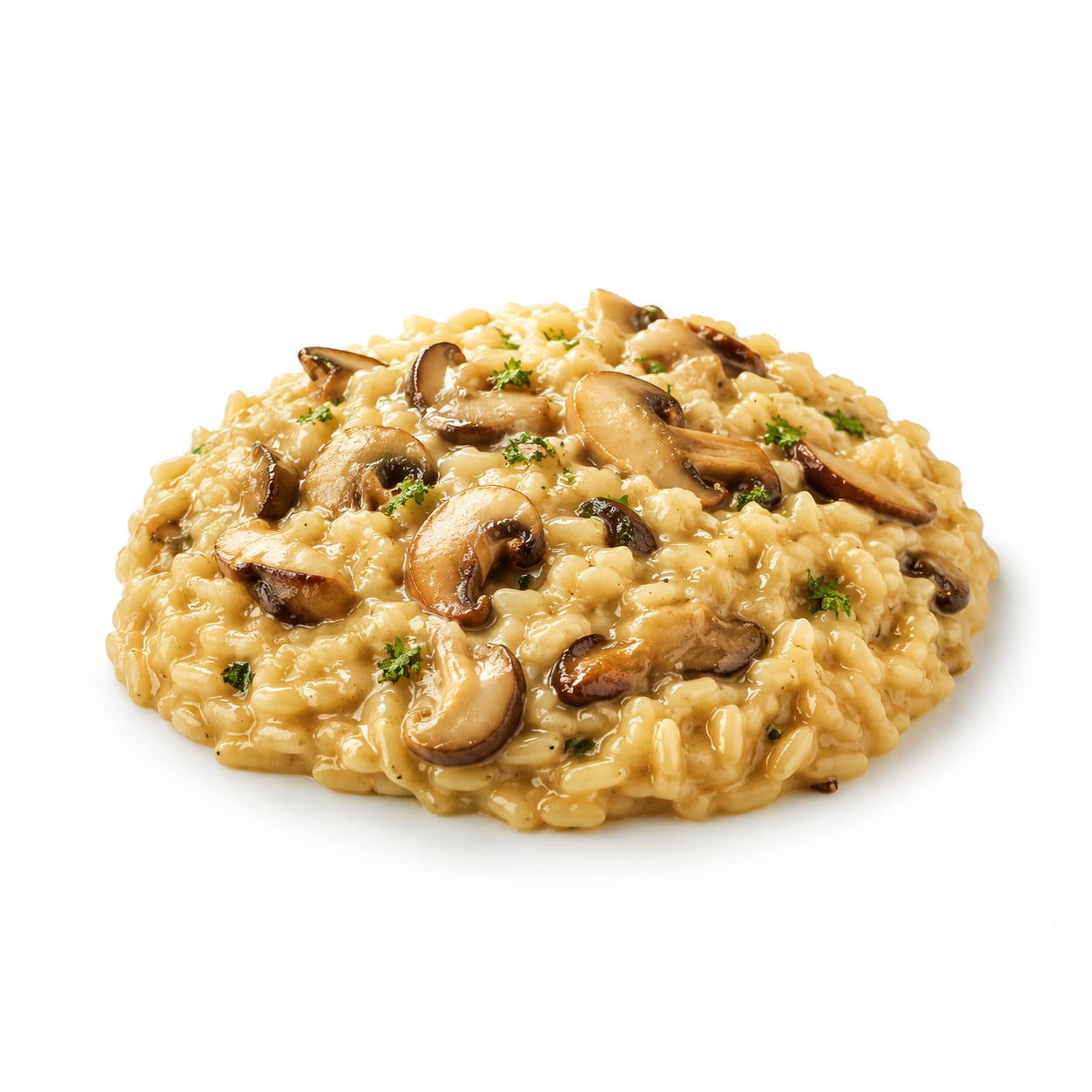
Compare with
Risotto
Risotto is creamier and often higher in fat from butter and cheese, while paella relies on saffron and has a wider variety of proteins.
Paella provides more lean protein from seafood and chicken, while risotto is higher in saturated fat from cheese and butter.
This food
Paella
VS80% alike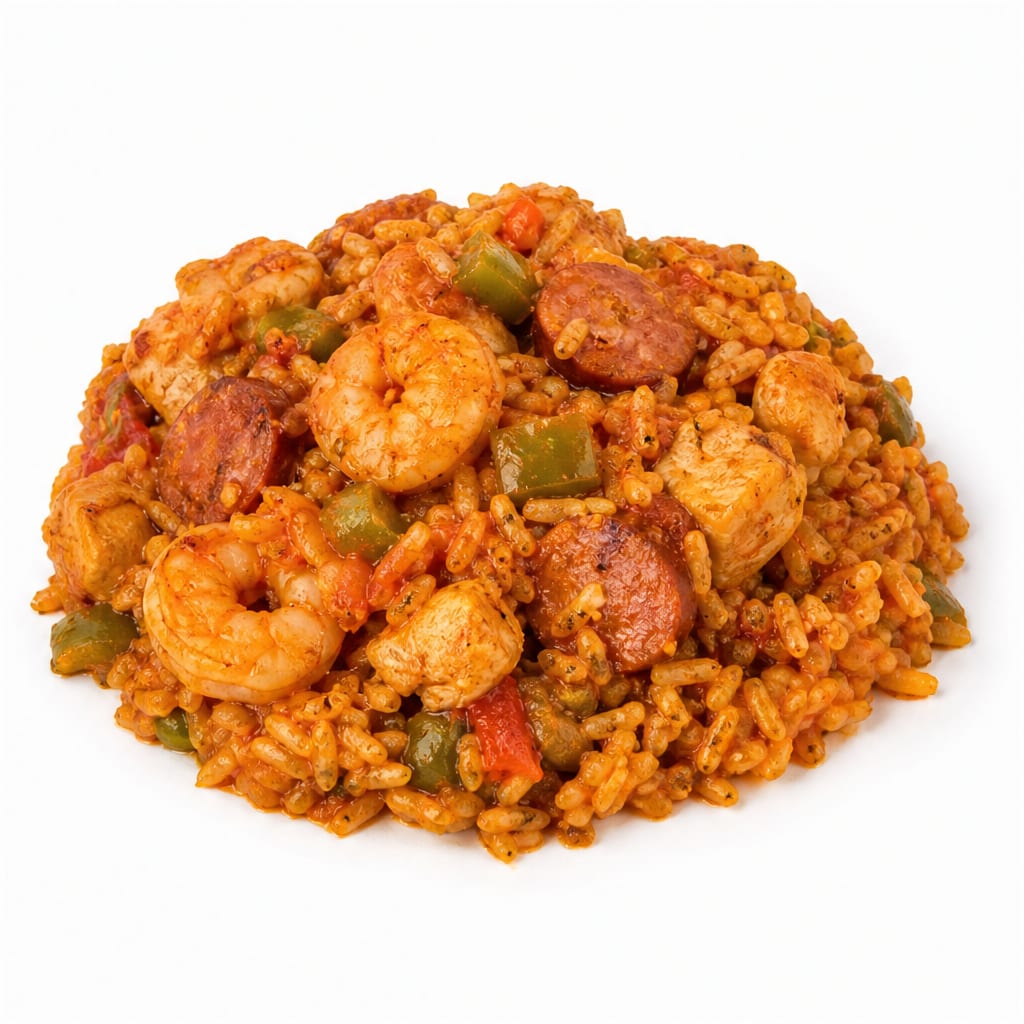
Compare with
Jambalaya
Jambalaya uses long-grain rice and Cajun spices, while paella uses short-grain rice and saffron. Jambalaya is often spicier and slightly lower in fat.
Jambalaya is slightly lower in fat and uses long-grain rice, while paella offers a broader seafood nutrient profile with saffron.
This food
Paella
VS80% alike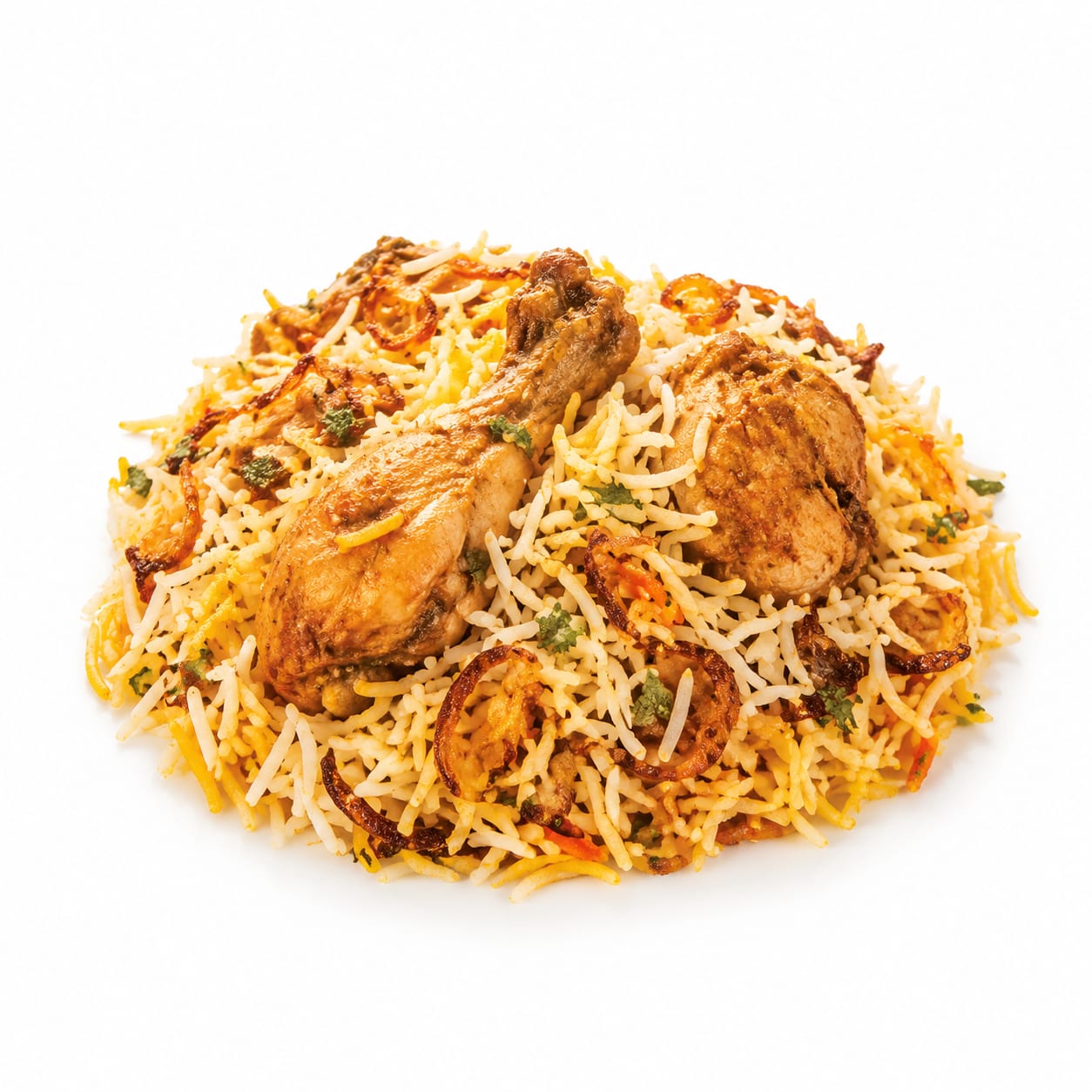
Compare with
Biryani
Biryani often uses basmati rice and yogurt-based marinades, making it slightly higher in probiotics and lower on the glycemic index than paella.
Biryani uses basmati rice which has a lower glycemic impact, while paella provides more omega-3s from mixed seafood.
This food
Paella
VS75% alike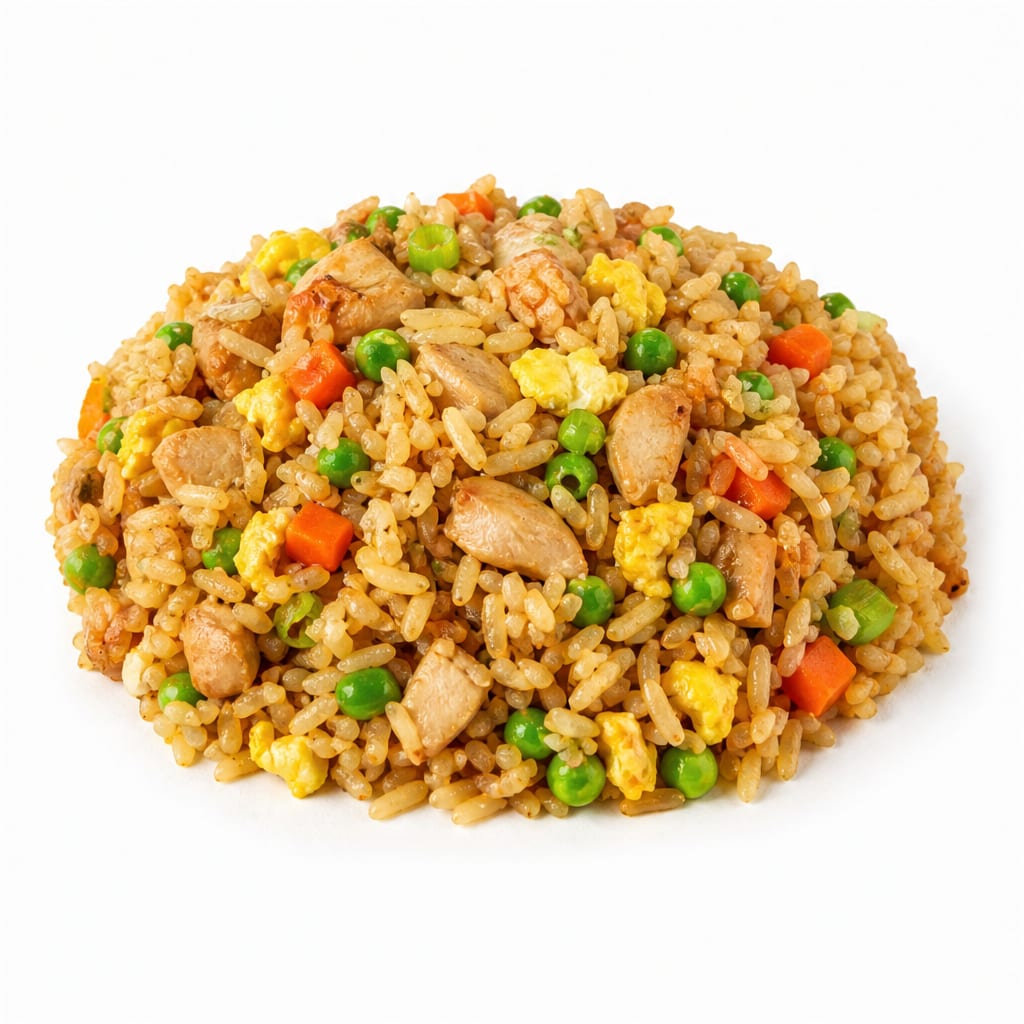
Compare with
Fried Rice
Takeout fried rice is typically much higher in sodium and unhealthy fats from soy sauce and heavy oil, whereas paella uses healthier olive oil and natural broths.
Paella is generally healthier than fried rice because it relies on olive oil and saffron rather than heavy vegetable oil and high-sodium soy sauce.
This food
Paella
VS90% alike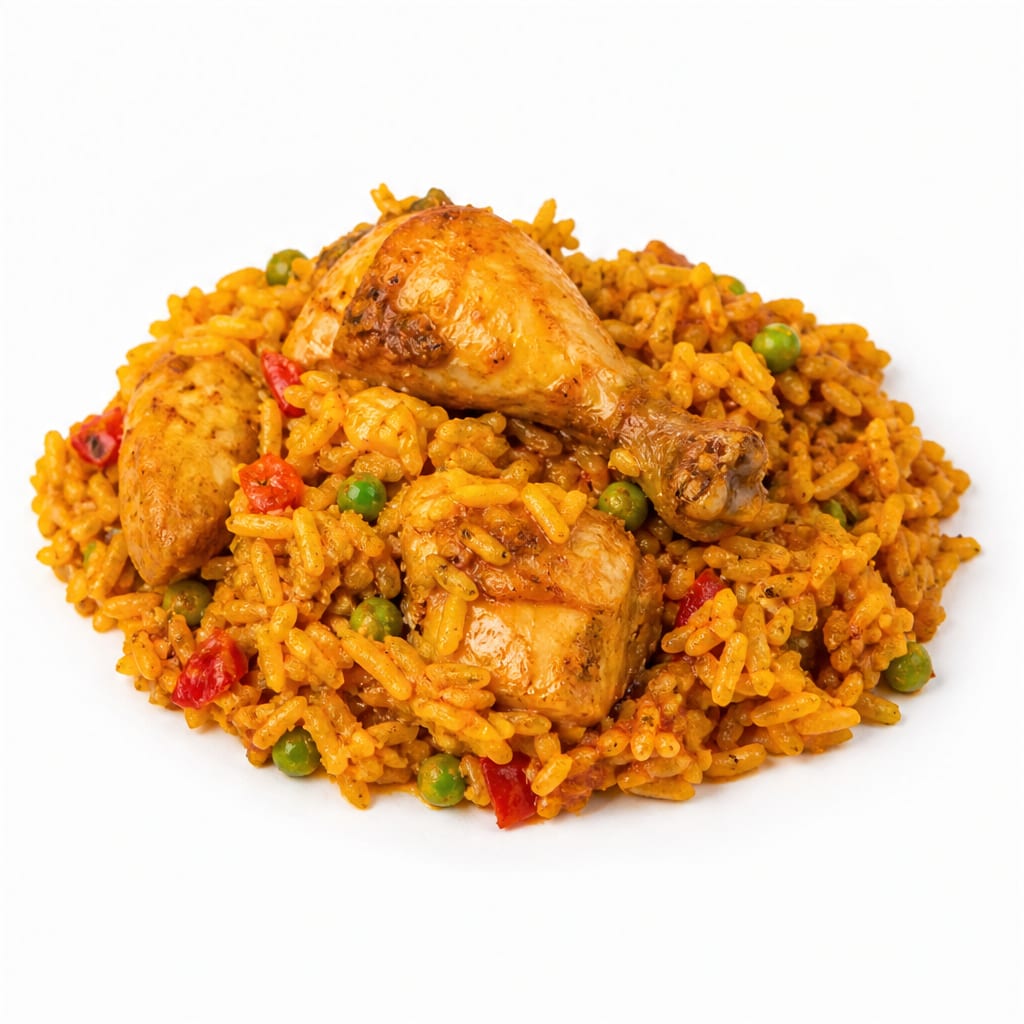
Compare with
Arroz con Pollo
Arroz con pollo is essentially a chicken-only version of paella, lacking the diverse seafood nutrients but often lower in cholesterol and sodium.
Paella includes seafood for added omega-3s, while arroz con pollo is simpler, often lower in sodium, and focuses solely on chicken protein.
This food
Paella
VS70% alike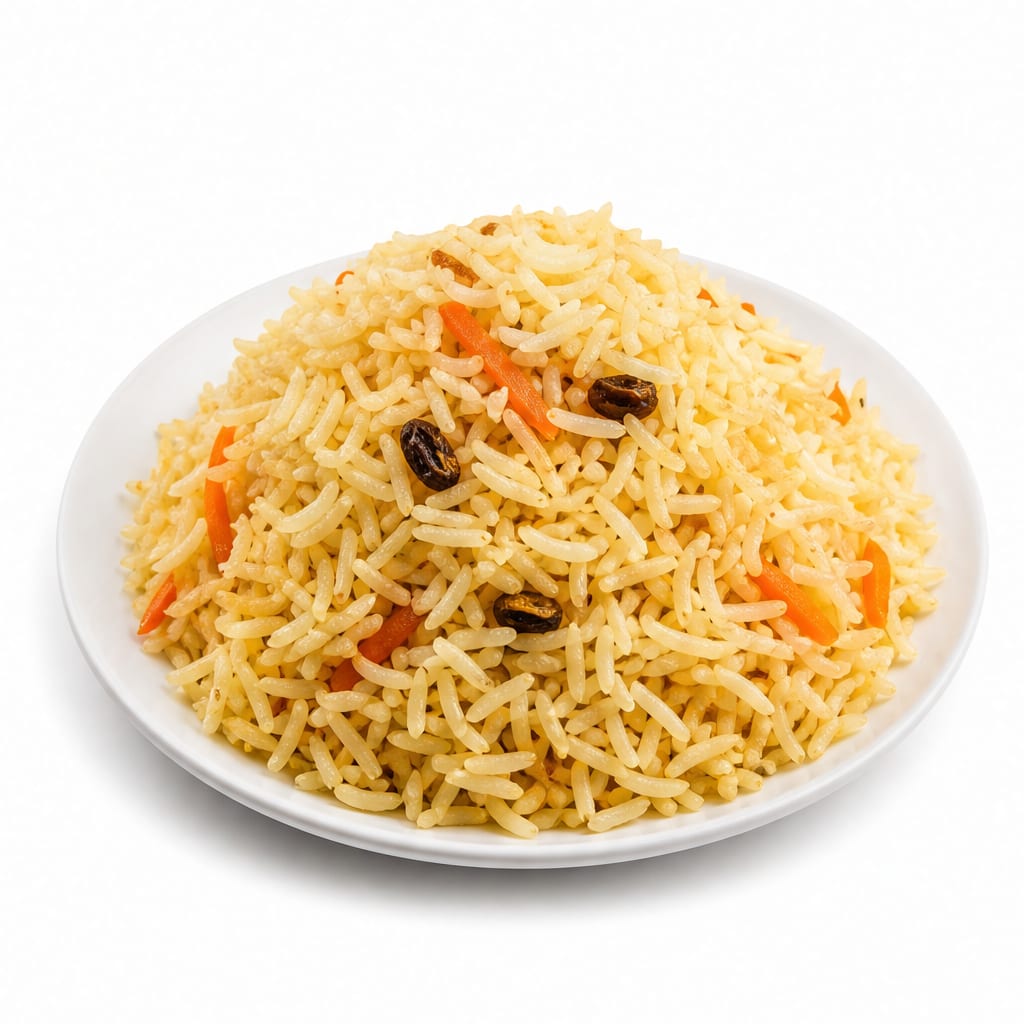
Compare with
Pilaf
Pilaf is typically lighter, using long-grain rice with less protein and fat, making it lower in calories but less satiating than paella.
Pilaf is lower in calories and fat, but paella provides significantly more protein and satiety for muscle maintenance.
This food
Paella
VS65% alike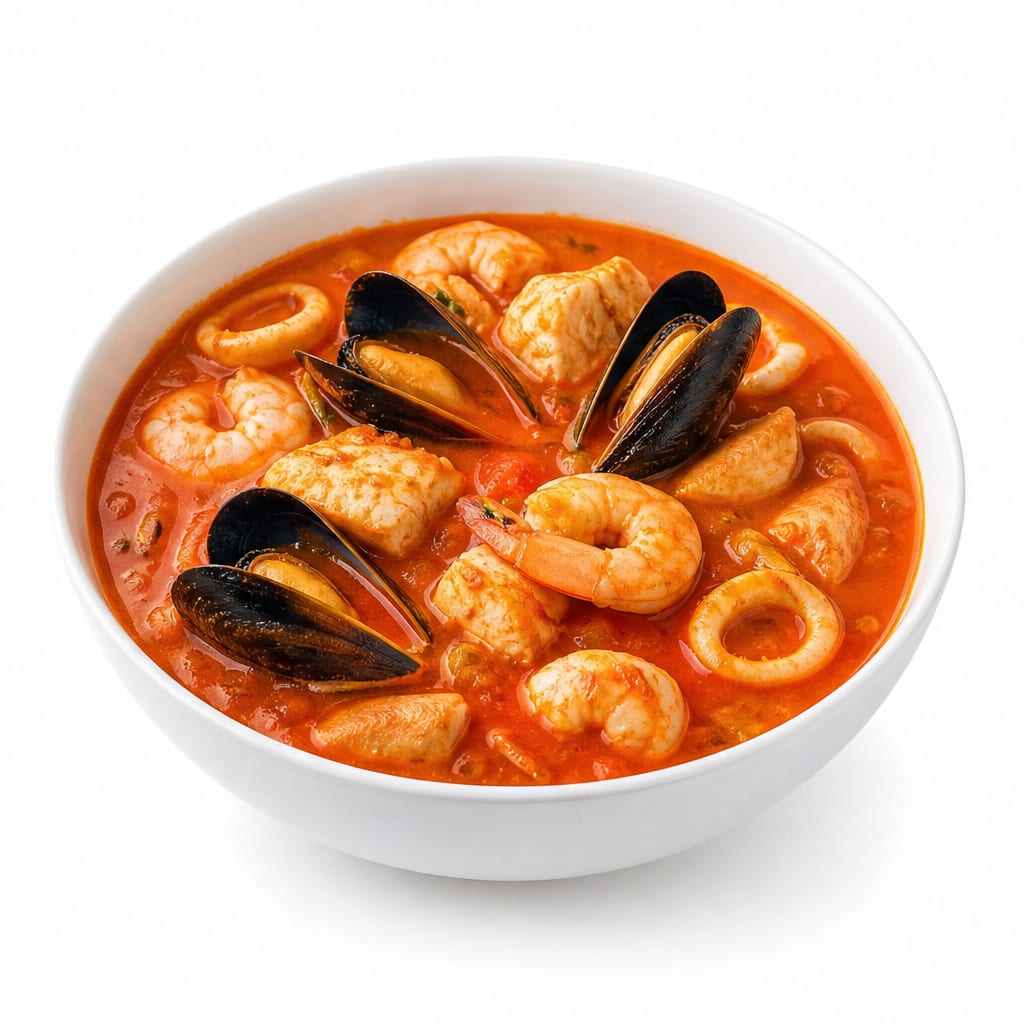
Compare with
Seafood Stew
Seafood stew omits the rice, drastically reducing carbohydrates and calories while maximizing protein and omega-3 intake.
Seafood stew wins for blood sugar and weight loss by eliminating the high-carb rice base, while paella offers more workout-fueling carbohydrates.
This food
Paella
VS85% alike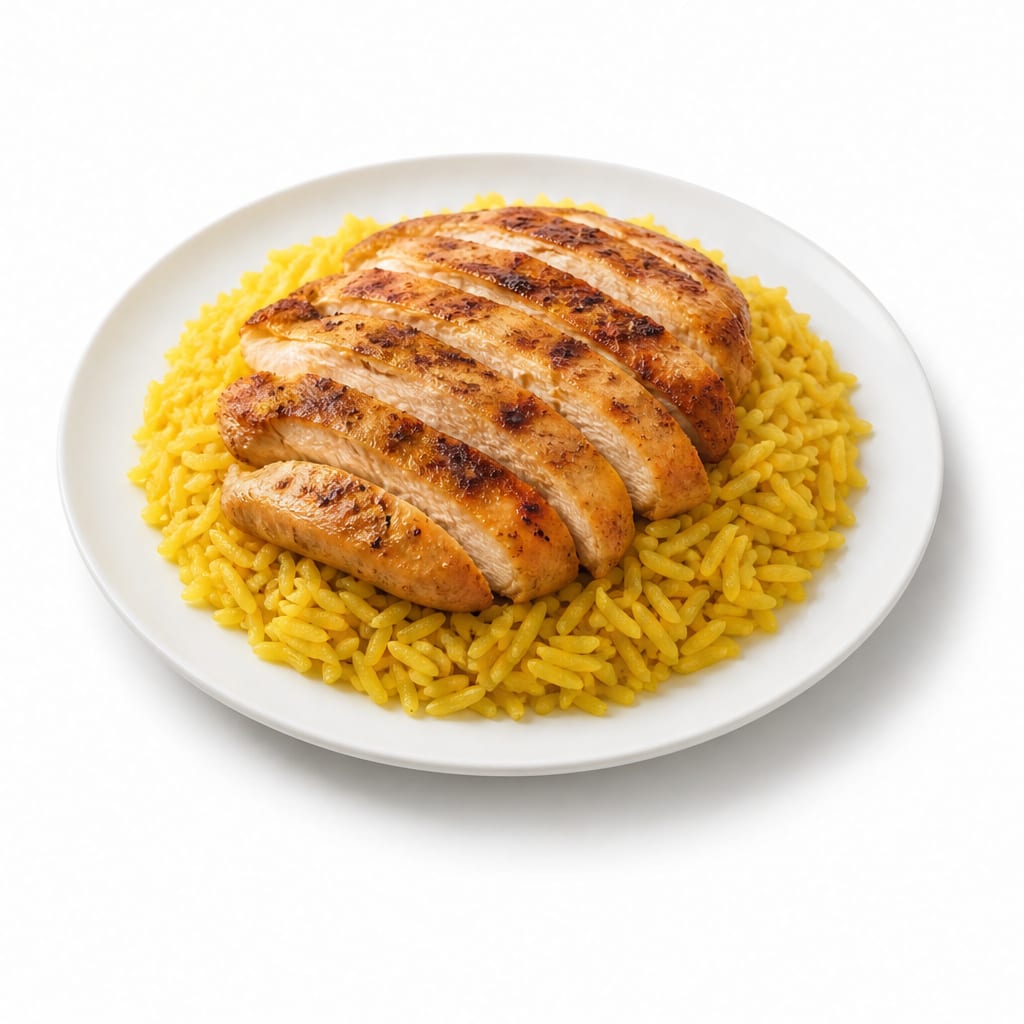
Compare with
Chicken and Rice
Basic chicken and rice is a bland bodybuilding staple, while paella adds vegetables, seafood, and healthy fats for a superior micronutrient profile.
Plain chicken and rice is lower in fat for strict diets, but paella provides better micronutrients and heart-healthy fats from olive oil and seafood.
This food
Paella
VS60% alike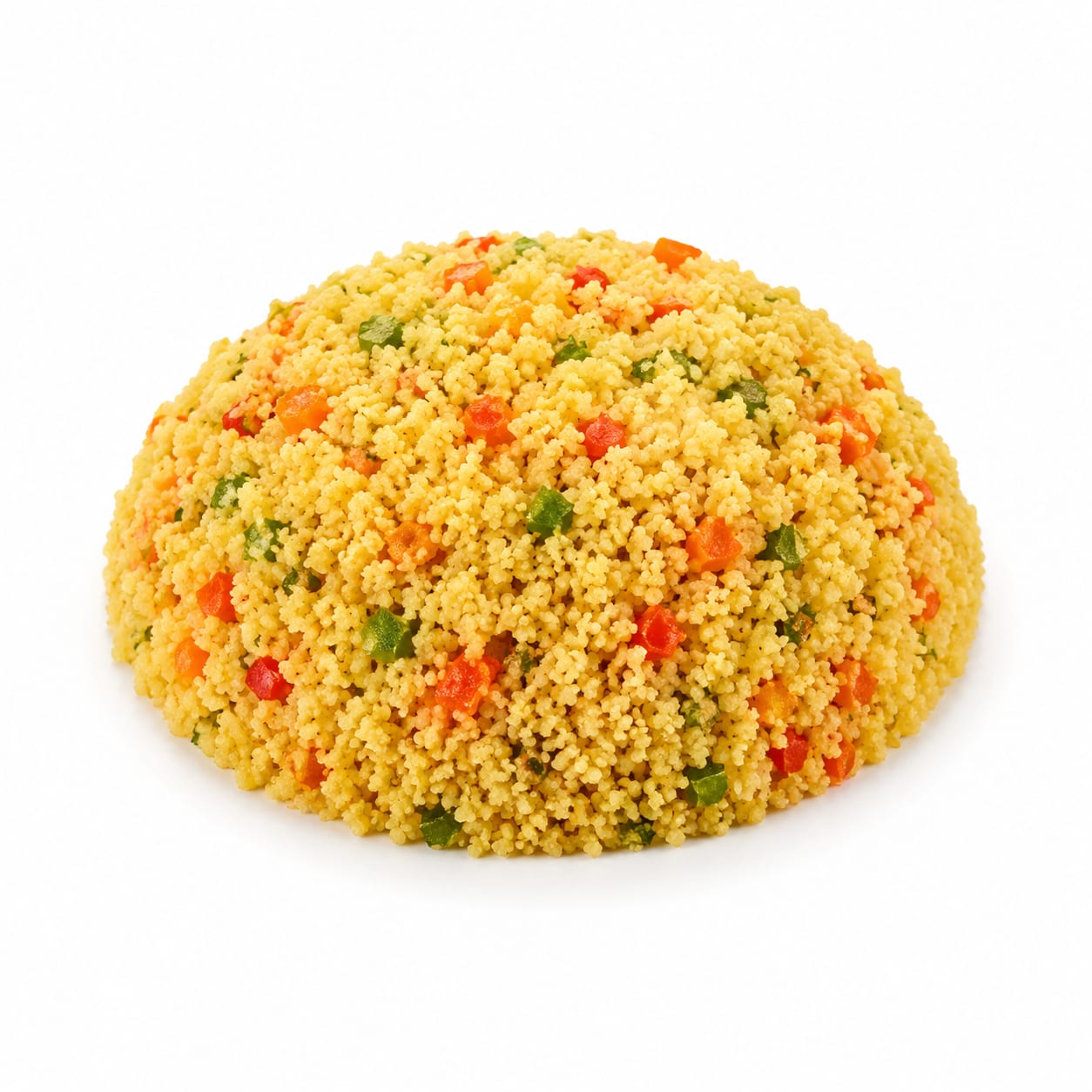
Compare with
Couscous
Couscous is a pasta, not a rice, and is typically lower in protein and fiber unless paired with heavy additions. Paella is a complete meal with higher protein.
Couscous is lower in calories per serving, but paella is a complete meal with significantly more protein and healthy fats.
This food
Paella
VS55% alike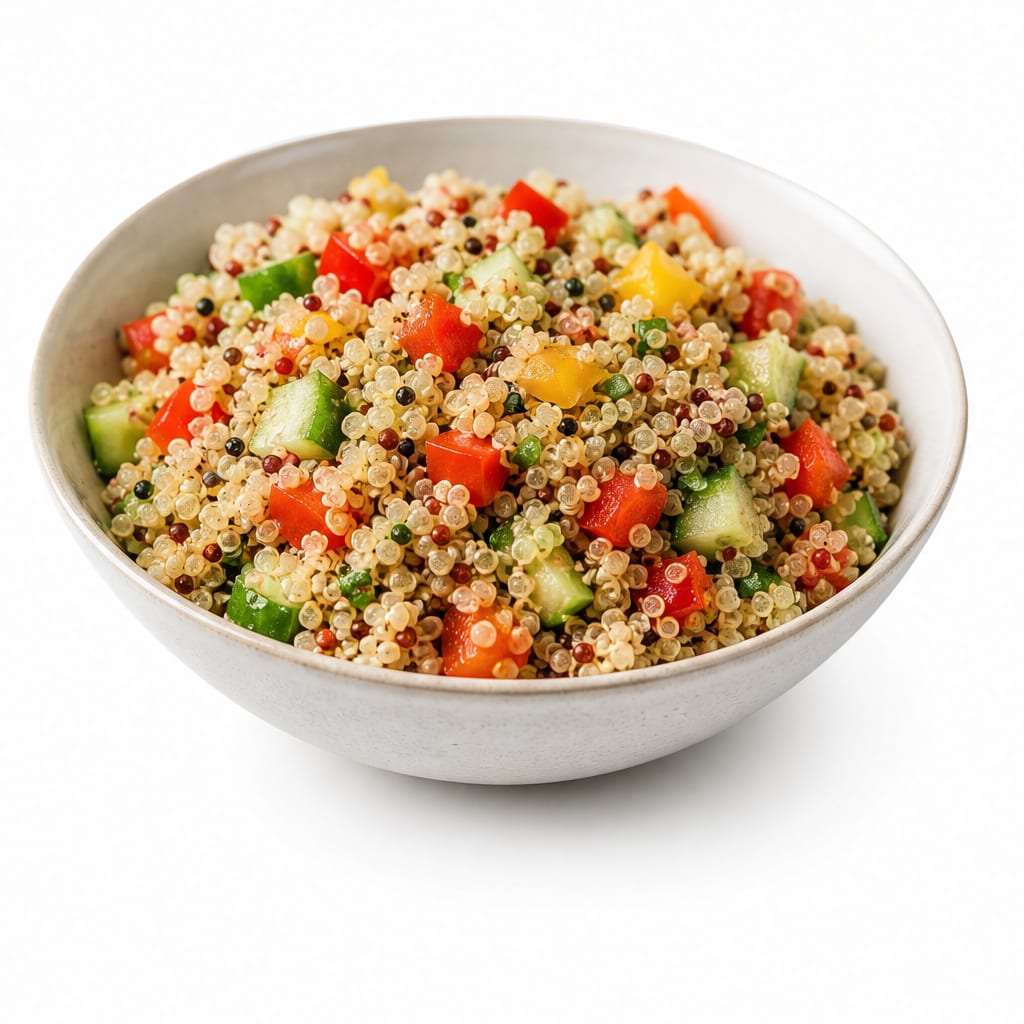
Compare with
Quinoa Bowl
Quinoa bowls offer complete plant protein and high fiber with a low glycemic index, making them vastly superior for blood sugar control and gut health.
Quinoa bowls are higher in fiber and better for blood sugar, while paella provides more quick-digesting carbs and animal protein for muscle recovery.
Common questions
FAQ
Answers aligned with how people search for this food.
Is paella good for weight loss?
Traditional paella is not ideal for weight loss due to its high carbohydrate content from white rice and moderate fat content, which creates a high calorie density. Portion control is necessary if including it in a weight loss diet.
Can diabetics eat paella?
Diabetics should be cautious with paella because the short-grain white rice has a high glycemic index that can spike blood sugar. Opting for a vegetable-heavy version with brown rice or cauliflower rice is a safer alternative.
How many calories are in a serving of paella?
A standard 250g serving of mixed paella contains approximately 390 to 450 calories, depending on the ratio of rice to meat and seafood, and the amount of oil used.
Is paella high in carbs?
Yes, paella is high in carbs. The base of the dish is short-grain white rice, which contributes the majority of the carbohydrates, typically around 40-45g per serving.
What is the healthiest type of paella?
Seafood paella (paella marinera) is generally the healthiest option because it is lower in saturated fat than meat-heavy versions and provides omega-3 fatty acids and lean protein from fish and shellfish.
Does paella have a lot of protein?
Yes, paella provides a moderate to high amount of protein due to the inclusion of chicken, rabbit, shrimp, mussels, or squid, typically offering 20-25g per serving.
Is paella gluten-free?
Traditional paella made with pure saffron, rice, and whole proteins is naturally gluten-free. However, restaurant versions may use broth or seasoning mixes containing gluten, so always verify ingredients.
How long is leftover paella good for?
Leftover paella should be refrigerated within one hour of cooking and consumed within 3 to 4 days. Rice leftovers must be handled carefully to prevent Bacillus cereus food poisoning.
Is paella healthier than fried rice?
Paella is generally healthier than takeout fried rice because it uses less oil and relies on natural proteins and saffron rather than soy sauce and MSG, though both are high in refined carbohydrates.
Can you eat paella on a low carb diet?
No, traditional paella is not compatible with a low carb diet due to the rice base. A low carb alternative would involve substituting the rice with riced cauliflower or shirataki rice.
Transparency
Data confidence
Estimated confidence for nutrition data, interpretation, safety notes, and comparisons.
Nutrition data
Health analysis
Food safety
Comparisons