
Nutrition comparison
Paella vs Fried Rice: Which Rice Dish is Healthier?
Compare Paella and Fried Rice to discover which dish offers better nutrition, lower sodium, and healthier fats for your lifestyle and diet goals.
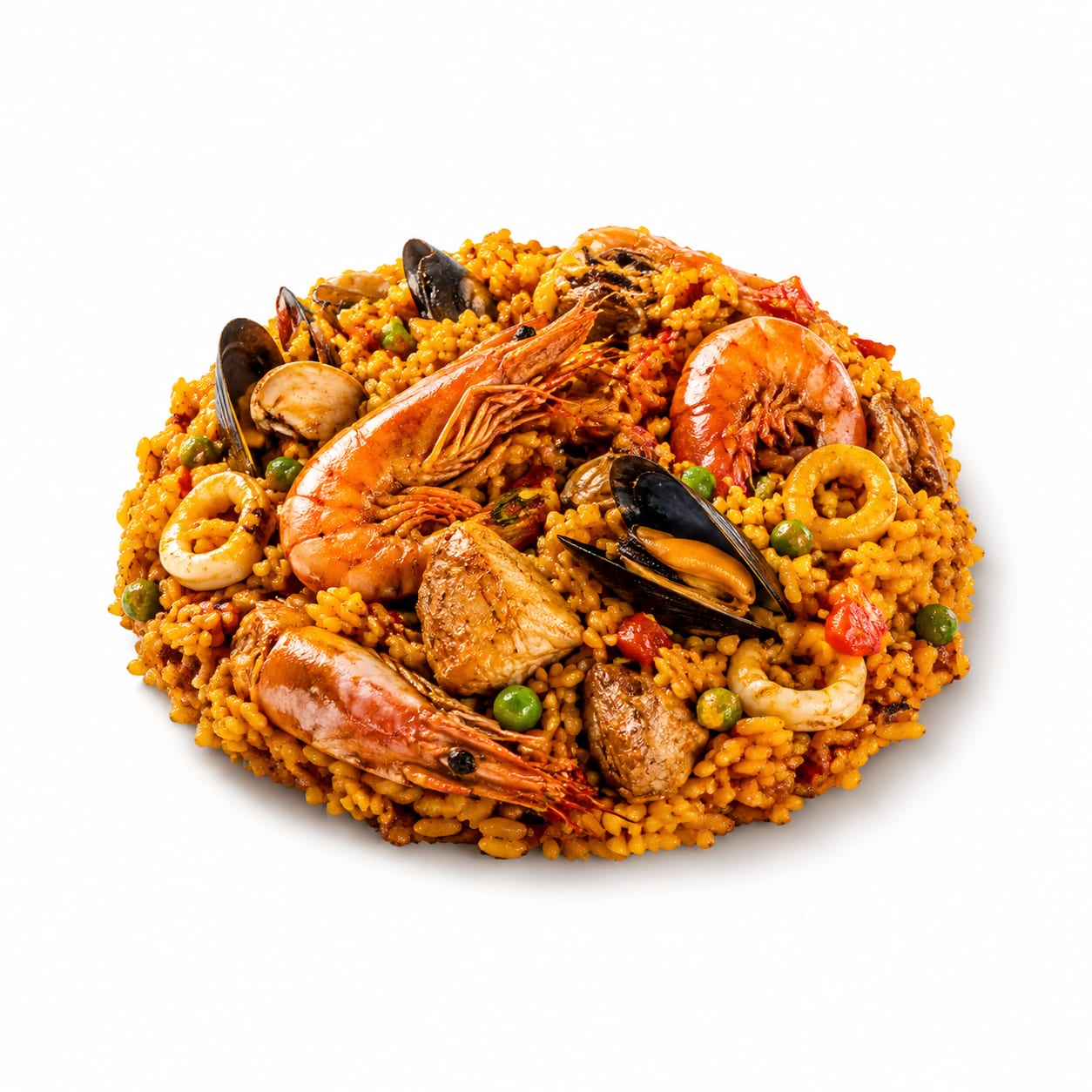
Paella
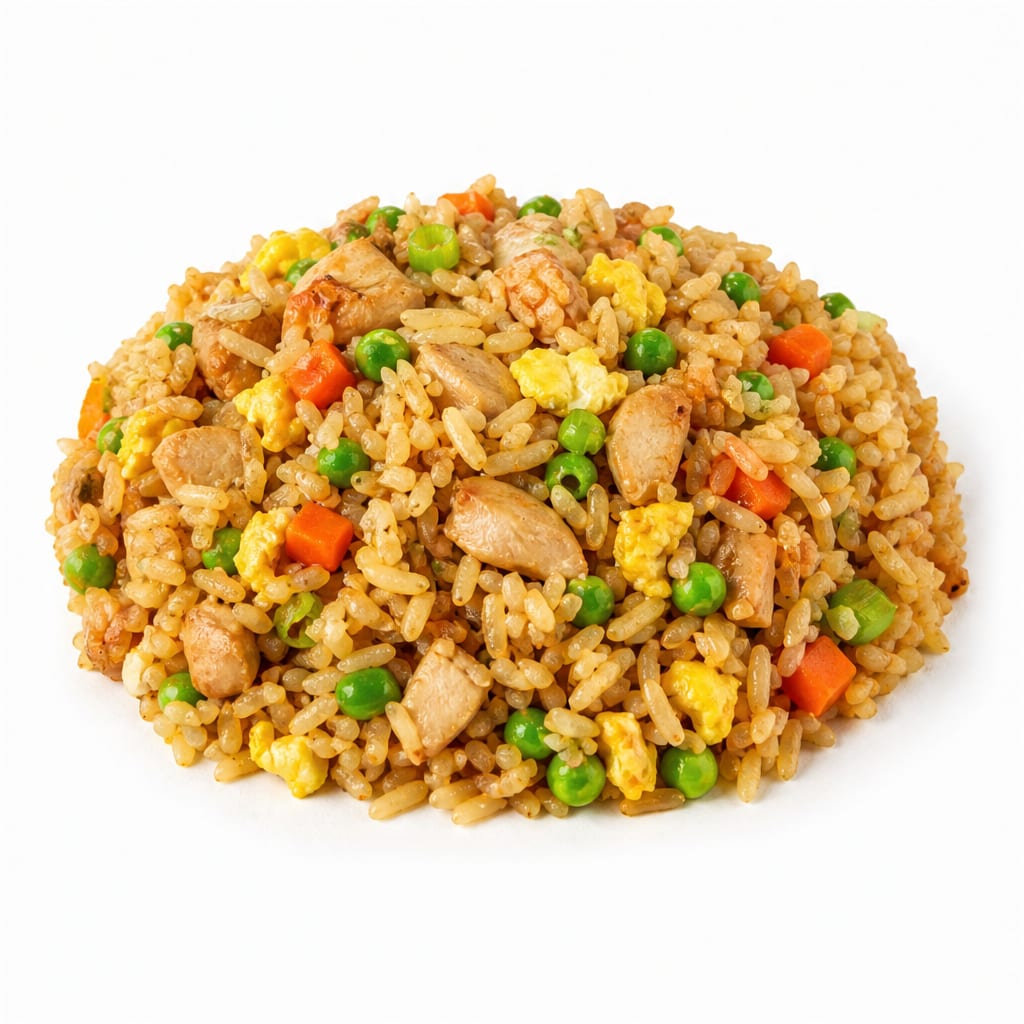
Fried Rice
Paella wins on nutrition and healthy fats, but Fried Rice dominates for speed, budget, and convenience.
Paella scores higher due to its superior fat profile, diverse protein, and micronutrient density. Fried Rice loses points for high sodium and reliance on refined carbs, though it gains ground in practicality.
You trade the nutrient density and heart-healthy fats of Paella for the quick, fridge-clearing practicality of Fried Rice.
At a glance
Executive summary
Overall
It depends
Healthier
Paella
More practical
Fried Rice
Daily use
Fried Rice
Key comparison lenses
Protein quality and diversity
Paella usually combines seafood and meats, offering a superior amino acid profile compared to the egg-and-vegetable base of Fried Rice.
Sodium load and heart health
Fried Rice relies heavily on soy sauce, making it a hidden sodium bomb, whereas Paella uses saffron and natural broths for flavor.
Fat quality and inflammation
Paella is traditionally made with olive oil, providing anti-inflammatory benefits, while Fried Rice often uses refined seed or vegetable oils.
Convenience and practical cooking
Fried Rice is the ultimate quick leftover meal, while Paella requires more time, technique, and fresh ingredients.
Best choice for
Paella
- People seeking high-quality protein and omega-3s from seafood
- Those following a Mediterranean eating style
- Diners wanting a satisfying, slower-digesting meal
Fried Rice
- Busy households needing a 15-minute weeknight dinner
- Anyone trying to use up leftover rice and vegetables
- People cooking on a tight grocery budget
Least suitable for
Paella
- Weeknight cooks with only 20 minutes to spare
- Those with shellfish or severe seafood allergies
- People avoiding restaurant versions high in butter or oil
Fried Rice
- People strictly monitoring their blood pressure or sodium intake
- Those looking for premium protein quality in every meal
- Anyone strictly avoiding refined carbohydrates
Deep comparison
Dimension by dimension
Each lens scores both foods and breaks down who each option suits.
- Dimension 1 · Priority 92Paella
Protein & Micronutrient Diversity
Paella · 88Fried Rice · 55Paella delivers a broader spectrum of amino acids, iodine, and zinc from its seafood mix, while Fried Rice relies heavily on eggs and small meat portions.
Tradeoff
You get far more nutritional variety with Paella, but it comes at a higher ingredient cost and prep time.
Why it matters
Diverse protein sources support better muscle repair and immune function than relying on a single source like eggs.
Real-world impact
Eating Paella leaves you feeling more satisfied and nourished, reducing the urge to snack a few hours later.
Paella
- Muscle recovery
- Thyroid health from iodine
- Sustained fullness
Better for
- Shellfish allergy sufferers
Worse for
Fried Rice
- Cheaper protein sourcing
- Vegetarian adaptability
Better for
- Those needing high-quality, leucine-rich protein
Worse for
- Dimension 2 · Priority 88Paella
Sodium & Blood Pressure Impact
Paella · 65Fried Rice · 35Fried Rice is heavily seasoned with soy sauce, pushing sodium levels dangerously high. Paella relies on saffron, garlic, and natural broth, keeping salt more manageable.
Tradeoff
Fried Rice packs a punchy umami flavor but at the cost of heavy sodium loading that leaves you thirsty and bloated.
Why it matters
Frequent high-sodium meals directly raise blood pressure and increase heart disease risk over time.
Real-world impact
After eating Fried Rice, you might notice swollen fingers or intense thirst, while Paella feels lighter and more balanced.
Paella
- Blood pressure management
- Reduced bloating
- Better hydration balance
Better for
- Those adding excessive salt to the broth
Worse for
Fried Rice
- Intense savory flavor satisfaction
Better for
- Anyone with hypertension
- People prone to water retention
Worse for
- Dimension 3 · Priority 85Paella
Fat Quality & Inflammatory Potential
Paella · 85Fried Rice · 45Paella uses olive oil, which is rich in heart-healthy monounsaturated fats. Fried Rice is typically cooked in refined vegetable or seed oils, which promote inflammation.
Tradeoff
Paella supports long-term heart health with its fat profile, while Fried Rice's oils can silently drive inflammation if eaten frequently.
Why it matters
The type of cooking oil you consume daily impacts your joint health, heart disease risk, and systemic inflammation more than most realize.
Real-world impact
Choosing Paella feels lighter in the stomach and aligns with a Mediterranean diet, whereas heavy Fried Rice can leave you feeling sluggish.
Paella
- Heart health
- Anti-inflammatory benefits
- Mediterranean diet compliance
Better for
- Restaurant versions using cheap oil
Worse for
Fried Rice
- High-heat cooking stability
Better for
- Those with inflammatory conditions
- People avoiding omega-6 heavy oils
Worse for
- Dimension 4 · Priority 78Paella
Blood Sugar & Energy Stability
Paella · 62Fried Rice · 48Both are rice-centric, but Paella's higher protein and fat content slows down carbohydrate absorption, leading to steadier energy compared to the faster spike from Fried Rice.
Tradeoff
Paella offers a gentler energy curve, while Fried Rice—especially with white rice—can cause a quicker rise and subsequent crash.
Why it matters
Avoiding blood sugar spikes prevents that mid-afternoon energy crash and reduces cravings for more carbs.
Real-world impact
You will likely stay focused and energized longer after a bowl of Paella than a plate of Fried Rice.
Paella
- Steady afternoon energy
- Diabetes-friendly modifications
- Reduced sugar cravings
Better for
- Large portions still pack heavy carbs
Worse for
Fried Rice
- Quick post-workout carb replenishment
Better for
- People with insulin resistance
- Those prone to energy crashes
Worse for
- Dimension 5 · Priority 80Fried Rice
Practicality & Convenience
Paella · 35Fried Rice · 92Fried Rice is the ultimate fast meal that turns day-old fridge items into dinner in 15 minutes. Paella requires specific ingredients, careful timing, and a longer cook.
Tradeoff
You sacrifice top-tier nutrition for the unmatched speed and ease of Fried Rice on a busy Tuesday night.
Why it matters
A healthy meal only works if you actually have the time and energy to cook it; convenience often dictates what we actually eat.
Real-world impact
Fried Rice is a realistic weeknight staple, while Paella is usually saved for weekends or special occasions.
Paella
- Meal prep elegance
- Entertaining guests
Better for
- Exhausted weeknight cooks
Worse for
Fried Rice
- 15-minute dinners
- Using up leftovers
- Minimal grocery shopping
Better for
- Special occasion dining
- Those without leftover rice on hand
Worse for
Timeline
Health impact over time
Short-term
Hours to days
Paella
- Provides sustained, comfortable fullness
- Easy on the stomach due to healthier fats
- Unlikely to cause a sudden energy crash
Fried Rice
- Quick energy but potential for a carb crash
- High sodium often causes immediate thirst and bloating
- Heavy oil can lead to sluggishness
Long-term
Months to years
Paella
- Supports heart health via olive oil and omega-3s
- Maintains muscle mass with high-quality protein
- Better blood pressure regulation
Fried Rice
- Frequent consumption may increase hypertension risk
- Refined carbs and seed oils can promote chronic inflammation
- Easier to overeat calorie-dense portions leading to weight gain
Risk profile
Safety & processing
Both are cooked dishes, but Fried Rice often incorporates highly processed sauces like soy sauce and MSG, whereas Paella relies on whole spices like saffron and fresh seafood broths.
Paella
Seafood spoilage and contamination
mediumShellfish and seafood in Paella spoil quickly and must be kept at safe temperatures to avoid foodborne illness.
Saffron adulteration
lowCheap saffron may be cut with artificial dyes or other fillers, though this is more a quality issue than a severe health threat.
Fried Rice
Bacillus cereus from leftover rice
highImproperly stored leftover rice is a common breeding ground for this toxin-producing bacteria, making proper chilling essential.
High sodium preservatives
mediumBottled soy sauces and flavor packets often contain excessive sodium and occasional preservatives that stress the kidneys.
Who wins for whom
Audience fit
Same foods, different winners depending on your goal.
children
Fried RiceFried Rice has a milder, more familiar flavor profile and is easier for young children to chew and enjoy without picking out mixed seafood.
daily consumption
Fried RiceFried Rice is far more practical to whip up on a random Tuesday, making it a more realistic daily staple if sodium is managed.
diabetes
PaellaPaella's fat and protein blend slows the absorption of rice carbohydrates, resulting in a gentler blood sugar curve than Fried Rice.
elderly
PaellaPaella offers superior nutrient density and softer seafood proteins that are easy to digest, supporting muscle maintenance in older adults.
muscle gain
PaellaThe diverse, leucine-rich seafood and meats in Paella provide superior muscle-building blocks compared to the eggs in Fried Rice.
weight loss
PaellaPaella's high protein and healthy fat content promote greater satiety, making it easier to control portions compared to the calorie-dense, easy-to-overeat nature of Fried Rice.
Your move
Decision guide
Choose Paella
- You want a nutrient-dense, satisfying meal with healthy fats
- You are cooking for a weekend gathering or a special occasion
- You follow a Mediterranean eating style
Choose Fried Rice
- You need a fast, budget-friendly dinner in under 20 minutes
- You have day-old rice and random vegetables to use up
- You crave comforting, salty umami flavors after a long day
Either works if
- You want a carb-forward meal that can be loaded with vegetables
- You are dining out and both are available as shared plates
Avoid both if
- You are strictly limiting carbohydrates for ketosis
- You have a severe rice allergy or gluten cross-reactivity
Final recommendation
Choose Paella when nutrition and long-term health are your priorities, especially for a sit-down meal. Opt for Fried Rice when time and convenience dictate your choices, but use low-sodium soy sauce and load up on veggies to bridge the nutritional gap.
Practical
Consumer tips
- 1
Swap white rice for brown rice or quinoa in your Fried Rice to boost fiber and prevent energy crashes.
- 2
Use low-sodium soy sauce and add a splash of sesame oil at the end for flavor without the salt overload.
- 3
When making Paella, load up on bell peppers and peas to increase the vitamin content without adding calories.
- 4
Always spread leftover rice thin on a sheet pan to cool it rapidly, preventing Bacillus cereus growth before making Fried Rice.
- 5
Ask for your Fried Rice cooked with less oil when dining out, as restaurant versions are often heavily greased.