
Nutrition comparison
Paella vs Pilaf: Nutrition, Health Benefits & Which is Better
Compare Paella and Pilaf to see which rice dish is healthier. Learn about protein, sodium, calories, and the best choice for your diet.
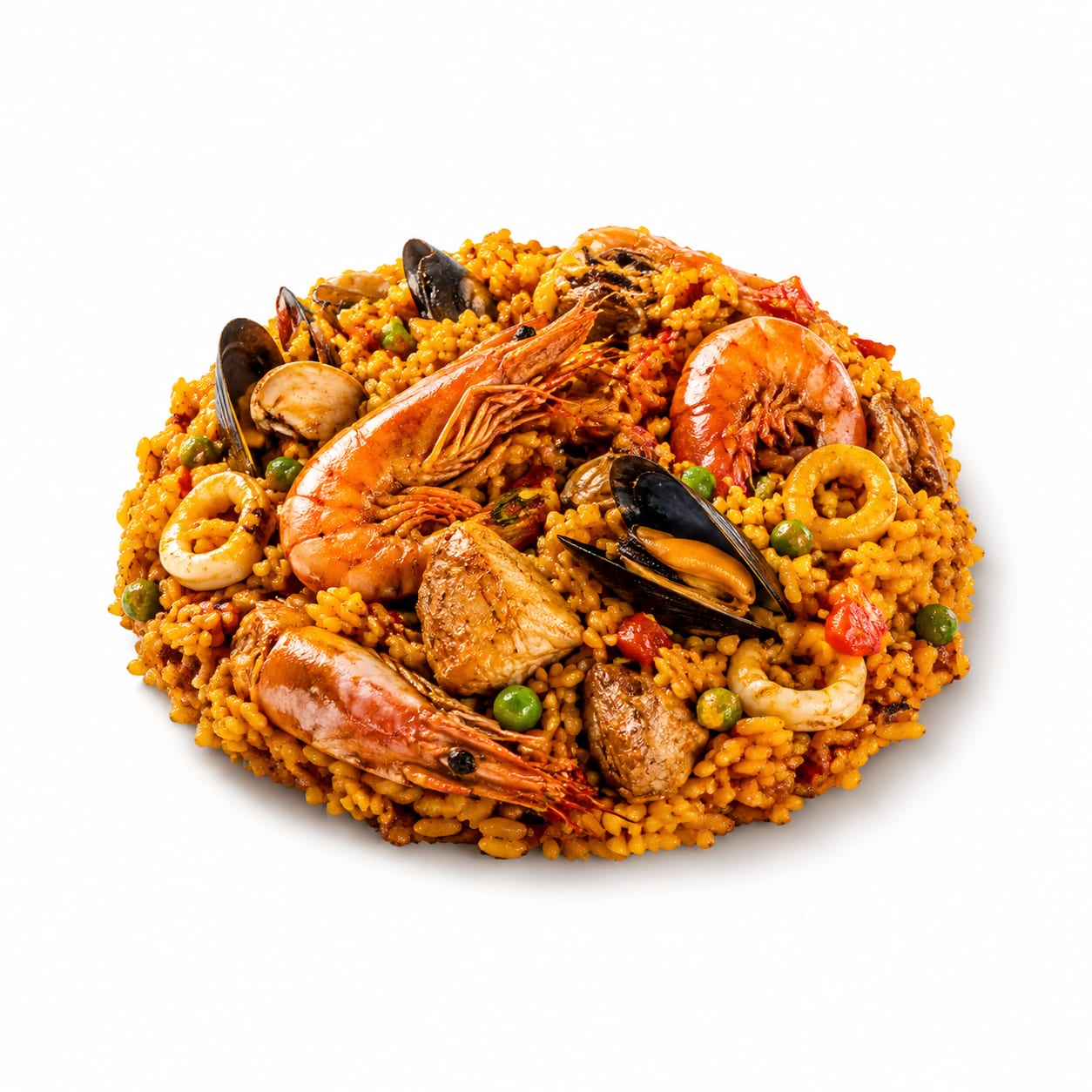
Paella
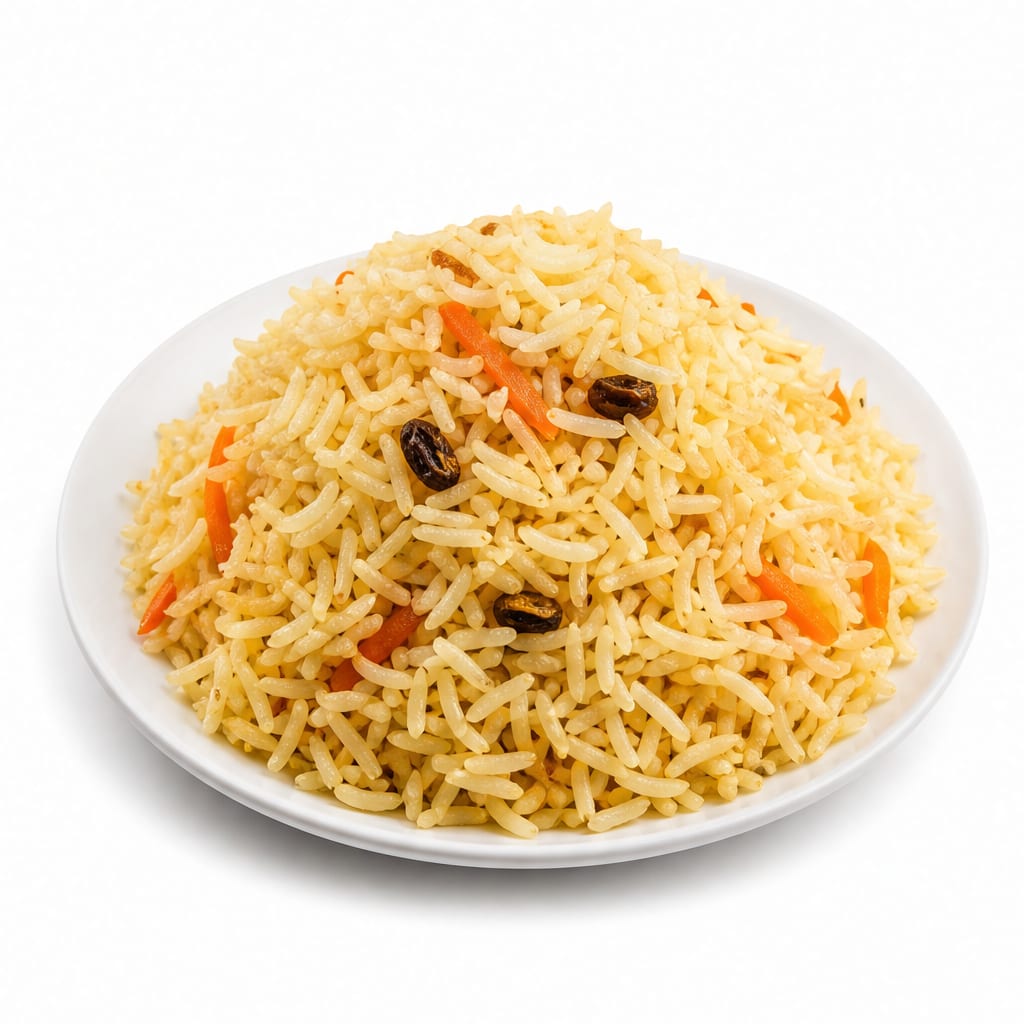
Pilaf
Paella delivers a nutrient-dense, protein-packed complete meal, while Pilaf offers a lighter, lower-sodium carb base that is easier to digest.
Paella scores higher for protein and micronutrients but loses points for sodium and heaviness. Pilaf scores well for lightness and lower sodium but lacks standalone nutritional completeness.
Richness and comprehensive nutrition versus lightness and digestive comfort.
At a glance
Executive summary
Overall
It depends
Healthier
It depends
More practical
Pilaf
Daily use
Pilaf
Key comparison lenses
Protein and meal completeness
Paella typically contains seafood and meat, making it a complete meal, whereas Pilaf is usually a carbohydrate side dish.
Sodium and heart health
Seafood and broth in Paella can drive sodium up, while Pilaf is often lighter and lower in salt.
Digestive comfort and lightness
Pilaf is generally easier on the stomach, while the rich mix of proteins and fats in Paella can feel heavy.
Micronutrient density
Paella provides zinc, B12, and iodine from seafood, which Pilaf lacks unless heavily modified.
Best choice for
Paella
- Athletes needing high protein and diverse micronutrients
- People looking for a satisfying one-dish meal
- Those needing a boost in B12 and zinc
Pilaf
- Those watching their sodium intake
- People wanting a light, easily digestible side dish
- Anyone needing a versatile daily carb base
Least suitable for
Paella
- People on strict low-sodium diets
- Those with shellfish or seafood allergies
- Light eaters who easily feel bloated
Pilaf
- Those needing a high-protein main course
- People looking for a meal rich in omega-3s
- Anyone seeking a nutrient-dense one-pot dinner
Deep comparison
Dimension by dimension
Each lens scores both foods and breaks down who each option suits.
- Dimension 1 · Priority 90Paella
Protein & Satiety
Paella · 90Pilaf · 40Paella is far more filling thanks to its mix of seafood, chicken, and sausage, while Pilaf provides minimal protein unless paired with other dishes.
Tradeoff
You get long-lasting fullness with Paella, but it can feel overly heavy compared to the lightness of Pilaf.
Why it matters
Higher protein meals stabilize blood sugar longer and reduce snacking later in the day.
Real-world impact
Eating Paella for lunch will likely keep you full until dinner, whereas Pilaf alone might leave you reaching for a snack by mid-afternoon.
Paella
- Post-workout recovery
- Long workdays without meal breaks
Better for
- Right before intense exercise
- Hot summer days when heavy meals feel oppressive
Worse for
Pilaf
- Light dinner before bed
- Small appetites
Better for
- Recovering from heavy training
- Days with long gaps between meals
Worse for
- Dimension 2 · Priority 85Pilaf
Sodium & Heart Health
Paella · 40Pilaf · 75Paella can be quite high in sodium from seafood, broth, and cured meats, while Pilaf cooked in plain water or light broth is much gentler on blood pressure.
Tradeoff
Paella offers bold, savory flavor at the cost of higher sodium, whereas Pilaf is milder but safer for daily heart health.
Why it matters
Consistently high sodium intake is a leading driver of hypertension and cardiovascular strain.
Real-world impact
A serving of Paella can easily contain half your daily sodium limit, making Pilaf a smarter choice for everyday side dishes.
Paella
- Replenishing sodium after heavy sweating
Better for
- Those already exceeding daily sodium goals
Worse for
Pilaf
- Managing high blood pressure
- Daily heart-healthy eating
Better for
- Endurance athletes needing electrolyte replacement
Worse for
- Dimension 3 · Priority 75Paella
Micronutrient Diversity
Paella · 88Pilaf · 50The seafood in Paella provides exceptional B12, zinc, iodine, and omega-3s, while Pilaf primarily offers B-vitamins from fortified rice and little else.
Tradeoff
Paella acts as a multivitamin in a pan, but Pilaf's simplicity means you control exactly what nutrients you add.
Why it matters
Trace minerals like zinc and iodine are often missing in modern diets and are crucial for immune and thyroid function.
Real-world impact
Regularly eating Paella can help cover nutritional gaps that a simple rice dish like Pilaf will not touch.
Paella
- Supporting immune function
- Boosting thyroid health
Better for
- Those with specific seafood allergies limiting ingredient choices
Worse for
Pilaf
- Providing a neutral base for nutrient-dense sides
Better for
- Preventing nutrient deficiencies on a restrictive diet
Worse for
- Dimension 4 · Priority 80Pilaf
Digestibility & Lightness
Paella · 50Pilaf · 88Pilaf is gentle on the stomach and digests quickly, while the complex mix of fats, proteins, and spices in Paella can cause bloating or sluggishness.
Tradeoff
Pilaf keeps you light and energized, while Paella's richness demands more energy to digest.
Why it matters
Heavy meals can cause afternoon energy crashes and discomfort, impacting productivity and mood.
Real-world impact
Pilaf is a safe bet before a meeting or active afternoon; Paella is better suited for a relaxed evening when you can rest afterward.
Paella
- Restorative meals when you need to feel deeply satisfied
Better for
- Prone to indigestion or acid reflux
Worse for
Pilaf
- Sensitive stomachs
- Pre-activity meals
Better for
- When you need a meal to truly comfort and fill you up
Worse for
- Dimension 5 · Priority 70Pilaf
Caloric Density & Weight Management
Paella · 45Pilaf · 72Paella is calorie-dense due to olive oil, sausage, and rice, making it easy to overeat. Pilaf is lighter and easier to portion control.
Tradeoff
Paella delivers high flavor and satisfaction per bite, but Pilaf gives you more volume for fewer calories.
Why it matters
Calorie density dictates how much food you can eat before feeling full, directly impacting weight management.
Real-world impact
A modest bowl of Pilaf fits easily into a calorie deficit, while a plate of Paella can quietly pack in 800+ calories.
Paella
- Bulking or needing high calorie intake
Better for
- Strict calorie deficits
Worse for
Pilaf
- Calorie counting
- Weight loss phases
Better for
- Trying to gain healthy weight
Worse for
Timeline
Health impact over time
Short-term
Hours to days
Paella
- High satiety and sustained energy from protein and fats
- Potential sluggishness or bloating from a rich, heavy meal
Pilaf
- Quick energy from easily digestible carbohydrates
- Hunger returning sooner due to low protein content
Long-term
Months to years
Paella
- Excellent support for muscle maintenance and metabolic health
- Risk of elevated blood pressure if consumed too frequently due to sodium
Pilaf
- Easier weight maintenance when used as a base for lean proteins
- Potential nutrient gaps if not paired with vegetables and protein sources
Risk profile
Safety & processing
Both dishes are traditionally made from whole, minimally processed ingredients. The main concern lies in restaurant versions where pre-made broths or seasoning packets might introduce hidden additives or excess sodium.
Paella
Seafood contamination
mediumShellfish and seafood can carry heavy metals or cause foodborne illness if not sourced or cooked properly.
Histamine toxicity
lowCertain seafood in Paella can accumulate histamine, which may trigger reactions in sensitive individuals.
Pilaf
Arsenic exposure
lowRice naturally absorbs more arsenic from soil than other grains; washing rice before cooking Pilaf reduces this risk.
Who wins for whom
Audience fit
Same foods, different winners depending on your goal.
children
PilafPilaf is milder, easier to digest, and avoids common seafood allergy risks present in Paella.
daily consumption
PilafPilaf's lighter profile and lower sodium make it a more sustainable everyday side dish.
diabetes
It dependsBoth are rice-based and require portion control, but Pilaf can be made with lower-GI basmati rice, while Paella's protein slows sugar absorption.
elderly
PilafPilaf is gentler on the digestive system and lower in sodium, which is crucial for aging cardiovascular systems.
muscle gain
PaellaPaella provides a robust amino acid profile from its mixed meats and seafood, directly supporting muscle repair.
weight loss
PilafPilaf is lower in calories and fat, making it easier to fit into a weight loss plan when paired with lean protein.
Your move
Decision guide
Choose Paella
- You want a nutrient-dense, complete meal in one pan
- You are dining out and want something deeply satisfying
- You need an impressive dish for a social gathering
Choose Pilaf
- You want a versatile, light carbohydrate base
- You are watching your sodium or calorie intake
- You have a sensitive stomach or want a quick-cooking side
Either works if
- You are meal-prepping rice for the week
- You want a culturally rich, flavorful alternative to plain rice
Avoid both if
- You are on a strict ketogenic or very low-carb diet
- You have severe blood sugar instability and cannot manage rice portions
Final recommendation
Choose Paella when you need a hearty, nutrient-packed meal that stands alone, especially for social dinners or post-workout recovery. Opt for Pilaf as your everyday rice dish—it is lighter, easier to digest, and gives you full control over your plate's protein and sodium content by pairing it with lean meats or beans.
Practical
Consumer tips
- 1
Wash rice thoroughly before making Pilaf to reduce arsenic levels and improve grain separation.
- 2
Ask for Paella to be prepared with less broth or salt when dining out to manage sodium intake.
- 3
Boost Pilaf's protein by stirring in chickpeas, lentils, or diced chicken to make it a complete meal.
- 4
Control Paella portions by filling half your plate with a green side salad to balance the calorie density.