
Nutrition comparison
Paella vs Risotto: Which Rice Dish is Healthier?
Compare Paella and Risotto to find out which dish offers better nutrition, lower fat, and more protein. Discover the health tradeoffs between these popular rice meals.
Overall winner · Paella
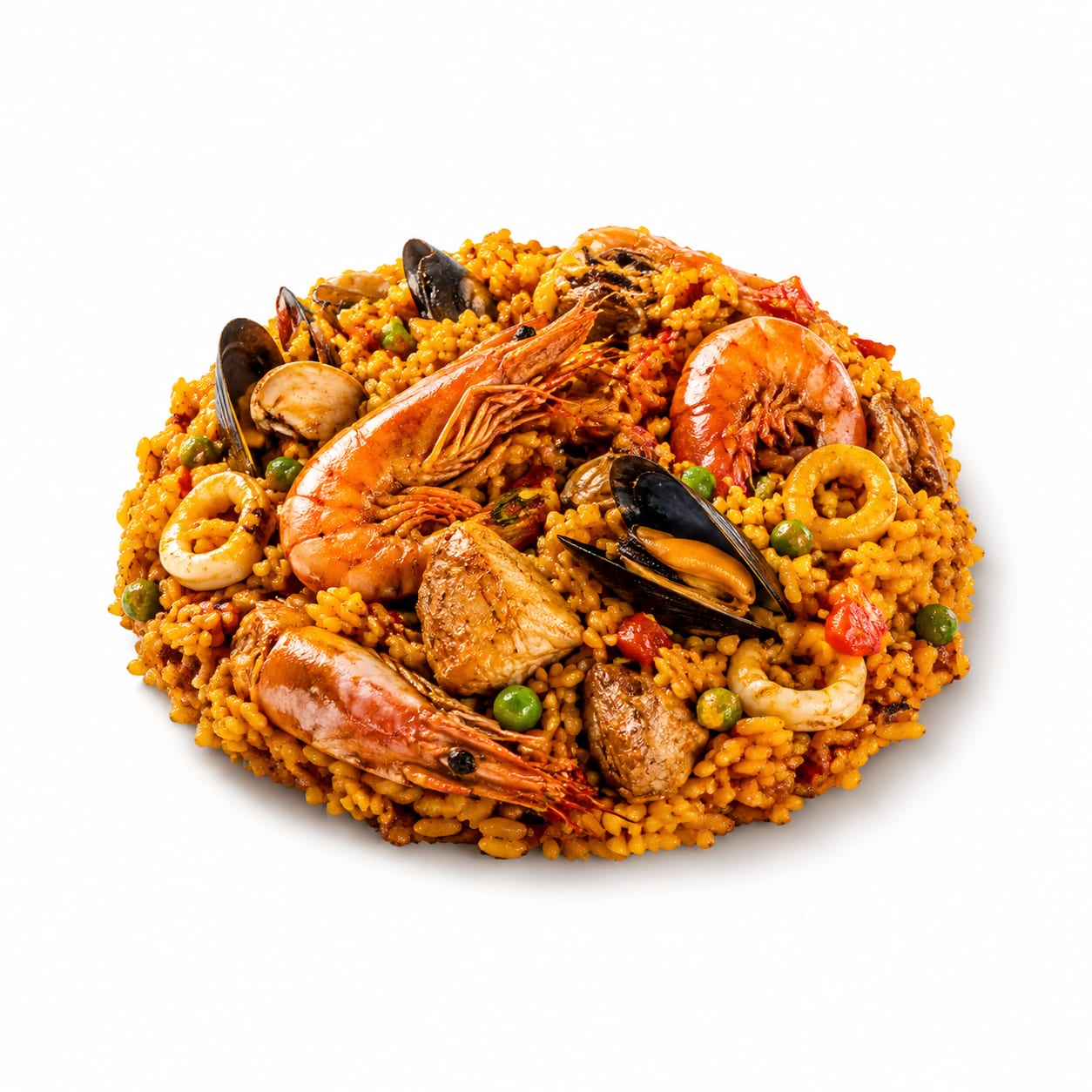
Paella
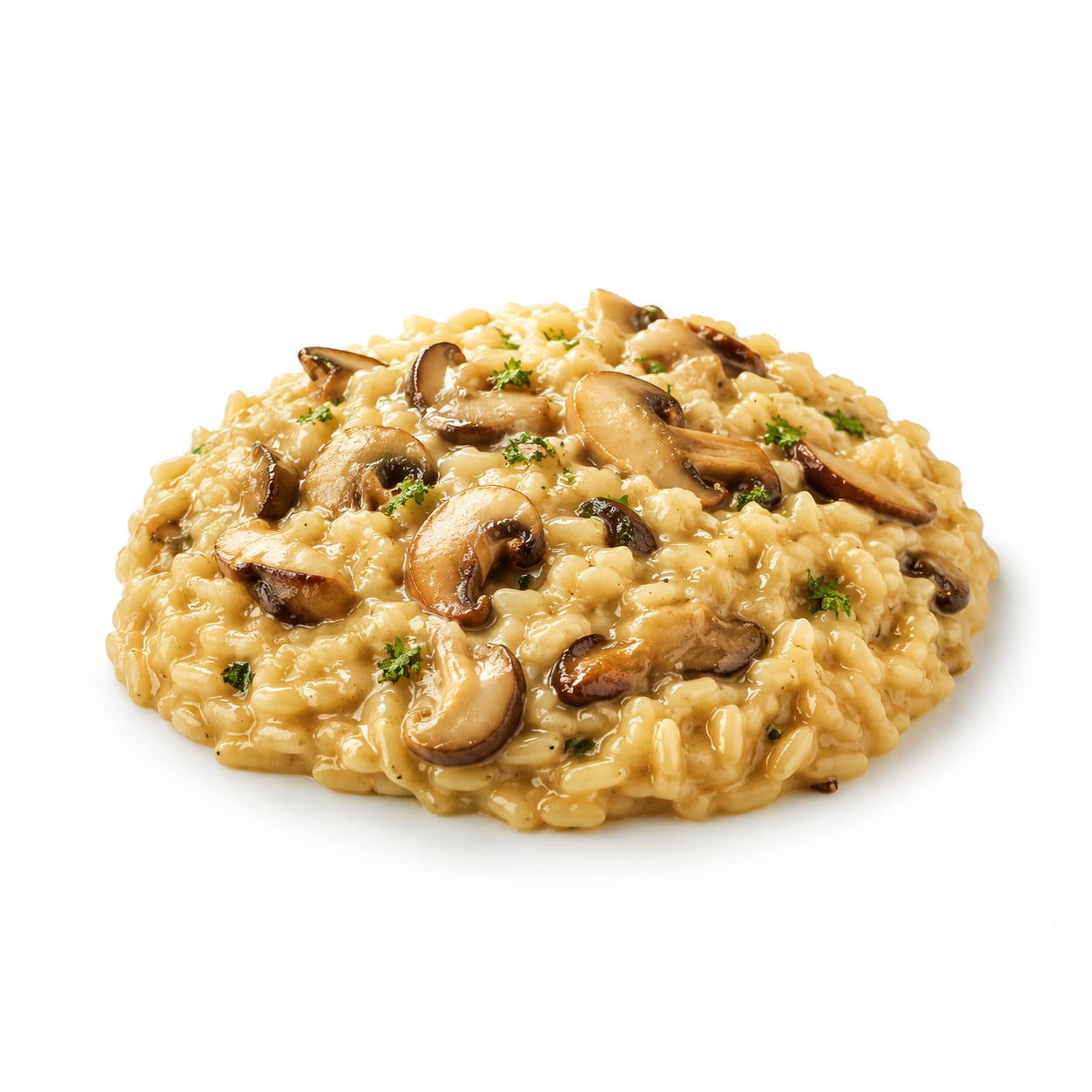
Risotto
Paella delivers broader nutrition with mixed proteins and vegetables, while Risotto offers a richer, creamier comfort experience.
Paella scores higher due to its superior protein diversity and micronutrient profile from seafood and vegetables, whereas Risotto's reliance on butter and cheese lowers its health score despite its comfort appeal.
Nutritional variety and leaner protein in Paella versus the satisfying, indulgent creaminess of Risotto.
At a glance
Executive summary
Overall
Paella
Healthier
Paella
More practical
Risotto
Daily use
Paella
Key comparison lenses
Nutritional completeness and protein diversity
Paella combines seafood, meats, and beans, offering a broad amino acid profile, whereas Risotto is primarily a carbohydrate and dairy dish.
Comfort and satiety experience
Risotto's creamy, starchy texture provides immediate emotional comfort, while Paella offers a more rustic, chewy satisfaction.
Fat quality and calorie density
Risotto relies heavily on butter and cheese for its texture, increasing saturated fat, while Paella uses olive oil and lean proteins.
Best choice for
Paella
- Balanced meals with diverse nutrients
- Post-workout recovery
- Seafood lovers
Risotto
- Comfort food cravings
- Easy weeknight sides
- Cold winter nights
Least suitable for
Paella
- Those strictly watching sodium
- Picky eaters who dislike mixed ingredients
Risotto
- Low-fat diets
- High-protein needs
- Lactose intolerant individuals
Deep comparison
Dimension by dimension
Each lens scores both foods and breaks down who each option suits.
- Dimension 1 · Priority 90Paella
Nutritional Diversity
Paella · 85Risotto · 55Paella packs seafood, meats, and vegetables into one pan, offering a wide spectrum of vitamins and minerals. Risotto relies heavily on rice and dairy.
Tradeoff
You get more micronutrients and protein types in Paella, but Risotto provides a more consistent, predictable macronutrient profile.
Why it matters
Eating a diverse range of proteins and veggies supports immune function and long-term health better than carb-heavy meals.
Real-world impact
A plate of Paella leaves you with balanced energy and fullness; Risotto might leave you hungry again sooner due to lower protein.
Paella
- Getting veggies and protein in one dish
- Covering multiple food groups easily
Better for
- Picky eaters who dislike mixed textures
Worse for
Risotto
- Predictable calorie counting
- Simple digestion
Better for
- Meeting daily protein targets
Worse for
- Dimension 2 · Priority 85Risotto
Comfort and Satiety
Paella · 70Risotto · 90Risotto's creamy, starchy texture is deeply satisfying and comforting, while Paella offers a more rustic, chewy bite.
Tradeoff
Risotto feels like a warm hug but can be heavy on the stomach, whereas Paella is filling but lighter.
Why it matters
Emotional satisfaction from food matters for long-term dietary adherence and stress relief.
Real-world impact
When you need true comfort after a hard day, Risotto hits the spot better than Paella's drier texture.
Paella
- Feeling full without feeling sluggish
- Warm weather meals
Better for
- Seeking a heavy, indulgent meal
Worse for
Risotto
- Emotional comfort eating
- Craving rich, creamy textures
Better for
- Avoiding heavy, rich meals before physical activity
Worse for
- Dimension 3 · Priority 80Paella
Fat and Calorie Profile
Paella · 75Risotto · 55Paella typically uses olive oil and lean seafood, resulting in healthier fats. Risotto relies on butter and parmesan, increasing saturated fat.
Tradeoff
Paella provides heart-healthy fats but less creaminess, while Risotto delivers richness at the cost of higher saturated fat.
Why it matters
High saturated fat intake from dairy can impact heart health over time, whereas olive oil and seafood fats are protective.
Real-world impact
Choosing Paella means less post-meal sluggishness and better long-term heart health compared to the butter-heavy Risotto.
Paella
- Heart-healthy diets
- Keeping calories in check
Better for
- Strict low-carb diets needing high fat
Worse for
Risotto
- Bulking up
- High-energy needs
Better for
- Managing cholesterol levels
Worse for
- Dimension 4 · Priority 65It depends
Sodium and Seasoning
Paella · 60Risotto · 65Both can be high in sodium from broth, but Paella often includes cured meats or salty seafood, while Risotto's salt comes mainly from cheese and broth.
Tradeoff
Paella's sodium comes from diverse savory sources, while Risotto's is purely from broth and cheese.
Why it matters
Sodium intake directly affects blood pressure and bloating.
Real-world impact
Either dish can leave you thirsty if restaurant-made, but homemade versions of both can easily control the salt.
Paella
- Flavor variety without relying solely on salt
Better for
- Seafood and sausage adding hidden sodium
Worse for
Risotto
- Easier to reduce sodium by using low-salt broth and less cheese
Better for
- Cheese making low-sodium versions taste bland
Worse for
Timeline
Health impact over time
Short-term
Hours to days
Paella
- Quick, sustained energy from complex carbs and protein
- Potential mild bloating if sensitive to seafood
Risotto
- Rapid satisfaction and comfort from carbs and fat
- Possible sluggishness after a large portion
Long-term
Months to years
Paella
- Better cardiovascular health from olive oil and seafood omega-3s
- Improved muscle maintenance from diverse proteins
Risotto
- Potential weight gain if eaten frequently due to high calorie density
- Increased cholesterol risk from regular butter and cheese consumption
Risk profile
Safety & processing
Both Paella and Risotto are traditionally made from whole, natural ingredients like rice, vegetables, meats, and dairy. Any processing concerns come from restaurant versions using pre-made broths or flavor enhancers.
Paella
Seafood spoilage
highPaella often contains shellfish and seafood that can cause severe food poisoning if not stored or cooked properly.
Rice storage contamination
mediumLeftover rice can harbor Bacillus cereus if not cooled quickly, a risk for any rice dish but notable in large paella batches.
Risotto
Dairy spoilage
mediumRisotto relies on butter and cheese, which can spoil if left at room temperature, though less dangerously than seafood.
Rice storage contamination
mediumSimilar to Paella, leftover Risotto must be refrigerated promptly to avoid bacterial growth.
Who wins for whom
Audience fit
Same foods, different winners depending on your goal.
children
RisottoRisotto's mild, creamy, and soft texture is usually more appealing and easier to chew for young kids than Paella's mixed textures and flavors.
daily consumption
PaellaPaella offers a more balanced macronutrient profile, making it a more sustainable everyday lunch or dinner option.
diabetes
PaellaPaella's protein and fiber from vegetables slow down carbohydrate absorption, leading to steadier blood sugar than Risotto's refined carbs and fat.
elderly
RisottoThe soft, easy-to-swallow consistency of Risotto is gentler on aging digestive systems and dental issues.
muscle gain
PaellaThe mixed proteins in Paella provide a broader amino acid profile, supporting muscle repair better than the carb-heavy Risotto.
weight loss
PaellaPaella's higher protein content from seafood and meats keeps you fuller longer with fewer calories from fat compared to Risotto.
Your move
Decision guide
Choose Paella
- You want a balanced meal with protein and veggies in one
- You are watching your saturated fat intake
- You crave bold, savory flavors from the sea
Choose Risotto
- You need serious comfort food on a cold day
- You want a creamy, indulgent side dish
- You prefer mild, cheesy flavors
Either works if
- You want a satisfying, restaurant-quality rice dish
- You need a hearty carbohydrate base for your meal
Avoid both if
- You are on a strict low-carb or keto diet
- You are highly sensitive to sodium
Final recommendation
Choose Paella for a nutritionally complete, protein-rich meal that supports long-term health. Opt for Risotto when emotional comfort and creamy indulgence are your top priorities, but keep portions in check.
Practical
Consumer tips
- 1
Ask for Risotto with less butter and cheese to significantly cut down on saturated fat without losing the creamy texture.
- 2
Opt for seafood-heavy Paella to maximize omega-3 intake and keep the meal leaner.
- 3
When making Risotto at home, use low-sodium broth to control the salt content.
- 4
For Paella, ensure the seafood is fresh and properly cooked to avoid foodborne illness.