
Nutrition comparison
Paella vs Jambalaya: Which Rice Dish Is Healthier?
Compare Paella and Jambalaya nutrition, sodium, protein, and health impact. Learn which one-pot meal is better for weight loss, heart health, and everyday eating.
Overall winner · Paella
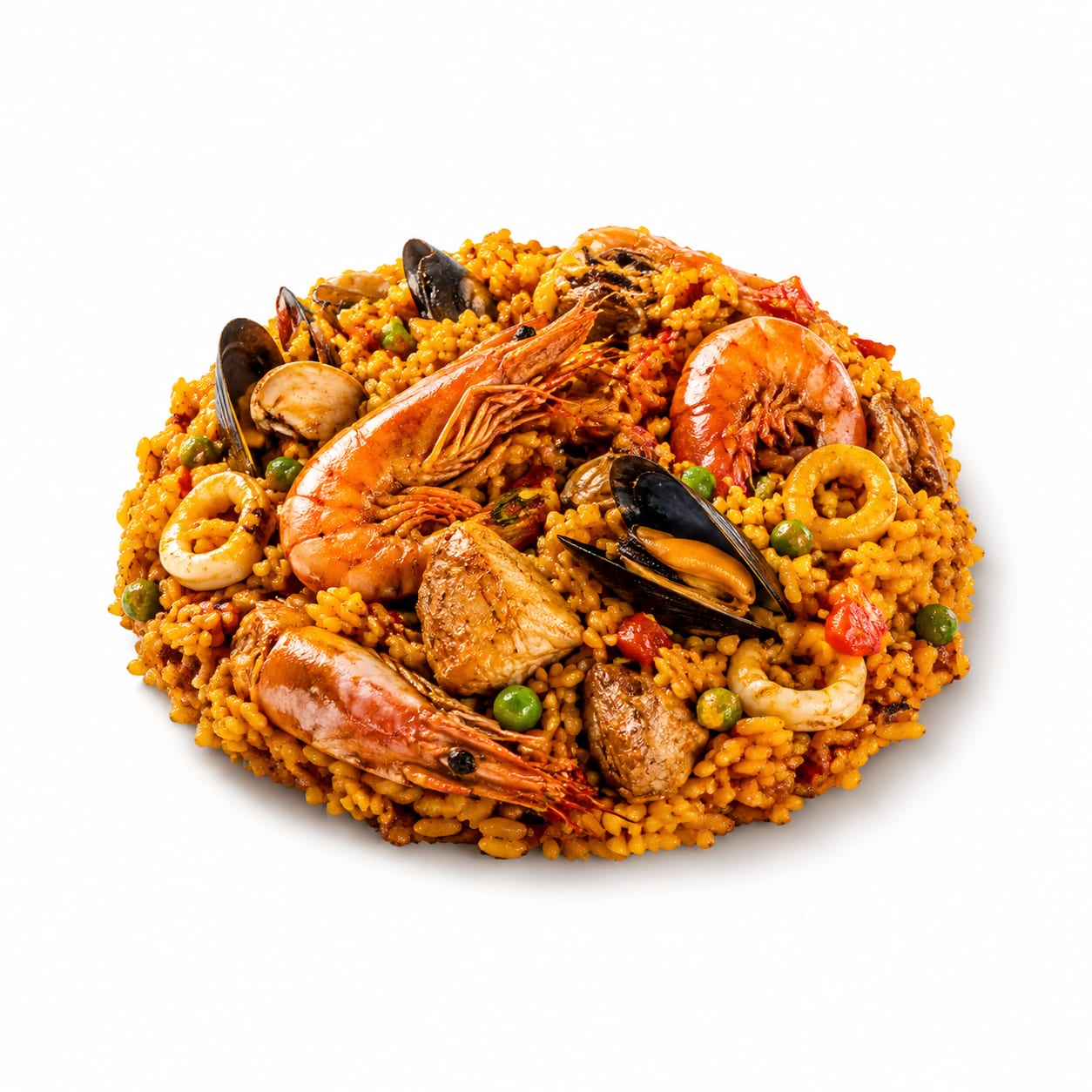
Paella
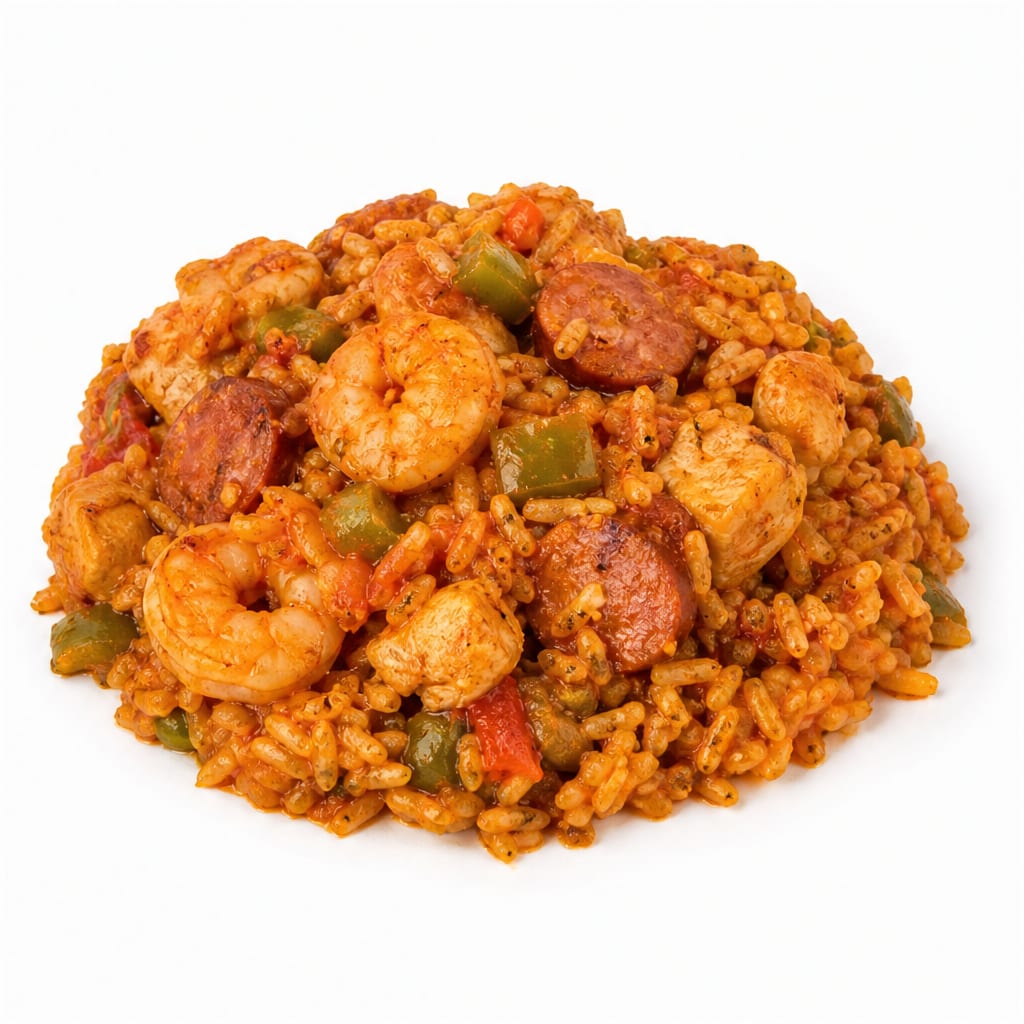
Jambalaya
Paella edges out Jambalaya mainly due to lighter protein choices, less processed meat, and lower sodium — but Jambalaya delivers bolder flavor and more protein per bite.
Paella scores higher due to cleaner protein sources, lower sodium, and Mediterranean-style ingredient profile. Jambalaya loses ground on processed meat content and sodium load, though it wins on protein density and affordability.
Paella gives you cleaner ingredients and a lighter feel; Jambalaya gives you heartier flavor and more protein but at the cost of higher sodium and processed meat.
At a glance
Executive summary
Overall
Paella
Healthier
Paella
More practical
Jambalaya
Daily use
Paella
Key comparison lenses
Healthier rice-based one-pot meal choice
Both are iconic rice dishes with mixed proteins, so users want to know which is nutritionally smarter
Sodium and processed meat awareness
Jambalaya relies heavily on andouille sausage, dramatically increasing sodium and processed meat exposure
Protein quality and variety comparison
Both combine seafood and meat, but the ratios and types differ significantly
Comfort food with less health regret
People choosing between these want something satisfying without feeling heavy afterward
Meal prep and leftovers practicality
Both are large-batch dishes, so reheating quality and next-day safety matter
Best choice for
Paella
- Seafood lovers wanting a lighter one-pot meal
- People watching sodium intake
- Those avoiding processed meats
- Mediterranean diet followers
- Elegant dinner entertaining
Jambalaya
- Those wanting maximum protein per serving
- Spice enthusiasts who love bold Cajun heat
- Budget-conscious cooks feeding a crowd
- Meal preppers needing filling leftovers
- Cold-weather comfort food cravings
Least suitable for
Paella
- People on tight grocery budgets (saffron and seafood are pricey)
- Those who dislike seafood flavors
- Anyone needing high-protein meals in small portions
- Impatient cooks (proper paella takes time and technique)
Jambalaya
- People with hypertension or sodium restrictions
- Anyone avoiding processed meats
- Those sensitive to spicy food
- People prone to heartburn or acid reflux
Deep comparison
Dimension by dimension
Each lens scores both foods and breaks down who each option suits.
- Dimension 1 · Priority 95Paella
Sodium Load
Paella · 62Jambalaya · 32Jambalaya packs significantly more sodium, primarily from andouille sausage and Cajun seasoning blends.
Tradeoff
That bold Cajun flavor comes with a sodium hit that can easily exceed half your daily limit in one serving.
Why it matters
High sodium meals leave you bloated, thirsty, and can spike blood pressure — especially relevant if you eat this as a comfort food regularly.
Real-world impact
After Jambalaya, you might feel puffy the next morning and crave water all day. Paella leaves you feeling lighter and less bloated.
Paella
- Blood pressure management
- Reducing water retention
- Kidney-friendly eating
Better for
- Those who find bland food unsatisfying and overeat later
Worse for
Jambalaya
- Post-sweat rehydration after intense exercise
- Situations where flavor intensity matters more than sodium
Better for
- Hypertension management
- Anyone on a low-sodium protocol
Worse for
- Dimension 2 · Priority 90Paella
Processed Meat Exposure
Paella · 78Jambalaya · 38Jambalaya is built around andouille sausage, a cured smoked meat linked to increased health risks when consumed regularly.
Tradeoff
The smoky depth that makes Jambalaya irresistible comes from processed meat that the WHO classifies as a probable carcinogen with regular consumption.
Why it matters
Regular processed meat intake is associated with colorectal cancer and cardiovascular disease — not from one meal, but from habitual intake.
Real-world impact
Occasional Jambalaya is fine. But if this is your weekly meal prep, that repeated processed meat exposure adds up silently.
Paella
- Long-term health optimization
- Reducing cancer risk factors
- Cleaner eating patterns
Better for
- Missing the smoky umami depth that only cured sausage provides
Worse for
Jambalaya
- Situations where flavor tradition matters more than occasional risk
Better for
- Regular meal rotation
- Anyone with family history of colorectal cancer
Worse for
- Dimension 3 · Priority 82Jambalaya
Protein Density and Quality
Paella · 65Jambalaya · 78Jambalaya typically delivers more total protein per serving thanks to generous sausage and chicken portions alongside shrimp.
Tradeoff
More protein, but a larger share comes from processed sausage rather than lean seafood — quantity over quality.
Why it matters
If you need high protein for muscle maintenance or satiety, Jambalaya gets you there faster, but the protein sources are less clean.
Real-world impact
After Jambalaya, you stay full longer. After Paella, you might be hungry again sooner unless you load up on the seafood portions.
Paella
- Higher proportion of omega-3-rich seafood protein
- Leaner protein profile overall
Better for
- Smaller eaters who need concentrated protein in limited portions
Worse for
Jambalaya
- Athletes needing higher total protein
- Anyone trying to stay full for 5+ hours
Better for
- Those prioritizing protein quality over quantity
Worse for
- Dimension 4 · Priority 78Jambalaya
Satiety and Fullness
Paella · 66Jambalaya · 80Jambalaya is denser and more filling per serving due to higher fat content from sausage and heavier seasoning.
Tradeoff
That satisfying fullness comes with a heavier digestive load and potential sluggishness afterward.
Why it matters
If you need one meal to carry you through a long afternoon, Jambalaya wins. But if you want energy after eating, Paella feels lighter.
Real-world impact
Jambalaya is the better post-hike meal. Paella is the better pre-evening-out meal where you want to feel satisfied but not stuffed.
Paella
- Eating before social events where you want to feel light
- Summer meals when heavy food feels oppressive
Better for
- Situations where you need one meal to last 6+ hours
Worse for
Jambalaya
- Recovery after physically demanding days
- Cold weather meals where heaviness feels comforting
Better for
- Midday meals before you need to be productive
Worse for
- Dimension 5 · Priority 76Paella
Anti-Inflammatory Profile
Paella · 75Jambalaya · 48Paella features saffron, olive oil, and a higher seafood ratio — all strongly anti-inflammatory. Jambalaya's processed sausage pushes the other direction.
Tradeoff
Paella's ingredients actively fight inflammation while Jambalaya's smoked sausage and heavy seasoning can promote it.
Why it matters
Chronic inflammation drives joint pain, fatigue, and disease risk. Food choices compound over time more than people realize.
Real-world impact
Regular Paella eaters may notice less stiffness and better recovery. Regular Jambalaya eaters might feel more achy or sluggish over time.
Paella
- Anyone with inflammatory conditions like arthritis
- Older adults concerned about chronic inflammation
Better for
- Those who do not notice subtle inflammatory differences
Worse for
Jambalaya
- Healthy young adults eating it occasionally
Better for
- People with autoimmune conditions
- Those already eating high-inflammatory diets
Worse for
- Dimension 6 · Priority 72Jambalaya
Affordability and Accessibility
Paella · 40Jambalaya · 78Authentic Paella requires saffron and quality seafood, making it genuinely expensive. Jambalaya uses affordable sausage, rice, and seasonings.
Tradeoff
Paella's premium ingredients deliver nuance and health benefits, but the cost makes it a special-occasion dish for most people.
Why it matters
The healthiest meal only matters if you can afford to make it. Jambalaya is realistically more accessible for weekly cooking.
Real-world impact
A proper Paella can cost $40-60 for a family batch. Jambalaya can feed the same crowd for $15-25.
Paella
- Special occasions where investment is justified
- Those who can afford premium ingredients regularly
Better for
- Anyone cooking on a budget
Worse for
Jambalaya
- Weekly meal prep budgets
- Feeding large groups affordably
- College students and young families
Better for
- Those willing to invest more for cleaner ingredients
Worse for
- Dimension 7 · Priority 70Paella
Digestive Comfort
Paella · 74Jambalaya · 52Paella is gentler on digestion — lighter fats, less spice, and simpler seasoning. Jambalaya's heat and smoked sausage can irritate sensitive stomachs.
Tradeoff
If you love spicy food, Jambalaya's kick is part of the appeal. But your digestive system may not agree, especially at night.
Why it matters
Spicy, fatty, cured-meat-heavy meals are a common trigger for heartburn, reflux, and poor sleep quality.
Real-world impact
Paella for dinner lets you sleep comfortably. Jambalaya for dinner might have you reaching for antacids at midnight.
Paella
- Evening meals
- People with GERD or acid reflux
- Sensitive digestion
Better for
- People who find mild food unsatisfying
Worse for
Jambalaya
- Those with iron stomachs who enjoy heat
- Lunch rather than dinner
Better for
- Late-night eating
- Anyone prone to heartburn
Worse for
Timeline
Health impact over time
Short-term
Hours to days
Paella
- Steady energy from balanced carbs and lean protein
- Light, satisfied feeling without heaviness
- Mild anti-inflammatory benefit from saffron and olive oil
- Lower thirst and bloating compared to saltier meals
Jambalaya
- Strong satiety from higher fat and protein content
- Possible bloating from high sodium intake
- Potential heartburn from spice and smoked sausage
- Warmth and comfort from bold seasoning
Long-term
Months to years
Paella
- Better cardiovascular markers from Mediterranean-style fats
- Lower cumulative sodium exposure
- Anti-inflammatory benefits from regular saffron and seafood consumption
- More sustainable as an occasional regular meal
Jambalaya
- Higher processed meat exposure increases long-term disease risk if eaten frequently
- Sodium load contributes to blood pressure concerns over time
- Spice compounds may have some metabolic benefits
- Risk of habitual comfort eating due to hyper-palatable flavor profile
Risk profile
Safety & processing
Paella uses whole, recognizable ingredients — rice, seafood, vegetables, saffron, olive oil. Jambalaya relies on andouille sausage, which contains sodium nitrite, smoke flavoring, and preservatives. The processing gap is significant and the main reason Paella scores higher for health-conscious eaters.
Paella
Seafood spoilage and undercooking
mediumMussels, clams, and shrimp in Paella must be fresh and thoroughly cooked. Improperly stored or undercooked shellfish can cause serious foodborne illness.
Saffron adulteration
lowCheap saffron may be cut with inferior ingredients. Buy from reputable sources to avoid contaminated or fake product.
Rice leftover safety
mediumLeftover rice dishes carry Bacillus cereus risk if not cooled and stored properly. Refrigerate within 2 hours and reheat thoroughly.
Jambalaya
Processed meat contamination
mediumAndouille sausage, like all processed meats, carries slightly higher risk of bacterial contamination during production. Source quality sausage from trusted butchers.
Sodium nitrite exposure
mediumMost andouille contains sodium nitrite as a preservative and color fixative. While safe in occasional amounts, regular intake is a health concern.
Rice leftover safety
mediumSame Bacillus cereus risk as Paella. Cool quickly, store properly, and reheat to steaming temperature.
Who wins for whom
Audience fit
Same foods, different winners depending on your goal.
children
PaellaMilder flavor, no processed meat, and lower sodium make Paella more appropriate for developing palates and smaller bodies.
daily consumption
PaellaNeither should be eaten daily due to rice carb load, but Paella is far more sustainable as a regular option due to cleaner ingredients.
diabetes
PaellaPaella's lower sodium and lack of processed meat make it gentler on cardiovascular health, which is critical for diabetes management. Both have similar carb loads from rice.
elderly
PaellaLower sodium, easier digestion, and anti-inflammatory ingredients make Paella significantly better for aging bodies with common health concerns.
muscle gain
JambalayaJambalaya delivers more total protein per serving from its generous sausage and chicken content, supporting muscle protein synthesis better.
weight loss
PaellaPaella is lighter per serving with less calorie-dense sausage, making portion control easier and total intake lower.
Your move
Decision guide
Choose Paella
- You want a lighter meal that will not leave you bloated
- Sodium intake is a health concern for you
- You prefer seafood-forward dishes with subtle, elegant flavors
- You are cooking for someone with digestive sensitivity
- You want anti-inflammatory benefits from saffron and olive oil
- You are willing to spend more for cleaner ingredients
Choose Jambalaya
- You need maximum protein and satiety from one plate
- Bold, spicy comfort food is what you are craving
- You are feeding a crowd on a budget
- It is cold out and you want something hearty and warming
- You have no sodium restrictions and love Cajun flavor
- You are meal-prepping for physically demanding days
Either works if
- You just want a satisfying rice-based one-pot meal
- You are comfortable with the carb load from rice
- You are eating it as an occasional treat rather than a staple
Avoid both if
- You are on a strict low-carb or keto diet
- You have severe rice or shellfish allergies
- You need very low sodium meals for kidney disease
- You are sensitive to nightshades (both often contain peppers and tomatoes)
Final recommendation
Choose Paella when health and lightness matter most. Choose Jambalaya when flavor intensity, protein, and budget are your priorities. For regular rotation, Paella is the smarter default. For occasional comfort, Jambalaya earns its place — just not every week.
Practical
Consumer tips
- 1
Make Jambalaya healthier by using chicken sausage instead of andouille — you keep the smoky flavor with less sodium and no nitrites
- 2
Boost Paella's protein by adding extra shrimp or mussels rather than relying on larger rice portions
- 3
For either dish, use brown rice or a rice-cauliflower blend to lower the glycemic impact significantly
- 4
Always cool leftover rice dishes within 2 hours and reheat to 165°F to avoid Bacillus cereus food poisoning
- 5
If making Jambalaya, rinse canned beans before adding to reduce sodium by up to 40%
- 6
Buy saffron from trusted sources — cheap saffron is often adulterated with unsafe colorants
- 7
Make a quick Paella-inspired bowl with pre-cooked rice and frozen seafood for a weeknight shortcut with similar health benefits
- 8
Drink extra water after Jambalaya to help flush the sodium and reduce next-day bloating