
Nutrition comparison
Paella vs Quinoa Bowl: Which is Healthier?
Compare Paella vs Quinoa Bowl for nutrition, blood sugar impact, and weight loss. Find out which dish is better for daily meals and steady energy.
Overall winner · Quinoa Bowl
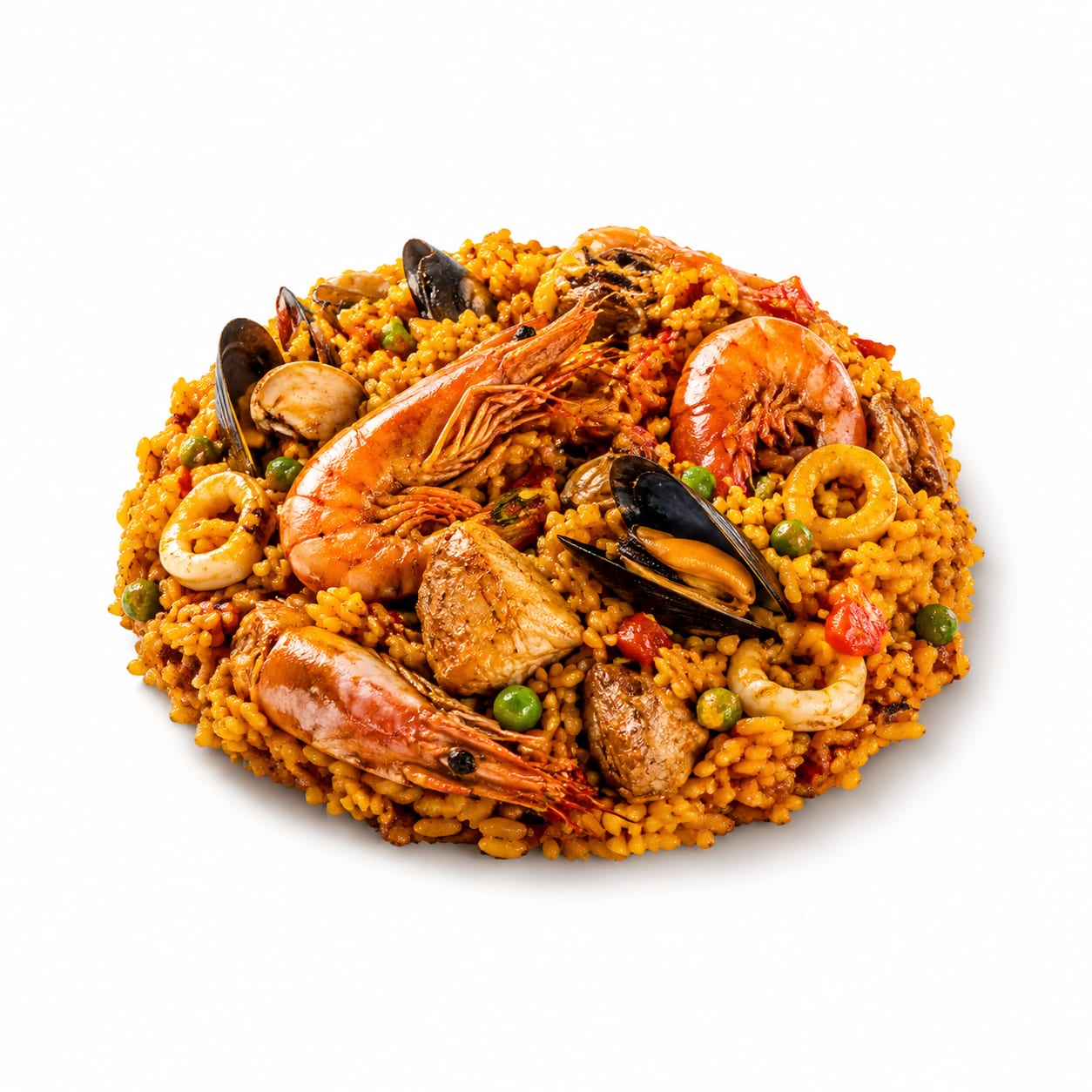
Paella
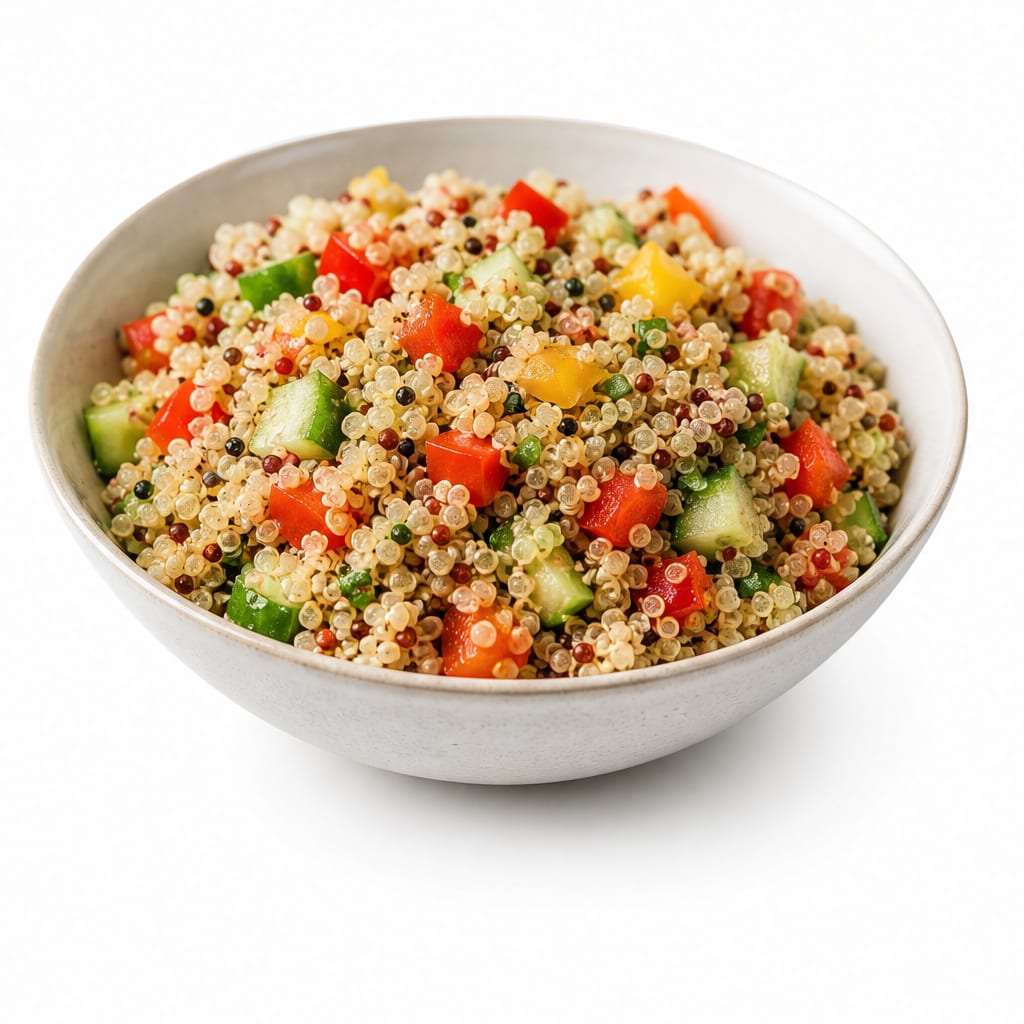
Quinoa Bowl
A Quinoa Bowl wins for daily nutrition and steady energy, while Paella is a flavorful indulgence best enjoyed occasionally.
Quinoa Bowl scores significantly higher due to its superior fiber content, blood sugar stability, and everyday practicality. Paella loses points for sodium density and refined carbs, though it excels in flavor and cultural satisfaction.
You trade the rich, savory celebration of a Paella for the clean, sustained fuel and lighter feel of a Quinoa Bowl.
At a glance
Executive summary
Overall
Quinoa Bowl
Healthier
Quinoa Bowl
More practical
Quinoa Bowl
Daily use
Quinoa Bowl
Key comparison lenses
Carbohydrate quality and blood sugar impact
Paella uses white rice which can spike blood sugar, while a Quinoa Bowl offers complex carbs that provide steadier energy.
Sodium and heart health
Paella often contains chorizo, broth, and seafood which drive up sodium, whereas Quinoa Bowls typically use fresh vegetables and lighter dressings.
Everyday practicality and meal prep
Paella is a time-consuming celebratory dish, while a Quinoa Bowl is a quick, customizable staple for weekly meal prep.
Best choice for
Paella
- Celebratory dinners
- Savoring traditional Spanish cuisine
- Those needing high caloric intake
Quinoa Bowl
- Weekday meal prep
- Managing blood sugar
- Post-workout recovery
Least suitable for
Paella
- Daily consumption
- Low-sodium diets
- Those avoiding refined carbs
Quinoa Bowl
- Authentic cultural dining experiences
- Those who find quinoa's earthy flavor unappealing
Deep comparison
Dimension by dimension
Each lens scores both foods and breaks down who each option suits.
- Dimension 1 · Priority 95Quinoa Bowl
Blood Sugar Stability
Paella · 55Quinoa Bowl · 90Quinoa provides complex, high-fiber carbohydrates that digest slowly, preventing energy crashes. Paella's white rice absorbs flavors well but digests quickly.
Tradeoff
Choosing Paella means accepting a quicker blood sugar rise and potential afternoon slump for the sake of traditional texture and taste.
Why it matters
Steady blood sugar means fewer cravings and more consistent energy throughout the day.
Real-world impact
After a Quinoa Bowl, you will likely feel light and energized. After Paella, you might feel the need for a nap.
Paella
- Quick pre-workout energy if eaten in a small portion
Better for
- Sustained focus during long work sessions
Worse for
Quinoa Bowl
- Avoiding the mid-afternoon energy crash
- Managing insulin resistance
Better for
- Situations where you need rapidly available glucose
Worse for
- Dimension 2 · Priority 85Quinoa Bowl
Sodium and Heart Health
Paella · 45Quinoa Bowl · 85Paella relies on salty ingredients like chorizo, seafood broth, and olives. A Quinoa Bowl is naturally low in sodium unless heavily dressed.
Tradeoff
The deeply savory flavor of Paella comes at the cost of high sodium intake, which can impact blood pressure over time.
Why it matters
High sodium meals can cause bloating and raise blood pressure, making you feel heavy and sluggish.
Real-world impact
Eating Paella might leave you feeling thirsty and bloated, whereas a Quinoa Bowl feels hydrating and light.
Paella
- Replenishing sodium after intense sweating or endurance exercise
Better for
- Those with hypertension
- People watching their salt intake
Worse for
Quinoa Bowl
- Keeping blood pressure in check
- Reducing morning bloating
Better for
- Endurance athletes needing electrolyte replenishment
Worse for
- Dimension 3 · Priority 80Paella
Protein Quality and Satiety
Paella · 85Quinoa Bowl · 75Paella offers a robust mix of seafood, chicken, and pork, providing highly bioavailable protein. Quinoa is a rare complete plant protein, but bowls often need beans or added meat to match the protein density of Paella.
Tradeoff
Paella delivers high-quality animal protein that keeps you full, but it comes with saturated fat from chorizo. Quinoa Bowl protein is leaner but less concentrated.
Why it matters
Adequate protein is essential for staying full between meals and maintaining muscle mass.
Real-world impact
Paella will likely keep you full for hours due to its dense protein and fat content. A Quinoa Bowl might require a larger portion or added protein to achieve the same fullness.
Paella
- Maximizing muscle-building amino acids
- Staying full for extended periods
Better for
- Those watching saturated fat intake
Worse for
Quinoa Bowl
- Leaner protein sources
- Avoiding saturated fat from processed meats
Better for
- Those needing high protein density in a small portion
Worse for
- Dimension 4 · Priority 75Quinoa Bowl
Everyday Practicality
Paella · 40Quinoa Bowl · 95Quinoa Bowls are meal-prep champions that can be thrown together in 20 minutes. Paella is a labor of love that takes time, skill, and multiple pots.
Tradeoff
You sacrifice the culinary artistry and socarrat of Paella for the grab-and-go convenience of a Quinoa Bowl.
Why it matters
The easier a healthy meal is to make, the more likely you are to eat it consistently.
Real-world impact
You can meal-prep Quinoa Bowls for the whole week on Sunday. Paella is typically a weekend project or restaurant treat.
Paella
- Weekend dinner parties
- Cooking as a leisure activity
Better for
- Quick weeknight meals after a long day
Worse for
Quinoa Bowl
- Busy weeknight dinners
- Batch cooking for the workweek
Better for
- Impressing guests with elaborate culinary techniques
Worse for
Timeline
Health impact over time
Short-term
Hours to days
Paella
- Quick energy from white rice
- High satiety from protein and fat
- Potential bloating from sodium
Quinoa Bowl
- Steady energy without a crash
- Easy digestion
- Light, non-sluggish feeling
Long-term
Months to years
Paella
- Potential cardiovascular strain if eaten frequently due to sodium and saturated fat
- Blood sugar volatility
Quinoa Bowl
- Improved metabolic health from fiber
- Better weight management
- Stable blood sugar
Risk profile
Safety & processing
Paella often incorporates processed meats like chorizo and commercial broths, introducing additives. Quinoa Bowls typically center on whole, unprocessed ingredients.
Paella
Seafood spoilage
mediumPaella often contains shellfish and seafood that can cause food poisoning if not kept at safe temperatures.
Processed meat nitrates
mediumChorizo contains nitrates and nitrites which have been linked to increased cancer risk when consumed regularly.
Quinoa Bowl
Saponin sensitivity
lowUnrinsed quinoa contains saponins that can cause stomach upset or a bitter taste, easily avoided by rinsing.
Who wins for whom
Audience fit
Same foods, different winners depending on your goal.
children
It dependsKids might prefer the familiar, savory flavors of Paella, but Quinoa Bowls offer better daily nutrition if the toppings are kid-friendly.
daily consumption
Quinoa BowlThe lower sodium, higher fiber, and easier preparation make Quinoa Bowls a sustainable daily staple.
diabetes
Quinoa BowlThe complex carbohydrates and high fiber in quinoa prevent rapid blood sugar spikes, unlike the white rice in Paella.
elderly
Quinoa BowlQuinoa Bowls are easier to digest, lower in sodium, and better for cardiovascular health, which is crucial for older adults.
muscle gain
PaellaPaella provides a dense mix of high-quality animal proteins necessary for muscle repair, though the fat content requires accounting for extra calories.
weight loss
Quinoa BowlQuinoa Bowls are lower in calorie density and higher in fiber, making portion control easier and keeping you full on fewer calories.
Your move
Decision guide
Choose Paella
- You are hosting a dinner party and want to impress
- You are craving a rich, traditional, celebratory meal
- You need a high-calorie, protein-dense meal after heavy exertion
Choose Quinoa Bowl
- You are meal-prepping for a busy workweek
- You want steady energy without feeling sluggish
- You are watching your sodium or blood sugar
Either works if
- You want a balanced, protein-forward lunch
- You are dining out and both options look appealing
Avoid both if
- You have a severe seafood allergy and a quinoa intolerance
Final recommendation
Make Quinoa Bowls your everyday workhorse for health and convenience, and save Paella for joyful, occasional celebrations where the experience matters more than the macros.
Practical
Consumer tips
- 1
Rinse quinoa thoroughly before cooking to remove bitter saponins and improve digestibility.
- 2
If making Paella at home, use low-sodium broth and swap chorizo for a leaner protein to make it healthier.
- 3
Build your Quinoa Bowl with a healthy fat like avocado and a lean protein to ensure it keeps you full.
- 4
When ordering Paella at a restaurant, be mindful of portion sizes as the savory flavor can mask how much you have eaten.