
Nutrition comparison
Paella vs Biryani: Which Rice Dish Is Healthier for You?
Compare Paella and Biryani nutrition: heart-healthy olive oil vs anti-inflammatory spices, blood sugar impact, calorie density, and which dish fits your health goals better.
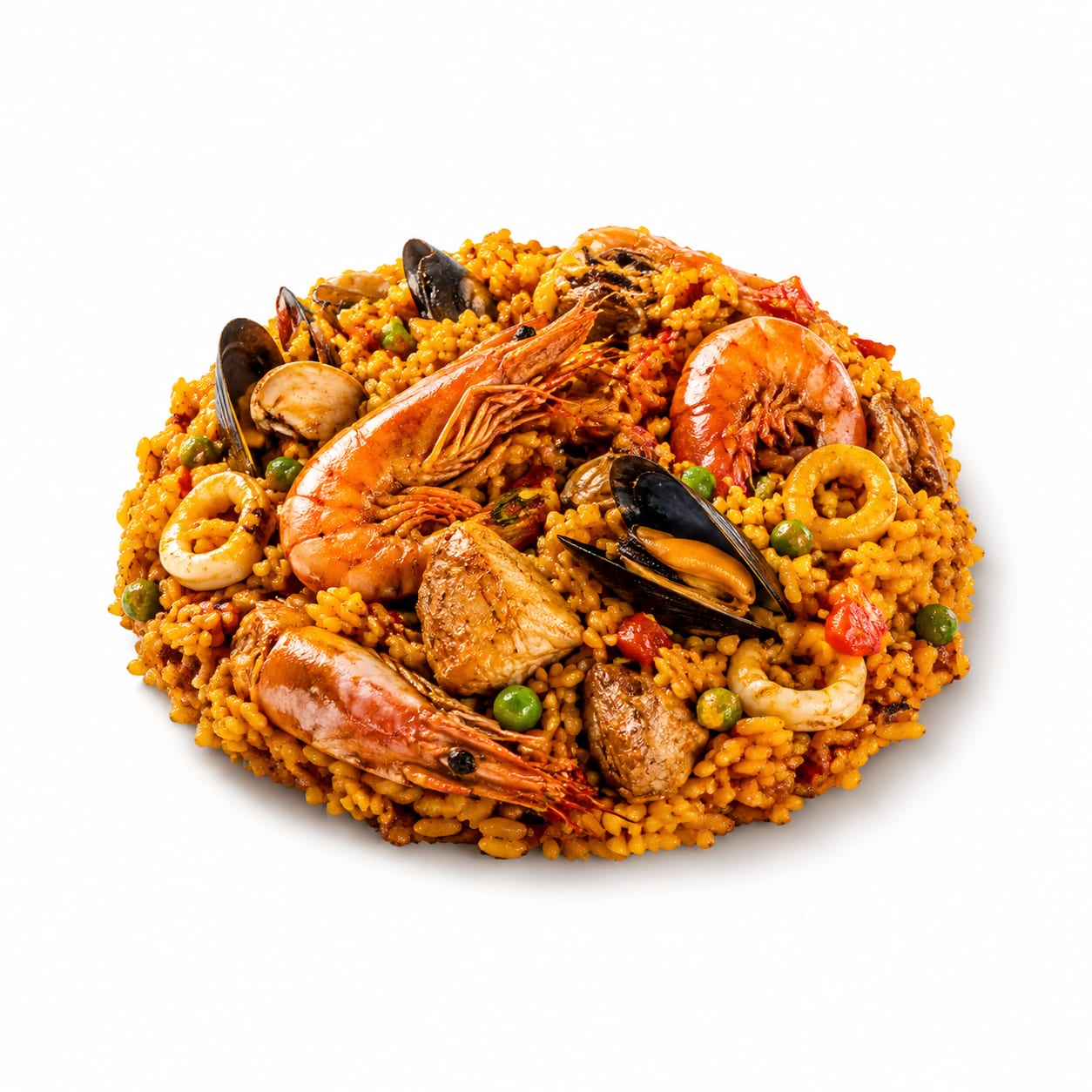
Paella
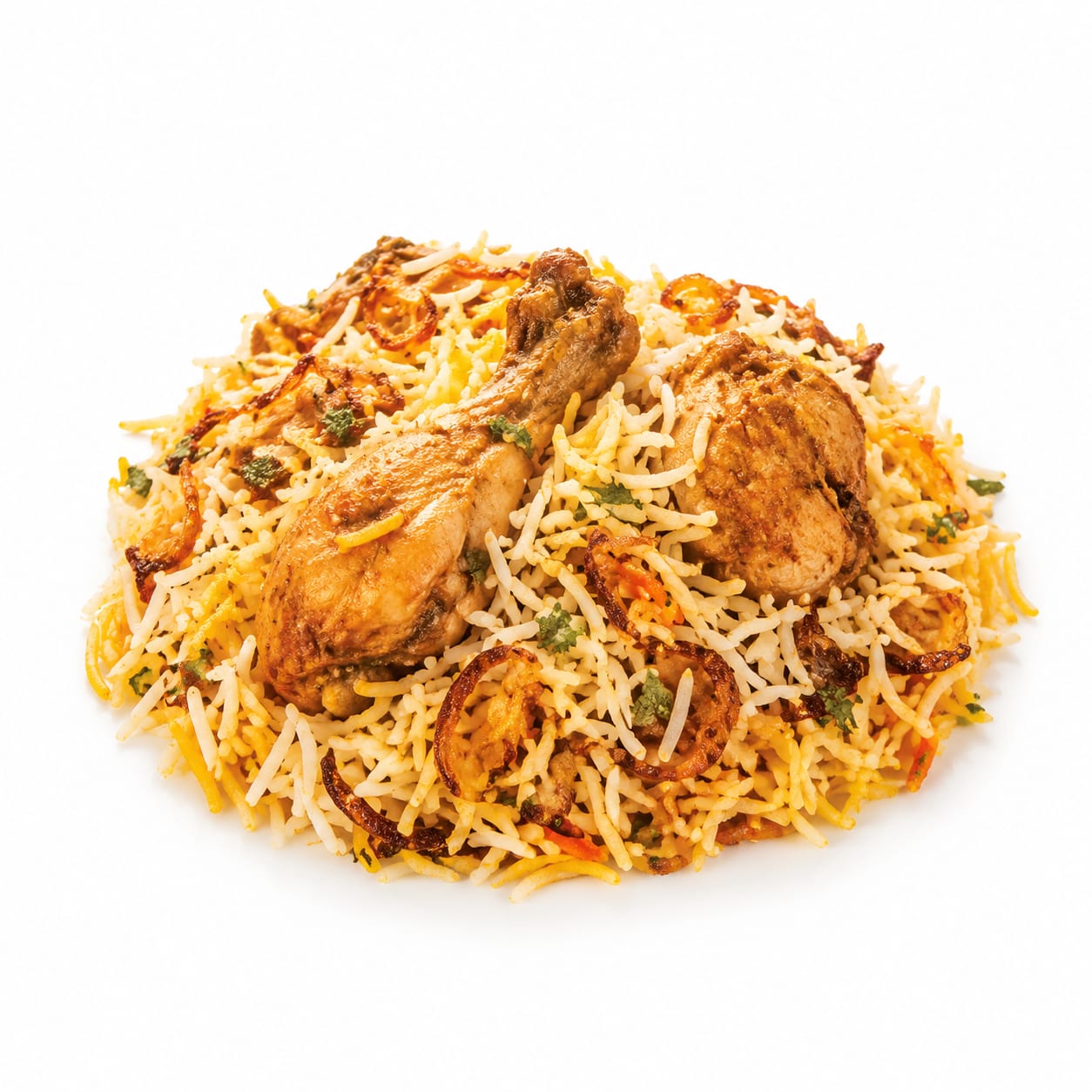
Biryani
Paella wins for heart health and lighter eating; Biryani wins for blood sugar control and anti-inflammatory benefits. Your priority determines the winner.
Paella scores slightly higher due to its heart-healthier fat profile and lighter calorie load, but Biryani's superior blood sugar stability and anti-inflammatory spices keep it competitive. The narrow gap reflects how context-dependent this comparison truly is.
Olive oil and seafood give Paella a heart-health edge, while basmati rice and turmeric-rich spices give Biryani the advantage for blood sugar stability and inflammation reduction.
At a glance
Executive summary
Overall
It depends
Healthier
It depends
More practical
Biryani
Daily use
Paella
Key comparison lenses
heart health fat profile
Olive oil in Paella versus ghee in Biryani creates a meaningful cardiovascular tradeoff that matters for long-term health decisions
blood sugar carbohydrate quality
Basmati rice in Biryani has a lower glycemic index than the short-grain rice in Paella, directly affecting energy stability
anti inflammatory spice density
Biryani's turmeric, cardamom, and clove blend offers stronger anti-inflammatory potential than Paella's saffron-forward profile
calorie density weight management
Ghee-laden Biryani is typically more calorie-dense than olive oil-based Paella, impacting portion control and weight goals
protein quality omega balance
Seafood Paella provides omega-3s while meat Biryani offers higher total protein, creating distinct nutritional advantages
digestive comfort tolerance
Heavy spice and ghee in Biryani can challenge sensitive stomachs while Paella tends to be gentler on digestion
Best choice for
Paella
- People prioritizing heart health and cardiovascular protection
- Those seeking a lighter, less heavy meal experience
- Anyone watching saturated fat intake
- Seafood lovers wanting omega-3 benefits
- People with sensitive digestion who struggle with heavy spices
Biryani
- People managing blood sugar or insulin resistance
- Those seeking anti-inflammatory dietary patterns
- Anyone needing a more filling, protein-dense meal
- People who find turmeric and spice blends therapeutic
- Athletes or active individuals needing sustained energy
Least suitable for
Paella
- People with shellfish or seafood allergies
- Those monitoring sodium closely due to broth and seafood
- Anyone seeking strong anti-inflammatory spice benefits
- People who find saffron-flavored dishes unappealing
Biryani
- People with dairy sensitivity or lactose intolerance from ghee
- Those on low-calorie or weight loss plans needing lighter meals
- Anyone with acid reflux aggravated by heavy spices
- People watching saturated fat intake strictly
Deep comparison
Dimension by dimension
Each lens scores both foods and breaks down who each option suits.
- Dimension 1 · Priority 92Paella
Heart Health and Fat Profile
Paella · 82Biryani · 58Paella's olive oil base provides monounsaturated fats that actively support cardiovascular health, while Biryani's ghee contributes significant saturated fat.
Tradeoff
You gain heart-protective fats with Paella but lose the rich, satisfying mouthfeel that ghee provides in Biryani.
Why it matters
Consistent saturated fat intake from ghee raises LDL cholesterol over time, whereas olive oil monounsaturated fats are linked to lower heart disease risk.
Real-world impact
Choosing Paella regularly means less concern about cholesterol numbers at your annual checkup. Biryani lovers should balance with lighter meals elsewhere in the week.
Paella
- Cardiovascular protection
- Lower LDL cholesterol impact
- Mediterranean diet alignment
Better for
- Less satisfying fat mouthfeel for some eaters
Worse for
Biryani
- Richer flavor satisfaction
- Traditional fat-soluble vitamin absorption from ghee
Better for
- Higher saturated fat load per serving
- Potential LDL cholesterol increase with frequent consumption
Worse for
- Dimension 2 · Priority 88Biryani
Blood Sugar Stability
Paella · 55Biryani · 78Basmati rice in Biryani has a meaningfully lower glycemic index than the short-grain rice used in Paella, leading to steadier blood sugar after eating.
Tradeoff
Biryani keeps your energy more stable but takes longer to prepare with its layered dum cooking method.
Why it matters
Short-grain rice digests quickly, causing sharper blood sugar spikes and crashes that leave you hungry again sooner.
Real-world impact
After Biryani, you are less likely to hit that 3 PM energy slump. After Paella, you may reach for a snack sooner than expected.
Paella
- Quick energy replenishment after intense exercise
Better for
- Faster blood sugar spike
- Earlier return of hunger
Worse for
Biryani
- Sustained energy for hours
- Better insulin response
- Reduced cravings between meals
- More suitable for prediabetes management
Better for
- Slower post-workout glycogen replenishment for athletes
Worse for
- Dimension 3 · Priority 85Biryani
Anti-Inflammatory Potential
Paella · 52Biryani · 84Biryani's spice blend featuring turmeric, cardamom, cloves, and cinnamon delivers potent anti-inflammatory compounds that Paella's saffron-only profile cannot match.
Tradeoff
You get stronger therapeutic spice benefits from Biryani but may experience digestive discomfort if your stomach is sensitive to heavy seasoning.
Why it matters
Chronic inflammation drives aging, joint pain, and disease. Turmeric's curcumin is one of the most studied natural anti-inflammatory compounds available.
Real-world impact
Regular Biryani eaters may notice less joint stiffness and better recovery after physical activity. Paella offers some benefit from saffron but at a much lower potency.
Paella
- Milder flavor for sensitive palates
- Lower risk of spice-related heartburn
Better for
- Minimal anti-inflammatory spice contribution
- Saffron benefits are real but modest compared to Biryani's blend
Worse for
Biryani
- Curcumin from turmeric for joint and cellular health
- Cardamom for digestive anti-inflammatory support
- Cinnamon for blood sugar and inflammation dual benefit
- Cloves for antioxidant density
Better for
- Spice intensity can trigger reflux in susceptible individuals
Worse for
- Dimension 4 · Priority 80Paella
Calorie Density and Portion Control
Paella · 72Biryani · 56Paella is typically lighter per serving due to olive oil replacing ghee and a higher vegetable-to-rice ratio, making it easier to manage portions.
Tradeoff
Paella's lighter calorie load means you may feel less full per serving, while Biryani's density provides stronger satiety but at a higher caloric cost.
Why it matters
Calorie density drives overeating more than willpower. Dense foods like ghee-rich Biryani make it easy to consume more than intended before feeling full.
Real-world impact
A plate of Paella typically runs 450-600 calories while a comparable Biryani serving can easily reach 600-800 calories. That difference compounds over weekly meals.
Paella
- Easier portion control
- Lower calorie per bite
- Better fit for calorie-tracking diets
Better for
- May require a side dish to feel fully satisfied
Worse for
Biryani
- Higher satiety per meal
- Less likely to feel hungry shortly after eating
Better for
- Easy to overconsume calories without realizing
- Ghee calories add up quickly per serving
Worse for
- Dimension 5 · Priority 78It depends
Protein Quality and Omega Balance
Paella · 75Biryani · 72Seafood Paella delivers omega-3 fatty acids that Biryani lacks, but meat-based Biryani often provides more total protein per serving.
Tradeoff
You choose between omega-3 richness in Paella and higher protein quantity in Biryani, depending on your nutritional priority.
Why it matters
Omega-3s support brain and heart health, while total protein matters more for muscle maintenance and satiety signals.
Real-world impact
If you eat fish rarely, Paella is a valuable omega-3 source. If you struggle to hit protein targets, Biryani helps close that gap more effectively.
Paella
- Omega-3 DHA and EPA from seafood
- Complete protein with aquatic amino acid profile
- Contribution to brain and eye health
Better for
- Protein quantity often lower than meat-heavy Biryani
- Omega-3 benefit disappears in non-seafood versions
Worse for
Biryani
- Higher total protein per typical serving
- Yogurt marinade adds casein protein for sustained amino acid delivery
- Better for muscle repair and growth goals
Better for
- No meaningful omega-3 content unless fish Biryani variant
- Red meat versions carry higher saturated fat alongside protein
Worse for
- Dimension 6 · Priority 72Paella
Digestive Comfort and Tolerance
Paella · 76Biryani · 58Paella's milder seasoning and olive oil base are gentler on the digestive tract, while Biryani's heavy spice and ghee can trigger discomfort in sensitive individuals.
Tradeoff
Easier digestion with Paella comes at the cost of weaker anti-inflammatory and therapeutic spice benefits that Biryani provides.
Why it matters
Digestive discomfort undermines nutrient absorption and meal enjoyment regardless of how healthy a dish theoretically is.
Real-world impact
If you have IBS, acid reflux, or spice sensitivity, Paella is the safer dinner choice. Biryani may leave you reaching for antacids or feeling bloated.
Paella
- Gentler on sensitive stomachs
- Lower risk of heartburn and reflux
- Better tolerated late at night
Better for
- Less digestive stimulation from mild seasoning
Worse for
Biryani
- Spices like cardamom and ginger actually aid digestion for tolerant individuals
- Yogurt marinade provides probiotic benefit
Better for
- Common trigger for heartburn and reflux
- Ghee can slow gastric emptying uncomfortably
- Heavy spice load challenging for IBS sufferers
Worse for
Timeline
Health impact over time
Short-term
Hours to days
Paella
- Moderate blood sugar rise within 1-2 hours due to short-grain rice
- Comfortable fullness without heaviness
- Quick energy availability from easily digested carbohydrates
- Low risk of digestive discomfort or heartburn
Biryani
- Steadier blood sugar response with gradual rise and sustained plateau
- Heavy satisfying fullness that lasts 4-5 hours
- Possible digestive warmth or mild heartburn from spice intensity
- Thermogenic effect from spices may slightly increase calorie burning
Long-term
Months to years
Paella
- Better cardiovascular markers from consistent olive oil intake
- Lower saturated fat exposure reduces long-term heart disease risk
- Seafood versions support brain health through regular omega-3 intake
- Possible blood sugar management challenges if eaten very frequently
Biryani
- Stronger anti-inflammatory protection from regular turmeric and spice consumption
- Better long-term blood sugar control from basmati rice preference
- Higher saturated fat exposure from ghee may impact cholesterol over years
- Spice compounds may offer protective effects against cellular aging
Risk profile
Safety & processing
Both Paella and Biryani are traditional whole-food dishes made from scratch with minimal processing. Paella uses olive oil, rice, seafood or meat, and vegetables. Biryani uses basmati rice, ghee, spices, yogurt, and meat. Neither relies on artificial preservatives or ultra-processed ingredients in authentic preparations. The main concern is restaurant versions that may use refined oils or pre-made spice mixes with additives.
Paella
Seafood contamination and mercury
mediumSeafood Paella carries mercury exposure risk from fish and shellfish, particularly problematic with frequent consumption. Pregnant women should limit intake.
Rice arsenic content
lowShort-grain rice can contain trace arsenic levels. This is a minor concern unless Paella is consumed multiple times per week.
Saffron adulteration
lowCheap saffron may be cut with artificial dyes or other substances. Using authentic saffron eliminates this concern.
Biryani
Ghee oxidation at high heat
lowIf ghee is heated beyond its smoke point during Biryani preparation, it can form harmful compounds. Proper dum cooking at moderate temperatures avoids this.
Spice adulteration
mediumTurmeric and chili powder in some markets are adulterated with lead chromate or artificial colors. Sourcing from reputable suppliers is essential.
Reheating rice safety
mediumBiryani is often made in large batches and reheated. Improperly stored reheated rice can cause bacillus cereus food poisoning. Cool and refrigerate promptly.
Who wins for whom
Audience fit
Same foods, different winners depending on your goal.
children
PaellaPaella's milder flavor profile is more kid-friendly, and the seafood provides omega-3s for developing brains without overwhelming spice heat.
daily consumption
PaellaLower saturated fat and calorie density make Paella more sustainable as a regular meal without accumulating cardiovascular risk.
diabetes
BiryaniBasmati rice has a meaningfully lower glycemic index than short-grain rice, causing smaller blood sugar spikes and better insulin response.
elderly
PaellaLighter digestion, heart-healthy fats, and softer flavors make Paella more appropriate for aging digestive systems and cardiovascular concerns.
muscle gain
BiryaniBiryani typically delivers more total protein per serving from meat and yogurt marinade, supporting muscle repair and growth more effectively.
weight loss
PaellaPaella's lower calorie density and olive oil base make it easier to fit into a calorie deficit while still feeling like a satisfying meal.
Your move
Decision guide
Choose Paella
- Your doctor has told you to watch your cholesterol or saturated fat intake
- You want a satisfying meal that does not leave you feeling heavy or sluggish
- You eat seafood infrequently and want to incorporate more omega-3s
- You have acid reflux, IBS, or spice sensitivity that limits heavily seasoned dishes
- You are tracking calories and need a flavorful meal that fits your budget
Choose Biryani
- You are managing blood sugar, prediabetes, or insulin resistance
- Anti-inflammatory eating is a priority for joint health or chronic inflammation
- You need a meal that keeps you full for 5+ hours without snacking
- You are an athlete or active person needing sustained energy and higher protein
- You find bland food unsatisfying and need bold flavors to enjoy healthy eating
Either works if
- You are generally healthy and simply want a delicious rice-based meal
- You rotate between both dishes weekly, getting the benefits of each
- You are eating at a restaurant and both options look fresh and well-prepared
Avoid both if
- You have a strict low-carb or ketogenic requirement
- You are severely sodium-restricted due to hypertension or kidney disease
- You have rice allergies or must avoid all grains
Final recommendation
Let your health priority decide. For heart health and lighter eating, Paella is the smarter regular choice. For blood sugar management and anti-inflammatory benefits, Biryani earns its place. The best approach is rotating between both: Paella on days you want something lighter, Biryani on days you need sustained energy and deeper satisfaction. Neither should be an everyday meal due to calorie density, but both are far superior to ultra-processed convenience alternatives.
Practical
Consumer tips
- 1
Make Paella with brown rice or a white-brown mix to improve its glycemic profile while keeping the olive oil benefit
- 2
Request less ghee when ordering Biryani at restaurants to cut 100-200 calories per serving without sacrificing flavor
- 3
Add extra vegetables to either dish to improve fiber content and reduce the calorie-to-fullness ratio
- 4
If making Biryani at home, use grass-fed ghee for a better omega-3 to omega-6 ratio than conventional ghee
- 5
Choose seafood Paella over meat versions when possible to maximize omega-3 intake
- 6
Pair Biryani with a side salad or raita to add volume and probiotics without extra calories
- 7
Source saffron and turmeric from reputable suppliers to avoid adulteration risks in both dishes
- 8
Reheat leftover Biryani thoroughly to steaming temperature to eliminate bacillus cereus risk