
Nutrition comparison
Paella vs Arroz con Pollo: Nutrition, Health Impact, and Which to Choose
Compare Paella and Arroz con Pollo on protein quality, sodium, mercury risk, and everyday practicality. Find out which rice dish fits your health goals and lifestyle.
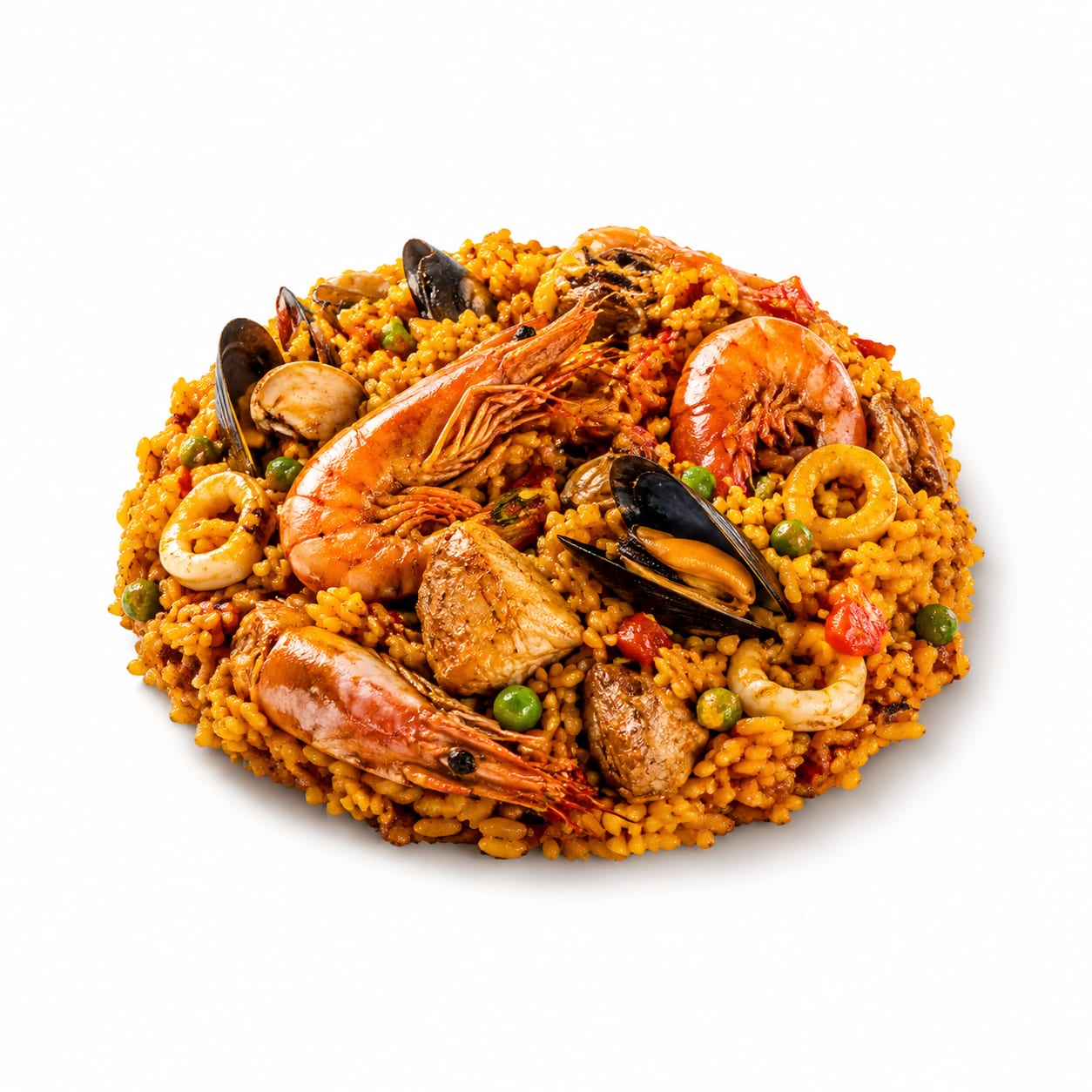
Paella
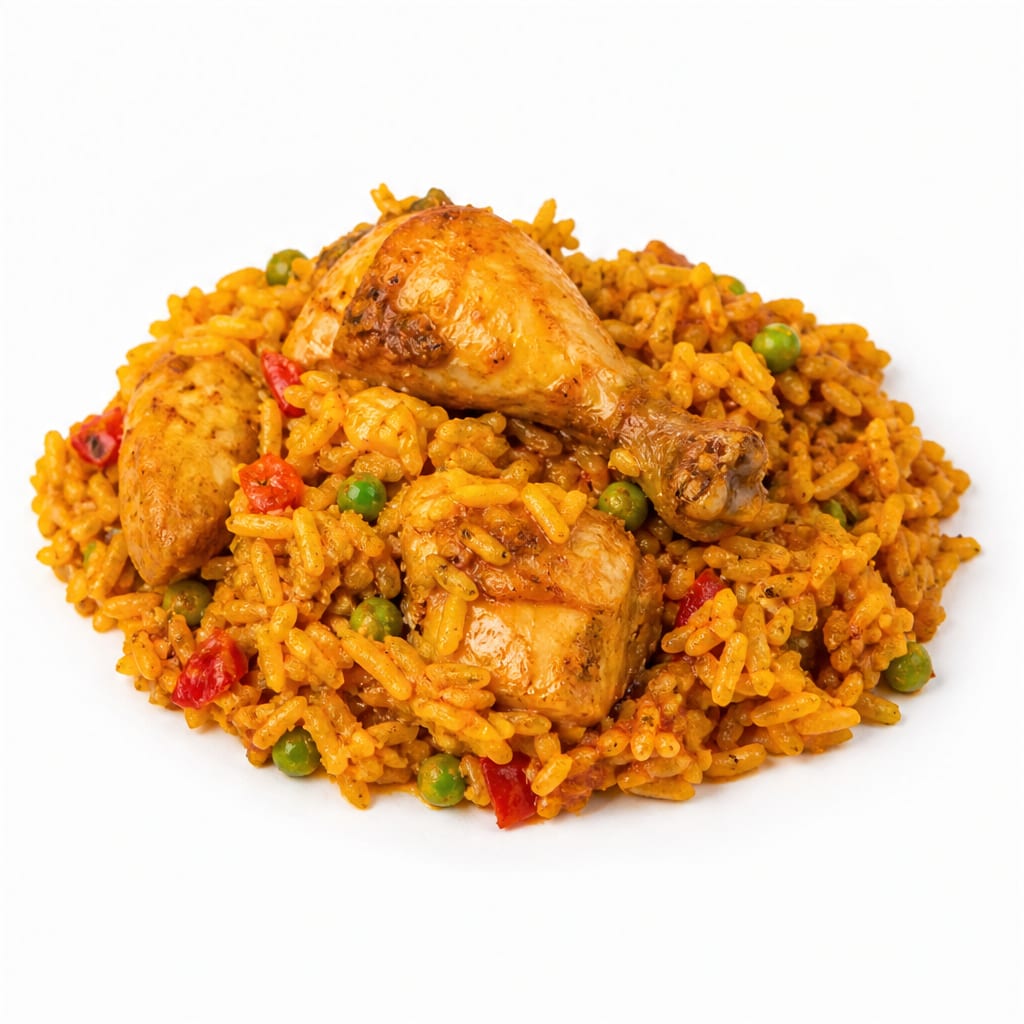
Arroz con Pollo
Arroz con Pollo wins for everyday practicality and consistent nutrition, while Paella offers superior nutrient diversity when seafood quality is trustworthy.
Arroz con Pollo scores moderately higher due to better everyday practicality, lower contamination risk, and more consistent nutritional profile. Paella's nutrient diversity is impressive but comes with seafood risks and accessibility barriers that reduce its day-to-day viability.
Paella delivers broader micronutrients from seafood but carries contamination risks and higher sodium; Arroz con Pollo provides reliable lean protein with simpler ingredient sourcing.
At a glance
Executive summary
Overall
It depends
Healthier
It depends
More practical
Arroz con Pollo
Daily use
Arroz con Pollo
Key comparison lenses
everyday meal choice between two classic rice dishes
Users are typically deciding which dish to cook at home or order at a restaurant for a satisfying rice-based meal
protein quality and variety comparison
Paella mixes seafood and meat while Arroz con Pollo relies on chicken, creating meaningful nutritional differences
sodium and heart health impact
Both dishes can be sodium-heavy, but the sources and amounts differ significantly
cooking practicality and accessibility
Paella requires specialty ingredients and technique while Arroz con Pollo is more weeknight-friendly
seafood-related contamination risk
Paella's seafood content introduces mercury and microplastic concerns absent in chicken-based dishes
Best choice for
Paella
- People wanting omega-3 intake from seafood
- Those seeking zinc, selenium, and B12 boost
- Special occasion meals where nutrient variety matters
- Diners at high-quality restaurants with trusted seafood sourcing
Arroz con Pollo
- Weeknight family dinners needing reliable nutrition
- People managing sodium intake
- Anyone concerned about mercury or seafood contamination
- Home cooks wanting a forgiving, repeatable recipe
Least suitable for
Paella
- People with shellfish or seafood allergies
- Anyone monitoring sodium closely
- Pregnant women worried about mercury exposure
- Budget-conscious households needing affordable staples
Arroz con Pollo
- Those seeking diverse omega-3 sources
- People wanting the broad micronutrient profile seafood provides
- Diners looking for a more celebratory or complex flavor experience
Deep comparison
Dimension by dimension
Each lens scores both foods and breaks down who each option suits.
- Dimension 1 · Priority 92Paella
Protein Quality and Variety
Paella · 85Arroz con Pollo · 72Paella delivers a broader amino acid profile thanks to its mix of seafood and meat, while Arroz con Pollo relies solely on chicken protein.
Tradeoff
Paella's protein diversity comes with mercury and contamination exposure that chicken avoids.
Why it matters
Varied protein sources provide a wider range of micronutrients like zinc, selenium, iodine, and B12 that single-source meals miss.
Real-world impact
Eating Paella occasionally can fill nutritional gaps that a chicken-only diet leaves open, especially for minerals most people barely think about.
Paella
- Omega-3 intake from shrimp and mussels
- Zinc and selenium from mixed seafood
- Iodine that supports thyroid function
- B12 from shellfish and fish
Better for
- Mercury exposure from certain fish varieties
- Allergy risk from shellfish
- Inconsistent protein amounts depending on restaurant preparation
Worse for
Arroz con Pollo
- Consistent lean protein without mercury tradeoffs
- Simpler amino acid profile that's easy to pair with other foods
- Lower risk of protein-source allergic reactions
Better for
- Missing omega-3 fatty acids entirely
- No iodine contribution from protein source
- Less micronutrient variety per serving
Worse for
- Dimension 2 · Priority 86Arroz con Pollo
Sodium Load
Paella · 45Arroz con Pollo · 62Paella typically packs more sodium from seafood stock, cured ingredients, and seasoning, while Arroz con Pollo uses a simpler sofrito base with more controllable salt.
Tradeoff
Paella's complex flavor partly depends on sodium-heavy components that are hard to reduce without losing authenticity.
Why it matters
Regular high-sodium meals raise blood pressure over time and contribute to bloating that most people notice by mid-afternoon.
Real-world impact
A Paella dinner can easily deliver 1000-1500mg of sodium, leaving you thirsty and puffy the next morning, while Arroz con Pollo typically stays in the 600-900mg range when homemade.
Paella
- More flavorful without needing added salt at the table
Better for
- Seafood stock and saffron blends add hidden sodium
- Restaurant versions often exceed 1500mg per serving
- Bombilla rice absorbs and retains more seasoned liquid
Worse for
Arroz con Pollo
- Easier to control sodium when cooking at home
- Less reliance on pre-made stocks and cured components
- Better choice for people monitoring blood pressure
Better for
- Can still be oversalted if cook is heavy-handed with bouillon
Worse for
- Dimension 3 · Priority 84Paella
Nutrient Density and Micronutrient Breadth
Paella · 82Arroz con Pollo · 64Paella's mix of seafood, vegetables, and saffron delivers a wider spectrum of vitamins and minerals than Arroz con Pollo's chicken-and-rice foundation.
Tradeoff
That nutrient breadth depends heavily on ingredient quality and portion ratios that vary wildly between preparations.
Why it matters
Micronutrient variety supports immune function, energy production, and long-term disease prevention in ways single-protein meals struggle to match.
Real-world impact
A well-made Paella can cover your selenium, iodine, zinc, B12, and vitamin D needs in one sitting, while Arroz con Pollo mainly delivers B6 and niacin from chicken.
Paella
- Saffron provides crocin and safranal with antioxidant properties
- Shellfish contribute selenium and iodine in meaningful amounts
- Peas and roasted peppers add vitamin C and carotenoids
- Squid and mussels provide B12 and iron
Better for
- Nutrient density drops sharply in seafood-light versions
- Restaurant Paella often skimps on expensive seafood
- Saffron quantity is usually too small for therapeutic effect
Worse for
Arroz con Pollo
- Bell peppers and peas still offer vitamin C
- Sofrito base with tomatoes provides lycopene
- More consistent vegetable-to-rice ratio in typical recipes
Better for
- No significant omega-3 contribution
- Missing iodine and selenium from seafood
- Lower overall mineral diversity per serving
Worse for
- Dimension 4 · Priority 80Arroz con Pollo
Blood Sugar Stability
Paella · 55Arroz con Pollo · 65Arroz con Pollo typically uses long-grain rice which has a modestly lower glycemic impact than the short-grain bomba rice traditional in Paella.
Tradeoff
Both dishes are rice-heavy meals that can spike blood sugar if portions are large, but rice variety and fat content create small differences.
Why it matters
Rice-heavy meals can cause energy crashes 1-2 hours after eating, especially for people with insulin resistance or sedentary afternoons.
Real-world impact
After a large plate of Paella, you might feel a heavier afternoon slump compared to Arroz con Pollo, though both are far better than plain white rice thanks to their protein and fat content.
Paella
- Higher fat content from olive oil and seafood slows glucose absorption
- More protein variety helps blunt glycemic response
Better for
- Short-grain rice has a higher glycemic index
- Socarrat crispy rice layer digests very quickly
- Restaurant portions tend to be enormous
Worse for
Arroz con Pollo
- Long-grain rice digests more slowly than bomba or calasparra
- Chicken fat and sofrito create a steadier energy release
- Easier to portion-control with simpler ingredient visibility
Better for
- Still a rice-dominant meal with moderate glycemic load
- Can become blood-sugar unfriendly if served with sweetened drinks
Worse for
- Dimension 5 · Priority 78Arroz con Pollo
Cooking Practicality and Accessibility
Paella · 38Arroz con Pollo · 82Arroz con Pollo is a forgiving weeknight dish with widely available ingredients, while Paella demands specialty rice, saffron, and technique that most home cooks find intimidating.
Tradeoff
Paella's complexity creates its celebrated depth of flavor, but that same complexity makes it unrealistic for regular home cooking.
Why it matters
The meal you actually cook three times a month beats the one you attempt twice a year for overall nutritional impact.
Real-world impact
You can make solid Arroz con Pollo with pantry staples in under an hour, while authentic Paella requires a special pan, bomba rice, saffron threads, and seafood prep that turns dinner into a project.
Paella
- Leftovers reheat beautifully for meal prep
- Impressive dish for entertaining guests
Better for
- Requires bomba or calasparra rice not stocked everywhere
- Authentic saffron is expensive and often adulterated
- Needs a paella pan for proper socarrat
- Seafood prep adds time and food safety complexity
- Steep learning curve for proper technique
Worse for
Arroz con Pollo
- One-pot meal with easy cleanup
- Ingredients available at any grocery store
- Forgiving recipe that tolerates substitutions
- Ready in 45-60 minutes without specialty equipment
- Easy to scale for families
Better for
- Less visually impressive for special occasions
- Flavor ceiling is lower even with perfect technique
Worse for
- Dimension 6 · Priority 75Arroz con Pollo
Contamination and Food Safety Risk
Paella · 48Arroz con Pollo · 72Paella's seafood ingredients introduce mercury, microplastic, and spoilage risks that Arroz con Pollo's chicken-only approach largely avoids.
Tradeoff
Avoiding seafood eliminates contamination concerns but also removes the nutritional benefits only ocean-sourced proteins provide.
Why it matters
Chronic low-level mercury and microplastic exposure accumulates over time, especially concerning for pregnant women and frequent seafood eaters.
Real-world impact
Eating Paella weekly from restaurants with unknown seafood sourcing could contribute to heavy metal accumulation, while Arroz con Pollo's chicken risk is mainly about antibiotic residues and proper cooking temperature.
Paella
- Well-cooked seafood reduces parasite risk
- Traditional preparation uses high heat throughout
Better for
- Mercury in certain fish used in mixed Paella
- Microplastics in mussels and shrimp
- Shellfish spoilage risk if not handled properly
- Rice can harbor bacillus cereus if left at room temperature
- Restaurant seafood sourcing is often opaque
Worse for
Arroz con Pollo
- No mercury or heavy metal concerns from protein source
- Chicken spoilage is easy to detect by smell
- Simpler ingredient chain means fewer contamination points
- No shellfish allergy risk
Better for
- Antibiotic residue concerns in conventionally raised chicken
- Risk of undercooked poultry if not monitored
Worse for
Timeline
Health impact over time
Short-term
Hours to days
Paella
- Higher sodium may cause bloating and thirst within hours
- Rich seafood mix can trigger digestive discomfort in sensitive individuals
- Large rice portions may cause an afternoon energy dip
- Satisfying fullness from diverse protein and fat content
Arroz con Pollo
- Steadier energy from simpler protein and long-grain rice combination
- Comforting and easy on the stomach for most people
- Less post-meal thirst compared to Paella
- Familiar flavors that rarely cause digestive surprises
Long-term
Months to years
Paella
- Occasional Paella can fill micronutrient gaps, especially selenium and B12
- Frequent consumption may contribute to mercury accumulation if fish types are high-risk
- Regular high sodium intake could affect blood pressure over time
- Omega-3 contribution supports cardiovascular health when eaten moderately
Arroz con Pollo
- Consistent lean protein supports muscle maintenance and satiety
- Lower sodium profile is gentler on blood pressure long-term
- Missing omega-3s means you need to source them elsewhere in your diet
- Sofrito's tomato and garlic base provides cumulative antioxidant benefits
Risk profile
Safety & processing
Both dishes are whole-food preparations cooked from scratch. Paella may use pre-made seafood stock or coloring substitutes instead of saffron in lower-quality versions, while Arroz con Pollo sometimes relies on bouillon cubes that add sodium and MSG, but authentic versions of both are clean preparations.
Paella
Mercury exposure from fish
mediumMixed seafood Paella may include moderate-mercury fish. Occasional consumption is low risk, but weekly intake could accumulate, especially for pregnant women.
Shellfish spoilage and foodborne illness
mediumMussels and shrimp spoil quickly and can cause serious food poisoning if not handled at proper temperatures throughout preparation.
Bacillus cereus from rice
lowRice left at room temperature after cooking can harbor this toxin-producing bacteria. Proper refrigeration of leftovers minimizes risk.
Saffron adulteration
lowCheap saffron may be cut with artificial colors or other stamens. This is more a quality concern than a safety issue but worth knowing.
Arroz con Pollo
Antibiotic residues in conventional chicken
lowMost commercial chicken contains some antibiotic residues, though regulatory limits keep levels low. Organic chicken reduces this concern.
Undercooked poultry
mediumChicken must reach 165°F internally. In a rice dish, pieces buried in the center may not cook evenly if the pot is crowded.
Bacillus cereus from rice
lowSame rice safety concern as Paella. Refrigerate leftovers promptly within two hours of cooking.
Who wins for whom
Audience fit
Same foods, different winners depending on your goal.
children
Arroz con PolloArroz con Pollo has a milder flavor profile kids accept more readily, no shellfish allergy risk, and simpler ingredient visibility for parents monitoring what their children eat.
daily consumption
Arroz con PolloArroz con Pollo is affordable, easy to prepare, uses accessible ingredients, and avoids the cumulative mercury risk that daily Paella would introduce from regular seafood consumption.
diabetes
Arroz con PolloArroz con Pollo typically uses long-grain rice with a lower glycemic index and offers more predictable carbohydrate counts, making blood sugar management easier than the short-grain rice in Paella.
elderly
Arroz con PolloLower sodium, softer textures, and no shellfish choking hazard make Arroz con Pollo more appropriate for older adults managing blood pressure and digestive sensitivity.
muscle gain
PaellaPaella's diverse protein sources provide a broader amino acid profile and higher total protein per serving when well-prepared with generous seafood, supporting muscle repair more completely than chicken alone.
weight loss
Arroz con PolloArroz con Pollo is easier to portion control, typically lower in sodium-induced water retention, and uses lean chicken breast as a consistent protein source that keeps you full without the calorie variability of mixed seafood preparations.
Your move
Decision guide
Choose Paella
- You want a nutrient-diverse meal and trust your seafood source
- You're cooking for a special occasion and want something impressive
- You specifically need more omega-3s, selenium, iodine, or B12 in your diet
- You're eating at a well-reviewed restaurant with high seafood turnover
Choose Arroz con Pollo
- You need a reliable weeknight dinner the whole family will eat
- You're watching your sodium or managing blood pressure
- You're pregnant or breastfeeding and cautious about mercury
- You want a dish you can meal-prep and reheat without quality loss
- You're cooking for someone with shellfish allergies
Either works if
- You want a satisfying rice-based meal with protein and vegetables
- You're comfortable with the carbohydrate load of a rice-centric dish
- You can control portion sizes and pair with a side salad
Avoid both if
- You're on a strict low-carb or ketogenic diet
- You have severe rice allergies or gluten cross-reactivity concerns
- You need a meal under 400 calories per serving
Final recommendation
Make Arroz con Pollo your regular rice dinner and save Paella for occasions when you can source quality seafood. This gives you the everyday reliability of chicken and rice while still enjoying Paella's nutritional diversity a few times a month. If you love Paella's flavor but want it more often, consider a hybrid approach using chicken and vegetables with saffron seasoning but skipping the seafood most times.
Practical
Consumer tips
- 1
Ask restaurants about their seafood sourcing if you eat Paella frequently, as mercury risk accumulates over time
- 2
Make Arroz con Pollo with bone-in chicken thighs for richer flavor and better nutrient extraction into the rice
- 3
Use brown rice in either dish for a meaningful fiber boost and steadier blood sugar response
- 4
If making Paella at home, swap in lower-mercury seafood like shrimp and mussels instead of tuna or swordfish
- 5
Add extra vegetables like peas, bell peppers, and artichokes to either dish to improve nutrient density without much effort
- 6
Refrigerate leftovers within two hours since both dishes contain rice that can develop bacillus cereus at room temperature
- 7
Use homemade stock instead of bouillon cubes in Arroz con Pollo to cut sodium by 40-60% without losing flavor
- 8
Buy saffron from trusted suppliers to avoid adulterated products that provide none of the genuine spice's antioxidant benefits