
Nutrition comparison
Paella vs Couscous: Which is Healthier?
Comparing Paella and Couscous? Discover the nutritional differences, glycemic impacts, and which dish is better for your health goals.
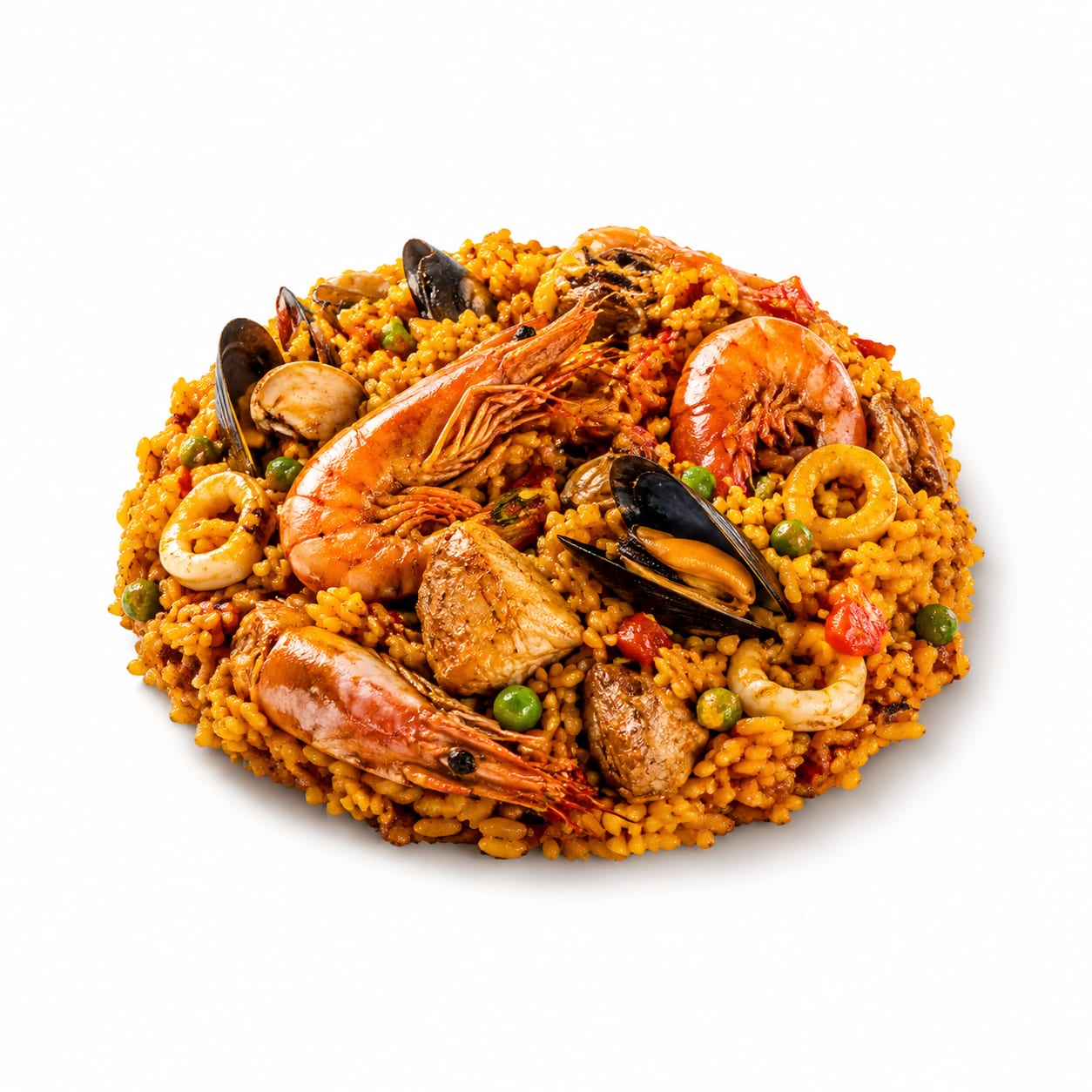
Paella
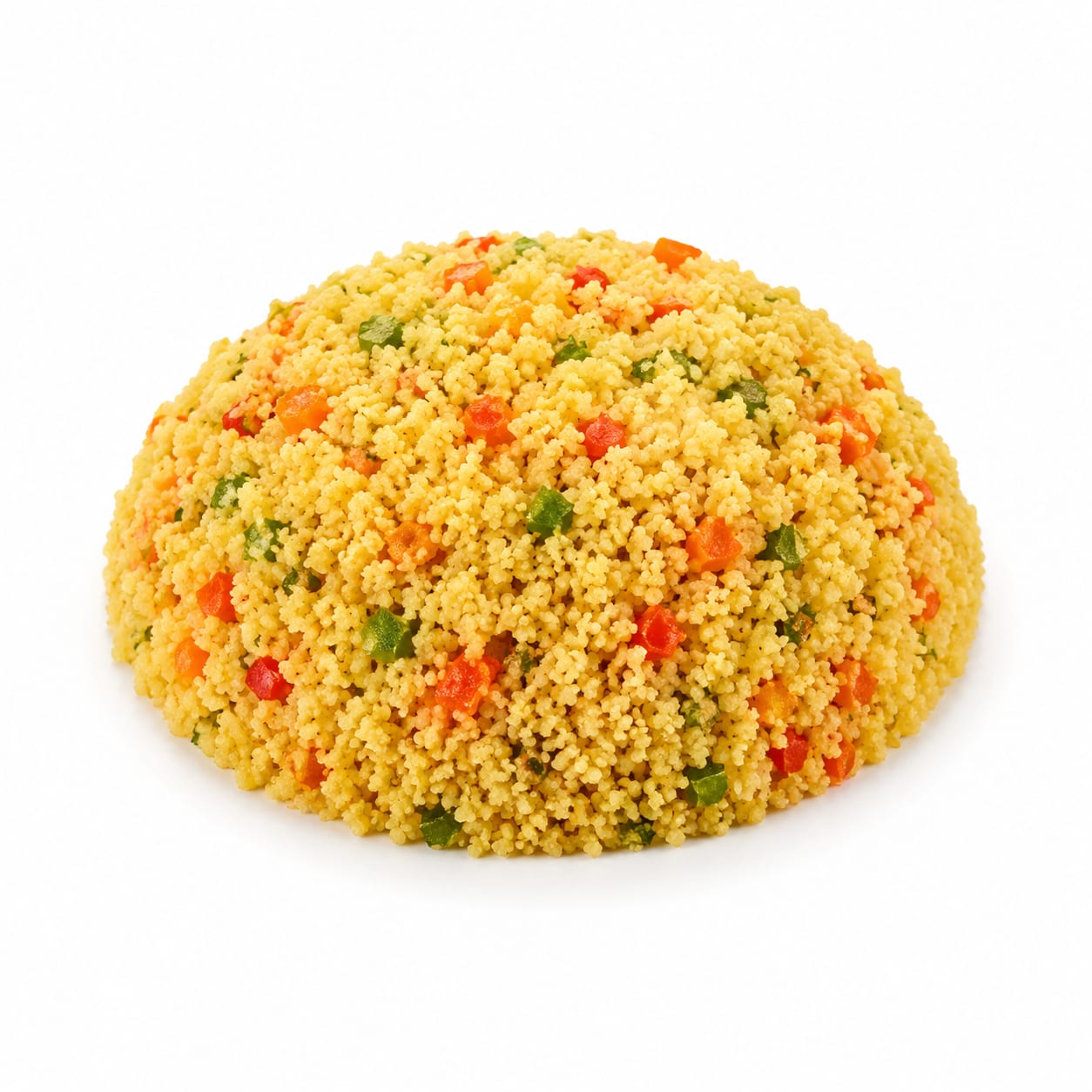
Couscous
Paella wins for nutritional completeness and lasting fullness, but Couscous dominates for convenience and everyday versatility.
Paella scores higher due to its superior protein content, healthy fats, and slower energy release. Couscous loses points for being a refined carbohydrate with minimal standalone nutrition, though its convenience keeps it competitive.
You trade the quick, blood-sugar-spiking convenience of Couscous for the protein-packed, slow-burning satisfaction of Paella.
At a glance
Executive summary
Overall
It depends
Healthier
Paella
More practical
Couscous
Daily use
Couscous
Key comparison lenses
Complete meal vs side dish versatility
Paella is a standalone one-pan meal with proteins and veggies, while Couscous is typically a base or side that relies on accompaniments for nutritional balance.
Protein and satiety comparison
Paella delivers substantial protein from seafood and meat, keeping you full much longer than plain Couscous.
Blood sugar and glycemic impact
Couscous is a refined grain that spikes blood sugar quickly, whereas Paella's fat and protein slow down carbohydrate absorption.
Convenience and weeknight practicality
Couscous cooks in 5 minutes, making it a weeknight staple, while Paella requires significant prep and cook time.
Sodium and heart health tradeoffs
Paella can be very high in sodium from broth and cured meats, whereas plain Couscous is naturally very low in sodium.
Best choice for
Paella
- A satisfying single-pan dinner
- Post-workout muscle recovery
- Low-glycemic meal prep
Couscous
- Quick weeknight side dishes
- Budget-friendly bulk cooking
- Easy-to-digest pre-workout fuel
Least suitable for
Paella
- Low-sodium diets
- Last-minute meals
- Vegetarian or vegan diets
Couscous
- Gluten-free or low-carb diets
- Blood sugar management
- High-protein dietary needs
Deep comparison
Dimension by dimension
Each lens scores both foods and breaks down who each option suits.
- Dimension 1 · Priority 95Paella
Nutritional Completeness
Paella · 90Couscous · 25Paella is a complete meal with carbs, protein, and fats. Couscous is mostly just starchy carbs.
Tradeoff
You get balanced macros in Paella, but you have to build a balanced plate around Couscous yourself.
Why it matters
Eating nutritionally complete meals prevents energy crashes and reduces the urge to snack later.
Real-world impact
A plate of Paella keeps you full for hours. A bowl of Couscous leaves you hunting for a snack an hour later.
Paella
- Complete dinner without side dishes
- Balanced macronutrient intake
Better for
- Harder to adjust macros independently
Worse for
Couscous
- Customizable base for different proteins
Better for
- Nutritionally empty on its own
Worse for
- Dimension 2 · Priority 85Paella
Blood Sugar Stability
Paella · 75Couscous · 40Paella's proteins and fats slow carb absorption. Couscous digests fast, causing a rapid blood sugar spike.
Tradeoff
Couscous gives you quick energy but leads to a faster crash, while Paella provides steadier, longer-lasting fuel.
Why it matters
Frequent blood sugar spikes increase cravings and long-term metabolic risk.
Real-world impact
Couscous can leave you feeling sluggish by mid-afternoon, whereas Paella sustains your energy.
Paella
- Steady energy for hours
- Better insulin response
Better for
- May feel too heavy right before a workout
Worse for
Couscous
- Quick carb replenishment after intense exercise
Better for
- Triggers hunger soon after eating
Worse for
- Dimension 3 · Priority 80Couscous
Convenience and Prep Time
Paella · 30Couscous · 95Couscous is ready in 5 minutes. Paella takes 45 minutes to an hour of active cooking.
Tradeoff
You sacrifice rich, developed flavors and balanced nutrition to get food on the table instantly.
Why it matters
Time is the biggest barrier to cooking at home, making convenience a major health factor.
Real-world impact
Couscous saves you on chaotic Tuesday nights; Paella is a weekend project.
Paella
- Cooking as a relaxing weekend activity
Better for
- Impractical for busy schedules
Worse for
Couscous
- Emergency weeknight dinners
- Meal prep in a time crunch
Better for
- Can encourage relying on refined carbs for speed
Worse for
- Dimension 4 · Priority 75Couscous
Sodium and Heart Health
Paella · 40Couscous · 85Plain Couscous is extremely low in sodium. Paella often contains high-salt ingredients like broth, chorizo, and seafood.
Tradeoff
Paella's flavor depth relies heavily on salt, which can easily push your daily sodium intake too high.
Why it matters
Excess sodium raises blood pressure and increases cardiovascular risk over time.
Real-world impact
Eating Paella frequently could leave you bloated and over your salt limit, while Couscous gives you a blank slate.
Paella
- Flavorful without adding table salt
Better for
- Risk of water retention
- Not ideal for heart-healthy diets
Worse for
Couscous
- Managing hypertension
- Controlling daily salt intake
Better for
- Bland without added salty seasonings
Worse for
- Dimension 5 · Priority 90Paella
Satiety and Fullness
Paella · 88Couscous · 35Paella is heavy and deeply satisfying. Couscous is light and easy to overeat.
Tradeoff
You feel comfortably full after Paella, but Couscous requires large portions or added fats and proteins to satisfy.
Why it matters
Foods that keep you full prevent overeating and make it easier to maintain a healthy weight.
Real-world impact
Paella feels like a real meal. Couscous feels like a side dish that disappears quickly.
Paella
- Staying full until the next meal
- Reducing late-night snacking
Better for
- Can feel overly heavy before bed
Worse for
Couscous
- Light eating when you have no appetite
Better for
- Easy to consume too many calories trying to feel full
Worse for
Timeline
Health impact over time
Short-term
Hours to days
Paella
- Long-lasting satiety without energy crashes
- Potential bloating from high sodium content
Couscous
- Quick burst of energy followed by a crash
- Leaves you hungry again shortly after eating
Long-term
Months to years
Paella
- Better muscle maintenance from high protein intake
- Risk of elevated blood pressure if consumed too frequently
Couscous
- Potential weight gain from overeating refined carbs
- Increased insulin resistance if eaten in large portions regularly
Risk profile
Safety & processing
Traditional Paella uses whole, natural ingredients but relies on processed items like broth and cured meats. Standard Couscous is a refined wheat product stripped of its bran and germ, though it lacks artificial additives.
Paella
Seafood contamination
mediumShellfish in Paella can cause foodborne illness if undercooked or improperly stored.
Rice storage illness
mediumLeftover rice can harbor Bacillus cereus if not cooled and refrigerated quickly.
Couscous
Gluten exposure
highCouscous is made from wheat semolina, making it completely unsafe for those with celiac disease or gluten sensitivity.
Who wins for whom
Audience fit
Same foods, different winners depending on your goal.
children
CouscousCouscous has a mild flavor and soft texture that kids usually accept easily, without the potential choking hazards of seafood.
daily consumption
CouscousCouscous is cheap, fast, and low in sodium, making it a more practical everyday staple than the time-intensive and salty Paella.
diabetes
PaellaThe proteins and fats in Paella blunt the glycemic impact of the rice, leading to steadier blood sugar compared to refined Couscous.
elderly
CouscousCouscous is very easy to chew and digest, making it a safer and more comfortable choice for aging digestive systems.
muscle gain
PaellaPaella provides a robust amino acid profile from seafood and meat, essential for muscle repair.
weight loss
PaellaPaella's high protein and fat content naturally control appetite and reduce overall calorie intake, whereas Couscous is easy to overeat.
Your move
Decision guide
Choose Paella
- You want a satisfying, complete meal that keeps you full for hours
- You are cooking for a weekend gathering with friends
- You need a high-protein, lower-glycemic dinner
Choose Couscous
- You need a 5-minute side dish on a busy weeknight
- You are on a tight grocery budget
- You want a light carb base for lean proteins and vegetables
Either works if
- You are craving a comforting, warming grain-based dish
- You are willing to balance the meal with extra veggies or salads
Avoid both if
- You are strictly following a keto or very low-carb diet
- You have severe gluten intolerance and cannot find gluten-free Paella rice alternatives
Final recommendation
Choose Paella when you have the time to enjoy a nutritionally complete, deeply satisfying meal. Keep Couscous on hand for busy days, but always pair it with a solid protein and healthy fats to avoid the carb crash.
Practical
Consumer tips
- 1
Swap regular Couscous for whole wheat Couscous to triple the fiber and slow down sugar absorption.
- 2
Use low-sodium chicken or vegetable broth in Paella to cut the salt content without sacrificing flavor.
- 3
Cool leftover Paella rice quickly in the fridge to prevent foodborne bacteria from developing.
- 4
Stir roasted vegetables and chickpeas into Couscous to turn it from a simple side into a balanced meal.