
Nutrition comparison
Paella vs Seafood Stew: Which Is Healthier?
Compare Paella and Seafood Stew nutrition — calories, protein, carbs, omega-3, and sodium. Find out which seafood dish is better for weight loss, diabetes, and daily eating.
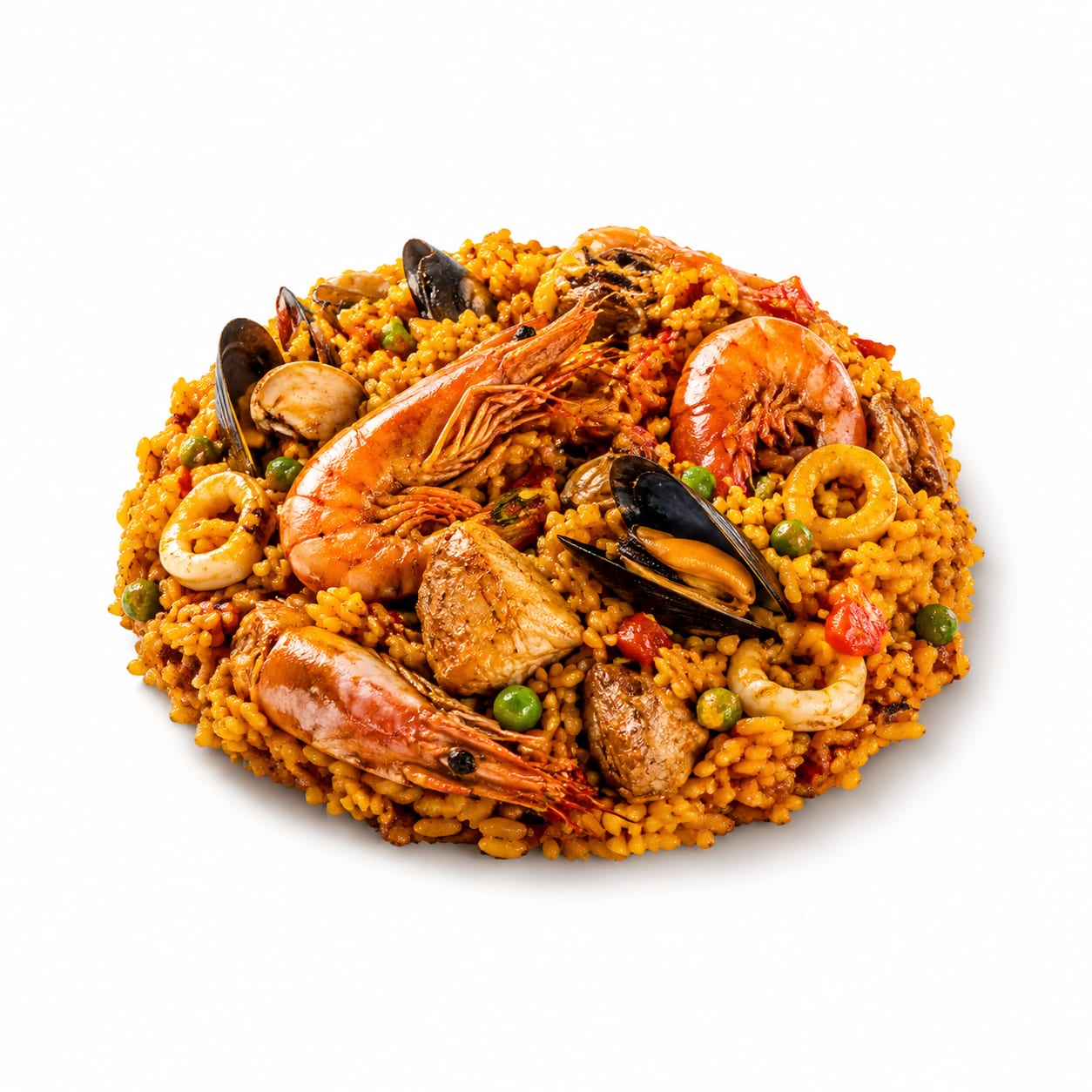
Paella
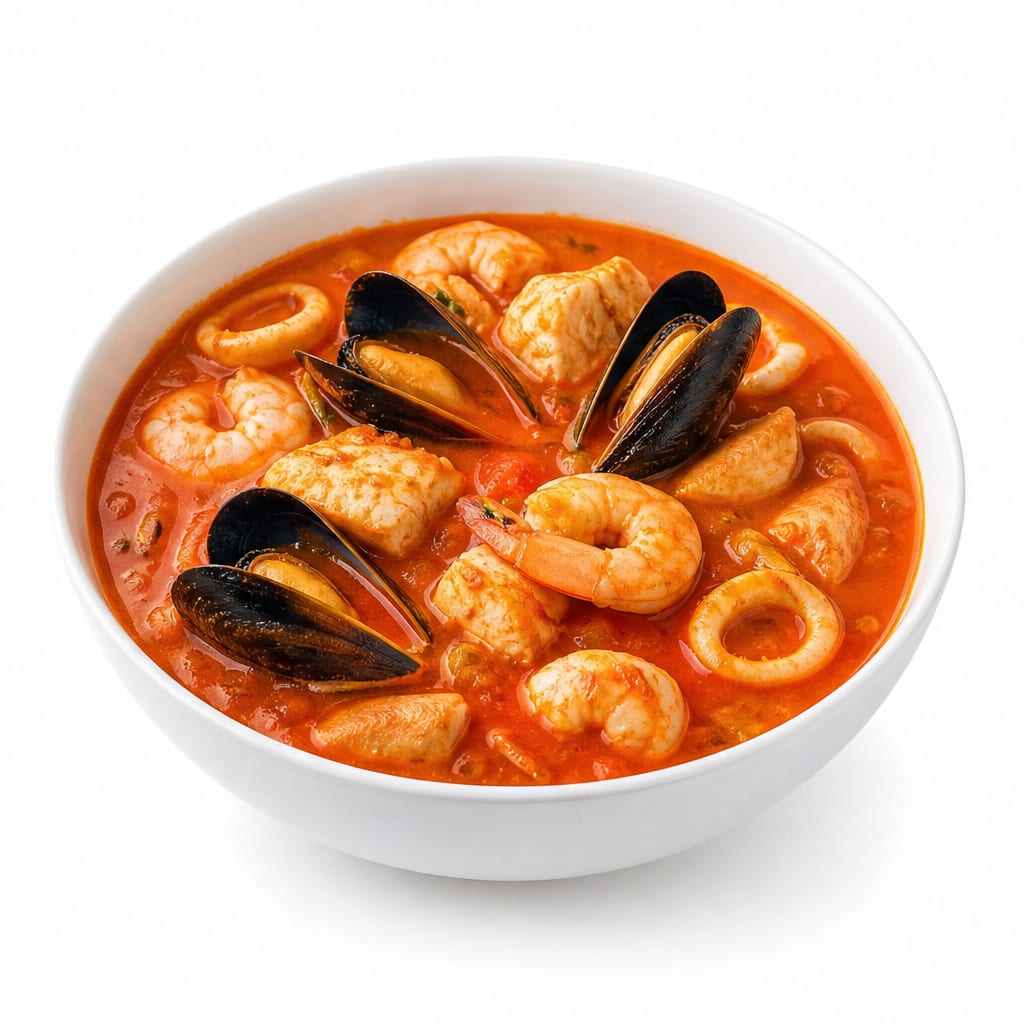
Seafood Stew
Seafood Stew is lighter and protein-forward, while Paella is more filling and carb-heavy — your pick depends on whether you want sustained energy or a leaner meal.
Seafood Stew scores higher due to superior protein-to-calorie ratio and lower glycemic load. Paella remains competitive for satiety and energy but loses points for higher calorie density and carb load.
Paella trades lower protein density for satisfying carbs and longer fullness; Seafood Stew trades satiety for fewer calories and cleaner macros.
At a glance
Executive summary
Overall
It depends
Healthier
Seafood Stew
More practical
Seafood Stew
Daily use
Seafood Stew
Key comparison lenses
carbohydrate load and blood sugar
Paella is rice-based while Seafood Stew is broth-based, creating a massive difference in carb density and glycemic impact
calorie density for weight management
Rice and oil make Paella significantly more calorie-dense, which matters for portion control and weight goals
seafood contaminant exposure
Both dishes center on seafood, so mercury and heavy metal accumulation are shared concerns worth comparing
sodium load and heart health
Both can be sodium-heavy, but from different sources — broth in stew versus cured meats and seasoning in paella
satiety and meal satisfaction
The rice in Paella provides lasting fullness while the broth-based Stew feels lighter, creating a real tradeoff in how satisfied you feel afterward
protein quality and omega3 intake
Both deliver seafood protein but Seafood Stew typically packs more seafood per bite without the rice filler
Best choice for
Paella
- Active individuals needing sustained energy
- Those wanting a complete satisfying meal in one plate
- Carb-tolerant people seeking comfort food
- Post-workout recovery meals
Seafood Stew
- Weight-conscious eaters prioritizing lean protein
- Anyone watching carbohydrate intake
- People wanting a lighter dinner that won't disrupt sleep
- Those with higher protein needs without excess calories
Least suitable for
Paella
- People managing diabetes or insulin resistance
- Anyone on a low-carb or keto diet
- Those watching calorie intake closely
- People sensitive to high sodium from cured meats
Seafood Stew
- Those needing calorie-dense meals for weight gain
- Very active people who need carb fuel
- Anyone finding broth-based meals unsatisfying
- People who struggle with portion control on light meals
Deep comparison
Dimension by dimension
Each lens scores both foods and breaks down who each option suits.
- Dimension 1 · Priority 92Seafood Stew
Carbohydrate Load and Blood Sugar
Paella · 35Seafood Stew · 85Paella's rice base delivers a heavy carb hit that spikes blood sugar, while Seafood Stew keeps carbs minimal and energy steadier.
Tradeoff
You sacrifice the satisfying rice texture and sustained carb energy in Seafood Stew, but avoid the post-meal energy dip that rice can cause.
Why it matters
Rice-based meals can cause blood sugar spikes followed by crashes, leaving you tired an hour later. This matters enormously for anyone with metabolic concerns.
Real-world impact
After Paella, you might feel stuffed then sluggish. After Seafood Stew, you stay comfortably full without the carb coma.
Paella
- Endurance athletes carb-loading before events
- Healthy active people who tolerate rice well
Better for
- Diabetics managing blood sugar
- Sedentary individuals who don't need carb energy
Worse for
Seafood Stew
- Anyone with prediabetes or insulin resistance
- Low-carb dieters
- People who get sleepy after carb-heavy meals
Better for
- Athletes needing glycogen replenishment
- Underweight individuals needing calorie-dense carbs
Worse for
- Dimension 2 · Priority 85Seafood Stew
Protein Density and Quality
Paella · 55Seafood Stew · 88Seafood Stew delivers more protein per calorie since it skips the rice filler. Paella dilutes its protein with a large carb base.
Tradeoff
Paella still provides quality seafood protein, but you eat significantly more calories to get the same amount. Seafood Stew is more protein-efficient.
Why it matters
Higher protein density means better muscle maintenance, more satiety per bite, and easier weight management without feeling deprived.
Real-world impact
A bowl of Seafood Stew can deliver 30-40g of protein for under 400 calories. Paella needs 600+ calories to hit similar protein numbers.
Paella
- Those who eat enough protein overall and don't need to optimize
Better for
- Body recomposition goals requiring high protein with controlled calories
Worse for
Seafood Stew
- Anyone tracking protein intake
- Older adults needing efficient protein for muscle preservation
- Weight loss dieters preserving lean mass
Better for
- Those who find high-protein meals without carbs unsatisfying
Worse for
- Dimension 3 · Priority 88Seafood Stew
Calorie Density and Portion Control
Paella · 40Seafood Stew · 82Paella is calorie-dense from rice and oil, making portion control harder. Seafood Stew's broth base fills you up on fewer calories.
Tradeoff
Paella feels more like a complete indulgent meal, while Seafood Stew can feel like you ate less even when nutritionally satisfied.
Why it matters
Calorie density drives overeating more than willpower. Foods that pack lots of calories into small volumes make it easy to overconsume without realizing.
Real-world impact
A generous plate of Paella can easily hit 700-900 calories. A large bowl of Seafood Stew often stays under 400-500 calories.
Paella
- People needing to gain weight healthily
- Those with small appetites who need calorie-dense options
Better for
- Emotional eaters who struggle with portion limits
- Sedentary people with low calorie needs
Worse for
Seafood Stew
- Anyone counting calories
- People who like eating large volumes without overconsuming
- Weight maintenance after loss
Better for
- Recovering from illness when calorie intake is priority
Worse for
- Dimension 4 · Priority 78Paella
Satiety and Meal Satisfaction
Paella · 82Seafood Stew · 65Paella's combination of rice, protein, and fat creates longer-lasting fullness. Seafood Stew satisfies immediately but hunger returns sooner.
Tradeoff
You feel more comfortably full for longer with Paella, but that fullness comes with a heavier digestive load and more calories.
Why it matters
Meals that keep you full for 4-5 hours prevent snacking and overeating later. Broth-based meals often leave people searching for food within 2-3 hours.
Real-world impact
Paella at lunch can carry you to dinner without a snack. Seafood Stew at lunch often has you reaching for something by mid-afternoon.
Paella
- People who skip snacks and need meals to last
- Those who find broth-based meals unsatisfying
- Manual laborers needing sustained energy
Better for
- People who dislike feeling heavy after eating
- Late dinners where going to bed full is uncomfortable
Worse for
Seafood Stew
- Those who prefer lighter meals
- People who eat frequent smaller meals
- Anyone wanting to avoid that overly stuffed feeling
Better for
- Those prone to snacking when meals don't feel substantial
Worse for
- Dimension 5 · Priority 82It depends
Sodium and Heart Health
Paella · 45Seafood Stew · 50Both dishes can be sodium bombs, but from different sources. Paella often includes chorizo and seasoned rice; Seafood Stew relies on salty broth.
Tradeoff
Neither wins cleanly here. Paella's sodium comes with saturated fat from cured meats, while Seafood Stew's sodium is more easily adjustable by diluting broth.
Why it matters
High sodium meals cause bloating and raise blood pressure risk. For heart health, the source of sodium matters less than the total amount.
Real-world impact
Restaurant versions of both dishes easily exceed 1500mg sodium per serving. Homemade gives you control over both.
Paella
- Versions made without chorizo and with controlled seasoning
Better for
- Traditional recipes with chorizo and salty seasonings
- Restaurant versions with heavy seasoning
Worse for
Seafood Stew
- Home-cooked with low-sodium broth
- Recipes where you control the salt directly
Better for
- Canned or restaurant versions with concentrated broth
- Recipes using clam juice and added salt
Worse for
- Dimension 6 · Priority 75Seafood Stew
Omega-3 and Anti-Inflammatory Benefits
Paella · 60Seafood Stew · 80Seafood Stew typically contains more seafood per serving, delivering more omega-3s. Paella's rice base crowds out some of that benefit.
Tradeoff
Paella still provides omega-3s from seafood, but you get less per calorie eaten. If both dishes use the same seafood, Stew delivers more anti-inflammatory benefit per bite.
Why it matters
Omega-3s from seafood reduce inflammation, support heart health, and improve brain function. More seafood per meal means more of these benefits.
Real-world impact
A bowl of Seafood Stew might contain 6-8 ounces of fish. Paella often uses 3-4 ounces per serving with rice making up the difference.
Paella
- Versions loaded with mixed seafood rather than rice-heavy
Better for
- Those seeking maximum omega-3 intake per meal
Worse for
Seafood Stew
- Anyone eating seafood specifically for omega-3 benefits
- People with inflammatory conditions
Better for
- Versions using only low-omega-3 white fish
Worse for
- Dimension 7 · Priority 70Seafood Stew
Digestive Comfort
Paella · 50Seafood Stew · 78Seafood Stew's broth is gentle on digestion and hydrating. Paella's rice and fat combination sits heavier and takes longer to process.
Tradeoff
The heaviness that makes Paella satisfying also makes it slower to digest. Seafood Stew feels lighter but may leave you hungry sooner.
Why it matters
Heavy meals before activity or sleep cause discomfort, acid reflux, and sluggishness. Broth-based meals are easier on the stomach.
Real-world impact
Seafood Stew works well as a late dinner. Paella is better when you have hours to digest before lying down.
Paella
- Those with strong digestion who enjoy feeling full
- Meals eaten early in the day
Better for
- Eating within 3 hours of bedtime
- People with sensitive digestion
Worse for
Seafood Stew
- People prone to acid reflux or indigestion
- Late-night meals
- Anyone recovering from stomach illness
Better for
- Those who need a meal to feel substantial and grounding
Worse for
Timeline
Health impact over time
Short-term
Hours to days
Paella
- Noticeable fullness and satisfaction after eating
- Possible blood sugar spike followed by energy dip within 1-2 hours
- Potential bloating from rice and fat combination
- Higher likelihood of food coma effect
Seafood Stew
- Comfortable lightness after eating
- Steady energy without crash
- Good hydration from broth
- Hunger may return within 2-3 hours
Long-term
Months to years
Paella
- Regular consumption may contribute to higher calorie intake if portions aren't managed
- Rice-heavy diet can increase metabolic syndrome risk for sedentary individuals
- Omega-3 benefits partially offset by higher calorie and carb load
- Traditional chorizo versions add processed meat risks
Seafood Stew
- Consistent lean protein intake supports muscle maintenance and metabolic health
- Lower calorie density aids sustainable weight management
- High omega-3 intake from concentrated seafood supports heart and brain health
- Sodium from broth can accumulate if eaten frequently without adjustment
Risk profile
Safety & processing
Seafood Stew is closer to whole-food cooking — seafood, vegetables, broth, and herbs. Paella often incorporates chorizo or other cured meats containing nitrates and preservatives, plus the rice cooking process with added flavorings pushes it into more processed territory.
Paella
Mercury and heavy metals in seafood
mediumDepends on seafood mix used. Mussels and shrimp are lower risk; swordfish or tuna in paella raise mercury exposure significantly.
Processed meat additives from chorizo
mediumTraditional recipes include chorizo with nitrates, nitrites, and sodium that carry long-term health concerns when consumed regularly.
Rice arsenic content
lowRice can contain trace arsenic. Occasional paella is negligible, but frequent rice consumption accumulates exposure over time.
Saffron adulteration
lowCheap saffron may be cut with unsafe fillers. Authentic saffron is safe but expensive, creating temptation for suppliers to cut corners.
Seafood Stew
Mercury and heavy metals in seafood
mediumHigher seafood volume per serving means more mercury exposure per meal compared to paella. Shellfish-heavy versions reduce this risk.
Histamine in leftover stew
mediumSeafood soups develop histamine quickly when refrigerated and reheated. Sensitive individuals may experience headaches or reactions from leftovers.
Shellfish allergy cross-contamination
highMost Seafood Stew recipes mix multiple shellfish types, making it dangerous for anyone with shellfish allergies. Cross-contact is nearly guaranteed.
Sodium from concentrated broth
mediumLong-simmered broth concentrates sodium. Restaurant versions can exceed 2000mg per bowl, which is problematic for blood pressure management.
Who wins for whom
Audience fit
Same foods, different winners depending on your goal.
children
PaellaKids generally prefer the familiar rice and mild flavors of Paella over the strong fishy broth of Seafood Stew. The rice also provides energy for active growing bodies.
daily consumption
Seafood StewLower calorie density, better protein efficiency, and lighter digestion make Seafood Stew more sustainable as a regular meal. Paella is better enjoyed as an occasional treat.
diabetes
Seafood StewMinimal carbs and no rice means Seafood Stew has negligible impact on blood sugar. Paella's rice base is a significant glycemic concern.
elderly
Seafood StewSeafood Stew is easier to chew and digest, provides concentrated protein for muscle preservation, and the broth supports hydration — all critical concerns for older adults.
muscle gain
Seafood StewMore protein per calorie means better muscle support without excess calories. Add bread or rice on the side if you need the carbs too.
weight loss
Seafood StewSeafood Stew delivers high protein and satisfaction at roughly half the calories of Paella, making it easier to maintain a calorie deficit without feeling deprived.
Your move
Decision guide
Choose Paella
- You're carb-loading for athletic performance the next day
- You want one satisfying plate that keeps you full for hours
- You're cooking for a group that prefers familiar rice dishes
- You're celebrating and want something indulgent and impressive
- You struggle to eat enough calories and need energy-dense meals
Choose Seafood Stew
- You're watching your weight or counting calories
- You want maximum protein without excess calories
- You're eating late and don't want a heavy meal before bed
- You have blood sugar concerns or follow a low-carb approach
- You want something warming and hydrating
Either works if
- You're eating out and both are made with quality fresh seafood
- You have no specific dietary restrictions and just want a good meal
- You're sharing with someone who can choose their preference
Avoid both if
- You have a shellfish or seafood allergy
- You're following a strict low-sodium diet and can't control preparation
- You're pregnant and concerned about mercury from high-mercury fish varieties
- You have gout and are sensitive to purine-rich seafood
Final recommendation
Make Seafood Stew your regular choice and save Paella for occasions. The protein efficiency, lighter digestion, and lower calorie density of Seafood Stew make it the smarter default. When you do eat Paella, load it with extra seafood and go easy on the chorizo to get the best of both worlds.
Practical
Consumer tips
- 1
Ask for Paella with extra seafood and less rice to improve its protein ratio
- 2
Make Seafood Stew at home with low-sodium broth to control the salt load
- 3
If ordering Paella at a restaurant, skip the chorizo version to avoid processed meat
- 4
Add a side salad to Seafood Stew if you need more volume and fiber to stay full
- 5
Use brown rice or cauliflower rice in homemade Paella for better blood sugar control
- 6
Freeze leftover Seafood Stew within 24 hours to minimize histamine development
- 7
Choose shellfish-heavy versions of either dish to reduce mercury exposure compared to tuna or swordfish versions
- 8
Drink extra water after either meal to help your body process the sodium