
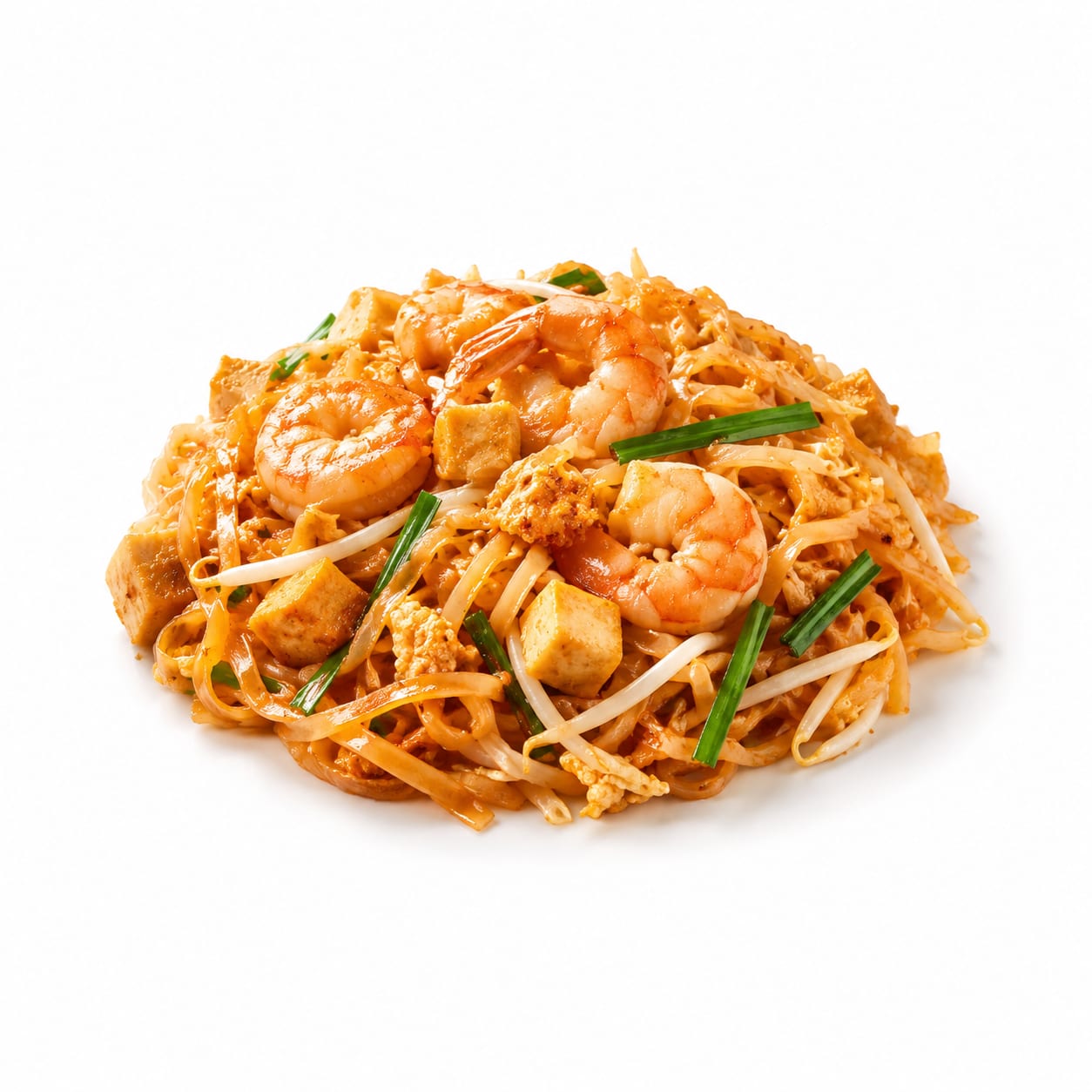
Noodle Dish
Pad Thai
A popular Thai stir-fried rice noodle dish with a sweet and savory tamarind sauce, eggs, and peanuts.
A popular Thai stir-fried dish consisting of rice noodles, eggs, tofu, meat or shrimp, bean sprouts, peanuts, and a tangy sauce made from tamarind, fish sauce, and sugar.
high-carb restaurant noodle dish
Typical serving · 350g
Common varieties · shrimp pad thai, chicken pad thai, tofu pad thai, vegetable pad thai
Overall context score across nutrition, safety, and diet fit
At a glance
Quick facts
Simple indicators based on nutrition, processing, and diet fit.
The story
What makes it unique
Pad Thai is a high-glycemic, energy-dense meal driven by refined rice noodles and added sugars. Digestion is rapid due to the low fiber content of the noodles, though protein and fat from eggs, peanuts, and meat slow gastric emptying slightly. Satiety is moderate but often offset by high palatability and caloric density, leading to easy overconsumption.
Varieties: shrimp pad thai · chicken pad thai · tofu pad thai · vegetable pad thai
Per 100g
Nutrition breakdown
Macro balance and key metrics at a glance.
Energy
Density 1.64 kcal/g
Protein
Carbs
Fat
Fiber
Sugar
5.1 g
Sodium
410 mg
Potassium
125 mg
Glycemic index
68
Glycemic load
14
Water content
62%
Standout compounds
Nutrient highlights
Carbohydrates
highProvides rapid energy for high-intensity activities
Sodium
highReplenishes electrolytes lost through heavy sweating
Manganese
moderateSupports bone health and metabolic function from peanuts and noodles
Selenium
moderateOffers antioxidant protection, primarily if shrimp is included
Wellness map
Health scores & processing
NOVA processing scale
Highly processed (restaurant/takeout) · Ultra-processed
Restaurant and packaged Pad Thai relies on refined white rice noodles, added sugars, and highly processed sauces. Homemade versions using whole ingredients reduce the processing level significantly.
Diet compatibility
- Weight loss
- Muscle gain
- Diabetes
- Gut health
- Low carb
- High protein
- Heart health
Relative standing
Food rankings
Qualitative ranks compared to similar whole foods.
- Satietypoor
- Blood sugarpoor
- Nutrient densitypoor
- Fitness fuelmoderate
- Processing qualitypoor
Eat with confidence
Food safety profile
Generally safe when cooked thoroughly. Raw bean sprouts and imported shrimp carry elevated contamination risks. Proper cooking mitigates most microbial concerns.
Evidence confidence 85%
- Pesticidesmoderate
- Antibioticsmoderate
- Heavy metalsmoderate
- Contaminationmoderate
Watch for
- salmonella
- listeria
- antibiotic residues
Safer choices
Sourcing sustainably raised shrimp or chicken and lightly cooking bean sprouts reduces risk.
Prep tips
Wash bean sprouts thoroughly under running water. Ensure shrimp and chicken are cooked to safe internal temperatures.
Imported shrimp often face scrutiny for antibiotic residues and unsanitary farming practices. Raw bean sprouts are frequently associated with Salmonella and E. coli outbreaks.
Deep dive
Health analysis
How this food may fit different goals and preparation choices.
Weight loss
High energy density and refined carbs make portion control difficult, often leading to excessive calorie intake in a single meal.
Blood sugar
Refined rice noodles digest quickly, causing rapid blood sugar spikes. The added sugar in the sauce exacerbates this glycemic response.
Fitness & energy
Provides fast-digesting carbohydrates useful for post-workout glycogen replenishment, but lacks the optimal protein-to-carb ratio for muscle recovery.
Gut health
Low fiber content does little to support the gut microbiome. Bean sprouts and peanuts offer minimal fiber per serving relative to the carb load.
Processing quality
Takeout versions use refined carbs, added sugars, and high-sodium sauces. Homemade versions allow for better ingredient control and whole foods.
Food safety
Raw bean sprouts are a known vector for foodborne illness. Imported shrimp may contain unapproved antibiotic residues.
Common mistakes
Assuming it is a light diet food because it contains vegetables; underestimating the oil, sugar, and sodium content in restaurant preparations.
Best preparation
Homemade using less sugar, extra vegetables, and lean protein; substituting zucchini noodles or brown rice noodles to increase fiber.
Practical guide
Best use cases
When and how this food fits real eating patterns.
Post-workout carb refueling
The fast-digesting carbohydrates from rice noodles can quickly replenish glycogen stores after intense exercise.
High-energy meal for active days
Provides a substantial caloric load suitable for individuals with high daily energy expenditure.
Occasional restaurant indulgence
A flavorful dish best enjoyed in moderation as part of a varied diet rather than a daily staple.
Balance sheet
Pros & cons
Upsides
- Provides quick energy from refined carbohydrates
- Contains some protein from eggs, tofu, or shrimp
- Peanuts offer healthy monounsaturated fats and crunch
- Customizable with extra vegetables when made at home
Trade-offs
- Very high in refined carbohydrates from white rice noodles
- Restaurant versions are loaded with sodium and added sugar
- Low in dietary fiber, leading to rapid digestion and hunger
- Calorie-dense, making overconsumption easy
- Often cooked in large amounts of inflammatory vegetable oils
Fit check
Who is it for?
Great match
- carb-loading before endurance events
- post-workout glycogen replenishment
- people needing high caloric intake
Consider alternatives
- low-carb or ketogenic diets
- blood sugar management and diabetes
- low-sodium diets
- strict weight loss diets
Side by side
How it compares
Open the full head-to-head analysis for nutrition, safety, and practical tradeoffs.
This food
Pad Thai
VS90% alike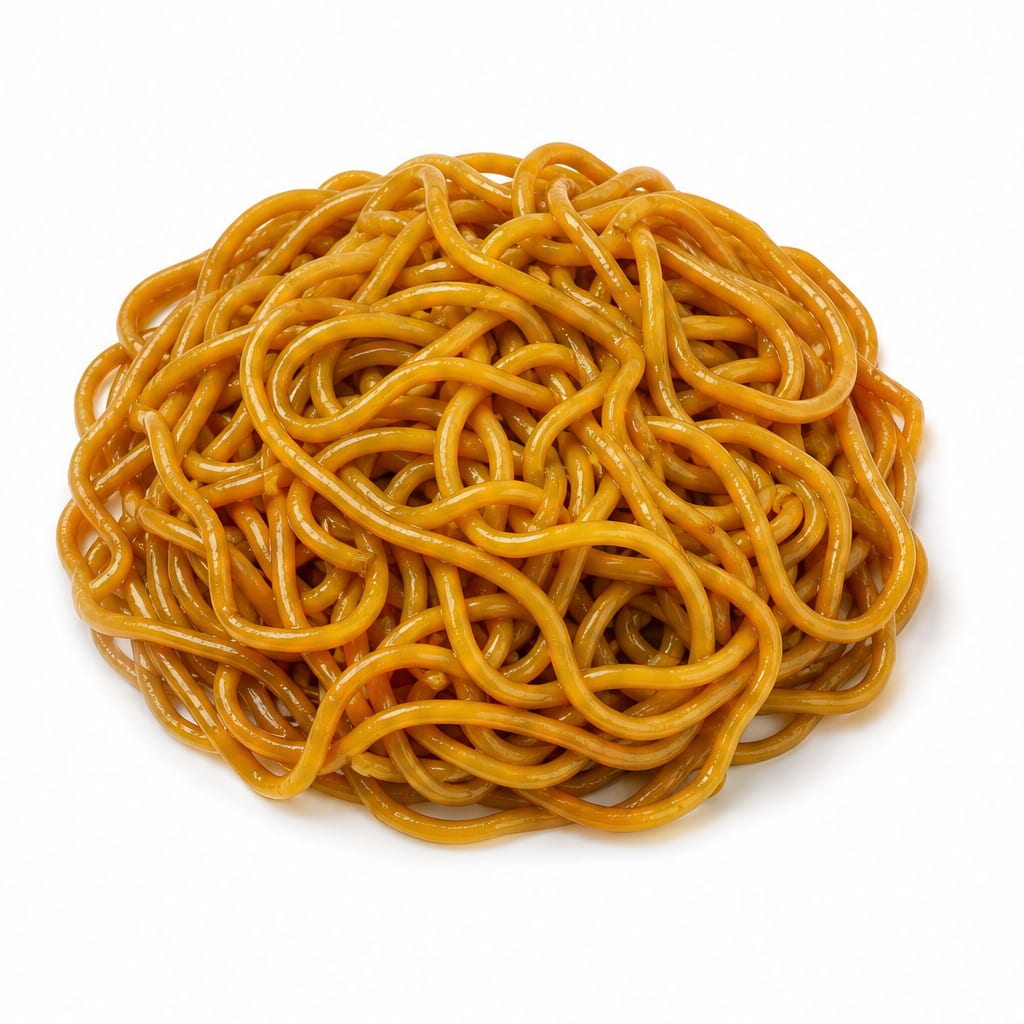
Compare with
Lo Mein
Pad Thai uses rice noodles and a tangy tamarind sauce, while Lo Mein uses wheat noodles and a savory soy-based sauce.
Pad Thai is slightly lower in calories and fat than Lo Mein, but Lo Mein has a slightly lower glycemic impact due to wheat noodles.
This food
Pad Thai
VS85% alike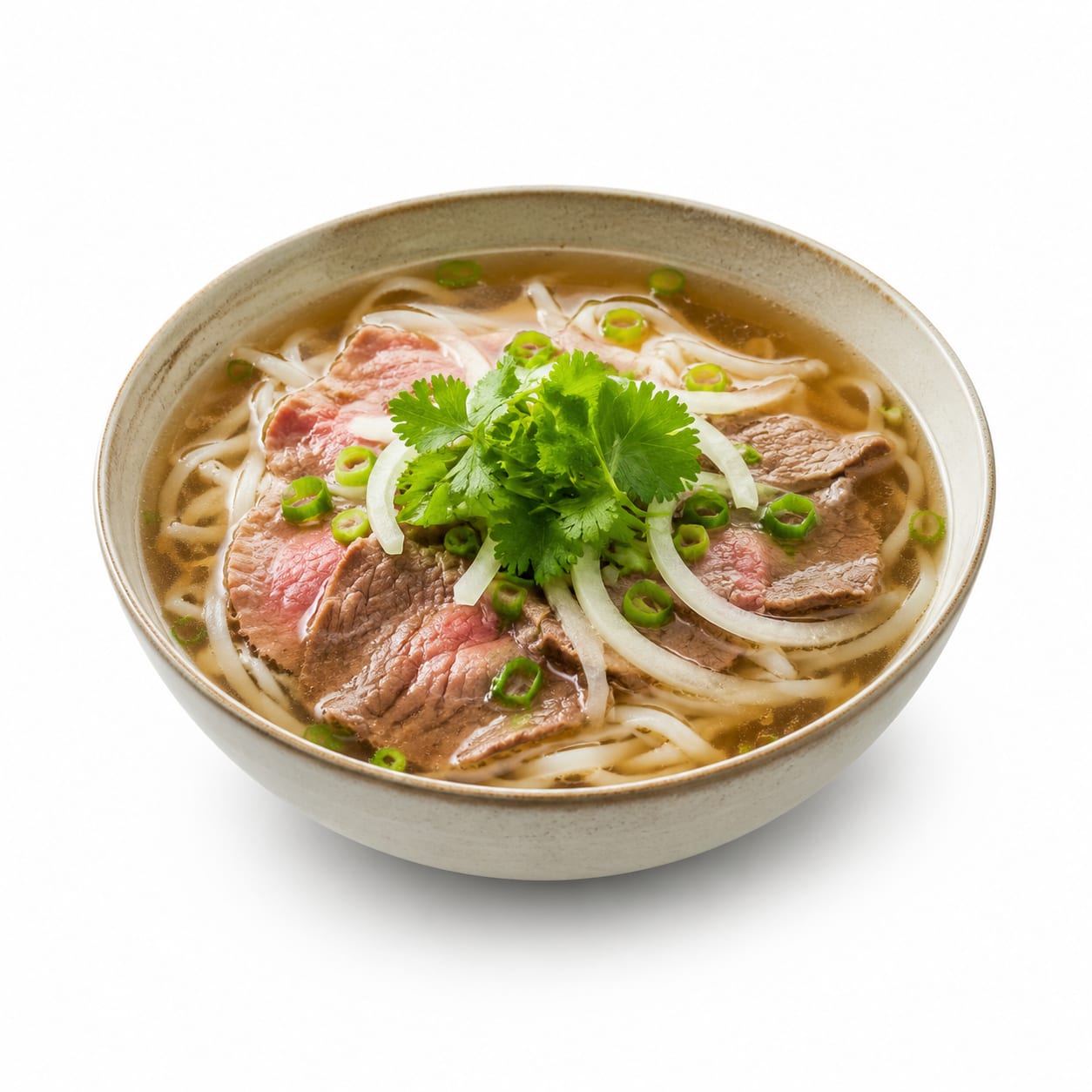
Compare with
Pho
Pho is a broth-based soup, while Pad Thai is a stir-fried dish. Pho is generally lower in calories and fat.
Pho is much better for weight loss and blood sugar control due to its broth base, whereas Pad Thai is higher in calories, fat, and sugar.
This food
Pad Thai
VS88% alike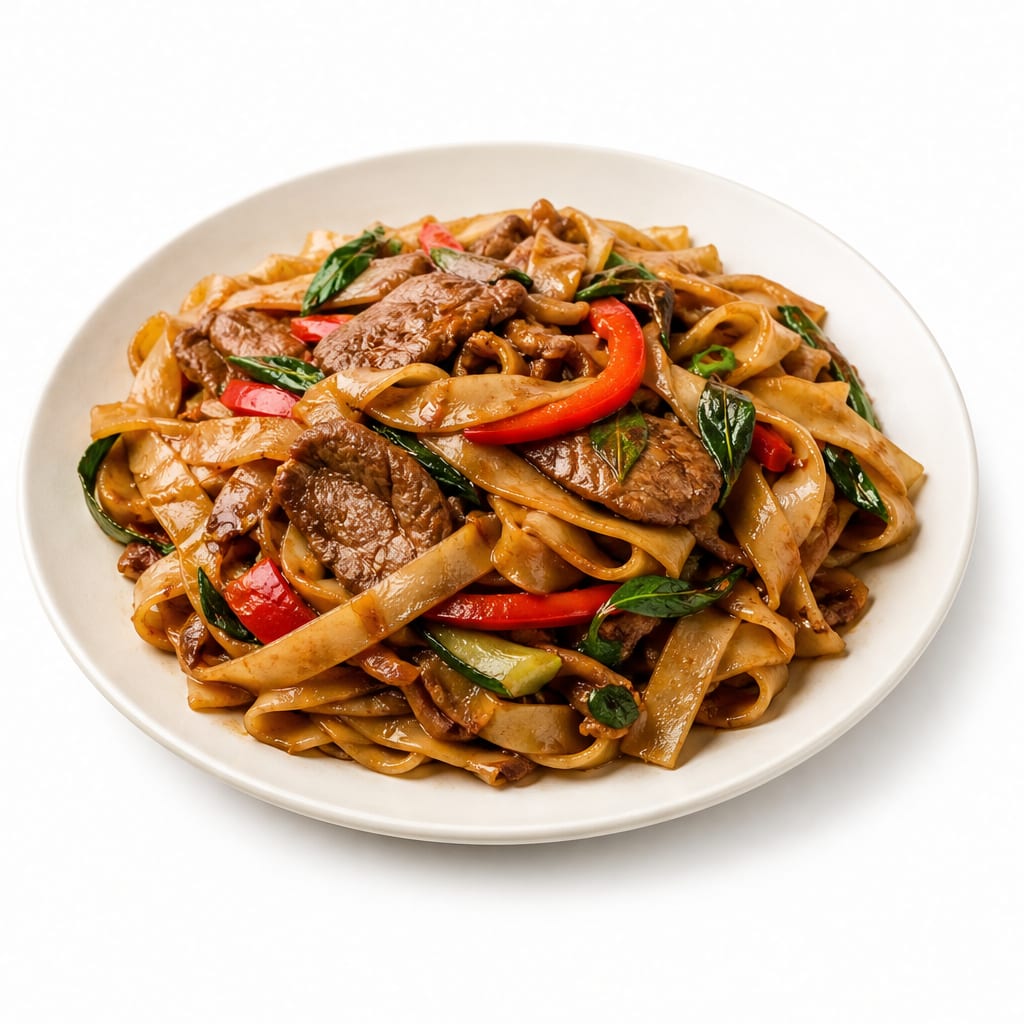
Compare with
Drunken Noodles
Drunken Noodles uses wide rice noodles and a savory basil sauce, while Pad Thai uses thin noodles and a sweet/sour sauce.
Drunken Noodles is slightly higher in calories and fat than Pad Thai, but Pad Thai is higher in sugar. Both are poor choices for strict weight loss.
This food
Pad Thai
VS82% alike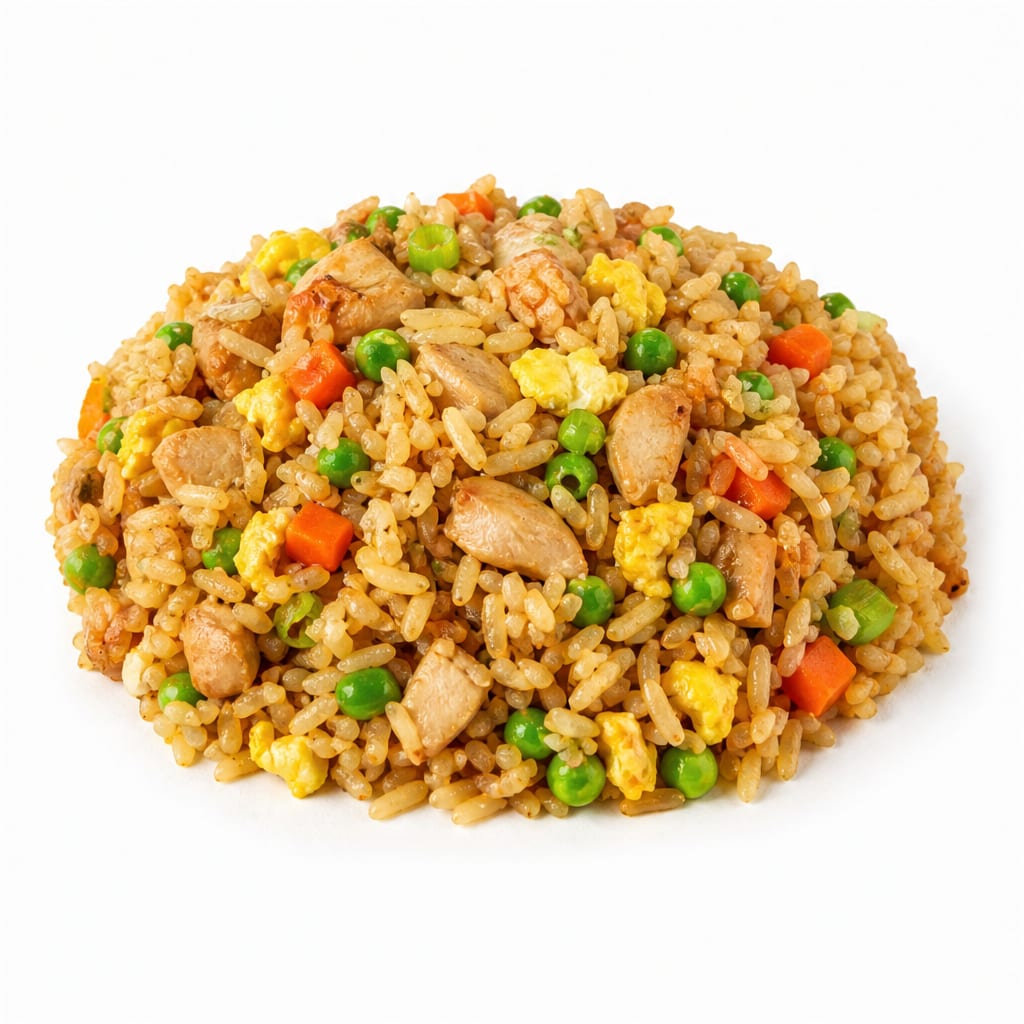
Compare with
Fried Rice
Fried rice uses grains instead of noodles and often includes egg and soy sauce.
Pad Thai and Fried Rice are similar in calorie density, but Fried Rice is often higher in fat and sodium, making Pad Thai a slightly leaner option.
This food
Pad Thai
VS80% alike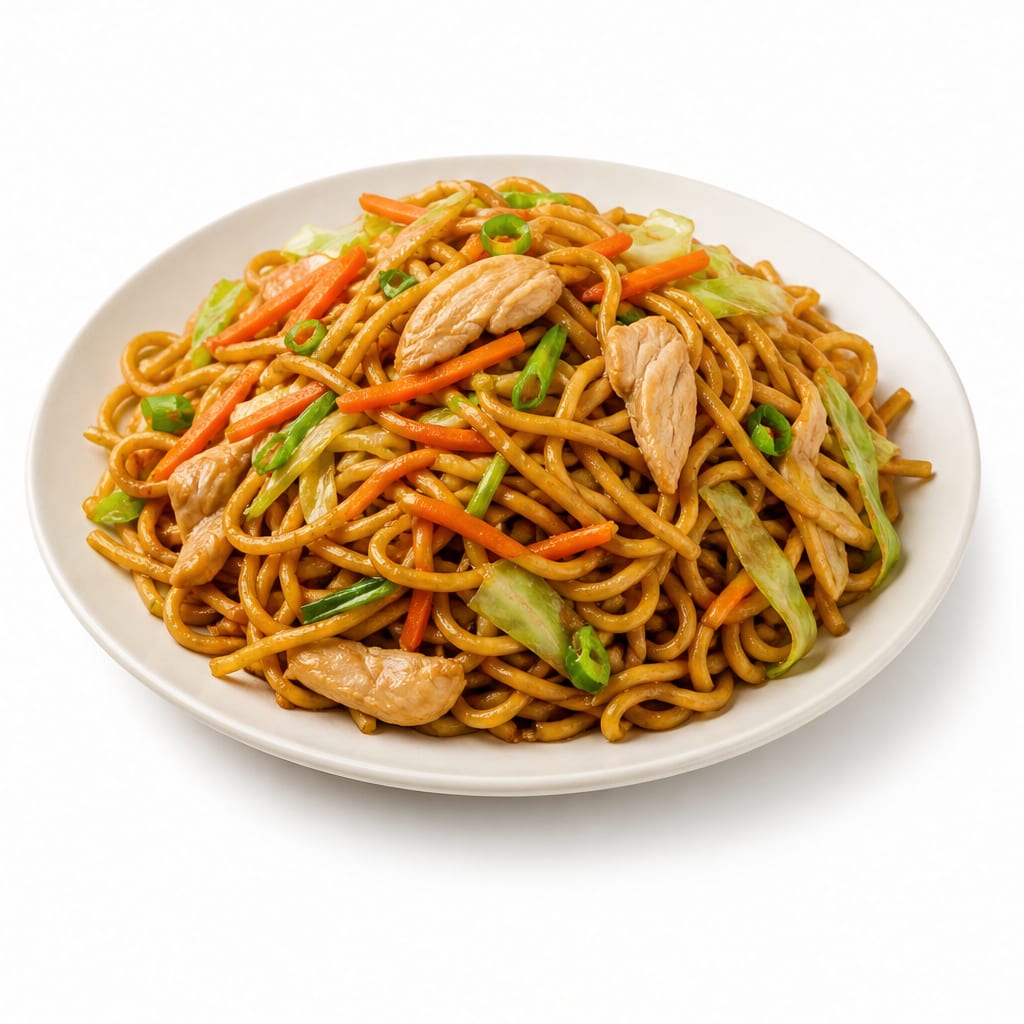
Compare with
Chow Mein
Chow Mein uses wheat noodles and is typically drier and soy-sauce heavy, while Pad Thai is saucier and sweeter.
Pad Thai has less fat than Chow Mein, but Chow Mein contains less sugar. Both are high-carb options best eaten in moderation.
This food
Pad Thai
VS65% alike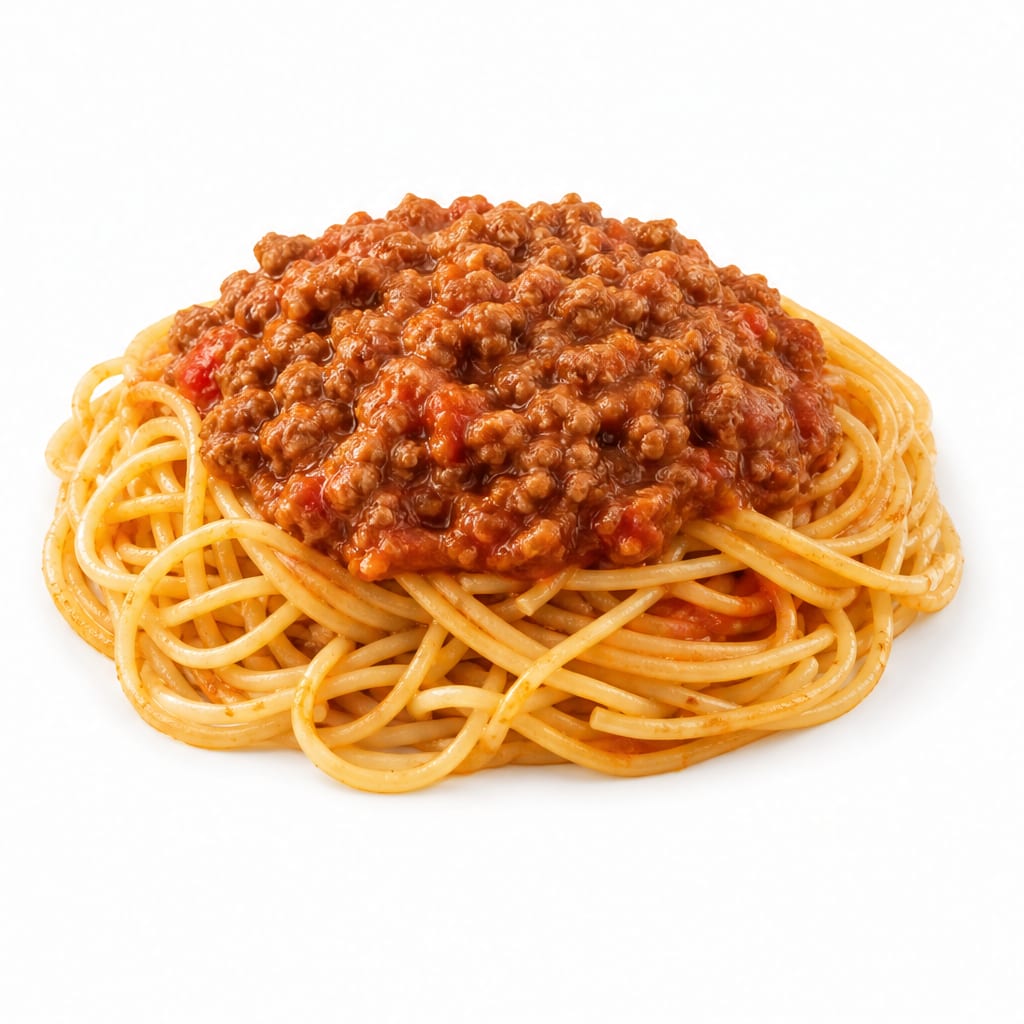
Compare with
Spaghetti Bolognese
Spaghetti Bolognese features wheat pasta and a tomato-meat sauce, offering more protein and less sugar than Pad Thai.
Spaghetti Bolognese provides more protein and less sugar than Pad Thai, making it better for satiety and blood sugar control.
This food
Pad Thai
VS60% alike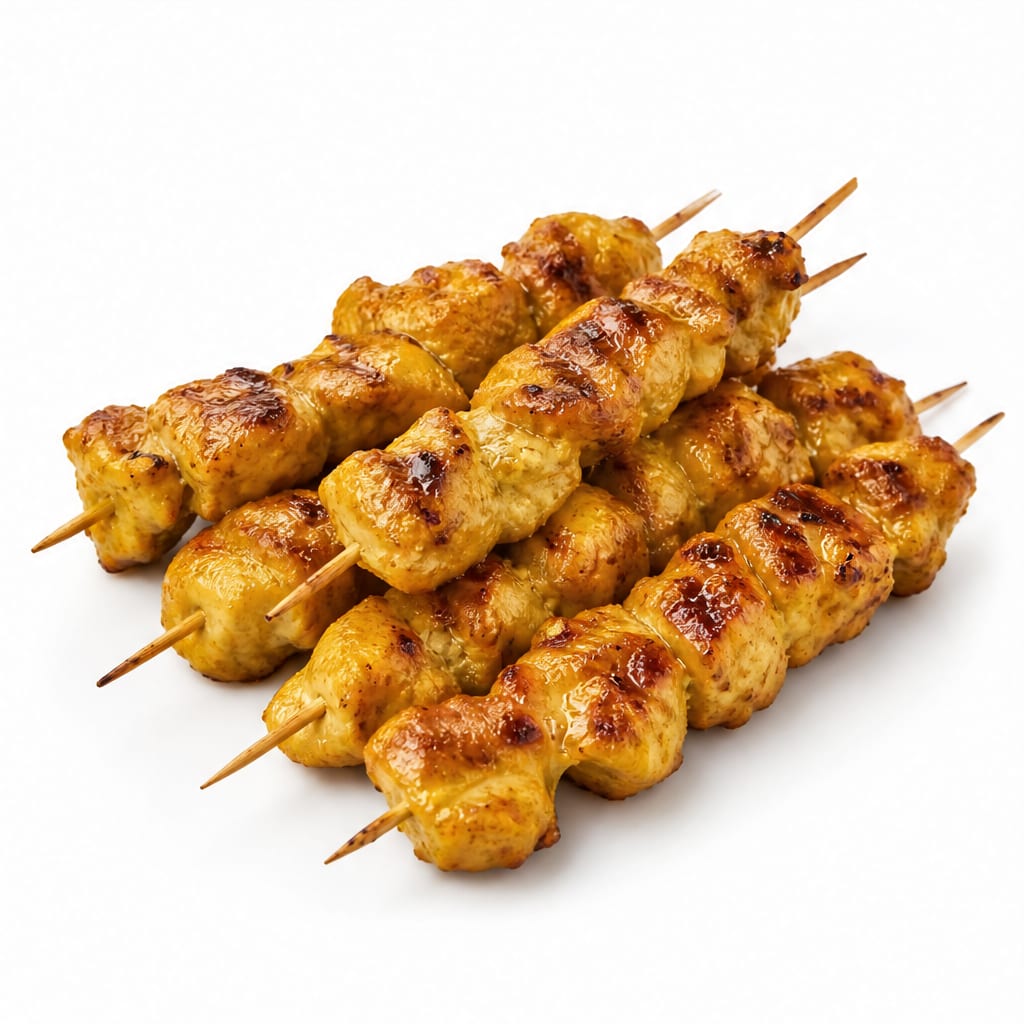
Compare with
Chicken Satay
Chicken Satay is purely grilled protein with a peanut dipping sauce, lacking the refined carbs of Pad Thai.
Chicken Satay is far better for weight loss and blood sugar than Pad Thai because it focuses on lean protein rather than refined carbohydrates.
This food
Pad Thai
VS55% alike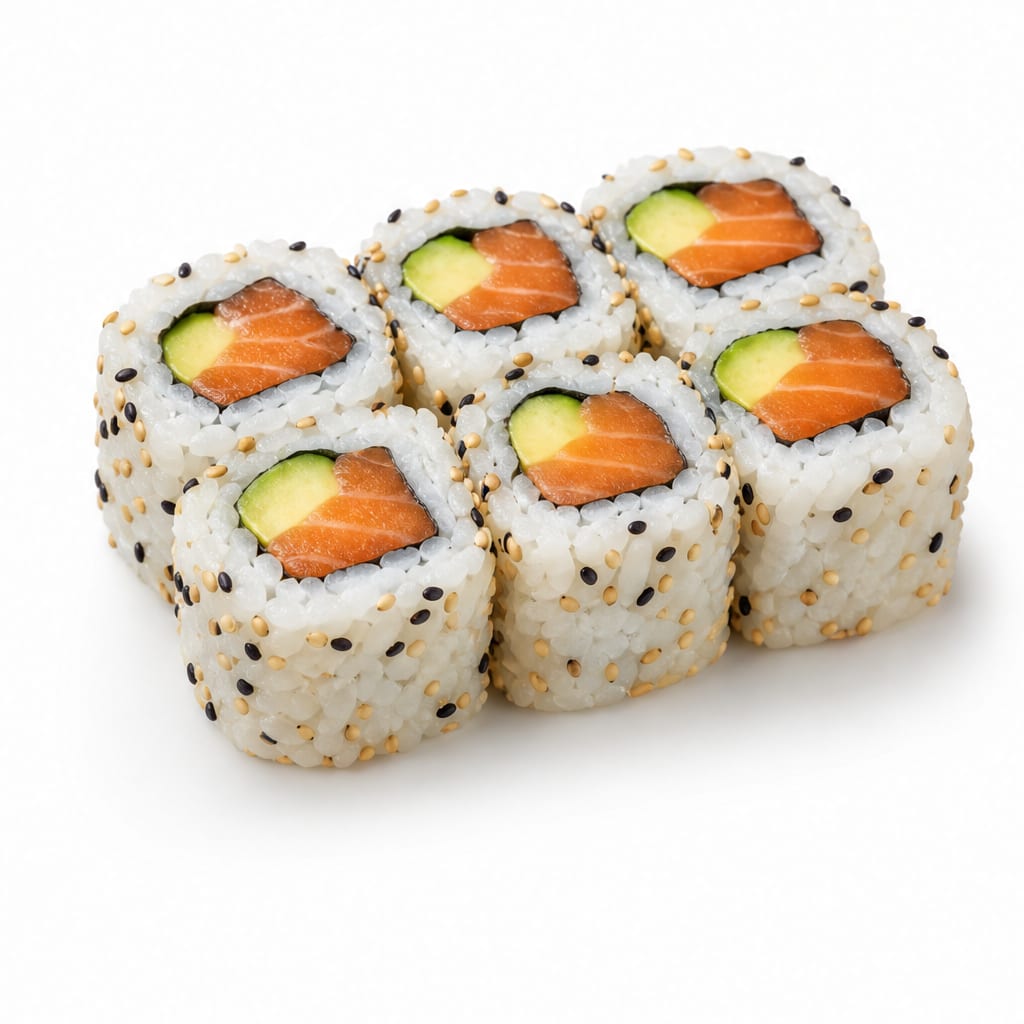
Compare with
Sushi Roll
Sushi uses refined white rice and raw fish, while Pad Thai uses refined noodles and stir-fried ingredients.
Sushi rolls are slightly lower in fat and calories than Pad Thai, but both are high in refined carbs and can spike blood sugar.
This food
Pad Thai
VS50% alike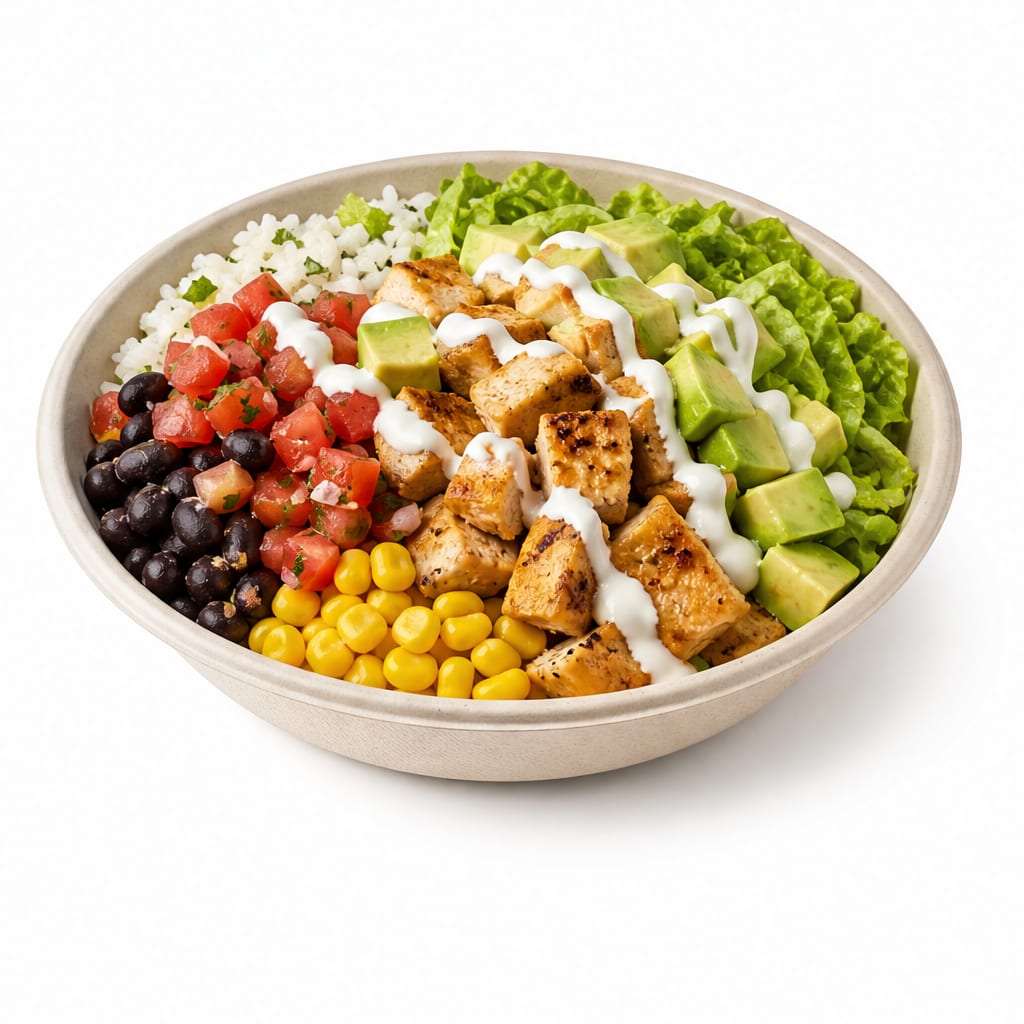
Compare with
Burrito Bowl
A burrito bowl uses rice, beans, and meat, offering more fiber and protein than Pad Thai.
A burrito bowl with beans and grilled meat offers more fiber and protein than Pad Thai, making it superior for satiety and blood sugar management.
This food
Pad Thai
VS40% alike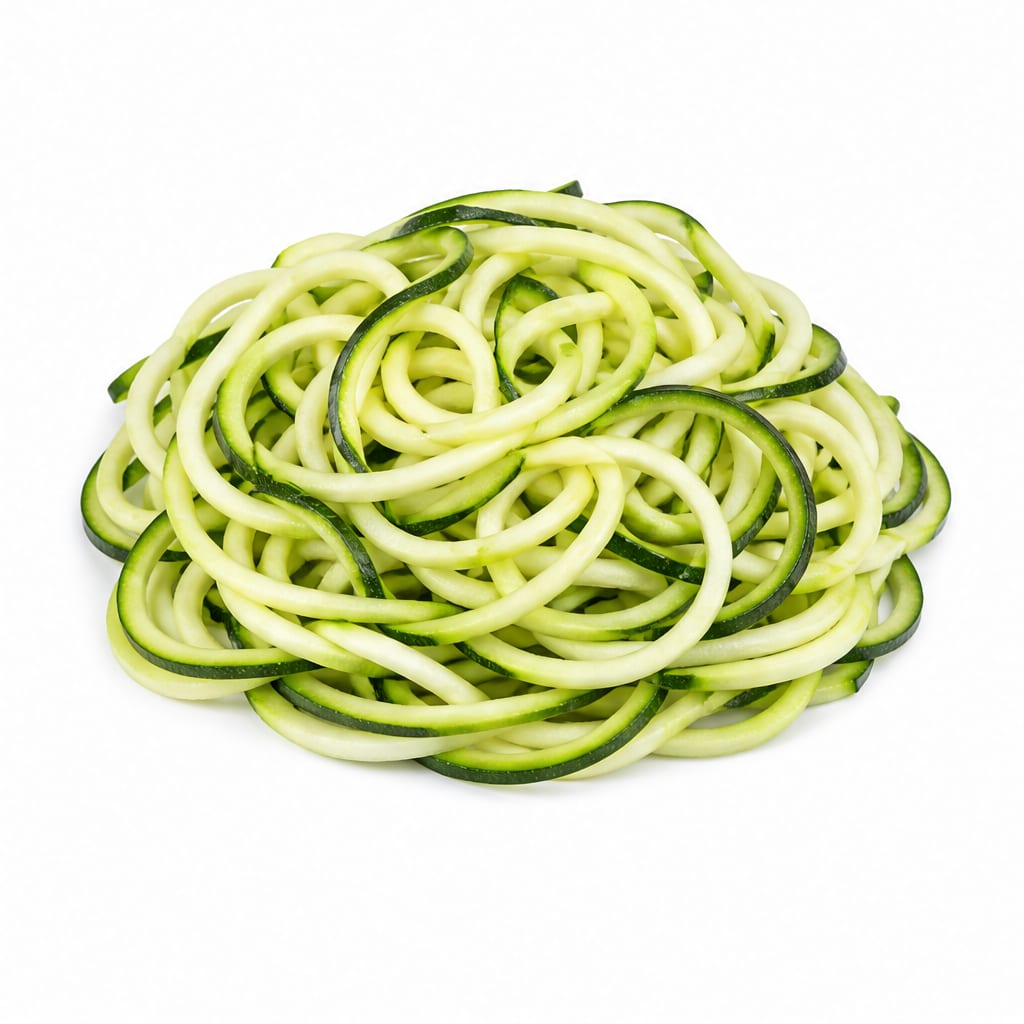
Compare with
Zucchini Noodles
Zucchini noodles are a vegetable-based substitute that eliminates the refined carbs and calories of rice noodles.
Zucchini noodles are dramatically lower in calories and carbs than Pad Thai noodles, making them an excellent choice for weight loss and blood sugar control.
Common questions
FAQ
Answers aligned with how people search for this food.
Is Pad Thai healthy for you?
Traditional restaurant Pad Thai is not considered healthy due to its high refined carbohydrate content from rice noodles, added sugars in the sauce, and high sodium levels. However, homemade versions with more vegetables and less sugar can be a better option.
How many calories are in a plate of Pad Thai?
A typical restaurant plate of Pad Thai contains between 800 and 1,200 calories, depending on the portion size and the amount of oil and sugar used in preparation.
Can I eat Pad Thai on a diet?
Eating Pad Thai on a diet is challenging due to its high calorie and carb density. If you choose to eat it, portion control is essential, or opt for modifications like extra vegetables and less noodle.
Is Pad Thai high in carbs and sugar?
Yes, Pad Thai is very high in carbs due to the rice noodles, and it also contains significant added sugar from the tamarind and palm sugar sauce. A single serving can easily exceed 80g of carbohydrates.
Can diabetics eat Pad Thai?
Diabetics should be cautious with Pad Thai. The refined rice noodles and sugary sauce cause rapid blood sugar spikes. Choosing a small portion, adding extra protein, or substituting low-carb noodles is recommended.
Is Pad Thai gluten-free?
Yes, traditional Pad Thai is typically gluten-free because it uses rice noodles and a sauce made from tamarind and fish sauce. However, some restaurants may use soy sauce or add wheat-based thickeners, so it is important to verify.
How can I make Pad Thai healthier at home?
To make healthier Pad Thai, use half the noodles and double the vegetables, reduce the sugar in the sauce, use lean protein, and consider swapping some rice noodles for zucchini noodles to lower carbs and calories.
Why is restaurant Pad Thai so high in calories?
Restaurant Pad Thai is high in calories because it uses large portions of refined noodles, generous amounts of cooking oil to prevent sticking, and significant amounts of sugar and peanuts, all of which are energy-dense.
Transparency
Data confidence
Estimated confidence for nutrition data, interpretation, safety notes, and comparisons.
Nutrition data
Health analysis
Food safety
Comparisons