
Nutrition comparison
Pad Thai vs Lo Mein: Which Noodle Dish is Healthier?
Compare Pad Thai vs Lo Mein to see which takeout favorite is better for weight loss, sodium, and blood sugar. Discover the nutritional tradeoffs and which one to order.
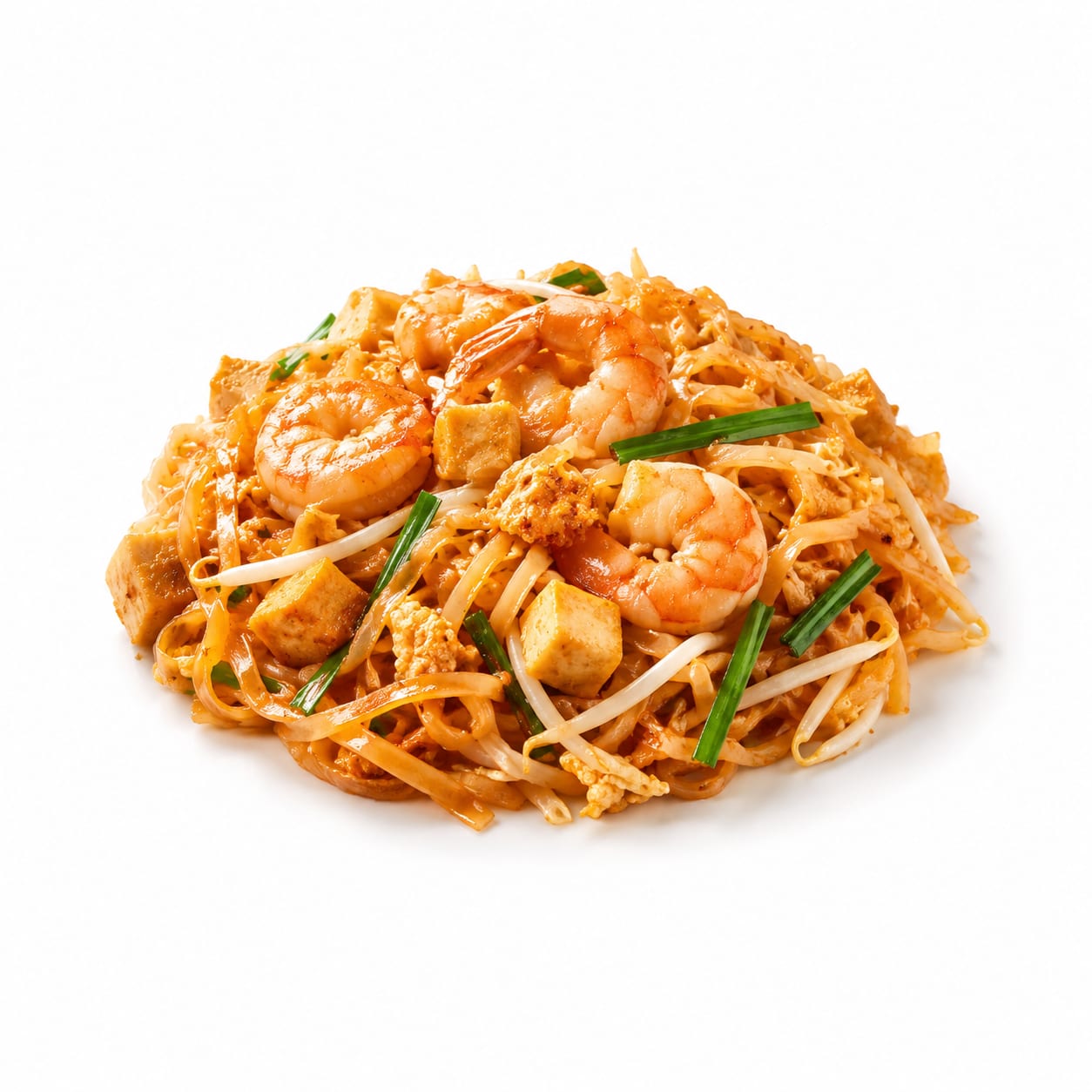
Pad Thai
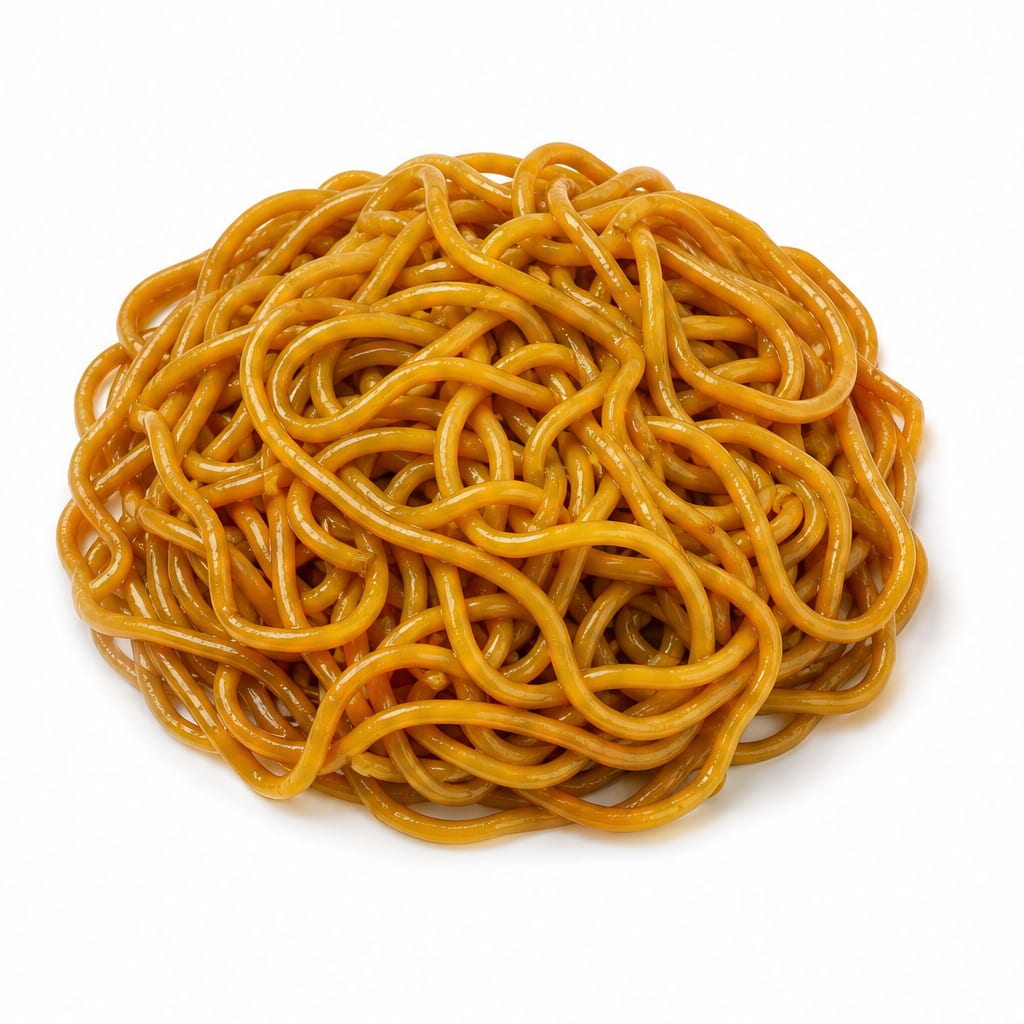
Lo Mein
Pad Thai offers more satiety from peanuts and eggs, while Lo Mein is often a sodium bomb soaked in soy sauce, but both are refined-carb-heavy takeout traps.
Pad Thai scores slightly higher due to better satiety from peanuts and eggs, but both are heavily penalized for high refined carbs, sodium, and calorie density typical of restaurant preparations.
Pad Thai's filling fats and proteins versus Lo Mein's softer texture and vegetable integration, both carrying heavy sodium and calorie loads.
At a glance
Executive summary
Overall
It depends
Healthier
Pad Thai
More practical
Lo Mein
Daily use
It depends
Key comparison lenses
Sodium and sauce heaviness
Both dishes are takeout staples drowning in high-sodium sauces, but the base sauces differ significantly in health impact.
Satiety from fat and protein
Pad Thai includes peanuts and eggs which alter fullness, whereas Lo Mein relies mostly on carbs and oil.
Refined carbohydrate impact
Rice noodles versus wheat noodles have different glycemic responses, though both are heavily processed.
Restaurant preparation variability
Takeout portions for both are notoriously large and heavily oiled, making home preparation the only true healthy route.
Best choice for
Pad Thai
- People who want a more filling meal
- Those who prefer a sweet and sour flavor profile
- People needing more protein and healthy fats from peanuts
Lo Mein
- People who prefer savory, umami flavors
- Those who want a softer, easier-to-chew meal
- People looking for more integrated vegetable pieces
Least suitable for
Pad Thai
- People with peanut allergies
- Those strictly watching calorie intake
- People sensitive to sugar spikes from sweet sauces
Lo Mein
- People watching their sodium intake strictly
- Those who find oily foods unappetizing
- People needing a high-protein meal
Deep comparison
Dimension by dimension
Each lens scores both foods and breaks down who each option suits.
- Dimension 1 · Priority 90Pad Thai
Satiety & Fullness
Pad Thai · 70Lo Mein · 50Pad Thai keeps you fuller longer thanks to the protein and fat from peanuts and eggs.
Tradeoff
You get more staying power with Pad Thai, but it comes with a higher calorie price tag per bite.
Why it matters
Meals that lack protein and fat often lead to snacking again just a couple of hours later.
Real-world impact
After eating Lo Mein, you might find yourself hungry again by mid-afternoon, whereas Pad Thai typically holds you over until dinner.
Pad Thai
- Staying full for hours
- Avoiding late-afternoon cravings
Better for
- Feeling overly stuffed if you eat the whole restaurant portion
Worse for
Lo Mein
- Lighter post-meal feeling if eating a small portion
Better for
- Getting hungry again quickly due to low protein
Worse for
- Dimension 2 · Priority 85Pad Thai
Sodium Load
Pad Thai · 35Lo Mein · 25Both are sodium landmines, but Lo Mein's heavy soy and oyster sauce base usually pushes it over the edge.
Tradeoff
Lo Mein delivers intense umami flavor but at the cost of extreme sodium intake that can cause bloating.
Why it matters
High sodium meals lead to water retention, thirst, and elevated blood pressure over time.
Real-world impact
You might wake up the next day with puffy fingers and a scale weight jump after a Lo Mein dinner.
Pad Thai
- Slightly less bloating risk
- More balanced salt-sweet flavor profile
Better for
- Still exceeds half your daily sodium limit in one meal
Worse for
Lo Mein
- Intense savory satisfaction
Better for
- Severe water retention and bloating
- Extreme thirst after eating
Worse for
- Dimension 3 · Priority 80Pad Thai
Blood Sugar Stability
Pad Thai · 40Lo Mein · 30Pad Thai's rice noodles spike blood sugar, but the fat and protein from peanuts slow the absorption slightly compared to Lo Mein's wheat noodles and oil.
Tradeoff
Neither is a friend to steady blood sugar, but Pad Thai offers a slightly softer crash.
Why it matters
Rapid blood sugar spikes lead to energy crashes and increased cravings.
Real-world impact
Eating either dish on an empty stomach can cause a food coma, but Lo Mein often hits faster and harder.
Pad Thai
- Slightly slower carb absorption
- Less severe energy crash
Better for
- Still a high-glycemic meal that triggers insulin spikes
Worse for
Lo Mein
- None regarding blood sugar
Better for
- Rapid blood sugar spike followed by a hard crash
Worse for
- Dimension 4 · Priority 75Lo Mein
Calorie Density
Pad Thai · 35Lo Mein · 45Pad Thai is notoriously calorie-dense due to peanuts, oil, and sugar, while Lo Mein can be slightly lighter if not drenched in oil.
Tradeoff
Pad Thai's healthy fats are calorie-dense, making portion control much harder.
Why it matters
Unintended calorie consumption is the fastest way to gain weight, even from healthy fat sources.
Real-world impact
A standard takeout box of Pad Thai can easily pack over 1,000 calories before you realize it.
Pad Thai
- Getting more calories if you need the energy
- Healthy fat intake
Better for
- Very easy to overeat calories
- Hidden oils and sugars
Worse for
Lo Mein
- Easier to keep calories lower if you control the portion
- Less calorie-dense per cup
Better for
- Can still be a calorie bomb if heavily oiled
Worse for
Timeline
Health impact over time
Short-term
Hours to days
Pad Thai
- Quick energy from refined carbs
- Satiety from peanuts and eggs
- Possible sugar rush from tamarind and palm sugar
Lo Mein
- Rapid blood sugar spike
- Bloating from high sodium
- Thirst from heavy soy sauce
Long-term
Months to years
Pad Thai
- Weight gain from calorie density if eaten frequently
- Better lipid profile from peanut fats
- Increased insulin resistance from refined carbs
Lo Mein
- High blood pressure risk from sodium
- Weight gain from excess oil and carbs
- Increased cardiovascular risk from sodium and refined carbs
Risk profile
Safety & processing
Both dishes rely on processed sauces and refined noodles, making them far from whole foods. Pad Thai uses more whole ingredients like peanuts and sprouts, while Lo Mein relies heavily on refined sauces and oils.
Pad Thai
Peanut cross-contamination
highPad Thai contains peanuts, posing a severe risk for those with allergies, especially in restaurant settings.
Foodborne illness from street vendors
mediumFresh bean sprouts in Pad Thai are a common vector for Salmonella if not properly washed or cooked.
Lo Mein
MSG sensitivity
lowLo Mein often contains MSG, which can cause headaches or flushing in sensitive individuals.
Sodium overload
highThe extreme sodium content can be acutely dangerous for those with heart failure or severe hypertension.
Who wins for whom
Audience fit
Same foods, different winners depending on your goal.
children
Pad ThaiKids often prefer the sweeter, peanutty flavor of Pad Thai over the savory, onion-heavy taste of Lo Mein.
daily consumption
It dependsNeither should be eaten daily due to high sodium and refined carbs, but homemade versions of either could fit a daily diet if sauces are controlled.
diabetes
Pad ThaiThe fats and proteins in Pad Thai slow down the digestion of the rice noodles slightly more than the wheat noodles and oil in Lo Mein, leading to a marginally better glycemic response.
elderly
Lo MeinLo Mein is softer and requires less chewing, making it easier for those with dental issues or sensitive stomachs.
muscle gain
Pad ThaiPad Thai provides more protein from eggs and peanuts, which is slightly better for muscle maintenance, though neither is a bodybuilding food.
weight loss
It dependsNeither is ideal, but Lo Mein can be lower in calories if you strictly control the portion, while Pad Thai is more filling so you might eat less later.
Your move
Decision guide
Choose Pad Thai
- You want a meal that keeps you full for hours
- You crave a balance of sweet, sour, and savory flavors
- You want slightly more protein and healthy fats
Choose Lo Mein
- You want a softer, comforting noodle dish
- You prefer deep savory and umami flavors
- You want a dish that is easy to chew and digest
Either works if
- You are craving takeout noodles
- You need a quick, satisfying carb-heavy meal after a long workout
Avoid both if
- You are strictly managing your blood pressure or sodium intake
- You are on a low-carb or keto diet
- You are trying to minimize ultra-processed foods
Final recommendation
Choose Pad Thai when you need a filling meal with a flavor punch and don't mind the calorie load from peanuts. Opt for Lo Mein when you want something softer and deeply savory, but drink plenty of water to handle the sodium. For the healthiest outcome, ask for either dish with half the sauce and extra vegetables.
Practical
Consumer tips
- 1
Ask for your Pad Thai or Lo Mein with the sauce on the side to cut sodium and calories by up to 30%.
- 2
Order extra steamed vegetables in either dish to add fiber and slow down the blood sugar spike.
- 3
Eat only half of the takeout portion and save the rest for tomorrow to keep calories in check.
- 4
Drink plenty of water after eating either dish to flush out excess sodium and reduce bloating.
- 5
If making at home, use low-sodium soy sauce or coconut aminos and zucchini noodles mixed with regular noodles to boost nutrition.