
Nutrition comparison
Pad Thai vs Chow Mein: Which Noodle Dish Is Healthier?
Compare Pad Thai and Chow Mein nutrition including sodium, calories, gluten, and blood sugar impact. Find out which Asian noodle dish fits your health goals better.
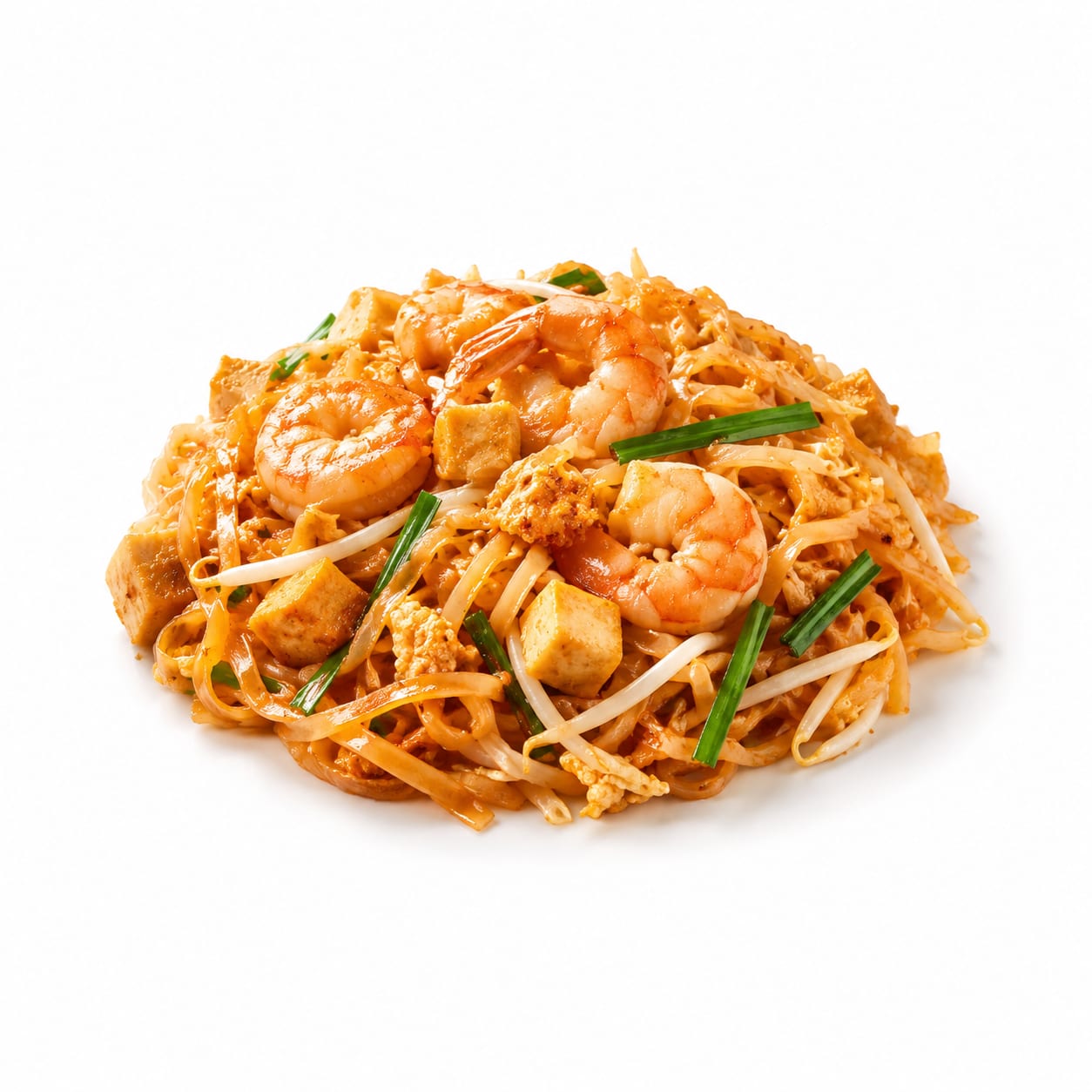
Pad Thai
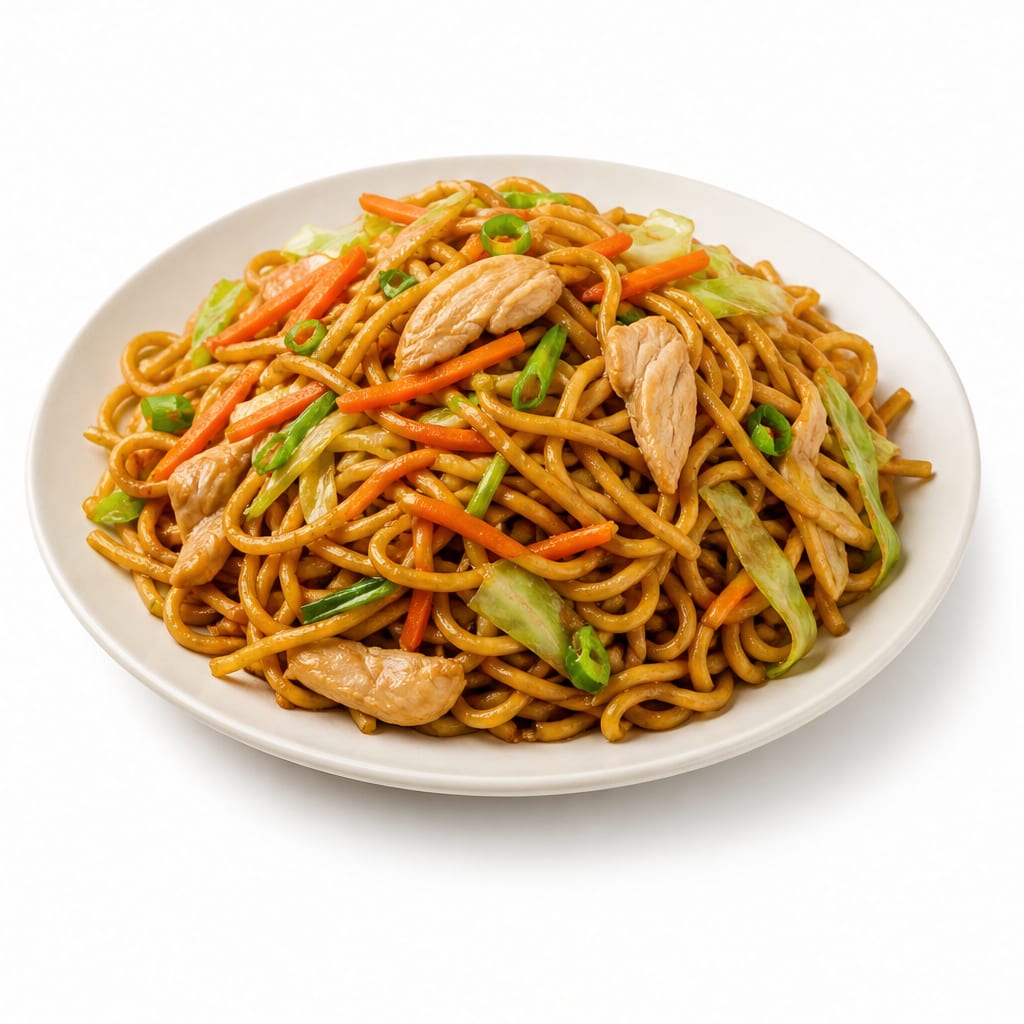
Chow Mein
Pad Thai wins for gluten-free needs and slightly lower sodium, while Chow Mein offers more fiber and steadier blood sugar. Neither is a health food.
Both score low because restaurant versions of either dish are typically high in sodium, refined carbs, and added fats. Pad Thai edges slightly ahead due to gluten-free rice noodles and marginally lower sodium, but its added sugar pulls it back down. The small gap reflects minor tradeoffs rather than a clear winner.
Pad Thai has less sodium but more sugar from tamarind and palm sugar, while Chow Mein has more sodium but less sugar and more fiber from wheat noodles and vegetables.
At a glance
Executive summary
Overall
It depends
Healthier
It depends
More practical
Chow Mein
Daily use
It depends
Key comparison lenses
Which noodle dish is healthier for regular takeout?
Both are popular restaurant and takeout options people choose between frequently
Sodium and blood pressure impact
Both dishes are notoriously high in sodium from soy sauce, fish sauce, and seasonings
Gluten sensitivity and allergy compatibility
Rice noodles in Pad Thai are naturally gluten-free while wheat noodles in Chow Mein contain gluten
Calorie density and weight management
Both can be calorie-dense but through different mechanisms — oil versus sugar and peanuts
Blood sugar stability
Rice noodles and wheat noodles have different glycemic impacts
Best choice for
Pad Thai
- Gluten-sensitive or celiac individuals
- Those watching sodium intake closely
- People preferring lighter-tasting noodle dishes
- Anyone avoiding wheat-based carbs
Chow Mein
- Those needing more fiber and satiety
- People wanting steadier blood sugar from complex carbs
- Anyone prioritizing vegetable intake
- Those who find wheat noodles more filling
Least suitable for
Pad Thai
- People managing diabetes due to sugar content
- Those on strict low-calorie diets
- People with peanut allergies
- Anyone sensitive to blood sugar spikes
Chow Mein
- Anyone with celiac disease or gluten sensitivity
- People on low-sodium diets for blood pressure
- Those avoiding wheat or following paleo-style eating
- People sensitive to MSG commonly used in Chinese takeout
Deep comparison
Dimension by dimension
Each lens scores both foods and breaks down who each option suits.
- Dimension 1 · Priority 95Pad Thai
Sodium Load
Pad Thai · 35Chow Mein · 25Pad Thai typically contains less sodium than Chow Mein, though both are high-salt dishes by any standard.
Tradeoff
Pad Thai uses fish sauce which is salty, but Chow Mein relies heavily on soy sauce and often MSG, pushing sodium even higher.
Why it matters
A single serving of either can easily exceed 1500mg sodium — most of your daily limit in one meal.
Real-world impact
Eating either dish regularly for lunch could keep your blood pressure elevated throughout the afternoon and contribute to chronic hypertension over time.
Pad Thai
- Those with mild hypertension
- People trying to reduce overall salt intake
Better for
Chow Mein
- Anyone on a strict low-sodium diet
- People with congestive heart failure
Worse for
- Dimension 2 · Priority 85Chow Mein
Blood Sugar Stability
Pad Thai · 30Chow Mein · 45Chow Mein provides steadier blood sugar due to wheat noodles having more fiber and less added sugar than Pad Thai.
Tradeoff
Pad Thai's tamarind sauce and palm sugar add significant simple sugars, while rice noodles digest quickly, creating a double spike risk.
Why it matters
The combination of refined rice noodles and added sugar in Pad Thai can cause a rapid blood sugar rise followed by an energy crash.
Real-world impact
After Pad Thai, you might feel sleepy and hungry again within two hours. Chow Mein tends to sustain energy longer.
Pad Thai
- Diabetics
- People sensitive to sugar spikes
Worse for
Chow Mein
- People with prediabetes
- Anyone prone to afternoon energy crashes
- Those managing insulin resistance
Better for
- Dimension 3 · Priority 85Pad Thai
Gluten and Allergen Profile
Pad Thai · 80Chow Mein · 20Pad Thai is naturally gluten-free since it uses rice noodles, while Chow Mein contains wheat gluten.
Tradeoff
Pad Thai's rice noodles make it accessible for celiac and gluten-sensitive people, but it contains peanuts — a top allergen. Chow Mein avoids peanuts but contains wheat and often soy.
Why it matters
For the roughly 6% of people with gluten sensitivity, this distinction alone determines which dish is even an option.
Real-world impact
If you have celiac disease, Chow Mein is off the table entirely. Pad Thai works — just confirm no soy sauce was used in preparation.
Pad Thai
- Celiac individuals
- Gluten-sensitive people
- Those following wheat-free diets
Better for
- People with peanut allergies
Worse for
Chow Mein
- People with peanut allergies
Better for
- Anyone with celiac disease
- Gluten-sensitive individuals
Worse for
- Dimension 4 · Priority 80Chow Mein
Satiety and Fullness
Pad Thai · 40Chow Mein · 55Chow Mein keeps you fuller for longer thanks to wheat fiber and typically more vegetables.
Tradeoff
Pad Thai's rice noodles digest faster and the sugar content can trigger hunger signals sooner, despite the protein from peanuts.
Why it matters
A meal that leaves you hungry an hour later leads to overeating and poor snack choices later.
Real-world impact
Order Pad Thai for lunch and you may be reaching for snacks by 3pm. Chow Mein tends to hold you over until dinner.
Pad Thai
- Frequent snackers trying to cut back
- People who need sustained energy
Worse for
Chow Mein
- People trying to eat less between meals
- Anyone who needs lasting energy through a long afternoon
Better for
- Dimension 5 · Priority 75It depends
Calorie Density
Pad Thai · 38Chow Mein · 35Both are calorie-dense restaurant dishes, but they pack calories differently — Pad Thai through sugar and peanuts, Chow Mein through oil.
Tradeoff
Pad Thai's peanuts add healthy fats but are calorie-dense. Chow Mein's heavy oil usage for stir-frying adds empty calories. Restaurant portions of either easily exceed 800 calories.
Why it matters
Neither dish is weight-loss friendly in typical restaurant portions, making portion control the real deciding factor.
Real-world impact
A standard restaurant plate of either dish can contain 800-1200 calories — nearly half a day's worth for many people.
Pad Thai
- People strictly counting calories
Worse for
Chow Mein
- People strictly counting calories
Worse for
- Dimension 6 · Priority 70Chow Mein
Nutrient Density
Pad Thai · 35Chow Mein · 45Chow Mein typically includes more vegetables and wheat noodles offer B vitamins and minerals that rice noodles lack.
Tradeoff
Pad Thai has bean sprouts and lime juice providing some vitamin C, but Chow Mein usually packs in more cabbage, carrots, and leafy greens.
Why it matters
Beyond just calories, the vitamins and minerals in your meal affect how your body functions and recovers.
Real-world impact
Chow Mein's vegetable variety gives you a broader spectrum of micronutrients, while Pad Thai's nutrient contribution is more limited.
Pad Thai
- Anyone eating limited fresh produce overall
Worse for
Chow Mein
- Those relying on takeout for vegetable intake
- People wanting more micronutrient variety
Better for
Timeline
Health impact over time
Short-term
Hours to days
Pad Thai
- Quick energy from easily digested rice noodles and sugar
- Possible blood sugar crash within 1-2 hours
- Bloating from high sodium and bean sprouts in some people
- Thirst from fish sauce sodium content
Chow Mein
- Longer-lasting fullness from wheat fiber and vegetables
- Possible MSG-related symptoms in sensitive individuals
- Water retention from high soy sauce sodium
- Heavy feeling from oil-heavy preparation
Long-term
Months to years
Pad Thai
- Regular consumption may contribute to insulin resistance from refined carbs and added sugar
- High sodium intake could elevate blood pressure over time
- Peanut protein provides some anti-inflammatory benefit
- Low fiber content may affect digestive regularity
Chow Mein
- Wheat fiber supports digestive health if eaten regularly
- Very high sodium from soy sauce increases hypertension risk significantly
- Oil-heavy preparation may contribute to calorie excess and weight gain
- MSG sensitivity could become more pronounced with frequent exposure
Risk profile
Safety & processing
Both dishes are cooked from scratch at restaurants but rely on processed ingredients — commercial sauces, refined noodles, and industrial cooking oils. Pad Thai's tamarind paste and fish sauce are traditional but often contain preservatives. Chow Mein's soy sauce and MSG are highly processed seasonings. Neither is a whole-food meal, but neither reaches ultra-processed status like frozen dinners or fast food nuggets.
Pad Thai
Peanut cross-contamination
highPeanuts are a core ingredient and can cause severe allergic reactions. Cross-contamination in restaurant kitchens is common.
Raw bean sprout contamination
mediumBean sprouts are sometimes lightly cooked or raw, carrying risk of Salmonella or E. coli.
Shellfish cross-contamination
mediumFish sauce may contain shellfish derivatives, and shared woks often cook shrimp alongside other dishes.
Chow Mein
MSG sensitivity reactions
mediumMany Chinese restaurants use MSG, which can cause headaches, flushing, or sweating in sensitive individuals.
Soy allergen presence
highSoy sauce is a base ingredient, making Chow Mein unsafe for anyone with soy allergies.
High-temperature cooking carcinogens
lowWok cooking at very high temperatures can produce trace amounts of acrylamide and heterocyclic amines, though risk from occasional consumption is minimal.
Who wins for whom
Audience fit
Same foods, different winners depending on your goal.
children
Pad ThaiPad Thai's sweeter flavor profile and softer rice noodles appeal more to kids. The peanut crunch is engaging, and it avoids the heavy soy sauce taste children often reject.
daily consumption
It dependsNeither should be eaten daily due to sodium and calorie load. If forced to choose, homemade versions of either with controlled salt and oil would be the only way to make daily consumption reasonable.
diabetes
Chow MeinChow Mein's wheat noodles and lower sugar content create a slower blood sugar rise. Pad Thai's combination of refined rice noodles and added sugar is problematic for glucose management.
elderly
Pad ThaiRice noodles are softer and easier to chew for those with dental concerns. Lower sodium in Pad Thai is also gentler on aging cardiovascular systems, though both remain high-salt meals.
muscle gain
It dependsBoth can support muscle gain if ordered with chicken, tofu, or shrimp. Chow Mein's wheat noodles offer slightly more protein per serving, but the difference is minimal.
weight loss
It dependsNeither is ideal for weight loss. Pad Thai has slightly fewer calories per serving in some preparations, but Chow Mein's higher fiber keeps you fuller longer, potentially reducing overall daily intake.
Your move
Decision guide
Choose Pad Thai
- You need a gluten-free meal option
- You prefer lighter, sweeter, tangier flavors
- You want slightly less sodium than typical Chinese takeout
- You have dental or chewing concerns requiring softer noodles
- You are ordering for children who prefer milder flavors
Choose Chow Mein
- You want longer-lasting energy and fullness
- You need steadier blood sugar after your meal
- You want more vegetables mixed into your noodles
- You are not sensitive to gluten or soy
- You prefer savory, umami-rich flavors
Either works if
- You are ordering takeout occasionally as a treat
- You can request modifications like less oil or sauce on the side
- You plan to eat only half the restaurant portion and save the rest
Avoid both if
- You are on a strict low-sodium diet for heart or kidney conditions
- You are following a low-carb or ketogenic eating plan
- You need to avoid both gluten and peanuts simultaneously
- You are trying to lose weight and struggle with portion control
Final recommendation
For most people, the choice between Pad Thai and Chow Mein comes down to gluten tolerance and flavor preference rather than health superiority. Both are high-sodium, calorie-dense restaurant meals that should be occasional choices, not staples. If you have blood sugar concerns, lean toward Chow Mein. If you need gluten-free, Pad Thai is your only real option. The healthiest move either way: ask for sauce on the side, request extra vegetables, and eat half the portion.
Practical
Consumer tips
- 1
Ask for sauce on the side — this alone can cut sodium by 30-40% for either dish
- 2
Order extra vegetables to increase fiber and nutrient density while diluting calorie density
- 3
Eat half the restaurant portion and save the rest — standard servings are often two meals worth
- 4
Request less oil for Chow Mein preparation — most restaurants use far more than necessary
- 5
For Pad Thai, ask for less sugar in the sauce — many restaurants will accommodate
- 6
Avoid adding extra soy sauce or fish sauce at the table — the dish already has plenty
- 7
Choose tofu or chicken over fried proteins to reduce calorie and fat content
- 8
Drink plenty of water with either meal to help manage the sodium load
- 9
If ordering regularly, try making simplified versions at home where you control the salt, oil, and sugar