
Nutrition comparison
Pad Thai vs Sushi Roll: Which Is Healthier for You?
Compare Pad Thai and sushi rolls on calories, omega-3s, sodium, blood sugar, and food safety. Find out which restaurant favorite fits your health goals better.
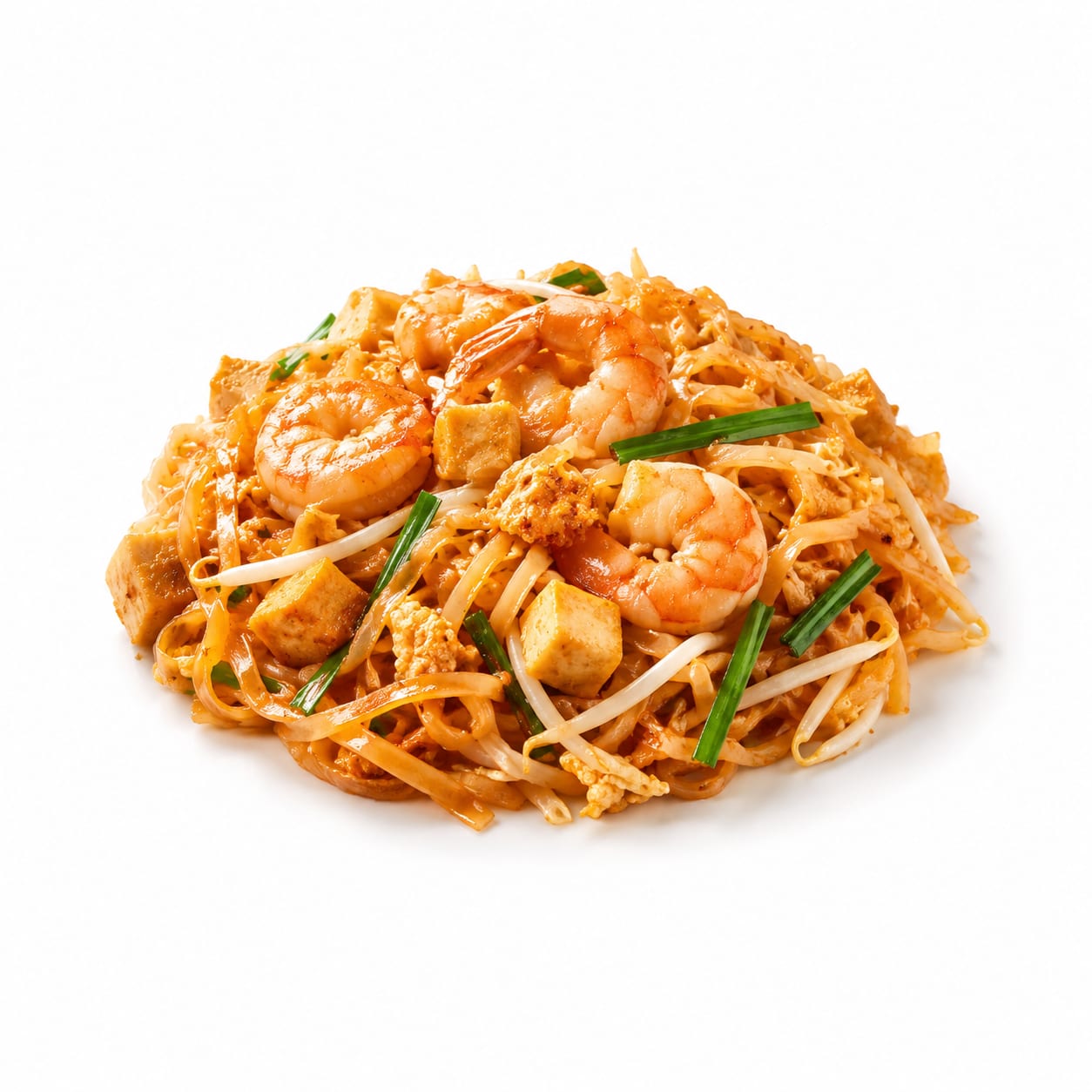
Pad Thai
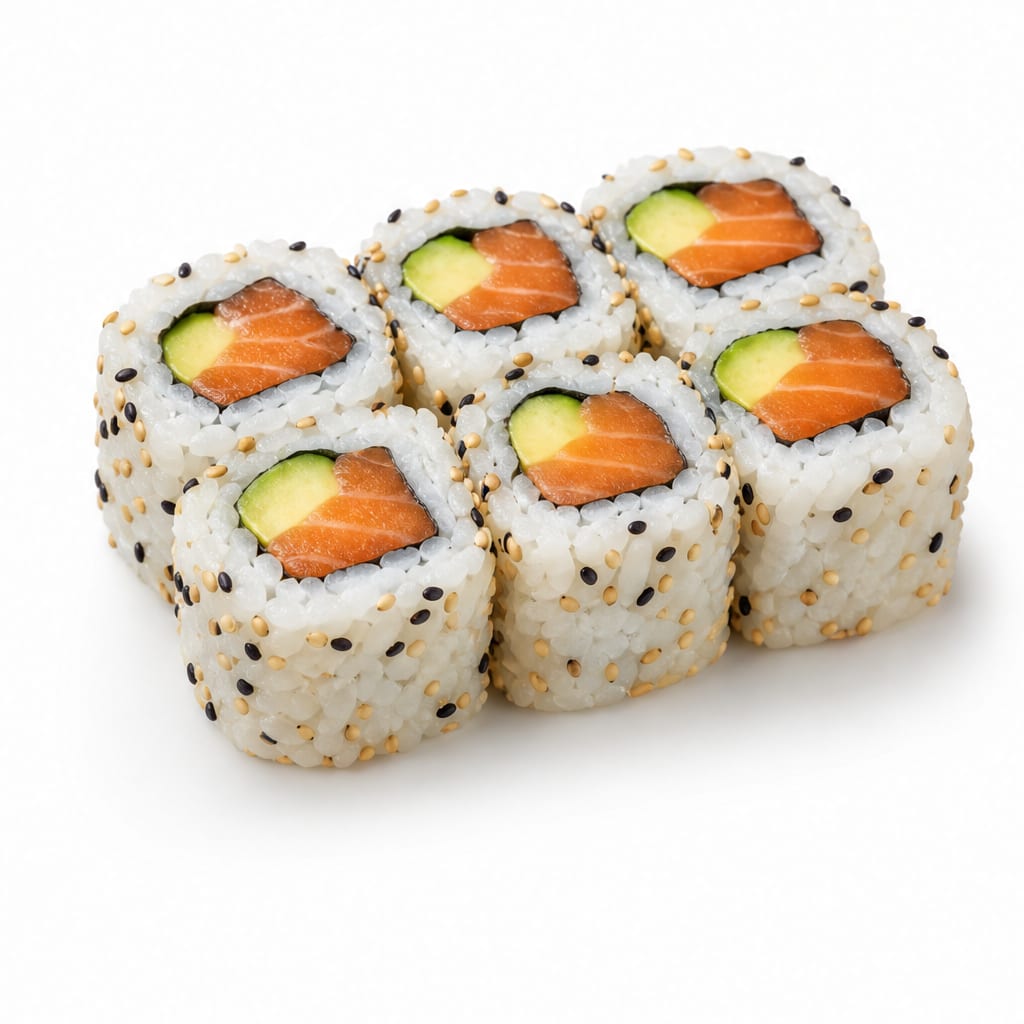
Sushi Roll
Sushi rolls edge ahead for heart health and lighter eating, while Pad Thai wins on satisfaction and food safety. Your goals decide the winner.
Sushi rolls score moderately higher due to omega-3 content, lighter calorie profile, and anti-inflammatory potential. Pad Thai remains competitive for satiety and safety but loses ground on sodium load and blood sugar impact.
Omega-3 benefits and lighter calories in sushi versus the comforting fullness and zero raw-fish risk in Pad Thai
At a glance
Executive summary
Overall
It depends
Healthier
Sushi Roll
More practical
Pad Thai
Daily use
Sushi Roll
Key comparison lenses
weight management and calorie control
Both foods are carb-heavy restaurant staples where portion sizes and hidden calories dramatically affect outcomes
blood sugar stability
Rice noodles and sushi rice both spike blood sugar, but the surrounding ingredients change how your body handles it
heart health and inflammation
Sushi delivers omega-3s from fish while Pad Thai often brings sodium and refined oils that challenge cardiovascular health
food safety and contamination risk
Raw fish in sushi rolls carries unique contamination risks that Pad Thai avoids entirely
practical dining and convenience
Both are popular takeout and restaurant options, but they differ in portability, storage, and reheating potential
Best choice for
Pad Thai
- Post-workout refueling when you need substantial carbs
- Cold-weather comfort meals that feel satisfying
- People avoiding raw fish during pregnancy or immune compromise
- Those who find sushi leaves them hungry an hour later
Sushi Roll
- Heart-health conscious diners wanting omega-3s
- Lighter lunch options that won't cause afternoon drowsiness
- People tracking calories who want more volume per bite
- Anyone prioritizing anti-inflammatory eating patterns
Least suitable for
Pad Thai
- Sodium-sensitive individuals managing hypertension
- People strictly controlling refined carb intake
- Those seeking anti-inflammatory meal patterns
- Anyone eating late at night before bed
Sushi Roll
- Pregnant women avoiding raw fish
- Immune-compromised individuals at higher foodborne illness risk
- People with severe iodide sensitivity from seaweed
- Those who find sushi rice triggers sugar cravings
Deep comparison
Dimension by dimension
Each lens scores both foods and breaks down who each option suits.
- Dimension 1 · Priority 90Sushi Roll
blood sugar stability
Pad Thai · 38Sushi Roll · 52Both spike blood sugar, but sushi rice portions are typically smaller and fish protein slows absorption better than Pad Thai's oil-soaked noodles.
Tradeoff
Sushi wins modestly, but neither is ideal for glucose management without modifications
Why it matters
Rice noodles digest almost as fast as white bread, while sushi rice is seasoned with sugar — both are glycemic challenges
Real-world impact
Either option can trigger an energy crash 90 minutes after eating, but sushi rolls tend to produce a slightly gentler rise and fall
Pad Thai
- Active individuals who burn through carbs quickly
- Endurance athletes needing rapid glycogen replenishment
Better for
- Diabetics needing tight glucose control
- Sedentary eaters prone to afternoon crashes
Worse for
Sushi Roll
- Office workers wanting to avoid the 2pm slump
- Pre-diabetics seeking the lesser of two carb spikes
Better for
- Anyone assuming sushi is automatically low-carb
- People who overeat rolls and get a delayed sugar crash
Worse for
- Dimension 2 · Priority 88Sushi Roll
heart health and inflammation
Pad Thai · 35Sushi Roll · 72Fish-based sushi rolls deliver meaningful omega-3s that fight inflammation, while Pad Thai's refined oils and heavy sodium promote the opposite.
Tradeoff
You gain anti-inflammatory fats with sushi but accept raw fish risks; Pad Thai avoids those risks but offers zero cardiovascular benefit
Why it matters
Chronic inflammation drives heart disease, and regular omega-3 intake from fish is one of the strongest dietary protective factors
Real-world impact
Eating sushi rolls twice weekly meaningfully contributes to omega-3 targets, while regular Pad Thai may quietly elevate blood pressure through sodium
Pad Thai
- People already meeting omega-3 needs through supplements
- Those who prioritize avoiding any foodborne risk
Better for
- Hypertensive individuals sensitive to sodium
- People with existing inflammatory conditions
Worse for
Sushi Roll
- Anyone not eating fatty fish regularly elsewhere
- People with family history of heart disease
- Those seeking anti-inflammatory dietary patterns
Better for
- Those who only eat tempura or cream cheese rolls with no real fish benefit
Worse for
- Dimension 3 · Priority 82Pad Thai
satiety and fullness
Pad Thai · 74Sushi Roll · 55Pad Thai's combination of noodles, oil, peanuts, and eggs creates a heavier meal that stays with you longer than most sushi rolls.
Tradeoff
You feel fuller with Pad Thai but may feel overly stuffed; sushi leaves you lighter but hungry sooner
Why it matters
Meals that satisfy for 3-4 hours prevent snacking and overeating later, making satiety a practical weight management tool
Real-world impact
A Pad Thai lunch often carries you to dinner, while a sushi lunch may have you reaching for snacks by 3pm
Pad Thai
- Long workdays without snack access
- Active people needing sustained energy
- Anyone who finds light meals unsatisfying
Better for
- Late-night eating when you need to sleep soon
- Hot days when heavy food feels oppressive
Worse for
Sushi Roll
- Those preferring to eat smaller, more frequent meals
- People who dislike feeling heavy after lunch
- Anyone saving appetite for a bigger dinner
Better for
- Anyone prone to overeating later after unsatisfying meals
- Athletes needing sustained fuel for afternoon training
Worse for
- Dimension 4 · Priority 80Sushi Roll
sodium load
Pad Thai · 28Sushi Roll · 55Pad Thai's fish sauce and seasoning push sodium well above 1500mg per serving, while sushi stays lower — until you add soy sauce.
Tradeoff
Pad Thai is inherently high-sodium, whereas sushi only becomes problematic based on how much soy sauce you use
Why it matters
A single Pad Thai can deliver nearly a full day's sodium allowance, silently raising blood pressure over time
Real-world impact
Sodium-sensitive diners feel bloated and thirsty after Pad Thai, while sushi eaters control their own salt fate through dipping habits
Pad Thai
- Athletes losing significant sodium through sweat
- Very active people with low baseline blood pressure
Better for
- Anyone on a sodium-restricted diet
- People already eating high-sodium diets from other sources
Worse for
Sushi Roll
- Hypertensive individuals watching sodium closely
- Anyone prone to bloating or water retention
- People who can enjoy sushi with minimal soy sauce
Better for
- Heavy soy sauce users who negate the inherent advantage
- Those with soy sensitivity or wheat concerns from traditional soy sauce
Worse for
- Dimension 5 · Priority 78Sushi Roll
calorie density and portion control
Pad Thai · 40Sushi Roll · 65Sushi rolls offer more visual volume per calorie, while Pad Thai's hidden oil and peanut calories add up fast in a deceptively small plate.
Tradeoff
Sushi makes portion awareness easier, but specialty rolls with mayo and tempura can match Pad Thai's calorie density
Why it matters
Restaurant Pad Thai often exceeds 1000 calories per plate, while a reasonable sushi order sits around 500-700 calories
Real-world impact
You can eat sushi twice weekly without much weight impact, but regular Pad Thai takeout quietly contributes to gradual gain
Pad Thai
- Underweight individuals needing calorie density
- Very active people with high energy needs
Better for
- Anyone trying to lose or maintain weight
- People who underestimate restaurant portion calories
Worse for
Sushi Roll
- Weight-conscious diners wanting more food volume
- Calorie trackers who benefit from built-in portion units
- Anyone eating out frequently who needs a lighter default
Better for
- All-you-can-eat sushi diners who lose portion awareness
- Those ordering multiple specialty rolls that pack hidden calories
Worse for
- Dimension 6 · Priority 76Pad Thai
food safety and contamination risk
Pad Thai · 82Sushi Roll · 48Pad Thai's cooked ingredients eliminate most pathogen concerns, while raw fish in sushi rolls carries real though manageable risks.
Tradeoff
Sushi's health benefits come with a safety tradeoff that requires trusting your restaurant's handling practices
Why it matters
Raw fish can harbor parasites, listeria, and mercury — risks that are low but consequential for vulnerable populations
Real-world impact
Healthy adults usually tolerate sushi fine, but one bad experience with raw fish can cause serious illness that cooked Pad Thai never would
Pad Thai
- Pregnant women who must avoid raw fish
- Immune-compromised individuals
- Eating at unfamiliar restaurants with unknown hygiene
Better for
- Minimal food safety downside beyond general restaurant concerns
Worse for
Sushi Roll
- Healthy adults at reputable sushi restaurants
- Those who trust their fish source and handling
Better for
- Pregnant women, elderly, and immunocompromised diners
- Budget sushi spots with questionable fish sourcing
- People who store leftover sushi improperly
Worse for
- Dimension 7 · Priority 70Sushi Roll
digestive tolerance
Pad Thai · 45Sushi Roll · 62Sushi rolls are generally easier on the stomach, while Pad Thai's oil, spice, and fiber combination can trigger reflux or bloating.
Tradeoff
Lighter digestion with sushi versus the heavier but sometimes more satisfying feeling of Pad Thai
Why it matters
Greasy, spicy meals are common triggers for heartburn and digestive discomfort, especially when eaten at restaurants
Real-world impact
Pad Thai at dinner often means heartburn at bedtime, while sushi tends to sit more comfortably
Pad Thai
- People with strong digestion who enjoy rich foods
- Those who find sushi too light and unsatisfying
Better for
- GERD and reflux sufferers
- People with gallbladder sensitivity to high-fat meals
Worse for
Sushi Roll
- Anyone prone to acid reflux or heartburn
- People with sensitive digestion who need gentler meals
- Late diners who need to sleep comfortably after eating
Better for
- Those with histamine sensitivity to aged or stored fish
- People sensitive to seaweed's iodine content
Worse for
Timeline
Health impact over time
Short-term
Hours to days
Pad Thai
- Quick energy from refined carbs followed by potential crash within 2 hours
- Bloating and thirst from high sodium intake
- Heavy fullness that may reduce afternoon productivity
- Possible heartburn from oil and spice, especially at dinner
Sushi Roll
- Lighter post-meal feeling with steadier energy from fish protein
- Mild blood sugar rise from sushi rice, usually less dramatic than Pad Thai
- Potential thirst if soy sauce is used heavily
- Rare but possible mild digestive upset from raw fish
Long-term
Months to years
Pad Thai
- Regular consumption may contribute to elevated blood pressure from sodium load
- Refined carb habit can worsen insulin sensitivity over time
- Inflammatory omega-6 excess from restaurant cooking oils
- Gradual weight gain likely if eaten frequently without portion control
Sushi Roll
- Consistent omega-3 intake supports heart and brain health meaningfully
- Lower inflammatory profile compared to most restaurant alternatives
- Mercury exposure becomes relevant with frequent tuna-based roll consumption
- Overall lighter eating pattern supports weight maintenance
Risk profile
Safety & processing
Pad Thai relies on processed fish sauce, refined noodles, and often added MSG or sugar in restaurant preparations. Sushi rolls use simpler whole ingredients but the rice is refined and seasoned with sugar, and some specialty rolls include processed mayo or imitation crab.
Pad Thai
MSG sensitivity reactions
lowMany restaurants add MSG to Pad Thai, which can cause headaches or flushing in sensitive individuals
Peanut allergen cross-contamination
highPeanuts are a core ingredient, making Pad Thai unsafe for those with severe peanut allergies, and cross-contamination risk is high in Thai kitchens
Oil quality concerns
mediumRepeated heating of cooking oils in restaurant woks can produce inflammatory compounds
Sushi Roll
Raw fish parasite and bacterial contamination
mediumSushi-grade fish should be frozen to kill parasites, but handling errors can introduce listeria or salmonella
Mercury accumulation from tuna
mediumRegular consumption of tuna rolls can contribute to mercury exposure, especially concerning for frequent sushi eaters
Histamine toxicity in improperly stored fish
lowFish that has been temperature-abused can develop high histamine levels that cause flushing and digestive symptoms
Who wins for whom
Audience fit
Same foods, different winners depending on your goal.
children
Pad ThaiCooked food eliminates raw fish risks, and the familiar noodle format is more kid-friendly than seaweed-wrapped fish
daily consumption
Sushi RollSushi's omega-3 benefits and lighter calorie profile make it more sustainable as a regular choice, assuming varied fish types to manage mercury
diabetes
Sushi RollNeither is ideal, but sushi's fish protein moderates the glycemic impact slightly better than Pad Thai's oil-noodle combination
elderly
Pad ThaiCooked ingredients and softer textures make Pad Thai safer and easier to digest for older adults with weakened immunity
muscle gain
Pad ThaiPad Thai provides more total calories and carbs for training fuel, while sushi's protein content is modest per roll
weight loss
Sushi RollSushi rolls offer better calorie control and visual portion awareness, though specialty rolls can close the gap quickly
Your move
Decision guide
Choose Pad Thai
- You want a comforting, filling meal that carries you for hours
- You're avoiding raw fish for pregnancy, health, or personal preference
- You're eating at an unfamiliar restaurant where fish quality is questionable
- You need substantial post-workout carbs and calories
- It's cold out and you want something warming and satisfying
Choose Sushi Roll
- Heart health and omega-3 intake are priorities for you
- You want a lighter meal that won't leave you sluggish afterward
- You're watching calories and prefer built-in portion control
- You trust the restaurant's fish sourcing and handling
- You eat out frequently and need a healthier default option
Either works if
- You're dining with a group and both options are available
- Neither food is a regular staple in your diet — occasional enjoyment of either is fine
- You can modify either choice to be healthier — extra veggies in Pad Thai or sashimi instead of rolls
Avoid both if
- You need a low-carb meal — both are carb-heavy
- You have severe blood sugar issues requiring strict glycemic control
- You're eating right before intense exercise or right before bed
- You're on a strict sodium-restricted diet and can't control preparation
Final recommendation
For most people eating out a few times per month, sushi rolls are the slightly better default — they deliver omega-3s, keep calories more manageable, and feel lighter. But Pad Thai is the smarter choice when you need guaranteed food safety, satisfying fullness, or comfort on a cold day. Neither should be a daily staple, but if you're choosing between the two, let your current health goals make the call.
Practical
Consumer tips
- 1
Ask for Pad Thai with less oil and extra vegetables to cut calories and add fiber
- 2
Choose salmon or mackerel sushi rolls over tuna to maximize omega-3s while minimizing mercury
- 3
Use low-sodium soy sauce and dip lightly — don't drown each piece
- 4
Order Pad Thai with tofu instead of shrimp to reduce sodium further
- 5
Skip tempura and cream cheese rolls — they turn sushi into the calorie equivalent of Pad Thai
- 6
Split a Pad Thai order — restaurant portions are typically two servings
- 7
Ask for brown rice sushi when available for better blood sugar control
- 8
Eat sashimi with a small side of rice instead of rolls to cut carbs while keeping omega-3s
- 9
Request Pad Thai with lime and chili on the side so you control the sodium from fish sauce