
Nutrition comparison
Pad Thai vs Spaghetti Bolognese: Which is Healthier?
Compare Pad Thai and Spaghetti Bolognese to see which noodle dish is better for weight loss, protein, and blood sugar. Discover the nutritional tradeoffs and find out which meal fits your diet.
Overall winner · Spaghetti Bolognese
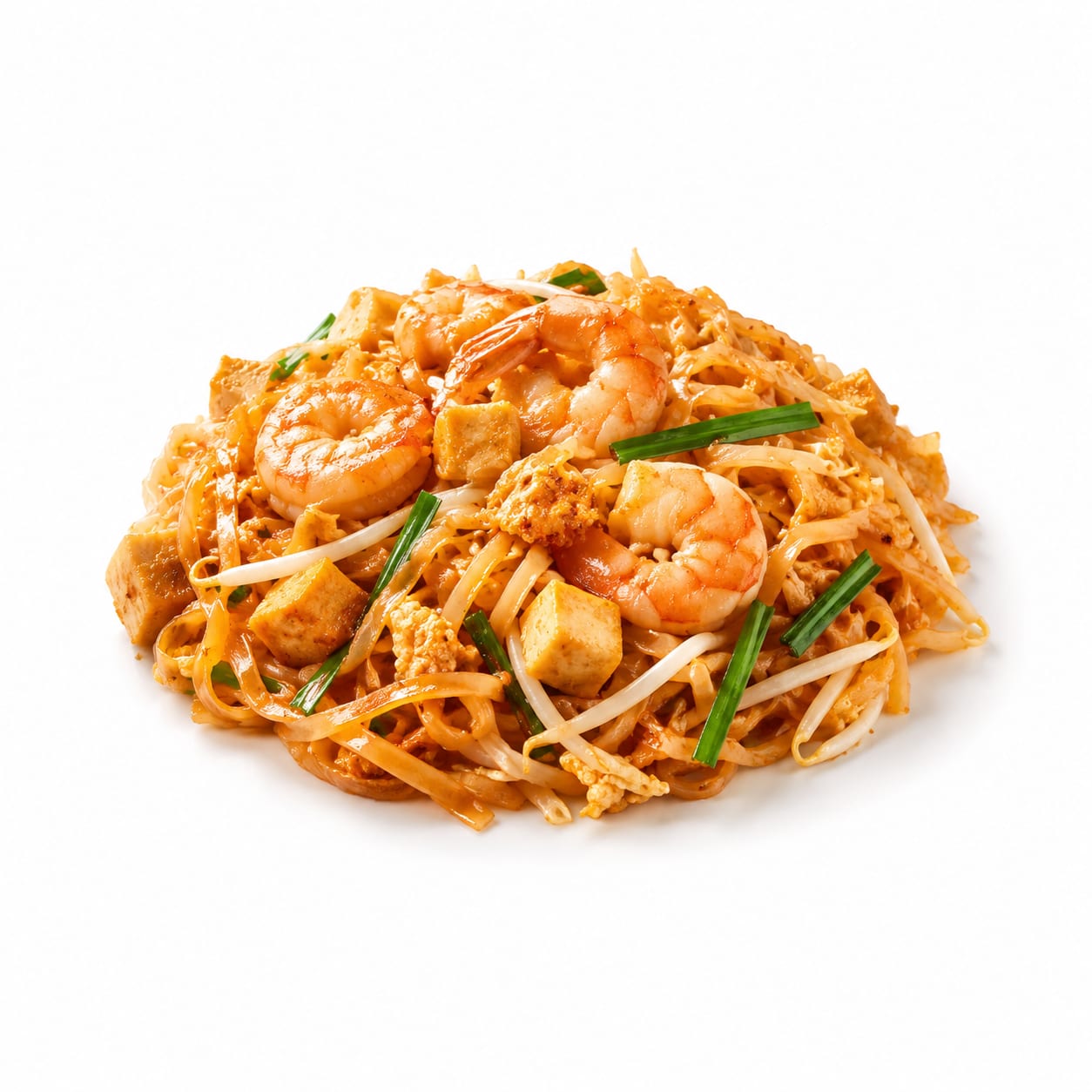
Pad Thai
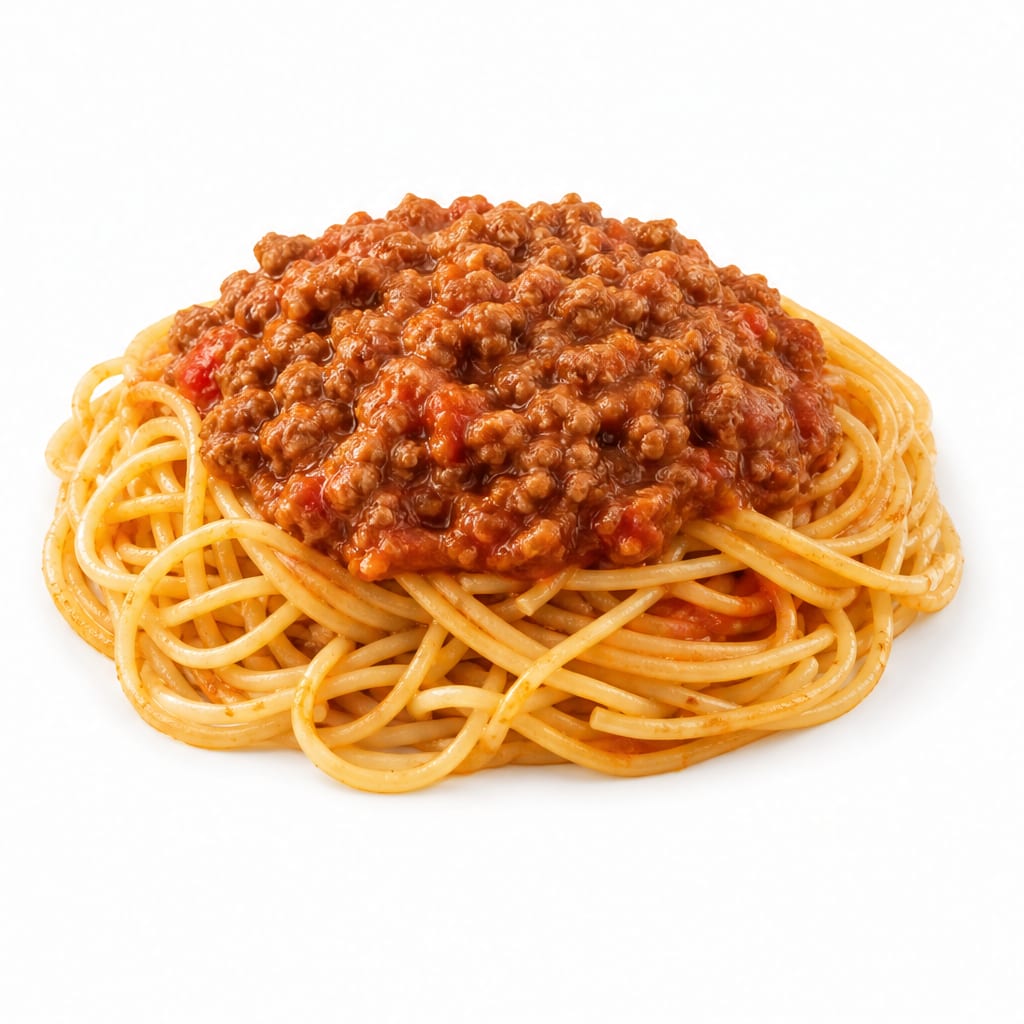
Spaghetti Bolognese
Spaghetti Bolognese edges out Pad Thai due to superior protein content, better satiety, and lower sodium, though Pad Thai wins on saturated fat.
Spaghetti Bolognese scores higher primarily because its robust protein content keeps you satisfied longer and prevents overeating, whereas Pad Thai's high sodium and sugar-laden sauce often lead to energy crashes and bloating.
Higher protein and fullness from Spaghetti Bolognese versus lower saturated fat but massive sodium and sugar spikes from Pad Thai.
At a glance
Executive summary
Overall
Spaghetti Bolognese
Healthier
Spaghetti Bolognese
More practical
It depends
Daily use
Spaghetti Bolognese
Key comparison lenses
Carbohydrate tolerance and blood sugar impact
Both dishes are noodle and pasta-heavy, making carb load the primary concern for energy crashes and metabolic health.
Sodium intake and blood pressure risk
Pad Thai relies heavily on fish sauce and soy sauce, creating a massive sodium load compared to tomato-based meat sauces.
Protein quality and satiety
Spaghetti Bolognese offers substantial ground beef protein, while Pad Thai relies on smaller amounts of shrimp or tofu, affecting how full you stay.
Heart health and fat profile
Bolognese brings saturated fat from beef, while Pad Thai uses vegetable oils and peanuts, creating a clear tradeoff in fat quality.
Best choice for
Pad Thai
- Those strictly avoiding red meat or saturated fat
- People craving a lighter-tasting noodle dish with umami flavors
- Individuals needing a quick takeout option with peanut-based fats
Spaghetti Bolognese
- Athletes or active individuals needing high-quality protein
- People trying to stay full for hours on a single meal
- Those watching their blood pressure and sodium intake
Least suitable for
Pad Thai
- People with hypertension or sodium sensitivity
- Those prone to blood sugar spikes from sugary sauces
- Individuals needing high protein for muscle maintenance
Spaghetti Bolognese
- People managing high cholesterol or strict heart disease diets
- Those avoiding red meat for environmental or health reasons
- Individuals looking for a light, low-calorie meal
Deep comparison
Dimension by dimension
Each lens scores both foods and breaks down who each option suits.
- Dimension 1 · Priority 95Spaghetti Bolognese
Satiety and Fullness
Pad Thai · 45Spaghetti Bolognese · 80Spaghetti Bolognese is far more filling due to the dense ground beef protein, while Pad Thai's refined noodles and sugary sauce digest quickly.
Tradeoff
You get a heavier, longer-lasting fullness from Spaghetti Bolognese, but it can feel like a food coma compared to Pad Thai's initially lighter feel.
Why it matters
Meals that keep you full prevent snacking later. Pad Thai often leaves you hungry again within a couple of hours.
Real-world impact
Eating Spaghetti Bolognese for dinner usually means no late-night snacking. Pad Thai often leads to searching for something else to eat by 9 PM.
Pad Thai
- Those who prefer eating smaller, more frequent meals
- People who dislike feeling overly stuffed after eating
Better for
- People who get ravenous and overeat later if a meal isn't filling
- Those doing physical labor who need sustained energy
Worse for
Spaghetti Bolognese
- Busy people who need one meal to last them 5-6 hours
- Anyone trying to naturally reduce their daily calorie intake by staying full
Better for
- People who hate the sluggish feeling of a heavy meal
- Anyone eating right before a workout or active event
Worse for
- Dimension 2 · Priority 90Spaghetti Bolognese
Sodium Load
Pad Thai · 25Spaghetti Bolognese · 60Pad Thai is a sodium bomb thanks to fish sauce, soy sauce, and added salt, easily hitting 1500-2000mg per serving. Spaghetti Bolognese is much lower in comparison.
Tradeoff
Choosing Pad Thai gives you intense umami flavor but at the cost of extreme sodium intake that drives thirst and bloating.
Why it matters
High sodium meals cause water retention, bloating, and elevated blood pressure. For many, a single Pad Thai covers an entire day's sodium allowance.
Real-world impact
After Pad Thai, you will likely feel puffy the next morning and crave water all night. Spaghetti Bolognese is much gentler on your hydration.
Pad Thai
- Heavy sweaters or endurance athletes who actually need to replenish sodium
Better for
- Those with hypertension or kidney concerns
- People who wake up with puffy eyes or swollen fingers after salty meals
Worse for
Spaghetti Bolognese
- Anyone with high blood pressure
- People prone to bloating or water retention
Better for
- Craving that intense, salty umami flavor hit
Worse for
- Dimension 3 · Priority 85Spaghetti Bolognese
Blood Sugar Stability
Pad Thai · 35Spaghetti Bolognese · 65Pad Thai sauces are loaded with sugar or palm sugar, causing a rapid spike. Spaghetti Bolognese has sugar too, but the dense meat and fat slow down absorption.
Tradeoff
Spaghetti Bolognese offers steadier energy despite the pasta, while Pad Thai's sweet-and-sour profile sets you up for an afternoon crash.
Why it matters
Blood sugar crashes lead to fatigue, brain fog, and cravings for more carbs. The protein in Bolognese acts as a buffer.
Real-world impact
A Pad Thai lunch often means fighting off sleepiness at 3 PM. Spaghetti Bolognese keeps your energy much more stable.
Pad Thai
- Those who want quick, short-term energy before a brief activity
Better for
- People who get tired or 'hangry' after sugar spikes
- Those monitoring their blood sugar closely
Worse for
Spaghetti Bolognese
- Office workers who need to stay focused all afternoon
- People with insulin resistance or prediabetes
Better for
- Situations where you want a light, quick-burning meal
Worse for
- Dimension 4 · Priority 80Pad Thai
Heart Health and Fat Profile
Pad Thai · 70Spaghetti Bolognese · 45Pad Thai uses vegetable oils and peanuts, offering more unsaturated fats. Spaghetti Bolognese contains significant saturated fat from ground beef.
Tradeoff
You avoid saturated fat with Pad Thai, but you consume more inflammatory omega-6 fats from the vegetable oils used in the wok.
Why it matters
High saturated fat intake is linked to elevated LDL cholesterol, making Spaghetti Bolognese a less frequent treat for heart health.
Real-world impact
If you eat red meat regularly, choosing Spaghetti Bolognese adds to your weekly saturated fat load. Pad Thai is easier on the arteries in that specific regard.
Pad Thai
- Those actively lowering their LDL cholesterol
- People following a Mediterranean-style fat profile
Better for
- Those concerned about excessive omega-6 seed oil consumption
Worse for
Spaghetti Bolognese
- Those who are underweight and need calorie-dense, appetizing food
- People on keto or low-carb diets who prioritize fat intake
Better for
- People with a family history of heart disease
- Anyone whose doctor has advised reducing red meat consumption
Worse for
- Dimension 5 · Priority 85Spaghetti Bolognese
Protein Quality and Quantity
Pad Thai · 40Spaghetti Bolognese · 90Spaghetti Bolognese delivers a heavy dose of complete protein from beef. Pad Thai's protein from a few shrimp or tofu chunks is minimal by comparison.
Tradeoff
You get muscle-building, hunger-busting protein from Spaghetti Bolognese, whereas Pad Thai is essentially a fat-and-carb dish with a protein garnish.
Why it matters
Protein is crucial for maintaining muscle mass, especially as you age. A single serving of Spaghetti Bolognese can provide half your daily protein needs.
Real-world impact
Spaghetti Bolognese supports muscle recovery and growth. Pad Thai leaves you lacking protein, forcing you to make it up at other meals.
Pad Thai
- Vegetarians or pescatarians who rely on tofu or shrimp variants
- Those who prefer lighter protein sources
Better for
- Anyone struggling to hit daily protein goals
- Post-workout recovery meals
Worse for
Spaghetti Bolognese
- Weightlifters and athletes needing robust protein
- Older adults trying to prevent muscle loss
Better for
- Those who digest meat poorly
- People avoiding animal products
Worse for
Timeline
Health impact over time
Short-term
Hours to days
Pad Thai
- Rapid blood sugar spike from the sweet tamarind sauce and refined noodles
- Immediate thirst and bloating from the extremely high sodium content
- Quick digestion leading to hunger returning within 2-3 hours
Spaghetti Bolognese
- Deep satiety and a heavy, comforting full feeling
- Possible food coma or sluggishness due to the density of meat and pasta
- Steadier energy levels with no immediate sugar crash
Long-term
Months to years
Pad Thai
- Increased risk of high blood pressure if eaten frequently due to sodium
- Potential weight gain from calorie-dense oils and refined carbs
- Better blood lipid profile compared to red meat dishes, assuming lean preparation
Spaghetti Bolognese
- Elevated LDL cholesterol from regular consumption of ground beef saturated fat
- Better muscle maintenance and satiety regulation from high protein intake
- Increased risk of colorectal cancer if red meat consumption is consistently high
Risk profile
Safety & processing
Both rely on refined carbohydrates. Pad Thai often contains MSG and preservatives in takeout sauces, while Spaghetti Bolognese's main processed component is the pasta, with the meat sauce being relatively whole-food based.
Pad Thai
Shellfish allergy cross-contamination
highEven tofu or chicken Pad Thai is often cooked in woks or with sauces that have contacted shrimp, making it risky for severe allergy sufferers.
Peanut allergen exposure
highCrushed peanuts are a staple garnish, and peanut oil is frequently used, posing a major threat to those with legume allergies.
Spaghetti Bolognese
Red meat handling and undercooking
mediumGround beef must be cooked thoroughly to avoid E. coli or Salmonella, a risk less prevalent in Pad Thai's quick-cooked proteins.
Histamine intolerance
lowSlow-cooked or aged tomato sauces can trigger symptoms in those sensitive to histamines.
Who wins for whom
Audience fit
Same foods, different winners depending on your goal.
children
Spaghetti BologneseKids benefit greatly from the iron and protein in beef, and the familiar, mild flavor of Spaghetti Bolognese is usually an easier sell than the complex, spicy, and nutty profile of Pad Thai.
daily consumption
It dependsNeither is ideal for daily consumption. Spaghetti Bolognese has too much saturated fat for daily red meat intake, and Pad Thai has too much sodium and sugar. Rotating them or choosing lighter versions is best.
diabetes
Spaghetti BologneseThe dense meat and fat in Spaghetti Bolognese slow the absorption of pasta carbohydrates, leading to a more gradual blood sugar rise compared to Pad Thai's sugary, refined-noodle spike.
elderly
Spaghetti BologneseOlder adults desperately need protein to prevent sarcopenia, and Spaghetti Bolognese delivers it in an easy-to-eat format, whereas Pad Thai's sodium is a risk for age-related blood pressure issues.
muscle gain
Spaghetti BologneseSpaghetti Bolognese provides a massive dose of complete, high-quality protein from beef, which is essential for muscle repair and growth, whereas Pad Thai is carb-heavy and protein-light.
weight loss
Spaghetti BologneseThe high protein content in Spaghetti Bolognese keeps you full for hours, naturally reducing overall calorie intake throughout the day compared to the quick-digesting Pad Thai.
Your move
Decision guide
Choose Pad Thai
- You are avoiding red meat or managing cholesterol
- You crave bold, sweet-and-sour umami flavors
- You want a meal that feels lighter going down, even if it is calorie-dense
Choose Spaghetti Bolognese
- You need a meal that will keep you full for 5+ hours
- You are active and need high-quality protein for recovery
- You are watching your sodium intake or prone to bloating
Either works if
- You are simply looking for a comforting, carb-heavy dinner
- You plan to balance the meal with a large side salad or vegetables
Avoid both if
- You are on a strict low-carb or ketogenic diet
- You have severe gluten intolerance
- You are trying to minimize ultra-processed food intake
Final recommendation
Choose Spaghetti Bolognese if your priority is staying full, getting protein, and avoiding a sodium bomb. Opt for Pad Thai when you want a break from red meat and are okay drinking extra water to offset the salt. For the healthiest outcome, ask for extra vegetables in either dish and eat a smaller portion of the noodles or pasta.
Practical
Consumer tips
- 1
Ask for Pad Thai with less sauce to dramatically cut the sugar and sodium load.
- 2
Choose whole wheat spaghetti for Bolognese to add fiber and slow down carb absorption.
- 3
Request extra bean sprouts and carrots in Pad Thai to add volume and fiber without extra calories.
- 4
Use lean ground turkey or a plant-based meat alternative in Spaghetti Bolognese to eliminate the saturated fat drawback.
- 5
Drink plenty of water after eating Pad Thai to help flush the excess sodium and reduce next-day bloating.