
Nutrition comparison
Pad Thai vs Chicken Satay: Which is Healthier?
Compare Pad Thai and Chicken Satay to see which Thai dish is better for weight loss, protein, and blood sugar. Learn the nutritional tradeoffs and make a smarter takeout choice.
Overall winner · Chicken Satay
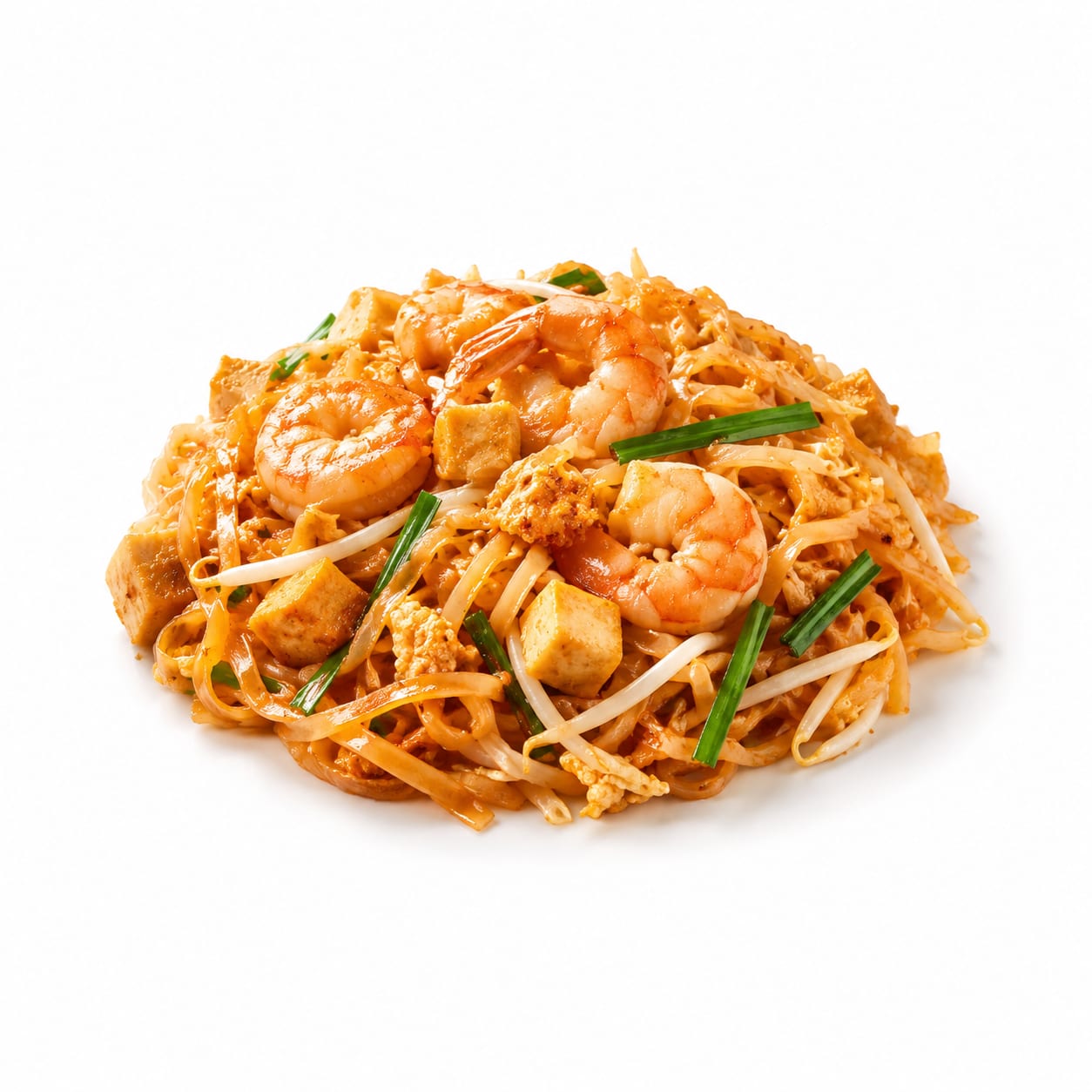
Pad Thai
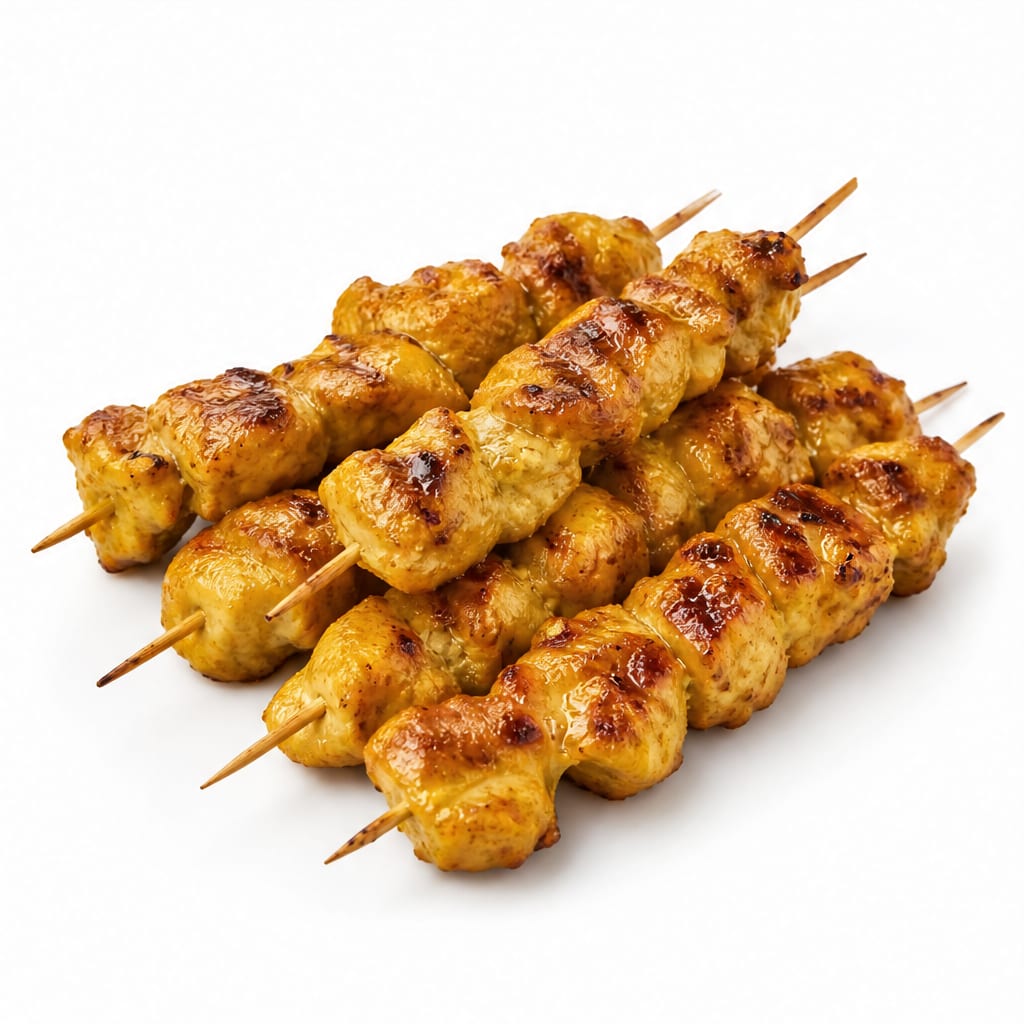
Chicken Satay
Chicken Satay delivers far more protein and fewer carbs, making it more filling and blood-sugar friendly, though Pad Thai offers a more comforting carb-heavy experience.
Chicken Satay scores higher due to superior protein content and lower carbohydrate load, making it better for satiety and blood sugar management. Pad Thai loses points for being a calorie-dense, high-carb dish that is very easy to overeat.
Satiety and stable energy from Chicken Satay versus the comforting, quick-energy hit from Pad Thai's noodles.
At a glance
Executive summary
Overall
Chicken Satay
Healthier
Chicken Satay
More practical
It depends
Daily use
Chicken Satay
Key comparison lenses
Carbohydrate load vs. Protein density
Pad Thai is a noodle-heavy carb bomb, while Chicken Satay is a protein-centric skewer dish, creating a stark macro contrast.
Blood sugar impact and energy stability
The refined carbs in Pad Thai cause rapid blood sugar spikes, whereas Chicken Satay provides steadier, longer-lasting energy.
Hidden sugars and sodium in restaurant sauces
Both Thai staples rely on heavily seasoned sauces, making sodium and hidden sugar a major health tradeoff.
Allergen safety (Peanuts)
Chicken Satay features a concentrated peanut sauce, posing a severe risk for allergy sufferers compared to the typical peanut garnish in Pad Thai.
Best choice for
Pad Thai
- Carb-loaders before intense exercise
- People with severe peanut allergies
- Those wanting a comforting, complete one-dish meal
Chicken Satay
- Low-carb or ketogenic dieters
- People focused on muscle gain and protein intake
- Those wanting better appetite control between meals
Least suitable for
Pad Thai
- Diabetics and insulin-resistant individuals
- Ketogenic dieters
- People watching their waistline
Chicken Satay
- People with peanut or tree nut allergies
- Strict low-fat dieters
- Those looking for a quick carbohydrate energy spike
Deep comparison
Dimension by dimension
Each lens scores both foods and breaks down who each option suits.
- Dimension 1 · Priority 95Chicken Satay
Protein & Satiety
Pad Thai · 30Chicken Satay · 90Chicken Satay is a protein powerhouse compared to the carb-heavy Pad Thai.
Tradeoff
You get longer-lasting fullness from Chicken Satay, but miss out on the immediate comfort of noodles.
Why it matters
Protein keeps you full and prevents cravings hours later, making it easier to avoid snacking.
Real-world impact
Eating Pad Thai for lunch might leave you hungry by 3 PM, while Chicken Satay keeps you satisfied until dinner.
Pad Thai
- Feeling hungry an hour after eating
- Supporting an active lifestyle
Worse for
Chicken Satay
- Staying full for hours
- Muscle recovery after a workout
- Preventing late-night snacking
Better for
- Dimension 2 · Priority 90Chicken Satay
Blood Sugar & Carbohydrate Load
Pad Thai · 25Chicken Satay · 80Pad Thai is a massive carb load from rice noodles and sweet sauce, while Chicken Satay is naturally low-carb.
Tradeoff
Pad Thai gives quick energy but risks a crash; Chicken Satay offers steady energy but lacks the satisfying carb hit.
Why it matters
High-carb meals cause blood sugar spikes followed by energy crashes, impacting focus and mood.
Real-world impact
After Pad Thai, you might feel sluggish and need a nap; Chicken Satay keeps your energy steady for afternoon tasks.
Pad Thai
- Quick energy before a marathon or long hike
- Carb-loading for athletic performance
Better for
- Triggering sugar cravings later
- Causing energy dips
Worse for
Chicken Satay
- Avoiding the afternoon energy crash
- Managing insulin resistance
- Staying focused at work
Better for
- Dimension 3 · Priority 85It depends
Hidden Sugars & Sodium
Pad Thai · 35Chicken Satay · 40Both dishes are loaded with sodium and hidden sugars from their respective sauces, making this a lose-lose if you aren't careful.
Tradeoff
Pad Thai's tamarind sauce is often heavily sweetened, while Chicken Satay's peanut sauce hides sugar and salt just as well.
Why it matters
Excess sodium causes bloating and raises blood pressure, while hidden sugars add empty calories.
Real-world impact
You might wake up feeling puffy, bloated, and thirsty after eating either dish from a restaurant.
Pad Thai
- Triggering bloating from sodium
- Consuming hidden sugar in savory food
Worse for
Chicken Satay
- Over-consuming calorie-dense peanut sauce
- Drinking excess water due to salt
Worse for
- Dimension 4 · Priority 80Pad Thai
Allergen & Safety Risks
Pad Thai · 75Chicken Satay · 30Chicken Satay carries a severe peanut allergy risk, while Pad Thai is generally safer for those with nut allergies (unless garnished).
Tradeoff
Chicken Satay is off-limits for anyone with a peanut allergy, while Pad Thai is more widely accessible for group dining.
Why it matters
Peanut allergies can be life-threatening, and cross-contamination is common in Thai restaurants.
Real-world impact
Ordering Chicken Satay for a group requires checking for allergies first; Pad Thai is usually a safer shared dish.
Pad Thai
- Dining with someone who has a peanut allergy
- Safer potluck or shared-plate situations
Better for
Chicken Satay
- Risk of severe allergic reactions
- Cross-contamination concerns in kitchens
Worse for
- Dimension 5 · Priority 65Pad Thai
Convenience & Meal Completeness
Pad Thai · 85Chicken Satay · 55Pad Thai is a complete, self-contained meal, whereas Chicken Satay is often an appetizer requiring a side dish to feel like a full meal.
Tradeoff
Pad Thai is an easy one-box meal, while Chicken Satay might leave you wanting rice or vegetables to feel complete.
Why it matters
A balanced meal in one dish is easier for busy weeknights or quick takeout lunches.
Real-world impact
Grabbing takeout? Pad Thai is a one-stop shop, while Chicken Satay means ordering extra items to feel full.
Pad Thai
- A quick, no-fuss solo dinner
- Easy takeout ordering
Better for
Chicken Satay
- Sharing as an appetizer
- Grazing over drinks
Better for
- Needing to order sides to make a complete meal
- Skewers being messy to eat on the go
Worse for
Timeline
Health impact over time
Short-term
Hours to days
Pad Thai
- Quick energy spike from refined carbohydrates
- Potential bloating from high sodium and gluten-free noodles
- Likely afternoon energy crash
Chicken Satay
- Strong and lasting satiety
- Steady energy without a crash
- Possible thirst from sodium in peanut sauce
Long-term
Months to years
Pad Thai
- Weight gain risk if eaten frequently due to high calorie and carb density
- Blood sugar management challenges for prediabetics
- Increased cravings for starchy foods
Chicken Satay
- Better muscle maintenance from high protein intake
- Easier weight management due to high satiety
- Potential blood pressure concerns if sodium intake from sauces isn't managed
Risk profile
Safety & processing
Restaurant Pad Thai uses refined white rice noodles and often contains MSG and food coloring. Chicken Satay relies on marinated whole meat, but the peanut sauce frequently contains added sugars, oils, and stabilizers. Both are far from whole foods when ordered out.
Pad Thai
Shellfish cross-contamination
mediumPad Thai is often cooked in woks that previously handled shrimp, posing a risk for shellfish allergies.
Stale cooking oil
lowHigh-heat wok cooking with reused oils can create inflammatory compounds.
Chicken Satay
Peanut allergy anaphylaxis
highThe concentrated peanut sauce is a severe, life-threatening risk for anyone with a peanut allergy.
Undercooked poultry
mediumIf chicken skewers are rushed on the grill, they can harbor harmful bacteria like Salmonella.
Who wins for whom
Audience fit
Same foods, different winners depending on your goal.
children
Pad ThaiKids generally love noodles, and Pad Thai is easier to chew and safer than Chicken Satay's sharp wooden skewers, provided there are no peanut allergies.
daily consumption
Chicken SatayChicken Satay's macronutrient profile is more sustainable daily, assuming you manage the sodium in the peanut sauce. Daily Pad Thai would likely lead to excessive carb intake and weight gain.
diabetes
Chicken SatayChicken Satay has a minimal impact on blood sugar due to its low carb content, while Pad Thai's rice noodles and sweet sauce will cause a rapid glucose spike.
elderly
Pad ThaiPad Thai is soft and easy to chew, making it more suitable for dental issues common in older adults, whereas Chicken Satay can be tough and difficult to eat off a stick.
muscle gain
Chicken SatayChicken Satay provides a concentrated dose of lean protein necessary for muscle repair, whereas Pad Thai offers mostly carbohydrates.
weight loss
Chicken SatayChicken Satay's high protein content keeps you full longer, making it easier to eat fewer calories overall compared to the calorie-dense, easy-to-overeat Pad Thai.
Your move
Decision guide
Choose Pad Thai
- You need quick carbohydrate energy before a long workout
- You are sharing food with someone who has a peanut allergy
- You want a comforting, complete one-dish meal
Choose Chicken Satay
- You want to stay full for hours without crashing
- You are watching your carbohydrate intake
- You are prioritizing protein for muscle maintenance
Either works if
- You are treating yourself to takeout and will balance the rest of your day with lighter meals
- You are dining out and want a delicious Thai dish
Avoid both if
- You are on a strict low-sodium diet, as restaurant versions of both are sodium bombs
- You are trying to avoid refined seed oils and added sugars entirely
Final recommendation
Chicken Satay is the smarter nutritional choice for most people due to its high protein and low carb profile, keeping you energized and full. However, Pad Thai wins on pure comfort and convenience as a standalone meal. If you choose Pad Thai, consider boxing half up immediately to manage the massive portion size.
Practical
Consumer tips
- 1
Ask for Pad Thai with extra vegetables and less noodle to lower the carb load and add fiber.
- 2
Dip Chicken Satay lightly in the peanut sauce rather than drowning it to cut down on sugar and calories.
- 3
Order a side of steamed vegetables with either dish to add bulk and fiber without the sodium.
- 4
Drink plenty of water after eating either dish to flush out the excess sodium and prevent bloating.
- 5
If ordering Pad Thai, ask for the sauce on the side to control the hidden sugar and sodium.