
Nutrition comparison
Pad Thai vs Zucchini Noodles: Which Is Healthier for You?
Compare Pad Thai and zucchini noodles on calories, carbs, blood sugar impact, and weight loss. Learn which fits your goals and how to get the best of both.
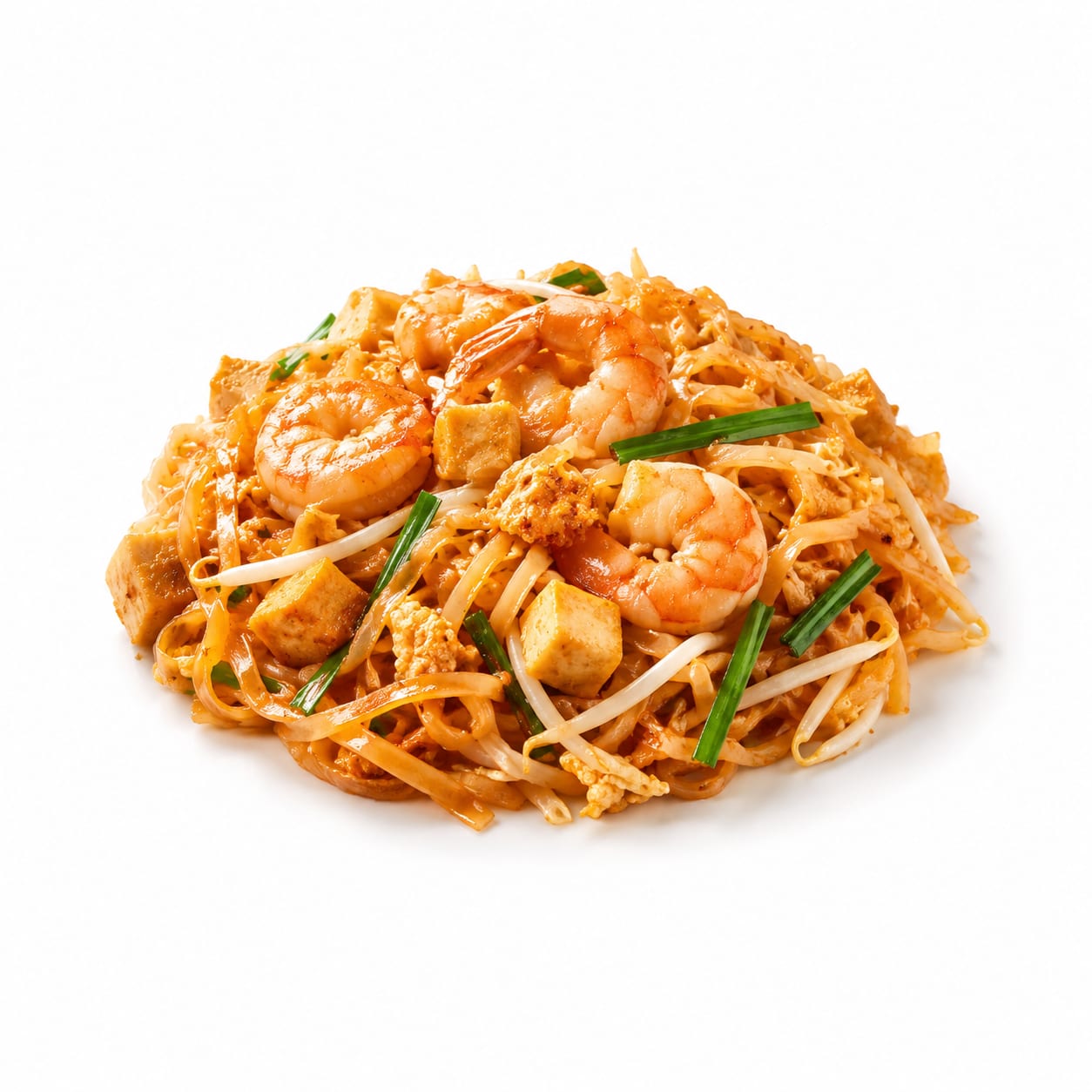
Pad Thai
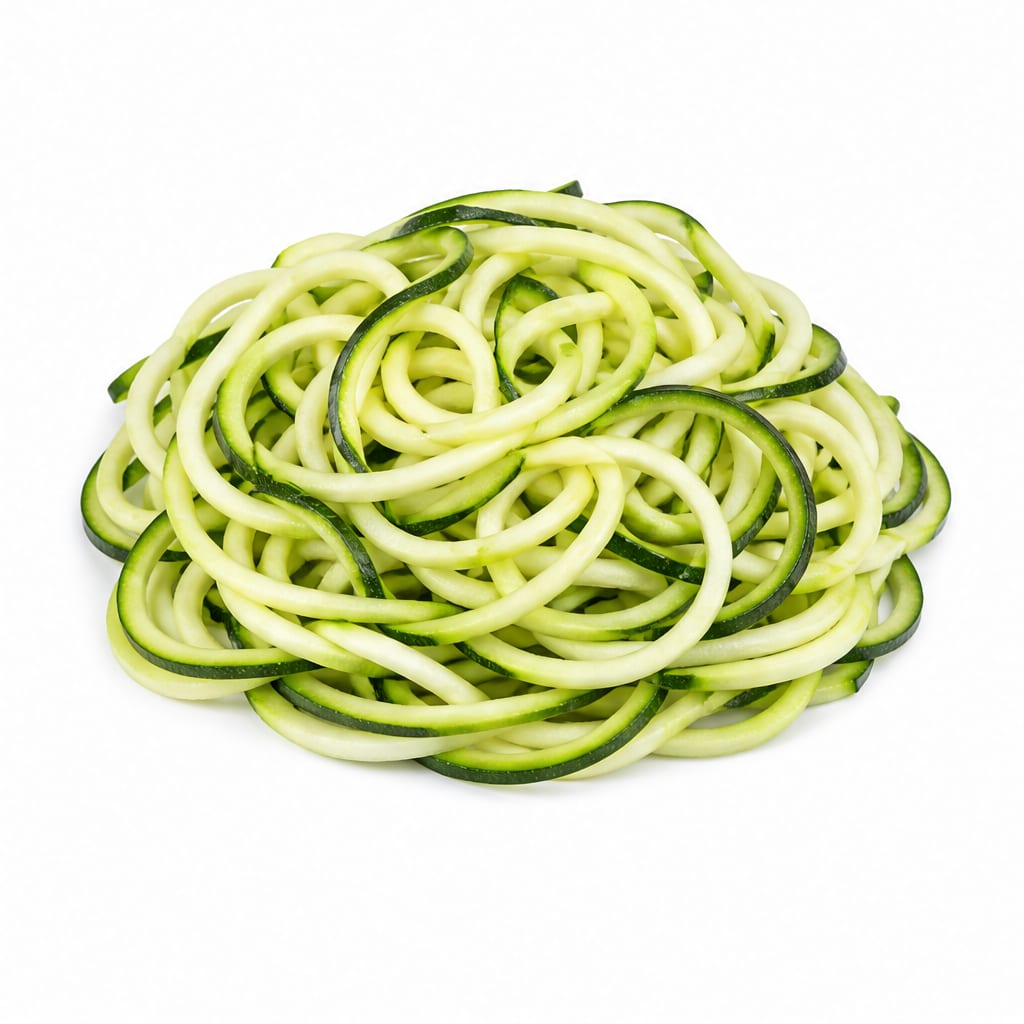
Zucchini Noodles
Pad Thai delivers comfort and completeness; zucchini noodles deliver control and lightness. They serve entirely different purposes.
Zucchini noodles score significantly higher for health outcomes due to minimal calories, near-zero carbs, and low sodium. Pad Thai scores lower because its restaurant versions are calorie-dense, sodium-heavy, and carb-loaded. However, Pad Thai provides a more complete meal with protein and fat, which zucchini noodles lack entirely without additions.
Satisfaction and cultural richness versus calorie and carb control. Pad Thai fills you up but at a high metabolic cost; zucchini noodles keep you light but leave you hungry without smart additions.
At a glance
Executive summary
Overall
It depends
Healthier
Zucchini Noodles
More practical
Pad Thai
Daily use
Zucchini Noodles
Key comparison lenses
low carb diet compatibility
Pad Thai is built on rice noodles with 40-60g carbs per serving, while zucchini noodles offer near-zero carbs, making this the starkest contrast between the two
weight management
Calorie density differs dramatically — a restaurant Pad Thai can hit 800-1000 calories versus 30-50 calories for plain zucchini noodles
meal satisfaction vs restriction
Users choosing between these are often weighing whether to eat something deeply satisfying or something virtuous but potentially unsatisfying
blood sugar control
Rice noodles cause rapid glucose spikes; zucchini noodles have negligible glycemic impact
sodium and heart health
Pad Thai relies heavily on fish sauce and soy sauce, often delivering 1000-2000mg sodium per serving
Best choice for
Pad Thai
- People who need a complete, satisfying meal in one dish
- Active individuals who can handle high carbohydrate intake
- Anyone craving comfort food or cultural authenticity
- Post-workout refueling when carb replenishment is desired
Zucchini Noodles
- People managing diabetes or insulin resistance
- Anyone actively losing weight and tracking calories
- Low-carb or keto dieters seeking a pasta alternative
- Those wanting a light dinner that will not disrupt sleep
Least suitable for
Pad Thai
- People with type 2 diabetes or metabolic syndrome
- Anyone on a calorie-restricted diet
- Those with sodium-sensitive hypertension
- People trying to reduce refined carbohydrate intake
Zucchini Noodles
- Athletes who need substantial carbohydrate fueling
- People prone to undereating or unintentional weight loss
- Anyone seeking a standalone meal without additions
- Those who find low-calorie meals triggering for later bingeing
Deep comparison
Dimension by dimension
Each lens scores both foods and breaks down who each option suits.
- Dimension 1 · Priority 95Zucchini Noodles
calorie_density_and_weight_control
Pad Thai · 20Zucchini Noodles · 95Zucchini noodles are roughly 95% lower in calories than Pad Thai, making them far superior for weight management.
Tradeoff
You gain effortless calorie control with zucchini noodles but lose the feeling of having eaten a real meal unless you add protein and healthy fats.
Why it matters
A single restaurant Pad Thai can consume half your daily calorie budget. Zucchini noodles let you eat a large volume for almost no caloric cost.
Real-world impact
Choosing zucchini noodles over Pad Thai twice a week could save you 1500+ calories weekly, which translates to roughly half a pound of weight difference over a month.
Pad Thai
- Hard gainers needing calorie surplus
- Endurance athletes carbo-loading before events
Better for
- Consistent weight gain if eaten frequently
- Feeling overly full and lethargic afterward
Worse for
Zucchini Noodles
- Anyone tracking calories for weight loss
- People who feel sluggish after heavy meals
Better for
- Unintentional undereating if not paired with adequate protein and fat
- Hunger returning within an hour
Worse for
- Dimension 2 · Priority 90Zucchini Noodles
blood sugar_stability
Pad Thai · 25Zucchini Noodles · 95Rice noodles in Pad Thai cause rapid blood sugar spikes. Zucchini noodles have essentially zero glycemic impact.
Tradeoff
Stable blood sugar with zucchini noodles means steadier energy and fewer cravings. Pad Thai delivers quick energy but often followed by a crash.
Why it matters
The rice noodles in Pad Thai are refined carbohydrates that digest quickly, causing glucose to surge and then drop, triggering fatigue and hunger.
Real-world impact
After Pad Thai, you may feel sleepy within 90 minutes and hungry again within 2-3 hours. After zucchini noodles with protein, energy stays flat and steady for hours.
Pad Thai
- Immediate pre-workout energy when you need fast fuel
- Recovering from intense glycogen-depleting exercise
Better for
- Post-meal brain fog and drowsiness
- Rebound hunger within hours
Worse for
Zucchini Noodles
- Anyone with prediabetes or type 2 diabetes
- People trying to break the cycle of sugar cravings
- Those who want to avoid the afternoon energy crash
Better for
- No quick energy availability for high-intensity activity if eaten alone
Worse for
- Dimension 3 · Priority 88Pad Thai
satiety_and_meal_completeness
Pad Thai · 78Zucchini Noodles · 30Pad Thai is a complete meal with protein, fat, and carbs. Plain zucchini noodles are just a vegetable base that leaves you hungry.
Tradeoff
Pad Thai satisfies immediately but overdelivers calories. Zucchini noodles underdeliver on satisfaction unless you consciously build a complete meal around them.
Why it matters
Satiety is not just about fullness — it is about lasting fullness. Pad Thai's combination of fat, protein, and carbs creates strong satiety signals. Zucchini noodles alone cannot do this.
Real-world impact
Eating plain zucchini noodles for dinner often leads to late-night snacking. Pad Thai keeps you full for 4-5 hours but may leave you feeling heavy.
Pad Thai
- Busy people who need one dish to cover all macronutrients
- Those who dislike meal planning and assembly
Better for
- That uncomfortably stuffed feeling after a large restaurant portion
Worse for
Zucchini Noodles
- People who prefer grazing or eating multiple small components
- Anyone who likes building bowls with varied toppings
Better for
- Hunger returning quickly, potentially leading to poor snack choices later
Worse for
- Dimension 4 · Priority 78Zucchini Noodles
sodium_load
Pad Thai · 22Zucchini Noodles · 90Pad Thai is a sodium bomb from fish sauce, soy sauce, and added salt. Zucchini noodles are naturally very low in sodium.
Tradeoff
The sauces that make Pad Thai delicious are the same ones that push sodium to concerning levels. Zucchini noodles taste bland by comparison but protect your blood pressure.
Why it matters
A single Pad Thai serving can contain 1500-2500mg sodium, which is most or all of your daily limit. High sodium intake raises blood pressure and increases cardiovascular risk over time.
Real-world impact
If you have salt-sensitive blood pressure, Pad Thai can cause a measurable spike within hours. Zucchini noodles seasoned with herbs and lemon keep sodium under 100mg.
Pad Thai
- Endurance athletes who lose significant sodium through sweat
- People with clinically low blood pressure who need salt
Better for
- Next-day puffiness and bloating from water retention
- Blood pressure spikes in sensitive individuals
Worse for
Zucchini Noodles
- Anyone with hypertension or heart disease risk
- People trying to reduce bloating and water retention
Better for
- Taste fatigue if you do not learn flavorful low-sodium seasoning techniques
Worse for
- Dimension 5 · Priority 75Pad Thai
nutritional_completeness
Pad Thai · 65Zucchini Noodles · 35Pad Thai provides protein from shrimp, tofu, or chicken, plus fats from peanuts and oil. Zucchini noodles offer vitamins and fiber but almost no protein or fat.
Tradeoff
Pad Thai delivers a broader nutrient profile in one dish but comes with excess calories and sodium. Zucchini noodles are micronutrient-rich but macronutrient-poor.
Why it matters
Your body needs protein and fat to function. Zucchini noodles alone cannot sustain you — they must be paired with protein sources and healthy fats to become a real meal.
Real-world impact
A Pad Thai with shrimp gives you roughly 20-25g protein. To match that with zucchini noodles, you need to add grilled chicken, salmon, or a substantial amount of tofu.
Pad Thai
- People who want a nutritionally rounded meal without extra cooking
- Those struggling to get enough protein in their diet
Better for
- Protein quality varies — some versions skimp on protein-heavy ingredients
Worse for
Zucchini Noodles
- Anyone already planning a protein-rich side or topping
- People prioritizing vitamin C, potassium, and antioxidants from fresh vegetables
Better for
- Risk of chronically undereating protein if frequently eaten as a standalone meal
Worse for
- Dimension 6 · Priority 70Zucchini Noodles
processing_and_ingredient_quality
Pad Thai · 35Zucchini Noodles · 88Zucchini noodles are a whole food with minimal processing. Pad Thai involves refined rice noodles, refined sugar, and industrial sauces.
Tradeoff
Zucchini noodles are as close to nature as it gets. Pad Thai relies on refined ingredients and added sugars that most people are trying to reduce.
Why it matters
Restaurant and packaged Pad Thai often contains palm sugar, refined rice flour, and sauce additives. Zucchini noodles are literally just spiralized vegetables.
Real-world impact
Making Pad Thai from scratch with quality ingredients improves its score dramatically, but most people eat restaurant or takeout versions loaded with refined components.
Pad Thai
- Homemade versions using brown rice noodles and reduced sugar
Better for
- Hidden sugars and refined flours in most restaurant versions
- Preservatives in pre-made Pad Thai sauces
Worse for
Zucchini Noodles
- Anyone avoiding ultra-processed foods
- People following clean-eating or whole-food approaches
Better for
- Pre-packaged zucchini noodles may have texture-altering additives
Worse for
Timeline
Health impact over time
Short-term
Hours to days
Pad Thai
- Rapid blood sugar spike followed by energy dip within 1-2 hours
- Bloating and water retention from high sodium content
- Feeling overly full or heavy after a standard restaurant portion
- Possible heartburn from the combination of fat, spice, and acidity
Zucchini Noodles
- Light, comfortable feeling after eating with no heaviness
- Stable energy with no crash, provided protein and fat are included
- Risk of feeling unsatisfied or hungry within an hour if eaten plain
- Improved hydration from high water content
Long-term
Months to years
Pad Thai
- Frequent consumption increases risk of weight gain due to calorie density
- High sodium intake contributes to elevated blood pressure over time
- Regular refined carbohydrate exposure may worsen insulin sensitivity
- Occasional consumption as part of a balanced diet poses minimal risk
Zucchini Noodles
- Supports healthy weight maintenance when used as a calorie-saving swap
- High fiber and water content promote digestive regularity
- Potassium and vitamin C from zucchini support cardiovascular health
- Risk of inadequate caloric intake if over-relied upon without additions
Risk profile
Safety & processing
Pad Thai sits in the processed category due to refined rice noodles, added sugars, and commercial sauce components. Zucchini noodles are essentially a raw vegetable with minimal intervention. Homemade Pad Thai with whole ingredients narrows this gap significantly, but typical restaurant or packaged versions rely on refined and additive-containing ingredients.
Pad Thai
Foodborne illness from undercooked protein
mediumShrimp or chicken in Pad Thai can be undercooked in high-volume restaurants, posing salmonella or vibrio risk.
Peanut allergen cross-contamination
highPeanuts are a core Pad Thai ingredient. Cross-contamination risk is significant in restaurant kitchens even if you request no peanuts.
Sodium-related health effects
mediumNot an acute safety risk, but the sodium load in a single serving can affect blood pressure within hours in sensitive individuals.
Zucchini Noodles
Pesticide residue on conventional zucchini
lowZucchini ranks moderate on pesticide residue lists. Washing thoroughly or choosing organic reduces this concern.
Bacterial contamination from improper storage
lowPre-spiralized zucchini noodles sold in packages can harbor bacteria if not kept cold. Use within recommended dates.
Who wins for whom
Audience fit
Same foods, different winners depending on your goal.
children
Pad ThaiChildren need calorie-dense, palatable meals and are less concerned with carb management. Pad Thai is more likely to be eaten enthusiastically, and its complete macronutrient profile supports growth.
daily consumption
Zucchini NoodlesZucchini noodles can be eaten daily without metabolic consequences. Pad Thai consumed daily would likely lead to weight gain, sodium overload, and blood sugar instability.
diabetes
Zucchini NoodlesWith virtually zero digestible carbohydrates, zucchini noodles have negligible impact on blood glucose. Pad Thai's rice noodles can cause dangerous spikes for anyone managing diabetes.
elderly
Zucchini NoodlesOlder adults often need to manage blood pressure, blood sugar, and weight. Zucchini noodles support all three goals, though protein additions are essential to prevent muscle loss.
muscle gain
Pad ThaiPad Thai provides more calories and protein in a single dish, which supports the caloric surplus needed for muscle building. Zucchini noodles would require significant additions to match this.
weight loss
Zucchini NoodlesZucchini noodles let you eat a large volume of food for minimal calories, making it far easier to maintain a calorie deficit without feeling deprived of plate size.
Your move
Decision guide
Choose Pad Thai
- You are ordering Thai food and want to enjoy the authentic experience without guilt
- You just finished an intense workout and need carb and protein replenishment
- You struggle to eat enough calories and need energy-dense meals
- You are sharing a social meal and want something everyone will enjoy
Choose Zucchini Noodles
- You are managing your weight and want a filling plate without the calorie cost
- You have diabetes, prediabetes, or insulin resistance and need to control blood sugar
- You are eating a late dinner and do not want heavy food disrupting your sleep
- You want a versatile base to build a customized, protein-rich meal bowl
Either works if
- You are eating occasionally and both fit your overall dietary pattern
- You can modify Pad Thai by requesting less sauce and noodles, or bulk up zucchini noodles with similar Thai flavors and protein
Avoid both if
- You have a peanut allergy and cannot confirm Pad Thai preparation safety
- You are seeking a meal with high-quality complete protein as the primary focus — both need supplementation for serious protein targets
Final recommendation
For most people managing weight, blood sugar, or daily health, zucchini noodles are the smarter default. But the real win is combining the best of both: zucchini noodles topped with Pad Thai-inspired protein, peanuts, lime, and a light tamarind dressing. You get the flavor profile with a fraction of the carbs and calories. Save authentic Pad Thai for occasional enjoyment rather than routine meals.
Practical
Consumer tips
- 1
Ask for Pad Thai with half the noodles and extra vegetables to cut carbs and calories while keeping the flavor
- 2
Spiralize zucchini fresh at home rather than buying pre-cut — it tastes better and avoids texture-altering preservatives
- 3
Build a hybrid bowl: zucchini noodles as the base, topped with grilled shrimp, crushed peanuts, bean sprouts, lime, and a drizzle of Pad Thai sauce
- 4
Order Pad Thai with extra protein and request sauce on the side to control sodium and sugar
- 5
If zucchini noodles leave you hungry, add avocado or a drizzle of olive oil — fat dramatically improves satiety
- 6
Make a large batch of Pad Thai sauce with reduced sugar and keep it in the fridge to dress zucchini noodles quickly throughout the week