
Nutrition comparison
Pad Thai vs Drunken Noodles: Which Thai Dish Is Healthier?
Compare Pad Thai and Drunken Noodles on sugar, sodium, calories, and health impact. Find out which Thai noodle dish is the smarter order for your goals.
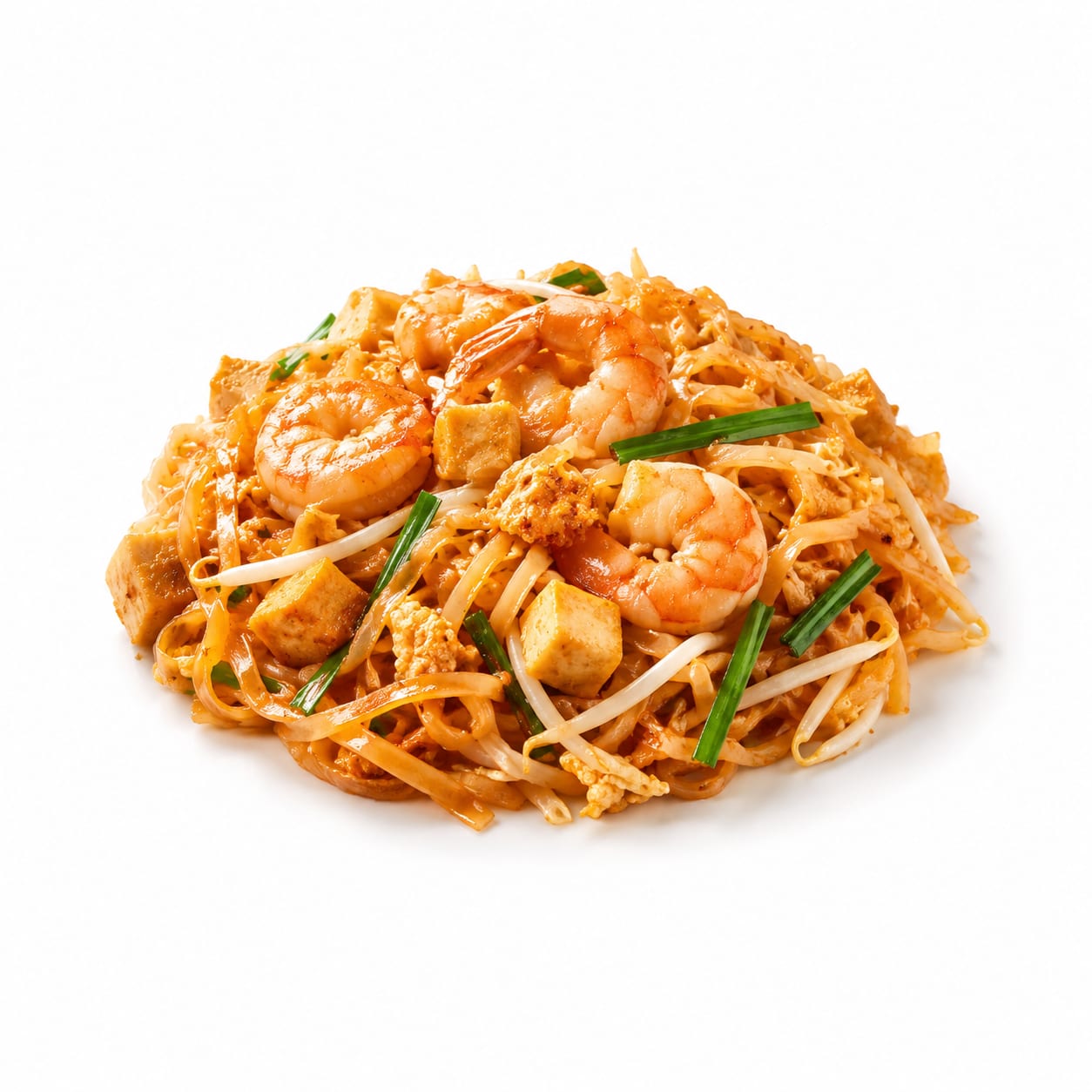
Pad Thai
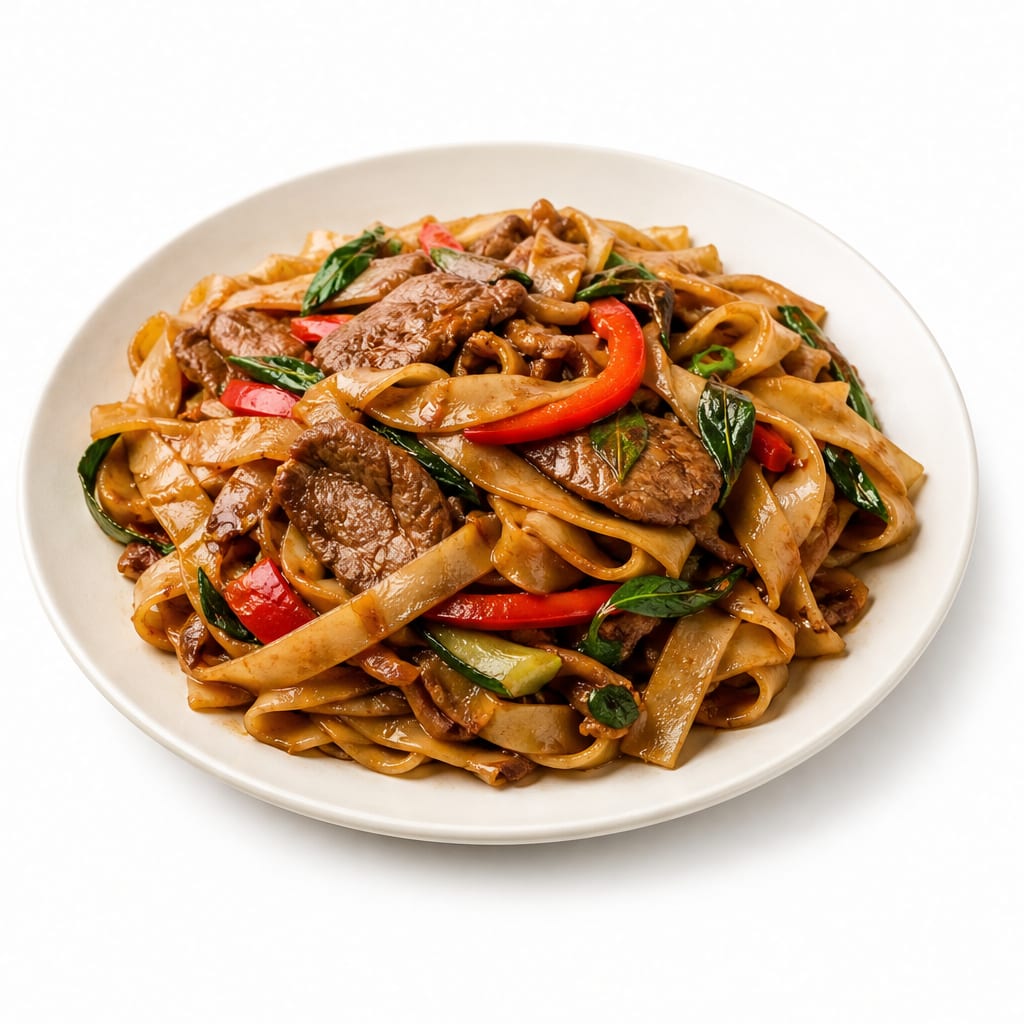
Drunken Noodles
Drunken Noodles edges ahead on sugar and vegetable content, but Pad Thai wins on sodium and digestibility. Neither is a health food.
Drunken Noodles scores slightly higher due to less sugar and more vegetables, but both lose points for high refined carbs, oil, and sodium. The gap is small because neither dish is genuinely nutritious.
Pad Thai trades higher sugar for lower sodium; Drunken Noodles trades higher sodium for less sugar and more spice-driven metabolism
At a glance
Executive summary
Overall
It depends
Healthier
Drunken Noodles
More practical
Pad Thai
Daily use
neither
Key comparison lenses
choosing between two popular Thai noodle dishes for a healthier restaurant order
Both are staple Thai takeout options people toggle between weekly
managing blood sugar and carb load from rice noodles
Both dishes are rice noodle-based, making glycemic impact a primary concern
sodium and sauce-related health tradeoffs
Pad Thai uses sweet tamarind sauce while Drunken Noodles relies on salty soy-oyster sauce, creating different sodium and sugar profiles
weight management and calorie density
Restaurant portions of both dishes are notoriously large and oil-heavy
spice tolerance and metabolic benefit
Drunken Noodles delivers significant heat from chilies, which has metabolic implications Pad Thai lacks
Best choice for
Pad Thai
- People sensitive to spicy food
- Those watching sodium closely
- Anyone wanting a milder, more digestible meal
- Kids or picky eaters new to Thai food
Drunken Noodles
- People avoiding added sugar
- Those who benefit from capsaicin's metabolic boost
- Anyone wanting more vegetables in their noodle dish
- Spice lovers seeking appetite regulation
Least suitable for
Pad Thai
- People managing diabetes or insulin resistance
- Anyone on a strict low-sugar plan
- Those trying to increase vegetable intake
Drunken Noodles
- People with hypertension or sodium restrictions
- Anyone with GERD or acid reflux triggered by spice
- Those sensitive to MSG or soy sauce
Deep comparison
Dimension by dimension
Each lens scores both foods and breaks down who each option suits.
- Dimension 1 · Priority 92Drunken Noodles
sugar_and_glycemic_load
Pad Thai · 30Drunken Noodles · 55Pad Thai's tamarind-palm sugar sauce packs significantly more added sugar than Drunken Noodles' savory base.
Tradeoff
You avoid the sugar spike with Drunken Noodles but take on more sodium instead
Why it matters
A single Pad Thai order can contain 15-25g of added sugar, enough to cause an energy crash within 90 minutes
Real-world impact
After Pad Thai, you're more likely to feel sleepy and crave something sweet later; Drunken Noodles keeps energy steadier
Pad Thai
- Those who prefer sweet flavors over salty ones
- Endurance athletes who need quick carbs post-workout
Better for
- Diabetics and pre-diabetics
- Anyone on a keto or low-carb plan
- People trying to break sugar cravings
Worse for
Drunken Noodles
- Anyone monitoring blood sugar
- People trying to reduce added sugar intake
- Those prone to afternoon energy crashes
Better for
- Those who find savory-heavy meals unappealing without sweetness
Worse for
- Dimension 2 · Priority 88Pad Thai
sodium_load
Pad Thai · 45Drunken Noodles · 25Drunken Noodles relies heavily on soy sauce, oyster sauce, and fish sauce, pushing sodium well above Pad Thai levels.
Tradeoff
Pad Thai is lower in sodium but higher in sugar; you're choosing which metabolic stress to prioritize
Why it matters
A typical Drunken Noodles serving can exceed 2000mg sodium, nearly a full day's limit in one meal
Real-world impact
After Drunken Noodles, you may feel bloated and thirsty for hours; Pad Thai is gentler on water retention
Pad Thai
- People with hypertension
- Anyone prone to bloating or water retention
- Those already consuming high sodium earlier in the day
Better for
- Those who find low-sodium restaurant food bland
Worse for
Drunken Noodles
- Athletes who lose significant sodium through sweat
- People with low blood pressure
Better for
- Anyone on a sodium-restricted diet
- People with kidney concerns
- Those who already eat salty foods regularly
Worse for
- Dimension 3 · Priority 80Drunken Noodles
vegetable_content_and_micronutrients
Pad Thai · 35Drunken Noodles · 60Drunken Noodles typically includes more basil, bell peppers, onions, and tomatoes, while Pad Thai leans on bean sprouts and garnishes.
Tradeoff
More vegetables in Drunken Noodles means more vitamins and antioxidants, but the heavy sauce can mask their freshness
Why it matters
Thai basil in Drunken Noodles provides anti-inflammatory compounds and vitamin K that Pad Thai simply doesn't offer
Real-world impact
Drunken Noodles feels more like a balanced meal; Pad Thai feels more like noodles with a side of garnish
Pad Thai
- Those who prefer lighter, crunchier textures from sprouts
- People who find cooked peppers and onions hard to digest
Better for
- Those relying on restaurant meals for vegetable intake
Worse for
Drunken Noodles
- Anyone trying to sneak more vegetables into takeout
- People seeking anti-inflammatory benefits from herbs and spices
Better for
- People who dislike cooked bell peppers or strong basil flavor
Worse for
- Dimension 4 · Priority 72Drunken Noodles
spice_and_metabolic_benefit
Pad Thai · 20Drunken Noodles · 75Drunken Noodles delivers meaningful heat from fresh chilies, which temporarily boosts metabolism and reduces appetite.
Tradeoff
The spice benefit is real but comes with digestive irritation risk for sensitive people
Why it matters
Capsaicin can increase metabolic rate by 5-8% for a short window and naturally reduces overeating
Real-world impact
You're more likely to stop eating when full with Drunken Noodles; Pad Thai's sweetness encourages a second helping
Pad Thai
- People with GERD or acid reflux
- Those with IBS or sensitive stomachs
- Anyone who finds spicy food genuinely painful
Better for
- Anyone missing out on capsaicin's metabolic and circulatory benefits
Worse for
Drunken Noodles
- Healthy individuals wanting a modest metabolic edge
- People who naturally eat less when food is spicy
- Those who enjoy heat and find it satisfying
Better for
- People with active hemorrhoids or gastric ulcers
- Those taking anticoagulant medications
Worse for
- Dimension 5 · Priority 85Drunken Noodles
satiety_and_overeating_risk
Pad Thai · 35Drunken Noodles · 55Pad Thai's sweet-savory profile is engineered for overeating; Drunken Noodles' heat and umami create natural stopping points.
Tradeoff
Drunken Noodles may leave you more satisfied with less food, but the heavy oil in both dishes can cause sluggishness
Why it matters
Sweet and salty combinations bypass fullness signals, making it easy to consume an entire large portion without realizing
Real-world impact
You're more likely to have leftovers with Drunken Noodles; Pad Thai often disappears in one sitting
Pad Thai
- Those with poor appetite who need to eat more
- Underweight individuals seeking calorie density
Better for
- Emotional eaters who struggle to stop at one serving
- People managing calorie intake
Worse for
Drunken Noodles
- Anyone trying to control portions without counting
- People who tend to overeat at restaurants
Better for
- Those who need to eat larger volumes for energy needs
Worse for
- Dimension 6 · Priority 68Pad Thai
digestive_tolerance
Pad Thai · 60Drunken Noodles · 40Pad Thai is gentler on the digestive tract; Drunken Noodles' spice, garlic, and heavier sauce can irritate sensitive stomachs.
Tradeoff
Easier digestion with Pad Thai comes with less metabolic benefit and more sugar-related gut disruption
Why it matters
For people with IBS, GERD, or sensitive digestion, Drunken Noodles can trigger symptoms within an hour
Real-world impact
Pad Thai is a safer pre-meeting or pre-date meal; Drunken Noodles might leave you reaching for antacids
Pad Thai
- People with acid reflux or GERD
- Those with IBS or sensitive digestion
- Anyone eating before a high-stakes event
Better for
- Anyone unconcerned about digestive issues
Worse for
Drunken Noodles
- People with robust digestion
- Those who find mild food unsatisfying
Better for
- People prone to heartburn
- Those with gastritis or ulcers
- Anyone taking NSAIDs regularly
Worse for
Timeline
Health impact over time
Short-term
Hours to days
Pad Thai
- Blood sugar spike within 30-60 minutes from refined noodles and sugar
- Energy crash 90-120 minutes after eating
- Mild satisfaction from sweet-savory flavor profile
- Less immediate bloating than Drunken Noodles
Drunken Noodles
- Thirst and mild bloating from high sodium within an hour
- Steadier energy with less sugar-driven crash
- Possible stomach warmth or irritation from chilies
- Natural appetite suppression from capsaicin
Long-term
Months to years
Pad Thai
- Regular consumption contributes to added sugar burden and insulin resistance risk
- Lower sodium exposure compared to Drunken Noodles benefits cardiovascular health
- Minimal vegetable intake means fewer antioxidants and phytonutrients over time
- Sweet-salty flavor conditioning may increase cravings for similar foods
Drunken Noodles
- High sodium intake from frequent consumption raises blood pressure risk
- More vegetable and herb intake provides anti-inflammatory benefits
- Capsaicin exposure may support metabolic health and circulation
- Spice tolerance builds over time, reducing digestive irritation
Risk profile
Safety & processing
Both dishes use processed rice noodles and restaurant sauces that often contain preservatives, MSG, and added colors. Pad Thai's tamarind paste is sometimes artificially enhanced with coloring. Drunken Noodles' oyster sauce frequently contains caramel color and MSG. Neither is a whole food, but both use real vegetables and proteins alongside the processed components.
Pad Thai
Peanut allergen exposure
highPad Thai is garnished with crushed peanuts and often cooked with peanut oil, making cross-contamination likely even if requested without
Shellfish cross-contamination
mediumShrimp is a standard protein; fish sauce is always present, posing risk for shellfish allergies
MSG sensitivity
lowSome restaurants add MSG to Pad Thai sauce, though less common than in Drunken Noodles
Drunken Noodles
Soy allergy exposure
highSoy sauce is a primary ingredient, making Drunken Noodles unsafe for anyone with soy allergies
Shellfish allergen from oyster sauce
mediumOyster sauce contains oyster extracts, creating a hidden shellfish allergen many people don't expect
MSG content
mediumDrunken Noodles' sauce blend frequently includes MSG, which can trigger headaches in sensitive individuals
Who wins for whom
Audience fit
Same foods, different winners depending on your goal.
children
Pad ThaiMild flavor, no spice, and a sweeter taste profile make Pad Thai far more kid-friendly
daily consumption
neitherBoth are too high in refined carbs, oil, and sodium for daily consumption without health consequences
diabetes
Drunken NoodlesSignificantly less added sugar and a lower glycemic load from the sauce, though both dishes' refined noodles remain problematic
elderly
Pad ThaiGentler digestion, lower sodium, and softer flavors suit aging digestive systems and blood pressure concerns
muscle gain
It dependsBoth can provide adequate protein depending on the protein chosen; Pad Thai with chicken or shrimp offers similar macros to Drunken Noodles with beef or tofu
weight loss
Drunken NoodlesLess sugar, more spice-driven appetite control, and higher vegetable volume make Drunken Noodles slightly easier to moderate
Your move
Decision guide
Choose Pad Thai
- You're sensitive to spicy food or have GERD
- You're ordering for kids or spice-averse friends
- You've already had high-sodium meals today
- You want something comforting and easy to digest
- You have a soy or shellfish allergy that rules out Drunken Noodles
Choose Drunken Noodles
- You're watching your sugar intake or managing blood sugar
- You want more vegetables and herbs in your meal
- You enjoy spice and find it helps you eat less
- You haven't had much sodium today and can afford the load
- You want steadier energy without the sugar crash
Either works if
- You're treating yourself to occasional takeout
- You plan to eat only half the portion and save the rest
- You'll pair it with a side of steamed vegetables
Avoid both if
- You're on a strict low-carb or keto diet
- You have severe sodium restrictions
- You're trying to eliminate refined carbohydrates
- You have multiple food allergies to peanuts, soy, and shellfish
Final recommendation
For most health-conscious adults, Drunken Noodles is the slightly better choice due to less sugar and more vegetables, but the margin is thin. The real win is ordering either dish with extra vegetables, requesting light sauce, and eating half the portion. If spice or sodium is a personal concern, Pad Thai is the safer pick. Neither should be a twice-weekly habit.
Practical
Consumer tips
- 1
Ask for 'light sauce' or 'sauce on the side' for either dish to cut sugar and sodium by 30-40%
- 2
Order extra vegetables to improve the nutrient-to-calorie ratio of both dishes
- 3
Request brown rice noodles if available for slightly better fiber content
- 4
Split the portion in half before starting; restaurant servings are typically 2-3 meals worth
- 5
Choose tofu over fried proteins to reduce oil and calorie density
- 6
Avoid adding extra peanuts to Pad Thai as they significantly increase calorie load
- 7
Drink plenty of water after Drunken Noodles to manage the sodium burden
- 8
Ask if MSG can be omitted if you're sensitive to it