
Nutrition comparison
Pad Thai vs Fried Rice: Which Is Healthier?
Compare Pad Thai vs Fried Rice on calories, carbs, sodium, and weight loss impact. Find out which takeout favorite is the better choice for your goals.
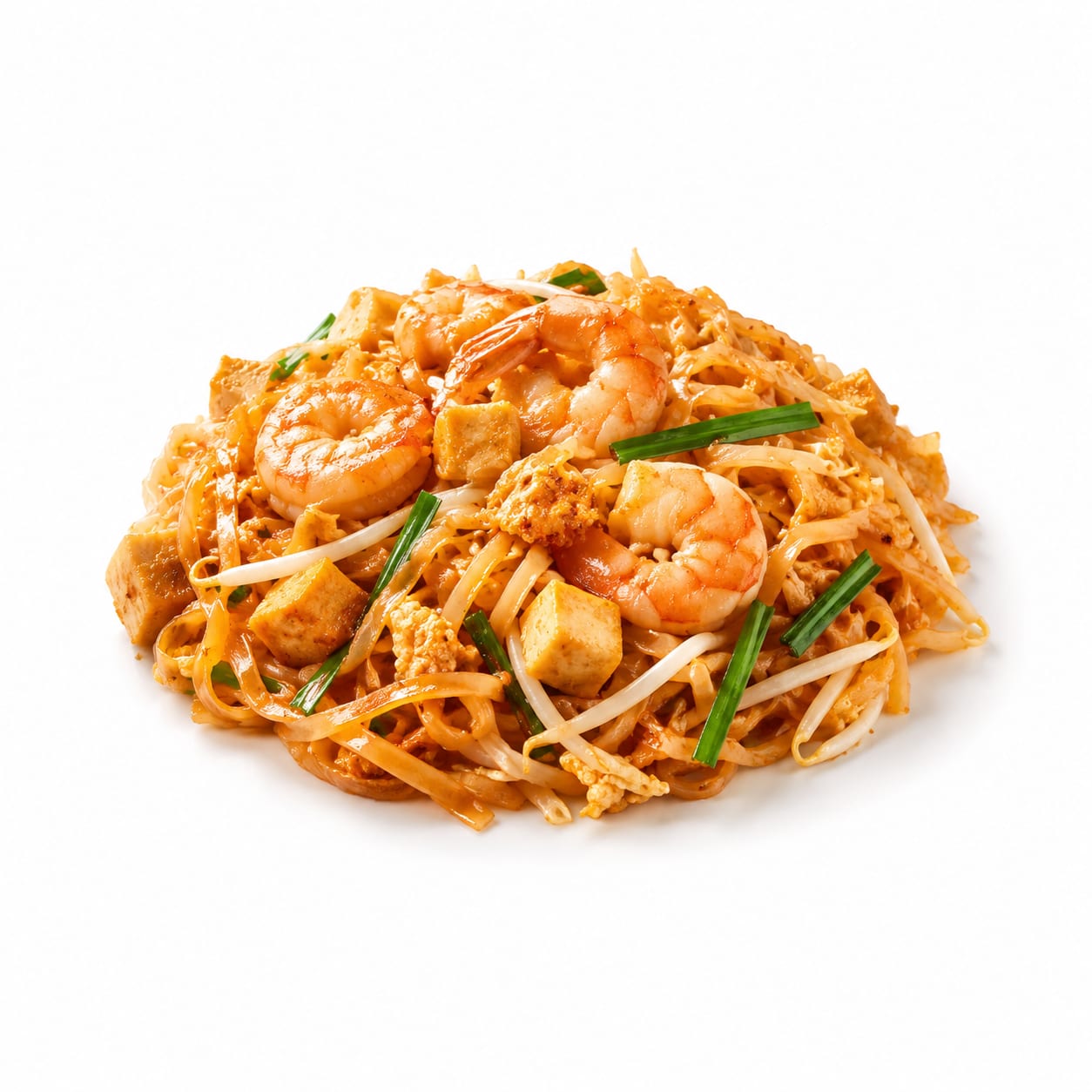
Pad Thai
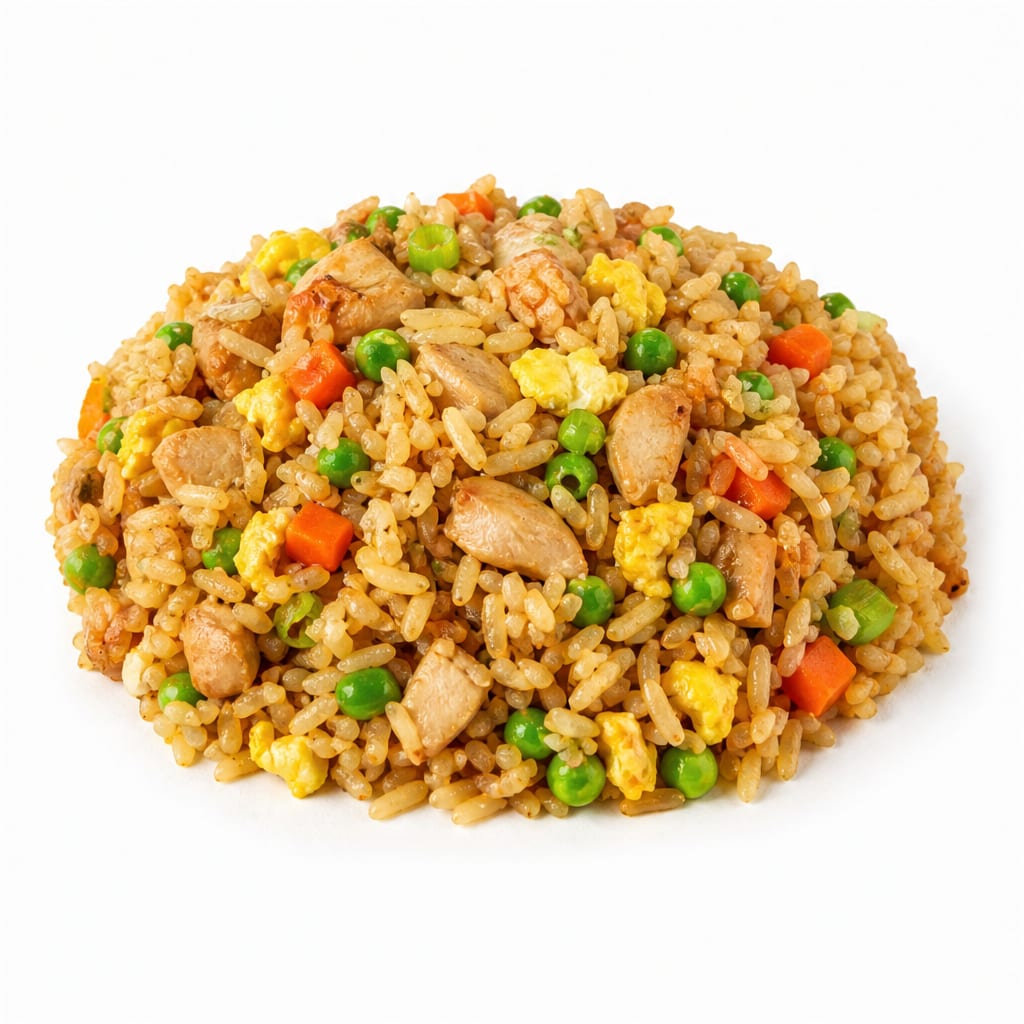
Fried Rice
Pad Thai offers more micronutrients and crunch from peanuts and sprouts, while Fried Rice is lower in sugar but heavier on oil and sodium.
Neither is a health food, but Pad Thai edges out slightly due to better micronutrient diversity from peanuts and sprouts, though Fried Rice's lower sugar is a point in its favor.
Sweet and tangy carbs with diverse textures versus savory, oily starch with simpler flavors.
At a glance
Executive summary
Overall
It depends
Healthier
Pad Thai
More practical
Fried Rice
Daily use
It depends
Key comparison lenses
Weight management and calorie density
Both are high-calorie takeout staples where hidden oils and sugars can easily derail diet goals.
Blood sugar impact
Refined carbs dominate both dishes, but the sugar content varies significantly between the sweet tamarind sauce and savory soy sauce.
Sodium load and bloating
Restaurant versions of both dishes are notoriously heavy on salt, leading to water retention and thirst.
Best choice for
Pad Thai
- People wanting more texture and plant-based nutrients
- Those who prefer a sweet and sour flavor profile
- Diners looking for trace minerals like magnesium from peanuts
Fried Rice
- People wanting a deeply savory comfort meal
- Those avoiding added sugars
- Home cooks looking to use up leftover rice and vegetables
Least suitable for
Pad Thai
- People strictly limiting sugar or carbs
- Those with peanut allergies
- Individuals sensitive to high-sodium sauces
Fried Rice
- People watching their blood pressure due to high sodium
- Those trying to avoid heavy cooking oils
- Individuals prone to carb crashes after large starchy meals
Deep comparison
Dimension by dimension
Each lens scores both foods and breaks down who each option suits.
- Dimension 1 · Priority 90Fried Rice
Blood Sugar Stability
Pad Thai · 35Fried Rice · 45Fried Rice has less added sugar, but both will spike blood sugar due to their refined carbohydrate bases.
Tradeoff
Pad Thai's tamarind sugar versus Fried Rice's white rice starch.
Why it matters
Preventing the afternoon energy crash helps you stay focused and avoids cravings.
Real-world impact
You might feel hungrier sooner after Pad Thai due to the sugar rush and subsequent drop.
Pad Thai
- Those who prefer smaller portions of sweeter food
Better for
- Diabetics
- People with insulin resistance
Worse for
Fried Rice
- Those trying to avoid added sugars
- People sensitive to sugar crashes
Better for
- People who overeat savory carbs
Worse for
- Dimension 2 · Priority 85Pad Thai
Satiety & Fullness
Pad Thai · 60Fried Rice · 50Pad Thai's peanuts and bean sprouts add fiber and fat that keep you fuller longer than just rice and oil.
Tradeoff
Nut-based satiety versus oil-based heaviness.
Why it matters
Staying full between meals prevents unnecessary snacking.
Real-world impact
Fried Rice can leave you feeling stuffed but empty an hour later, while Pad Thai's fats digest slower.
Pad Thai
- People needing a meal to last 4-5 hours
- Those who find fat and fiber filling
Better for
- Those who find peanuts hard to digest
Worse for
Fried Rice
- People who prefer feeling immediately heavy after eating
Better for
- People prone to late-night snacking after takeout
Worse for
- Dimension 3 · Priority 80It depends
Sodium Load
Pad Thai · 40Fried Rice · 35Both are sodium bombs from restaurant preparation, but Fried Rice relies heavily on soy sauce.
Tradeoff
Fish sauce and tamarind paste versus soy sauce and MSG.
Why it matters
High sodium causes bloating and raises blood pressure over time.
Real-world impact
You might wake up puffy and thirsty regardless of which takeout box you chose.
Pad Thai
- Those who use a lighter hand with fish sauce at home
Better for
- People with hypertension eating takeout
Worse for
Fried Rice
- Those who request low-sodium soy sauce at restaurants
Better for
- People highly sensitive to soy sauce saltiness
Worse for
- Dimension 4 · Priority 85It depends
Calorie Density & Weight Management
Pad Thai · 45Fried Rice · 40Pad Thai is sugar-heavy, while Fried Rice is oil-heavy, making both highly caloric.
Tradeoff
Sugar calories versus oil calories.
Why it matters
Hidden calories easily derail weight loss progress.
Real-world impact
A standard restaurant plate of either can easily top 1,000 calories.
Pad Thai
- Those who control portions strictly
Better for
- People who eat the whole takeout box
Worse for
Fried Rice
- Those who load their rice with extra veggies and less oil
Better for
- People unaware of how much oil restaurants use
Worse for
- Dimension 5 · Priority 70Pad Thai
Nutrient Diversity
Pad Thai · 65Fried Rice · 50Pad Thai includes peanuts for magnesium and bean sprouts for vitamin C, while Fried Rice is mostly just starch and fat.
Tradeoff
Diverse plant ingredients versus simple grain-based energy.
Why it matters
Micronutrients support long-term energy and immune function.
Real-world impact
Pad Thai gives you a few more vitamins and minerals per bite.
Pad Thai
- Those looking for trace minerals like magnesium and manganese
- People wanting raw vegetable crunch
Better for
- People with peanut allergies
Worse for
Fried Rice
- Those who add mixed frozen veggies for vitamin A
Better for
- People eating plain egg fried rice
Worse for
Timeline
Health impact over time
Short-term
Hours to days
Pad Thai
- Quick energy from sugar and carbs
- Possible bloating from high sodium and bean sprouts
Fried Rice
- Immediate heavy fullness from oil and rice
- High thirst from sodium
Long-term
Months to years
Pad Thai
- Frequent consumption can contribute to metabolic issues from sugar
- Peanuts offer some heart-healthy fats if portions are controlled
Fried Rice
- Regular intake may increase cardiovascular risk from high sodium and oil
- Refined carbs can worsen insulin resistance over time
Risk profile
Safety & processing
Both use refined base carbs and processed sauces, but home-cooked versions can be quite natural and fresh.
Pad Thai
Peanut cross-contamination
highHighly dangerous for those with allergies, as restaurant woks often share surfaces with peanut dishes.
Foodborne illness from sprouts
mediumBean sprouts are a common source of E. coli and Salmonella if not washed properly.
Fried Rice
Bacillus cereus contamination
mediumLeftover rice not cooled quickly enough can harbor this spore-forming bacteria, causing vomiting.
MSG sensitivity
lowSome people report headaches or flushing, though scientific evidence is mixed.
Who wins for whom
Audience fit
Same foods, different winners depending on your goal.
children
Fried RiceFried Rice has a simpler flavor profile and avoids the common peanut allergy risk.
daily consumption
It dependsNeither should be eaten daily from a restaurant, but home-prepped versions with less oil and salt can fit.
diabetes
Fried RiceFried Rice has less added sugar, making it slightly easier on blood glucose, though both are high carb.
elderly
Fried RiceFried Rice is softer and easier to chew, with less risk of hard nuts or crunchy sprouts.
muscle gain
Fried RiceFried Rice is easier to eat in large volumes and pair with lean proteins for bulking.
weight loss
It dependsNeither is ideal, but the winner depends on whether you handle sugar calories or oil calories better.
Your move
Decision guide
Choose Pad Thai
- You crave a sweet, tangy, and crunchy meal
- You want more micronutrients from peanuts and fresh herbs
- You are eating out and want a more complex flavor profile
Choose Fried Rice
- You want a deeply savory, comforting meal
- You have leftover rice and eggs to use up at home
- You need to avoid added sugars
Either works if
- You want a filling takeout treat
- You are okay with a high-calorie meal and just want what sounds best
Avoid both if
- You are on a strict low-carb or keto diet
- You have severe blood pressure issues and must limit sodium
Final recommendation
Choose Pad Thai for a more nutrient-diverse and textured experience, or Fried Rice for a lower-sugar comfort meal. For the healthiest outcome, make either at home where you control the oil, sugar, and sodium.
Practical
Consumer tips
- 1
Ask for extra vegetables in either dish to improve fiber and fullness.
- 2
Request light sauce for Pad Thai or sauces on the side for Fried Rice to cut sodium and sugar.
- 3
Make Fried Rice with cauliflower rice or brown rice for better blood sugar control.
- 4
Swap rice noodles for zucchini noodles in Pad Thai to drastically reduce carbs.
- 5
Eat half the restaurant portion and save the rest for later to manage calorie intake.