
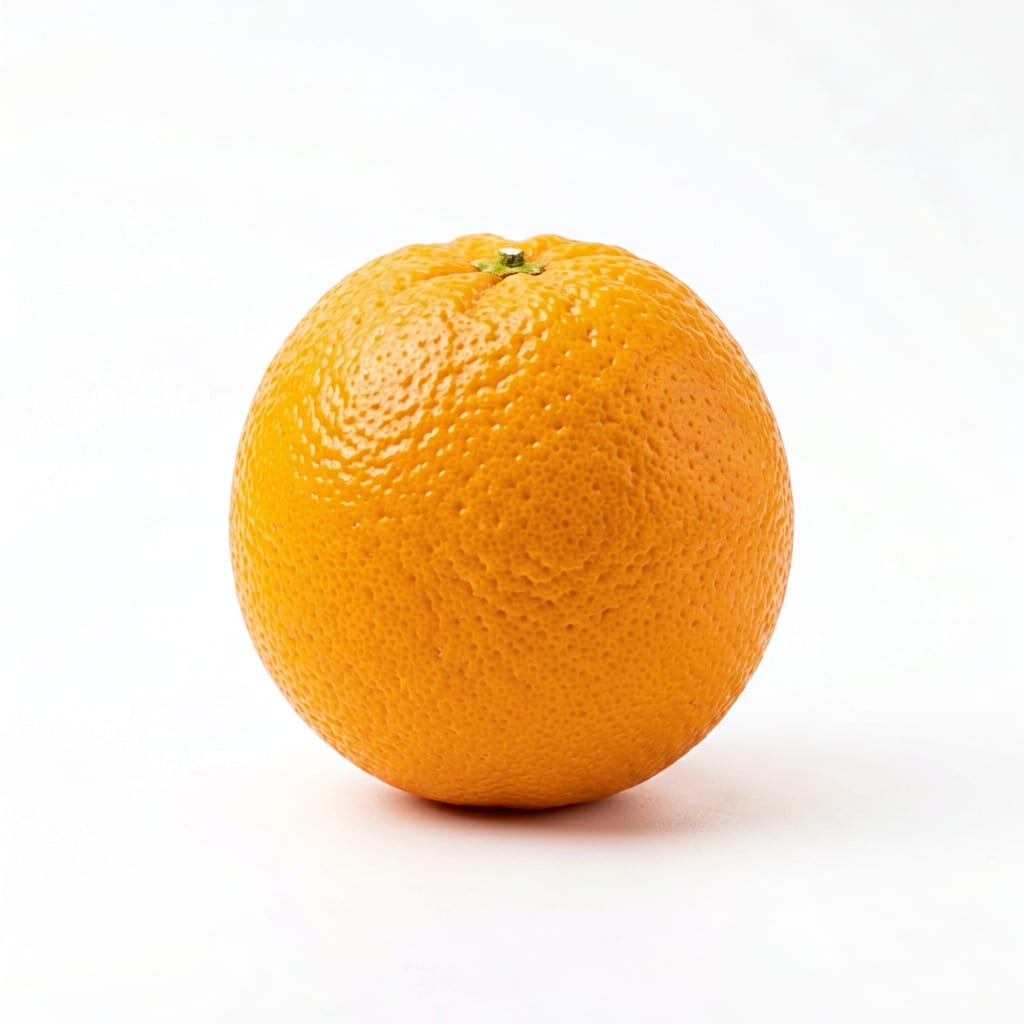
Fruit
Orange
A sweet-tart citrus fruit packed with vitamin C, fiber, and hydration, ideal for low-calorie snacking.
A popular citrus fruit known for its sweet-tart flavor, high vitamin C content, and refreshing juiciness, commonly consumed fresh or juiced.
high-volume hydrating fruit
Typical serving · 131g
Common varieties · navel, valencia, blood orange, mandarin, clementine +2 more
Overall context score across nutrition, safety, and diet fit
At a glance
Quick facts
Simple indicators based on nutrition, processing, and diet fit.
The story
What makes it unique
Oranges are fast-digesting carbohydrate sources with moderate satiety due to high water and fiber content. Their macronutrient profile is dominated by simple sugars and fiber, with negligible fat and protein. As a minimally processed whole food, they retain cellular integrity, slowing sugar absorption compared to juice.
Varieties: navel · valencia · blood orange · mandarin · clementine · tangerine · cara cara
Per 100g
Nutrition breakdown
Macro balance and key metrics at a glance.
Energy
Density 0.47 kcal/g
Protein
Carbs
Fat
Fiber
Sugar
9.4 g
Sodium
0 mg
Potassium
181 mg
Glycemic index
43
Glycemic load
5
Water content
86.8%
Standout compounds
Nutrient highlights
Vitamin C
highCollagen synthesis and antioxidant protection
Fiber
moderateSlows digestion and supports gut motility
Potassium
moderateRegulates blood pressure and fluid balance
Flavonoids
moderateReduces inflammation and supports blood vessel health
Wellness map
Health scores & processing
NOVA processing scale
unprocessed · Whole food
Whole oranges are minimally processed raw agricultural products with no added ingredients or artificial modifications.
Diet compatibility
- Weight loss
- Muscle gain
- Diabetes
- Gut health
- Low carb
- High protein
- Heart health
Relative standing
Food rankings
Qualitative ranks compared to similar whole foods.
- Satietygood
- Blood sugarexcellent
- Nutrient densitygood
- Fitness fuelgood
- Processing qualityexcellent
Eat with confidence
Food safety profile
Oranges are generally very safe. The primary concern is pesticide residue on the peel, which is mitigated if only the flesh is eaten. Washing is recommended if using the zest.
Evidence confidence 95%
- Pesticidesmoderate
- Antibioticslow
- Heavy metalslow
- Contaminationlow
Watch for
- pesticide residues on peel
- citrus black spot
Safer choices
Organic oranges for zest or peel consumption
Prep tips
Rinse thoroughly under running water before peeling to avoid transferring dirt or residues from the rind to the flesh.
Peel pesticide residues are monitored but washing is advised if consuming the zest or using the peel in cooking.
Deep dive
Health analysis
How this food may fit different goals and preparation choices.
Weight loss
Low energy density and high water content promote fullness with minimal calories, making it an effective weight loss snack.
Blood sugar
Despite containing natural sugars, the fiber lowers the glycemic load, resulting in a steady blood sugar response when eaten whole.
Fitness & energy
Provides quick-digesting carbohydrates for short-term energy and vitamin C to reduce oxidative stress from exercise.
Gut health
Dietary fiber and polyphenols support beneficial gut bacteria and promote regular bowel movements.
Processing quality
A whole, unprocessed food with intact cellular structure that optimizes nutrient bioavailability and digestion speed.
Food safety
Very safe to consume; primary risk is surface pesticide residue, which is easily managed by washing before peeling.
Common mistakes
Substituting whole oranges with orange juice, which removes fiber and concentrates sugar, or avoiding them due to fear of natural fruit sugar.
Best preparation
Eaten raw and whole, or segmented into salads. Use zest for flavoring if the fruit is washed well.
Practical guide
Best use cases
When and how this food fits real eating patterns.
mid-morning hydrating snack
Provides a low-calorie, water-rich pick-me-up that bridges the gap between breakfast and lunch.
pre-workout quick energy
Offers easily digestible carbohydrates for immediate fuel without causing gastrointestinal distress.
natural vitamin C boost
Consuming during cold season or periods of high stress to support immune defense and reduce oxidative damage.
Balance sheet
Pros & cons
Upsides
- high in immune-boosting vitamin C
- low calorie with high water content for hydration
- contains fiber that stabilizes blood sugar
- rich in heart-healthy potassium
- convenient portable whole-food snack
Trade-offs
- contains natural sugars requiring moderation for strict low-carb diets
- acidic nature may aggravate acid reflux or GERD
- juice form strips away fiber and spikes blood sugar
Fit check
Who is it for?
Great match
- weight loss snacking
- vitamin C supplementation
- pre-workout energy
- hydration
Consider alternatives
- strict ketogenic diets
- severe acid reflux
- high-protein diets
Side by side
How it compares
Open the full head-to-head analysis for nutrition, safety, and practical tradeoffs.
This food
Orange
VS85% alike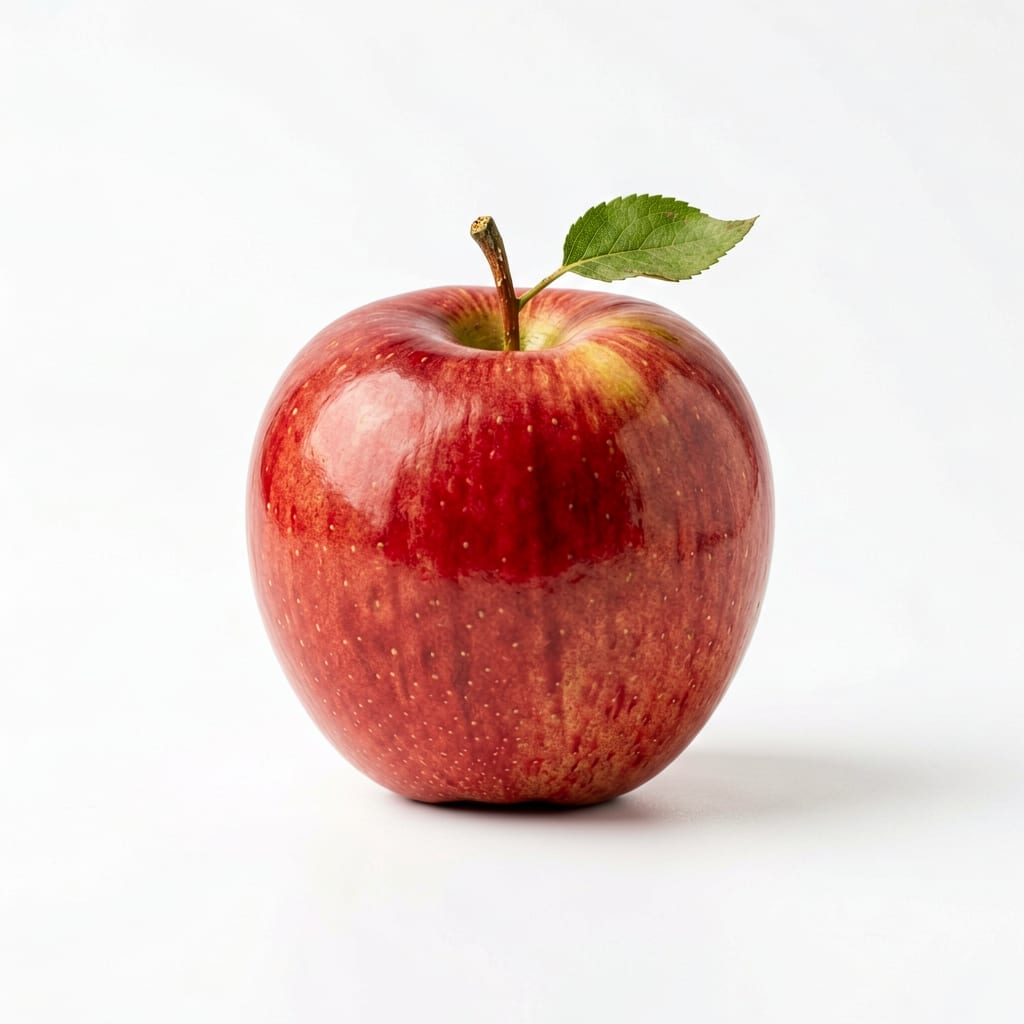
Compare with
Apple
Apples provide slightly more fiber, while oranges offer significantly more vitamin C and hydration.
Apples are better for satiety due to firmer texture and fiber, while oranges provide superior hydration and vitamin C for fitness recovery.
This food
Orange
VS80% alike
Compare with
Banana
Bananas are higher in carbs and potassium, while oranges are lower in calories and higher in vitamin C.
Bananas offer more potassium and workout fuel, while oranges are lower in calories and better for weight loss.
This food
Orange
VS90% alike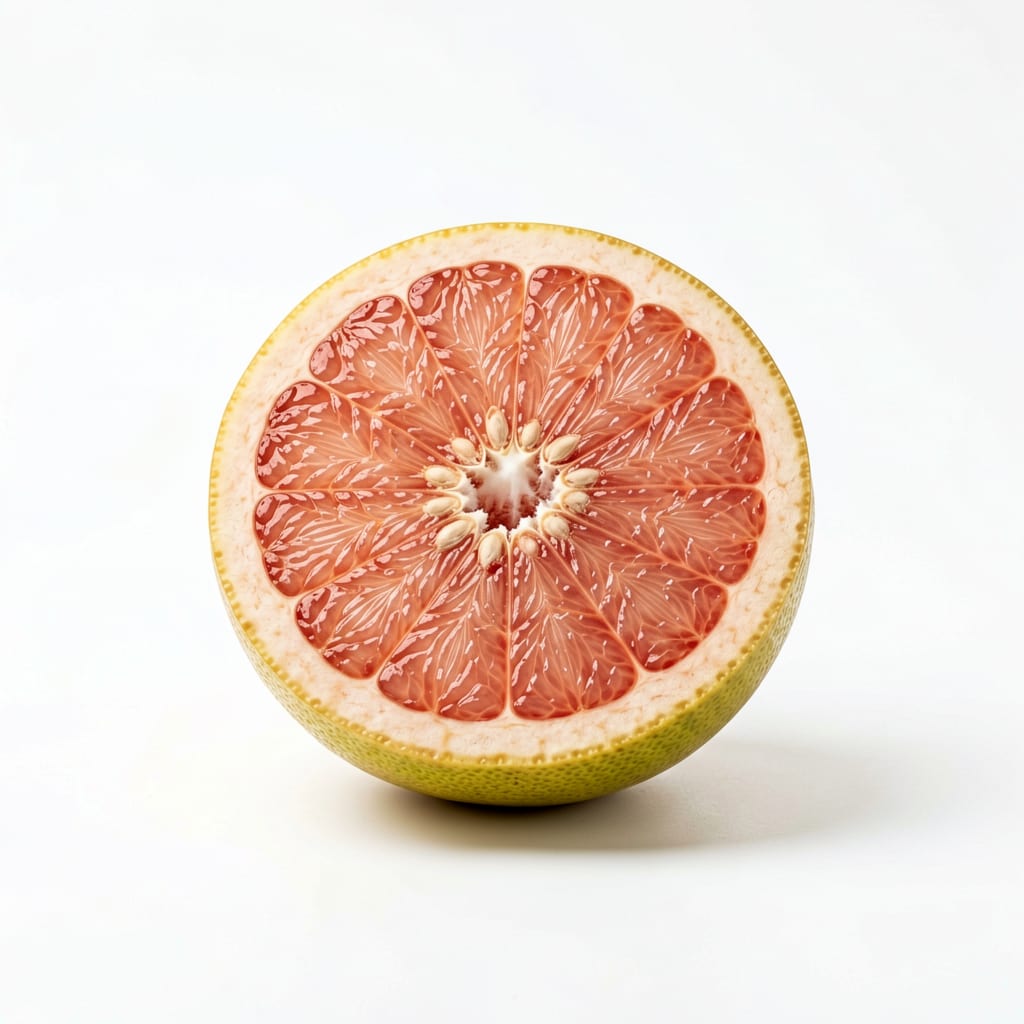
Compare with
Grapefruit
Grapefruit is lower in sugar and calories, while oranges are sweeter and higher in vitamin C.
Grapefruit is lower in sugar and better for strict weight loss, while oranges provide more energy and vitamin C.
This food
Orange
VS95% alike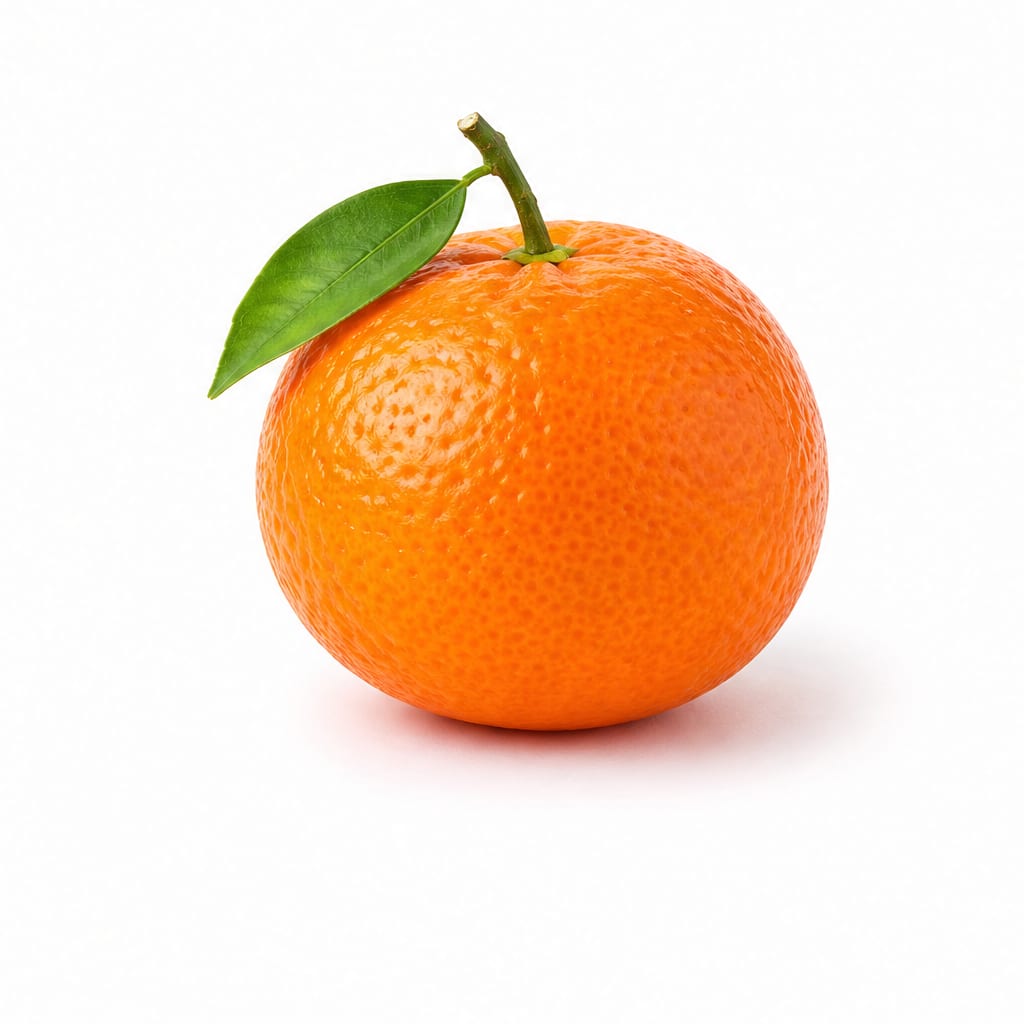
Compare with
Tangerine
Tangerines are sweeter and easier to peel, while oranges are larger with more fiber and vitamin C per serving.
Oranges provide more fiber and vitamin C per calorie, making them slightly better for blood sugar control than tangerines.
This food
Orange
VS75% alike
Compare with
Orange Juice
Whole oranges contain fiber for satiety and blood sugar control, while juice concentrates sugar and removes fiber.
Whole oranges win for satiety and blood sugar control, while juice only offers faster carbohydrate absorption for endurance sports.
This food
Orange
VS80% alike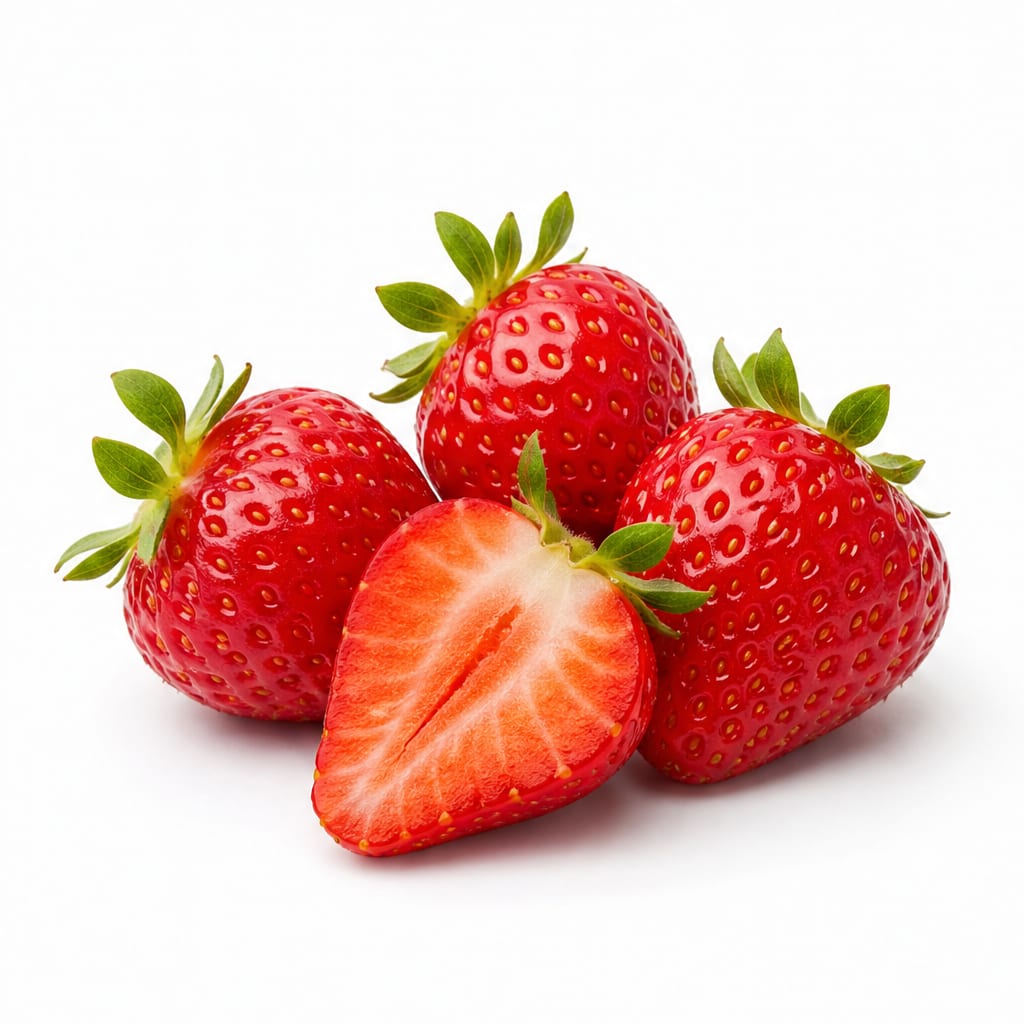
Compare with
Strawberries
Strawberries are lower in sugar and higher in fiber, while oranges offer more volume and hydration.
Strawberries are lower in sugar and better for blood sugar, while oranges provide more quick hydration and energy.
This food
Orange
VS75% alike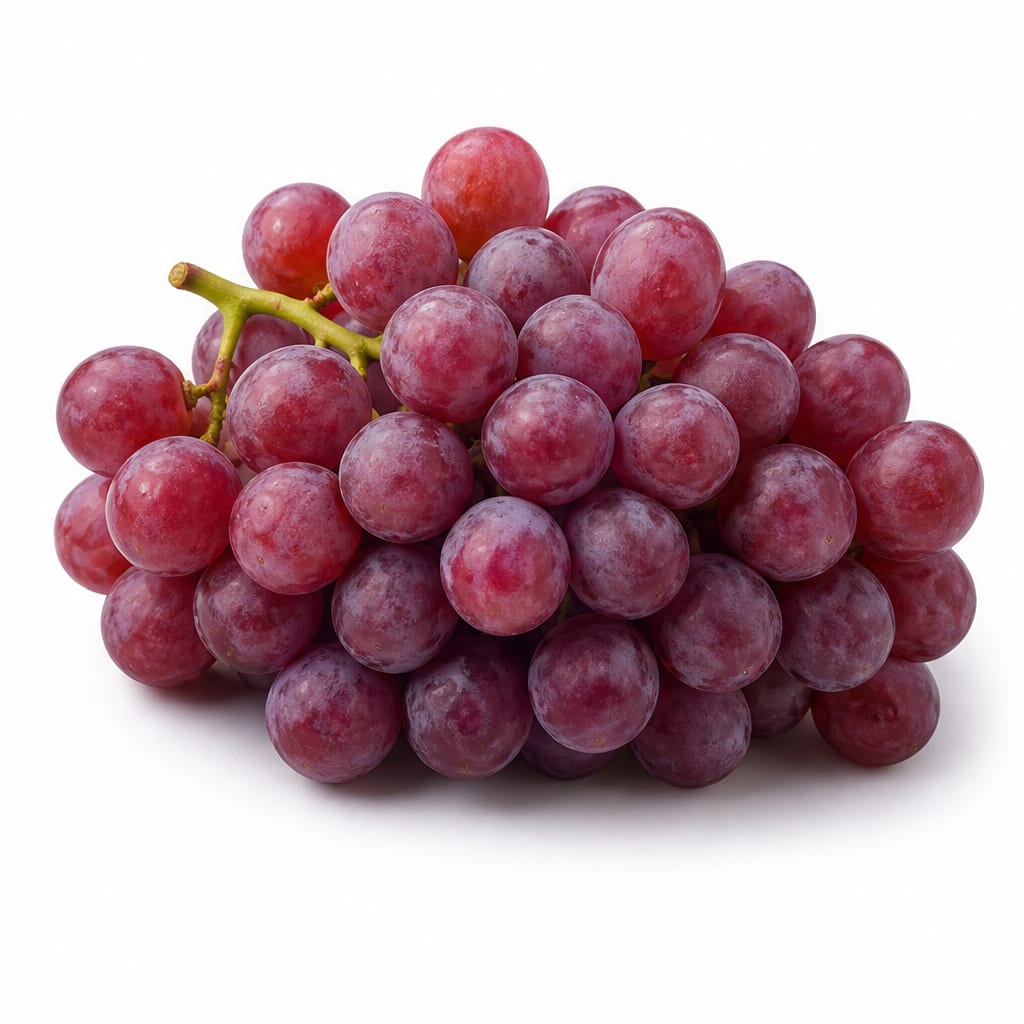
Compare with
Grapes
Oranges are lower in sugar and higher in fiber and vitamin C, while grapes are higher in sugar and less satiating.
Oranges are significantly lower in sugar and higher in fiber than grapes, making them better for satiety and blood sugar control.
This food
Orange
VS70% alike
Compare with
Lemon
Lemons are ultra-low in sugar and calories, while oranges are eaten as a whole food energy source.
Lemons are virtually calorie-free flavor enhancers, while oranges provide actual energy, fiber, and satiety as a snack.
This food
Orange
VS75% alike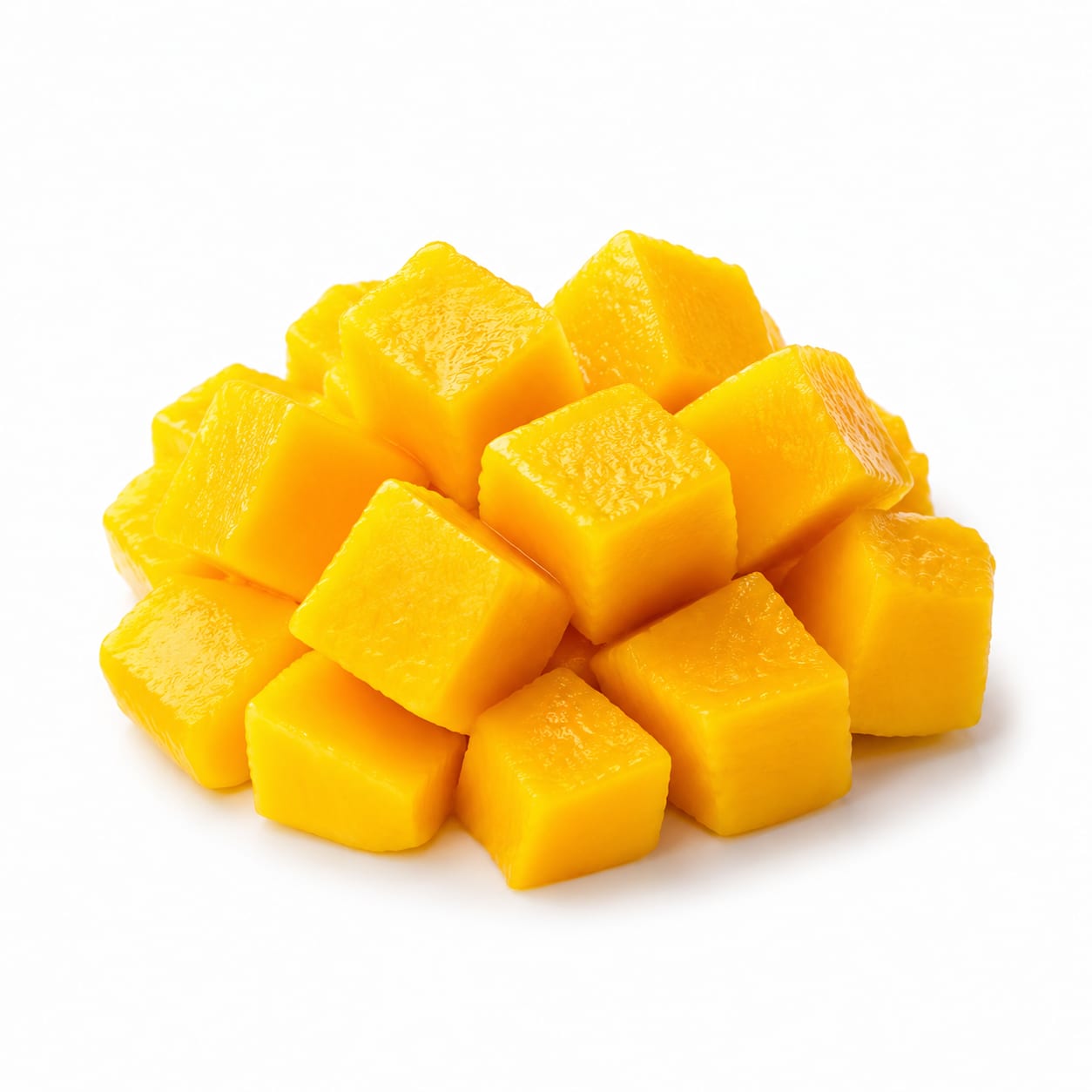
Compare with
Mango
Mangoes are higher in sugar and vitamin A, while oranges are lower in calories and higher in vitamin C.
Oranges are lower in sugar and better for blood sugar management, while mangoes provide more vitamin A and intense sweetness.
This food
Orange
VS80% alike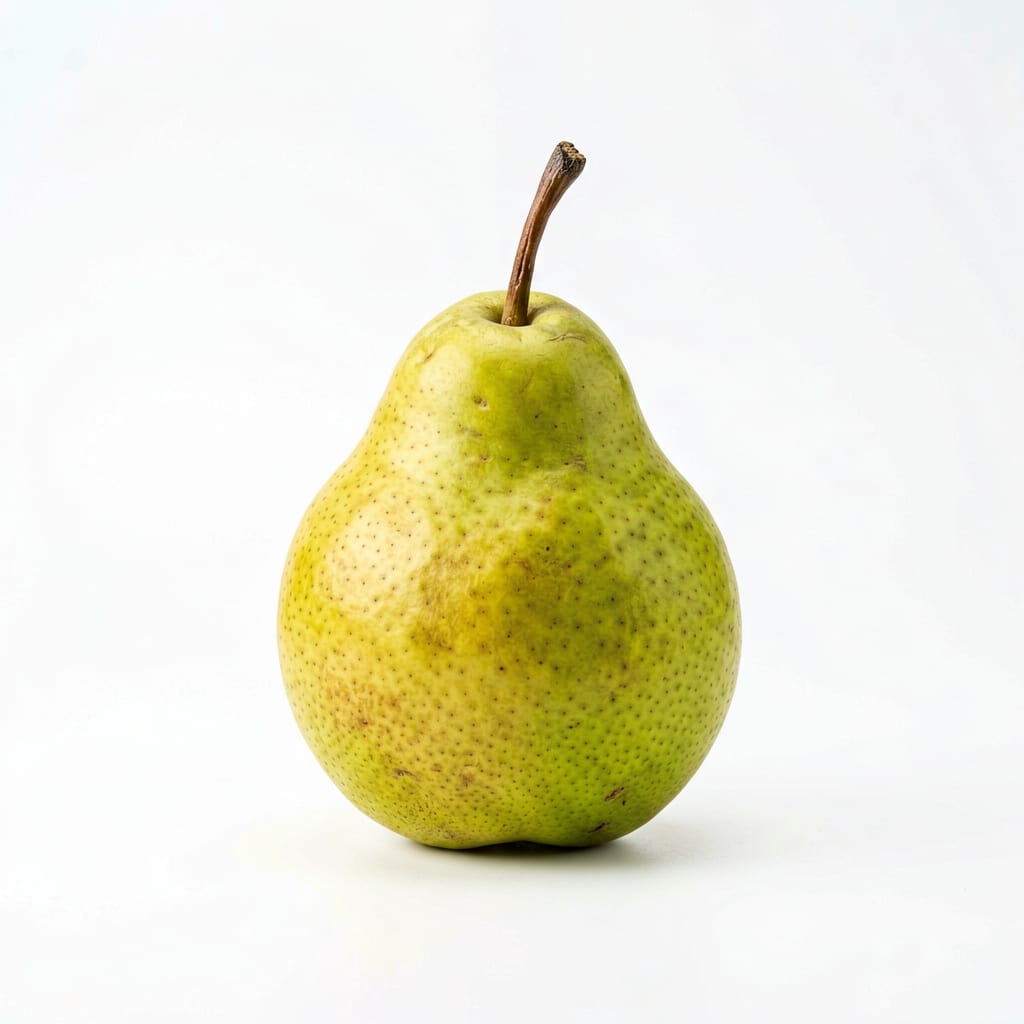
Compare with
Pear
Pears are higher in fiber, while oranges are significantly higher in vitamin C and lower in glycemic load.
Pears offer more fiber for satiety, while oranges provide a lower glycemic load and more vitamin C for fitness recovery.
Common questions
FAQ
Answers aligned with how people search for this food.
Are oranges good for weight loss?
Yes, their high water and fiber content create satiety on very few calories, making them an ideal snack for weight loss.
Can diabetics eat oranges?
Yes, whole oranges have a low glycemic index and load due to their fiber content, which slows the absorption of natural sugars.
Is orange juice as healthy as whole oranges?
No, juicing removes the beneficial fiber, concentrating the sugar and causing faster blood sugar spikes compared to whole fruit.
How much vitamin C is in an orange?
One medium orange provides about 70-90% of the daily recommended intake of vitamin C, supporting immune function and collagen synthesis.
Do oranges have too much sugar?
No, the sugar in whole oranges is bound to fiber, preventing rapid blood sugar spikes and making them a healthy, natural sweet treat.
Are oranges good for gut health?
Yes, they provide soluble fiber and polyphenols that feed beneficial gut bacteria and support healthy digestion.
What is the difference between navel and valencia oranges?
Navel oranges are seedless and best for eating raw, while valencia oranges are juicier and ideal for making fresh juice.
Can you eat orange peels?
Yes, orange peels are edible and rich in flavonoids, but they should be washed thoroughly to remove pesticide residues before consuming as zest.
Transparency
Data confidence
Estimated confidence for nutrition data, interpretation, safety notes, and comparisons.
Nutrition data
Health analysis
Food safety
Comparisons