
Nutrition comparison
Orange vs Mango: Which Fruit Is Healthier for Daily Eating?
Compare Orange and Mango nutrition including sugar, vitamins, and blood sugar impact. Find out which fruit is better for weight loss, diabetes, and everyday health.

Orange
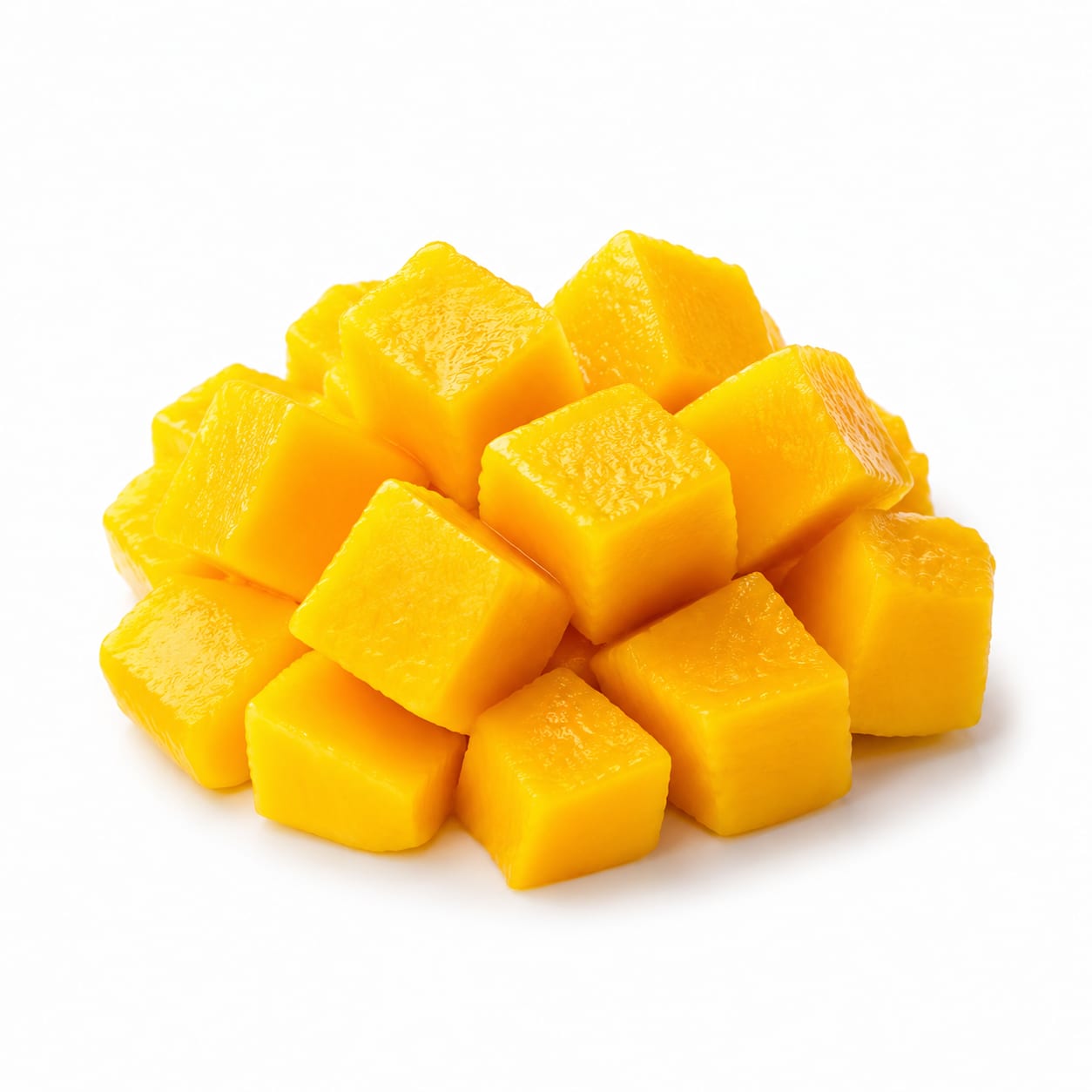
Mango
Orange is the safer daily staple with less sugar and stronger blood sugar control. Mango is the more nutrient-diverse treat but packs significantly more sugar per serving.
Orange scores higher primarily due to lower sugar, better blood sugar stability, and stronger everyday practicality. Mango earns points for superior vitamin A and antioxidant diversity but loses ground on sugar load and overeating risk.
Lower sugar and steadier energy with Orange versus richer antioxidant diversity and tropical satisfaction with Mango.
At a glance
Executive summary
Overall
It depends
Healthier
Orange
More practical
Orange
Daily use
Orange
Key comparison lenses
blood sugar management
Both are sweet fruits with notably different sugar loads and glycemic impacts, a primary concern for most users comparing them
vitamin and antioxidant profile
Orange dominates vitamin C while Mango dominates vitamin A and unique phytonutrients, creating a meaningful tradeoff
weight management suitability
Calorie and sugar density differ enough to matter for daily snacking decisions
daily fruit selection
Users likely choosing between these as a routine fruit option and need to know which fits better long-term
Best choice for
Orange
- People managing blood sugar or prediabetes
- Daily fruit eaters watching calorie intake
- Anyone needing immune support during cold season
- Those who prefer steady energy without sugar spikes
Mango
- People wanting broader antioxidant coverage
- Those needing more vitamin A for skin or eye health
- Active individuals who can handle higher sugar intake
- Anyone seeking a more satisfying sweet fruit experience
Least suitable for
Orange
- People avoiding acidic foods due to reflux or GERD
- Those seeking high vitamin A intake from fruit
- People who find plain fruit boring and need more flavor satisfaction
Mango
- People with diabetes or insulin resistance
- Those strictly limiting sugar intake
- Anyone prone to overeating sweet foods
- People on low-carb eating plans
Deep comparison
Dimension by dimension
Each lens scores both foods and breaks down who each option suits.
- Dimension 1 · Priority 95Orange
Blood Sugar Stability
Orange · 82Mango · 55Orange has roughly half the sugar of Mango and a lower glycemic load, making it far gentler on blood sugar.
Tradeoff
You sacrifice the richer sweetness and some satisfaction but gain steadier energy and fewer crash risks.
Why it matters
Blood sugar spikes from high-sugar fruits can trigger hunger cycles, fatigue, and long-term metabolic strain.
Real-world impact
An Orange as an afternoon snack keeps you stable. A Mango can leave you reaching for more food an hour later.
Orange
- Prediabetics and diabetics
- Intermittent fasters breaking a fast
- Afternoon snackers avoiding energy crashes
Better for
- Situations where quick energy is actually needed
Worse for
Mango
- Post-workout recovery when quick carbs help
- Endurance athletes needing faster glycogen replenishment
Better for
- Sedentary evenings when sugar goes unused
- Anyone already struggling with sugar cravings
Worse for
- Dimension 2 · Priority 85Orange
Vitamin C Content
Orange · 93Mango · 62One Orange delivers nearly all your daily vitamin C. Mango provides about 60% of that amount.
Tradeoff
Orange is clearly superior for immune support and collagen health. Mango still contributes meaningfully but cannot match it.
Why it matters
Vitamin C is water-soluble and must be replenished daily. It supports immunity, skin health, and iron absorption.
Real-world impact
During cold season, an Orange a day is genuinely protective. Mango helps but should not be your primary C source.
Orange
- Immune support during illness
- Improving non-heme iron absorption from meals
- Skin and collagen health maintenance
Better for
- People who already supplement high-dose vitamin C
Worse for
Mango
- Situations where moderate C plus other nutrients is sufficient
Better for
- Anyone relying on fruit as their primary vitamin C source
Worse for
- Dimension 3 · Priority 82Mango
Vitamin A and Beta-Carotene
Orange · 30Mango · 90Mango is dramatically richer in beta-carotene and vitamin A precursors. Orange contributes minimally in this area.
Tradeoff
If eye health, skin repair, or immune function tied to vitamin A matters to you, Mango is the clear winner.
Why it matters
Vitamin A supports vision, skin integrity, and immune defense. Many people do not get enough from other sources.
Real-world impact
Regular Mango consumption can visibly support skin health and night vision over time. Orange barely moves the needle here.
Orange
- Not applicable for this dimension
Better for
- Relying on Orange for vitamin A is ineffective
Worse for
Mango
- People with low vitamin A intake
- Those focused on skin repair and anti-aging
- Anyone wanting eye health support from whole foods
Better for
- Not applicable for this dimension
Worse for
- Dimension 4 · Priority 78Mango
Antioxidant Diversity
Orange · 65Mango · 85Mango contains mangiferin, unique polyphenols, and a broader carotenoid profile. Orange focuses heavily on flavonoids and vitamin C.
Tradeoff
Mango offers a wider range of protective compounds. Orange provides deeper coverage in fewer antioxidant categories.
Why it matters
Diverse antioxidant intake correlates with better long-term disease protection than high doses of single antioxidants.
Real-world impact
Eating Mango occasionally alongside other fruits gives your body a broader defense network. Orange is strong but narrower.
Orange
- Targeted flavonoid intake for inflammation
- Consistent daily antioxidant support
Better for
- Missing unique compounds like mangiferin
Worse for
Mango
- Maximizing antioxidant variety in the diet
- Anti-aging and cellular protection strategies
Better for
- Higher sugar somewhat offsets antioxidant benefits if overconsumed
Worse for
- Dimension 5 · Priority 80Orange
Satiety and Overeating Risk
Orange · 78Mango · 52Orange is more self-limiting due to its tartness and fiber-to-sugar ratio. Mango is easy to overeat because of its intense sweetness.
Tradeoff
Orange naturally stops you after one. Mango tempts you into a second or third serving, doubling your sugar intake.
Why it matters
Portion control with sweet fruits is a real issue. A whole Mango can deliver 45g of sugar before you realize it.
Real-world impact
One Orange feels complete. One Mango often leaves you wanting more, and the calories add up fast.
Orange
- Emotional eaters who struggle with portion control
- Anyone tracking calories closely
- People who want a satisfying snack that naturally limits itself
Better for
- People who find it unsatisfying and end up eating other snacks
Worse for
Mango
- Underweight individuals needing calorie density
- Athletes with high energy demands
Better for
- Anyone prone to binge eating sweet foods
- Late-night snackers who will not stop at one serving
Worse for
- Dimension 6 · Priority 72Orange
Convenience and Availability
Orange · 88Mango · 55Oranges are available year-round everywhere, easy to peel, and portable. Mangoes are seasonal, messy to cut, and harder to find ripe.
Tradeoff
Orange is the reliable grab-and-go fruit. Mango requires planning, ripening patience, and more prep effort.
Why it matters
Fruit you can actually eat consistently beats fruit that is theoretically better but rarely convenient.
Real-world impact
You will reach for an Orange on a busy Tuesday. That Mango might sit on the counter until it rots.
Orange
- Busy professionals needing quick snacks
- Commuters and travelers
- People who want zero-prep fruit options
Better for
- Not applicable for this dimension
Worse for
Mango
- Weekend meal prep when you have time to cut fruit
- Smoothie makers who blend anyway
Better for
- People who avoid fruit because prep is annoying
- Anyone without reliable access to quality produce
Worse for
Timeline
Health impact over time
Short-term
Hours to days
Orange
- Quick vitamin C boost supporting immediate immune function
- Moderate blood sugar rise with relatively fast return to baseline
- Tart flavor can curb sweet cravings without triggering binge urges
Mango
- Noticeable blood sugar spike followed by potential energy dip within an hour
- Strong sweet satisfaction that may reduce dessert cravings short-term
- Quick carotenoid absorption especially when eaten with some fat
Long-term
Months to years
Orange
- Consistent vitamin C intake supports collagen, skin elasticity, and wound healing
- Lower cumulative sugar exposure reduces metabolic risk over years
- Flavonoid intake associated with reduced stroke risk in population studies
Mango
- Sustained beta-carotene intake supports eye health and may reduce macular degeneration risk
- Mangiferin and unique polyphenols linked to anti-inflammatory and potential anti-cancer properties
- Regular high sugar intake from frequent Mango consumption may increase insulin resistance risk if portions are not controlled
Risk profile
Safety & processing
Both Orange and Mango are whole, unprocessed fruits with no additive concerns when eaten fresh. The naturalness comparison is essentially equal.
Orange
Pesticide residue on peel
mediumOranges rank moderately on pesticide residue lists. If you zest or use the peel, choose organic. Eating just the flesh reduces exposure significantly.
Citrus allergy or intolerance
lowSome individuals experience oral allergy syndrome or heartburn from citrus. Uncommon but worth noting for those with sensitivities.
Mango
Pesticide residue
mediumMango peel can harbor pesticide residues. Most people discard the peel, which reduces risk. Conventionally grown Mango flesh is generally low in residues.
Urushiol exposure from peel
mediumMango peel contains urushiol, the same compound in poison ivy. Sensitive individuals can develop contact dermatitis when handling the peel. Always cut carefully and avoid touching the skin directly.
Ripeness and spoilage
lowMangoes spoil quickly once ripe and can ferment, causing digestive upset if eaten overripe. Check for off smells and excessive softness.
Who wins for whom
Audience fit
Same foods, different winners depending on your goal.
children
MangoChildren generally prefer the sweeter, smoother texture of Mango. Its vitamin A content also supports growing immune systems and vision development.
daily consumption
OrangeLower cumulative sugar, better availability, and easier portion control make Orange more sustainable as a daily habit without metabolic downsides.
diabetes
OrangeSignificantly lower sugar and glycemic load make Orange the safer choice for blood sugar management. Mango can be included in small portions but requires more caution.
elderly
OrangeLower sugar, easier to peel, and higher vitamin C for immune support and collagen maintenance. The tartness also stimulates appetite in older adults.
muscle gain
It dependsNeither fruit is a protein source. Mango offers slightly more post-workout carbs for glycogen replenishment, but the difference is marginal.
weight loss
OrangeFewer calories, less sugar, and natural portion control make Orange easier to fit into a calorie deficit without triggering overeating.
Your move
Decision guide
Choose Orange
- You are watching your blood sugar, weight, or overall sugar intake
- You want a reliable daily fruit that is easy to find and eat
- You need maximum vitamin C from a single serving
- You tend to overeat sweet foods and need something self-limiting
Choose Mango
- You want broader antioxidant and vitamin A coverage
- You are active and can handle the extra sugar without issues
- You find plain fruit boring and need something more satisfying
- You are preparing smoothies, desserts, or meals where Mango's flavor shines
Either works if
- You simply want fresh fruit and both are available
- You rotate fruits throughout the week for nutrient diversity
- Neither poses a specific health risk for your situation
Avoid both if
- You are on a strict very-low-carb or ketogenic diet
- You have fructose intolerance or malabsorption issues
- You are allergic to citrus or tropical fruits
Final recommendation
Make Orange your default daily fruit for its lower sugar, stronger vitamin C, and easy habit-forming practicality. Add Mango a few times per week as a nutrient-diversity boost, keeping portions to half a Mango to manage sugar intake. This combination gives you the best of both: steady energy from Orange and the unique antioxidants from Mango without overloading on sugar.
Practical
Consumer tips
- 1
Choose heavier Oranges for their size — they are juicier
- 2
Let Mangoes ripen at room temperature until slightly soft, then refrigerate to pause ripening
- 3
If sugar is a concern, eat half a Mango instead of a whole one and pair it with protein or fat to slow absorption
- 4
Wash Orange peel thoroughly if you plan to zest it
- 5
Avoid touching Mango peel directly if you have sensitive skin or poison ivy allergies
- 6
Freeze diced Mango for smoothies — it eliminates the ripeness timing pressure
- 7
Orange juice is not equivalent to whole Orange — you lose fiber and gain concentrated sugar