
Nutrition comparison
Pear vs Orange: Which Fruit Is Better for Your Health Goals?
Compare pear and orange nutrition, fiber, vitamin C, blood sugar impact, and satiety. Find out which fruit fits your diet, weight loss, or immune support goals.
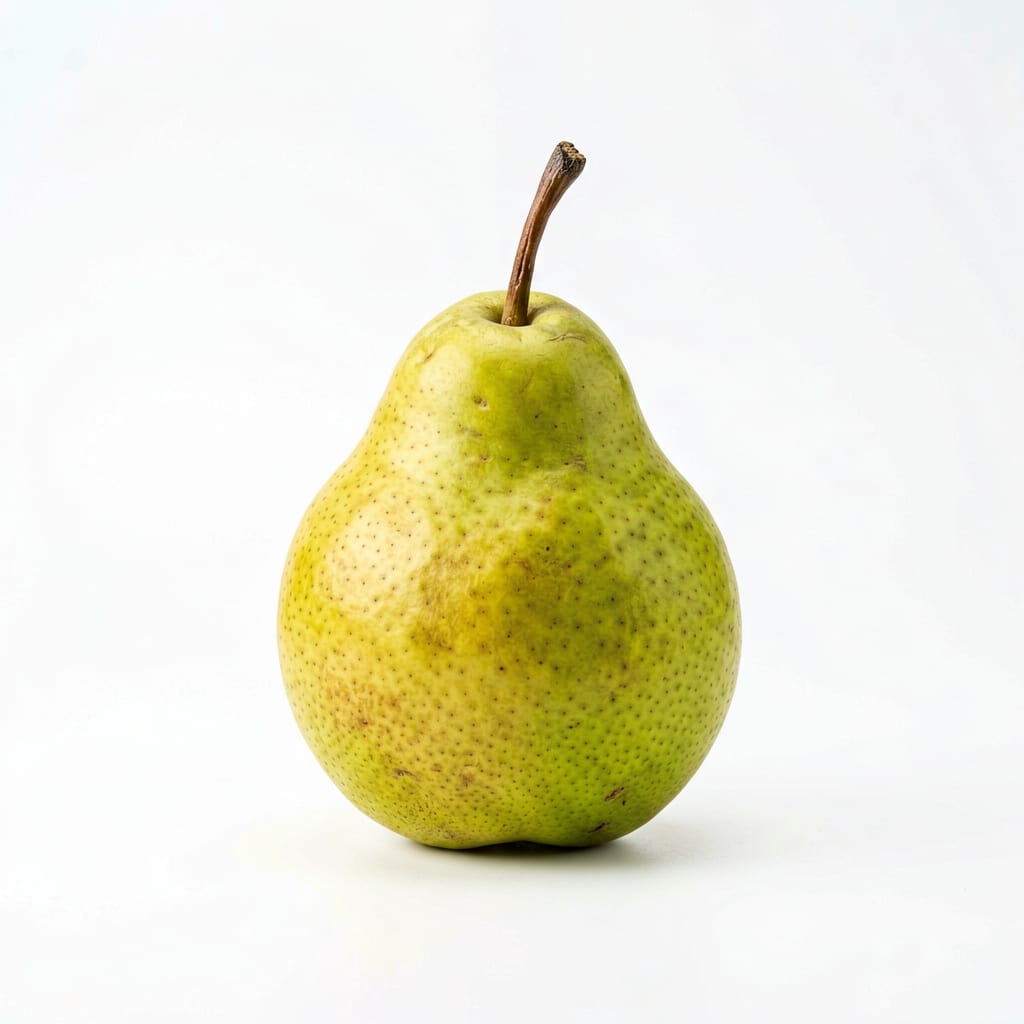
Pear
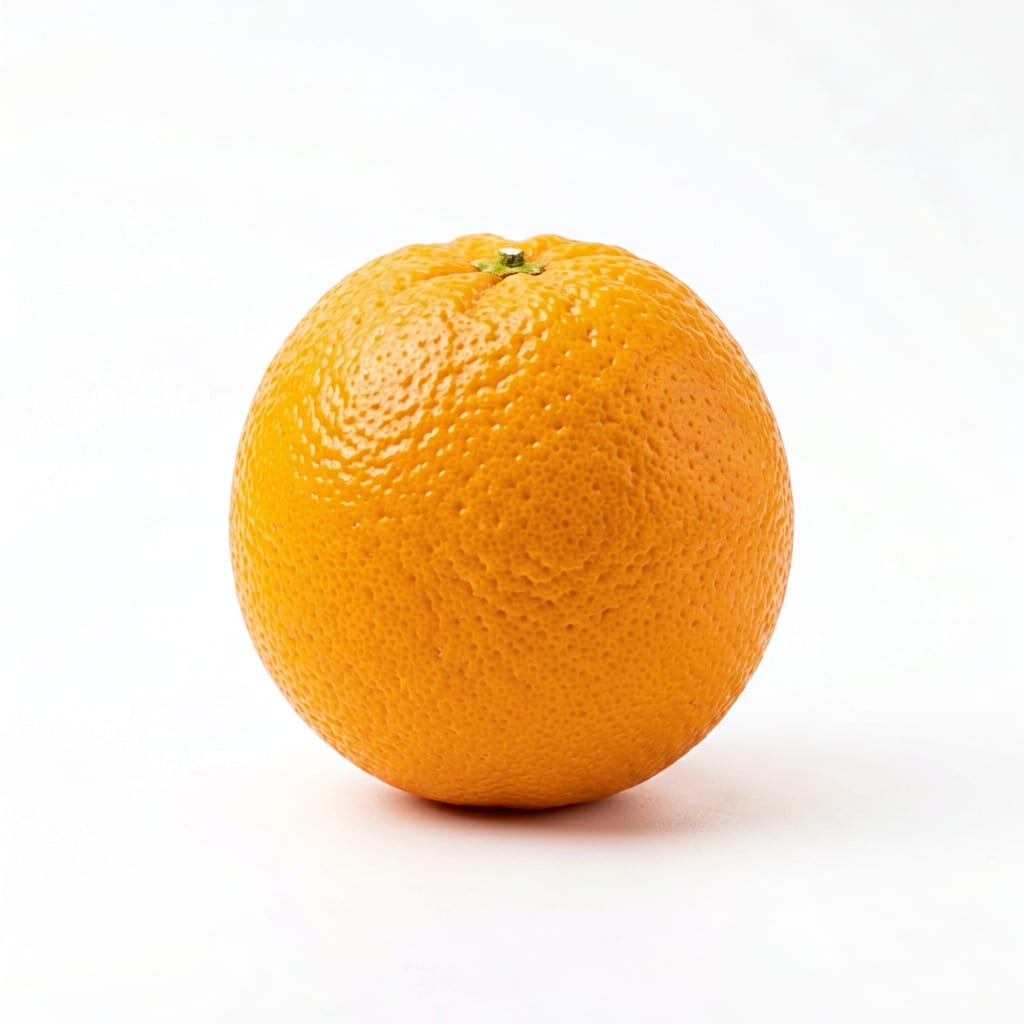
Orange
Pears win for fullness and blood sugar stability; oranges win for immune support and hydration. Pick based on what your body needs most.
Pears edge ahead on fiber, satiety, and blood sugar stability. Oranges counter strongly with vitamin C, potassium, and hydration. The gap is small because both are genuinely healthy whole fruits with different strengths.
You choose between steadier energy and satiety (Pear) versus a big vitamin C boost and juicier refreshment (Orange).
At a glance
Executive summary
Overall
It depends
Healthier
It depends
More practical
Orange
Daily use
Pear
Key comparison lenses
Which fruit is better for blood sugar control and satiety
Pears have significantly more fiber and a lower glycemic index, making them the steadier-energy choice
Which fruit provides more immune and antioxidant support
Oranges dominate in vitamin C, making them the go-to for immune defense and skin health
Everyday snack choice for weight management
Both are low-calorie fruits but differ in fullness factor and sugar content, affecting how satisfying they feel
Digestive tolerance and gut friendliness
Pears offer more fiber for regularity but contain sorbitol which can bother sensitive stomachs; oranges are gentler for most
Convenience and portability as on-the-go fruit
Oranges are messier to peel but require no coring; pears need no peeling but have a core and bruise easily
Best choice for
Pear
- People managing blood sugar or insulin resistance
- Anyone wanting a filling snack that curbs hunger longer
- Those prioritizing digestive regularity through fiber
- People who prefer a milder, less acidic fruit
Orange
- People needing immune support during cold season
- Anyone looking for post-workout hydration and quick energy
- Those wanting more folate, especially during pregnancy
- People who enjoy a bright, refreshing flavor to wake up their palate
Least suitable for
Pear
- People with sorbitol sensitivity or IBS triggers
- Anyone wanting a significant vitamin C source
- Those who dislike soft or grainy fruit textures
Orange
- People with acid reflux or citrus sensitivity
- Those closely watching sugar intake
- Anyone wanting a fruit that keeps them full for hours
Deep comparison
Dimension by dimension
Each lens scores both foods and breaks down who each option suits.
- Dimension 1 · Priority 95Pear
Fiber and Satiety
Pear · 88Orange · 62A medium pear delivers roughly 5.5g of fiber versus 3g in an orange, making pears noticeably more filling.
Tradeoff
That extra fiber means pears keep hunger at bay longer, but they feel denser and less refreshing than a juicy orange.
Why it matters
If you snack on fruit to avoid overeating later, the pear is your better ally. The orange may leave you reaching for something else sooner.
Real-world impact
A pear at 3pm will likely carry you to dinner. An orange at 3pm might only buy you an hour before you want another snack.
Pear
- Sustained fullness between meals
- Digestive regularity
- Preventing afternoon energy crashes
Better for
- People who find high-fiber fruit uncomfortable before exercise
Worse for
Orange
- Lighter snacking when you want something refreshing, not heavy
Better for
- Anyone relying on fruit alone to stay full for hours
Worse for
- Dimension 2 · Priority 90Orange
Vitamin C and Immune Support
Pear · 28Orange · 95One orange provides about 70mg of vitamin C — nearly your full daily needs. A pear gives you roughly 7mg, a fraction of that.
Tradeoff
Oranges are an immune-system powerhouse. Pears contribute almost nothing to your vitamin C intake, so you need to get it elsewhere.
Why it matters
During cold season, after travel, or when you're run down, an orange delivers real immune support. A pear cannot fill that role.
Real-world impact
Feeling a cold coming on? An orange gives your body vitamin C it can use right away. A pear tastes nice but won't move the needle on immunity.
Pear
- Anyone relying on fruit as their primary vitamin C source
Worse for
Orange
- Immune defense during cold and flu season
- Collagen production and skin health
- Iron absorption when eaten with iron-rich meals
- Recovery after illness or stress
Better for
- Dimension 3 · Priority 88Pear
Blood Sugar Stability
Pear · 82Orange · 64Pears have a glycemic index around 38 versus oranges at roughly 45, and pears pack more fiber to slow sugar absorption.
Tradeoff
Neither fruit spikes blood sugar dramatically, but pears release energy more gradually. Oranges hit your bloodstream faster.
Why it matters
For people with insulin resistance, prediabetes, or energy sensitivity, this difference matters daily. For healthy people, it matters less.
Real-world impact
A pear gives you a slow, gentle energy rise. An orange gives you a quicker lift — great after exercise, less ideal if you're sitting at a desk.
Pear
- Steady energy for sedentary workdays
- Better fit for insulin-resistant or prediabetic individuals
- Less risk of a sugar crash afterward
Better for
Orange
- Quick fuel after a workout when you want fast replenishment
Better for
- People who experience energy dips after sweeter snacks
Worse for
- Dimension 4 · Priority 75Orange
Hydration and Refreshment
Pear · 55Orange · 88Oranges are roughly 87% water and burst with juice. Pears are about 84% water but feel denser and drier in the mouth.
Tradeoff
Oranges quench thirst and feel revitalizing. Pears satisfy hunger better but do not feel as hydrating.
Why it matters
On a hot day, after exercise, or when you haven't drunk enough water, an orange does double duty as food and hydration.
Real-world impact
Coming in from a summer run, an orange feels like the right call. A pear feels too heavy and not refreshing enough.
Pear
- Situations where you want thirst-quenching refreshment
Worse for
Orange
- Post-exercise rehydration
- Hot weather refreshment
- Morning hydration when you feel depleted
Better for
- Dimension 5 · Priority 72Orange
Micronutrient Breadth
Pear · 58Orange · 78Oranges offer more potassium, folate, thiamine, and vitamin C. Pears contribute more copper, vitamin K, and boron.
Tradeoff
Oranges cover more essential nutrients in meaningful amounts. Pears have niche minerals but lack the broad vitamin coverage.
Why it matters
If you eat limited food variety, oranges pull more nutritional weight. Pears complement a diet that already has vitamin C covered.
Real-world impact
Eating an orange daily moves the needle on several nutrients. A pear fills smaller gaps that matter less for most people.
Pear
- Bone health support through boron and vitamin K
- Copper intake for connective tissue
Better for
- Anyone needing folate or potassium specifically
Worse for
Orange
- Folate needs during pregnancy
- Potassium for blood pressure regulation
- Overall nutrient density per calorie
Better for
- Dimension 6 · Priority 70It depends
Digestive Tolerance
Pear · 65Orange · 72Pears contain sorbitol and fructose that can trigger bloating in sensitive people. Oranges are gentler for most but their acidity can aggravate reflux.
Tradeoff
Pears help with regularity but can cause gas. Oranges are easier on the gut unless you have acid issues.
Why it matters
If you have IBS or fructose malabsorption, pears may cause real discomfort. If you have GERD, oranges may burn.
Real-world impact
A pear after lunch might make you bloated before a meeting. An orange on an empty stomach might give you heartburn.
Pear
- Constipation relief from high fiber and sorbitol
Better for
- IBS sufferers sensitive to sorbitol or fructose
- People prone to bloating
Worse for
Orange
- General digestive ease for most people
- Gentler option for those without acid sensitivity
Better for
- People with acid reflux or GERD
- Those who find citrus irritating on an empty stomach
Worse for
Timeline
Health impact over time
Short-term
Hours to days
Pear
- Steadier energy without a sugar spike
- Longer-lasting fullness after eating
- Possible bloating if you are sensitive to sorbitol
Orange
- Quick energy lift from natural sugars
- Immediate hydration boost
- Possible heartburn if eaten on an empty stomach
Long-term
Months to years
Pear
- Better blood sugar patterns with regular consumption
- Improved bowel regularity from consistent fiber intake
- Bone density support from boron and vitamin K
Orange
- Stronger immune resilience from consistent vitamin C intake
- Better cardiovascular markers from potassium and folate
- Healthier skin from ongoing collagen support
Risk profile
Safety & processing
Both are whole, unprocessed fruits you eat as nature intended. No additives, no refining, no concerns here.
Pear
Pesticide residue on skin
mediumPears rank moderately on pesticide residue lists. Washing helps, but peeling removes fiber. Choose organic if you eat the skin.
Sorbitol-induced digestive distress
lowSorbitol in pears can cause gas and bloating in sensitive individuals, especially when eating multiple pears at once.
Orange
Pesticide residue on peel
mediumOranges are typically peeled, reducing exposure. However, if you zest or use the peel, choose organic to avoid residue.
Dental enamel erosion from acidity
lowRegular citrus exposure can weaken enamel over time. Rinsing with water after eating helps protect teeth.
Who wins for whom
Audience fit
Same foods, different winners depending on your goal.
children
OrangeOranges are more fun to eat, provide immune-supporting vitamin C for growing bodies, and their sweetness appeals to kids naturally.
daily consumption
PearPears offer steadier energy and better satiety day to day. Their lower sugar load makes them easier to eat daily without blood sugar concerns.
diabetes
PearLower glycemic index and higher fiber slow glucose absorption, giving pears a meaningful edge for blood sugar management.
elderly
PearPears are softer to chew, support bowel regularity which becomes more important with age, and their boron content helps maintain bone density.
muscle gain
OrangeOranges provide quicker carbohydrates and more potassium for post-workout recovery, plus vitamin C supports tissue repair.
weight loss
PearMore fiber and a lower glycemic load make pears more satiating per calorie, reducing the urge to snack again soon.
Your move
Decision guide
Choose Pear
- You want a snack that actually keeps you full until your next meal
- You are managing blood sugar, insulin resistance, or prediabetes
- You struggle with constipation and need more fiber
- You prefer mild, sweet flavors without acidity
- You want a fruit that will not spike then crash your energy
Choose Orange
- You need immune support, especially during cold season
- You want something refreshing and hydrating after exercise or on a hot day
- You are pregnant or trying to conceive and need more folate
- You are low on vitamin C and want to fix that quickly
- You enjoy bright, tangy flavors that wake up your palate
Either works if
- You simply want a healthy whole fruit and have no specific health concern
- You are rotating fruits for dietary variety — both are excellent choices
- You are packing a lunch and want something naturally sweet
Avoid both if
- You need a high-protein snack — neither fruit provides meaningful protein
- You are on a strict very-low-carb or ketogenic diet
- You have fructose malabsorption and react poorly to both fruits
Final recommendation
Eat both across the week. Start your morning with an orange for vitamin C and hydration, then reach for a pear in the afternoon when you need something that holds you over until dinner. They complement each other beautifully.
Practical
Consumer tips
- 1
Choose pears that yield slightly to pressure near the stem — they are perfectly ripe. Rock-hard pears need a few days on the counter.
- 2
Heavier oranges mean more juice. Avoid any that feel light or have soft spots.
- 3
Wash both fruits thoroughly even if you peel them, since your hands transfer residue from skin to flesh.
- 4
If citrus bothers your stomach, pair an orange with a handful of nuts to buffer the acidity.
- 5
If a pear gives you bloating, try eating half at a time or choosing a firmer, less ripe one with less sorbitol.
- 6
Organic matters most for pears since you typically eat the skin. For oranges, it matters mainly if you zest the peel.