
Nutrition comparison
Orange vs Strawberries: Which Is Healthier for Blood Sugar, Weight Loss, and Daily Nutrition?
Compare orange vs strawberries on sugar content, vitamin C, antioxidants, pesticide risk, and weight loss benefits. Find out which fruit fits your health goals better.
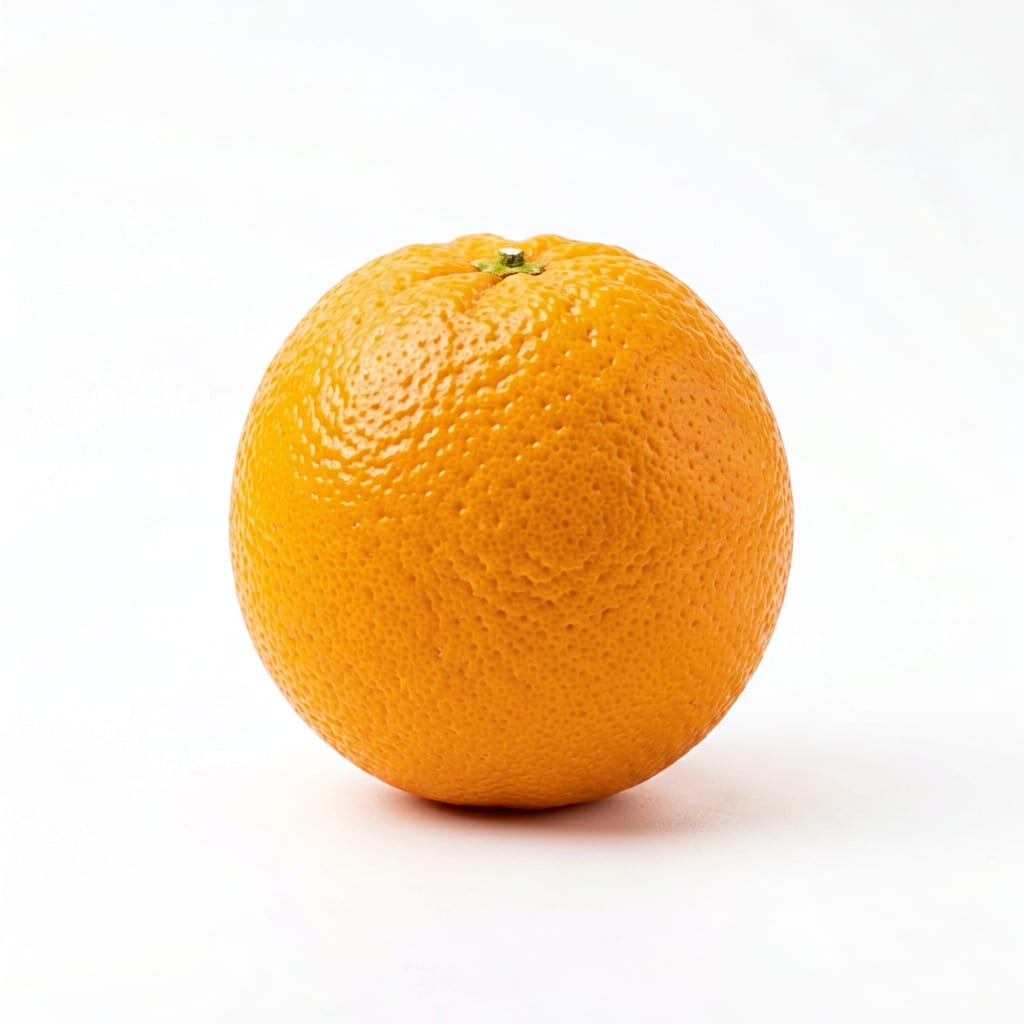
Orange
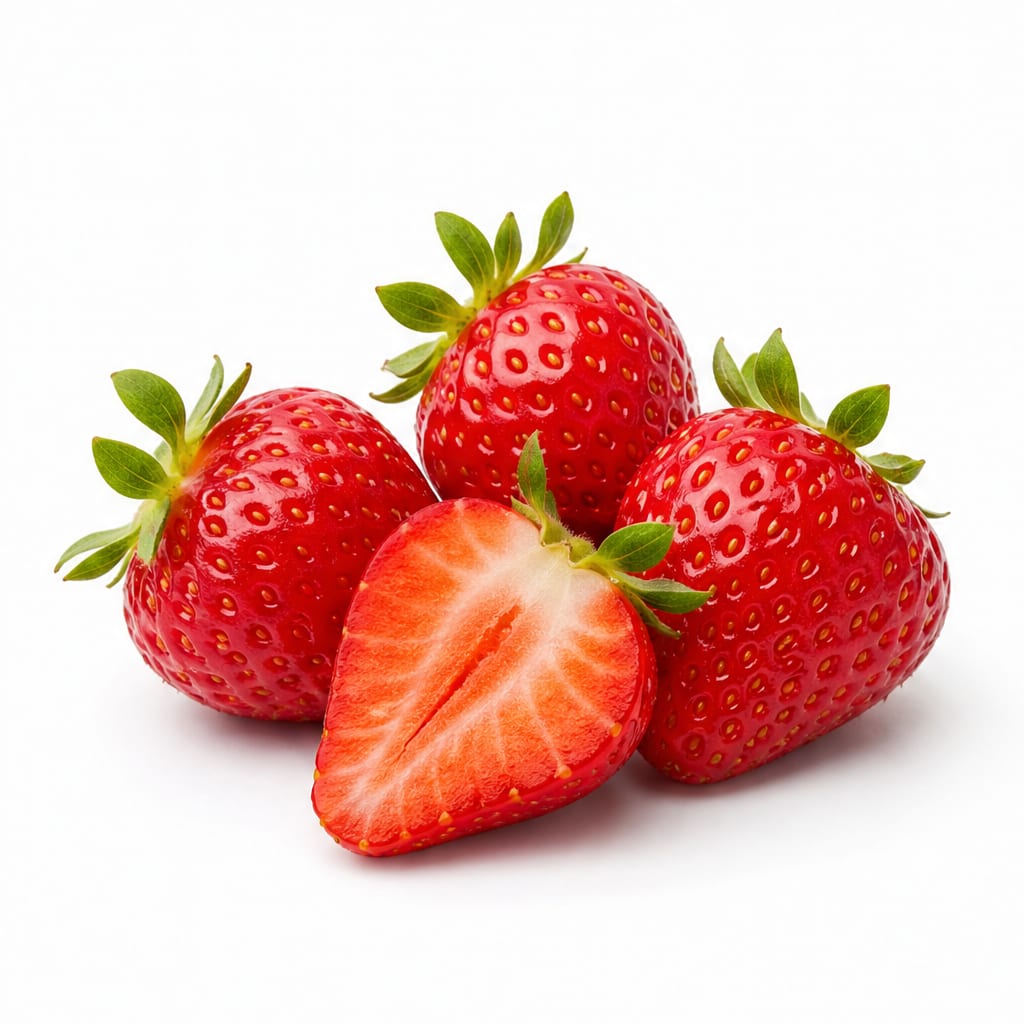
Strawberries
Strawberries win for blood sugar control and antioxidant diversity; oranges win for vitamin C density and lower pesticide risk.
Strawberries edge ahead due to lower sugar, richer antioxidant diversity, and better blood sugar profile. Oranges remain strong for vitamin C and convenience but their higher sugar load narrows the gap less than expected.
Oranges give you more vitamin C per fruit but with nearly twice the sugar. Strawberries offer richer antioxidants and gentler blood sugar impact but carry higher pesticide concerns.
At a glance
Executive summary
Overall
It depends
Healthier
Strawberries
More practical
Orange
Daily use
Strawberries
Key comparison lenses
blood sugar management
Oranges have nearly double the sugar content of strawberries, making glycemic impact the most critical differentiator
antioxidant diversity
Strawberries offer anthocyanins and ellagic acid absent in oranges, while oranges provide unique citrus flavonoids
weight management snacking
Calorie density and sugar load differ significantly, affecting which fruit better supports fat loss goals
pesticide exposure risk
Strawberries consistently rank on the EWG Dirty Dozen list while oranges have protective thick peels
immune support
Both are vitamin C powerhouses but oranges deliver more per serving, relevant during cold season
Best choice for
Orange
- People needing maximum vitamin C per serving
- Those who prefer portable, peel-and-eat fruit
- Anyone concerned about pesticide exposure on a budget
- Cold and flu season immune support
Strawberries
- People managing blood sugar or insulin resistance
- Weight loss seekers wanting lower calorie density
- Those wanting broader antioxidant protection
- Anyone looking for more volume per calorie
Least suitable for
Orange
- Strict low-carb or keto dieters
- People with severe acid reflux triggered by citrus
- Those monitoring fructose intake closely
Strawberries
- People highly concerned about pesticide exposure who cannot afford organic
- Those with strawberry allergies or oral allergy syndrome
- Anyone needing long shelf-life fruit without refrigeration
Deep comparison
Dimension by dimension
Each lens scores both foods and breaks down who each option suits.
- Dimension 1 · Priority 95Strawberries
blood sugar impact
Orange · 55Strawberries · 88Strawberries have roughly half the sugar and a lower glycemic load, making them far gentler on blood sugar.
Tradeoff
Oranges provide steadier energy from more carbohydrates but at the cost of a larger glucose spike.
Why it matters
If you are prediabetic, insulin resistant, or just trying to avoid afternoon energy crashes, strawberries are the safer bet.
Real-world impact
A bowl of strawberries won't give you that sugar rush and dip that an orange can trigger on an empty stomach.
Orange
- Athletes needing quick carb fuel before a workout
Better for
- Late-night snacking when you want stable blood sugar
Worse for
Strawberries
- Prediabetics managing glucose levels
- People trying to minimize sugar cravings
- Those eating fruit on an empty stomach
Better for
- Situations where you actually need fast carbohydrate energy
Worse for
- Dimension 2 · Priority 85Orange
vitamin C and immune support
Orange · 92Strawberries · 78One medium orange delivers about 70mg of vitamin C versus roughly 59mg per cup of strawberries.
Tradeoff
Oranges give you more immune-boosting vitamin C per serving, but strawberries still cover most of your daily needs.
Why it matters
During cold season or when you feel run down, that extra vitamin C from an orange can be the difference between meeting or missing your daily target.
Real-world impact
One orange gets you close to your full daily vitamin C. You need about a cup and a half of strawberries to match it.
Orange
- People fighting off a cold
- Anyone who wants to hit vitamin C goals with one piece of fruit
- Those who do not want to eat large volumes of fruit
Better for
- Those avoiding citrus due to acid sensitivity
Worse for
Strawberries
- People already getting adequate vitamin C from other sources
Better for
- Situations where you need maximum vitamin C from minimal food volume
Worse for
- Dimension 3 · Priority 88Strawberries
antioxidant diversity
Orange · 65Strawberries · 91Strawberries deliver anthocyanins, ellagic acid, and quercetin — antioxidants oranges simply do not offer.
Tradeoff
Oranges have unique citrus flavonoids like hesperidin, but strawberries cover a wider antioxidant spectrum overall.
Why it matters
Broader antioxidant intake translates to better long-term cellular protection against aging and chronic disease.
Real-world impact
Eating strawberries regularly gives your body more diverse defense tools than oranges alone can provide.
Orange
- People specifically seeking hesperidin for cardiovascular benefits
Better for
- Long-term antioxidant diversity goals
Worse for
Strawberries
- Those prioritizing anti-aging and cellular protection
- People wanting maximum antioxidant bang per calorie
- Anyone eating fruit primarily for disease prevention
Better for
- Situations where citrus-specific flavonoid benefits are desired
Worse for
- Dimension 4 · Priority 82Strawberries
calorie efficiency and weight management
Orange · 60Strawberries · 87Strawberries deliver about 32 calories per 100g versus 47 for oranges, with more volume per calorie.
Tradeoff
You can eat nearly 50% more strawberries by weight for the same calories as oranges.
Why it matters
When cutting calories, volume matters. More food for fewer calories helps you feel satisfied without overeating.
Real-world impact
A generous bowl of strawberries feels like a big treat for under 100 calories. An orange feels finished quickly at the same calorie cost.
Orange
- People who prefer a single satisfying fruit rather than grazing
Better for
- Large portion eaters who feel deprived by small servings
Worse for
Strawberries
- Calorie counters wanting maximum food volume
- Emotional eaters who benefit from larger portions
- Anyone tracking macros on a cut
Better for
- Those who find berries unsatisfying without pairing them with other foods
Worse for
- Dimension 5 · Priority 78Orange
pesticide and contamination risk
Orange · 88Strawberries · 45Strawberries rank number one on the EWG Dirty Dozen list. Oranges have thick protective peels that shield edible flesh.
Tradeoff
Oranges are safer to eat conventionally grown. Strawberries virtually require organic to avoid significant pesticide exposure.
Why it matters
If you cannot afford organic, conventional strawberries are among the worst fruit choices for pesticide load.
Real-world impact
Peeling an orange removes most contamination risk. Washing strawberries still leaves considerable residue behind.
Orange
- Budget-conscious shoppers who buy conventional produce
- Anyone wanting peace of mind without paying organic prices
Better for
- No significant downside here
Worse for
Strawberries
- Those who consistently buy organic and can afford it
Better for
- Families on tight budgets who cannot prioritize organic
- People highly concerned about cumulative pesticide exposure
Worse for
- Dimension 6 · Priority 72Orange
convenience and shelf stability
Orange · 82Strawberries · 58Oranges travel well, last weeks on the counter, and need no refrigeration. Strawberries mold within days.
Tradeoff
Oranges are grab-and-go reliable. Strawberries demand careful storage and quick consumption.
Why it matters
The best fruit for you is the one you actually eat consistently. Convenience drives consistency.
Real-world impact
Toss an orange in your bag Monday and it is fine Friday. Strawberries left in a lunchbox by afternoon are already soft.
Orange
- Commuters and travelers needing durable fruit
- Meal preppers who buy groceries once a week
- People without reliable refrigeration at work
Better for
- No real downside beyond being messier to eat
Worse for
Strawberries
- Those who shop frequently and eat produce quickly
- Home cooks who use berries in smoothies or desserts immediately
Better for
- Anyone who buys produce in bulk for the week
- People who forget fruit in their bag
Worse for
Timeline
Health impact over time
Short-term
Hours to days
Orange
- Quick natural energy boost from higher carbohydrate content
- Possible blood sugar spike if eaten on an empty stomach
- Citric acid may trigger heartburn in sensitive individuals
Strawberries
- Gentle blood sugar response with minimal crash risk
- High water content provides refreshing hydration
- Oral allergy syndrome possible for birch pollen allergy sufferers
Long-term
Months to years
Orange
- Consistent vitamin C intake supports immune resilience over time
- Hesperidin from oranges may improve blood vessel function
- Higher cumulative sugar intake if eaten daily in large quantities
Strawberries
- Anthocyanin intake linked to better cognitive aging outcomes
- Ellagic acid may offer protective effects against certain cancers
- Significant pesticide exposure risk if always consumed conventionally grown
Risk profile
Safety & processing
Both oranges and strawberries are whole, unprocessed fruits. The naturalness concern here is not processing but agricultural chemicals — strawberries carry far more pesticide residue when grown conventionally.
Orange
Citrus allergy
lowTrue citrus allergy is rare but can cause mouth swelling or hives in affected individuals.
Acid erosion of tooth enamel
mediumRegular direct citric acid exposure can weaken enamel over time. Rinsing with water after eating helps.
Strawberries
Pesticide residue
highStrawberries top the EWG Dirty Dozen list with an average of 8 different pesticide residues per sample when conventionally grown.
Mold and spoilage
mediumStrawberries harbor mold rapidly, sometimes within 24-48 hours. Discard any soft or fuzzy berries to avoid mycotoxin exposure.
Oral allergy syndrome
lowPeople with birch pollen allergies may experience mouth itching or swelling from raw strawberries.
Who wins for whom
Audience fit
Same foods, different winners depending on your goal.
children
OrangeOranges are easier to pack, less perishable, and avoid the high pesticide exposure risk that is especially concerning for developing bodies — unless organic strawberries are available.
daily consumption
StrawberriesLower sugar and broader antioxidant protection make strawberries a better everyday staple, assuming organic is accessible.
diabetes
StrawberriesLower glycemic load and less sugar per serving make strawberries significantly safer for blood sugar management.
elderly
StrawberriesStrawberries offer anthocyanins linked to cognitive preservation and are softer to chew for those with dental issues.
muscle gain
OrangeOranges provide slightly more carbohydrate fuel around workouts, and the extra vitamin C supports collagen repair.
weight loss
StrawberriesHalf the sugar, fewer calories, and more volume per serving make strawberries easier to fit into a calorie deficit.
Your move
Decision guide
Choose Orange
- You want maximum vitamin C from a single serving
- You need durable fruit for commuting, travel, or lunchboxes
- You buy conventional produce and want to avoid pesticide exposure
- You are an athlete needing quick natural carbs before training
Choose Strawberries
- You are managing blood sugar, insulin resistance, or diabetes
- You want more food volume for fewer calories
- You can afford organic berries and want diverse antioxidants
- You are focused on anti-aging and long-term cellular health
Either works if
- You simply want a whole-food snack instead of processed junk
- You are meeting general fruit intake goals of 2-3 servings daily
- You enjoy variety and want to rotate both throughout the week
Avoid both if
- You are on a strict ketogenic diet keeping carbs under 20g daily
- You have fructose intolerance or malabsorption issues
- You are on a very low sugar medical protocol
Final recommendation
Eat both, but lean toward strawberries as your daily staple and oranges as your vitamin C booster. If budget forces conventional produce only, switch to oranges for safety. If you can buy organic, strawberries give you more antioxidant protection per calorie with gentler blood sugar impact.
Practical
Consumer tips
- 1
If buying conventional strawberries, soak them in a baking soda solution for 12-15 minutes to reduce surface pesticide residue
- 2
Freeze strawberries the day you buy them if you cannot finish them within 48 hours — they blend perfectly into smoothies from frozen
- 3
Choose smaller oranges over large ones to naturally limit sugar intake while still getting full vitamin C benefits
- 4
Pair either fruit with a handful of nuts or a spoonful of Greek yogurt to blunt the blood sugar response
- 5
Wash oranges before peeling even though you discard the rind — hands transfer residue to the flesh while eating
- 6
Avoid pre-cut orange segments from stores as vitamin C degrades rapidly once exposed to air and light