
Nutrition comparison
Orange vs Orange Juice: Which is Healthier?
Compare Orange vs Orange Juice for nutrition, sugar, and health benefits. Learn why the whole fruit wins for blood sugar and satiety, and when juice might be useful.
Overall winner · Orange
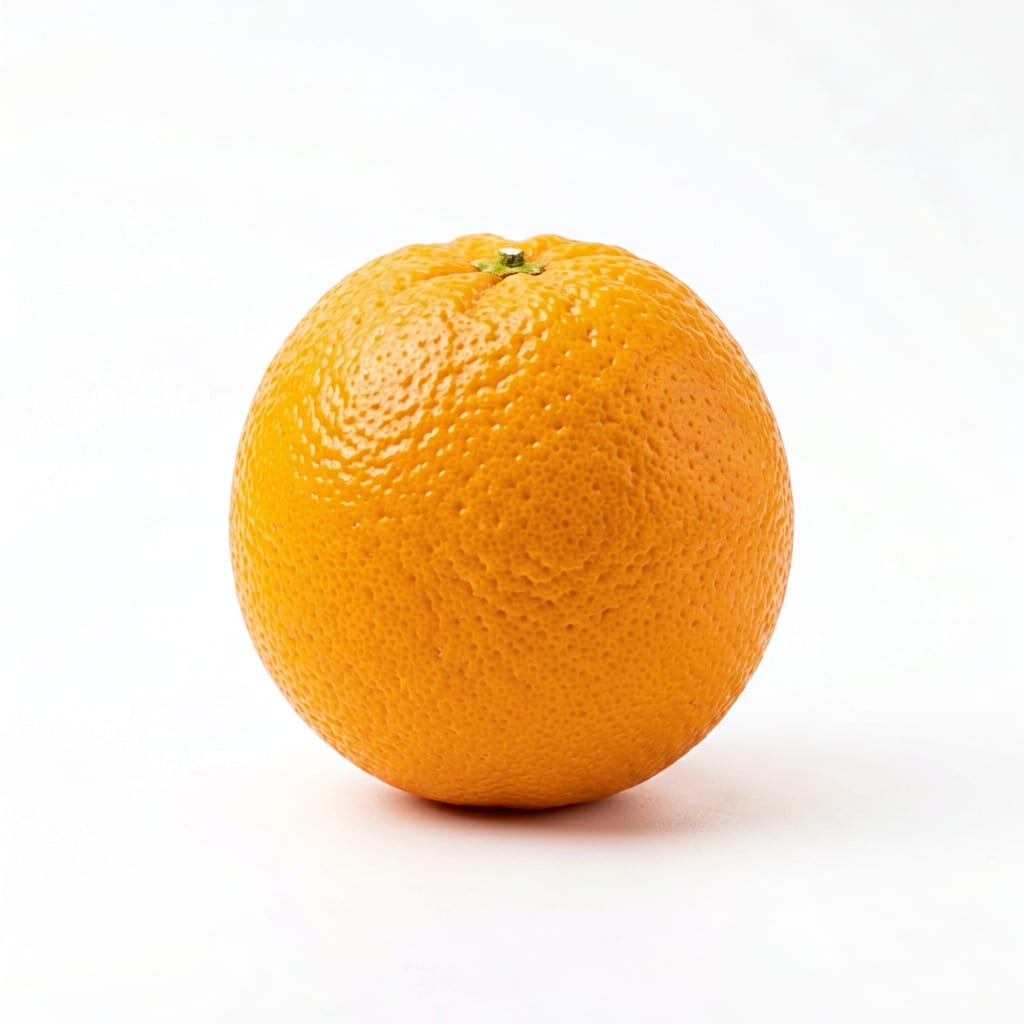
Orange
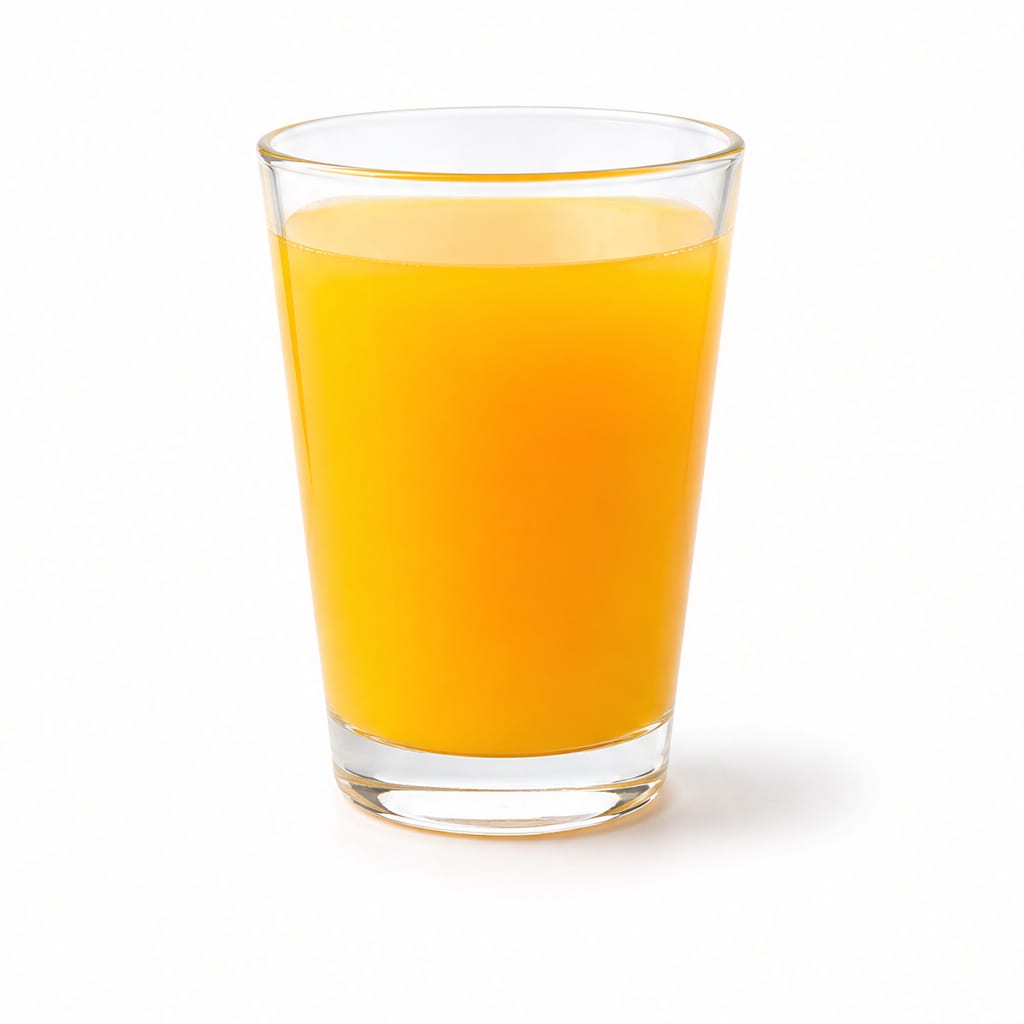
Orange Juice
Orange provides steady energy and fullness, while Orange Juice acts more like a sugar surge with vitamins.
Orange scores significantly higher because its fiber content prevents blood sugar spikes and promotes fullness. Orange Juice loses most structural fiber, functioning metabolically closer to a sweetened beverage despite its vitamin content.
You trade satiety and blood sugar stability for speed and convenience when choosing Orange Juice over an Orange.
At a glance
Executive summary
Overall
Orange
Healthier
Orange
More practical
Orange Juice
Daily use
Orange
Key comparison lenses
Blood sugar impact and fiber loss
Juicing strips almost all fiber, turning a slow-digesting fruit into a rapid sugar drink
Satiety and overconsumption risk
Drinking calories is far less filling than eating them, making it easy to overconsume Orange Juice
Convenience versus nutritional tradeoff
Orange Juice is faster to consume and hydrating, but sacrifices the core benefits of the whole fruit
Best choice for
Orange
- People managing their weight
- Anyone needing steady, crash-free energy
- Those monitoring blood sugar
Orange Juice
- Post-workout quick carb replenishment
- People with poor appetite or difficulty chewing
- Rapid hydration needs
Least suitable for
Orange
- People with severe chewing or swallowing difficulties
Orange Juice
- People with insulin resistance or diabetes
- Those trying to lose weight
- Anyone prone to sugar cravings
Deep comparison
Dimension by dimension
Each lens scores both foods and breaks down who each option suits.
- Dimension 1 · Priority 95Orange
Blood Sugar & Satiety
Orange · 90Orange Juice · 30An Orange delivers sugar bound in fiber, slowing absorption. Orange Juice hits the bloodstream rapidly, causing a spike and crash.
Tradeoff
You sacrifice metabolic steadiness for immediate liquid energy.
Why it matters
Frequent blood sugar spikes drive cravings, fatigue, and long-term insulin resistance.
Real-world impact
Eating an Orange keeps you full until your next meal. Drinking Orange Juice often leaves you hungry an hour later.
Orange
- Sustained energy without the afternoon crash
- Reduced cravings between meals
Better for
- Cannot deliver rapid glucose for severe hypoglycemia
Worse for
Orange Juice
- Quick energy recovery after intense exercise
Better for
- Triggers hunger cycles and energy dips
- Harder on metabolic health
Worse for
- Dimension 2 · Priority 90Orange
Nutrient Density & Fiber
Orange · 95Orange Juice · 60Both contain vitamin C, but Orange retains all its natural fiber and phytonutrients often destroyed or removed during juicing.
Tradeoff
Orange Juice offers concentrated vitamins but discards the gut-healthy fiber.
Why it matters
Fiber feeds gut bacteria, lowers cholesterol, and naturally regulates digestion.
Real-world impact
One Orange provides about 3 grams of fiber. A glass of Orange Juice provides less than 0.5 grams.
Orange
- Digestive regularity
- Gut microbiome support
Better for
- Lower vitamin C per calorie compared to the concentrated juice
Worse for
Orange Juice
- Higher concentration of vitamin C per sip
Better for
- Missing the gut-filling, cholesterol-lowering fiber
Worse for
- Dimension 3 · Priority 85Orange
Weight Management
Orange · 85Orange Juice · 35Whole fruit supports weight loss through chewing effort and physical fullness. Liquid calories easily bypass satiety signals.
Tradeoff
Convenience and taste concentration versus portion control and fullness.
Why it matters
It takes 3-4 Oranges to make one glass of juice, but drinking that feels far less filling than eating the fruit.
Real-world impact
You can easily consume 150 calories of Orange Juice in two minutes and still feel hungry.
Orange
- Natural portion control
- High satiety per calorie
Better for
- Slower to consume
Worse for
Orange Juice
- Gaining weight healthily if appetite is low
Better for
- Stealth liquid calories that derail diets
Worse for
- Dimension 4 · Priority 70Orange Juice
Convenience & Hydration
Orange · 50Orange Juice · 90Orange Juice is ready to drink, requires no peeling, and provides immediate hydration and energy.
Tradeoff
Maximum convenience comes at the cost of fiber and metabolic balance.
Why it matters
When you are rushed or dehydrated, convenience often wins over optimal nutrition.
Real-world impact
Grabbing a glass of Orange Juice is far easier on a busy morning than peeling and eating a sticky Orange.
Orange
- More satisfying snack experience
Better for
- Peeling can be messy and time-consuming
Worse for
Orange Juice
- Fast hydration
- Zero prep time
- Easy on the go
Better for
- Easy to over-pour and over-consume
Worse for
Timeline
Health impact over time
Short-term
Hours to days
Orange
- Steady rise in blood sugar
- Physical fullness from chewing and fiber
- Lasting energy for 2-3 hours
Orange Juice
- Rapid blood sugar spike
- Quick burst of energy followed by a crash
- Minimal satiety
Long-term
Months to years
Orange
- Improved insulin sensitivity
- Better digestive health and regularity
- Lower risk of weight gain
Orange Juice
- Increased risk of insulin resistance with daily consumption
- Higher likelihood of gradual weight gain
- Potential tooth enamel erosion from frequent acid exposure
Risk profile
Safety & processing
An Orange is exactly as nature delivers it. Even 100% Orange Juice undergoes pasteurization and fiber extraction, and commercial brands often contain added flavor packs to restore taste lost in processing.
Orange
Pesticide residue
mediumConventional orange peels can harbor pesticide residue; washing thoroughly or choosing organic mitigates this.
Orange Juice
Added sugars or flavor packs
mediumMany commercial Orange Juice brands add flavor packs or hidden sugars to standardize taste after processing.
Foodborne illness from unpasteurized juice
highUnpasteurized Orange Juice carries a higher risk of E. coli or Salmonella, especially dangerous for vulnerable populations.
Who wins for whom
Audience fit
Same foods, different winners depending on your goal.
children
OrangeWhole fruit establishes healthy chewing habits and prevents early reliance on sweet liquid calories.
daily consumption
OrangeDaily Orange Juice consumption is linked to increased diabetes risk, while daily whole fruit intake is protective.
diabetes
OrangeThe intact fiber prevents the rapid blood sugar spike caused by Orange Juice.
elderly
It dependsOrange is better for gut health, but Orange Juice is easier for those with dental issues or poor appetite to consume.
muscle gain
Orange JuiceOrange Juice provides quick, easily digestible carbohydrates ideal for post-workout glycogen replenishment.
weight loss
OrangeThe fiber and chewing required for an Orange naturally limit intake and keep you full longer.
Your move
Decision guide
Choose Orange
- You want sustained energy without a crash
- You are trying to lose or maintain weight
- You need more fiber in your diet
Choose Orange Juice
- You need fast carbs right after a workout
- You have a poor appetite and need easy calories
- You struggle with chewing or swallowing
Either works if
- You just want a boost of vitamin C occasionally
Avoid both if
- You have a citrus allergy
Final recommendation
Choose the whole Orange for daily enjoyment and metabolic health. Save Orange Juice for times when you specifically need rapid hydration or quick carbs, treating it more like a supplement than a beverage.
Practical
Consumer tips
- 1
If you drink Orange Juice, limit your portion to a small 4 oz glass to minimize blood sugar impact.
- 2
Consider diluting Orange Juice with water or sparkling water to reduce sugar concentration.
- 3
If buying Orange Juice, look for brands that are 100% juice with no added sugars or artificial flavor packs.
- 4
Wash Oranges thoroughly before peeling to avoid transferring pesticides from the rind to your hands.