
Nutrition comparison
Grapefruit vs Orange: Which Citrus Is Healthier for You?
Compare grapefruit and orange on sugar, vitamins, drug interactions, and weight loss. Find out which citrus fruit fits your health goals and medication routine.
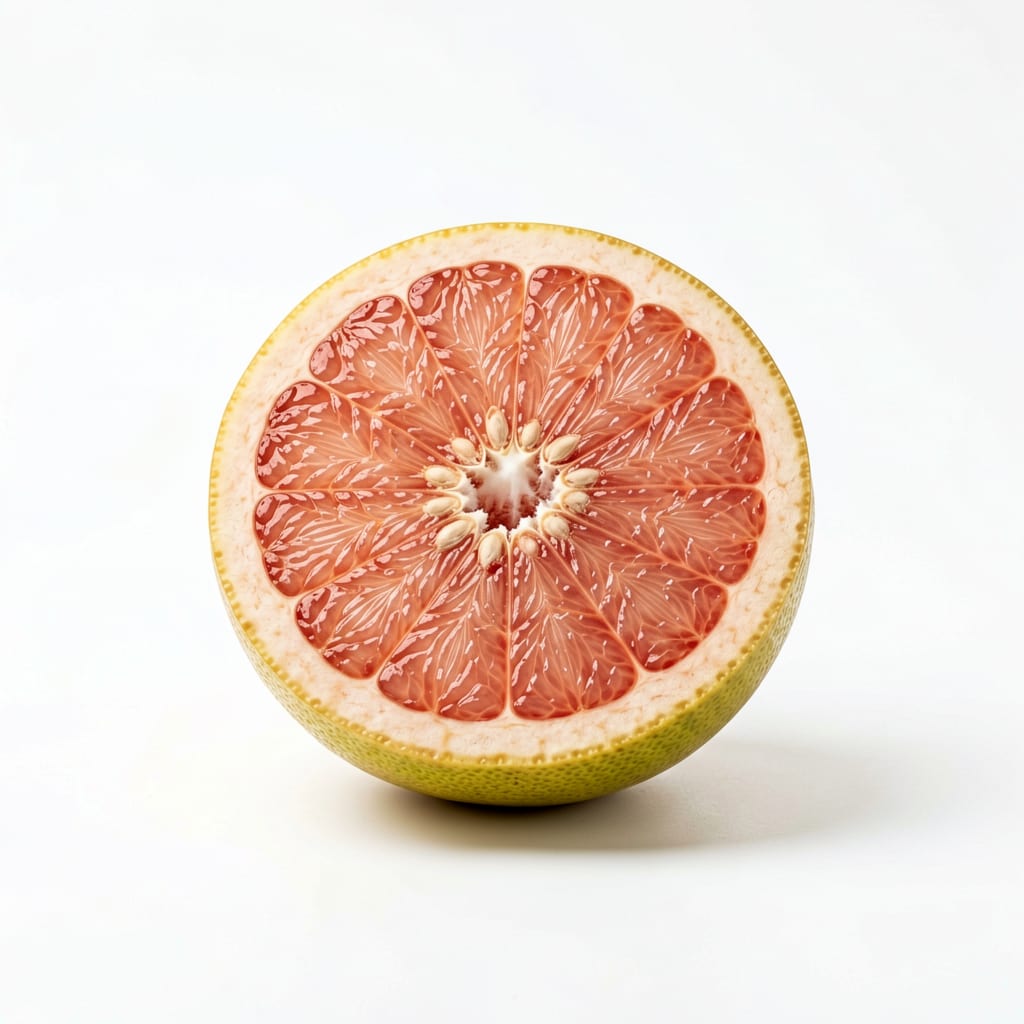
Grapefruit
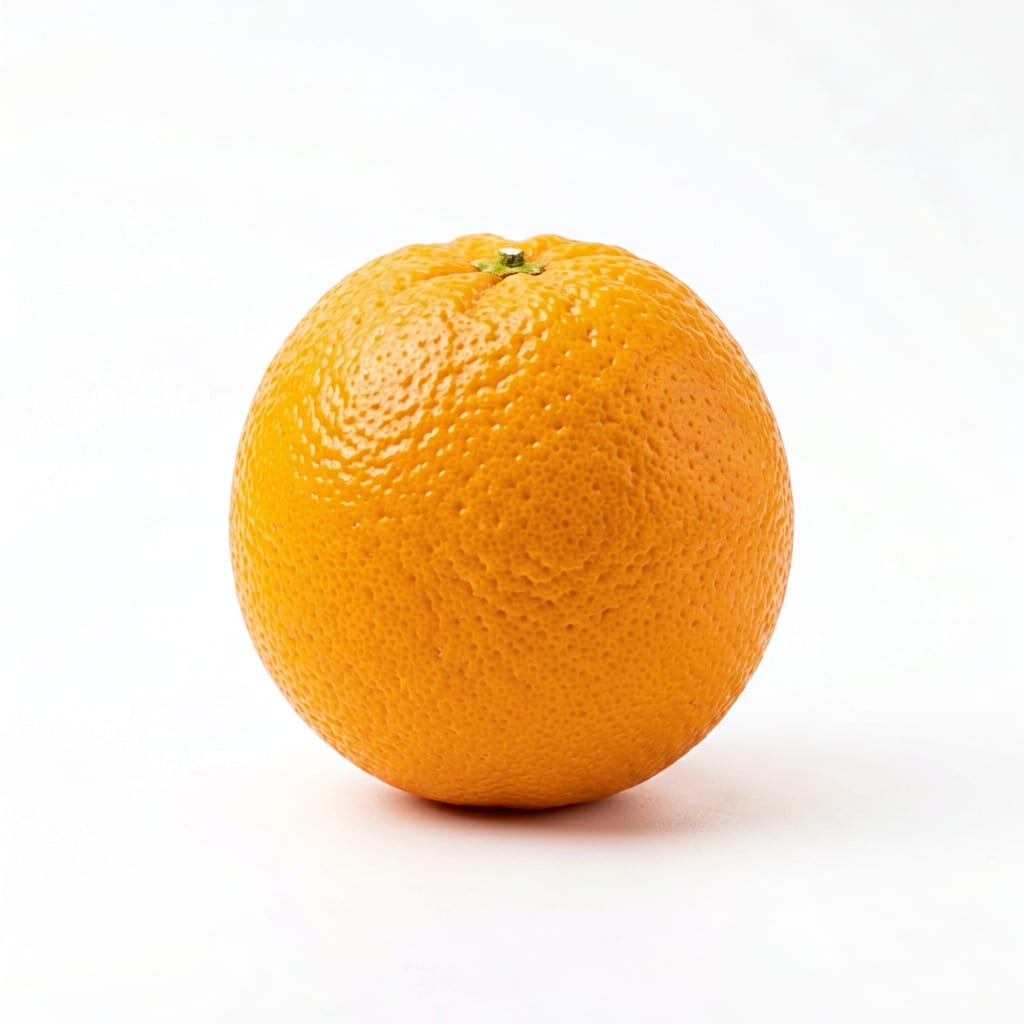
Orange
Oranges win on convenience, safety, and broad appeal. Grapefruit wins for lower sugar and unique antioxidants, but its drug interactions make it risky for many adults.
Oranges score higher mainly due to universal safety, convenience, and broader nutrient density. Grapefruit's drug interaction risk and lower palatability pull its score down despite its metabolic advantages.
Grapefruit gives you fewer calories and a metabolic edge, but oranges give you worry-free nutrition that fits any lifestyle and medication routine.
At a glance
Executive summary
Overall
It depends
Healthier
It depends
More practical
Orange
Daily use
Orange
Key comparison lenses
medication safety
Grapefruit's well-documented drug interactions are a critical safety concern that oranges avoid entirely
blood sugar and weight management
Grapefruit's lower sugar and glycemic index make it a classic weight-loss food, while oranges deliver quicker energy
daily fruit choice for families
Oranges are sweeter, easier to eat, and kid-friendly; grapefruit requires more effort and acquired taste
antioxidant profile differences
Grapefruit offers unique compounds like naringin and lycopene; oranges provide more vitamin C and hesperidin
Best choice for
Grapefruit
- People actively managing weight or blood sugar
- Anyone not on interacting medications seeking metabolic benefits
- Those who enjoy bitter flavors and want lower-sugar fruit
Orange
- Families with children who need appealing fruit
- Anyone on statins, blood pressure meds, or other interacting drugs
- Active individuals wanting quick natural energy and vitamin C
Least suitable for
Grapefruit
- Anyone on statins, anti-anxiety meds, or immunosuppressants
- Children who reject bitter flavors
- People seeking convenient on-the-go snacking
Orange
- Those strictly limiting sugar intake
- People who find oranges too sweet or acidic
Deep comparison
Dimension by dimension
Each lens scores both foods and breaks down who each option suits.
- Dimension 1 · Priority 93Grapefruit
sugar and glycemic impact
Grapefruit · 88Orange · 62Grapefruit has roughly half the sugar of an orange and a significantly lower glycemic index, making it far gentler on blood sugar.
Tradeoff
You get steadier energy with grapefruit, but oranges provide faster fuel when you actually need it.
Why it matters
For anyone watching blood sugar or trying to lose weight, grapefruit's lower sugar load makes a real daily difference.
Real-world impact
A grapefruit won't give you that afternoon sugar crash the way an orange might on an empty stomach.
Grapefruit
- Steady energy without sugar spikes
- Weight loss diets
- Diabetics seeking lower-glycemic fruit
Better for
- Not enough quick energy for intense activity
- Bitterness may trigger overcompensating with sweeter foods later
Worse for
Orange
- Pre-workout quick energy
- Recovering from illness when appetite is low
- Children who need palatable calories
Better for
- Higher sugar can spike blood glucose if eaten alone
- Easy to overconsume as juice, multiplying sugar intake
Worse for
- Dimension 2 · Priority 97Orange
medication safety
Grapefruit · 25Orange · 100Grapefruit interacts dangerously with dozens of common medications. Oranges have no significant drug interactions.
Tradeoff
Grapefruit's health benefits vanish if they conflict with your prescriptions. Oranges are safe with virtually any medication.
Why it matters
Over 50 common drugs interact with grapefruit, including statins and blood pressure medications. This is not theoretical — it sends people to the hospital.
Real-world impact
If your doctor prescribed atorvastatin or amlodipine, eating grapefruit can dangerously amplify the drug in your bloodstream.
Grapefruit
- No advantage here — grapefruit's interactions are a liability
Better for
- Interacts with statins, some anti-anxiety drugs, immunosuppressants, and certain blood thinners
- Can cause toxic drug levels without any warning signs initially
- Risk is present even with small amounts or juice
Worse for
Orange
- Complete peace of mind with any medication
- No need to research drug interactions before eating
- Safe for elderly patients on multiple prescriptions
Better for
- Dimension 3 · Priority 82It depends
vitamin and antioxidant profile
Grapefruit · 78Orange · 84Oranges deliver more vitamin C and potassium. Grapefruit offers unique compounds like naringin and lycopene that oranges lack.
Tradeoff
Oranges cover more nutritional basics. Grapefruit provides specialized antioxidants with emerging health research behind them.
Why it matters
If you need immune support, oranges are more reliable. If you want anti-inflammatory and potentially anti-cancer compounds, grapefruit adds something unique.
Real-world impact
One orange covers about 130% of your daily vitamin C. Grapefruit covers about 70% but throws in lycopene and naringin as bonuses.
Grapefruit
- Naringin may support metabolic health and reduce inflammation
- Ruby red varieties provide lycopene for prostate and heart health
- Unique bitter compounds linked to longevity research
Better for
- Less total vitamin C than oranges
- Lower potassium intake per serving
Worse for
Orange
- Significantly more vitamin C per serving
- More potassium for heart and muscle function
- Hesperidin supports blood vessel health
Better for
- Missing the naringin and lycopene that grapefruit provides
Worse for
- Dimension 4 · Priority 80Orange
convenience and palatability
Grapefruit · 45Orange · 90Oranges are portable, easy to peel, and sweet. Grapefruit requires cutting, spooning, and tolerating bitterness.
Tradeoff
Oranges are grab-and-go fruit. Grapefruit demands a plate, a knife, and patience — but some people love the ritual.
Why it matters
The fruit you actually eat always beats the fruit you skip because it's inconvenient. Oranges win on consistency.
Real-world impact
You can peel an orange at your desk or in the car. Grapefruit is a sit-down breakfast food that leaves your hands sticky.
Grapefruit
- Satisfying ritual for slow mornings
- Bitterness can feel cleansing and appetite-suppressing
Better for
- Requires utensils and a surface to eat
- Bitter taste is off-putting for most children and many adults
- Messy and time-consuming compared to other fruit
Worse for
Orange
- Peel and eat anywhere in under a minute
- Kids actually enjoy eating them
- Works as a snack, in lunchboxes, or after exercise
Better for
- Juice can be sticky and stain
Worse for
- Dimension 5 · Priority 85Grapefruit
satiety and weight management
Grapefruit · 82Orange · 68Grapefruit's bitterness and lower sugar naturally curb appetite. Oranges are sweeter and easier to overeat.
Tradeoff
Grapefruit makes you feel done eating sooner. Oranges are more satisfying in the moment but less effective at stopping snacking.
Why it matters
The famous grapefruit diet existed for a reason — its bitterness and fiber combination genuinely reduces subsequent calorie intake.
Real-world impact
Eating half a grapefruit before a meal can reduce how much you eat by 10-15%. An orange before a meal is less likely to have that effect.
Grapefruit
- Natural appetite suppressant effect
- Lower calorie density per serving
- Bitterness signals your brain to stop eating sooner
Better for
- Some people compensate for bitterness by eating sweeter foods after
Worse for
Orange
- More filling in the moment due to higher natural sugar
- Better for people who need to eat more, not less
Better for
- Sweeter taste can trigger cravings for more sugar
- Easier to consume as juice, which removes satiety entirely
Worse for
Timeline
Health impact over time
Short-term
Hours to days
Grapefruit
- Appetite suppression within 20-30 minutes of eating
- Potential bitter aftertaste affecting subsequent food choices
- May cause heartburn in sensitive individuals due to acidity
Orange
- Quick energy boost from natural sugars within 15 minutes
- Immediate hydration from high water content
- Vitamin C supports short-term immune response
Long-term
Months to years
Grapefruit
- Naringin and lycopene may reduce chronic inflammation over years
- Consistent lower sugar intake supports better metabolic markers
- Drug interaction risks accumulate if medications change over time without rechecking
Orange
- Sustained vitamin C intake supports skin, immune, and cardiovascular health
- Potassium contributes to long-term blood pressure regulation
- Higher natural sugar intake is generally fine but matters if consumed as juice daily
Risk profile
Safety & processing
Both grapefruit and oranges are whole, minimally processed fruits when eaten fresh. The main concern is juice — both lose fiber and concentrate sugar when juiced, but grapefruit juice carries the additional risk of drug interactions in concentrated form.
Grapefruit
Drug interactions
highGrapefruit inhibits CYP3A4 enzymes, causing dangerous accumulation of statins, calcium channel blockers, benzodiazepines, and immunosuppressants. This can lead to rhabdomyolysis, dangerously low blood pressure, or toxicity.
Pesticide residue on peels
mediumConventional grapefruit often has pesticide residues on the rind. Less concerning if you discard the peel, but relevant if zesting or making tea from the rind.
Dental erosion
lowHigh acidity combined with sugar can erode tooth enamel over time, especially if sipped slowly as juice.
Orange
Pesticide residue on peels
mediumOranges rank moderately for pesticide residue on peels. Washing helps, but the concern is real if you zest or use the rind.
Dental erosion
lowSimilar acidity to grapefruit, but slightly higher sugar content may compound enamel risk with frequent juice consumption.
Citrus allergy
lowRare but possible citrus allergy can cause oral itching or swelling with oranges.
Who wins for whom
Audience fit
Same foods, different winners depending on your goal.
children
OrangeOranges are sweet, easy to peel, and kid-approved. Grapefruit's bitterness and drug interaction risk make it a poor default choice for kids.
daily consumption
OrangeOranges are safer across more medication profiles, easier to eat, and more nutritionally consistent for daily use.
diabetes
GrapefruitGrapefruit's lower glycemic index and sugar content make it safer for blood sugar management, but portion control still matters.
elderly
OrangeOlder adults are far more likely to be on medications that interact with grapefruit. Oranges provide similar benefits without the risk.
muscle gain
OrangeOranges provide more quick-digesting carbs and potassium, which support post-workout recovery and muscle function.
weight loss
GrapefruitGrapefruit's lower sugar, lower calories, and natural appetite-suppressing effect make it the stronger weight-loss ally.
Your move
Decision guide
Choose Grapefruit
- You're not on any interacting medications and want a lower-sugar fruit
- Weight management or blood sugar control is your top priority
- You enjoy bitter flavors and find grapefruit satisfying
Choose Orange
- You take any prescription medications, especially statins or blood pressure drugs
- You need convenient, portable fruit for busy days
- You're feeding children or anyone who prefers sweeter fruit
- You want reliable vitamin C and potassium without safety concerns
Either works if
- You want a hydrating, whole-food citrus fruit with fiber
- You're generally healthy and not on interacting medications
- You're rotating fruit variety for broad antioxidant coverage
Avoid both if
- You have citrus allergies or severe acid reflux triggered by citrus
- You're exclusively juicing them — both lose fiber and concentrate sugar as juice
Final recommendation
Default to oranges for safety, convenience, and daily reliability. Choose grapefruit when you're confident about your medication list and want a metabolic edge with fewer calories. Always check drug interactions before making grapefruit a habit — this one decision matters more than any nutritional difference between the two.
Practical
Consumer tips
- 1
Check your medication list against grapefruit interactions at MedlinePlus before eating it regularly
- 2
Ruby red grapefruit has more lycopene than white varieties — choose red for antioxidant benefits
- 3
Eat oranges whole instead of juicing to keep fiber and avoid blood sugar spikes
- 4
If grapefruit is too bitter, try sprinkling a tiny amount of salt instead of sugar — it enhances sweetness perception without adding calories
- 5
Buy organic citrus if you plan to zest the peel — conventional peels carry more pesticide residue
- 6
Half a grapefruit before a meal can reduce your overall calorie intake, but skip this trick if you're on any interacting medications