
Nutrition comparison
Apple vs Orange: Which Fruit Is Better for You?
Compare apple vs orange on nutrition, satiety, vitamin C, blood sugar impact, and more. Find out which fruit fits your health goals and when to choose each.
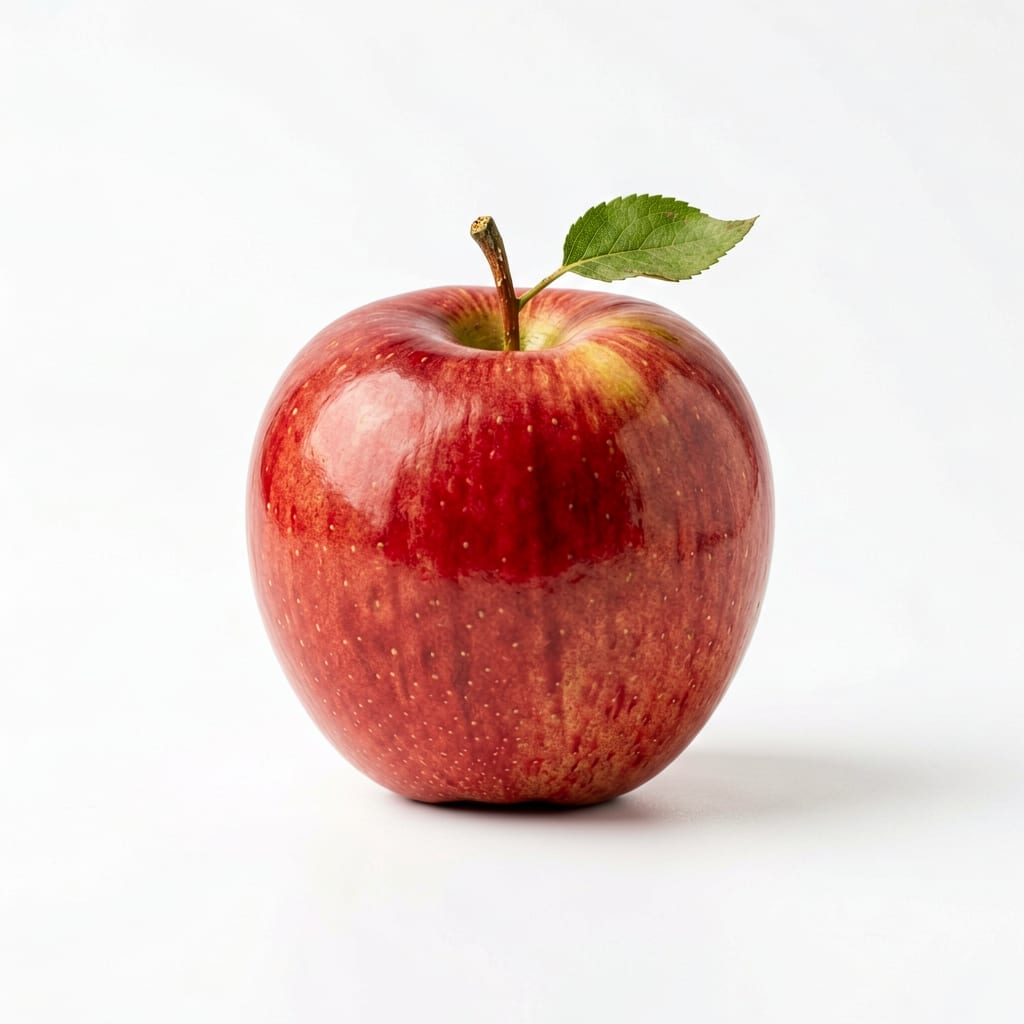
Apple

Orange
Apples win for satiety and steady energy; oranges win for immune support and hydration. Your best pick depends on what your body needs most right now.
Apples edge ahead slightly for daily use thanks to superior satiety and blood sugar stability, but oranges are nutritionally competitive with a completely different strength profile. The close scores reflect that neither is universally better.
Filling fiber and crunch versus vitamin C and juiciness — apples keep you fuller longer, oranges supercharge your immune system.
At a glance
Executive summary
Overall
It depends
Healthier
It depends
More practical
Apple
Daily use
Apple
Key comparison lenses
Everyday fruit snack choice
Both are classic grab-and-go fruits people choose between daily
Immune support and vitamin C needs
Oranges are famous for vitamin C while apples offer almost none comparatively
Satiety and hunger control between meals
Apples are notably more filling due to fiber density and crunch factor
Blood sugar management
Both contain natural sugars but affect blood sugar differently
Pesticide exposure and food safety
Apples consistently rank high on pesticide residue lists while oranges have protective rinds
Best choice for
Apple
- Curbing afternoon hunger
- Portable no-mess snacking
- Steady energy without sugar spikes
- Gut health and digestion regularity
Orange
- Fighting off a cold
- Post-workout rehydration
- Boosting iron absorption from meals
- Skin health and collagen support
Least suitable for
Apple
- Anyone needing vitamin C quickly
- People with severe pesticide concerns who cannot find organic options
Orange
- People with acid reflux or citrus sensitivity
- Those wanting a long-lasting hunger buffer between meals
Deep comparison
Dimension by dimension
Each lens scores both foods and breaks down who each option suits.
- Dimension 1 · Priority 92Apple
Satiety and Fullness
Apple · 85Orange · 58Apples are significantly more filling per calorie due to higher fiber density and the physical effort of chewing.
Tradeoff
You stay full longer with an apple but miss out on the hydrating juiciness an orange provides.
Why it matters
A snack that actually keeps you full prevents overeating later. Apples are one of the most satiating fruits available.
Real-world impact
An apple at 3pm can easily tide you over until dinner. An orange might leave you hunting for something else within an hour.
Apple
- Weight management through natural portion control
- Bridging long gaps between meals
- Reducing late-afternoon snacking urges
Better for
- Moments when you want something light and refreshing
Worse for
Orange
- Quick hydration after exercise
- Light snacking when you do not want to feel heavy
Better for
- Situations where you need sustained fullness for hours
Worse for
- Dimension 2 · Priority 90Orange
Vitamin C and Immune Support
Apple · 25Orange · 95One medium orange delivers roughly 70mg of vitamin C, meeting most of your daily need. An apple provides only about 8mg.
Tradeoff
Oranges are an immune-system ally; apples barely move the needle on vitamin C despite their other benefits.
Why it matters
Vitamin C is not stored in the body, so daily intake matters. If you eat few other C-rich foods, an orange fills that gap effortlessly.
Real-world impact
During cold season or after a stressful week, reaching for an orange gives your immune system real material to work with. An apple will not meaningfully help here.
Apple
- Anyone relying on fruit as their primary vitamin C source
Worse for
Orange
- Cold and flu season defense
- Enhancing iron absorption from plant-based meals
- Collagen production for skin and joint health
- Recovery from intense exercise
Better for
- Dimension 3 · Priority 85Apple
Blood Sugar Stability
Apple · 78Orange · 62Apples have a lower glycemic index and more fiber to slow sugar absorption, leading to steadier blood sugar response.
Tradeoff
Apples provide a gentler blood sugar curve; oranges release their sugar faster, which can be helpful or harmful depending on timing.
Why it matters
Steadier blood sugar means fewer energy crashes and less craving cycles, especially for sedentary snackers.
Real-world impact
Eating an apple at your desk will not cause the quick rise and dip that an orange might. But before a workout, that faster sugar from an orange could actually be an advantage.
Apple
- Sedentary workday snacking
- People with prediabetes or insulin resistance
- Sustained focus without energy dips
Better for
- Moments when you need rapid energy replenishment
Worse for
Orange
- Pre-workout quick energy
- Recovery after intense physical activity
Better for
- Late-night snacking when blood sugar stability matters most
Worse for
- Dimension 4 · Priority 80Apple
Fiber and Gut Health
Apple · 82Orange · 60Apples provide about 4.4g of fiber per medium fruit versus 3.1g in an orange, and apple fiber includes more pectin which feeds beneficial gut bacteria.
Tradeoff
Apples are a better daily gut-health ally, but oranges contribute soluble fiber alongside their other nutrients.
Why it matters
Pectin from apples is a prebiotic that specifically nourishes gut bacteria producing short-chain fatty acids, which support colon health.
Real-world impact
Eating an apple a day genuinely supports digestive regularity. An orange helps too, but you would need to eat more to match the fiber benefit.
Apple
- Daily digestive regularity
- Feeding beneficial gut bacteria
- Cholesterol management through soluble fiber
Better for
- People who find raw apples cause bloating
Worse for
Orange
- Gentle fiber for sensitive digestive systems
Better for
- Those needing maximum fiber per serving
Worse for
- Dimension 5 · Priority 75Orange
Hydration and Refreshment
Apple · 45Orange · 88Oranges are roughly 87% water and feel genuinely thirst-quenching. Apples are drier and more dense.
Tradeoff
Oranges hydrate and refresh; apples satisfy through substance and chew.
Why it matters
Many people are chronically underhydrated. A watery fruit contributes meaningfully to daily fluid intake in a way a dense fruit cannot.
Real-world impact
After a hot commute or tough workout, an orange feels like relief. An apple feels like food — good, but not refreshing in the same way.
Apple
- When you are genuinely thirsty and want refreshment
Worse for
Orange
- Hot weather snacking
- Post-exercise rehydration
- Morning hydration after sleep
- Replacing sugary juice or sports drinks
Better for
- Dimension 6 · Priority 72Apple
Convenience and Portability
Apple · 90Orange · 55Apples are the ultimate grab-and-go fruit — no peeling, no sticky juice, no mess. Oranges require peeling and leave your hands covered in citrus oil.
Tradeoff
Apples are hassle-free anywhere; oranges demand more effort and cleanup but reward you with juiciness.
Why it matters
The best healthy snack is the one you actually eat. Convenience often determines whether you reach for fruit or junk food.
Real-world impact
Toss an apple in your bag at 7am and it is fine at noon. An orange may get bruised, leak, or make your hands sticky at your desk.
Apple
- Commuting and travel
- Office snacking without mess
- Packing in lunch bags for kids
- Hiking and outdoor activities
Better for
Orange
- Leisurely breakfast at home
- Enjoying at a table with napkins handy
Better for
- On-the-go situations where sticky hands are a problem
Worse for
- Dimension 7 · Priority 68Orange
Pesticide and Contamination Risk
Apple · 40Orange · 78Apples consistently appear on the Dirty Dozen list with high pesticide residues. Oranges have a thick rind that shields the edible flesh from most spray exposure.
Tradeoff
Oranges offer built-in protection; apples require careful sourcing or organic purchase to minimize exposure.
Why it matters
Chronic low-level pesticide exposure may affect hormonal and neurological health over time, especially for children.
Real-world impact
If you eat apples daily and cannot afford organic, you are getting more pesticide exposure than you might assume. Peeling helps but removes much of the fiber and antioxidants.
Apple
- Budget-conscious shoppers who cannot buy organic
Worse for
Orange
- Reducing pesticide exposure on a budget
- Feeding children without worrying about residue
Better for
Timeline
Health impact over time
Short-term
Hours to days
Apple
- Sustained energy for 1-2 hours without a crash
- Noticeable fullness that reduces impulse snacking
- Minimal blood sugar spike compared to most fruits
Orange
- Quick hydration and refreshment within minutes
- Rapid vitamin C availability for immune function
- Faster blood sugar rise that can boost energy short-term but may dip sooner
Long-term
Months to years
Apple
- Improved digestive regularity from consistent pectin intake
- Better cholesterol markers linked to soluble fiber consumption
- Potential pesticide exposure if conventionally grown and eaten daily
Orange
- Stronger immune resilience from sustained vitamin C intake
- Better skin elasticity and wound healing from collagen support
- Possible enamel erosion if consumed frequently without rinsing
Risk profile
Safety & processing
Both apples and oranges are whole, unprocessed fruits as typically consumed. Neither contains added ingredients. The only processing concern is wax coatings sometimes applied to apples for shelf appearance, which is cosmetic and harmless but worth rinsing off.
Apple
Pesticide residue
mediumApples rank near the top of the EWG Dirty Dozen list. Washing helps but does not eliminate all residues. Peeling removes most but sacrifices fiber and nutrients.
Wax coating
lowConventional apples are often coated with shellac or carnauba wax for appearance. Food-safe but unappealing to some consumers. Warm water and baking soda scrub removes most of it.
Orange
Citrus allergy or intolerance
lowTrue citrus allergy is rare but can cause mouth itching or swelling. More commonly, citrus triggers heartburn in sensitive individuals.
Dental enamel erosion
lowFrequent orange consumption exposes teeth to citric acid. Rinsing with water after eating minimizes damage. Avoid brushing immediately after.
Pesticide residue on rind
lowPesticides concentrate on the orange peel, but since the peel is discarded, edible flesh exposure is minimal. Only relevant if you zest the peel.
Who wins for whom
Audience fit
Same foods, different winners depending on your goal.
children
It dependsApples are easier to pack and less messy for school lunches. Oranges provide vitamin C for growing immune systems. Rotate both for the broadest nutrient coverage.
daily consumption
AppleApples are more practical for daily eating — longer shelf life, no mess, consistent satiety. The fiber benefit compounds with daily consumption more meaningfully than the vitamin C from oranges, which can be obtained from other sources.
diabetes
AppleLower glycemic index and more fiber slow sugar absorption. Apples cause a gentler, more manageable blood sugar response for most people with insulin resistance.
elderly
OrangeOranges are easier to chew for those with dental issues, more hydrating for seniors who often under-drink, and provide vitamin C which supports aging immune systems and wound healing.
muscle gain
OrangeNeither fruit is a muscle-building food, but oranges offer faster-digesting carbs and vitamin C that supports exercise recovery and iron absorption from protein-rich meals.
weight loss
AppleApples provide more satiety per calorie, making it easier to eat less overall. The crunch and chewing time also contribute to feeling satisfied with less food.
Your move
Decision guide
Choose Apple
- You want a snack that actually keeps you full for hours
- You need something portable and mess-free for work or travel
- You are managing blood sugar or trying to lose weight
- You eat fruit daily and want the best gut-health returns over time
Choose Orange
- You feel a cold coming on or want immune support
- You just exercised and want hydration plus quick carbs
- You are eating an iron-rich meal and want to boost absorption
- You crave something refreshing and juicy rather than dense
Either works if
- You simply want a healthy whole-food snack and have no specific goal
- You are building a varied fruit rotation for broad nutrient coverage
- You are eating fruit alongside a protein or fat source that balances blood sugar
Avoid both if
- You have fructose intolerance or FODMAP sensitivity and react to both
- You are on a strict very-low-carb diet and cannot spare the carbs from fruit
Final recommendation
Keep both in your kitchen but assign them different jobs. Reach for an apple when you need staying power between meals. Reach for an orange when your immune system needs backup or you want real refreshment. If you must pick one for daily eating, apples win on consistency and satiety — just buy organic when possible to reduce pesticide exposure.
Practical
Consumer tips
- 1
If you eat apples daily, prioritize organic to avoid consistent pesticide exposure — apples are one of the most sprayed fruits
- 2
Leave the apple skin on — that is where most fiber and antioxidants live
- 3
Rinse oranges before peeling even though you discard the rind — your hands transfer residue to the flesh while eating
- 4
Pair an orange with iron-rich foods like spinach or lentils to significantly boost iron absorption
- 5
If an apple causes bloating, try eating it cooked — baked apples are gentler on digestion while retaining most fiber
- 6
Do not brush teeth right after eating an orange — citric acid softens enamel and brushing can damage it. Wait 30 minutes or rinse with water first