
Nutrition comparison
Orange vs Tangerine: Nutrition, Vitamin C, Fiber, and Which Is Healthier
Compare orange vs tangerine nutrition including vitamin C, fiber, sugar, and vitamin A. Find out which citrus fruit is better for weight loss, diabetes, kids, and daily snacking.
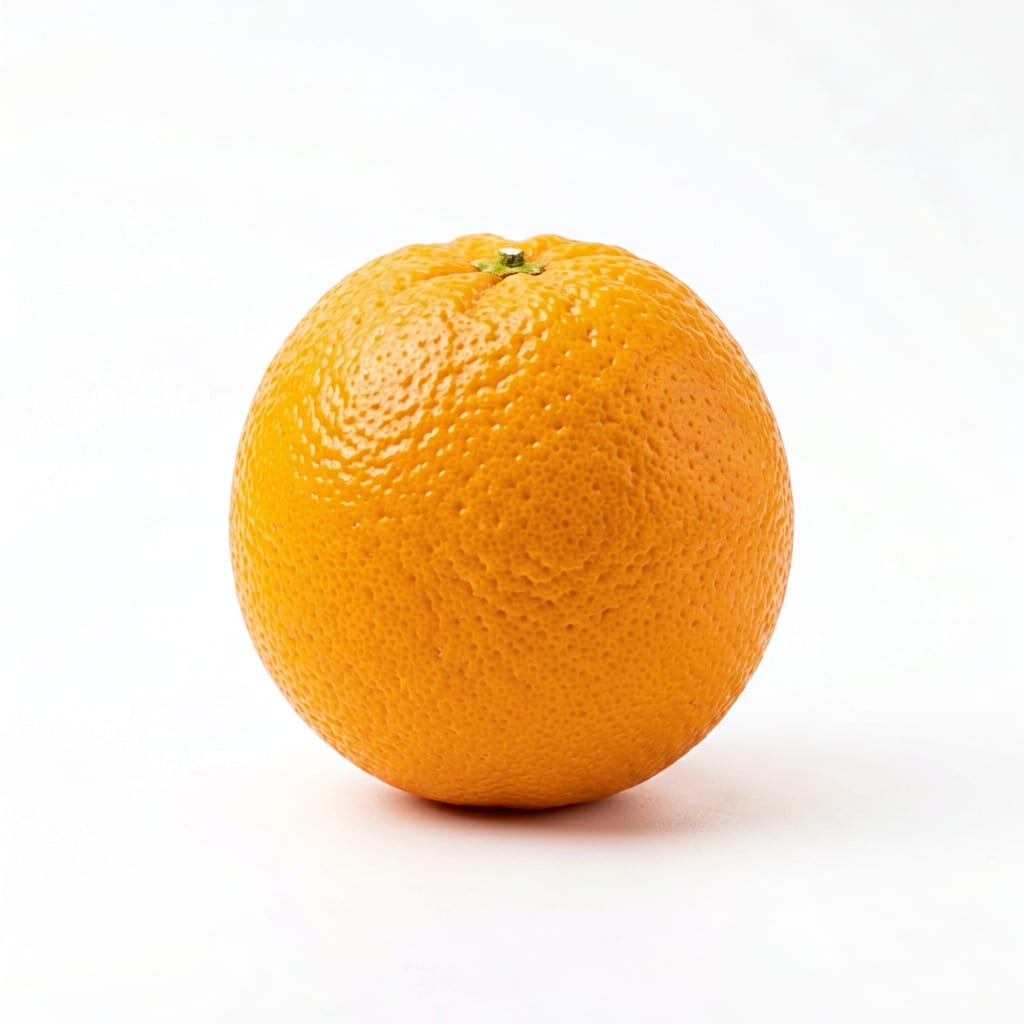
Orange
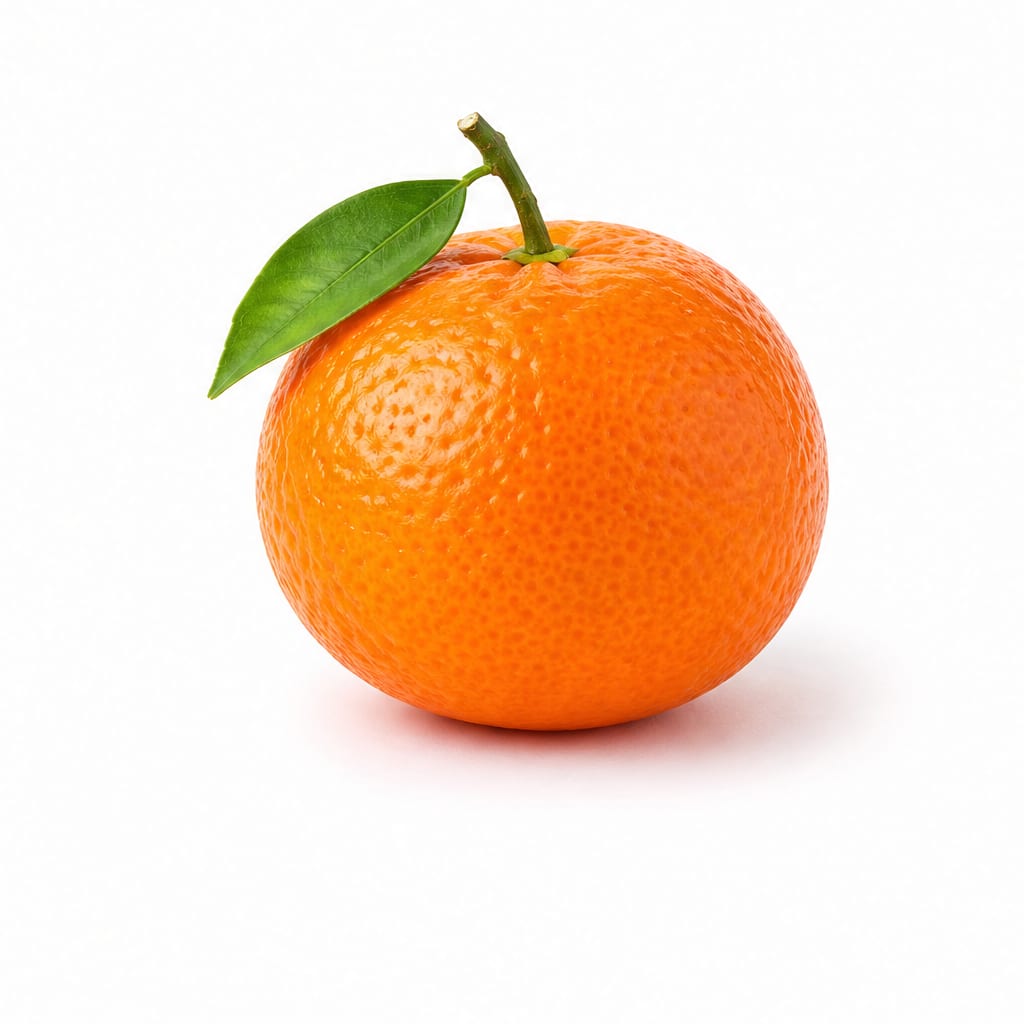
Tangerine
Oranges win on vitamin C and fiber; tangerines win on convenience and vitamin A. The gap is small enough that preference and lifestyle matter more than nutrition alone.
Oranges score slightly higher due to stronger vitamin C and fiber content per serving. Tangerines stay close because their convenience and vitamin A advantages make them more likely to be eaten consistently, which counts heavily in real-world nutrition.
Oranges deliver more immune-boosting vitamin C and filling fiber, but tangerines are easier to eat anywhere and provide more vision-supporting vitamin A.
At a glance
Executive summary
Overall
It depends
Healthier
Orange
More practical
Tangerine
Daily use
It depends
Key comparison lenses
Vitamin C and immune support comparison
Both are citrus staples, but their vitamin C content differs enough to matter for daily immune support decisions
Snack convenience and portability
Tangerines are famously easy to peel and eat on the go, while oranges require more effort or a knife
Sugar content and blood sugar impact
Tangerines taste sweeter and have slightly more sugar per gram, which matters for glucose-sensitive users
Fiber and satiety differences
Oranges provide more fiber per serving, keeping you fuller longer despite similar calorie counts
Vitamin A and antioxidant profile
Tangerines contain significantly more vitamin A and beta-carotene, a lesser-known but meaningful distinction
Best choice for
Orange
- People prioritizing immune support and vitamin C intake
- Anyone wanting more fiber to stay full between meals
- Those who enjoy fresh-squeezed juice or adding citrus segments to salads
- Budget-conscious shoppers getting more nutrition per dollar
Tangerine
- Busy people needing a peel-and-eat snack for commuting or desk drawers
- Parents packing school lunches — kids find them easier to handle
- Anyone focused on vitamin A and eye health
- People who find regular oranges too large or acidic
Least suitable for
Orange
- People who want a quick, mess-free snack while driving or walking
- Anyone with hand mobility issues who struggles with thick peels
- Those who find the acidity irritating on an empty stomach
Tangerine
- People maximizing vitamin C on a budget — you get less per fruit
- Anyone trying to increase fiber intake significantly
- Those who tend to eat multiple small fruits and may overconsume sugar
Deep comparison
Dimension by dimension
Each lens scores both foods and breaks down who each option suits.
- Dimension 1 · Priority 92Orange
Vitamin C Content
Orange · 88Tangerine · 62One medium orange delivers about 70mg of vitamin C, while a tangerine provides roughly 26mg. That is nearly three times more immune support per fruit.
Tradeoff
Oranges clearly outperform here, but if you eat two or three tangerines, the gap closes — at the cost of more sugar and calories.
Why it matters
Vitamin C is water-soluble and must be replenished daily. A single orange covers most of your needs; a tangerine covers about a third.
Real-world impact
During cold season, reaching for an orange gives you noticeably more immune support per serving than a tangerine.
Orange
- Daily immune support
- Collagen production and skin health
- Iron absorption when eaten with iron-rich meals
Better for
Tangerine
- Meeting full daily vitamin C from a single serving
- Competing with other high-C fruits like kiwi or grapefruit
Worse for
- Dimension 2 · Priority 88Tangerine
Convenience and Portability
Orange · 45Tangerine · 90Tangerines peel effortlessly by hand and have loose skin. Oranges often need a knife or produce sticky juice everywhere.
Tradeoff
You sacrifice some nutrition density for a snack you will actually grab and eat without thinking. A tangerine in your bag always beats an orange left on the counter.
Why it matters
The healthiest food only works if you eat it. Convenience is the single biggest predictor of consistent fruit consumption.
Real-world impact
Tossing a tangerine in your car cupholder is easy. Peeling an orange at your desk requires napkins, time, and willingness to get sticky fingers.
Orange
- Eating while driving or walking
- Packing in tight spaces without a knife
Worse for
Tangerine
- On-the-go snacking during commutes
- School lunchboxes and kid-friendly portions
- Quick desk snacks without mess
- Hiking and outdoor activities
Better for
- Dimension 3 · Priority 80Orange
Fiber and Satiety
Orange · 75Tangerine · 55A medium orange provides about 3g of fiber versus 1.8g in a tangerine. That difference helps you feel full longer and supports digestion.
Tradeoff
Oranges keep you more satisfied per fruit, but their larger size means you may not finish one. A whole tangerine is easy to eat completely.
Why it matters
Fiber slows sugar absorption and prevents the quick energy spike and crash that leaves you hungry again 30 minutes later.
Real-world impact
An orange at 3pm can hold you until dinner. A tangerine might leave you reaching for something else within the hour.
Orange
- Bridging long gaps between meals
- Supporting healthy digestion and regularity
- Reducing blood sugar spikes from the fruit's natural sugars
Better for
Tangerine
- Staying full on a single serving
- Managing blood sugar if eating alone without protein or fat
Worse for
- Dimension 4 · Priority 72Tangerine
Vitamin A and Beta-Carotene
Orange · 35Tangerine · 78Tangerines contain roughly 14x more vitamin A than oranges, thanks to their deeper orange flesh and higher beta-carotene concentration.
Tradeoff
This is a clear win for tangerines, though neither fruit is a top-tier vitamin A source compared to carrots or sweet potatoes.
Why it matters
Vitamin A supports eye health, immune function, and skin integrity. Even moderate amounts from fruit contribute meaningfully over time.
Real-world impact
If you rarely eat orange vegetables, tangerines offer a small but real boost to your daily vitamin A intake that oranges barely provide.
Orange
- Contributing meaningfully to daily vitamin A needs
Worse for
Tangerine
- Eye health and night vision support
- Skin maintenance and repair
- Adding variety to a diet low in orange vegetables
Better for
- Dimension 5 · Priority 76Orange
Sugar Content and Blood Sugar Impact
Orange · 70Tangerine · 58Per fruit, oranges have more sugar in absolute terms because they are larger, but gram-for-gram tangerines are slightly sweeter and denser in sugar relative to fiber.
Tradeoff
Neither is a blood sugar disaster, but the higher fiber-to-sugar ratio in oranges provides steadier energy. Tangerines taste sweeter, which can trigger wanting another one.
Why it matters
The fiber-to-sugar ratio determines whether a fruit gives you lasting energy or a brief spike followed by a dip.
Real-world impact
Eating two tangerines feels easy because they are small and sweet. That can add up to more sugar than one orange would have delivered with better satiety.
Orange
- Steadier energy without the crash
- Better ratio of fiber to sugar for glucose management
Better for
Tangerine
- Portion control — it is easy to eat several without realizing the sugar adds up
- Blood sugar management for diabetics counting carbs carefully
Worse for
- Dimension 6 · Priority 70It depends
Taste and Eating Experience
Orange · 72Tangerine · 75Oranges offer bold, tangy flavor with satisfying juice. Tangerines are sweeter, more delicate, and less acidic. Preference depends on what you enjoy.
Tradeoff
Tangerines please sweet tooths and are gentler on sensitive stomachs. Oranges deliver a more intense citrus punch that feels more refreshing.
Why it matters
Enjoyment drives consistency. You will eat the fruit you actually like more often than the one that is technically more nutritious.
Real-world impact
If regular oranges make you pucker or bother your stomach, tangerines are a much easier sell for daily fruit intake.
Orange
- People who love bold, tart citrus flavor
- Refreshing post-workout or hot-day fruit
Better for
- Anyone with acid sensitivity or heartburn triggered by citrus
Worse for
Tangerine
- Those who find regular oranges too sour or acidic
- People with sensitive stomachs who want gentler fruit
- Kids who prefer sweeter, milder flavors
Better for
- People wanting a tart, refreshing bite
Worse for
Timeline
Health impact over time
Short-term
Hours to days
Orange
- Quick hydration from high water and juice content
- Noticeable energy lift from natural sugars paired with fiber
- Possible acid sensitivity on an empty stomach
Tangerine
- Gentle, easy-to-digest snack that rarely upsets the stomach
- Mild energy boost without the tartness that some find harsh
- Easier to overeat due to small size and sweet taste
Long-term
Months to years
Orange
- Stronger ongoing vitamin C intake supporting immune resilience and skin health
- Better fiber contribution for digestive regularity and cholesterol management
- Consistent potassium intake supporting healthy blood pressure
Tangerine
- Better cumulative vitamin A intake supporting eye health over decades
- Higher likelihood of consistent daily fruit consumption due to ease of eating
- Potential for higher total sugar intake if portion control is not mindful
Risk profile
Safety & processing
Both are whole, unprocessed fruits with no additives. This is a rare comparison where processing concerns are essentially zero for both options.
Orange
Pesticide residue on peel
mediumOranges frequently appear on EWG's watch lists for peel pesticide residue. Washing helps, but the concern is real if you zest or touch the peel then eat.
Citrus allergy or oral allergy syndrome
lowSome individuals experience itching or swelling from citrus proteins. This is uncommon but worth knowing if you have birch pollen allergies.
Tangerine
Pesticide residue on peel
mediumSimilar to oranges, tangerine peels can carry pesticide residue. Since the peel is so easy to remove, exposure risk during eating is slightly lower.
Overconsumption leading to excess sugar
lowTheir small size and sweet flavor make it easy to eat three or four without thinking, which can add up to significant sugar intake.
Who wins for whom
Audience fit
Same foods, different winners depending on your goal.
children
TangerineSmall hands, easy peeling, sweeter taste, and kid-friendly portions make tangerines the more practical and appealing choice for kids.
daily consumption
It dependsOranges are nutritionally superior per serving, but tangerines are more likely to be eaten consistently due to convenience. The best choice is whichever you will actually reach for every day.
diabetes
OrangeHigher fiber-to-sugar ratio slows glucose absorption. One orange is also a clearer single serving, while multiple tangerines are easy to overeat.
elderly
TangerineEasier to peel for arthritic hands, gentler on sensitive stomachs, and the vitamin A supports aging eye health.
muscle gain
It dependsNeither is a protein source. Oranges offer slightly more potassium for post-workout recovery, but the difference is minimal.
weight loss
OrangeMore fiber and volume per calorie keeps you fuller longer, reducing the urge to snack again shortly after eating.
Your move
Decision guide
Choose Orange
- You want maximum vitamin C and fiber from each piece of fruit
- You enjoy bold, tart citrus flavor and find it refreshing
- You tend to eat just one serving and want it to keep you full
- You squeeze fresh juice or add citrus segments to meals
Choose Tangerine
- You need a grab-and-go snack that works in the car, at your desk, or on a trail
- You are packing lunches for kids who prefer sweet, easy-to-handle fruit
- You find regular oranges too acidic or harsh on your stomach
- You want to boost your vitamin A intake alongside other citrus benefits
Either works if
- You simply want a hydrating, whole-food citrus snack
- You are mixing fruit into a salad or smoothie where differences fade
- You rotate fruits weekly and both fit naturally into your routine
Avoid both if
- You have a diagnosed citrus allergy or oral allergy syndrome
- You are on a strict very-low-carb or ketogenic diet
- You experience acid reflux triggered specifically by citrus fruits
Final recommendation
Keep both in your rotation. Oranges are your nutritional powerhouse for mornings or meals; tangerines are your portable snack for busy afternoons. If you must pick one, choose based on whether you value nutrient density (Orange) or eating consistency (Tangerine). The fruit you actually eat always beats the one sitting on the counter.
Practical
Consumer tips
- 1
Buy organic for either fruit if you plan to zest the peel or use it in cooking — pesticide residues concentrate on the skin
- 2
Wash oranges thoroughly before cutting, even if you never eat the peel — knife blades transfer residue from skin to flesh
- 3
Store both in the refrigerator to extend freshness to 2-3 weeks; room temperature fruit spoils faster and loses vitamin C
- 4
Tangerines labeled 'Cuties' or 'Halos' are mandarin varieties — nutritionally similar but bred for extra sweetness and seedlessness
- 5
If you eat two or more tangerines at once, you have matched the sugar of one orange but with less fiber — consider pairing with nuts or cheese to slow absorption
- 6
Frozen orange segments make a surprisingly refreshing summer snack with no prep required