
Nutrition comparison
Orange vs Banana: Nutrition, Health Benefits & Which is Better
Compare Orange vs Banana for weight loss, diabetes, and daily snacking. Discover the nutritional tradeoffs between Vitamin C and Potassium.
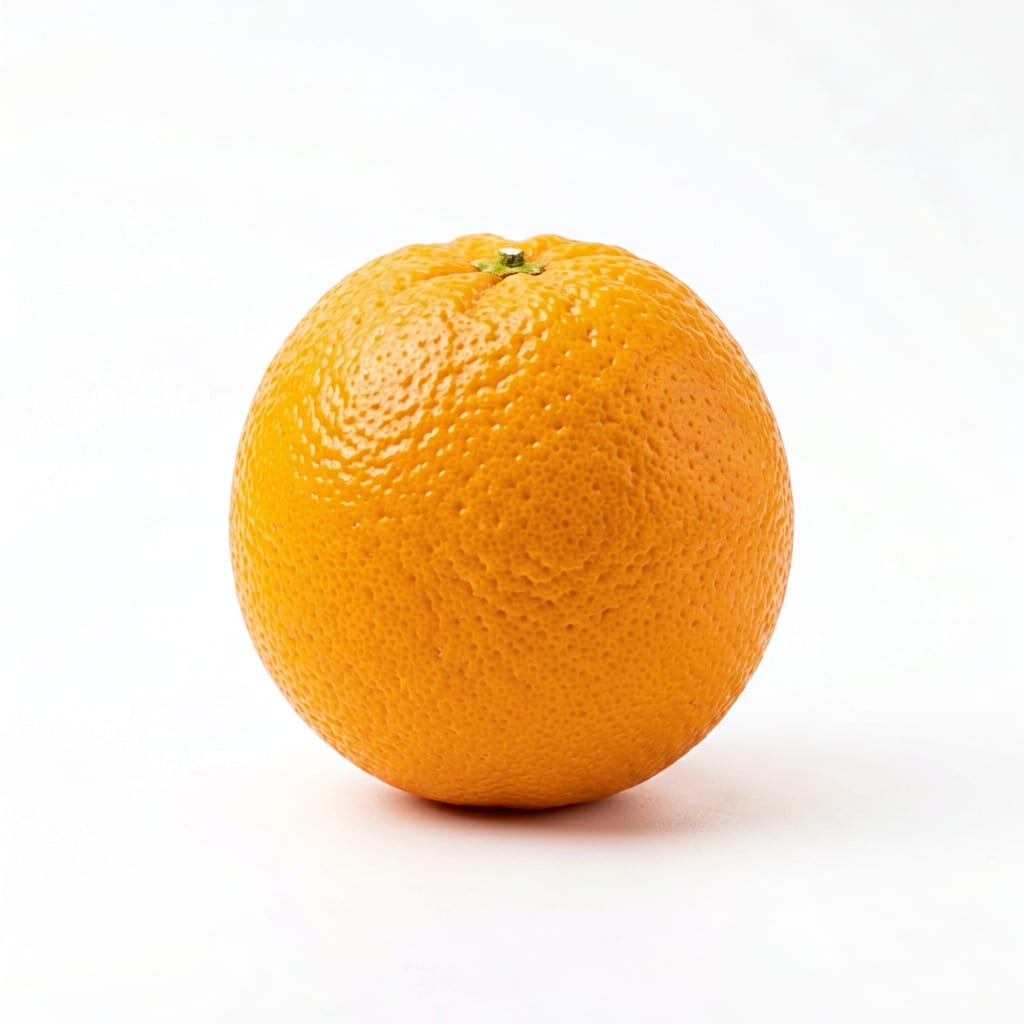
Orange
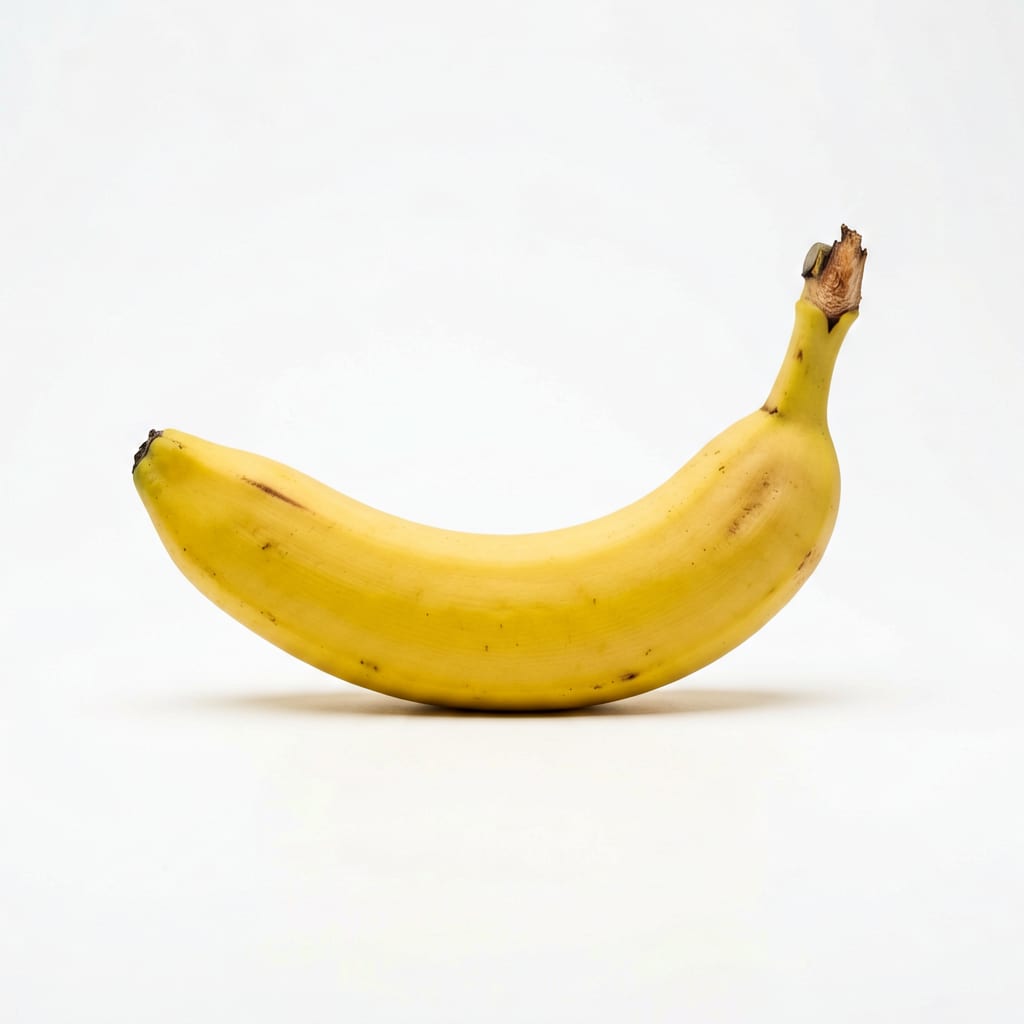
Banana
Oranges are better for hydration and immune support, while bananas win for quick energy and muscle recovery.
Both are healthy whole fruits. Oranges edge slightly ahead for micronutrient density per calorie, but bananas offer superior satiety and convenience.
Lighter, acidic hydration from oranges versus denser, filling fuel from bananas.
At a glance
Executive summary
Overall
It depends
Healthier
It depends
More practical
Banana
Daily use
It depends
Key comparison lenses
Blood sugar impact and energy stability
Bananas are denser in carbs and higher on the glycemic index, while oranges offer slower-releasing energy with more water content.
Micronutrient priorities: Immunity vs Muscle Recovery
Oranges are famous for Vitamin C and immune support, whereas bananas are the go-to for potassium and muscle cramp relief.
Satiety and snacking convenience
Bananas are heavier and more filling with portable packaging, while oranges are lighter, juicier, and messier to eat on the go.
Digestive tolerance and sensitivity
Oranges can trigger acid reflux due to citrus acids, while bananas are generally soothing but can cause constipation for some.
Best choice for
Orange
- Immune support from oranges
- Low-calorie snacking with oranges
- Hydration boost from oranges
Banana
- Pre-workout energy from bananas
- Muscle cramp prevention with bananas
- Easy on-the-go fuel from bananas
Least suitable for
Orange
- Acid reflux sufferers eating oranges
- People with citrus allergies avoiding oranges
Banana
- Strict low-carb dieters avoiding bananas
- People prone to constipation from bananas
Deep comparison
Dimension by dimension
Each lens scores both foods and breaks down who each option suits.
- Dimension 1 · Priority 90Orange
Blood Sugar & Energy Stability
Orange · 82Banana · 70Oranges provide steadier energy due to lower sugar density, while bananas offer a quicker, denser energy spike.
Tradeoff
You get faster fuel with bananas but risk a quicker energy drop if eaten alone.
Why it matters
Preventing the afternoon crash keeps you productive without reaching for more snacks.
Real-world impact
An orange as a 3 PM snack won't make you sleepy; a banana might if you're sensitive to sugar.
Orange
- Steady energy from oranges
- Lower glycemic load in oranges
Better for
- Insufficient for intense endurance fuel compared to bananas
Worse for
Banana
- Quick pre-workout fuel from bananas
- Replenishing glycogen with bananas
Better for
- Potential energy crash from bananas
- Less ideal for insulin resistance than oranges
Worse for
- Dimension 2 · Priority 88It depends
Micronutrient Profile
Orange · 88Banana · 85Oranges are a Vitamin C powerhouse, while bananas dominate in potassium and vitamin B6.
Tradeoff
Immune and skin support from oranges versus heart and muscle function from bananas.
Why it matters
Your daily fruit choice can target completely different health goals.
Real-world impact
Eat an orange when fighting a cold; grab a banana when dealing with muscle cramps.
Orange
- Immune system support from oranges
- Collagen production via oranges
- Iron absorption boosted by oranges
Better for
- Lower potassium for cramp relief in oranges
Worse for
Banana
- Electrolyte replenishment from bananas
- Muscle cramp prevention via bananas
- Nervous system support from bananas
Better for
- Negligible Vitamin C in bananas
Worse for
- Dimension 3 · Priority 85Banana
Satiety & Fullness
Orange · 68Banana · 85Bananas are much more filling and satisfying due to higher calorie and starch content.
Tradeoff
Light hydration from oranges versus substantial hunger relief from bananas.
Why it matters
A snack that actually holds you over prevents overeating later.
Real-world impact
A banana can bridge the gap between lunch and dinner; an orange might leave you hungry an hour later.
Orange
- Light snacking with oranges
- Eating oranges when you don't want to feel heavy
Better for
- Less effective at curbing hunger with oranges
Worse for
Banana
- Staying full longer with bananas
- Replacing a small meal with bananas
Better for
- Higher calorie density in bananas if strictly tracking
Worse for
- Dimension 4 · Priority 75It depends
Digestive Tolerance
Orange · 72Banana · 78Bananas are gentle on the stomach and help bind stool, while oranges can trigger acid reflux.
Tradeoff
Soothing digestion from bananas versus potential acidity issues from oranges.
Why it matters
Digestive comfort dictates whether a food is enjoyable or painful.
Real-world impact
Bananas are a safe bet before a run; oranges might cause heartburn if eaten on an empty stomach.
Orange
- Relieving constipation with oranges
- Adding hydration to digestion via oranges
Better for
- Triggering heartburn or GERD from oranges
- Irritating ulcers with oranges
Worse for
Banana
- Soothing an upset stomach with bananas
- Managing diarrhea with bananas
Better for
- Causing constipation from unripe bananas
Worse for
- Dimension 5 · Priority 70Banana
Convenience & Portability
Orange · 60Banana · 95Bananas come in their own protective, easy-to-peel packaging without the mess.
Tradeoff
Clean, fast eating from bananas versus sticky, juicy hands from oranges.
Why it matters
If a snack is hard to eat cleanly, you just won't reach for it when busy.
Real-world impact
Toss a banana in your gym bag effortlessly; an orange might get squished and make a mess.
Orange
- Eating oranges at a table with napkins handy
Better for
- Sticky fingers from oranges
- Peel mess and juice spills from oranges
Worse for
Banana
- Commuting with bananas
- Gym bags and bananas
- Quick desk snacks with bananas
Better for
- Getting bruised easily in packed bags with bananas
Worse for
Timeline
Health impact over time
Short-term
Hours to days
Orange
- Quick hydration from oranges
- Vitamin C boost from oranges
- Possible acid reflux from oranges on an empty stomach
Banana
- Immediate energy lift from bananas
- Satiety from bananas
- Relief from hunger pangs via bananas
Long-term
Months to years
Orange
- Stronger immune function from oranges
- Better skin health from oranges
- Improved iron absorption from oranges
Banana
- Better blood pressure control from bananas
- Reduced muscle cramping via bananas
- Steady heart rhythm support from bananas
Risk profile
Safety & processing
Both oranges and bananas are whole, raw fruits with zero additives when eaten fresh.
Orange
Pesticide residue on orange peels
mediumCitrus peels often hold pesticide residue, which matters if you zest oranges or handle them extensively.
Banana
Pesticide residue on banana peels
lowConventionally grown bananas use pesticides, but the thick peel you discard drastically reduces flesh exposure.
Who wins for whom
Audience fit
Same foods, different winners depending on your goal.
children
BananaBananas are sweeter, easier to digest, and pose no choking hazard or acidic burn for kids.
daily consumption
It dependsRotating both oranges and bananas gives the broadest spectrum of vitamins and minerals without overloading any single sugar type.
diabetes
OrangeOranges have a lower glycemic index and less carbohydrate density, causing gentler blood sugar shifts.
elderly
It dependsBananas are easier to chew and provide potassium for heart health, but oranges offer crucial hydration and Vitamin C.
muscle gain
BananaBananas provide easily accessible carbs for workouts and potassium for muscle recovery.
weight loss
OrangeOranges have fewer calories and more water, making them a lighter option for calorie deficits.
Your move
Decision guide
Choose Orange
- You want a light, hydrating snack that won't weigh you down
- You need an immune boost or are fighting a cold
- You are watching your blood sugar closely
- You want something refreshing after a heavy meal
Choose Banana
- You need quick fuel before or after a workout
- You want a filling snack that actually holds you over
- You are dealing with muscle cramps or high blood pressure
- You need a mess-free snack for the road
Either works if
- You just want a healthy, whole-food sweet treat
- You are trying to increase your daily fruit intake
Avoid both if
- You are on a strict ketogenic diet
- You have severe fructose intolerance
Final recommendation
Keep both in your kitchen. Reach for oranges when you need hydration and vitamin C, and grab bananas when you need energy and fullness.
Practical
Consumer tips
- 1
Choose smaller bananas to minimize the sugar hit if you're watching your carbs.
- 2
Eat oranges with the white pith intact—it's where much of the fiber and flavonoids hide.
- 3
Freeze overripe bananas for smoothies instead of throwing them out.
- 4
Roll oranges on the counter before peeling to get more juice out of them.