
Nutrition comparison
Orange vs Grapes: Which Fruit Is Healthier for You?
Compare orange vs grapes on nutrition, sugar, vitamin C, blood sugar impact, and pesticide risk. Find out which fruit is better for weight loss, diabetes, and daily snacking.
Overall winner · Orange
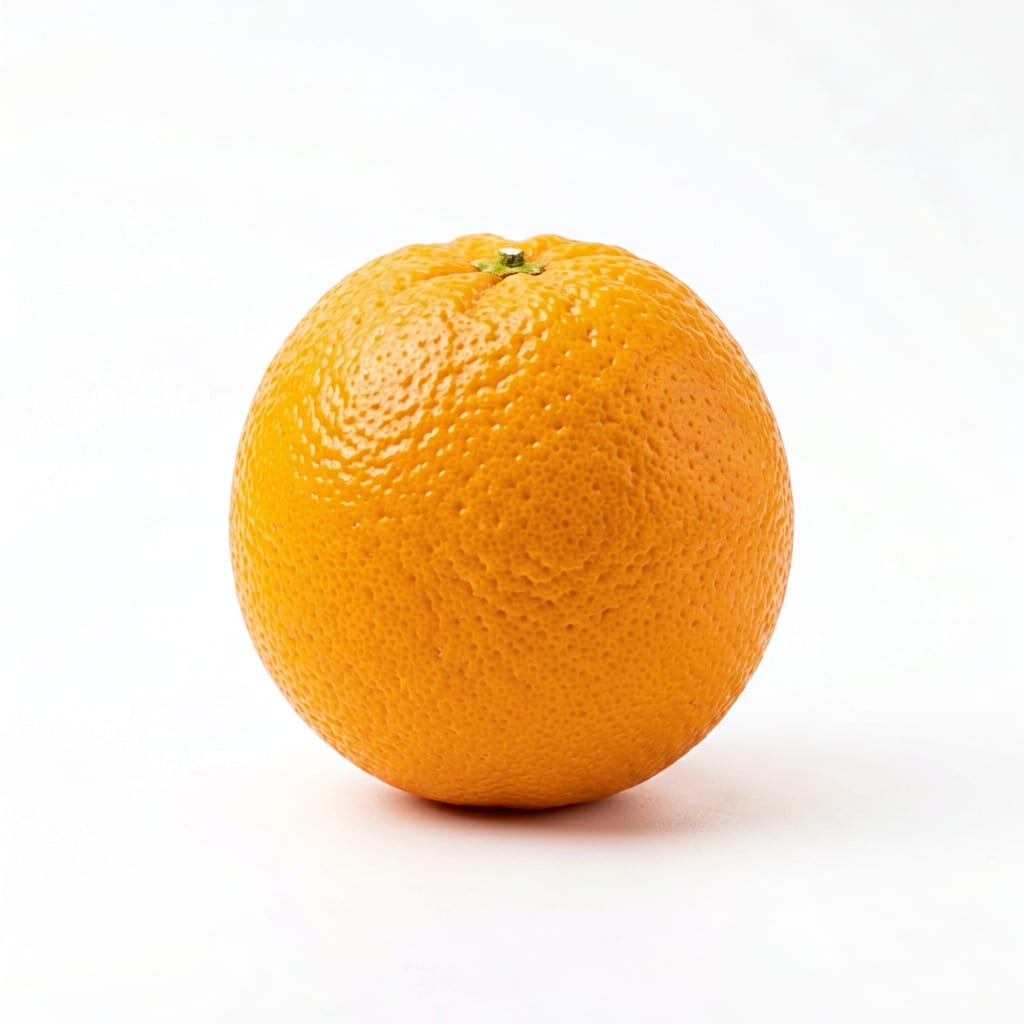
Orange
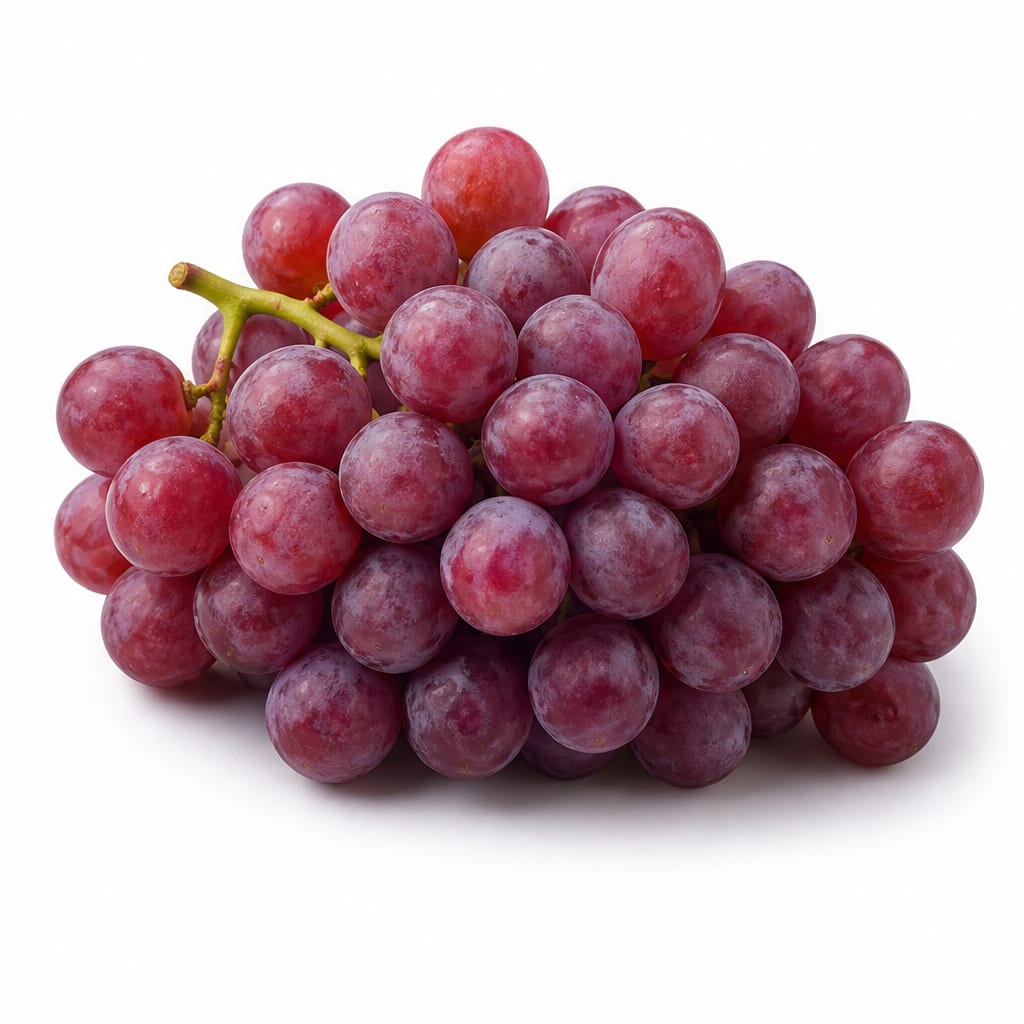
Grapes
Oranges win on nutrition and satiety, but grapes win on convenience and snackability.
Oranges score higher due to superior fiber, vitamin C, and blood sugar stability. Grapes lose ground on sugar density, overeating risk, and pesticide concerns, but remain a solid whole-food choice.
Oranges give you more fiber, vitamin C, and steadier energy. Grapes are easier to eat but easier to overeat, with more sugar per bite.
At a glance
Executive summary
Overall
Orange
Healthier
Orange
More practical
Grapes
Daily use
Orange
Key comparison lenses
blood sugar and snacking behavior
Grapes are easy to overeat and spike blood sugar faster, while oranges have more fiber and a lower glycemic load
vitamin C and immune support
Oranges deliver dramatically more vitamin C, making them the clear choice during cold season
convenience and portability
Grapes are grab-and-go with no peeling required, while oranges need hands-on prep
pesticide exposure risk
Grapes consistently rank on the Dirty Dozen list for pesticide residues, oranges have thicker protective rinds
antioxidant diversity
Red and purple grapes offer resveratrol, while oranges provide citrus flavonoids — different but valuable compounds
Best choice for
Orange
- People managing blood sugar or diabetes
- Anyone wanting immune support during cold season
- Those trying to feel full on fewer calories
- Kids who need vitamin C without excess sugar
Grapes
- Busy people needing a no-prep snack
- Athletes wanting quick carbs post-workout
- Older adults who struggle with peeling or chewing
- Anyone packing a portable office snack
Least suitable for
Orange
- People with citrus allergies or acid sensitivity
- Anyone needing fast energy right now
- People who find peeling messy or inconvenient
Grapes
- People prone to mindless snacking or overeating
- Those strictly limiting sugar intake
- People concerned about pesticide exposure who cannot buy organic
Deep comparison
Dimension by dimension
Each lens scores both foods and breaks down who each option suits.
- Dimension 1 · Priority 92Orange
Blood Sugar Stability
Orange · 82Grapes · 55Oranges have a glycemic index around 40-50, while grapes sit closer to 60. The fiber in an orange slows sugar absorption noticeably.
Tradeoff
Grapes deliver faster energy, but that speed comes with a sharper blood sugar rise and quicker crash.
Why it matters
If you are watching your energy levels or managing insulin, the difference between steady and spiky matters within 30 minutes of eating.
Real-world impact
An orange at 3pm holds you over until dinner. A bowl of grapes might leave you hungry again in 45 minutes.
Orange
- Steady afternoon energy
- Diabetes management
- Avoiding the sugar crash cycle
Better for
- Situations requiring immediate energy
Worse for
Grapes
- Quick carb replenishment after exercise
- Fast energy before a short workout
Better for
- Late-night snacking that spikes blood sugar before bed
- Anyone trying to reduce sugar cravings
Worse for
- Dimension 2 · Priority 88Orange
Satiety and Fullness
Orange · 78Grapes · 48One orange feels like a snack. A handful of grapes feels like a warm-up — they barely register on the fullness scale.
Tradeoff
Oranges take time to peel and eat, which naturally slows consumption. Grapes disappear fast because each one is a single bite.
Why it matters
Feeling satisfied after a snack determines whether you reach for more food 20 minutes later.
Real-world impact
You can easily eat 200 calories of grapes without noticing. One orange at 60 calories actually feels like you ate something.
Orange
- Weight management without counting calories
- Reducing between-meal snacking
Better for
- When you want a light, minimal snack
Worse for
Grapes
- Light snacking when you want something small
Better for
- Portion control — very easy to eat the whole bag
Worse for
- Dimension 3 · Priority 85Orange
Vitamin C and Immunity
Orange · 95Grapes · 40One medium orange provides about 70mg of vitamin C — over 100% of your daily need. Grapes offer roughly 15-20% of that per serving.
Tradeoff
If immune support is your goal, oranges are in a different league entirely.
Why it matters
Vitamin C is not stored in the body, so daily intake matters for immune function, skin health, and iron absorption.
Real-world impact
During cold season, one orange a day meaningfully supports your immune system. You would need to eat a lot of grapes to get the same effect.
Orange
- Cold and flu season defense
- Supporting iron absorption from meals
- Skin health and collagen production
Better for
- Not applicable — oranges dominate here
Worse for
Grapes
- No real advantage in this category
Better for
- Anyone relying on grapes for vitamin C will fall short
Worse for
- Dimension 4 · Priority 78Grapes
Convenience and Portability
Orange · 45Grapes · 90Grapes are the ultimate grab-and-go fruit. Oranges require peeling, sticky hands, and sometimes a knife.
Tradeoff
Convenience often wins in real life. The fruit you actually eat always beats the fruit that sits on the counter.
Why it matters
The best nutritional choice is the one you will actually reach for when hungry and busy.
Real-world impact
Toss grapes in a container and eat them at your desk. An orange requires a break, a napkin, and probably handwashing after.
Orange
- Situations where you have time to sit and eat
Better for
- On-the-go eating
- Messy work environments
Worse for
Grapes
- Office snacking
- Car rides and commuting
- Packing school lunches
- Eating while walking or working
Better for
- Not applicable — grapes win convenience cleanly
Worse for
- Dimension 5 · Priority 72Orange
Pesticide and Safety Concerns
Orange · 80Grapes · 50Grapes consistently appear on the EWG Dirty Dozen list with high pesticide residues. Oranges have a thick rind that protects the edible portion.
Tradeoff
Washing grapes helps but does not remove all residues. Orange peels take the hit so the flesh stays cleaner.
Why it matters
Chronic low-dose pesticide exposure adds up over years, especially for children and pregnant women.
Real-world impact
If you eat grapes daily and cannot afford organic, you are getting more pesticide exposure than with most other fruits.
Orange
- Reducing pesticide exposure on a budget
- Families with young children
Better for
- Not a major concern — thick peel provides protection
Worse for
Grapes
- No real advantage in this category
Better for
- Non-organic grapes are a top pesticide concern
- Children eating grapes regularly
Worse for
- Dimension 6 · Priority 65It depends
Antioxidant Diversity
Orange · 75Grapes · 72Oranges offer citrus flavonoids like hesperidin. Red and purple grapes deliver resveratrol and anthocyanins. Both are valuable but different.
Tradeoff
You do not need to pick a winner here — eating both gives you broader antioxidant coverage than either alone.
Why it matters
Different antioxidants protect different systems. Variety matters more than quantity for long-term health.
Real-world impact
Oranges support blood vessel health. Red grapes support heart and cellular aging defenses. Both are worth eating.
Orange
- Cardiovascular flavonoid support
- Anti-inflammatory benefits from hesperidin
Better for
- Missing resveratrol benefits
Worse for
Grapes
- Resveratrol for cellular aging defense
- Anthocyanins from red and purple varieties for brain health
Better for
- Missing the specific vascular benefits of citrus flavonoids
Worse for
Timeline
Health impact over time
Short-term
Hours to days
Orange
- Provides steady energy without a sugar crash
- Vitamin C boosts immune readiness within hours
- Fiber helps you feel satisfied for 1-2 hours
- Citric acid may cause heartburn in sensitive people
Grapes
- Quick sugar hit that fades within 30-45 minutes
- Easy to eat too many, leading to a calorie surplus before feeling full
- Refreshing and hydrating in hot weather
- Minimal digestive effort required
Long-term
Months to years
Orange
- Consistent vitamin C intake supports immune resilience and skin aging
- Fiber contributes to better gut health over time
- Lower sugar load reduces long-term metabolic strain
- Potassium supports healthy blood pressure with regular consumption
Grapes
- Resveratrol from red grapes may support heart and brain health over decades
- High sugar intake from frequent large portions can contribute to insulin resistance
- Pesticide exposure from conventional grapes may accumulate if eaten daily
- Anthocyanins from dark varieties support vascular health long-term
Risk profile
Safety & processing
Both oranges and grapes are whole, unprocessed fruits. Neither contains added sugars, preservatives, or artificial ingredients when eaten fresh. The main concern is pesticide residues on conventional grapes, not processing.
Orange
Citrus allergy or oral allergy syndrome
lowUncommon but possible. Causes mouth itching or swelling in sensitive individuals, especially those with pollen allergies.
Acid erosion of tooth enamel
mediumFrequent citrus exposure can weaken enamel over time. Rinsing with water after eating helps.
Grapes
Pesticide residue exposure
highGrapes rank consistently on the EWG Dirty Dozen. Thin skin and growing methods lead to higher residues. Buying organic significantly reduces this risk.
Choking hazard for young children
mediumWhole grapes are a top choking hazard for kids under 4. Always cut them lengthwise before serving.
Mold and spoilage
lowGrapes spoil quickly and can harbor mold not always visible. Inspect carefully and refrigerate promptly.
Who wins for whom
Audience fit
Same foods, different winners depending on your goal.
children
OrangeMore vitamin C, less sugar, and no choking hazard. Grapes require cutting for safety, while orange segments are naturally child-friendly.
daily consumption
OrangeBetter nutrient density, lower sugar, more fiber, and fewer pesticide concerns make oranges the safer daily habit. Grapes are fine daily if organic and portion-controlled.
diabetes
OrangeLower glycemic index, more fiber, and slower sugar absorption make oranges significantly safer for blood sugar management.
elderly
It dependsOranges offer more nutrition per bite and support immune health. But grapes are easier to chew and require no peeling effort, which matters for anyone with limited hand strength.
muscle gain
GrapesGrapes provide faster-digesting carbs that can help replenish glycogen after training. Neither is a protein source, but grapes serve better as post-workout carb fuel.
weight loss
OrangeOranges have fewer calories per serving and more fiber, making them more filling. Grapes are calorie-dense and easy to overeat.
Your move
Decision guide
Choose Orange
- You want more vitamin C and immune support
- Blood sugar management is a priority
- You tend to overeat snack foods and need built-in portion control
- You are concerned about pesticide exposure but cannot always buy organic
- You want a fruit that actually fills you up between meals
Choose Grapes
- You need a no-prep, no-mess portable snack
- You are an athlete looking for quick post-workout carbs
- Peeling is difficult due to hand mobility issues
- You want something light that does not feel heavy before activity
- You buy organic and can control your portions
Either works if
- You simply want more fruit variety in your diet
- You are healthy with no blood sugar or weight concerns
- You alternate between them based on convenience each day
Avoid both if
- You need a high-protein snack — neither provides meaningful protein
- You are on a very low-carb or ketogenic diet
- You have fructose intolerance or a severe fruit sugar sensitivity
Final recommendation
Eat oranges when nutrition and satiety matter most. Eat grapes when convenience wins. Best approach: keep both in rotation, buy organic grapes when possible, and always portion grapes into a bowl instead of eating from the bag.
Practical
Consumer tips
- 1
Always wash grapes thoroughly, even organic ones, to remove surface residues and potential mold spores
- 2
Cut grapes lengthwise for children under 4 — round grapes are a leading choking hazard
- 3
Rinse your mouth with water after eating oranges to protect tooth enamel from citric acid
- 4
Pre-portion grapes into small containers to prevent mindless overeating
- 5
Choose red or purple grapes over green for more resveratrol and anthocyanins
- 6
Store oranges at room temperature for eating within a week, or refrigerate for up to a month
- 7
Freeze grapes for a refreshing summer snack that also slows down eating speed