
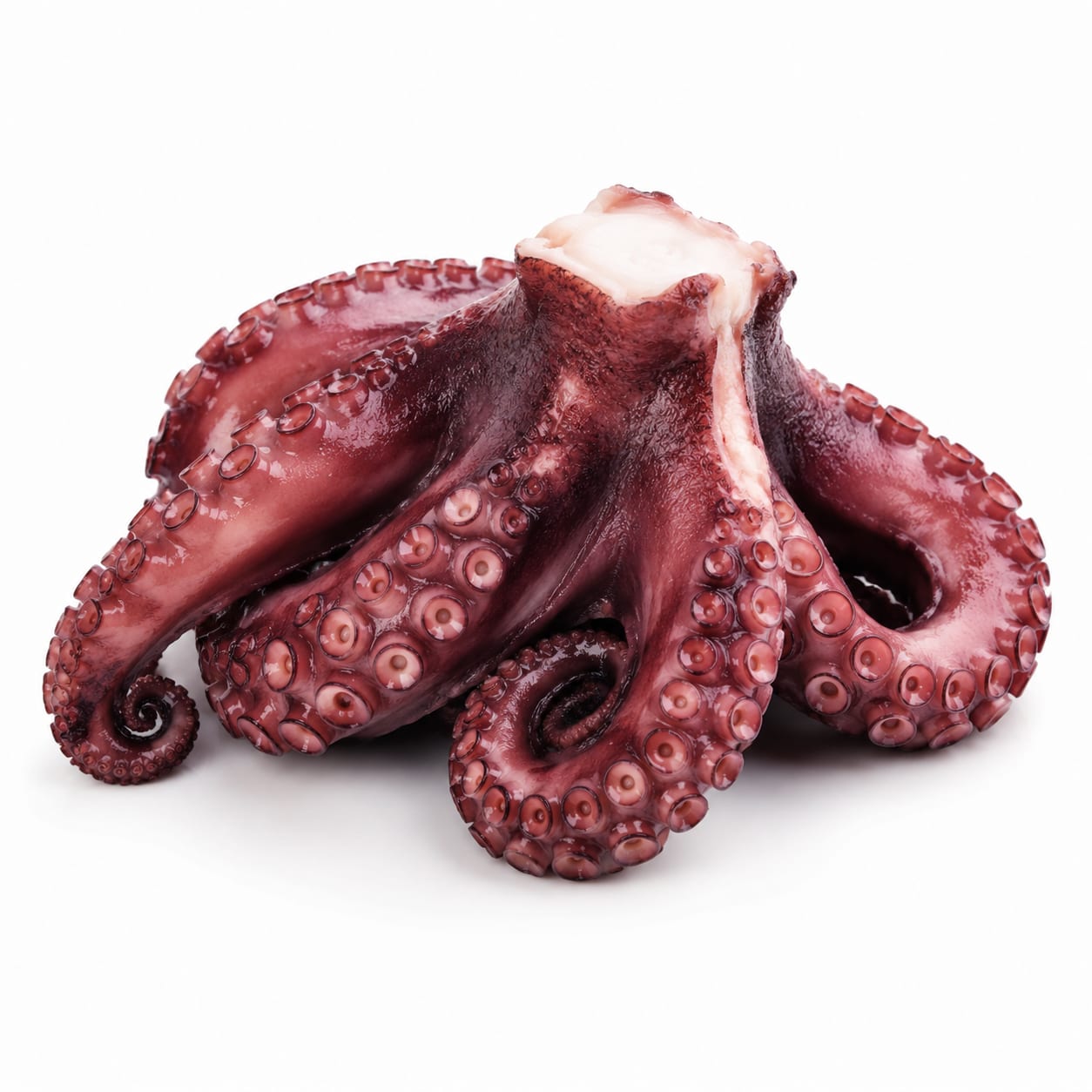
Seafood
Octopus
A lean, zero-carb marine mollusk packed with high-quality protein and essential micronutrients.
A lean, high-protein marine mollusk known for its chewy texture and mild, sweet flavor. It is a staple in Mediterranean and Asian cuisines, typically requiring tenderizing or slow cooking to achieve optimal texture.
protein-dense lean seafood
Typical serving · 85g
Common varieties · common octopus, giant pacific octopus, day octopus, caribbean dwarf octopus, muelleri octopus
Overall context score across nutrition, safety, and diet fit
At a glance
Quick facts
Simple indicators based on nutrition, processing, and diet fit.
The story
What makes it unique
Octopus is a high-protein, extremely low-fat food with zero carbohydrates. Its dense muscle structure results in slow digestion and prolonged satiety. Being a whole, unprocessed animal food, it provides complete amino acids and essential micronutrients like B12 and selenium without glycemic impact.
Varieties: common octopus · giant pacific octopus · day octopus · caribbean dwarf octopus · muelleri octopus
Per 100g
Nutrition breakdown
Macro balance and key metrics at a glance.
Energy
Density 0.82 kcal/g
Protein
Carbs
Fat
Fiber
Sugar
0 g
Sodium
230 mg
Potassium
350 mg
Glycemic index
0
Glycemic load
0
Water content
82%
Standout compounds
Nutrient highlights
Vitamin B12
highEssential for neurological function and red blood cell formation
Selenium
highProvides antioxidant protection and supports thyroid function
Iron
moderateCrucial for oxygen transport in the blood
Copper
highSupports iron metabolism and nervous system health
Wellness map
Health scores & processing
NOVA processing scale
Minimally processed · Whole food
Fresh or frozen octopus is a whole, unprocessed food. Culinary preparation involves physical tenderizing and heat cooking without industrial additives.
Diet compatibility
- Weight loss
- Muscle gain
- Diabetes
- Gut health
- Low carb
- High protein
- Heart health
Relative standing
Food rankings
Qualitative ranks compared to similar whole foods.
- Satietygood
- Blood sugarexcellent
- Nutrient densitygood
- Fitness fuelgood
- Processing qualityexcellent
Eat with confidence
Food safety profile
Generally safe when cooked thoroughly, which eliminates parasite and bacterial risks. Raw consumption carries inherent microbial risks. Moderate heavy metal accumulation is present compared to smaller seafood.
Evidence confidence 85%
- Pesticideslow
- Antibioticslow
- Heavy metalsmoderate
- Contaminationmoderate
Watch for
- Vibrio parahaemolyticus
- Anisakis parasites
- cadmium
- lead
Safer choices
Sourcing from clean, well-monitored fisheries and choosing smaller, younger octopuses can reduce heavy metal exposure.
Prep tips
Cook to an internal temperature of 145°F (63°C) to neutralize parasites and bacteria. Avoid raw consumption unless specifically treated for sashimi.
Monitoring of heavy metals in cephalopods varies by region, with some coastal areas showing higher cadmium accumulation.
Deep dive
Health analysis
How this food may fit different goals and preparation choices.
Weight loss
Extremely low in calories and fat while being highly satiating due to dense protein and a chewy texture that naturally slows eating speed.
Blood sugar
Zero glycemic impact makes it ideal for stabilizing blood sugar and managing insulin response.
Fitness & energy
Provides high-quality complete protein for muscle repair, though it lacks fast carbohydrates needed for quick glycogen replenishment.
Gut health
Lacks dietary fiber, and its tough muscle fibers can be difficult to digest if not properly tenderized during cooking.
Processing quality
A whole food that requires cooking to be edible; avoid pre-breaded or heavily marinated versions that add refined carbs and excess sodium.
Food safety
Proper cooking is essential to neutralize marine parasites and bacteria; moderate risk of heavy metals requires mindful sourcing.
Common mistakes
Overcooking makes it rubbery and nearly inedible, while undercooking leaves it tough and increases food safety risks.
Best preparation
Slow braising or grilling after a long boil ensures tenderness while preserving its lean nutritional profile.
Practical guide
Best use cases
When and how this food fits real eating patterns.
High-protein low-calorie dinner
Provides substantial protein for muscle maintenance with minimal caloric impact.
Keto seafood entree
Zero carbohydrates make it ideal for maintaining ketosis while enjoying diverse seafood.
Post-workout muscle recovery
Rich in complete amino acids necessary for repairing muscle tissue after exercise.
Mediterranean diet meal
A traditional staple that aligns perfectly with the lean protein and healthy fat emphasis of the Mediterranean diet.
Balance sheet
Pros & cons
Upsides
- Very high in complete protein
- Extremely low calorie and fat
- Zero carbohydrates
- Rich in vitamin B12 and selenium
- Lower mercury than large predatory fish
Trade-offs
- Can be rubbery and unpalatable if overcooked
- Contains dietary cholesterol
- Lacks dietary fiber
- Moderate heavy metal accumulation risk
- Requires specific cooking techniques for tenderness
Fit check
Who is it for?
Great match
- keto and low-carb diets
- lean muscle gain
- weight loss plateaus
- Mediterranean diet
Consider alternatives
- those with seafood allergies
- people seeking quick-cooking meals
- strict low-cholesterol diets
- individuals with severe digestive sensitivities
Side by side
How it compares
Open the full head-to-head analysis for nutrition, safety, and practical tradeoffs.
This food
Octopus
VS90% alike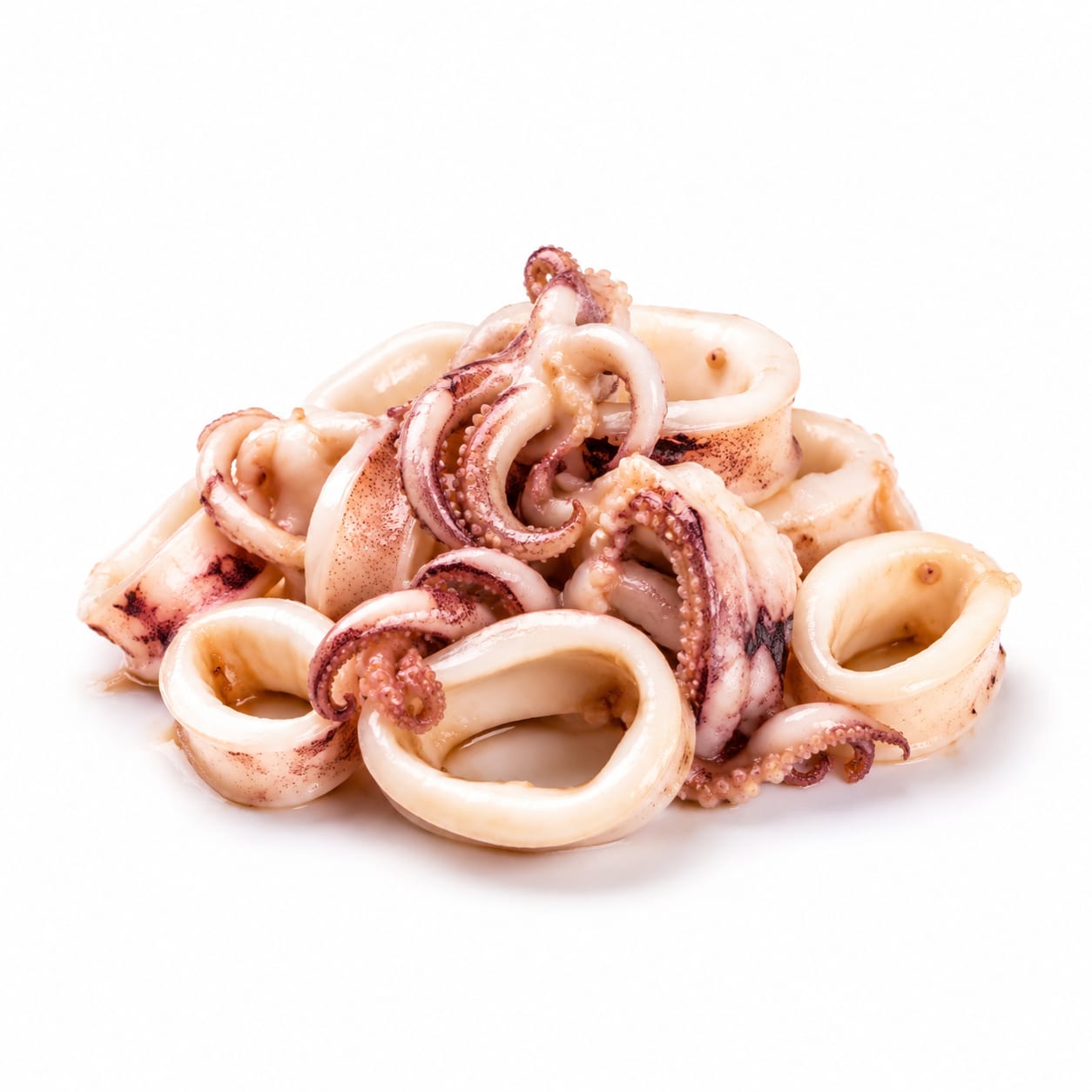
Compare with
Squid
Squid is slightly lower in calories but higher in cholesterol, while octopus provides more iron and a meatier texture.
Squid is slightly lower in calories, but octopus offers more iron and a meatier bite for better satiety.
This food
Octopus
VS85% alike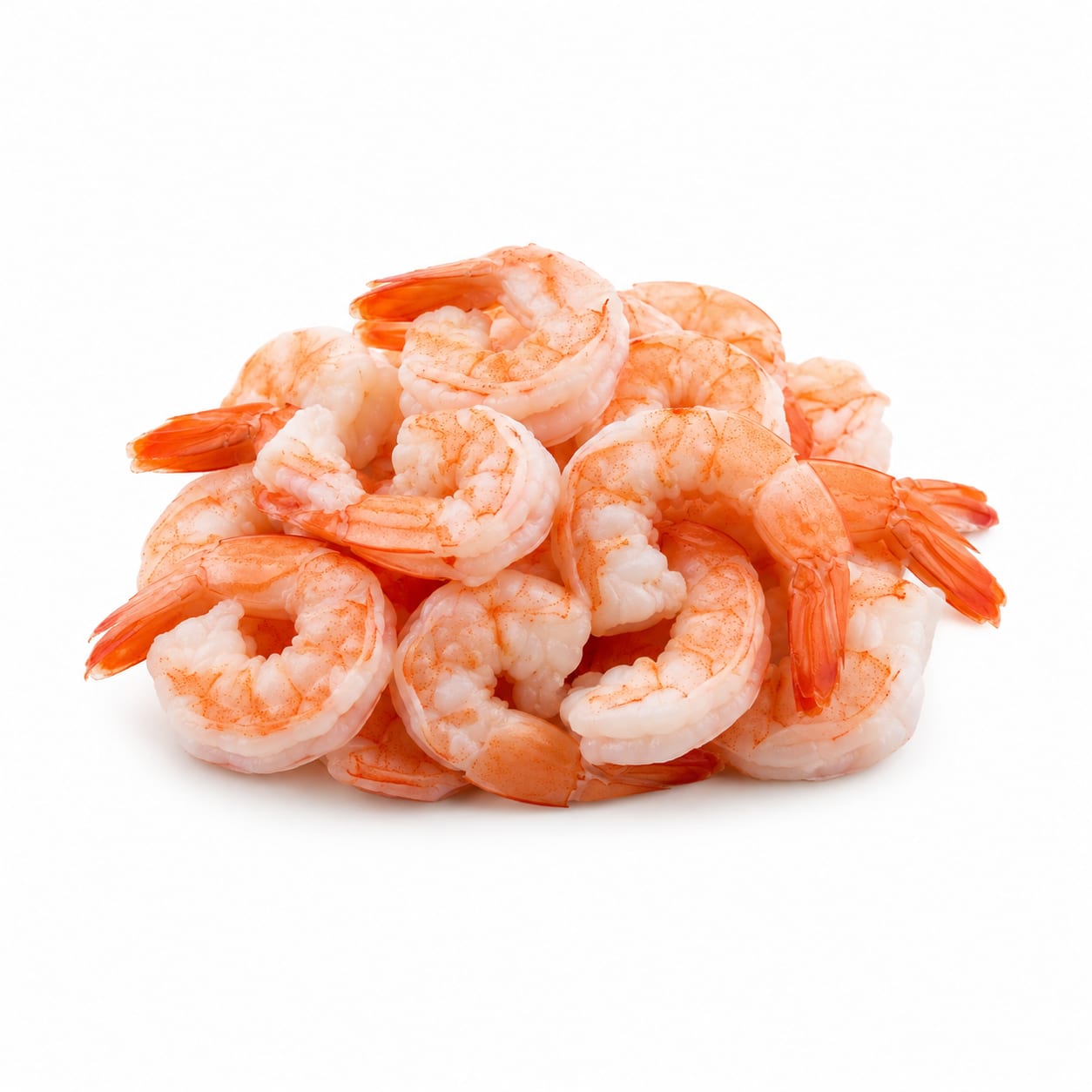
Compare with
Shrimp
Shrimp is easier to cook and more widely available, while octopus is denser in micronutrients like iron and B12.
Shrimp is quicker to cook, but octopus provides more iron and vitamin B12 per serving.
This food
Octopus
VS80% alike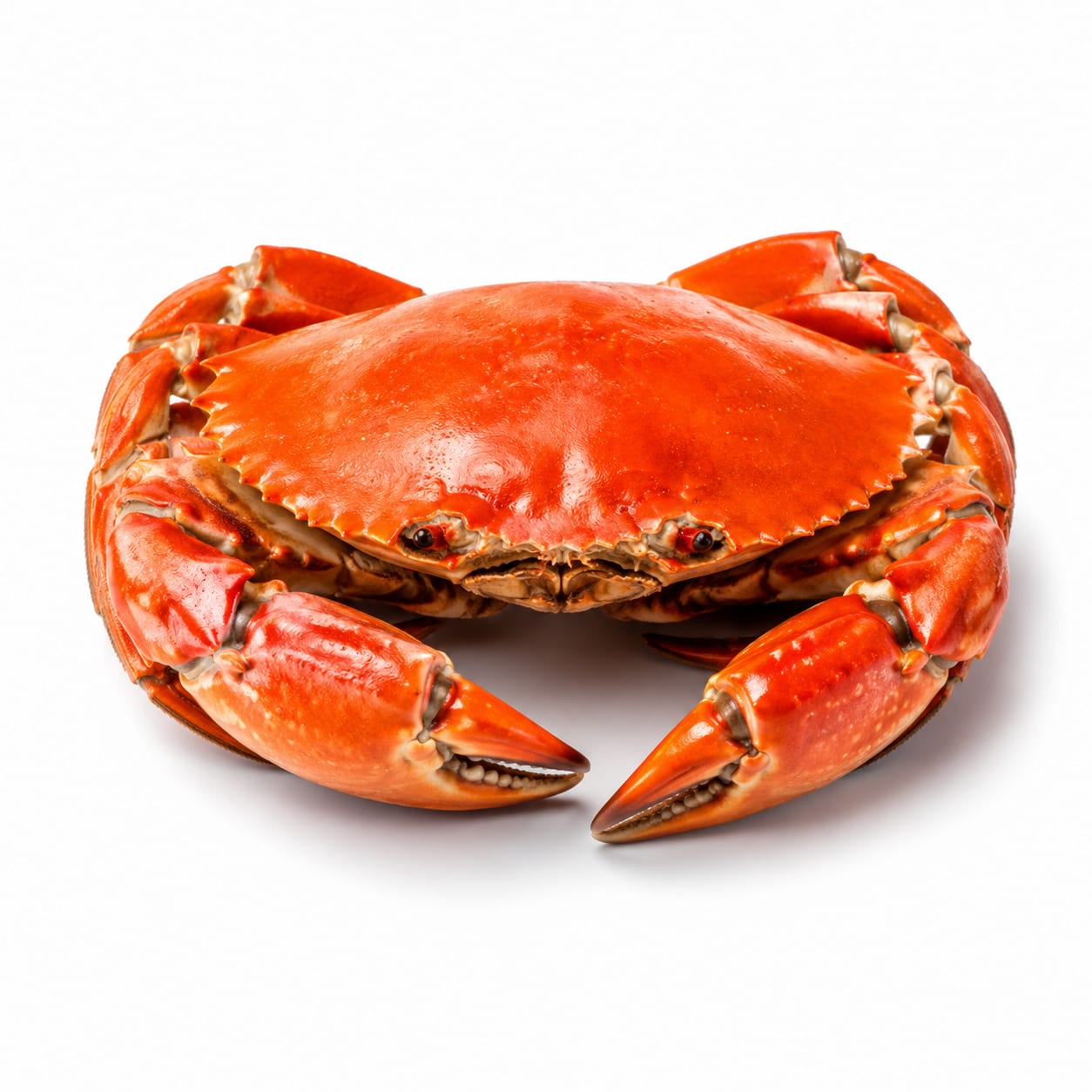
Compare with
Crab
Crab is lower in sodium and easier to eat, but octopus is significantly higher in protein density and iron.
Crab is lower in sodium, but octopus wins for higher protein density and iron content.
This food
Octopus
VS75% alike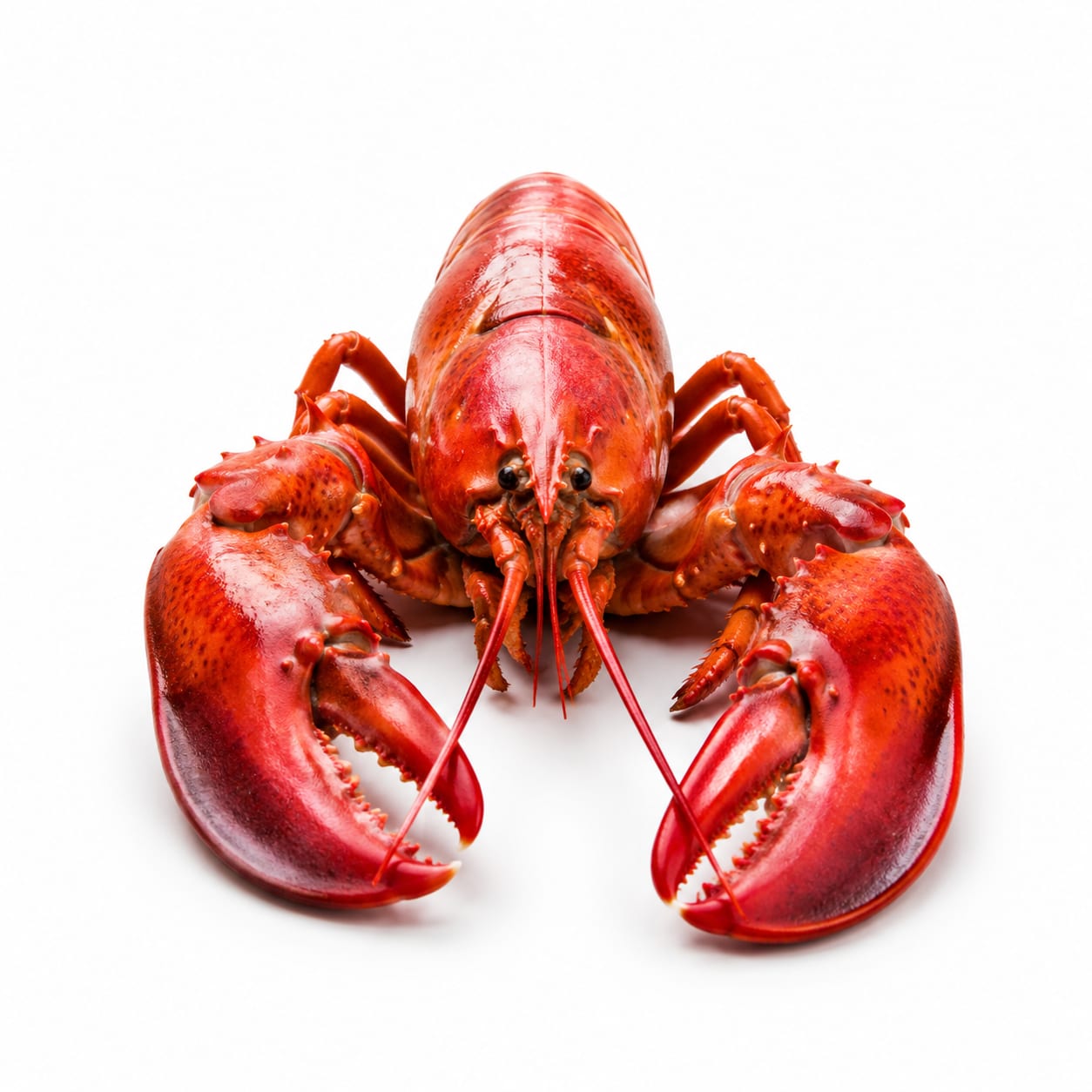
Compare with
Lobster
Lobster is richer and more tender, while octopus is leaner, cheaper, and higher in iron and B12.
Lobster is more tender, but octopus is leaner and provides more iron per calorie.
This food
Octopus
VS70% alike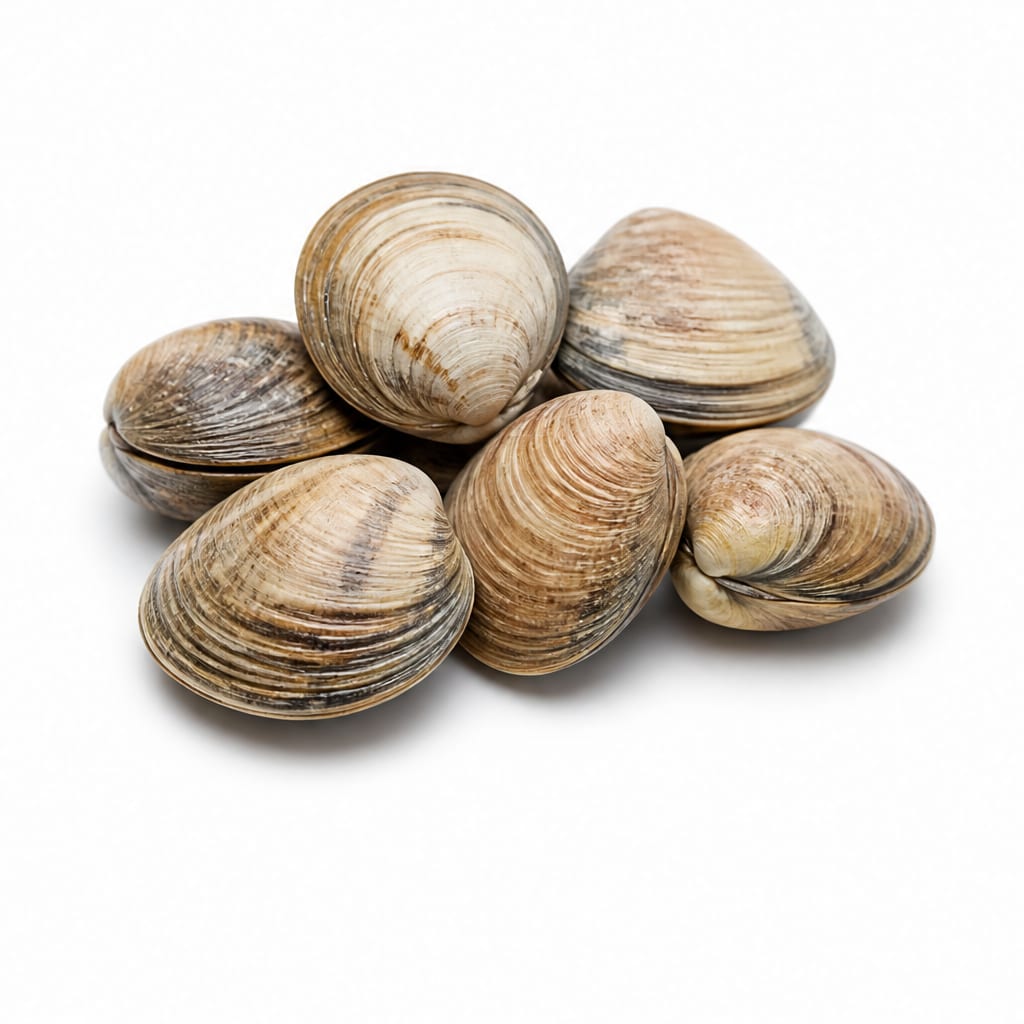
Compare with
Clams
Clams offer more B12 and iron but contain some carbohydrates, whereas octopus is strictly zero-carb.
Clams are higher in iron and B12, but octopus is zero-carb and better for strict keto diets.
This food
Octopus
VS70% alike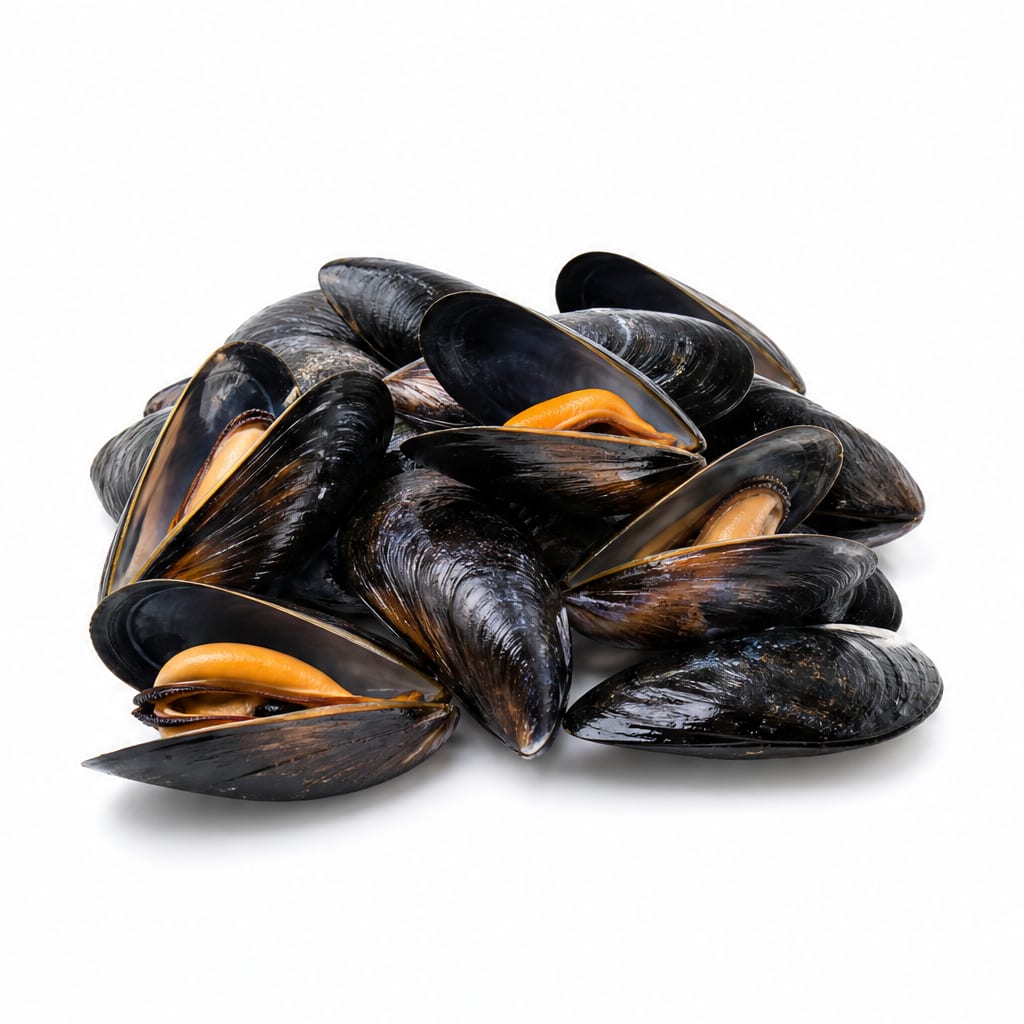
Compare with
Mussels
Mussels are higher in omega-3s and easier to cook, while octopus is leaner and zero-carb.
Mussels provide more omega-3s, but octopus is leaner and completely carb-free.
This food
Octopus
VS75% alike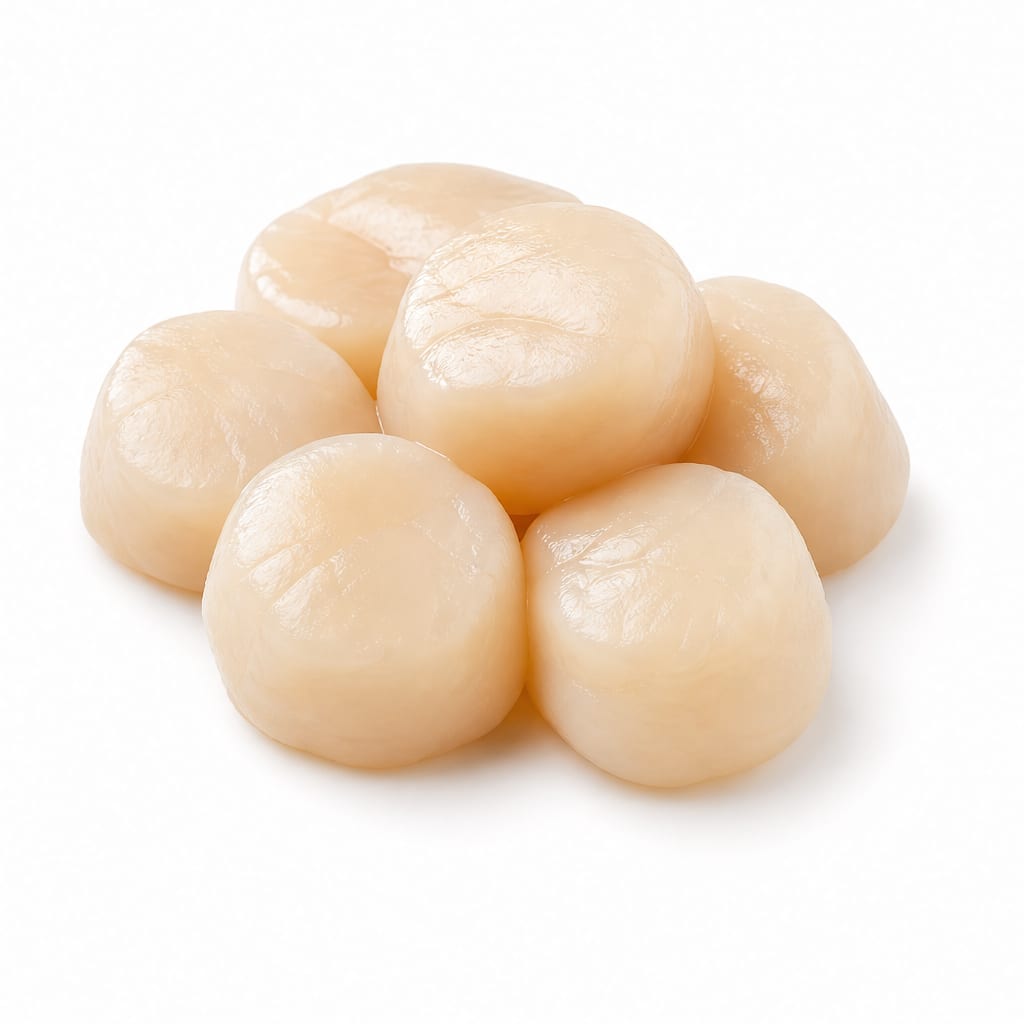
Compare with
Scallops
Scallops are sweeter and more tender, while octopus is chewier, lower in calories, and higher in iron.
Scallops are sweeter and more tender, but octopus is lower in calories and higher in iron.
This food
Octopus
VS65% alike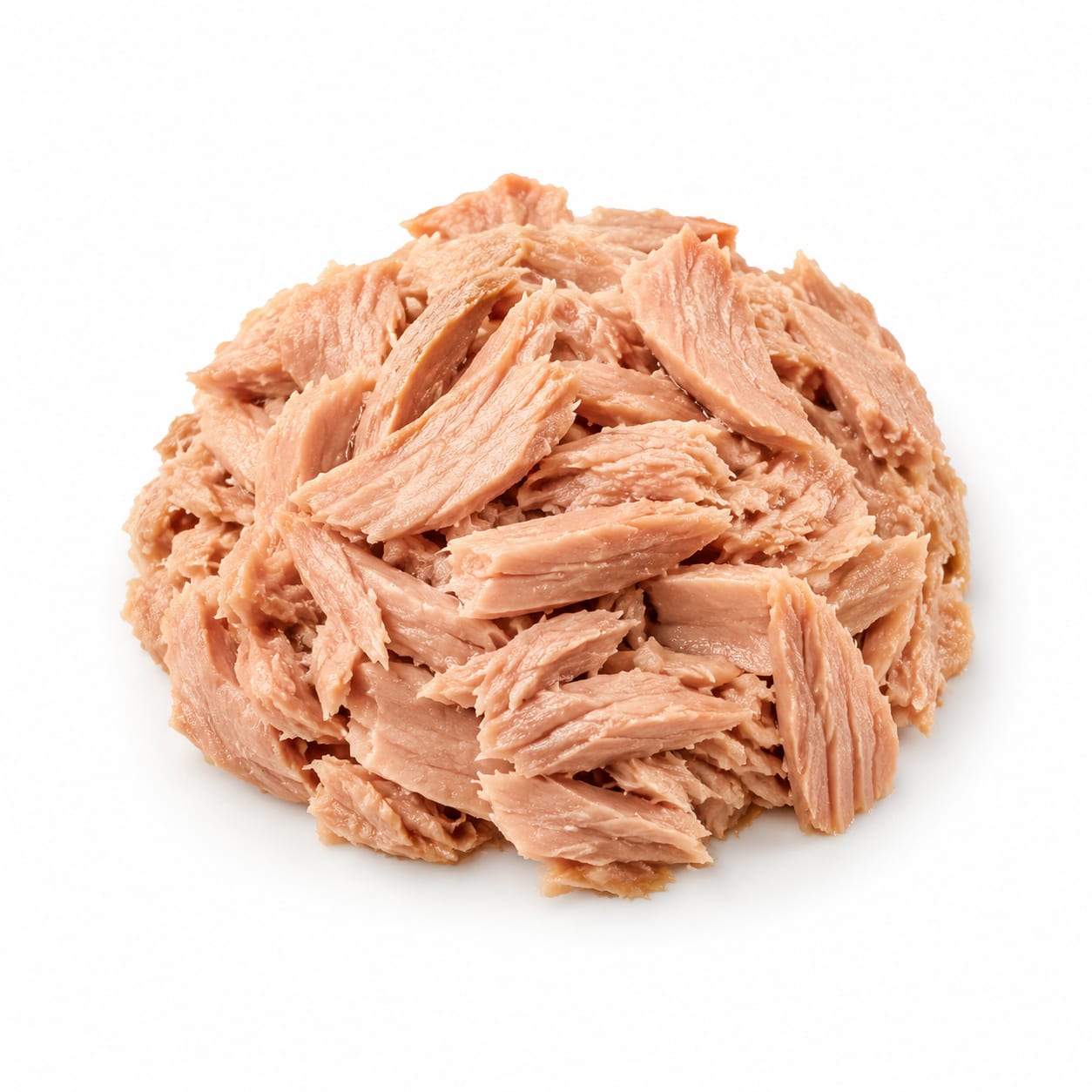
Compare with
Tuna
Tuna offers more protein and omega-3s per ounce but comes with a significantly higher mercury risk than octopus.
Tuna provides more protein and omega-3s, but octopus is much lower in mercury.
This food
Octopus
VS50% alike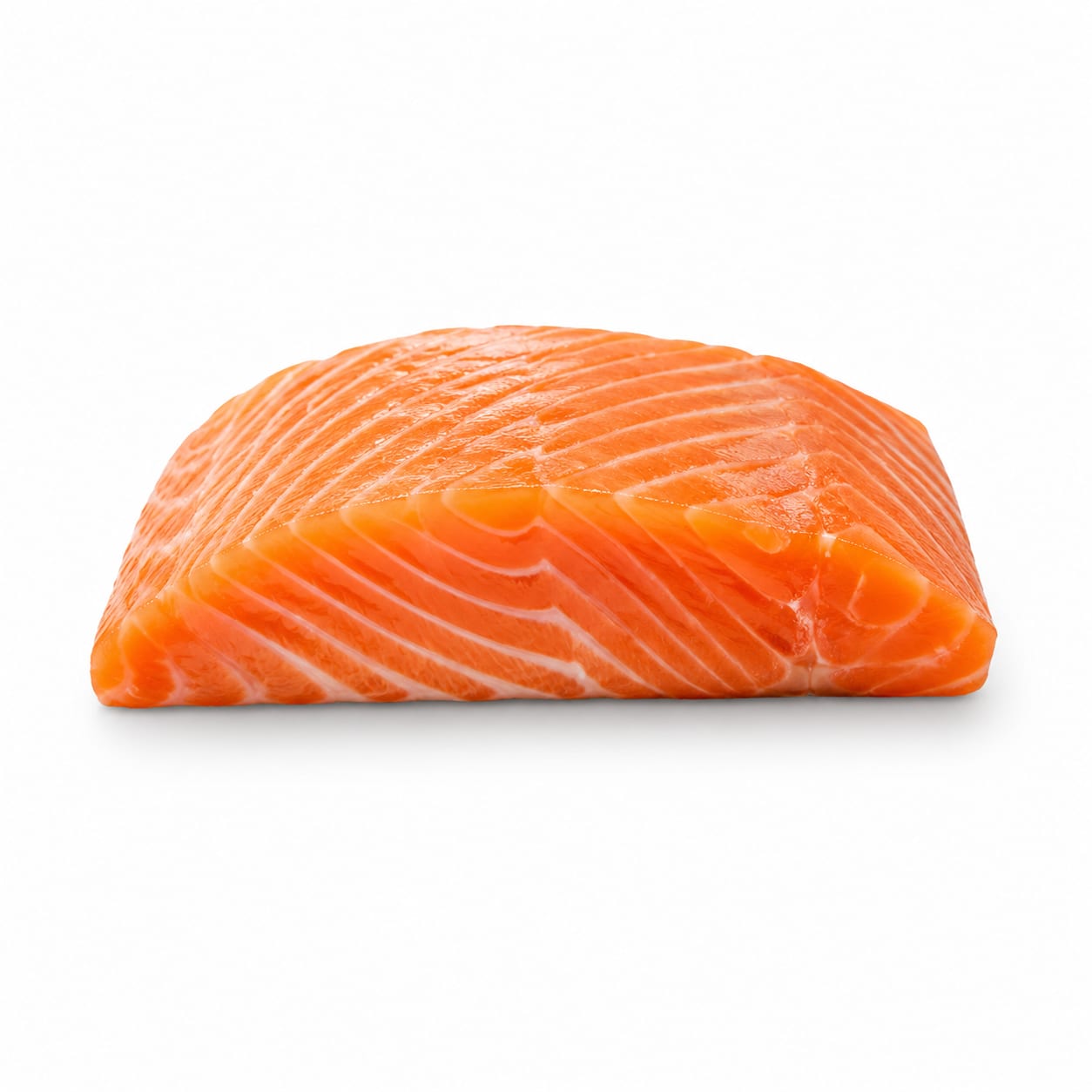
Compare with
Salmon
Salmon is rich in omega-3 fats and easy to digest, while octopus is a leaner, zero-carb alternative with more B12.
Salmon is higher in omega-3s and easier to digest, but octopus is leaner and zero-carb.
This food
Octopus
VS60% alike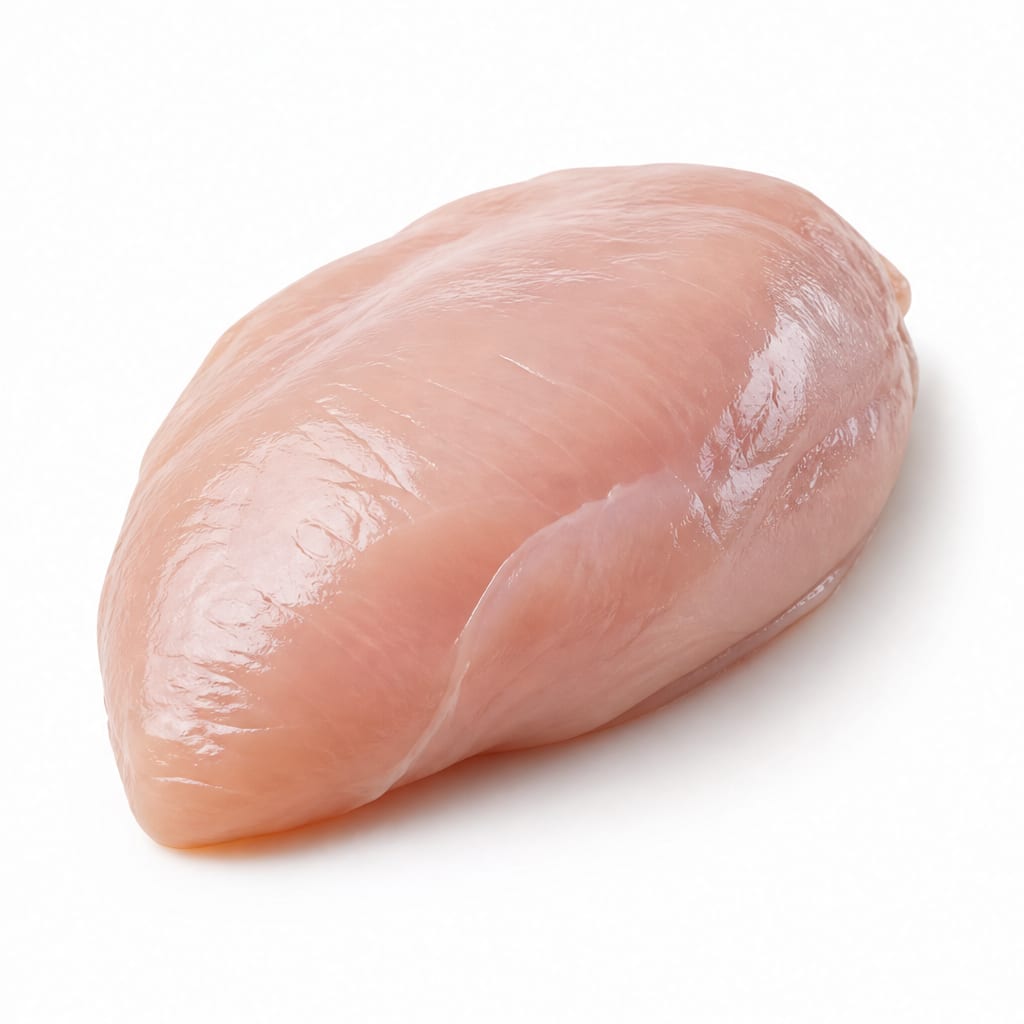
Compare with
Chicken Breast
Chicken is cheaper and easier to cook, while octopus offers vastly more vitamin B12, selenium, and iron per calorie.
Chicken breast is cheaper and more versatile, but octopus provides far more vitamin B12 and selenium.
Common questions
FAQ
Answers aligned with how people search for this food.
Is octopus good for weight loss?
Yes, octopus is very low in calories and fat while providing high-quality protein that promotes fullness and preserves lean muscle mass.
Can diabetics eat octopus?
Yes, octopus contains zero carbohydrates and will not spike blood sugar levels, making it an excellent protein choice for diabetic diets.
Is octopus high in cholesterol?
Octopus does contain dietary cholesterol, but it is very low in saturated fat, which has a more significant impact on blood cholesterol for most people.
Does octopus have a lot of mercury?
Octopus generally has moderate mercury levels, lower than large predatory fish like tuna but higher than small fish like sardines.
Is octopus hard to digest?
It can be if not cooked properly. Slow cooking or tenderizing breaks down the tough muscle fibers, making it much easier to digest.
Is octopus keto-friendly?
Yes, octopus is virtually carb-free and fits perfectly into a ketogenic or strict low-carb diet.
What nutrients is octopus high in?
Octopus is an excellent source of vitamin B12, selenium, and iron, which are crucial for neurological health and oxygen transport.
Can you eat octopus raw?
Eating raw octopus carries a risk of parasites and bacterial infection; it should only be consumed raw if specifically prepared as sushi or sashigi from reputable, parasite-treated sources.
Transparency
Data confidence
Estimated confidence for nutrition data, interpretation, safety notes, and comparisons.
Nutrition data
Health analysis
Food safety
Comparisons