
Nutrition comparison
Octopus vs Mussels: Nutrition, Protein, and Health Comparison
Discover the nutritional differences between Octopus and Mussels. Compare protein, omega-3s, mercury risks, and cooking ease to find the best seafood for your diet.
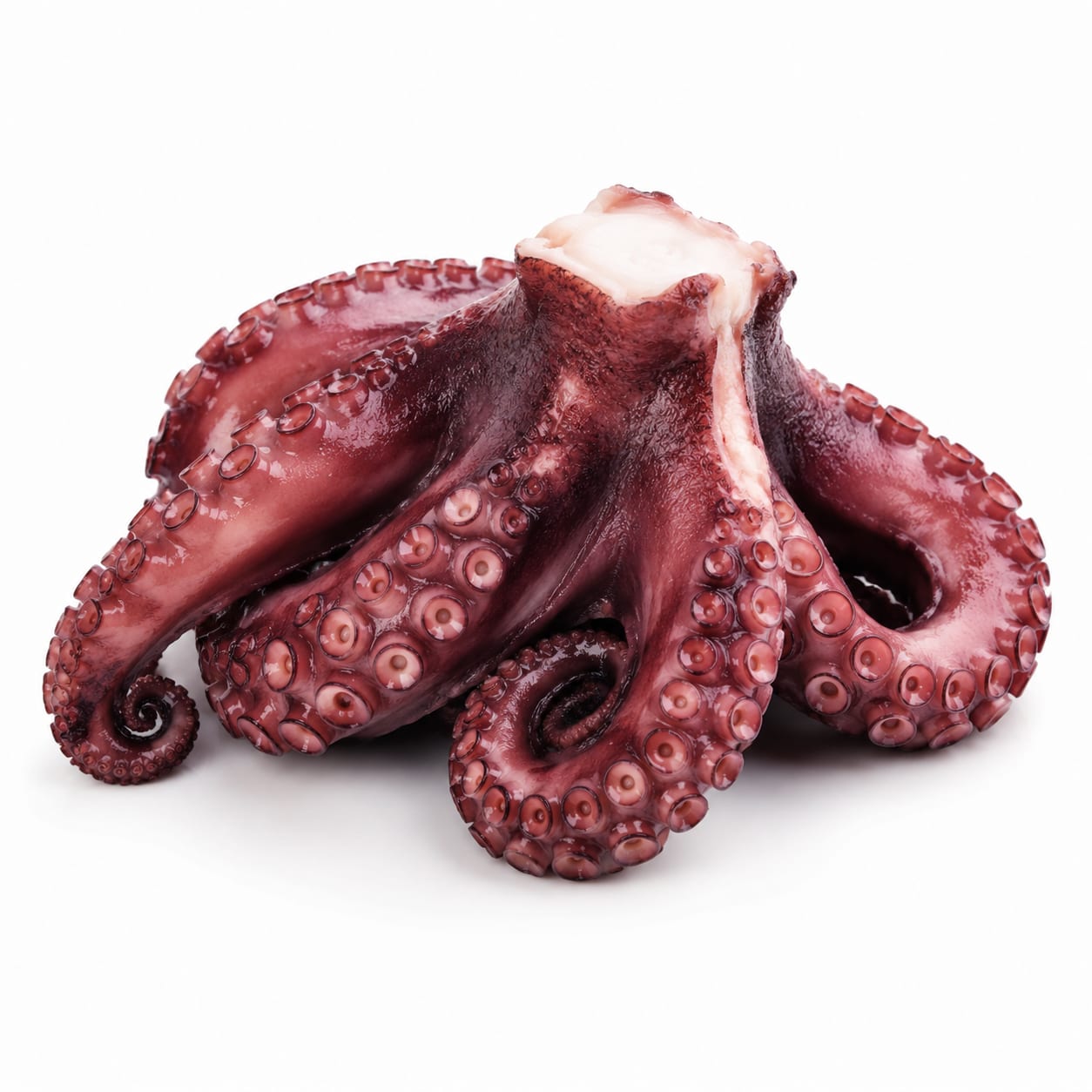
Octopus
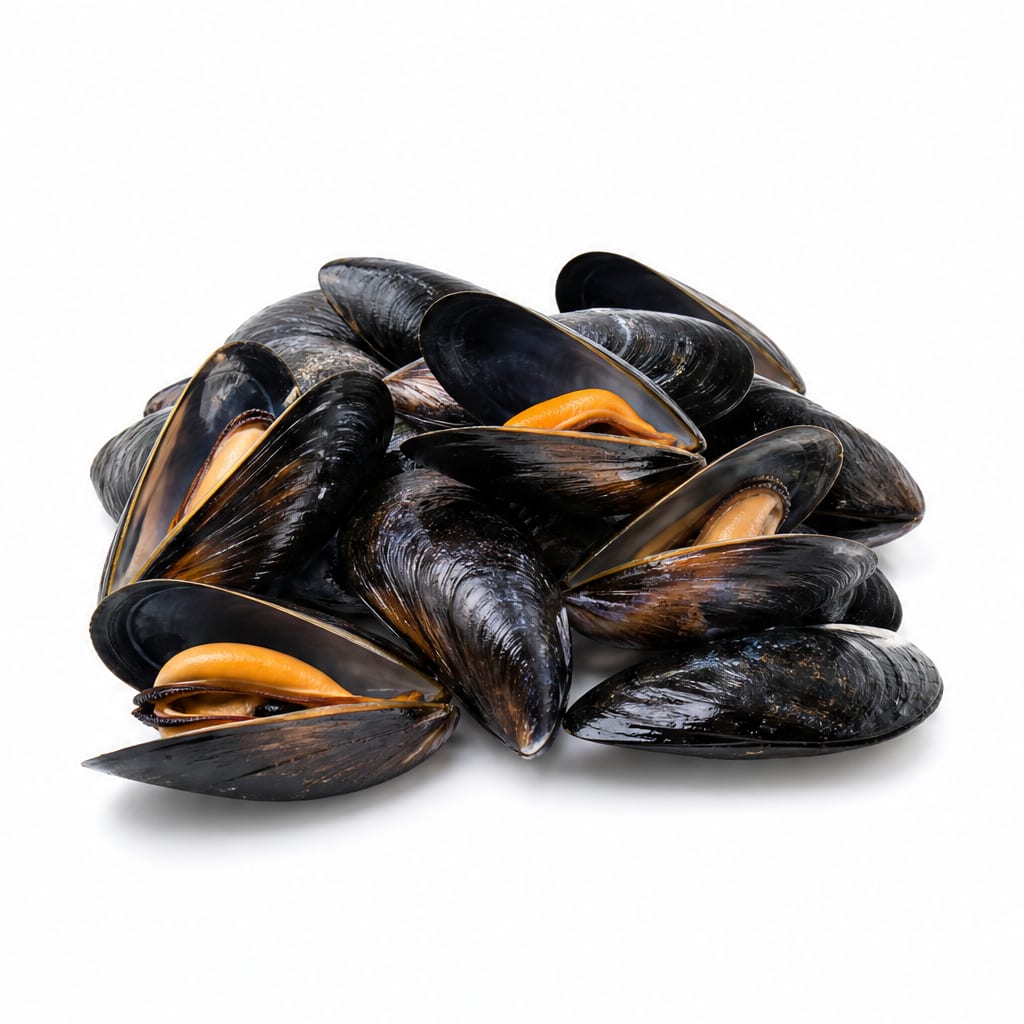
Mussels
Octopus delivers more protein per bite, but Mussels offer better omega-3s, easier cooking, and a safer heavy metal profile.
Mussels edge out Octopus due to their superior omega-3 profile, lower heavy metal risk, and much easier preparation, though Octopus remains an excellent lean protein source.
Choosing between maximum lean protein (Octopus) and heart-healthy fats with culinary convenience (Mussels).
At a glance
Executive summary
Overall
It depends
Healthier
Mussels
More practical
Mussels
Daily use
Mussels
Key comparison lenses
Heart health and omega-3 fat profiles
Mussels provide substantially more anti-inflammatory omega-3s compared to the extremely lean Octopus.
Protein density and satiety for seafood choices
Both are high-protein seafood, but Octopus offers significantly more protein per calorie.
Contaminant and heavy metal exposure risks
Octopus accumulates heavy metals higher up the food chain, while Mussels face filter-feeder biotoxin risks.
Culinary practicality and weeknight convenience
Mussels are cheap and cook in minutes, whereas Octopus is expensive and requires skill to avoid a rubbery texture.
Best choice for
Octopus
- High-protein low-calorie diets
- Athletes needing lean protein
- People wanting iron without excess fat
Mussels
- Heart-healthy diets needing omega-3s
- Budget-conscious seafood lovers
- Quick weeknight dinners
Least suitable for
Octopus
- People avoiding high-cholesterol foods
- Inexperienced cooks
- Those concerned about heavy metals in larger seafood
Mussels
- People with shellfish allergies
- Those wary of filter-feeder biotoxins
- Diners sensitive to high sodium
Deep comparison
Dimension by dimension
Each lens scores both foods and breaks down who each option suits.
- Dimension 1 · Priority 90Octopus
Protein & Satiety
Octopus · 92Mussels · 78Octopus packs significantly more protein per calorie, making it more filling for its weight.
Tradeoff
You get more lean protein from Octopus, but less of the satisfying fats found in Mussels.
Why it matters
Higher protein density helps with muscle maintenance and keeps you full longer without excess calories.
Real-world impact
A serving of Octopus will keep you fuller for longer after a salad, while Mussels might leave you looking for a side of bread.
Octopus
- Body recomposition
- Post-workout recovery
- High-protein low-carb diets
Better for
- Those who struggle with dry or tough meats if overcooked
Worse for
Mussels
- Balanced meals with carbs
- Mediterranean diet patterns
Better for
- Very low-calorie diets where protein density is critical
Worse for
- Dimension 2 · Priority 95Mussels
Heart Health & Fats
Octopus · 70Mussels · 90Mussels provide substantially more omega-3 fatty acids and less cholesterol than Octopus.
Tradeoff
Octopus is leaner but lacks the anti-inflammatory fats that make Mussels a heart-health superstar.
Why it matters
Omega-3s reduce inflammation and support cardiovascular health, which lean protein alone cannot do.
Real-world impact
Eating Mussels a few times a week actively supports heart health, while Octopus mainly just avoids adding bad fats.
Octopus
- Very low-fat diets
Better for
- People managing high cholesterol
Worse for
Mussels
- Reducing inflammation
- Lowering blood pressure
- Improving cholesterol ratios
Better for
- Strict low-fat diet protocols
Worse for
- Dimension 3 · Priority 90It depends
Contaminants & Safety
Octopus · 75Mussels · 75Octopus faces heavy metal accumulation, while Mussels face filter-feeder biotoxin risks.
Tradeoff
Choosing between higher food chain heavy metals (Octopus) and lower food chain microplastics and biotoxins (Mussels).
Why it matters
Both carry unique seafood risks that require smart sourcing to avoid.
Real-world impact
You must source Octopus from clean waters to avoid cadmium, and Mussels from reputable farms to avoid red tide toxins.
Octopus
- Avoiding biotoxins and paralytic shellfish poisoning
Better for
- Frequent consumers worried about long-term heavy metal buildup
Worse for
Mussels
- Minimizing heavy metal and mercury exposure
Better for
- Immunocompromised individuals highly susceptible to filter-feeder bacteria
Worse for
- Dimension 4 · Priority 80Mussels
Culinary Practicality & Cost
Octopus · 45Mussels · 90Mussels are cheap, cook in minutes, and are highly forgiving, whereas Octopus is expensive and easily turns rubbery.
Tradeoff
Octopus offers a meaty steak-like experience, but demands skill and time, while Mussels are a fast weeknight staple.
Why it matters
If a food is hard to cook, you will make it less often, reducing its real-world nutritional impact.
Real-world impact
Mussels can be steamed in white wine in 5 minutes on a Tuesday; Octopus requires slow braising or a skilled grill master.
Octopus
- Special occasion dining
- Impressing guests with culinary skills
Better for
- Busy professionals with limited cooking time
Worse for
Mussels
- Quick weeknight meals
- Budget-friendly meal prep
- Beginner seafood cooks
Better for
- Those who dislike the texture of bivalves
Worse for
Timeline
Health impact over time
Short-term
Hours to days
Octopus
- High satiety from dense protein
- Potential digestive heaviness if undercooked or overcooked
Mussels
- Quick energy from easily digested protein and carbs
- Mild histamine reaction in sensitive individuals
Long-term
Months to years
Octopus
- Excellent muscle maintenance
- Potential cholesterol concerns if eaten excessively
- Risk of heavy metal accumulation with frequent consumption
Mussels
- Improved cardiovascular markers from omega-3s
- Better joint and brain health
- Low risk of mercury but potential microplastic exposure
Risk profile
Safety & processing
Both Octopus and Mussels are typically sold whole and fresh or frozen, making them highly natural whole foods with minimal processing.
Octopus
Heavy Metal Accumulation
mediumAs larger, longer-living predators, Octopus can accumulate cadmium and lead, especially in their tentacles.
Tough Texture Leading to Undercooking
lowImproperly cooked Octopus can be unpleasantly chewy and slightly harder to digest.
Mussels
Biotoxins (Red Tide)
highAs filter feeders, Mussels can concentrate harmful algal blooms, causing paralytic shellfish poisoning if harvested from unmonitored waters.
Bacterial Contamination (Vibrio)
mediumRaw or undercooked Mussels can harbor Vibrio bacteria, posing a risk of severe gastrointestinal illness.
Who wins for whom
Audience fit
Same foods, different winners depending on your goal.
children
MusselsMussels are lower on the food chain with less heavy metal risk, and their soft texture is easier for kids to chew.
daily consumption
MusselsMussels are cheaper, more sustainable, and lower on the food chain, making them safer and more practical for regular intake.
diabetes
MusselsMussels provide more omega-3 fatty acids, which help improve insulin sensitivity and reduce inflammation.
elderly
MusselsThe omega-3s in Mussels support brain and heart health, and the tender texture is easier to eat than potentially rubbery Octopus.
muscle gain
OctopusThe higher protein density in Octopus better supports muscle repair and growth.
weight loss
OctopusOctopus offers more protein and fewer calories per serving, making it superior for strict calorie deficits.
Your move
Decision guide
Choose Octopus
- You need maximum protein with minimal calories
- You are confident in your seafood cooking skills
- You want a meaty, steak-like seafood experience
Choose Mussels
- You want a quick, affordable weeknight dinner
- Heart health and omega-3 intake are your top priorities
- You prefer tender, easy-to-chew seafood
Either works if
- You want a low-fat, high-protein alternative to red meat
- You are following a Mediterranean-style diet
Avoid both if
- You have a severe shellfish or seafood allergy
- You are highly concerned about ocean-borne contaminants and microplastics
Final recommendation
Make Mussels your everyday seafood for heart health and convenience, and save Octopus for when you want a protein-packed, meaty treat and have the time to cook it right.
Practical
Consumer tips
- 1
Buy farmed Mussels from reputable sources to avoid biotoxin risks; they are heavily regulated and very safe.
- 2
Boil Octopus with a cork in the water or freeze it first to help break down the muscle fibers for a more tender bite.
- 3
Pair Mussels with whole-grain bread to soak up the broth and add fiber to the meal.
- 4
Limit Octopus to a few times a month to minimize heavy metal exposure while still enjoying its protein benefits.